Second-Gen Doubao AI Smartphone Unveiled: Not Just Screen Tapping, but True Agent Collaboration
 06/23 2026
 379
379
A sophisticated AI smartphone should embody a sense of 'restraint'.
Recent developments have surfaced regarding the second-generation Doubao AI smartphone. Exclusive reports from industry media outlet Xinliu Zhiku reveal that ZTE Nubia has streamlined its smartphone portfolio, focusing core resources on the upcoming second-gen Doubao AI smartphone, with an anticipated release within the month.
The countdown has begun, with only a few days remaining.
While ZTE, Nubia, or ByteDance have yet to officially confirm this news, publicly available information from the past six months indicates significant investments by Nubia and ByteDance in promoting the new Doubao AI smartphone. This includes a preview of this 'novel smartphone species' by Nubia President Ni Fei at MWC in late February this year.
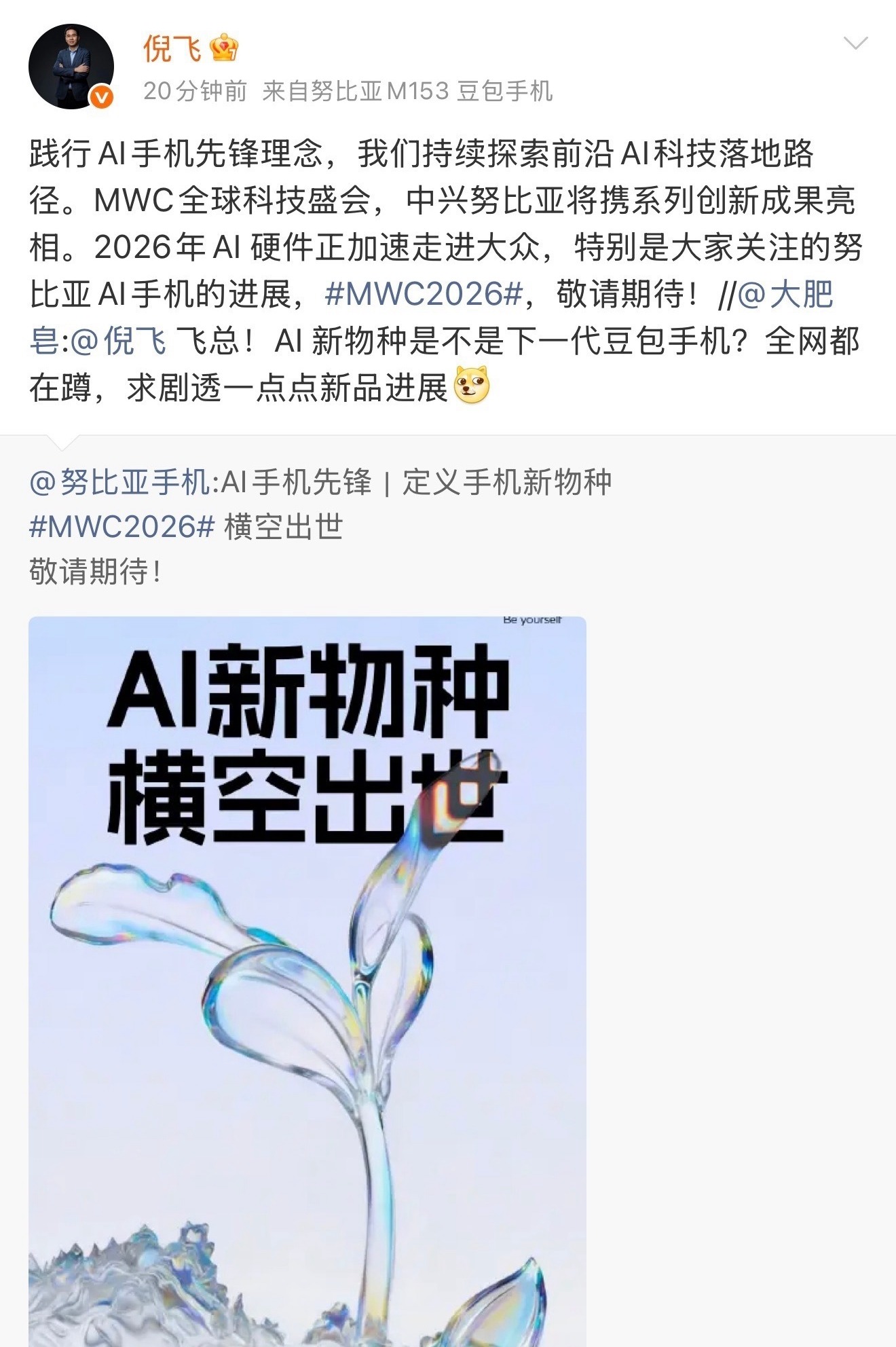
Image Source: Weibo
Rewinding three to four months, the first-gen Doubao smartphone emerged as the Nubia M153. Although still a 'prototype' featuring a technical preview of the Doubao smartphone assistant, its completion level was impressively high.
What truly captivated users and sparked discussions about the Doubao smartphone was its ability to perform cross-app operations via natural language. This included price comparisons, photo editing, ticket checking, order placement, message sending, and even mimicking human-like smartphone interactions—step-by-step app opening, interface identification, and task completion.
The first-gen Doubao smartphone propelled the concept of 'AI smartphones'—a topic long discussed by mobile phone manufacturers—to the forefront, enabling 'AI to operate the smartphone on your behalf'.
However, as AI transcends mere question-answering to replace users in tapping screens, invoking apps, accessing photo galleries, handling payments, and managing social relationships via GUI (Graphical User Interface), it inevitably encounters permission and privacy issues, impacting today's internet business ecosystem.
The first-gen Doubao smartphone quickly encountered these challenges. WeChat, Alipay, banks, shopping platforms, etc., instinctively imposed restrictions on its invocation and operations. The outside world also began discussing system-level permissions, simulated inputs, account security, and privacy boundaries on a larger scale.
This is the question the second-gen Doubao AI smartphone must address: It must not only surpass the first generation in speed, cost, or flagship features but also resolve privacy concerns, transforming from a 'prototype' into a mass-produced device that ordinary users can trust.
Hardware Upgrades, Paving the Way for Agents
Currently, specific hardware details about the second-gen Doubao AI smartphone are scarce. The most concrete news suggests it will be powered by the fifth-generation Snapdragon 8 Elite. Given that the first-gen M153 already featured the Snapdragon 8 Elite, 16GB+512GB, a 6.78-inch LTPO screen, and a 6000mAh battery, it's unsurprising that the second generation will continue to utilize a flagship platform.
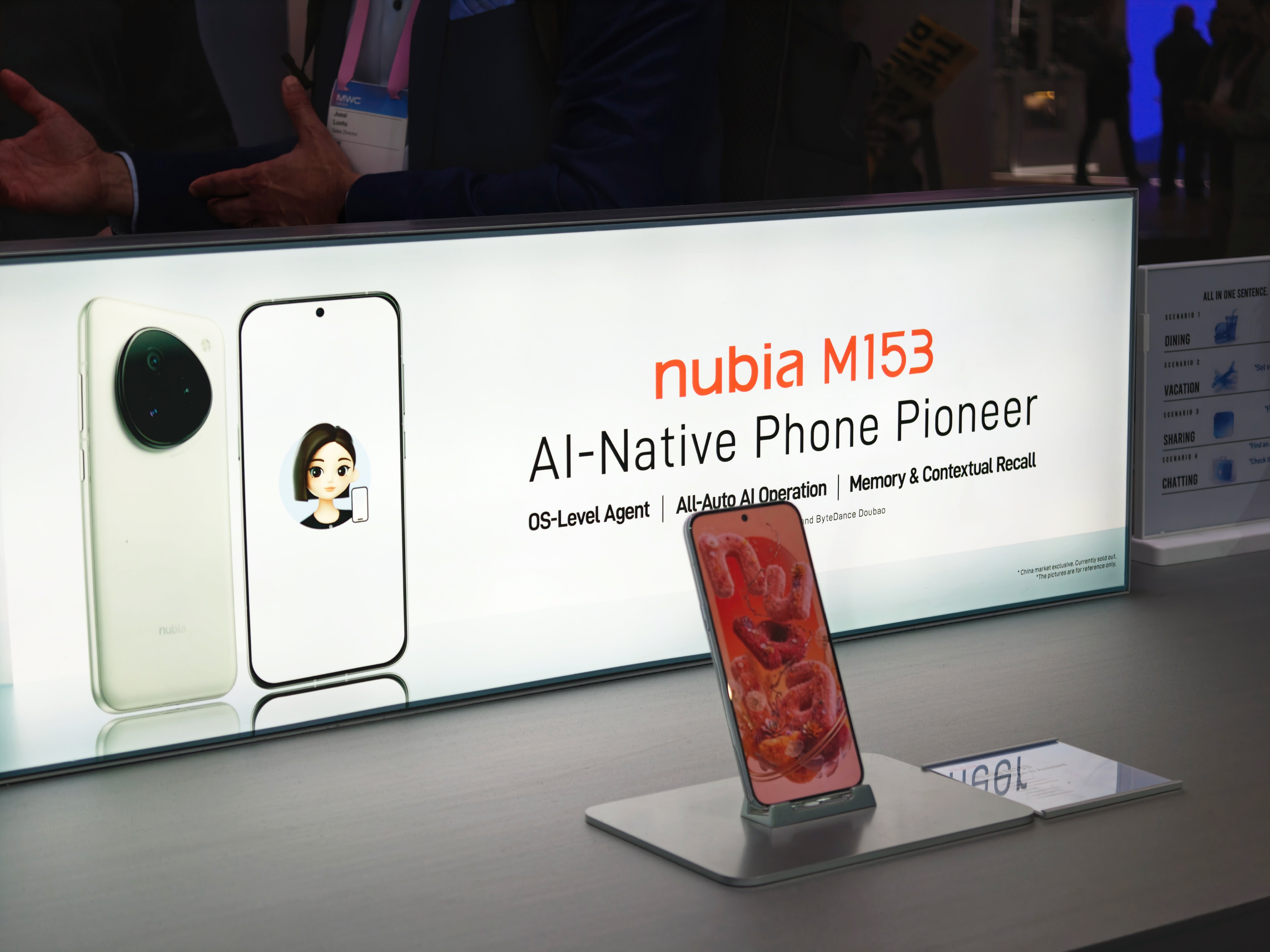
First-Gen Doubao AI Smartphone, Image Source: Lei Technology
From a traditional smartphone perspective, these specifications are not groundbreaking. In 2026, which Android flagship lacks a flagship chip and a large battery? However, the real innovation the second-gen Doubao AI smartphone should bring is redesigning hardware around the Agent.
Traditionally, mobile phone hardware services centered on Apps. The chip ensured fast app launches, the screen guaranteed good display, the camera delivered strong photo-taking capabilities, and the battery lasted a day. With the advent of AI Agents, smartphones will have a new category of continuously running tasks:
They must understand user instructions, recognize screen content, invoke the camera, microphone, location, photo gallery, calendar, notifications, and app status at any time, make judgments between cloud and on-device models, and do so without significantly slowing down the system or noticeably increasing heat and power consumption.
This necessitates not just a stronger SoC for the second-gen Doubao AI smartphone but an entire system engineering approach centered around on-device AI.
Furthermore, according to Qualcomm's description of this platform, in addition to continued improvements in CPU, GPU, and NPU performance, the core upgrades of the fifth-generation Snapdragon 8 Elite also encompass on-device learning, real-time perception, personal knowledge graphs, and Agentic AI capabilities.
If the second-gen Doubao AI smartphone is equipped with this chip, it should maximize its on-device capabilities. For instance, it could process a portion of personal memories, preferences, frequently used contacts, and common task flows on the device. When a user says, 'Help me book a ticket to Guangzhou tomorrow,' it shouldn't start from scratch asking about preferences but should know the user's usual seating class, preferred travel app, invoice details, and morning travel preference.
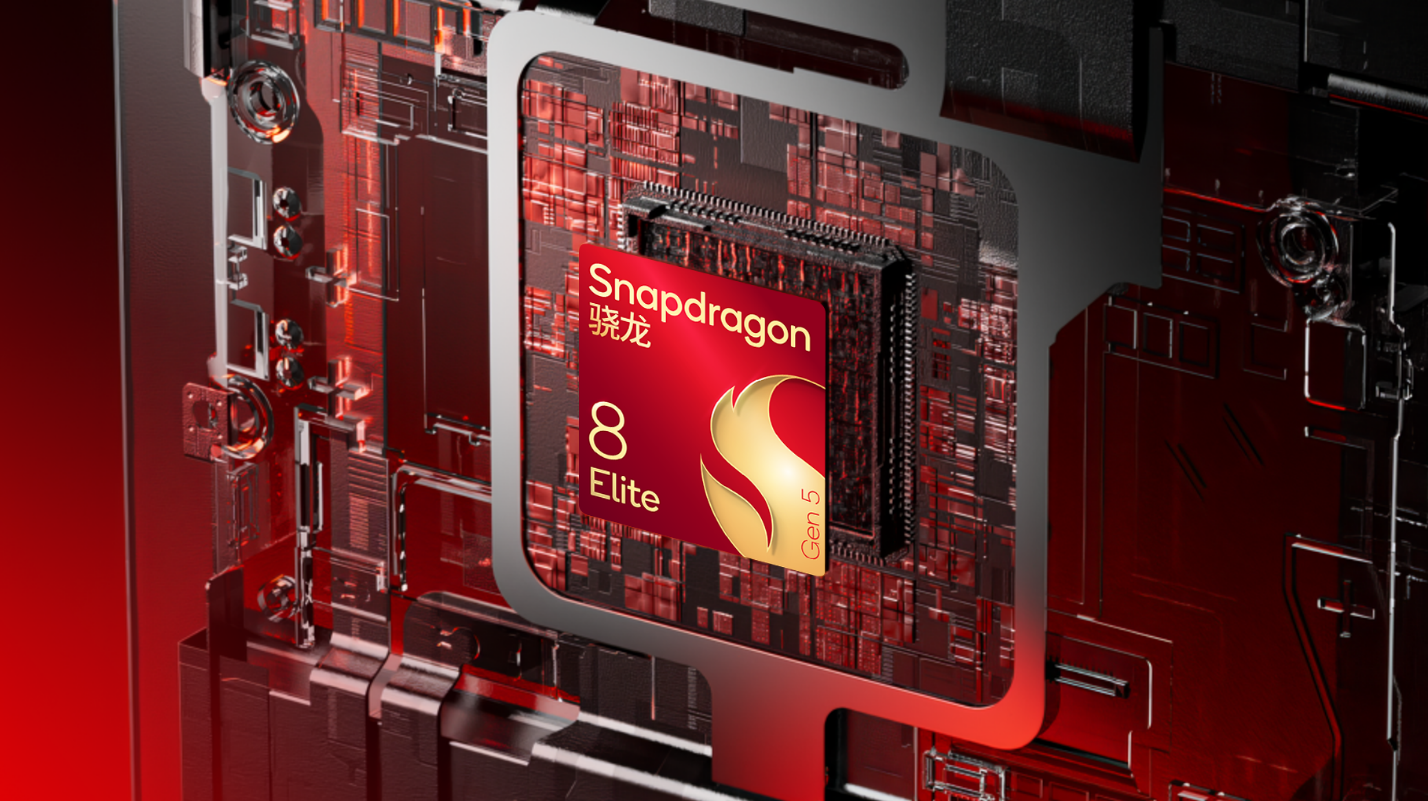
Image Source: Qualcomm
The more comprehensive the on-device memory, the more the AI will resemble a truly understanding assistant of user habits.
Moreover, multimodal understanding should also be more on-device. When users ask questions like 'Is this reliable?' or 'Help me summarize this' or 'Send the address here to him' on any interface, the AI needs to quickly understand the screen content. Uploading screenshots to the cloud every time would strain speed, privacy, and stability.
Stronger NPUs, memory, and local models can enable these lightweight tasks to be completed directly on the smartphone.
Another often-overlooked aspect is thermal management and battery life. Traditional flagship smartphones' high loads mainly stem from gaming and imaging, which users can perceive and usually have a clear duration. However, the high loads of Agents may be more fragmented and frequent. They may not always run at full performance but could spend the whole day waiting, listening, identifying, summarizing, and retrieving in the background.
Therefore, the second-gen product will likely continue to feature a large battery and may also see improvements in thermal management, memory, storage, and system scheduling. It can even be further inferred that its hardware design will be reinforced around several AI entry points: a dedicated AI button, higher-quality microphones, more stable voice wake-up, stronger screen content recognition, better privacy prompts, and a body design more suitable for prolonged holding and voice interaction.
From the First to the Second Generation, From 'Operation' to 'Collaboration'
More importantly, it's about AI. Today, it is almost certain that the second-gen Doubao AI smartphone will undergo significant changes in its 'agent' approach because the external environment has completely changed.
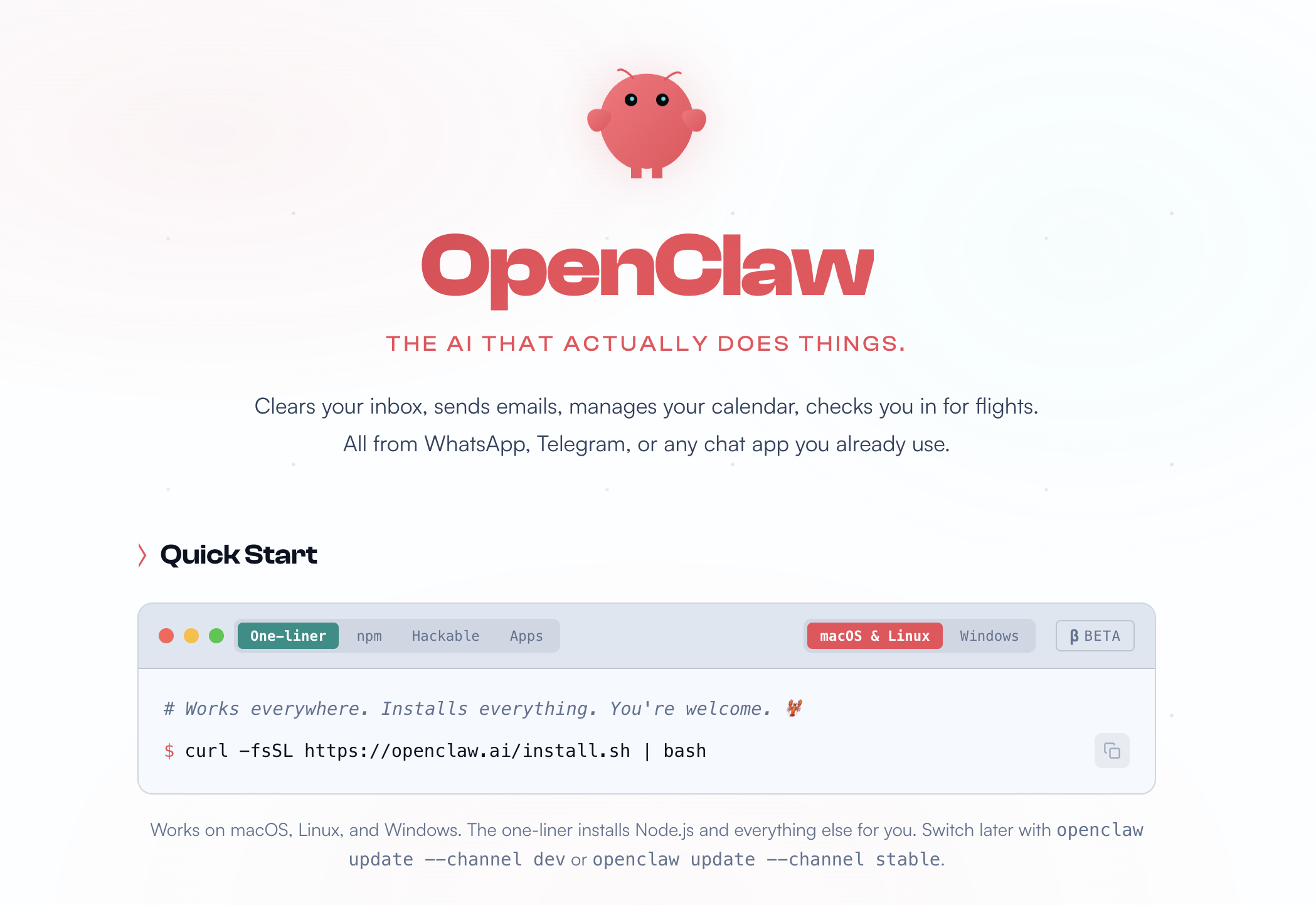
Image Source: OpenClaw
Over the past six months, heavyweight products like OpenClaw, Claude Code, and Codex have brought about a significant change in the Agent ecosystem, with internet platforms accelerating their embrace of Agents and enabling Agent interactions through MCP, A2A protocols, or official Skills.
MCP addresses how AI connects to tools and data sources. It transforms past customized interfaces into a more universal connection method. For developers, AI does not need to write separate invocation logic for each service; for service providers, they can also expose their capabilities in a more standardized way.
A2A, on the other hand, addresses how agents communicate with each other. The smartphone system assistant can be an Agent, and WeChat, Alipay, Feishu, and Taobao can also have their own Agents.
The system assistant does not necessarily have to tap on the WeChat interface like a human but can send a clear request to WeChat's Agent: send a message to a certain contact or initiate a video call. WeChat then executes within its own security boundaries and returns the result to the smartphone assistant.
Although it may sound like just a technical route change, it is crucial for AI smartphones. The first-gen Doubao smartphone attempted to 'operate apps for the user,' but the GUI-based Agent technical route had too much of an impact on the existing ecosystem. In contrast, the protocol-based Agent technical route is becoming increasingly viable.
WeChat's recent progress in advancing A2A assistant capabilities with multiple smartphone manufacturers is a clear signal. WeChat has not fully opened up its ecosystem, but it has begun to allow smartphone system assistants to invoke WeChat capabilities in specific scenarios, such as sending messages and initiating audio and video calls. The entire process emphasizes dual authorization and execution and result return by WeChat itself.
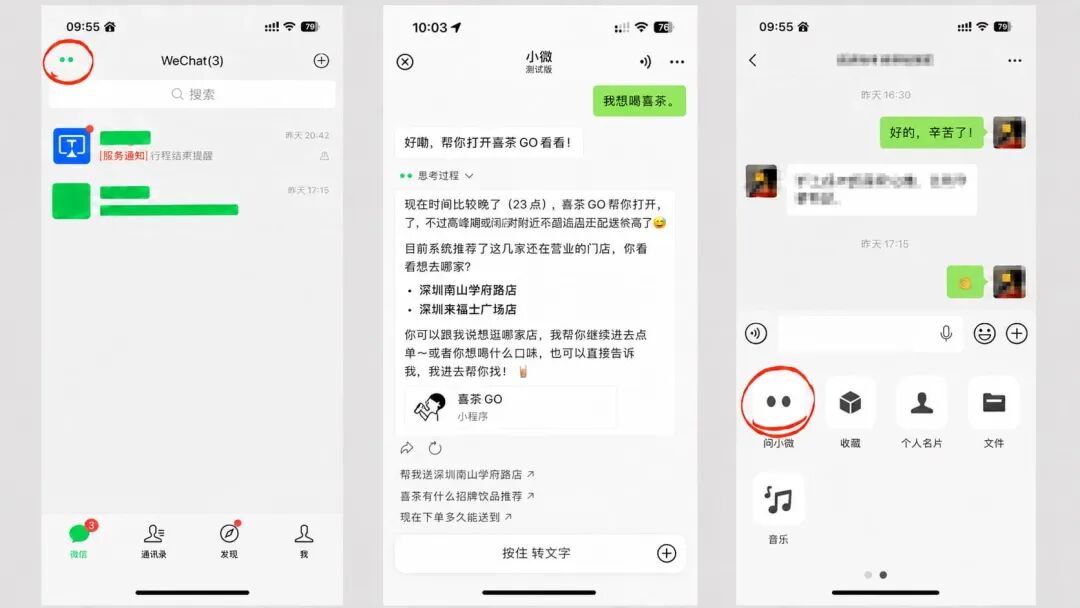
Image Source: Weibo
Including Doubao, over the past six months, it has also learned from Qianwen, connecting its own e-commerce, payment, and other service capabilities while also connecting to third-party platform services. For example, today, the Doubao APP has initiated a grayscale test for one-click taxi booking in Beijing and Hangzhou, with Caocao Chuxing providing the taxi service. Users can directly state their travel needs in the chatbox, and the system automatically identifies the location, number of people, preferences, matches the route and price, and confirms the order with one click.
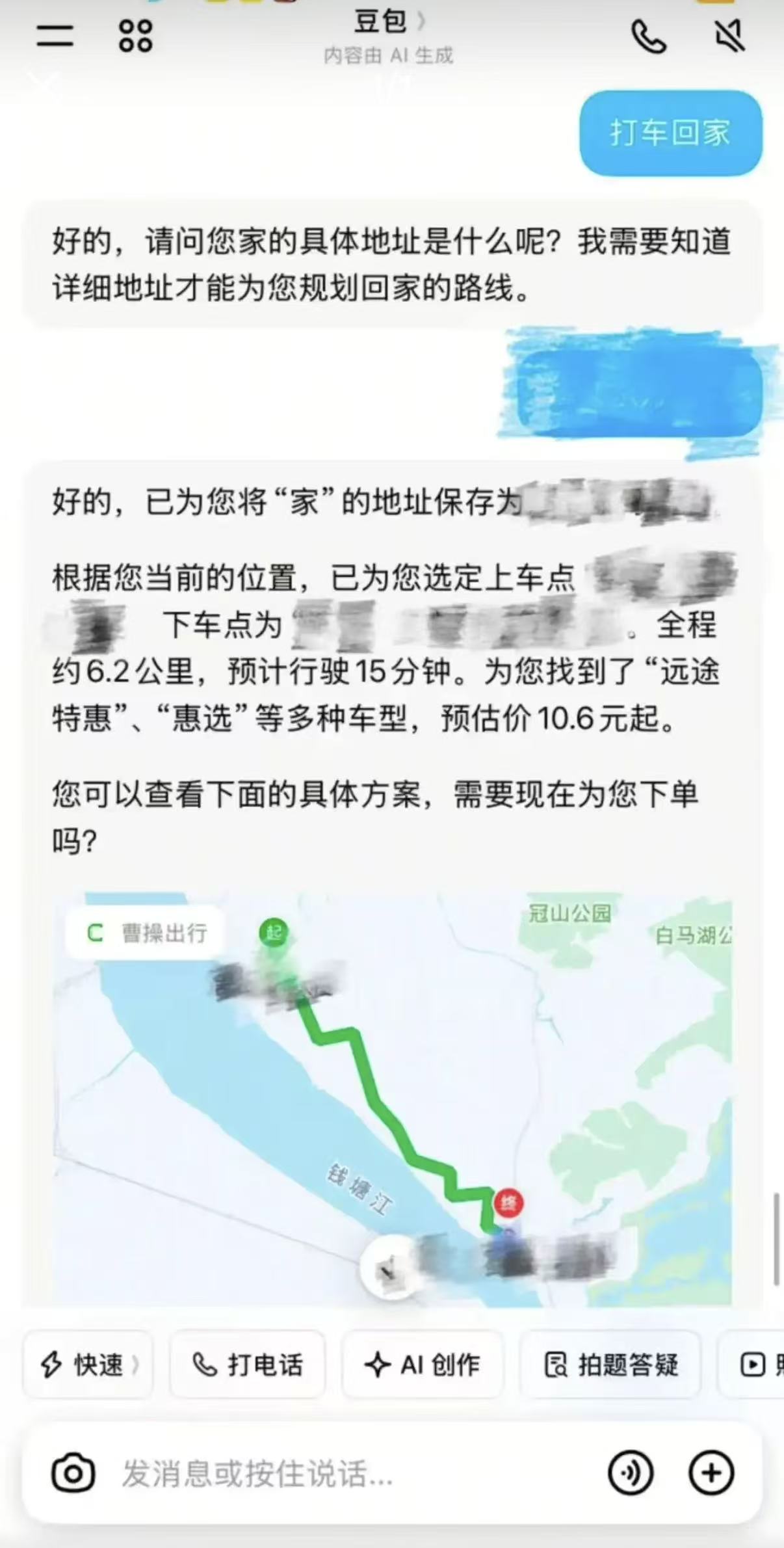
Image Source: Weibo
Therefore, it is foreseeable that the second-gen Doubao AI smartphone may retain GUI Agents because a large number of mid-to-long-tail apps cannot immediately adopt standard protocols. However, when facing high-risk services and dominant platforms, more protocol-based and authorized connections will be needed.
If A2A or similar mechanisms can be used, forced simulated taps should be avoided. If simulated taps are necessary, there should be clearer permission prompts, operation replays, key step confirmations, and risk interceptions. This will make the second-gen Doubao smartphone seem less 'wild' than the first generation but also closer to a smartphone that can truly be sold to ordinary people.
A Mature AI Smartphone Should Embody 'Restraint'
Over the past two years, the smartphone industry has overly emphasized AI. Many features sound exciting, but the actual changes they bring to users are minimal. Therefore, the Doubao smartphone has stimulated the smartphone industry and accelerated the competition for AI smartphones into the deep waters of application ecosystems and operation permissions:
Smartphone manufacturers are busy redefining system assistants, internet platforms are busy redefining open boundaries, chip manufacturers must continue to provide more powerful computing power and energy efficiency for on-device Agents, and developers must also consider how their apps can be invoked, understood, and distributed by AI.
So, will the second-gen Doubao AI smartphone look like this? We cannot confirm yet.
However, a truly mature AI smartphone should embody a sense of 'restraint' in its interactions between humans and Agents and between Agents and devices: It should allow users to operate less in most scenarios but must let users clearly see what AI is doing in key scenarios. It can help users fill out forms, compare prices, organize itineraries, edit photos, summarize files, and initiate communications, but it should have clear confirmations and traceable records for sensitive operations such as payments, sending messages, account logins, and finance.
On the other hand, as expressed in a previous article by Lei Technology, AI smartphones should not treat GUI Agents as the only solution, nor should they completely abandon the versatility advantages of GUI Agents. After all, for many mid-to-long-tail apps, developers may not be able to adapt to Agent interactions immediately due to resource and cost considerations.
At the same time, AI smartphones cannot rely solely on cloud models; improvements in on-device AI capabilities are also imperative. A series of capabilities, such as low latency, minimal disturbance, memory of preferences, and contextual understanding on the device, can ensure a seamless daily experience.
If the second-gen Doubao AI smartphone can achieve all these, its significance will not be limited to Doubao and Nubia.
Source: Lei Technology
All images in this article are from the 123RF Authentic Library (123RF Royalty-Free Image Library) Source: Lei Technology
-
![]()
Geely's Three Strategic Cards for Future Layout Unveiled at Hong Kong Auto Show
-
![]()
GAC Toyota’s Sales Boom: Forging Vehicles with Enduring Value for the Long Haul
-
![]()
Insider Insights on Brazil’s Internet Landscape: No Chinese Firm Has Made Significant Profits in 25 Years
-
![]()
【OFweek Weike Cup】HG Genuine Optics Nominated for 2026 Excellent Optical Component Supplier in the Optical Industry
-
![]()
European Sales of Chinese Vehicles Surge 1.5-Fold in a Year! EU Takes Action: Additional Tariffs on China’s Plug-in Hybrid Vehicles
-
![]()
Soaring 19-Fold, Market Value Hits Trillions: Is Zhipu a Legend or a Speculative Bubble?
-
![]()
【Electric Equipment】The first standard for shore power facilities of electric ships is introduced and will be officially implemented on August 1
-
![]()
【Intelligentization】Joint Development of Right-Hand Drive Robotaxi: Geely Yuancheng, WeRide, and Kwoon Chung Bus Sign Agreement