AI Toys Soar: Trend or Just Hype?
 07/15 2026
 524
524
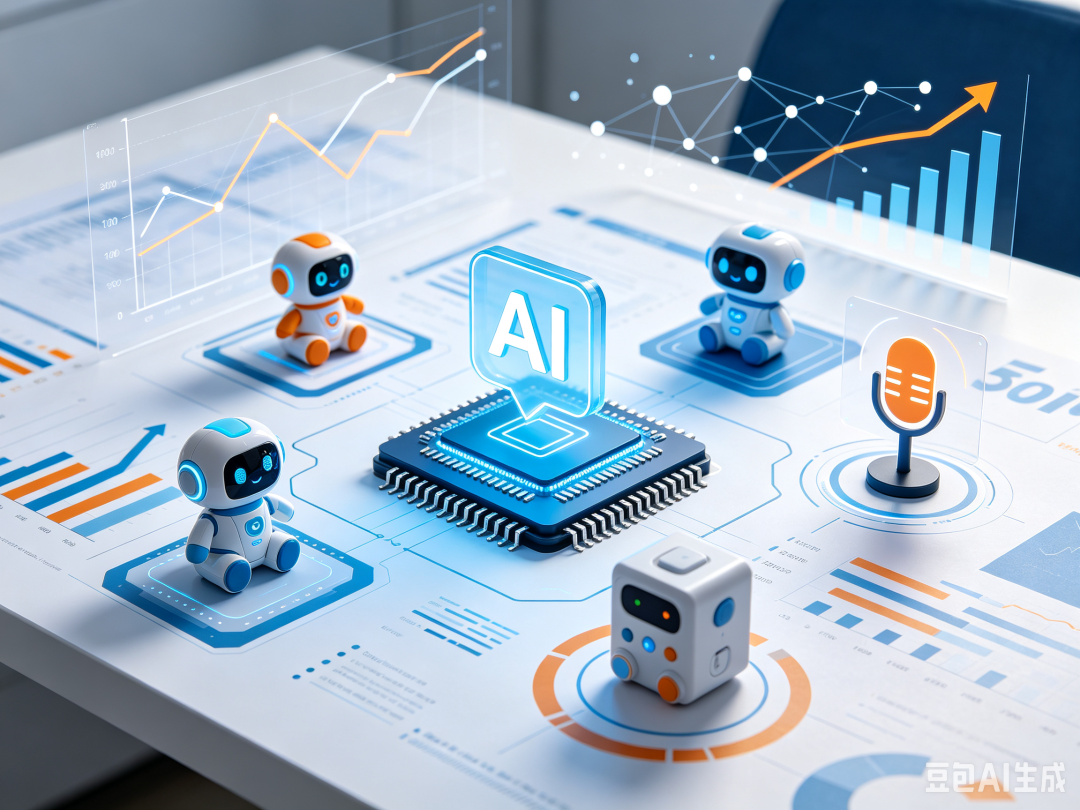
In Shenzhen's Huaqiangbei, a regular toy can be made to "talk" in just half an hour for 200 yuan.
Suddenly, traditional toys seem to have embraced AI. According to the Ministry of Industry and Information Technology, China's AI toy market will reach 29 billion yuan by 2025, marking what industry insiders call the "first year of AI toys." By 2026, the market is expected to grow to 34.2 billion yuan.
Capital is rushing in. According to Hua'an Securities, there have been at least 13 investment and financing events in the domestic AI toy market this year alone, with over 50 cumulative financings in the past two years. Major investors include Ant Group, Shenzhen Venture Capital, and Huatai Zijin.
With industry growth and capital enthusiasm, can traditional toys find a second spring through AI?

AI Boom Fuels the Rise of AI Toys
AI toys are defined as intelligent applications that combine traditional toys with AI technologies such as speech recognition and machine learning. These toys are designed for specific segments, offering features like voice interaction, emotional companionship, and learning guidance.
Currently, AI toys on the market fall into three main categories:
"Educational" toys focus on knowledge dissemination, programming thinking, and language training, such as iFLYTEK's Alpha Egg and UBTECH's Wukong series.
"Companion" toys prioritize emotional value, like AI pets, catering to children, young adults, and the elderly.
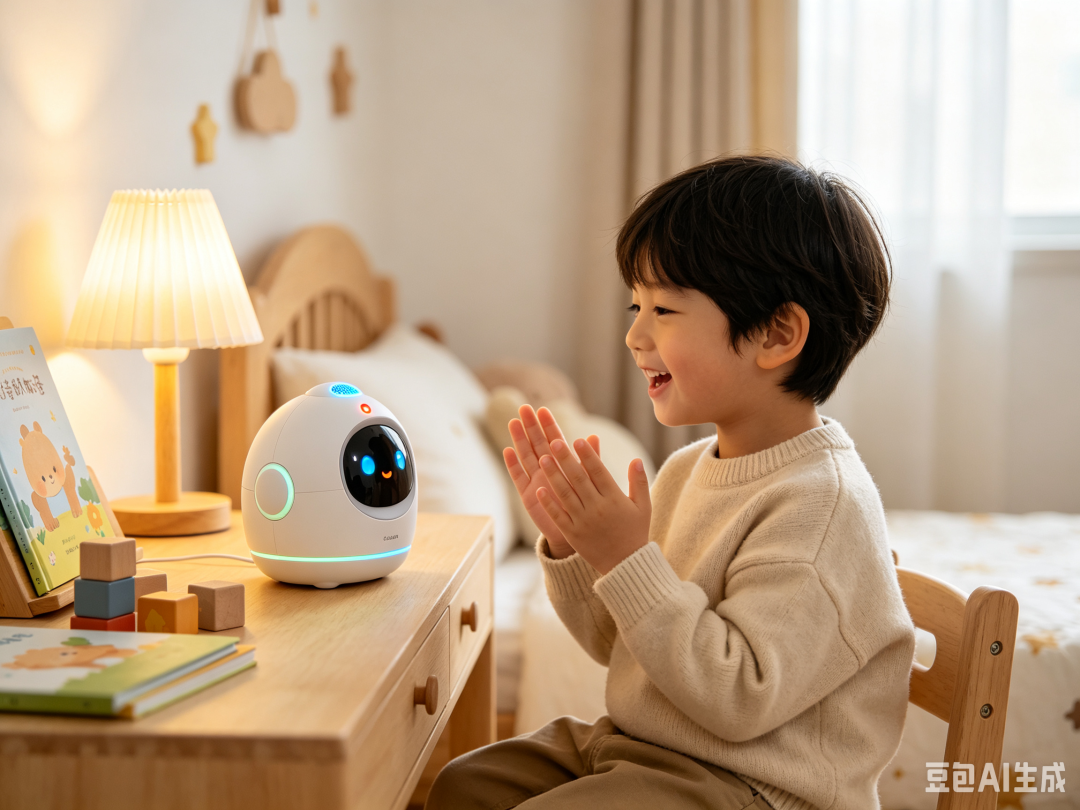
"Entertainment IP" toys leverage IP collaborations as their core driver, emphasizing trendy social attributes.
Prices vary widely, with common AI toys ranging from 99 yuan to several thousand yuan.
JD's "JoyInside" series of AI plush toys, powered by JD's proprietary JoyAI model, start at just 99 yuan. Huawei's "Hanhan" plush pendant, developed with Fuzai, costs between 300-500 yuan. Mengyou Intelligence's "Ropet" companion AI pet is priced at 1,500-2,000 yuan, with approximately 20,000 units shipped globally since its September 2025 launch.
According to Mmagic Data, AI toy startup "HAIvivi" achieved over 100 million yuan in sales in 2025, up more than 900% year-on-year. "Luka Doctor," which specializes in children's AI learning devices, also exceeded 60 million yuan in annual sales.
Statista's 2026 report reveals that the global AI toy market has reached $31.2 billion, with China contributing over 36% of the share, making it the world's largest consumer market for AI toys. The "2026-2031 China AI Toy Industry Competition and Investment Planning Report" predicts that China's AI toy market will surpass 100 billion yuan by 2030.

So, why has AI toys grown so rapidly in China?
First, China's well-established toy supply chain has embraced AI. Traditional toys, once limited in functionality, now offer two-way interaction with users after AI integration.
Second, AI toys address the parenting anxieties of Gen Z parents. Capable of chatting, soothing emotions, and assisting with reading, AI toys have become a tech-savvy choice for many parents. Moreover, AI products can promptly answer children's questions without the fatigue or irritability of humans.
Third, AI toys have expanded beyond children to include young adults and the elderly. A notable example is UBTECH's U1 series of bionic humanoid robots, launched in Shenzhen on June 30, which emphasizes companionship. The U1 Ultra male version is priced as high as 990,000 yuan. Official data shows that pre-orders for the U1 series have surpassed 13,000 units, matching its 2025 full-year sales.
Genuine Value or False Demand?
However, the true value of AI toys remains questionable for consumers.
On one hand, manufacturers are announcing record-breaking sales figures. On the other hand, return rates on e-commerce platforms range from 30%-40%. Media reports reveal that many consumers complain about the lack of intelligence in AI toys, with products often collecting dust after a few days of use.
Insufficient intelligence and exaggerated features for marketing purposes are the primary issues facing AI toys.
Advertised as conversational dolls or empathetic companions, these products often deliver little more than pre-programmed responses and scripts. Voice recognition rates drop below 65% in noisy environments, and devices revert to children's song players when offline. Some AI toys even fail to deliver promised long-term memory functions, performing worse than older learning machines.
Even UBTECH's 990,000-yuan robot has faced criticism for its short battery life, unstable movement, and limited functionality beyond companionship.
The second major issue is homogenization, with many AI toys being mere "model reskins."
Most AI toys in Huaqiangbei, priced above 200 yuan, rely on general-purpose large models like Doubao. While they offer basic chat and storytelling functions, the vast majority use identical voice libraries, offering no personalization and quickly losing their novelty.
Currently, many AI toys are simply a collection of AI features, resembling the "feature phone" era of mobile phones rather than the user-experience-focused "smartphone" era.
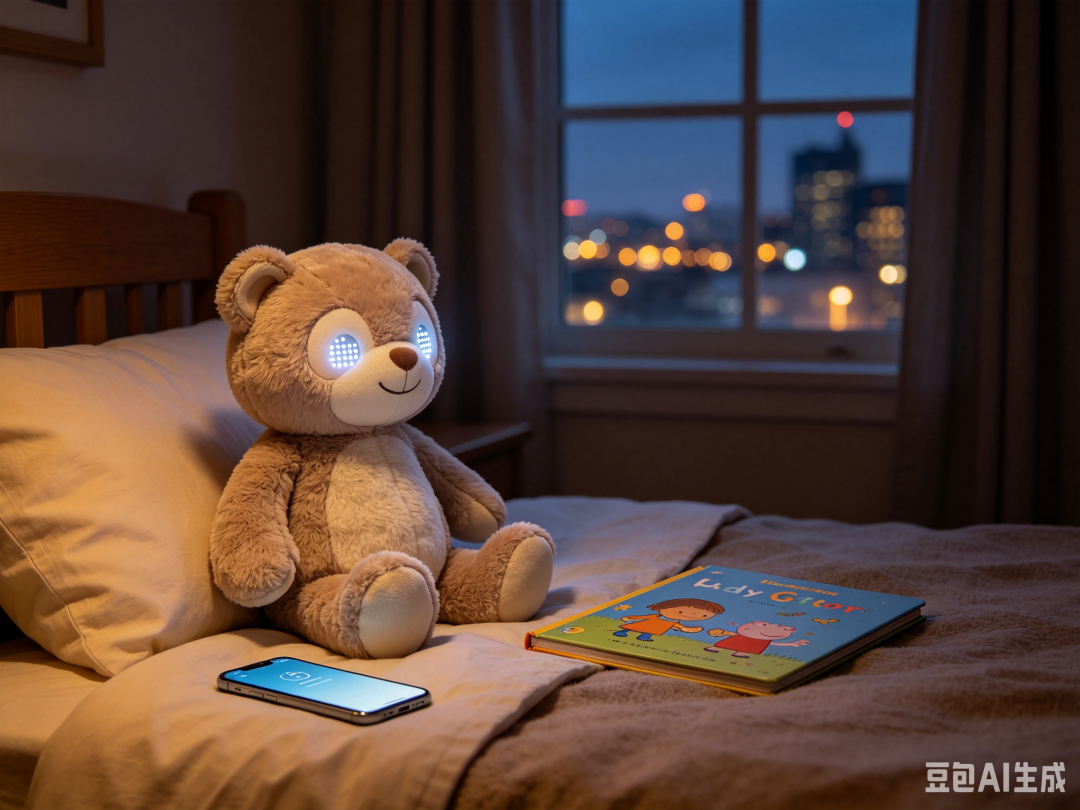
Safety, privacy, and content compliance issues, exacerbated by the lack of industry standards, cannot be overlooked.
Many AI toys come equipped with microphones, and some high-end models feature built-in cameras. These devices continuously collect highly sensitive information such as voice, movements, and facial data during interactions. Some AI toys even create virtual companion personas, encouraging deeper emotional bonds with users.
Content moderation is another challenge. The Public Interest Research Group (PIRG) found in a test that some AI toys, as conversations deepened, began discussing gendered and adult topics. This is why the upcoming "Interim Measures for the Administration of AI Personified Interactive Services" explicitly prohibits providing virtual relative (relatives) or companion services to minors.
What's Next for AI Toys?
As more competitors enter the market, the AI toy landscape will further fragment.
Manufacturers focusing on efficiency will, like consumer electronics, leverage strong supply chains and marketing channels to deliver reliable products.
Those emphasizing emotional connections may follow in the footsteps of Pop Mart, prioritizing relationships with users. Pop Mart's core competitiveness (competitive edge) lies not in its products but in its relationships.
When AI toys can genuinely address the core issue of human relationships, consumers will be willing to pay a premium.
Regardless of the chosen path, refined operations tailored to the needs of different groups are essential.
In the children's market, personalized guidance is crucial. The Singularity Intelligence team conducted an experiment showing that simply inserting a Bluetooth speaker into a plush toy fails to sustain dialogue with young children. However, incorporating a "steak" vocabulary requirement to unlock the next level in a steak-frying game significantly boosts engagement among children and parents.
For adults, emotional consumption matters more. Take Japan's hit AI pet, Moflin, which offers 4 million possible personality combinations based on owner interactions. On social media platforms like Xiaohongshu, users share how their Moflin pets exhibit noticeable personality changes after just over 10 days.
This gradual growth approach delivers greater emotional value, as users feel their efforts drive the pet's development rather than relying on factory-set programming.

The elderly market prioritizes health management. For solitary seniors, the greater risk lies in the inability to respond promptly to safety issues. JD's "Loquacious Parrot" gained popularity for its cost-effectiveness, active calling features, and family interaction capabilities. Beyond companionship, it integrates with health services, addressing a genuine need in the silver-haired market.
The rise of AI toys may be inevitable. For manufacturers, the key challenge lies not just in market positioning and strategy but in transforming user curiosity into lasting engagement, ultimately embedding AI toys into daily life.
Only then will the "smartphone era" of AI toys truly arrive.
-
Why Can''t AutoNavi Maps Excel in Local Services?
-
![]()
Cameras: A New Frontier in Smart Hardware at More Affordable Prices
-
Raising Nearly US$400 Million in Intensive Financing Over Six Months: Can This New Heavy Truck Player Pioneer a New Model for Autonomous Heavy Trucks?
-
![]()
Memory Chip Price Surge Imposes Heavy Burden on Smartphone Market, with Q2 Global Shipments Slumping to 13-Year Low
-
![]()
Tencent’s Acquisition of Manus: No Less Anxious Than Meta
-
![]()
Collective Failure of BBA, Only '56E' Holding On
-
![]()
Step's Apple Dream
-
![]()
The value of AI Coding is quietly shifting from 'whose model is stronger' to 'whose toolchain is denser'.