Lei Jun Unveils Factory Robots: A Showcase of Progress, While Musk's Enthusiasm Wanes
 07/21 2026
 560
560
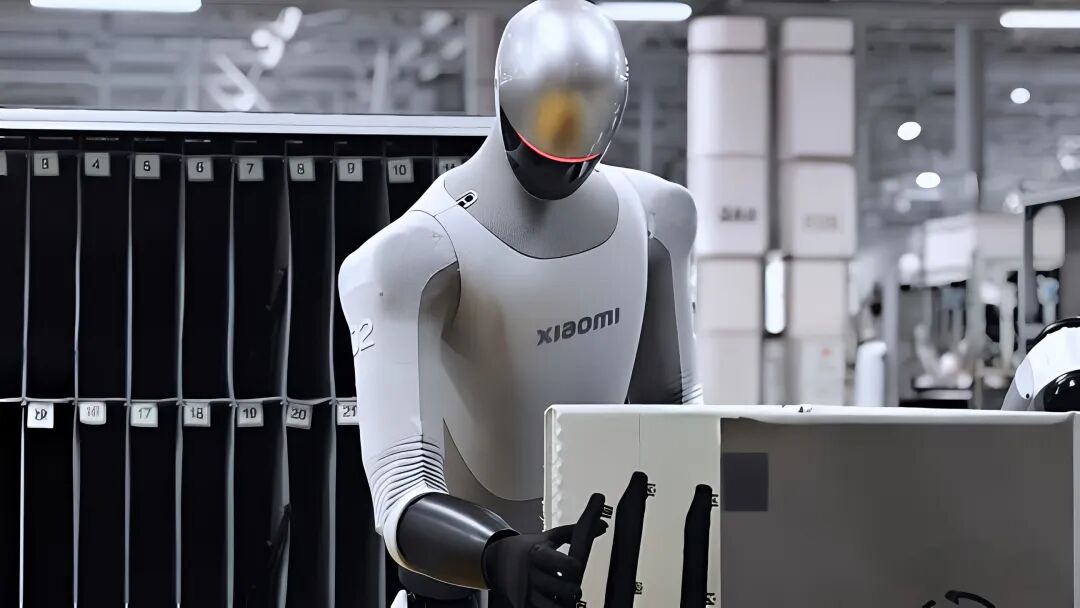 Image Source: Weibo
Introduction
Recently, Lei Jun shared a live video of Xiaomi's humanoid robot factory, which quickly became a sensation online. The robot autonomously performed tasks such as part identification, grasping, handling, and precise placement on Xiaomi's automotive production line, demonstrating smooth and stable operation throughout. This visually showcased the deployment capabilities of domestically produced humanoid robots.
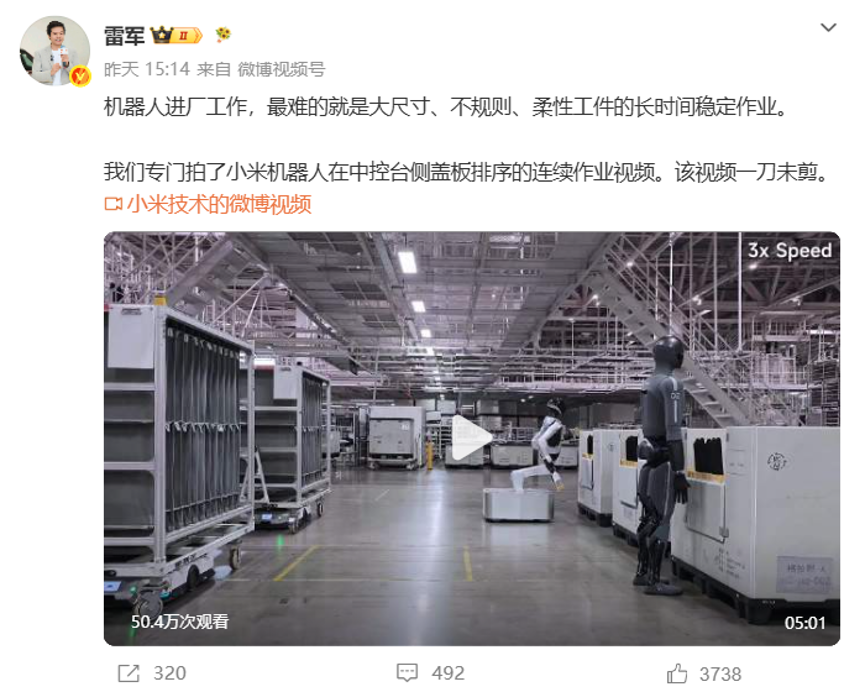 Image Source: Weibo
In contrast, Tesla finds itself in a challenging position. Despite years of significant investment in humanoid robots and using its own factories as testing grounds, Tesla's Optimus has yet to demonstrate effective industrial capabilities. Musk himself has acknowledged that Optimus currently holds no significant production value.
 Image Source: Xiaohongshu
This contrast has reshaped the global landscape of humanoid robot development. The competition has shifted from concept and algorithm battles led by Silicon Valley to a hardcore industrial showdown focused on real-world deployment, supply chain iteration, and commercial scalability, with China now at the forefront.
I. Viral Live Video: Progress is Real, but Marketing Hype is Exposed
On July 14, Lei Jun publicly released an "unedited" live factory video showcasing Xiaomi's latest achievements in industrial deployment with humanoid robots. The task involved the side cover of an automotive dashboard, a high-difficulty flexible component known for its large size, irregular shape, tendency to deform, and random placement. This posed extreme demands on the robot's visual perception, hand-eye coordination, force control, and long-term operational stability.
Video Source: Xiaomi Tech Weibo
In the video, Xiaomi's robot operated on a real production line, outside ideal laboratory conditions, performing continuous, uninterrupted tasks. After four months of "internship" in the factory, the results were impressive: the success rate of self-tapping nut placement increased from 90.2% to 98%, just 1% short of skilled worker levels. In two new scenarios—flexible part sorting and bin recycling—the operational success rate consistently exceeded 90%.
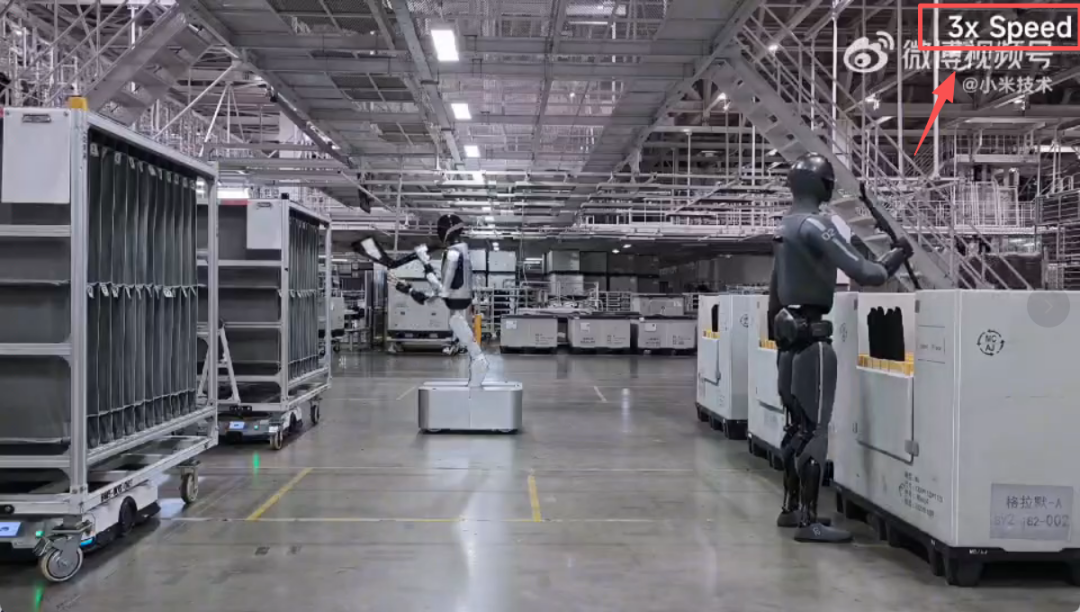 Image Source: Xiaomi Tech Weibo
However, amid the excitement, netizens uncovered a key detail: the video, which appeared seamless, was played at three times the normal speed. The smooth operational rhythm shown was not the actual speed; the robot's real operational pace was slower and more time-consuming, with minor adjustments and errors masked by the fast-forward effect. This raised suspicions of marketing exaggeration.
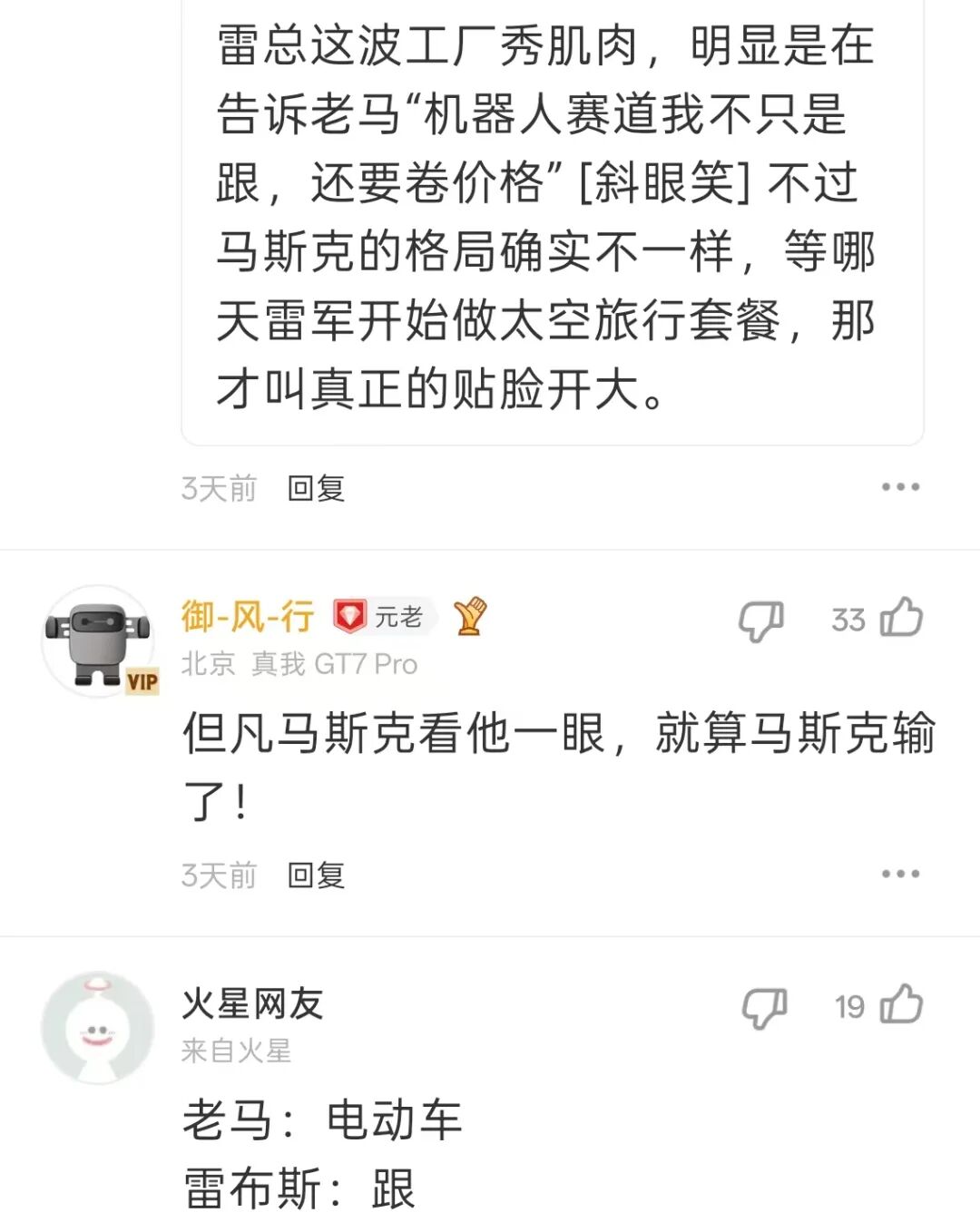 Image Source: NetEase Community
Netizens provided balanced evaluations: Xiaomi's deployment breakthrough represents substantial progress in the domestic sector and is worth acknowledging, but there is no need for excessive hype or blind marketing. Currently, domestically produced humanoid robots are still in the iterative stage, with factory training being only a phased breakthrough. There remains a significant gap before achieving large-scale commercialization and replacing human labor. Overhyping will only raise market expectations and foster industry bubbles.
Stripping away the marketing filters, Xiaomi's core strengths become clear: abandoning the industry's flashy "showcase tricks," avoiding demonstrations of ornamental actions, and adhering to practical deployment by placing robots in repetitive automotive factory tasks. Leveraging real production data to iterate hardware and software, Xiaomi has completely broken free from the limitations of laboratory conceptualization.
II. Tesla's Dilemma: Grand Plans, but No Deployment
While Xiaomi's robots steadily iterate and deploy, Tesla's Optimus is stuck in a typical "all talk, little action" predicament.
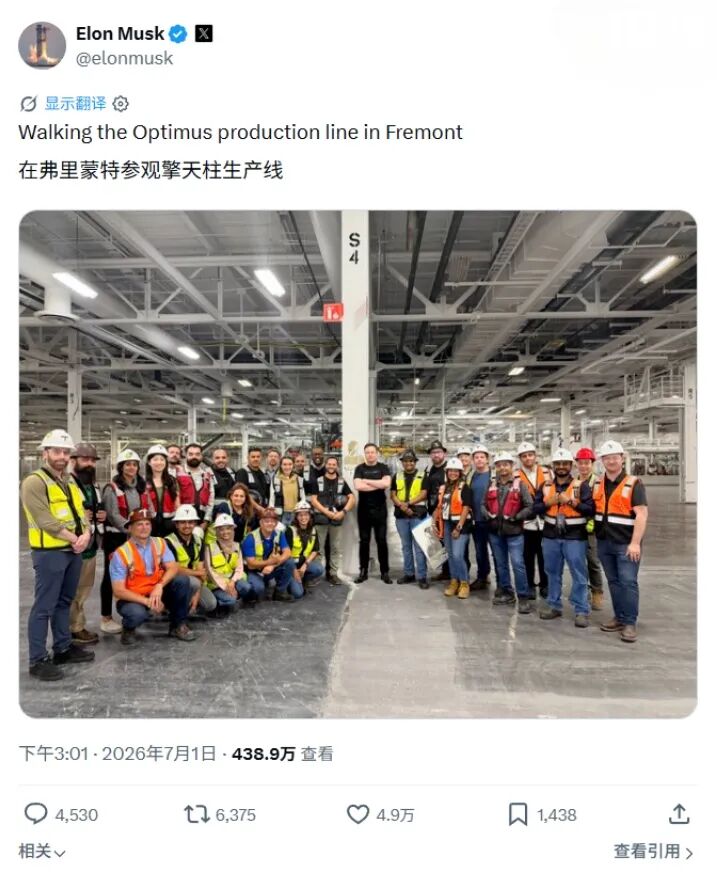 Image Source: X Social Platform
Musk has heavily bet on humanoid robots, viewing them as Tesla's future core revenue source, with long-term plans targeting annual production of one million units, aiming to restructure the global manufacturing workforce. To achieve this, Tesla has taken aggressive actions: the third-generation Optimus Gen3 has been finalized, with strict production targets set, requiring suppliers to reach 1,000 units per week by September and 2,500 units per week by the end of the year, preparing for an annual production capacity of 100,000 units. Simultaneously, Tesla dismantled the mature Model S/X production line at its Fremont factory, fully transforming it into robot workstations.
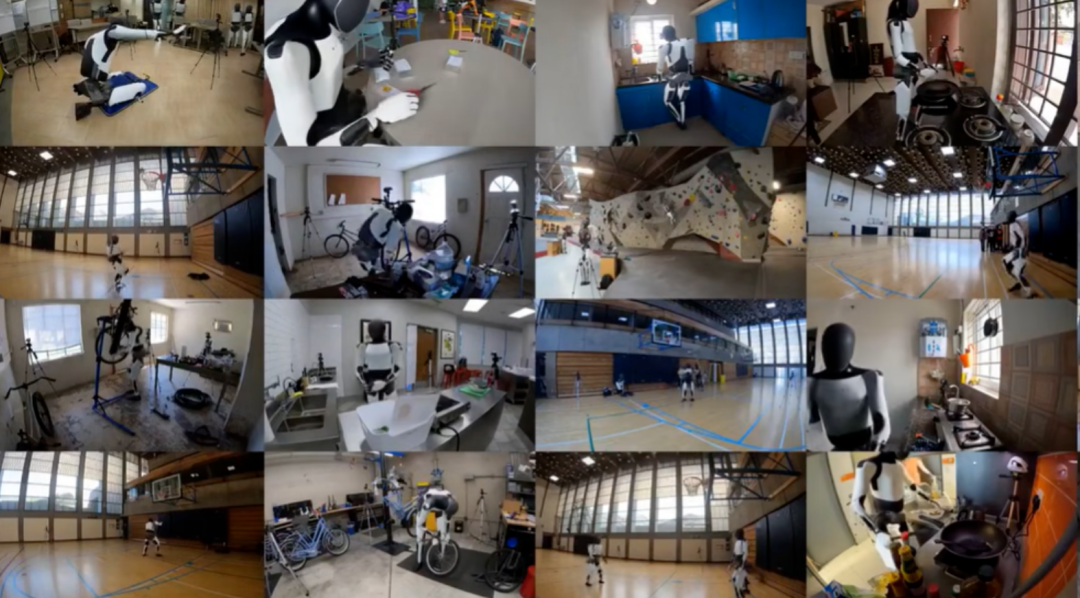 Image Source: X Social Platform
To advance mass production, Musk has gone as far as adjusting the automotive business and pressuring the supply chain, even threatening to "replace the procurement team if production targets are not met." However, grand plans cannot hide deployment shortcomings. At the January 2026 earnings call, Musk bluntly stated that no Optimus unit can currently perform truly useful production tasks in the factory. Yet, netizens surprisingly gave positive feedback: Musk is genuinely "honest."
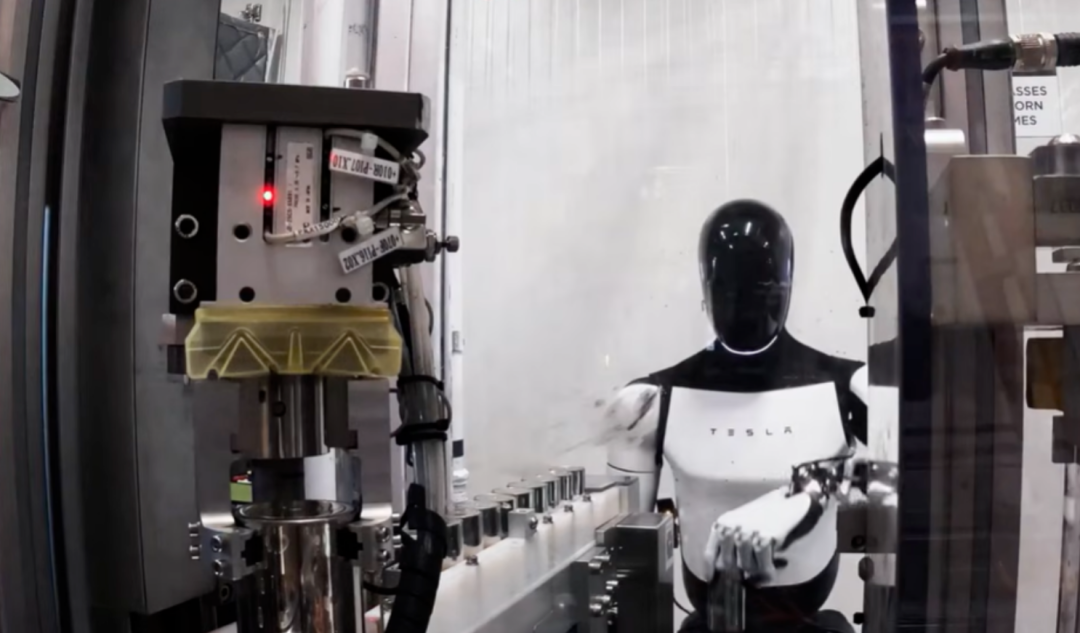
 Image Source: X Social Platform
Looking back, Tesla has repeatedly missed deployment expectations. Optimus has long remained in the laboratory demonstration phase, with multiple iterations in six months. The hand screw, actuators, and perception systems have been refined for four years but still fail to meet factory standards, unable to adapt to complex industrial conditions. Even after production line modifications are complete, Musk admits that initial mass production will be extremely slow, with a new hardware system and tens of thousands of proprietary components lacking mature experience, making mass production deployment highly uncertain. The industrialization gap between the leading Chinese and U.S. players is now visible to the naked eye.
III. The Underlying Logic of the Race: China's Supply Chain, an Overwhelming Industrial Moat
In conventional wisdom, the United States leads in AI foundational technologies and algorithms, implying that humanoid robots should also lead globally. However, the current industrial reality has reversed: the future of global humanoid robots ultimately depends on China.
Today, the robot competition is no longer a single-technology battle but a comprehensive game involving supply chain completeness, hardware iteration speed, real-world deployment capabilities, and cost control—China's unique strengths. The U.S. robotics industry generally "emphasizes R&D, lacks deployment, and lacks a supply chain." Leading companies like Tesla's Optimus and Figure AI remain stuck in laboratories, with advanced technical concepts but no complete smart manufacturing system to support deployment, resulting in slow iteration, high costs, and few scenarios, perennially remaining in PPT demonstration stages and unable to form industrial productivity.
In contrast, China boasts a globally unique full-chain smart manufacturing ecosystem. The localization rate of core robot components has exceeded 90%, breaking overseas monopolies. Relying on the domestic "three-hour industrial support circle," hardware adaptation and trial production iteration speeds far exceed those of U.S. companies.
Xiaomi's robot achieved a significant success rate increase in just four months, core to which is relying on the local complete supply chain to quickly optimize hardware and adjust parameters based on production line issues. Meanwhile, China possesses the world's richest industrial scenarios, with massive manufacturing workstations in automotive, 3C electronics, and new energy sectors providing natural training grounds for robots, forming a positive closed loop of "real-world deployment—data accumulation—technical iteration—large-scale deployment." Simply put, U.S. robots refine perfect technologies in laboratories, while Chinese robots refine real productivity in factories—this is the most fundamental generational gap between the two.
IV. Clash of Two Routes: Practical Deployment vs. Utopian Generalization, the Outcome is Clear
The divergence between Xiaomi and Tesla represents the ultimate showdown between two global humanoid robot industrialization routes in 2026, centered on fundamental differences in development logic.
Tesla adheres to a general-purpose disruption route: aiming for full-scenario human-machine replacement, attempting to build a versatile robot suitable for factories, warehouses, and households. To pursue extreme versatility, Tesla has completely restructured its hardware system, developed proprietary components, and bet on general-purpose large models, ultimately leading to soaring R&D difficulty, uncontrollable costs, and ambiguous deployment scenarios, leaving grand narratives without real industrial value.
Xiaomi adheres to a gradual deployment route: upholding the principle of "useful first, then general," not pursuing a one-step industry disruption. Relying on its own automotive scenarios, Xiaomi starts with simple, repetitive tasks like sorting, placement, and handling, stabilizing efficiency before expanding to complex scenarios. Reusing mature motor, vision, and control technologies from the automotive industry and leveraging the local supply chain to strictly control costs, Xiaomi can quickly deploy without large-scale production line modifications, prioritizing commercial closure.
Neither route is absolutely right or wrong, but the industrial results differ vastly. Industry data shows that the global real production deployment rate of humanoid robots is only 1.64%, with over 98% of companies still in the exploratory phase. Domestically, Xiaomi, UBTech, and others have achieved regular factory training, while Tesla's Optimus remains stuck in the experimental phase, with deployment progress fully surpassed by domestic players.
V. Rational Recognition: Behind 98% Success, Three Major Industrial Hurdles Remain
Xiaomi's 98% operational success rate is a milestone breakthrough for domestically produced humanoid robots, but three industry-wide bottlenecks remain before large-scale commercialization and human replacement can occur.
The first is the cost barrier. Currently, the procurement cost of industrial-grade humanoid robots is equivalent to 2-3 years of comprehensive labor costs for workers, with additional hidden expenses like maintenance, depreciation, and part replacements keeping lifecycle costs high. Moreover, robot operational efficiency is only 30%-60% of skilled workers, creating an imbalanced return on investment and making factory profitability difficult. The industry consensus is that whole-machine costs must fall below 150,000 yuan to achieve large-scale adoption, a threshold the entire industry has yet to meet.
The second is the generalization capability barrier. Currently, robots cannot achieve "plug-and-play" functionality; switching to new scenarios or workstations requires extensive pre-training and manual debugging, with complex processes like precision wiring and collaborative assembly remaining technical blind spots. Industry experts judge that current embodied AI is only at the level of 2018 AI models, with a true era of general intelligence not expected until at least 2030.
The third is the stability barrier. Industrial production demands zero errors in tens of thousands of operations, with a 98% success rate meaning one error every 50 operations, easily causing production line shutdowns. Meanwhile, core precision components in robots have a lifespan of only 8,000 hours, lasting less than three years under an 8-hour workday, with frequent part replacements significantly raising maintenance costs. The industry is also reaching consensus: a purely humanoid structure is not the optimal solution for industry, and blindly replicating human morphology only increases hardware premiums.
VI. Not Machine Replacement, but Productivity Upgrade in Chinese Manufacturing
Amid the robot craze, controversies over "machine replacement causing unemployment" persist. However, Zhou Yunjie from Haier offers a more insightful perspective: the deployment of embodied AI in manufacturing is essentially about machines becoming adults, not simply replacing humans.
In the short term, humanoid robots will prioritize replacing high-temperature, high-risk, repetitive, and dull low-end positions that are difficult to staff, freeing workers for higher-value roles like process debugging, quality control, and equipment maintenance. In the long term, they will become a new generation of universal production tools, reshaping the global manufacturing division of labor.
Over the past decade, new energy vehicles have achieved a domestic overtaking maneuver; in the next decade, humanoid robots will replicate this trend. The United States holds AI computing power advantages but lacks scenarios and supply chains; China, with the most complete smart manufacturing industrial chain, abundant deployment scenarios, and rapid iteration capabilities, forms a complete industrial closed loop. While Musk bets on a distant general AI future with no deployment path, Lei Jun focuses on manufacturing needs, leveraging China's industrial advantages for steady value growth. This competition has long been a comprehensive lead for China's industrial ecosystem.
Conclusion
The factory video released by Lei Jun has stripped away the glamorous "internet celebrity" veneer surrounding humanoid robots, unveiling the stark industrial reality: the era of laboratory theatrics has ended, and the industrial age—characterized by扎根工厂 (deep integration into factories), real-world deployment, and tangible value creation—has officially commenced.
There is no need to overhype Xiaomi's incremental progress, which still contains marketing hyperbole and technical imperfections. Similarly, we should not blindly accept Tesla's grandiose claims, which remain largely theoretical. The core trajectory is evident: leveraging China's world-class supply chains and vast industrial ecosystems, the country is spearheading the industrialization of humanoid robots. The industry's answers will emerge not from Silicon Valley labs but from Chinese factory floors.
This is an industrial marathon, not a short-lived technological sprint—and China has already secured its lead.
Interactive Topic
1. Do you support Xiaomi's phased deployment strategy or Tesla's general-purpose humanoid approach?
2. How soon do you anticipate humanoid robots achieving widespread factory adoption?
Disclaimer: This article provides commentary on major industry trends and does not constitute investment advice. All enterprise data and regulatory references are sourced from publicly available information and are for reference only; official announcements shall prevail. Image credits: Internet sources. If copyright issues arise, please contact us for removal.
-
![]()
Personnel Shuffle: Independent Director Mi Xuming Steps Down from OFILM
-
![]()
Net Profit Anticipated to Skyrocket by 103%: What Gives This Optical Company a Competitive Edge?
-
In Just One Year, China Unveils Unicorns Valued at 10 Trillion Yuan!
-
![]()
6 Park Companies Shine at WAIC: How Hong Kong Science Park Bridges AI from Research to Industry
-
![]()
Wang Wenjing’s Third Act: Can Yonyou Reinvent Itself in the AI Era?
-
![]()
Performance Coupe Entry Threshold Reduced to 170,000 Yuan: Assessing the 2027 Exeed ES's Prospects
-
![]()
Battery "Crisis" for 4 Million New Energy Commercial Vehicles
-
【Focus】Fluorinated Photosensitive Polyimide (FPSPI): A High-End Subdivision of PSPI with Great Potential in High-Tech Industries