4.6 Billion Yuan! 301382 Clinches Major Computing Power Deal
 08/05 2026
 448
448
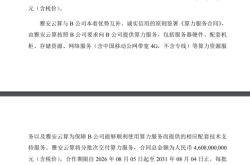
On August 4th, Feng Zhushou (301382) unveiled two pivotal contracts. Its wholly-owned subsidiary, Ya'an Yunsuan, inked a computing power server procurement deal with Company A and a computing power service agreement with Company B, amassing a total value of roughly 7.67 billion yuan.
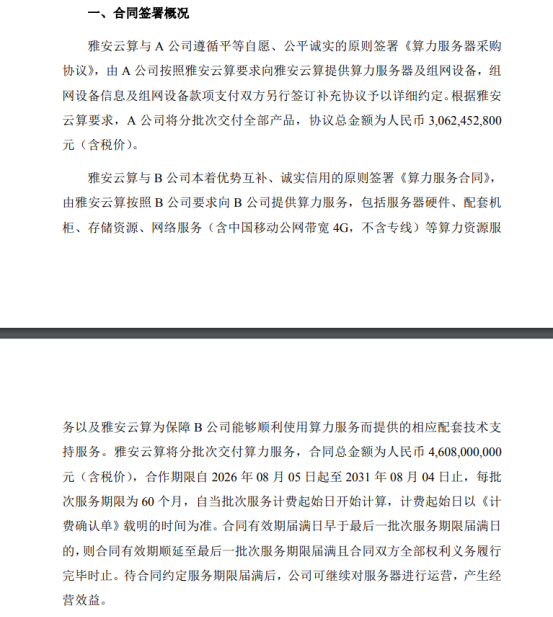
Ya'an Yunsuan, a newly registered entity this March with a registered capital of 50 million yuan, has secured this contract within a mere five months of its inception. How can a nascent company with such modest registered capital afford equipment worth 3.062 billion yuan? And where does the funding originate?
As per the announcement, Feng Zhushou will inject 5% to 20% of its own capital, with the remaining over 80% being financed through financial leasing.
Feng Zhushou operates as a secondary provider of computing power. Company A constructs and interconnects the servers according to Feng Zhushou's specifications, which Feng Zhushou then leases and repackages as a comprehensive "server hardware + cabinets + storage + network" solution for resale to Company B, thereby profiting from the intermediary price differential.
The network services sought by Company B encompass "4G public network bandwidth from China Mobile, excluding dedicated lines." The purchaser is likely seeking public network computing power for mobile devices, not for intensive tasks like training clusters, but rather for traffic entry points for inference or end-user services.
Based on the book value, with revenues of 4.608 billion yuan and expenditures of 3.062 billion yuan, the interest margin over five years stands at approximately 1.546 billion yuan, averaging slightly over 300 million yuan annually. However, given that the equipment is not purchased outright but rather financed through leasing (over 80% of the 3.062 billion yuan), at an estimated interest rate of 5%, the interest accrued over five years would amount to 600 to 700 million yuan. After accounting for data center expenses, operations, maintenance, and delivery, the net profit remaining for shareholders would be a mere 60 to 72 million yuan per year.
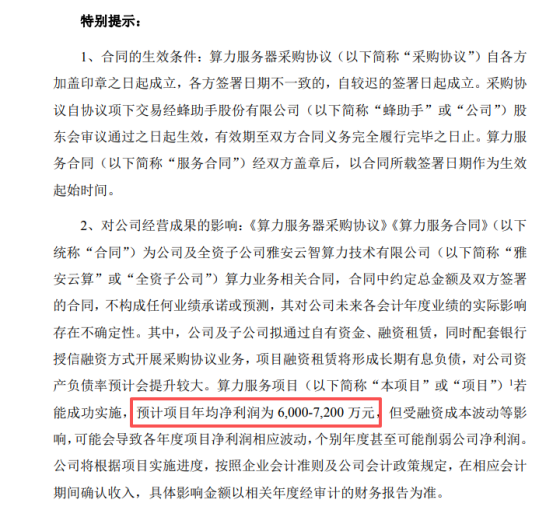
The crux of this business model hinges on leverage. Feng Zhushou's asset-liability ratio was already at 47% by the end of the first quarter, and this order will introduce long-term interest-bearing liabilities from financial leasing, which Feng Zhushou "anticipates will surge significantly." By utilizing 5% to 20% of its own funds to leverage over 3 billion yuan, it aims to profit from and gamble on interest margins that cover the interest expenses.
America's CoreWeave also commenced by leasing GPUs and subleasing them to Microsoft and OpenAI, with its valuation now surpassing 100 billion yuan. However, CoreWeave enjoys priority supply from NVIDIA, genuinely constructs data centers, and signs decade-long contracts, essentially engaging in heavy asset investment and supply chain management.
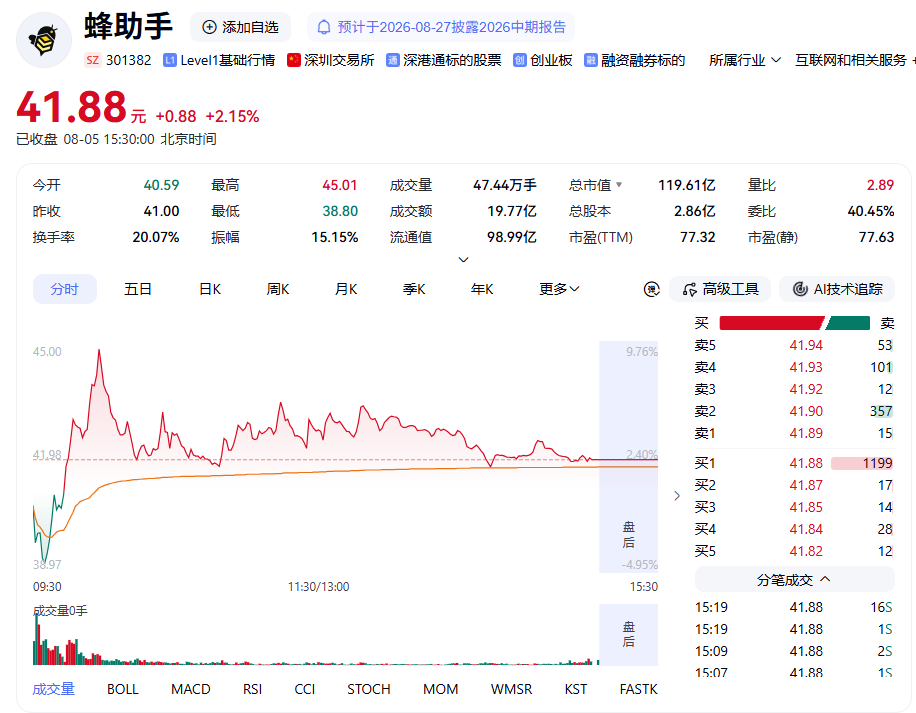
Domestically, secondary providers like Feng Zhushou typically shy away from asset ownership; Company A constructs the equipment, and the bulk of the funding stems from financial leasing, with Feng Zhushou merely handling the intermediary resale and networking. Yet, the downside of this asset-light approach is the absence of a competitive moat. In just one week, Gole share (3.195 billion yuan) and Feng Zhushou (7.67 billion yuan) have consecutively secured major computing power orders in the A-share market. Behind the euphoria lies a secondary provider business model centered on earning interest margins, leveraging, and banking on long-term contracts.
-
![]()
4.6 Billion Yuan! 301382 Clinches Major Computing Power Deal
-
![]()
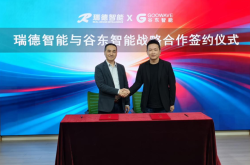
Ruide Intelligence and Gudong Intelligence Forge Ahead in Strategic Partnership, Eyeing Trial Production at Intelligent Optics Base in Second Half of the Year!
-
![]()
Thriving Beyond Family Succession: An Optical Pioneer Blazes a Trail for Private Firms
-
![]()
Samsung China Takes Another Step Back
-
![]()
Samsung China Takes Another Strategic Retreat
-
![]()
Xpeng Unveils New Large Five-Seater G9L, He Xiaopeng Claims It Outperforms 99% of Vehicles in the 300,000 RMB Price Range
-
Anthropic’s $10 Billion Multi-Year Compute Deal Unveiled
-
![]()
Bidding Adieu to the 'Wild West' Phase: What is the Competitive Edge of Lightning Warehouses?