Australia Leads the Way! Pure AI-Generated Music Barred from Official Charts, Human Creativity to Stay Central
 08/27 2026
 450
450
Can People Really Distinguish?
AI-generated music has become a common sight on major streaming platforms, prompting Australia to enact new policies. Recent studies indicate that, as of July 2026, 38.5% of all newly released music worldwide incorporated AI technology.
Australian authorities have directly rolled out new rules: music that is essentially or predominantly AI-generated is strictly forbidden from appearing on official music charts. All chart-topping tracks must be centered around human creativity.
The Australian Recording Industry Association (ARIA) stated that this regulation was put in place to safeguard the humanistic nature of musical creation. After all, AI-generated songs are increasingly taking over major streaming platforms and radio stations, frequently breaking into music charts and causing growing disorder.
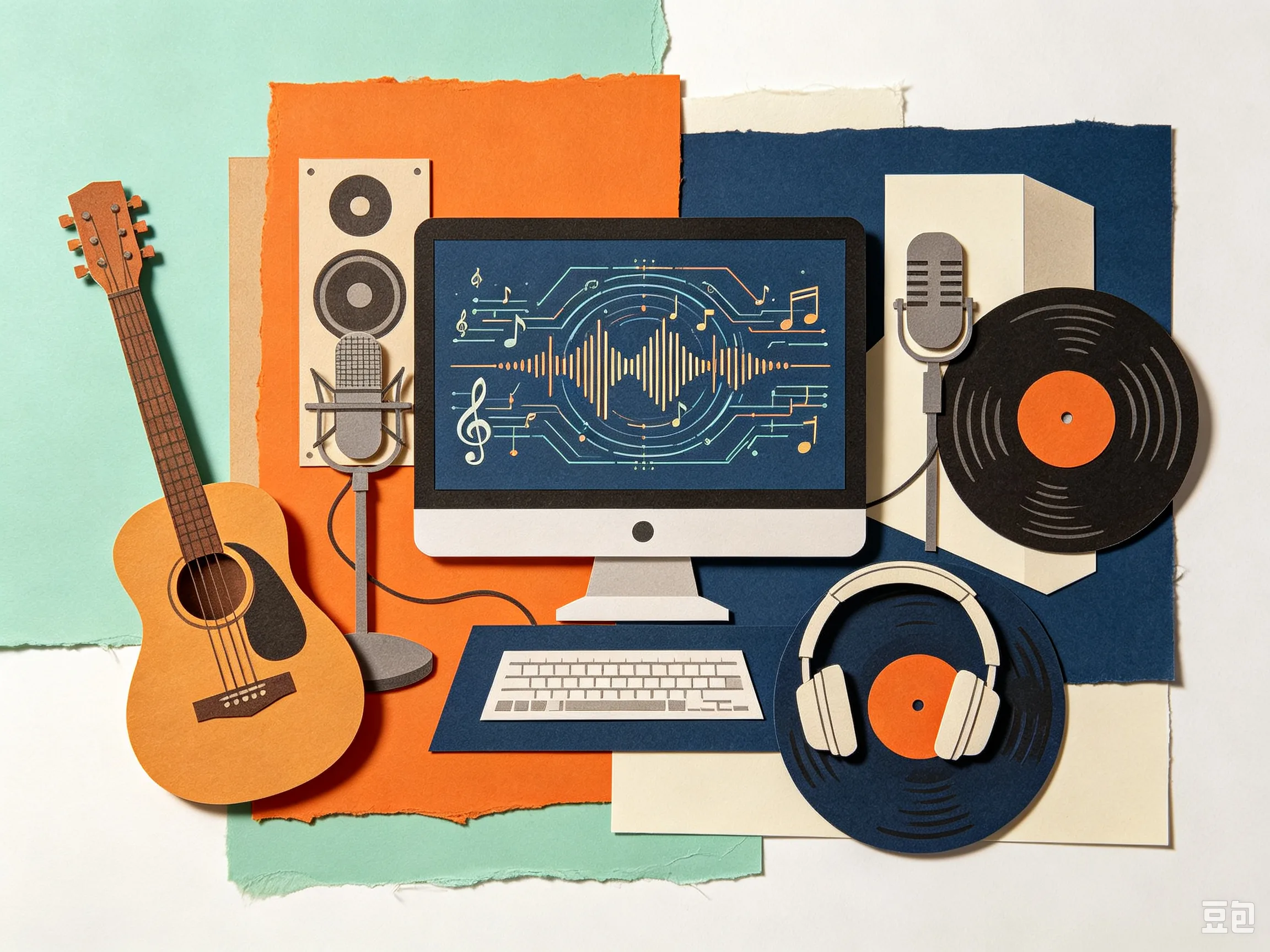
Image Source: Generated by Doubao AI
The introduction of these new regulations was sparked by a significant controversy involving Australian DJ Josh Favazza.
He utilized AI to adapt and cover Madonna's classic hit "Like A Prayer." Unexpectedly, this song soared to the top of ARIA's Dance Singles Chart and reached second place on the overall chart.
After the incident sparked widespread criticism and skepticism from netizens, Favazza eventually added relevant AI-creation labels to the song. On Spotify alone, the AI-adapted track has amassed over 48 million plays, highlighting its immense popularity.
In fact, the new regulations do not entirely forbid musicians from using AI.
Simply put, AI can serve as an auxiliary tool in the creative process, but the core must remain human. The lyrics and composition must be originally created by humans, with lead vocals and major instrumental performances carried out by real people. Only operations like AI-assisted mastering and sound quality optimization are fully allowed.
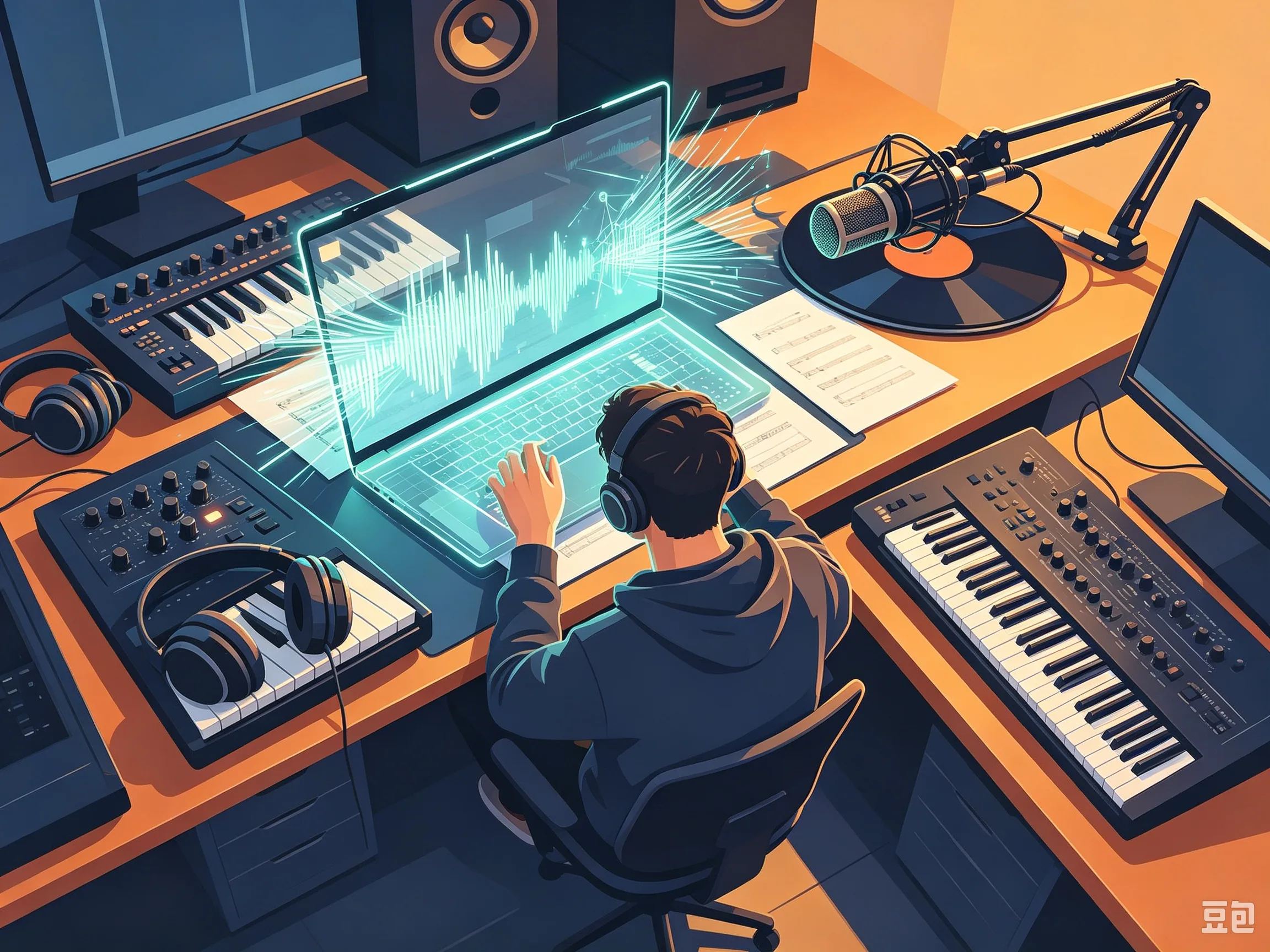
Image Source: Generated by Doubao AI
Annabel Herd, CEO of the Australian Recording Industry Association, explained, "Musicians are already using AI tools to assist in creation, so chart rules must evolve with the times and accommodate such reasonable use. However, AI music that directly scrapes existing singer recordings and is mass-produced is entirely different and should not be conflated."
She added, "If charts condone these unauthorized AI-generated works dominating the rankings, the foundation of the entire human music industry will be shaken. This is the industry bottom line we have always sought to protect."
Even Dr. Dre, a seven-time Grammy-winning producer, has a tolerant attitude toward AI music. In an interview with The New York Times, he stated that AI is merely a new tool for music production and not an industry threat.
He said, "Those who truly feel threatened by AI are the ones whose creative abilities can't keep up. I discussed this with others a few days ago—many people resist AI. I told them it's just like when drum machines and synthesizers first emerged. Initially, everyone resisted them, but eventually, they became standard industry tools."
Australia's introduction of new regulations is no coincidence, as AI's presence in the music industry has become impossible to overlook.
Music submission platform SubmitHub conducted a large-scale survey with surprising results: Nearly 40% of all new songs released globally by July 2026 utilized AI production.
Using the platform's self-developed SH Labs AI detection tool, staff analyzed over one million songs. The data revealed that 23.2% of the songs were entirely AI-generated, while another 15.3% were AI-generated audio with minor human modifications and processing.
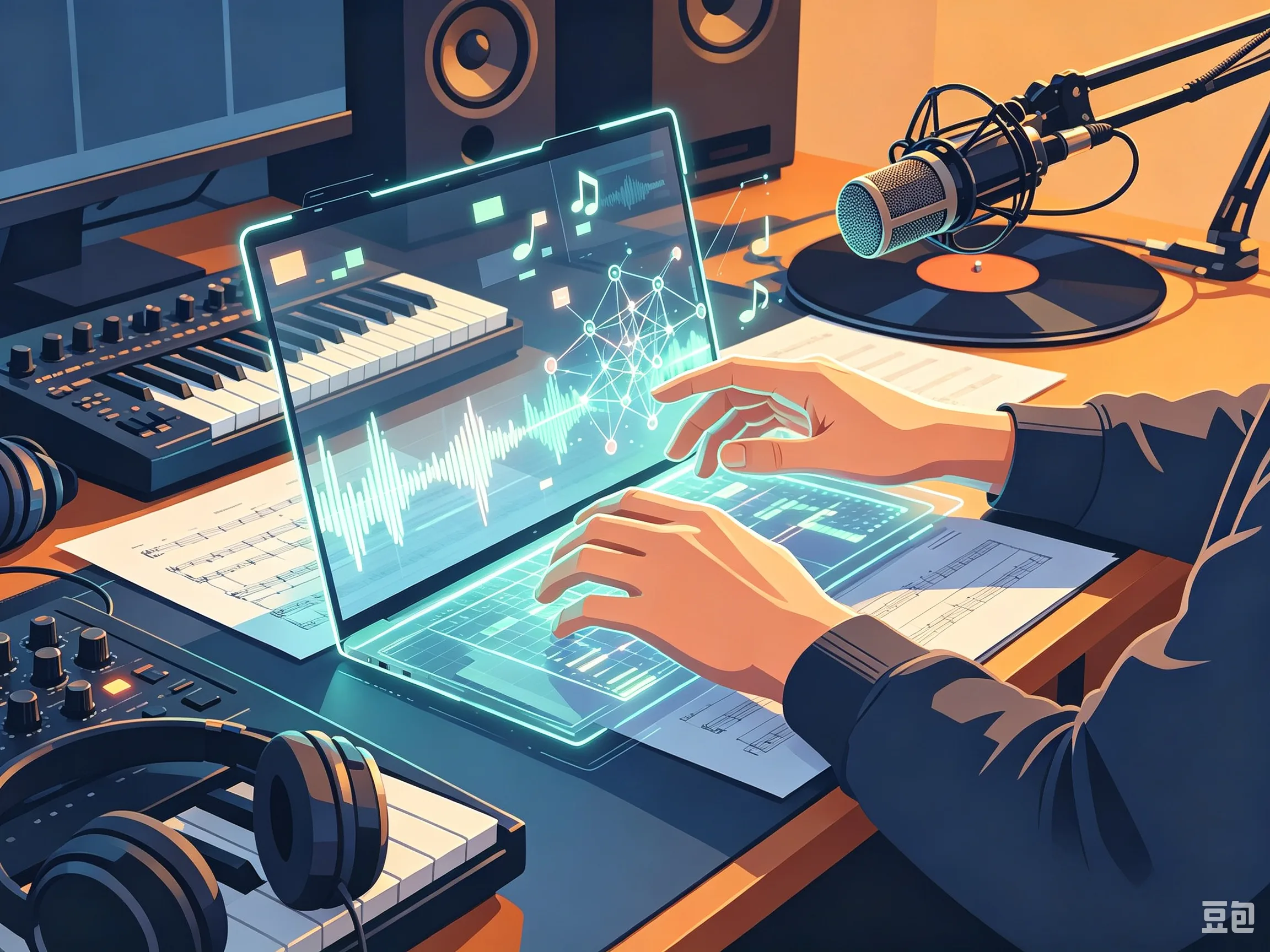
Image Source: Generated by Doubao AI
Jason Grishkoff, founder of SubmitHub, believes that the future of AI music depends on transparency and accurate labeling.
Listeners have the right to know whether they are listening to works created by humans or AI, and the final choice should be left to the listeners themselves.
Streaming giant Spotify has also taken steps to address the chaos. Starting this September, the platform will provide AI virtual musicians with exclusive labels on their profiles, making it immediately clear which artists and songs are AI-generated.
At the same time, works with AI labels will be excluded from the platform's official and algorithmic recommendation pools, allowing more exposure and traffic for human musicians and original works.
In fact, Spotify had previously revealed that it removed 75 million "junk songs" from the platform in just one year. A large number of low-quality, plagiarized, and fraudulent AI-generated songs have severely disrupted the platform and the entire music market.
Many people wonder if anyone actually listens to AI-generated music. The answer is: Not only do people listen, but the popularity is astonishingly high, even successfully breaking into the mainstream music market.
The virtual AI band "The Velvet Sundown," which exploded in popularity in 2025, is the most typical example. This psychedelic rock band quickly gained a massive following upon joining Spotify, with monthly active listeners surpassing one million and releasing two albums within just one month.
To pass off as a real human band, the operators carefully crafted an entire persona: The four band members had complete names, photos, and detailed biographies, claiming to be a genuine American four-piece human band, with a highly realistic disguise.
However, netizens soon noticed something was amiss: Many people inexplicably encountered their songs in platform recommendation playlists, and the band's posters and promotional images had an odd, clearly AI-generated quality. Reddit users were the first to raise doubts and expose the band's suspicious aspects.
Initially, the band's official account vehemently denied the allegations, insisting that all works were created, performed, and inspired by real humans. Eventually, they could no longer conceal the truth and publicly admitted on their Spotify profile: The band was essentially a human-led creative project with full AI execution, with all songs, vocals, lyrics, and promotional materials generated by AI.
Even after their identity was exposed, the AI band's popularity remained high, with over ten thousand monthly active listeners to this day and multiple singles surpassing one million plays.
This article was compiled by Leikeji from enronews
Original Link: Australia Bans AI-Generated Music from Official Music Charts
Source: Leikeji
Images in this article come from: 123RF Royalty-Free Image Library Source: Leikeji
-
![]()
Insta360 Luna Pro Review: Lightweight and More Freedom with One Less Lens
-
![]()
Minimize Reliance on Huawei! Seres AIVA Embraces Battery Swapping, Echoing NIO's Strategy?
-
Surging 143-Fold in 18 Months! From a Struggling Property Developer to Hong Kong Stocks' Premier AI Computing Power Contender, 'China's CoreWeave' Emerges
-
![]()
DeepSeek's Price Increase: Sparking a Surge in the Industrial Chain?
-
![]()
Australia Leads the Way! Pure AI-Generated Music Barred from Official Charts, Human Creativity to Stay Central
-
National Podcasting Boom: Is It Genuine Growth or Just 'Spiritual Consumption' in Disguise?
-
![]()
Hyundai and Kia: Subtly Embracing Chinese Inspirations
-
![]()
Two Major Optical Film Projects Reach Pivotal Implementation Stage! Tianlu Technology Records RMB 268 Million in H1 Revenue