Minimize Reliance on Huawei! Seres AIVA Embraces Battery Swapping, Echoing NIO's Strategy?
 08/27 2026
 351
351
NIO is no longer the sole player in the field.
Another significant contender has entered the battery swapping arena.
According to Late Auto, AIVA, the AI automotive brand under Saidou Technology, is in talks with CATL regarding a chocolate battery swapping solution. The brand's inaugural mass-produced model, the AIVA ME7, is set to debut this year, with pre-orders anticipated to commence early next year.
For an extended period, battery swapping has been virtually synonymous with NIO. Although Changan and Geely have long partnered with NIO in battery swapping initiatives, their battery swap-compatible models have struggled to gain traction in the consumer market.
In today's landscape, where large batteries and rapid charging are becoming ubiquitous, and "range anxiety" is mentioned less frequently, the relevance of battery swapping technology appears to be waning. Nevertheless, Saidou Technology has opted to pursue the battery swapping route.
AIVA markets itself with the slogan "AI defines the car: AI comes first, then the car," targeting the market segment above 200,000 yuan, with a focus on technology and youthfulness.
Seres has selected industry leaders as partners for AIVA, including Volcano Engine, Yuanrong Qixing, and CATL. Volcano Engine provides technical services such as AI large models and intelligent cockpits, Yuanrong Qixing offers intelligent driving technology, and CATL supplies battery-related technology.
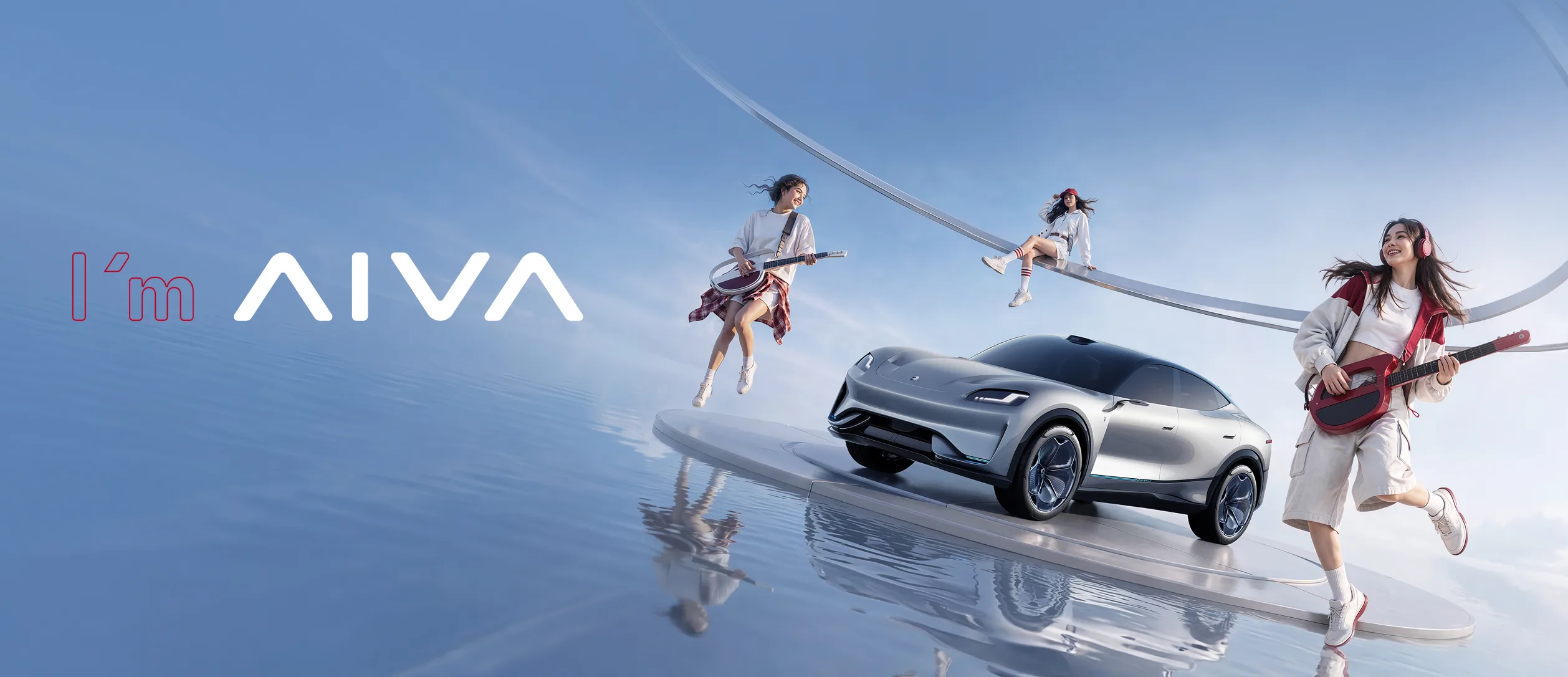
(Image source: AIVA official website)
The challenge lies in the fiercely competitive market above 200,000 yuan, where BYD, Geely, XPeng, Li Auto, AITO, and Zeekr are all vying for market share. If AIVA relies solely on cockpit large models and intelligent driving capabilities, it will struggle to make a strong impression on users.
As a new independent brand, AIVA lacks the channel and brand support from Huawei. In an environment where intelligence has become an industry standard, energy replenishment represents one of the few areas where differentiation can be achieved.
While competing products are still comparing 800V ultra-fast charging capabilities, AIVA directly offers energy replenishment speeds akin to refueling, completing the process in just over a minute, creating a significant experience gap compared to competitors.
Moreover, the battery separation enabled by the battery swapping model allows battery costs to be decoupled from the vehicle price. Consumers can choose to purchase the battery outright or simply buy the vehicle and rent the battery monthly, thereby lowering the barrier to vehicle purchase.
Under the premise of identical hardware configurations, the battery leasing model can achieve a lower entry price, enhancing the overall competitiveness of the product. NIO's practice over the past few years has set a precedent for the entire industry.
As of August 24, 2026, NIO boasts 4,035 battery swap stations, having completed over 120 million battery swaps. According to Car Fans data, during the initial launch period of NIO's new ES8 last year, the Battery as a Service (BaaS) scheme accounted for up to 90% of sales, indicating that the BaaS battery leasing model has garnered a large and stable user base.
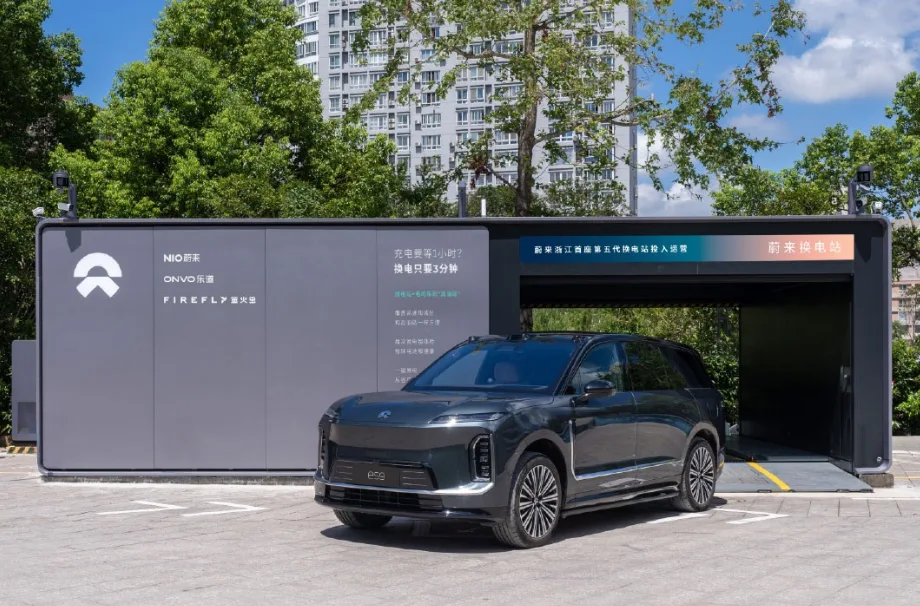
(Image source: NIO)
Simultaneously, NIO has established itself in the premium market, delivering a total of 191,123 vehicles in the first half of this year and an additional 35,934 vehicles in July. NIO's battery swapping model was once criticized for its high investment and low return rates, but NIO's product sales, battery swap station utilization rates, and financial reports approaching break-even all confirm the viability of the battery swapping model.
Of course, unlike NIO, which built its battery swapping ecosystem from scratch, AIVA joins CATL's chocolate battery swapping ecosystem without the need to independently construct battery swap stations, resulting in low upfront investment costs—definitely welcome news for Seres at this stage.
In the first half of this year, Seres transitioned from profit to loss, with AITO's sales experiencing a significant year-on-year decline in July, and the Blue Electric brand also entering a downturn. Seres urgently requires a new brand to serve as a sales growth engine and restore profitability.
Saidou Technology's AIVA brand has chosen the battery swapping model first to further alleviate users' range anxiety and second to achieve differentiated competition. Leveraging the battery swapping ecosystem provided by CATL's solution, AIVA can also reduce upfront investment costs, achieving a dual benefit.
Before 2025, plug-in hybrid and extended-range models witnessed sales growth rates surpassing those of pure electric vehicles (EVs) for several consecutive years, once regarded as the "key to sales," leading even EV-focused automakers like Aion and XPeng to introduce extended-range models.
After 2025, the market dynamics shifted. By the first half of this year, the market position of plug-in hybrid and extended-range models further deteriorated.
Data from the China Passenger Car Association reveals that in the first quarter, domestic new energy passenger vehicle retail sales reached 1.908 million units, a year-on-year decline of 21.1%. Among them, extended-range model sales fell by 18.2% year-on-year, while plug-in hybrid sales dropped by 31.9% year-on-year. Only pure EVs saw a slight decline of 0.9%, demonstrating market resilience.
The reason is that larger batteries and higher-power fast charging are rapidly eroding the range anxiety advantage of extended-range and hybrid models.
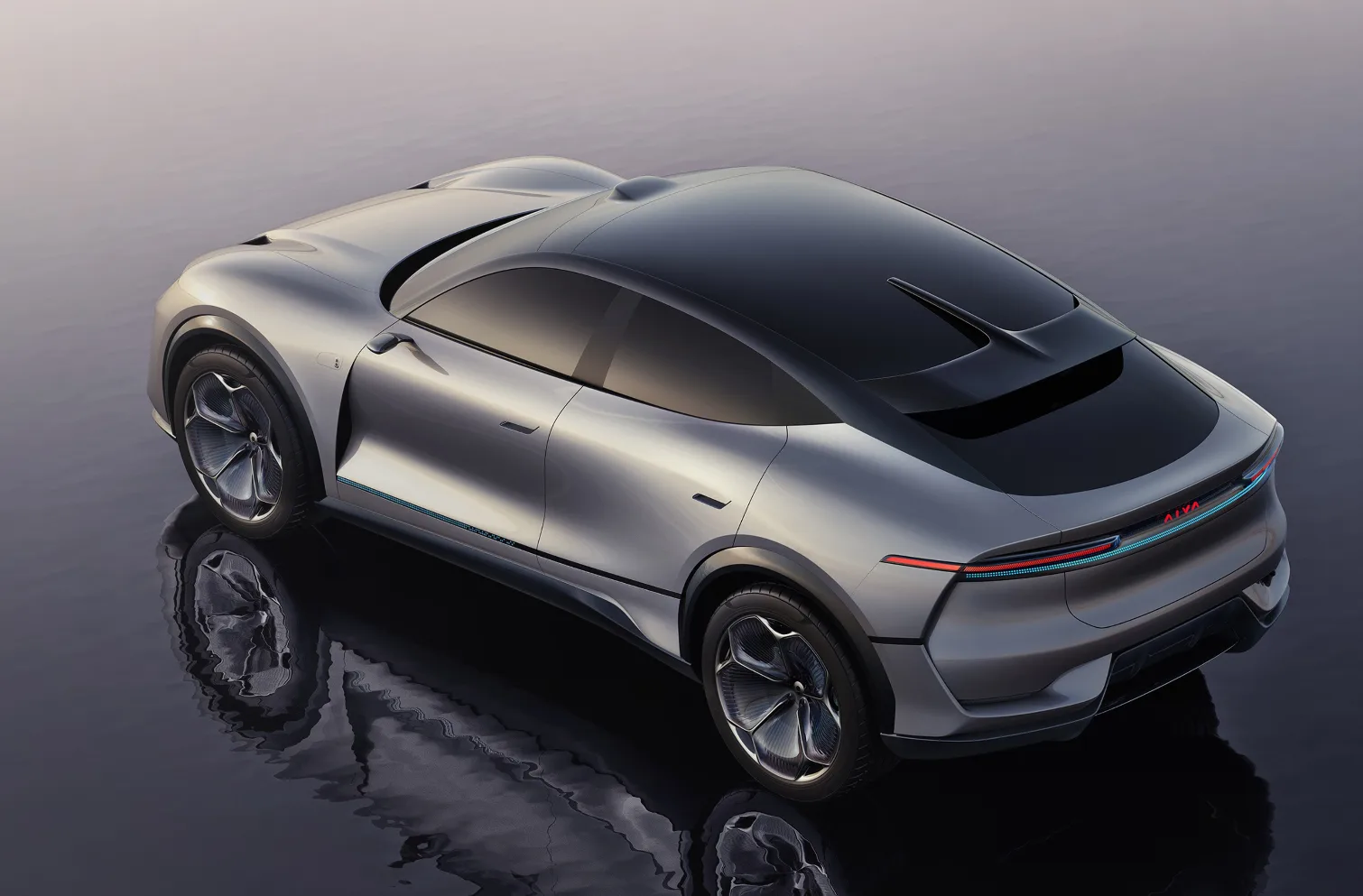
(Image source: AIVA official website)
NIO CEO William Li predicts that by 2030, the penetration rate of new energy vehicles in China will reach 90%, with pure EVs accounting for over 90% of the new energy vehicle market.
Although large batteries and ultra-high-power fast charging have significantly alleviated users' range anxiety, concerns persist in scenarios such as low temperatures, high-speed driving, or during high-frequency travel periods like the Spring Festival. Additionally, charging power is constrained by grid conditions, making battery swapping's energy replenishment efficiency consistently higher than charging.
For this reason, in an era dominated by pure EVs, the value of the battery swapping model is on the rise.
Constructing battery swap stations from scratch is costly and time-consuming. As of June 30 this year, CATL has built 2,000 battery swap stations, capable of supplying batteries to automakers while also providing mature battery swapping solutions and supporting ecosystems, making it undoubtedly the optimal choice for automakers.
However, battery swap stations face a significant issue: they can only store a limited number of batteries. Once there are too many battery stock-keeping units (SKUs), it becomes challenging to maintain high reserve levels for each specification. As battery technology advances in the future, battery capacities will inevitably increase, and the proliferation of battery SKUs will become an industry trend.
NIO has already encountered this issue. NIO's main brand and sub-brands like Leo and Firefly utilize battery packs of different capacities, and combined with the differences between 400V and 900V platforms, there are at least eight battery SKUs.
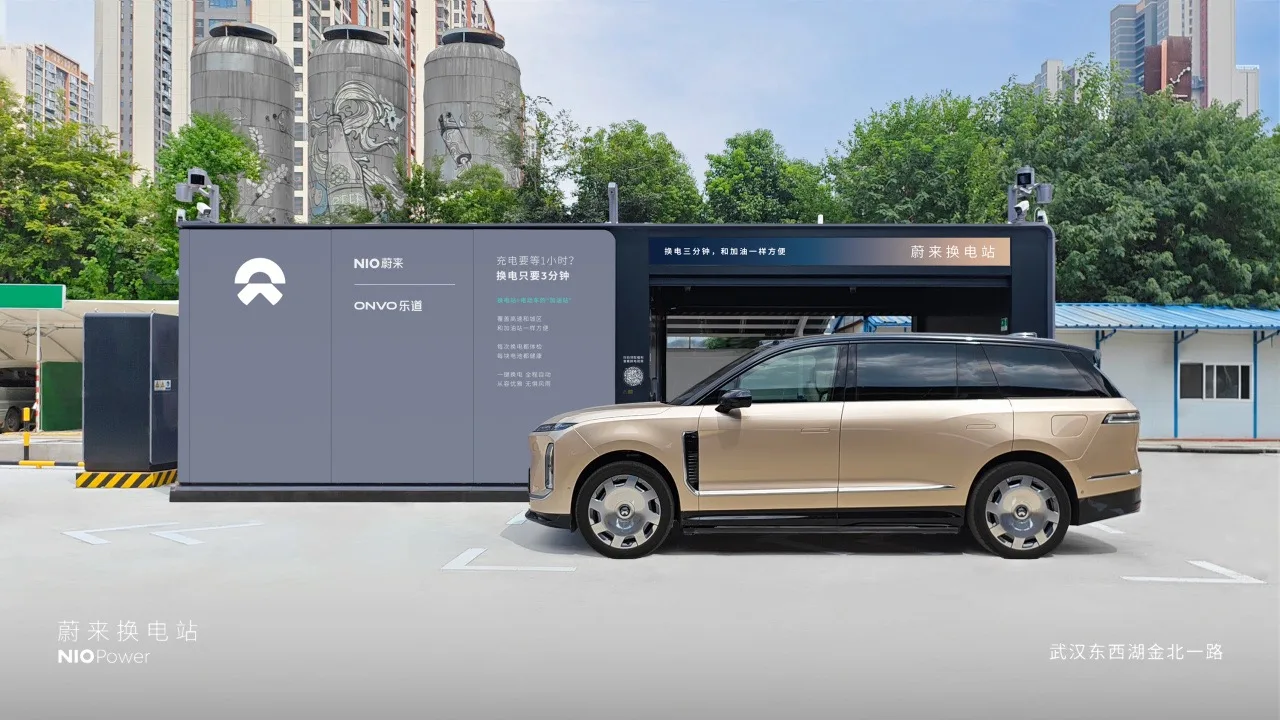
(Image source: NIO)
NIO's fifth-generation battery swap station can store a maximum of 2,128 batteries of different specifications, averaging only about three reserves per SKU. If multiple vehicles equipped with the same battery specification arrive simultaneously for energy replenishment, the station may run out of spare batteries.
There is no perfect short-term solution to this problem, but fortunately, vehicles that support battery swapping can also use charging piles for energy replenishment, avoiding the dilemma of being unable to recharge at all.
Today, 800V platforms have widely penetrated the market below 200,000 yuan, and megawatt-level flash charging technology continues to evolve, shortening charging times and bringing the charging experience closer to that of battery swapping.
Companies focusing on battery swapping must continuously ensure the density and service quality of their battery swapping network. Once station coverage is insufficient and queuing times increase, the experience advantage will quickly diminish.
AIVA is not the first automaker to join CATL's chocolate battery swapping ecosystem; GAC, Changan, BAIC, Chery, and others have already joined. More participants are likely to enter in the future, but the entire industry will not rush headlong into the battery swapping model.
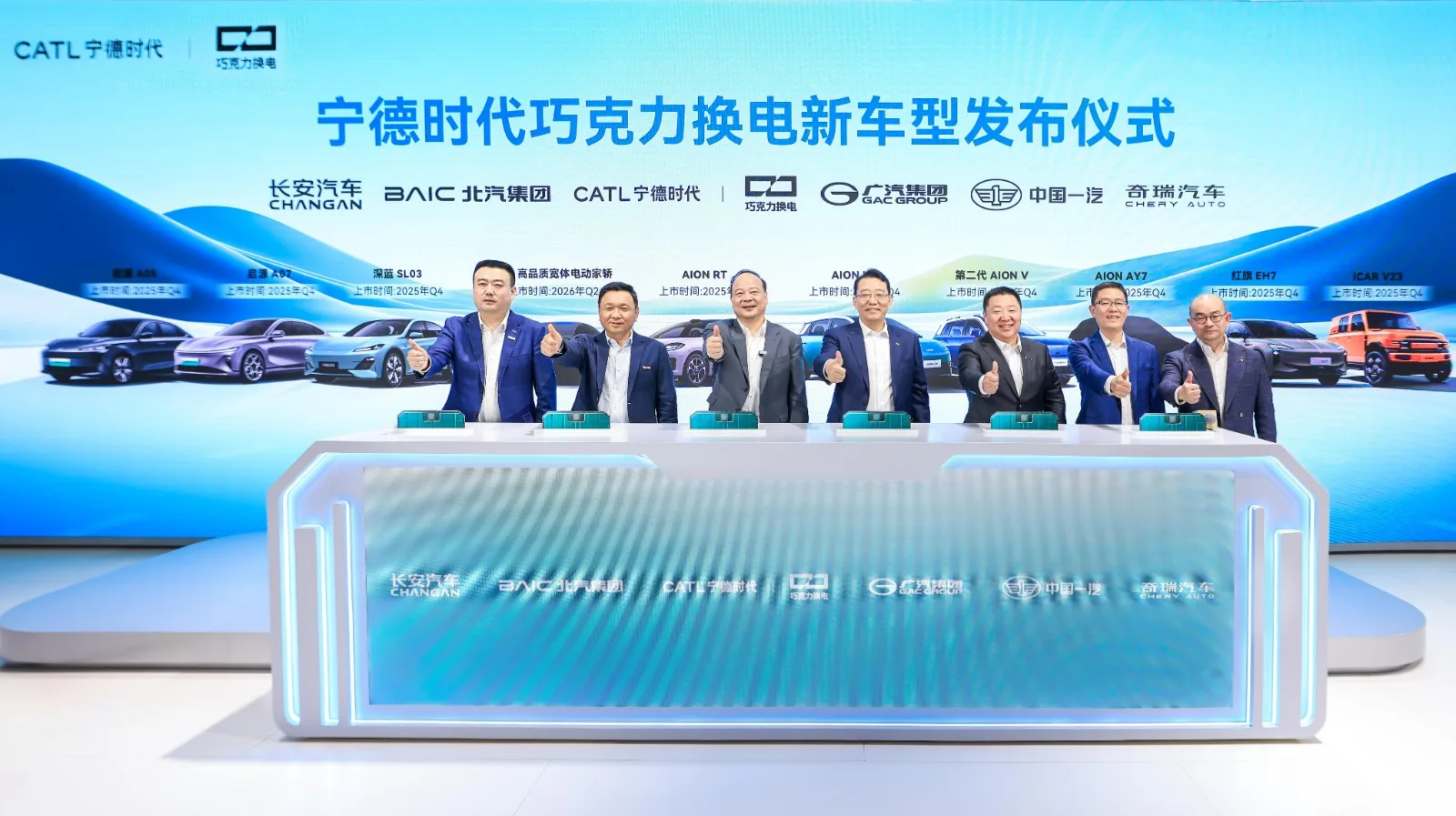
(Image source: CATL)
CATL's chocolate battery swapping solution transforms battery swapping from an "automaker-exclusive moat" into an open third-party public infrastructure, attracting newly incubated brands like Saidou Technology's AIVA and traditional automakers' models targeting the ride-hailing sector. However, its appeal to traditional family vehicles is limited.
Even without the need to build battery swap stations independently, adapting models to chocolate battery swapping requires redeveloping and calibrating the chassis structure, locking mechanisms, and BMS communication protocols, incurring additional R&D and material costs. For models focusing on ultimate cost-effectiveness and thin profit margins, every penny of cost matters, and increasing battery swapping adaptation costs will squeeze profit margins, making it difficult for such products to popularize battery swapping on a large scale.
When automakers utilize third-party battery swapping services, it means battery standards, battery assets, and user energy replenishment services are controlled by the battery company. Automakers must adapt their product definitions to the other party's hardware standards from the outset, weakening their voice in commercial cooperation.
Not to mention that while the battery swapping model's energy replenishment efficiency far exceeds charging, we must also consider how much consumers truly demand in terms of replenishment time. BYD's flash charging technology can fully charge a battery in just over ten minutes, allowing for a quick rest at service areas without significant time delays.
Dianchetong (ID: dianchetong233) believes that more brands will join the battery swapping camp in the future, but battery swapping will still not become the mainstream choice for automakers. New brands like Saidou Technology's AIVA can use the battery swapping model as a selling point for differentiated competition.
-
![]()
Insta360 Luna Pro Review: Lightweight and More Freedom with One Less Lens
-
![]()
Minimize Reliance on Huawei! Seres AIVA Embraces Battery Swapping, Echoing NIO's Strategy?
-
Surging 143-Fold in 18 Months! From a Struggling Property Developer to Hong Kong Stocks' Premier AI Computing Power Contender, 'China's CoreWeave' Emerges
-
![]()
DeepSeek's Price Increase: Sparking a Surge in the Industrial Chain?
-
![]()
Australia Leads the Way! Pure AI-Generated Music Barred from Official Charts, Human Creativity to Stay Central
-
National Podcasting Boom: Is It Genuine Growth or Just 'Spiritual Consumption' in Disguise?
-
![]()
Hyundai and Kia: Subtly Embracing Chinese Inspirations
-
![]()
Two Major Optical Film Projects Reach Pivotal Implementation Stage! Tianlu Technology Records RMB 268 Million in H1 Revenue