Delving into Apple's 'Leakgate': Headset Project Halted, AI Glasses Emerging as a Game-Changer
 12/23 2025
 673
673
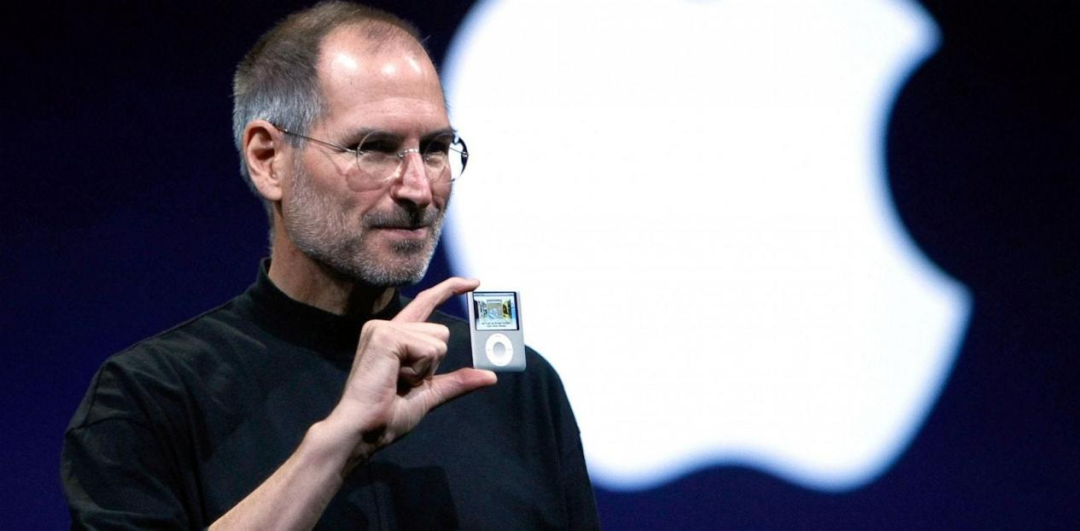
On October 23, 2001, at a product launch event held at Apple's headquarters, Jobs introduced a device weighing 184 grams. This marked the first time it was feasible to 'carry 1,000 CD-quality songs in your pocket,' effectively bringing an end to the era of CD Walkmans and discs. This groundbreaking product was the first-generation iPod.
Twenty-five years on, Apple might be on the verge of another 'iPod moment'.
Recently, an incident resembling an 'internal leak' inadvertently revealed Apple's most closely guarded strategic plans for the next two years (2026-2027).
The incident unfolded with the unintended sale of an Apple prototype, which came pre-installed with an early build of iOS 26 (internally referred to as iOS 19), with the version number 23A5234w (for context, the first developer beta of iOS 26 was 23A5260n). After delving into the device's system, the buyer stumbled upon a comprehensive list of unreleased devices.
This 'roadmap' concealed deep within the code not only encompasses core product lines such as the iPhone, Mac, and iPad but also, for the first time, 'verifies' through official code the existence of several hardware devices that had previously only been the subject of rumors. Meanwhile, a seemingly unassuming pair of glasses has emerged as a sign of strategic realignment: AI smart glasses N401.
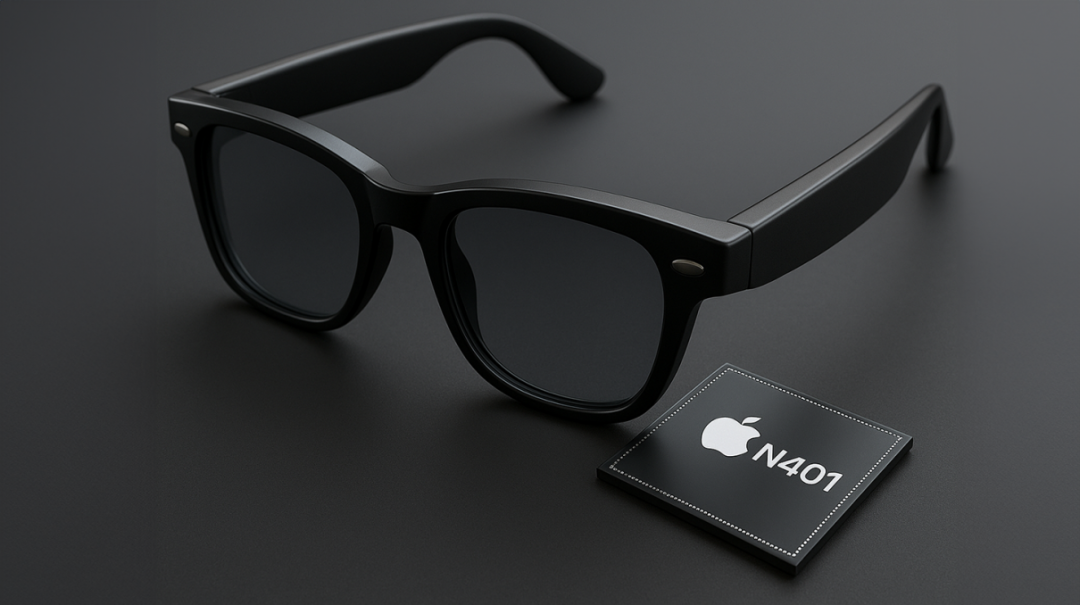
Conceptual image sourced from the internet
More intriguingly, alongside N401, it appears that multiple Apple AR/VR headset projects have been 'put on hold' — not merely delayed, but directly 'paused' or even 'canceled'.
Today, let's delve into what exactly transpired and what AR/AI products Apple is set to unveil in the next two years (2026-2027).
Vision Pro Without Successors?
Entire Headset Range Withdrawn
Vision Pro was once a source of great anticipation for Apple. Cook even hinted that, over the next decade, Vision Pro could potentially usurp the iPhone as the new computing platform. However, the reality has been less than kind: its hefty $3,499 price tag, cumbersome wearing experience, and lackluster app ecosystem have confined it to a niche market of professional creators and tech enthusiasts.
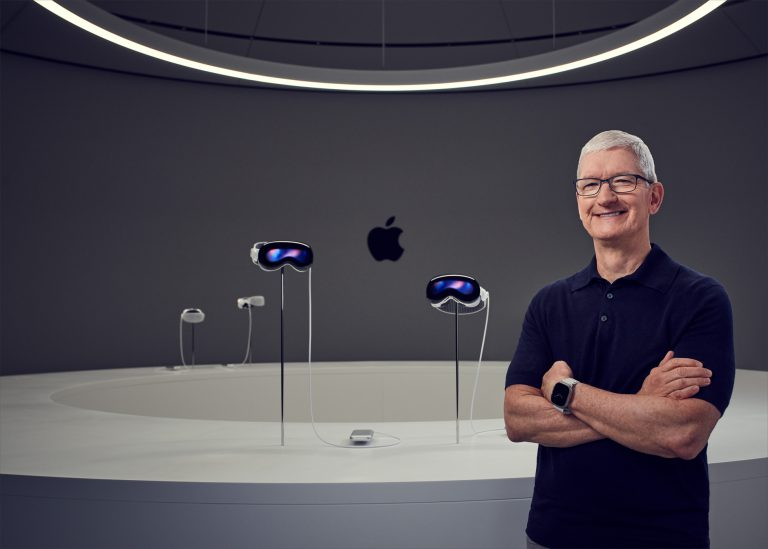
Now, according to leaked information, Apple's entire planned AR/VR product lineup appears to be in disarray:
Vision Air (N100): A lightweight and more affordable variant of Vision Pro. Initially rumored for a 2027 release, Apple has halted headset development, reallocating team resources to AI glasses.
AR Glasses Prototype (N421): An AR glasses prototype, but Apple seems to have abandoned its development. Nevertheless, internally, Apple still views 'AR glasses' as the ultimate goal, suggesting a lack of urgency for the time being.
Mac-Connectable AR Glasses (N107): Apple once aimed to develop AR glasses that could connect to Macs to leverage Mac processors, but this project was ultimately scrapped.
Affordable Vision Pro (N109): Unlike Vision Air, this was a distinct product line targeting a second-generation, more budget-friendly Vision Pro. However, this project has also been put on hold.
In essence: Vision Pro appears to be the 'lone survivor,' with all subsequent models withdrawn.
Apple's New Game-Changer: AI Glasses N401,
Taking on Meta Ray-Ban
Amidst the retreat from headsets, a project codenamed N50, which has been upgraded to N401, has quietly risen to prominence — AI smart glasses.
Notably, Apple has halted all AR/VR headset development to concentrate on AI smart glasses that will compete with Meta Ray-Ban. What does this signify?

Meta Ray-Ban Series
These glasses are likely to eschew complex waveguide displays or spatial computing, instead focusing on voice interaction, real-time translation, navigation, health monitoring, FaceTime calls, and other everyday high-frequency scenarios. In other words, this is not a 'Vision Pro for your face' but a personal AI assistant terminal — lightweight, always accessible, deeply integrated with Apple Intelligence and Siri, extending your auditory and visual senses.
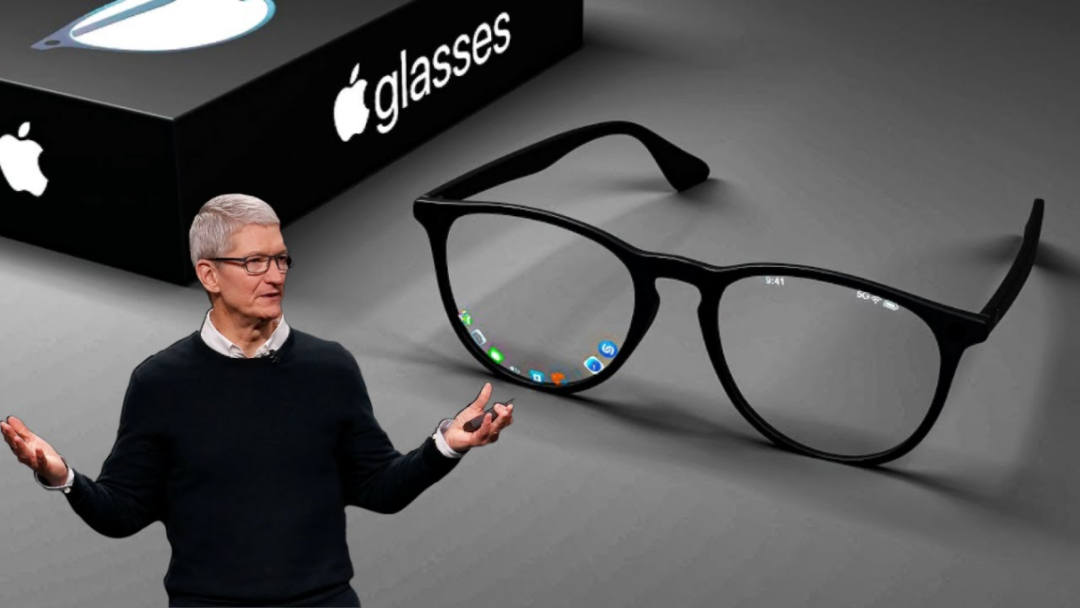
Conceptual image sourced from the internet
Crucially, the document mentions that N401 'also encompasses another standalone augmented reality glasses.' This indicates that Apple hasn't abandoned AR but is adopting a 'divided strategy':
N401 targets the mass market with a practical, lightweight approach;
High-end AR devices are being shifted to long-term technological reserves, awaiting the maturation of optics, chips, and ecosystems before their launch.
According to a MacRumors post, these AI glasses are expected to make their official debut in 2027 but could arrive as early as late 2026. If realized, they will become Apple's most significant new wearable category since the Apple Watch.
Additionally, a mysterious codename N110 has surfaced in the list. Given its proximity to N109 and other N-series numbers used in Apple's AR/VR headsets, it is highly likely to be another wearable device, potentially pairing with N401 in a high-low strategy.
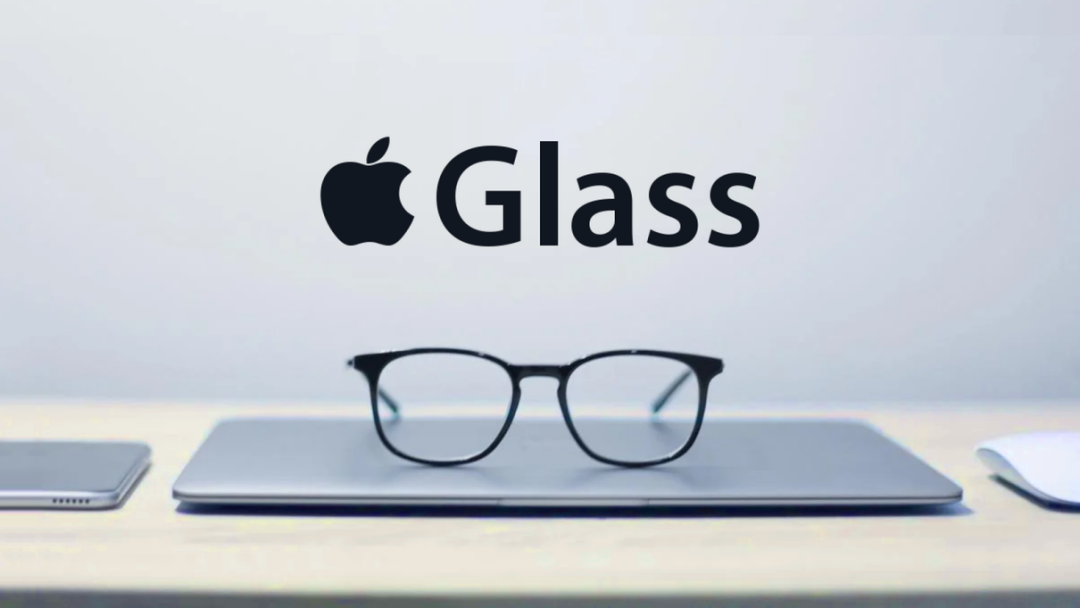
Conceptual image sourced from the internet
So, why AI glasses?
Three key trends are positioning AI glasses as an 'unavoidable' game-changer for Apple.
Firstly, smartphones are nearing their limits. The iPhone's form factor, performance, and imaging systems have nearly reached their physical ceilings, with user upgrade cycles extending beyond 30 months. Apple's heavily invested Apple Intelligence strategy necessitates a new hardware platform. Glasses, precisely, offer the most suitable new entry point.
Secondly, competitors are already making strides. Since its launch, the Meta and Ray-Ban collaboration on the Ray-Ban Meta smart glasses series has surpassed 2 million units sold (based on combined data from EssilorLuxottica, Meta official reports, and various business sources). If Apple hesitates further, it risks missing this critical market window.
More importantly, this strategic adjustment isn't Apple 'retreating' but executing a clever pivot. Apple recognizes that while Vision Pro is technologically advanced, it will struggle for widespread adoption in the short term. Instead of forcefully pushing high-priced headsets, launching a lightweight, everyday, AI-centric smart glasses (like the rumored N401) allows Apple to cultivate user habits, gather real-world data, and refine its AI capabilities, quietly laying the groundwork for future high-end AR devices.
Does this strategy ring a bell? Jobs similarly used the iPod to test the waters of digital music before unveiling the iPhone years later, revolutionizing the entire industry. Today's N401 may represent the 'iPod stage' of the 'AR iPhone'.
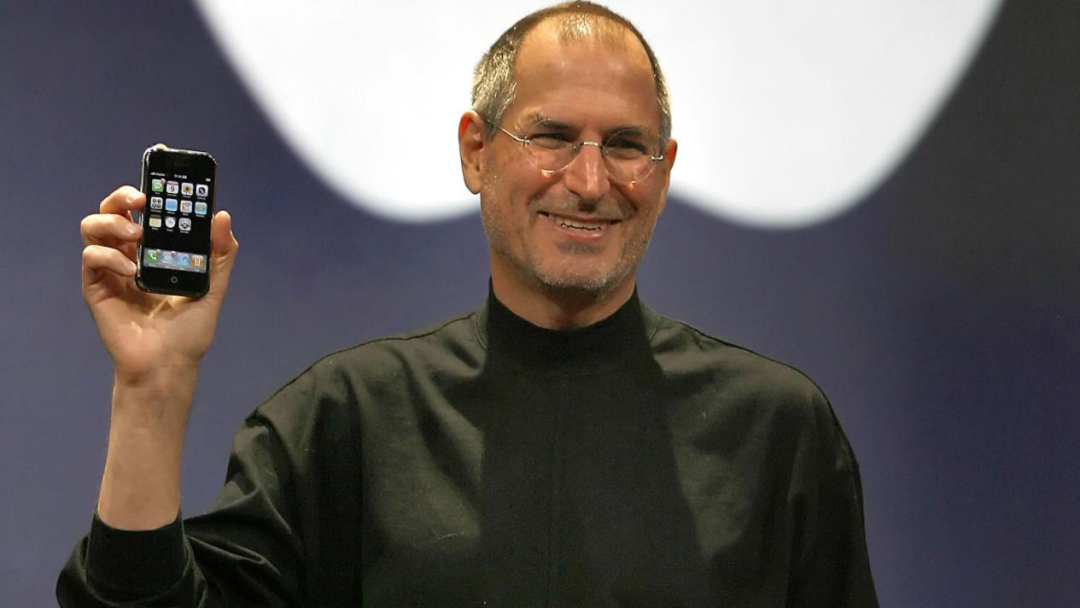
However, this time, the timeline is tighter, competitors are stronger, and the margin for error is smaller.
Apple's 'glasses war' has just commenced. The true outcome may not become clear until 2026 or 2027.
(Note: This article partially compiles information from MacRumors reports. Product plans and release dates are for reference only; actual launch schedules remain subject to Apple's official announcements.)
By Vivi
Unlabeled images in the text are sourced from the internet
-
![]()
Hardware is the skeleton, AI is the soul, and data integrates the two
-
![]()
China’s AI Industry: A Unified Pivot Towards Monetization?
-
![]()
New Progress! Infineon Completes Acquisition of ams OSRAM's Non-Optical Sensor Business
-
![]()
35 Million Bet on an Optical Future! Tengjing Technology Makes a Move in AR
-
![]()
Why World Models Get Stuck on Construction Roads in Autonomous Driving Applications
-
Alibaba Initiates Cultural Transformation: Is Jack Ma Making a Strategic Comeback?
-
Tianfeng Heads to Hong Kong for IPO with RMB 3.8 Billion in Funds: Xingyu's Cross-Border Foray into Embodied AI Faces Uncertain Future
-
![]()
Mengshi Auto’s High-End Aspirations Dashed: Huawei Partnership Fails to Revive Sales, New Model’s Entry Price Dips Below 300,000 Yuan