Apple Reclaims Chinese Market Lead with iPhones: Where Does the iPhone 17 Excel?
 01/22 2026
 718
718
"Apple may not dominate online sales, but it consistently prevails in reality." This comment from a netizen about the iPhone 17 aptly captures the essence of the situation.
According to IDC data, smartphone shipments in the Chinese market reached approximately 75.64 million units in the fourth quarter of 2025, marking a 0.9% year-on-year decrease. Among these, Apple took the top spot with 16 million shipments, a significant 21.5% increase from the previous year. The subsequent rankings included vivo, OPPO, Huawei, Xiaomi, and Honor.
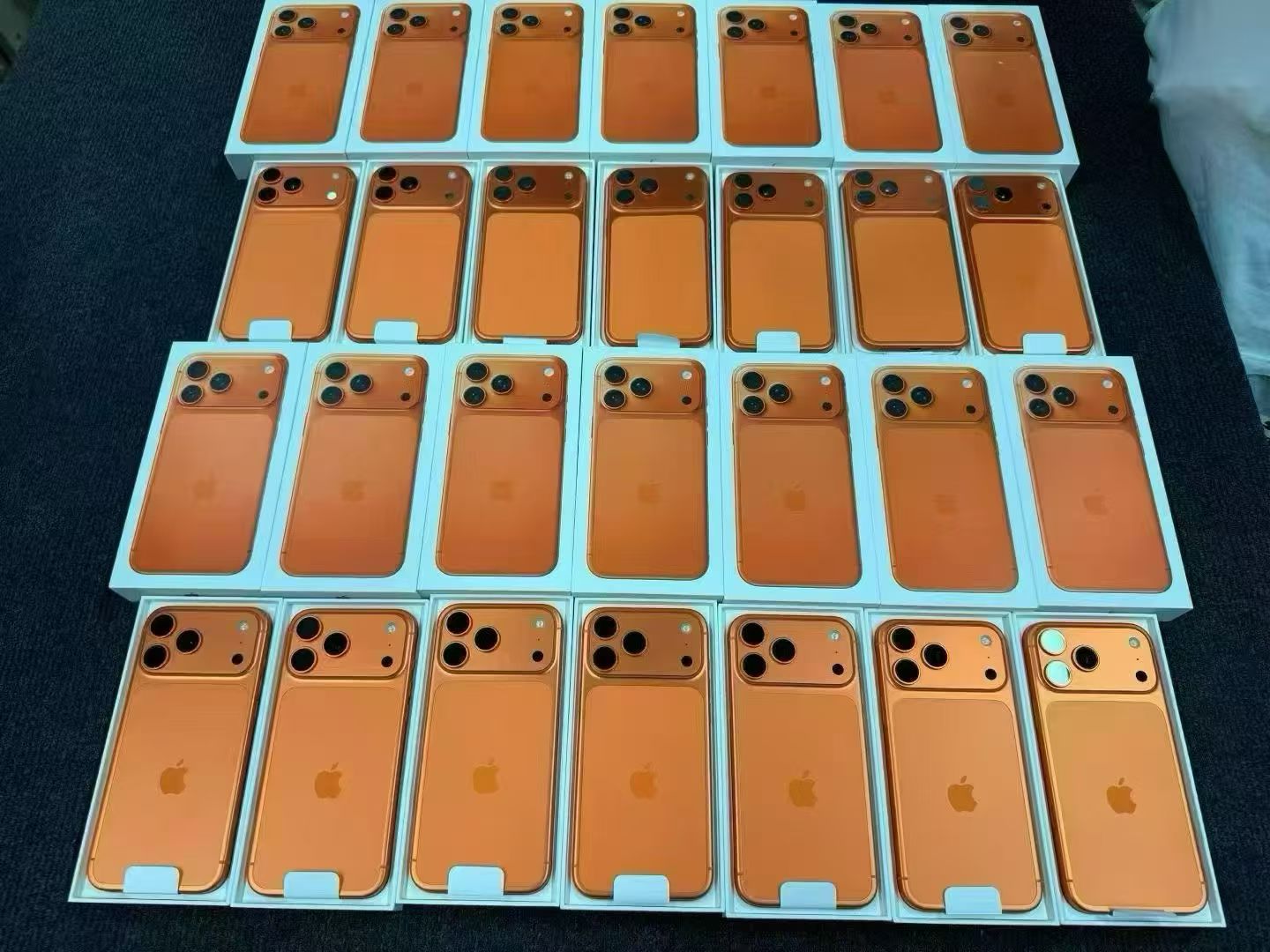
Another research firm, Counterpoint, revealed that Apple led the Chinese smartphone market with a 22% share in the same quarter.
Initially, the market reception of the iPhone 17 was lukewarm, with critics labeling it as "ugly," "unappealing," "lacking innovation," and "overpriced." Apart from the initial price hikes for the high-end iPhone 17 Pro Max, there was no significant rush to purchase other models.
In the iPhone 17 series' first financial report, Apple's net revenue in Greater China for the fourth fiscal quarter of fiscal year 2025 was $14.493 billion, a 4% year-on-year decrease. Coupled with the mixed reception of the iPhone Air, this led to widespread pessimism about the iPhone 17 series.
However, when the fourth quarter of 2025 truly tested the iPhone 17 series' popularity, the market delivered a clear verdict: Apple's iPhones reclaimed the top position in the Chinese market. From initial skepticism to market dominance, what transpired in the interim? Why were initial reviews of the iPhone 17 series so negative, yet sales so robust? Where does the iPhone 17 truly excel?
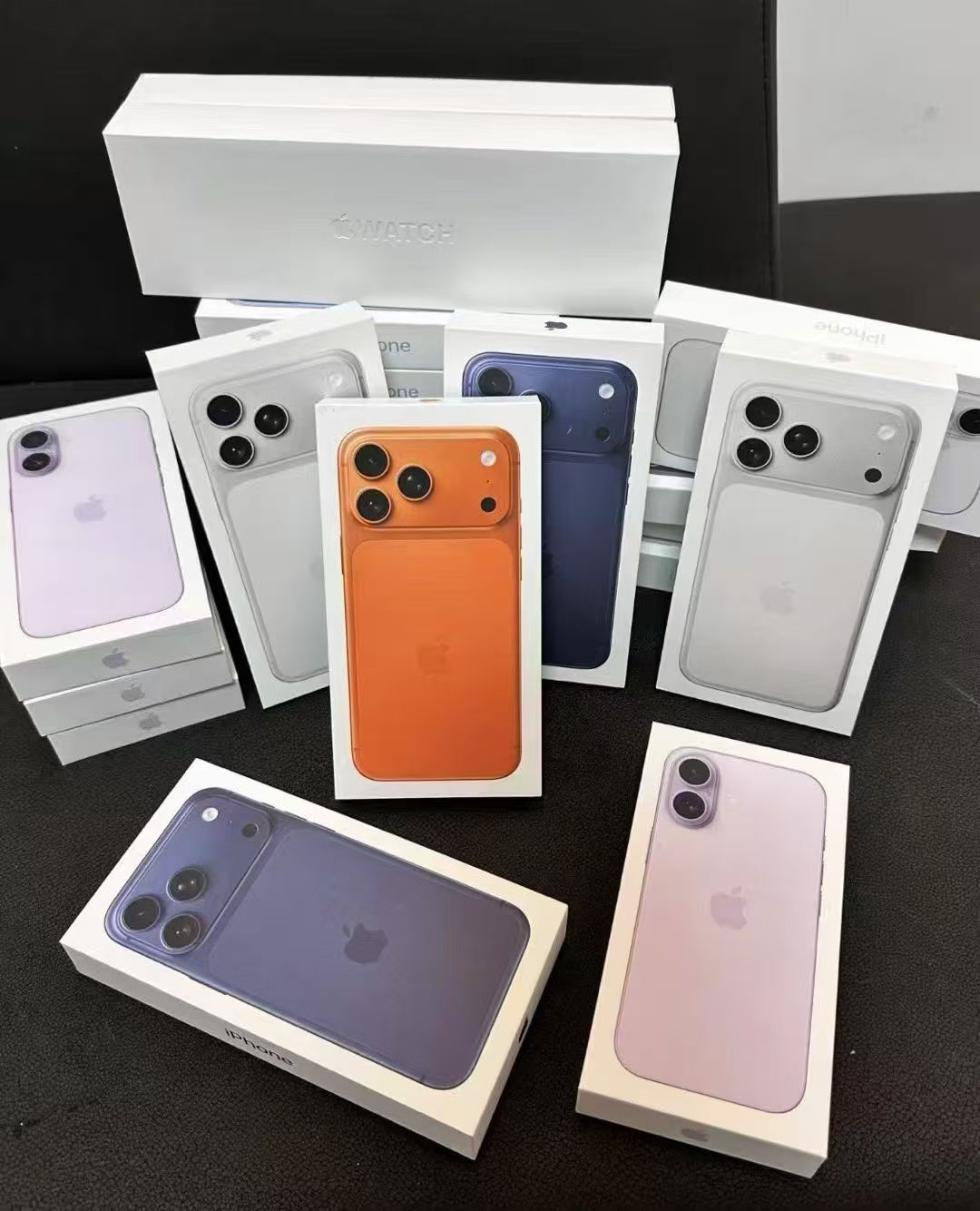
Firstly, cost-effectiveness. Traditionally, the term "cost-effectiveness" has been associated with domestic smartphone manufacturers, highlighting high hardware specifications at affordable prices. Apple was rarely linked to this concept. However, with the iPhone 17, Apple began to embrace a form of cost-effectiveness. The standard iPhone 17 starts at 5,999 yuan, with a generous 256GB of storage.
In comparison, domestic flagship phones now also fall within the 4,000-5,000 yuan range, with some offering superior configurations to the iPhone 17.
This presents consumers with a dilemma: "For just over 5,000 yuan, should I buy an Android phone or an iPhone 17?" Clearly, many opted for the latter.
The fourth quarter also featured the "Double 11" shopping festival. As e-commerce platforms like Taobao, Tmall, Pinduoduo, and JD.com rolled out promotions, the iPhone 17 was included in the deals. During this period, various iPhone 17 models saw significant price reductions. The 256GB iPhone 17 was discounted to 5,499 yuan, with some models offering over 1,000 yuan in savings.
These promotions made the iPhone 17 even more appealing in terms of cost-effectiveness.
Secondly, Apple's strong market base. When consumers of brands like OnePlus, vivo, OPPO, Huawei, Xiaomi, and Honor consider upgrading, they typically weigh their options among these brands. For instance, a user previously owning a Huawei, Xiaomi, OPPO, or vivo phone might switch brands or stick with the same one based on their experience. However, Apple users face a different scenario: their only option for an upgrade is another iPhone.
Compared to other smartphone manufacturers, Apple's market base is more stable, primarily consisting of previous iPhone users, such as those from the iPhone 6s, iPhone X, iPhone 12, and iPhone 13 generations. When these users consider a new phone, they are highly likely to stick with Apple, making the iPhone 17 their natural choice.
Each new iPhone generation relies on this loyal user base, a competitive edge that other manufacturers find challenging to match.
Compared to its predecessors like the iPhone 16, iPhone 15, and iPhone 14, the iPhone 17 introduced significant innovations and improvements. Once the iPhone 17 surpassed its predecessors, past users were quick to upgrade, leading to a surge in sales. Users may have hesitated to upgrade from the iPhone 16 or iPhone 15, but the iPhone 17's arrival prompted immediate action. Coupled with "Double 11" promotions, switching to the iPhone 17 became even more enticing.
Finally, iPhones retain their value well. In the second-hand smartphone market, Apple phones command the highest residual value, reflecting consumers' recognition of their quality. Phone store owners can easily resell second-hand iPhones, leading to a high circulation rate in the market.
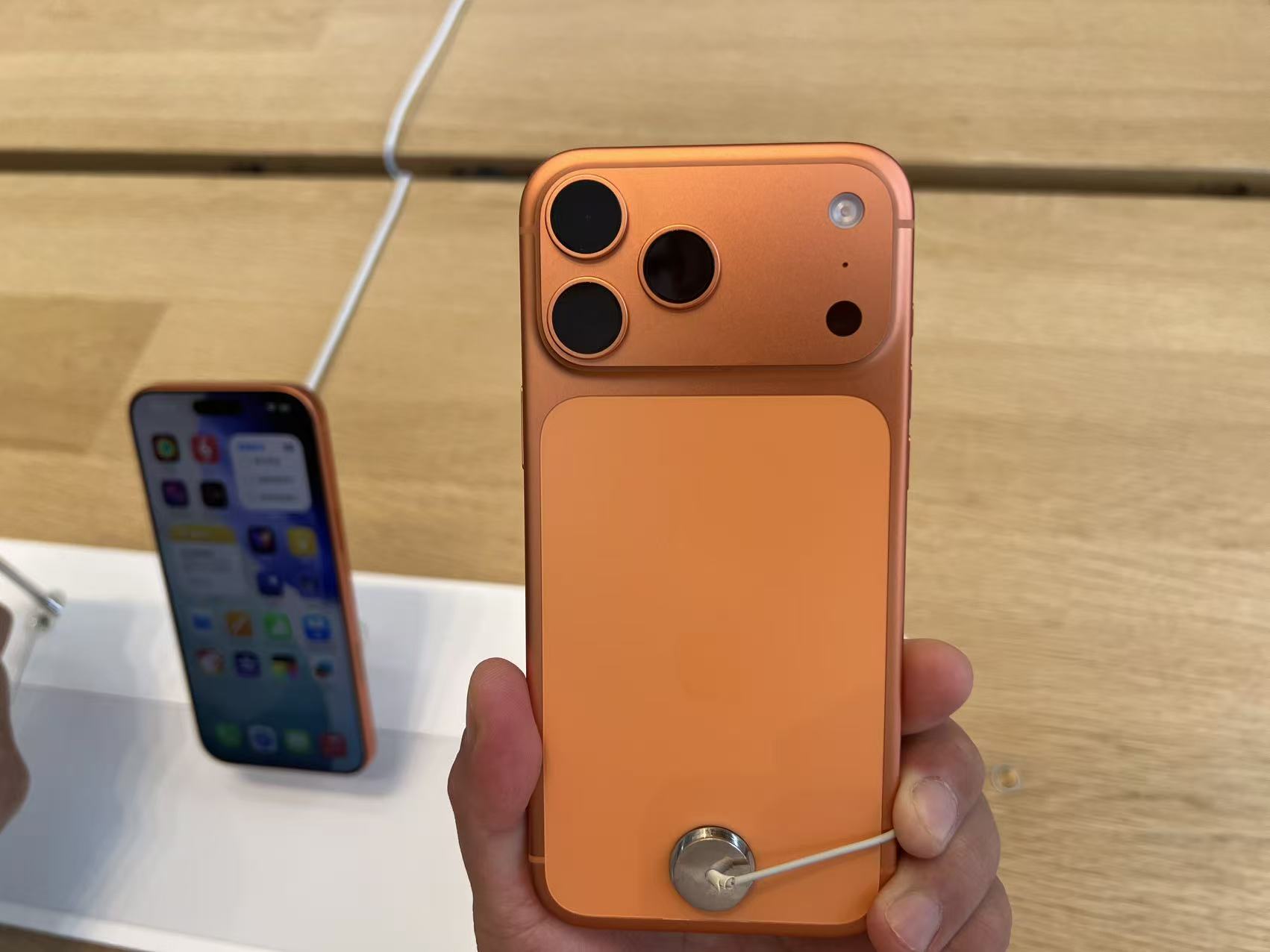
The 256GB iPhone 13 Pro, released in September 2021, can still fetch over 2,000 yuan on the second-hand market after nearly four years of use. The iPhone 13 Pro Max commands an even higher price.
For users looking to upgrade, adding just over 5,000 yuan allows them to switch to the iPhone 17 Pro. Opting for the standard iPhone 17 requires even less additional investment.
In contrast, phones from vivo, OnePlus, Samsung, OPPO, Huawei, Xiaomi, or Honor lose significant value after just one or two years of use, making them less attractive in the second-hand market.
Therefore, the record-high shipments of the iPhone 17 series in the fourth quarter of 2025 are not solely attributable to the phone's inherent quality but rather a combination of factors. If we must highlight Apple's unique strengths, it lies in stability. iPhones are renowned for their reliability and consistent performance.
This reputation is not built on external opinions alone but is the result of years of accumulation. While outsiders may criticize the iPhone 17 as "ugly," "unappealing," "lacking innovation," and "overpriced," true iPhone users appreciate its quality firsthand. After over a decade of smartphone evolution, users have likely tried phones from other brands but may still find the iPhone the most user-friendly, ultimately choosing the iPhone 17.
In recent years, a new trend has emerged in the home appliance and digital market, including smartphones: consumers are less swayed by flashy marketing tactics and instead focus on a product's final reputation. Regardless of the brand—vivo, OnePlus, Samsung, OPPO, Huawei, Xiaomi, or Honor—if a user finds a product satisfactory, they will continue using it. Conversely, if a phone has issues like rapid battery drain, lag, or poor camera performance, users will quickly switch brands. This places greater emphasis on product quality for manufacturers, making consistently high standards crucial.
Of course, Apple still faces challenges from other manufacturers. Battery life, camera performance, and gaming capabilities are areas where competitors continue to challenge Apple. While these tactics may not be entirely ineffective—as some users may opt for another brand as a secondary phone while keeping the iPhone as their primary device—they do reduce the iPhone's market share to some extent. With a budget of three to four thousand yuan, users may still choose a flagship phone from another brand over a second-hand iPhone.
It is well-known that Apple phones have high profit margins, allowing the company to maintain profitability even with significant price reductions. However, other smartphone manufacturers find it difficult to match Apple's discount levels.
It remains to be seen when consumers will truly believe that phones from vivo, OPPO, Huawei, Xiaomi, and Honor are on par with Apple, recognizing the brand's value and willing to pay the price.
By Guo Jing, WeChat Official Account: Guo Jing's Internet Circle
-
![]()
Hardware is the skeleton, AI is the soul, and data integrates the two
-
![]()
China’s AI Industry: A Unified Pivot Towards Monetization?
-
![]()
New Progress! Infineon Completes Acquisition of ams OSRAM's Non-Optical Sensor Business
-
![]()
35 Million Bet on an Optical Future! Tengjing Technology Makes a Move in AR
-
![]()
Why World Models Get Stuck on Construction Roads in Autonomous Driving Applications
-
Alibaba Initiates Cultural Transformation: Is Jack Ma Making a Strategic Comeback?
-
Tianfeng Heads to Hong Kong for IPO with RMB 3.8 Billion in Funds: Xingyu's Cross-Border Foray into Embodied AI Faces Uncertain Future
-
![]()
Mengshi Auto’s High-End Aspirations Dashed: Huawei Partnership Fails to Revive Sales, New Model’s Entry Price Dips Below 300,000 Yuan