iQOO 15 Ultra Review: Running Devil May Cry at Full Frames, Is It Worth 4999 Yuan?
 02/05 2026
 630
630
The fireworks in the smartphone circle have already started even before the Spring Festival arrives.
You see, as early as the end of last year, the first batch of devices equipped with the Snapdragon 8 Elite Gen5 had already flooded the market like dumplings in boiling water. Xiaomi, OPPO, and vivo's flagship models have all undergone a round of market testing, and their secondary flagships have also one after another (lùxù, meaning "one after another") made their appearances.
I initially thought this flagship battle had come to an end, but didn't expect (méixiǎngdào, meaning "unexpectedly"), iQOO still had a major trick up its sleeve at this critical moment.
You might recall that while last year's iQOO 15 was stable, it always felt like it was missing that touch of extreme craziness. Many were asking, where did the iQOO that once had "Born Tough" engraved in its DNA go?
Well, don't worry—the iQOO 15 Ultra is here now.

(Image Source: iQOO)
Readers who follow the tech scene should know that controversy has surrounded this device since its leak. Some call it "the best choice for gamers," while others dismiss it as a "pseudo-ultra model with severe specialization issues." Some even believe this is iQOO's alternative approach due to rising storage costs.
With these questions in mind, our team at Leigong Technology got our hands on the actual device early and summarized the three questions you're probably most concerned about. If you're interested, grab a seat, and let's dive in.
Can It Be Called Ultra Without a One-Inch Sensor?
As a product marketed with "Ultra" specifications, this is likely a question many readers have.
The reason is simple: for a long time, the smartphone industry has had an unwritten definition for the "Ultra" suffix.
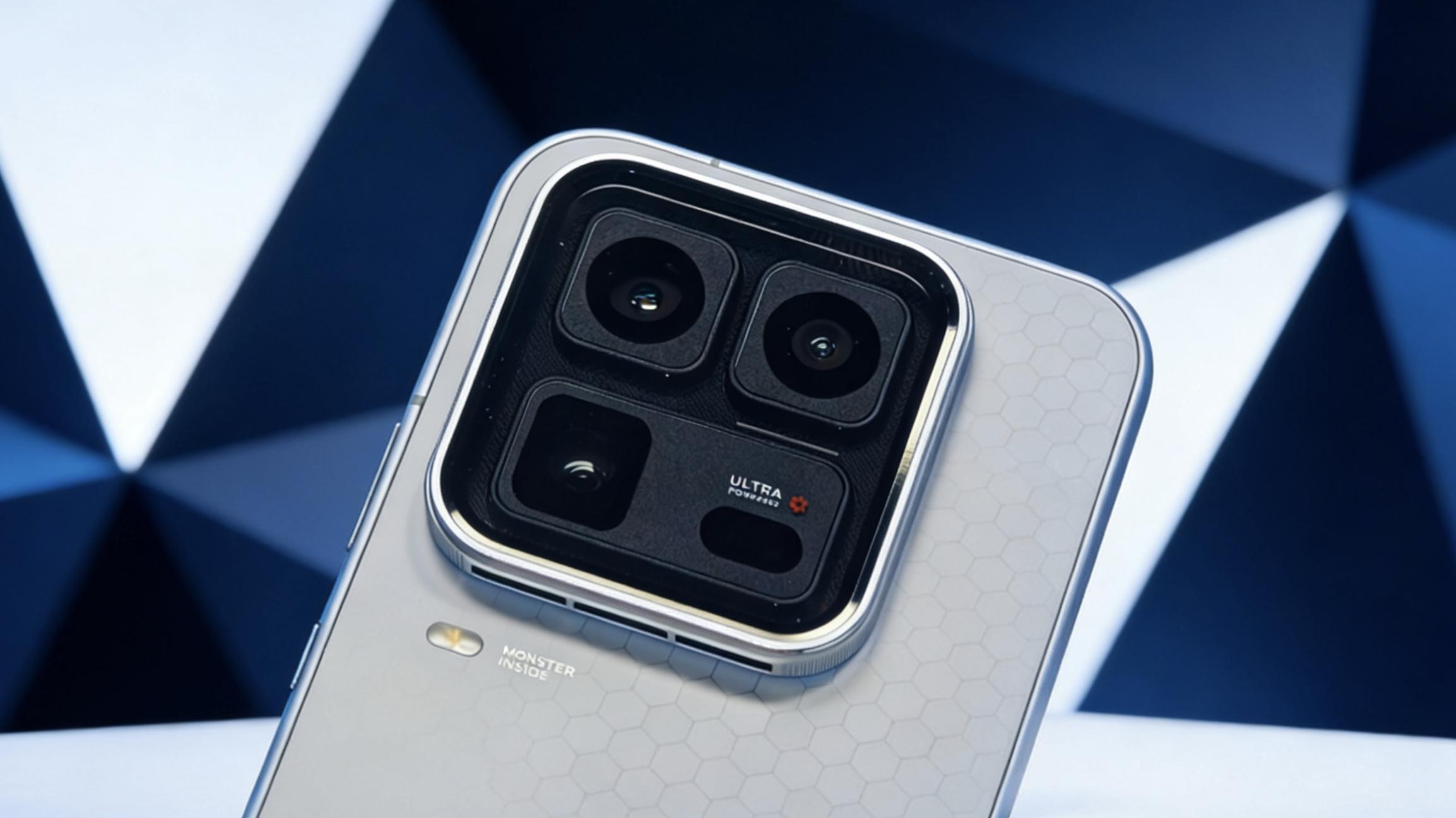
From a consumer perspective, Ultra models basically represent the pinnacle of imaging systems. For example, Xiaomi's Ultra models feature Leica full-focal-range coverage and even use the iconic Leica red logo. vivo's Ultra models boast a one-inch main sensor and a 200MP telephoto lens. OPPO's Ultra adopts a dual-periscope design, while Samsung's Ultra once offered 10x optical zoom.
(Image Source: Leigong Technology Original)
If you approach the iQOO 15 Ultra with these expectations, you'll likely be disappointed the moment you unbox it.
The iQOO 15 Ultra's rear camera setup remains the same as the iQOO 15: a 50MP IMX921 main sensor, an IMX882 3x periscope telephoto lens, and a 1/2.76-inch ultra-wide lens. While this setup is decent for a 3,000-yuan device, it offers little excitement in the 5,500-yuan segment.
That said, its imaging capabilities aren't bad at all.
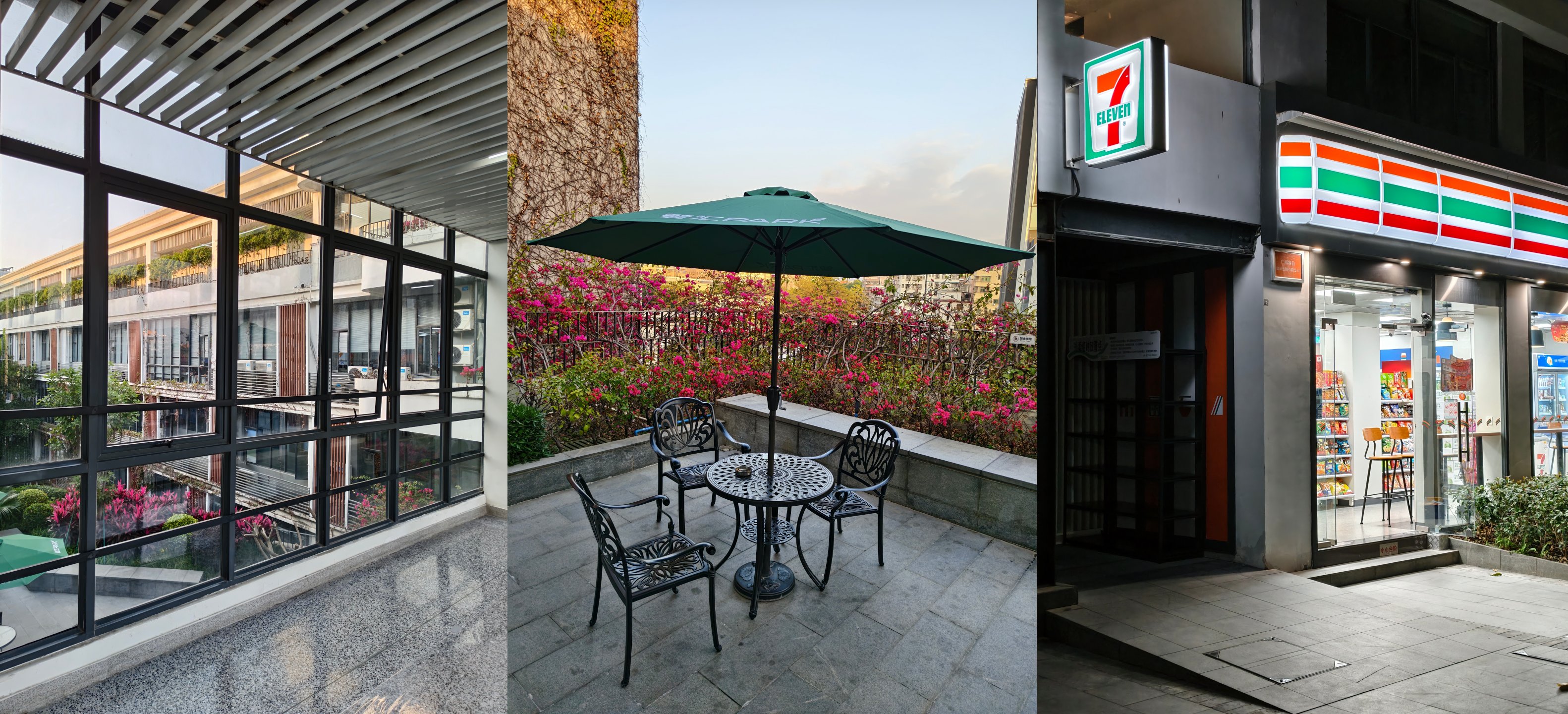
As shown here, whether during the day or night, this 1/1.56-inch main sensor frequently captures surprisingly stunning shots:
(Image Source: Leigong Technology Original)
The periscope telephoto lens also offers decent resolving power, though AI artifacts become noticeable at higher zoom levels:

(Image Source: Leigong Technology Original, 6x hybrid zoom)

(Image Source: Leigong Technology Original, 30x hybrid zoom)
Without a one-inch sensor or super telephoto macro capabilities, its "Ultra" designation comes from a different technological focus: product design and gaming experience.
First, let's talk about design. Some previously criticized the iQOO 15 for being too understated and conservative. This time, iQOO boldly introduced an air duct structure paired with a semi-transparent honeycomb texture, creating a sci-fi aesthetic that stands out in recent smartphone designs.
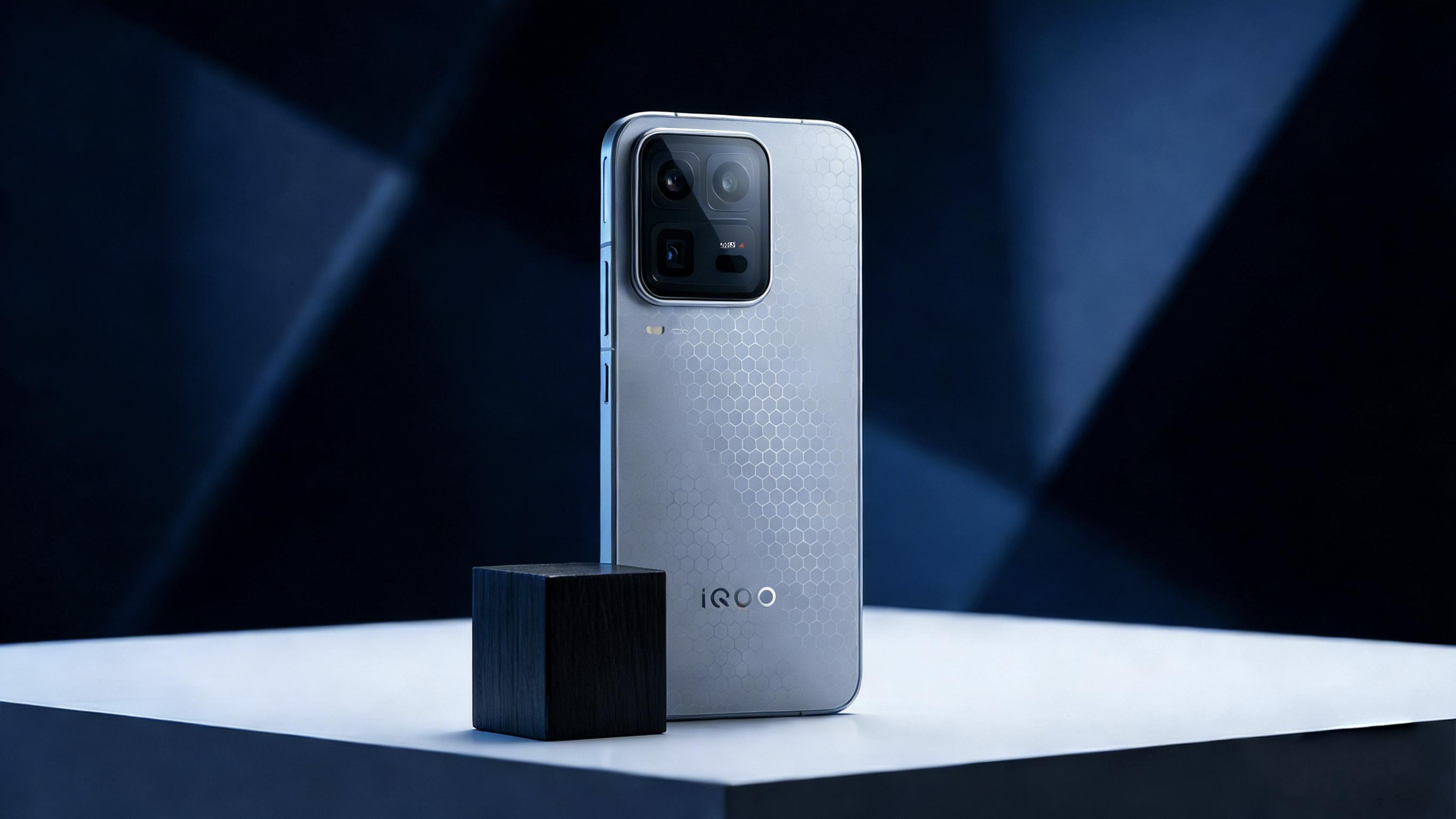
(Image Source: Leigong Technology Original)
However, this hardcore aesthetic that screams industrial design is subjective—opinions among our team at Leigong Technology are divided.
Next is control. Not only does it incorporate pressure-sensitive shoulder buttons typically found on gaming phones into a mainstream flagship body, but it also enhances a component often overlooked by competitors—the gyroscope. 
(Image Source: Leigong Technology Original)
In practice, the two shoulder buttons perform admirably, especially in shooting games, where their responsive speed and tactile feedback are quite satisfying. However, the heavily promoted ultra-responsive gyroscope felt overly sensitive to me, and I suspect only users accustomed to such configurations for perspective (shìjiǎo, meaning "viewing angle") switching would notice a difference.
We'll analyze the new active cooling fan in detail below.
As for battery life—the top concern for many—iQOO has packed a 7400mAh BlueOcean battery into this device.
While this doesn't dominate in cross-comparison, the iQOO 15 Ultra still offers 400mAh more than the standard version. Combined with vivo's rigorous performance tuning, its battery life is promising.
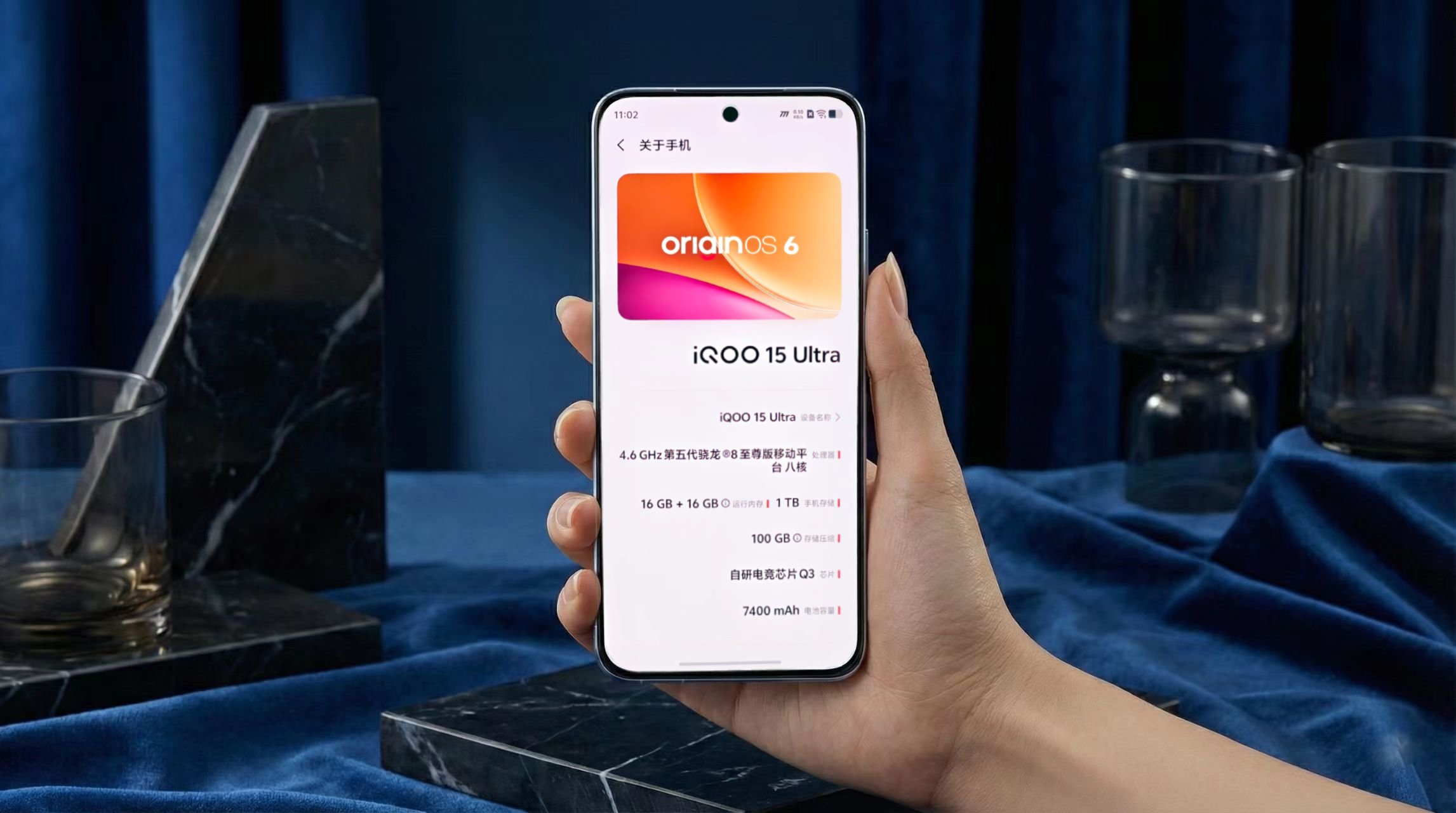
(Image Source: Leigong Technology Original)
According to our tests with an engineering unit simulating heavy daily use (5G connectivity, 2-3 hours of gaming, Bilibili streaming, Weibo browsing, and WeChat always running), screen-on time exceeded 10 hours—comparable to devices with 8000mAh batteries.
In other words, if you're not a heavy gamer, this phone can easily last two days on a single charge. Even when critically low, charging to 50% provides enough power to last nearly a full day.
So, in essence, this Ultra model is a strengthened version of the iQOO 15 with extreme battery life and enhanced gaming capabilities.
Is Active Cooling Really Effective?
As iQOO's first Ultra model, the 15 Ultra naturally features the Snapdragon 8 Elite Gen5.
To push performance to its limits, iQOO integrated a micro centrifugal fan inside the chassis, creating an active cooling system called "Ice Dome Cooling."
Looking from beneath the module, you can see the intake vents for the entire cooling system.
Correspondingly, the exhaust vents are located on the left side of the chassis—directly opposite the intake/exhaust design of Honor's Win series.
Refer to this diagram I created to better understand the iQOO 15 Ultra's active cooling logic.
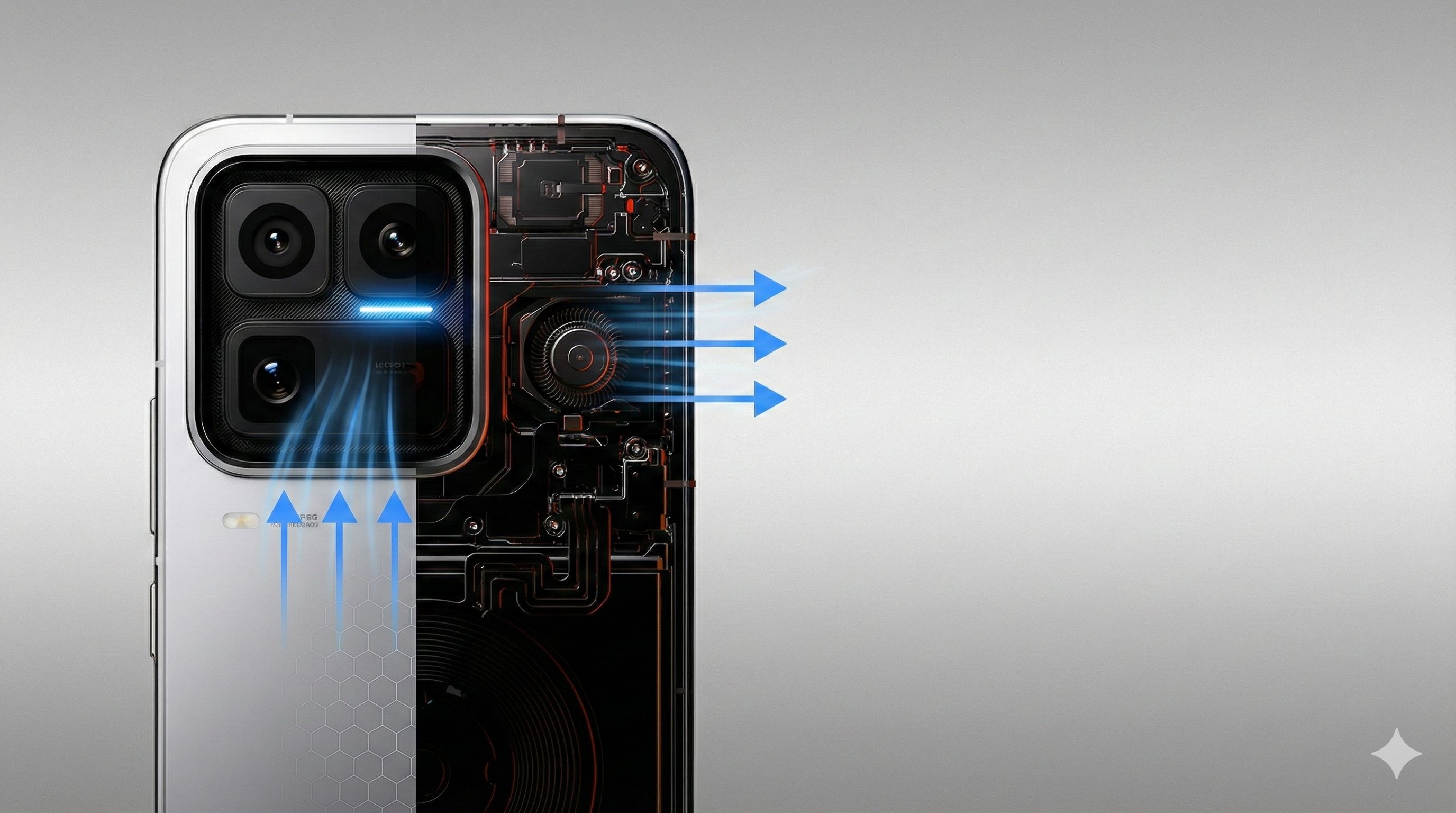
(Image Source: Leigong Technology Original)
Many question whether an additional fan is necessary when the Snapdragon 8 Elite Gen5 already offers excellent energy efficiency, rarely throttling even during intense 3A mobile gaming sessions.
The answer depends on what you play.
If you only play Honor of Kings, Peacekeeper Elite, or occasionally dabble in Genshin Impact, the fan offers little benefit.
As shown, standard flagship phones with passive cooling handle these scenarios just fine.
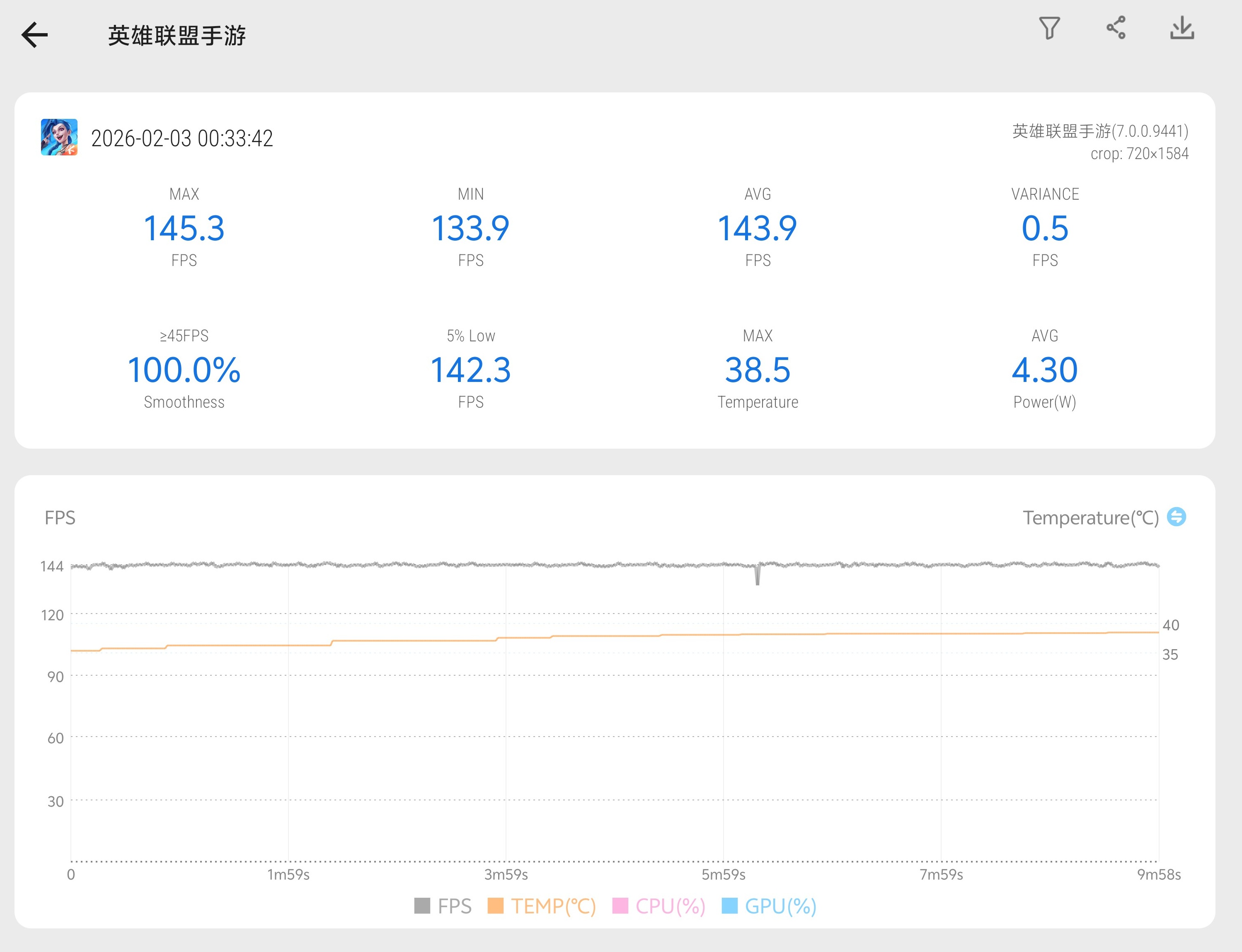
Even with maximum graphics settings and 144fps enabled in League of Legends: Wild Rift, peak device temperatures remained below 40°C, averaging 143.9fps with 142.3fps at the 5% low mark. Total device power consumption was only 4.3W—well within what the iQOO 15 Ultra's passive cooling can handle.
Note that during light gaming sessions, the iQOO 15 Ultra consumes slightly more power than conventional phones, allowing for more aggressive performance tuning.
However, the iQOO 15 Ultra targets the 10% of extreme scenarios.
The first scenario involves PC emulators.
Numerous Android emulators (GaiShi Games, Mobox, etc.) now allow mobile devices to run PC-grade 3A titles like GTA 5 or Shadow of the Tomb Raider.
On standard phones, running these emulators pushes the CPU and GPU to full load. Typically, within 15 minutes, device temperatures soar above 48°C, forcing the system to throttle performance and reducing frame rates to a slideshow.
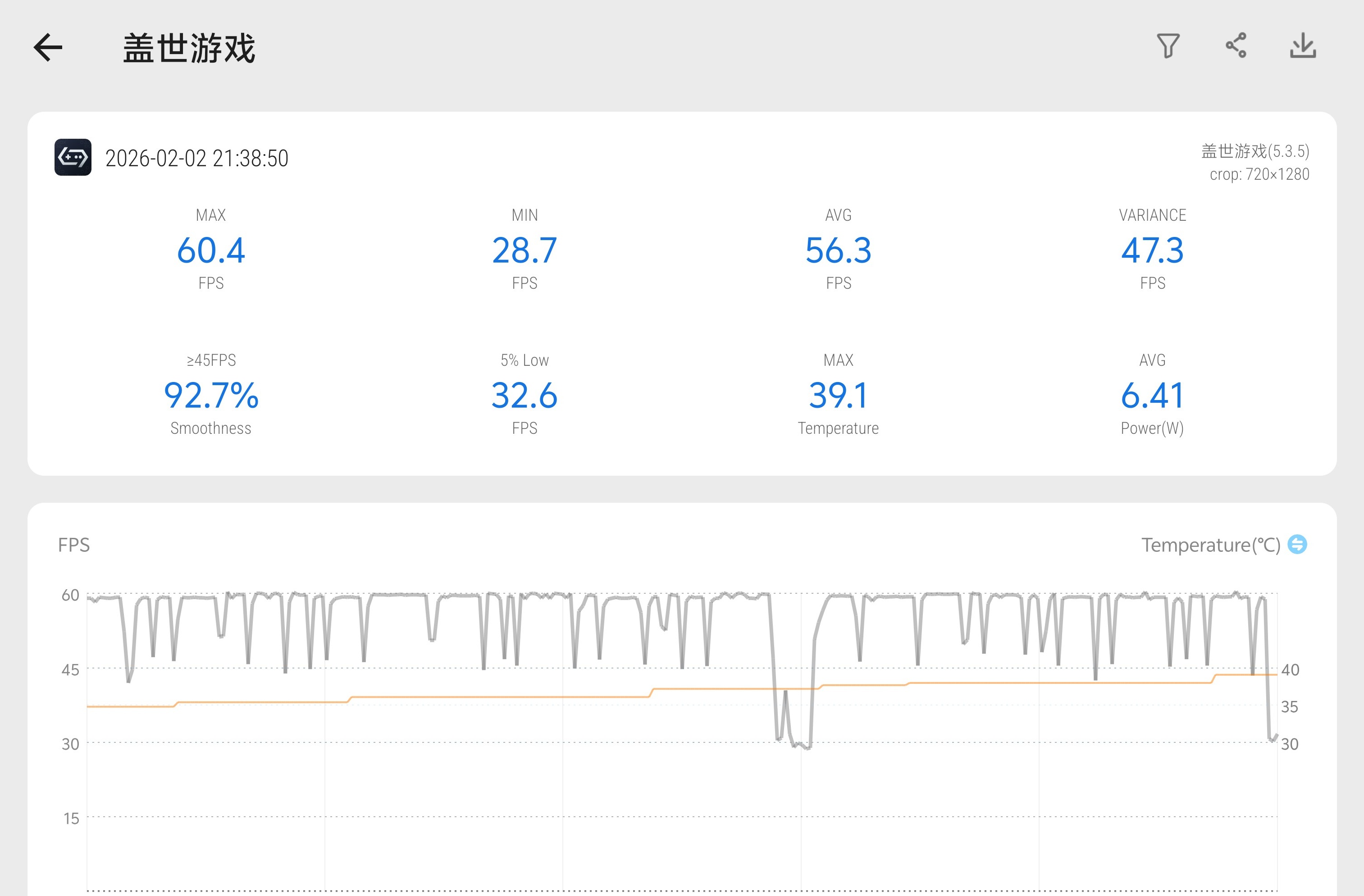
With the iQOO 15 Ultra, when the fan operates at full speed (producing a faint whirring sound), it keeps device temperatures in check. Our tests show it maintains stable frame rates for over 30 minutes when running Devil May Cry DMC on PC settings—an experience passive cooling simply cannot achieve.
(Image Source: Leigong Technology Original)
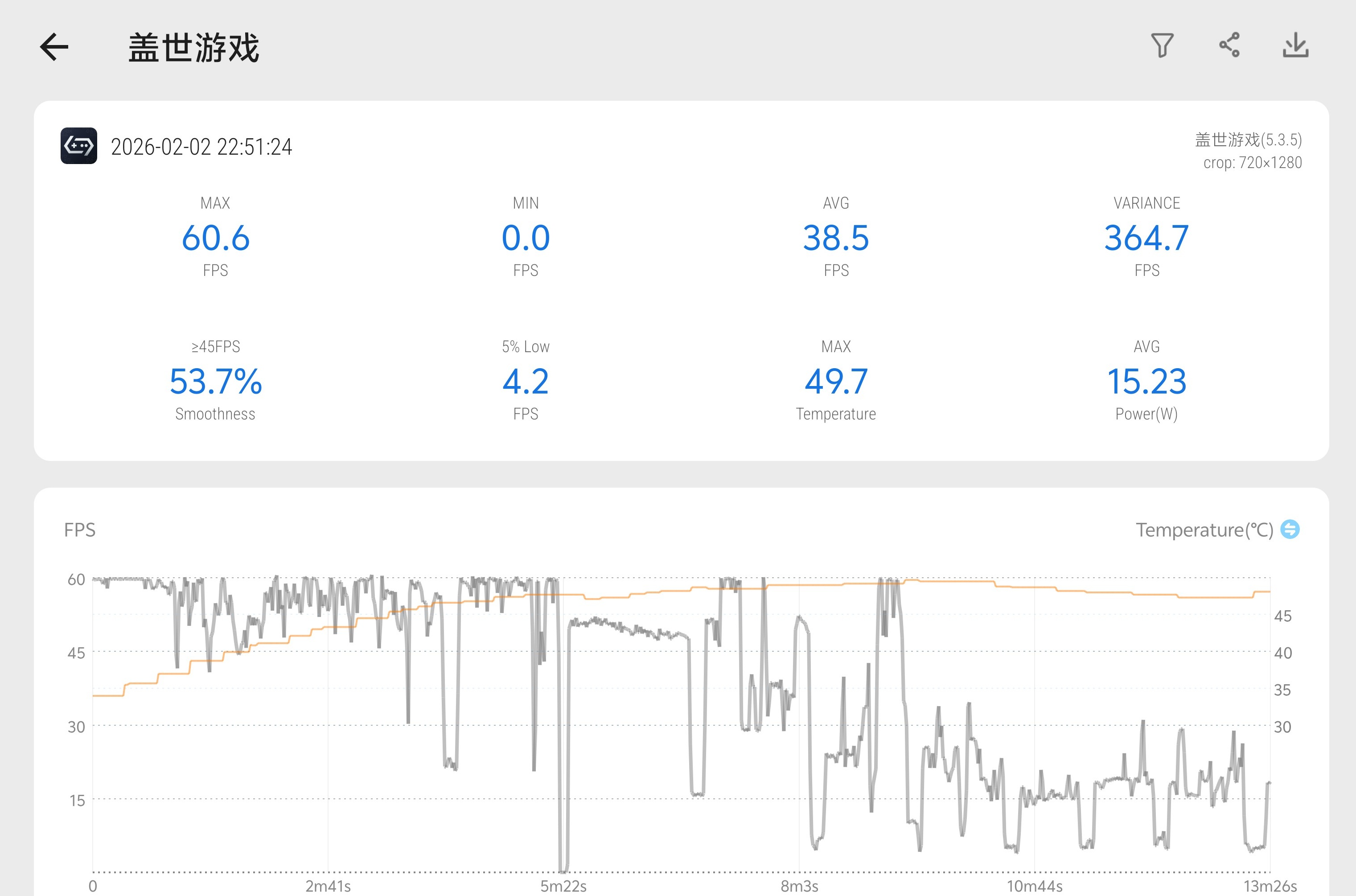
That said, PC emulator compatibility still needs improvement. For demanding 3A titles, total device power consumption can exceed 15W—a challenge even active cooling struggles with.
(Image Source: Leigong Technology Original)
The second scenario involves outdoor high-load situations.
Imagine standing in line outdoors during Spring Festival or being stuck on a non-air-conditioned bus in summer. High ambient temperatures and direct sunlight cause ordinary phones to rapidly reduce clock speeds and screen brightness to protect the motherboard, resulting in unstable frame rates and dim, hard-to-see displays.
With active airflow, the fan quickly dissipates accumulated heat.
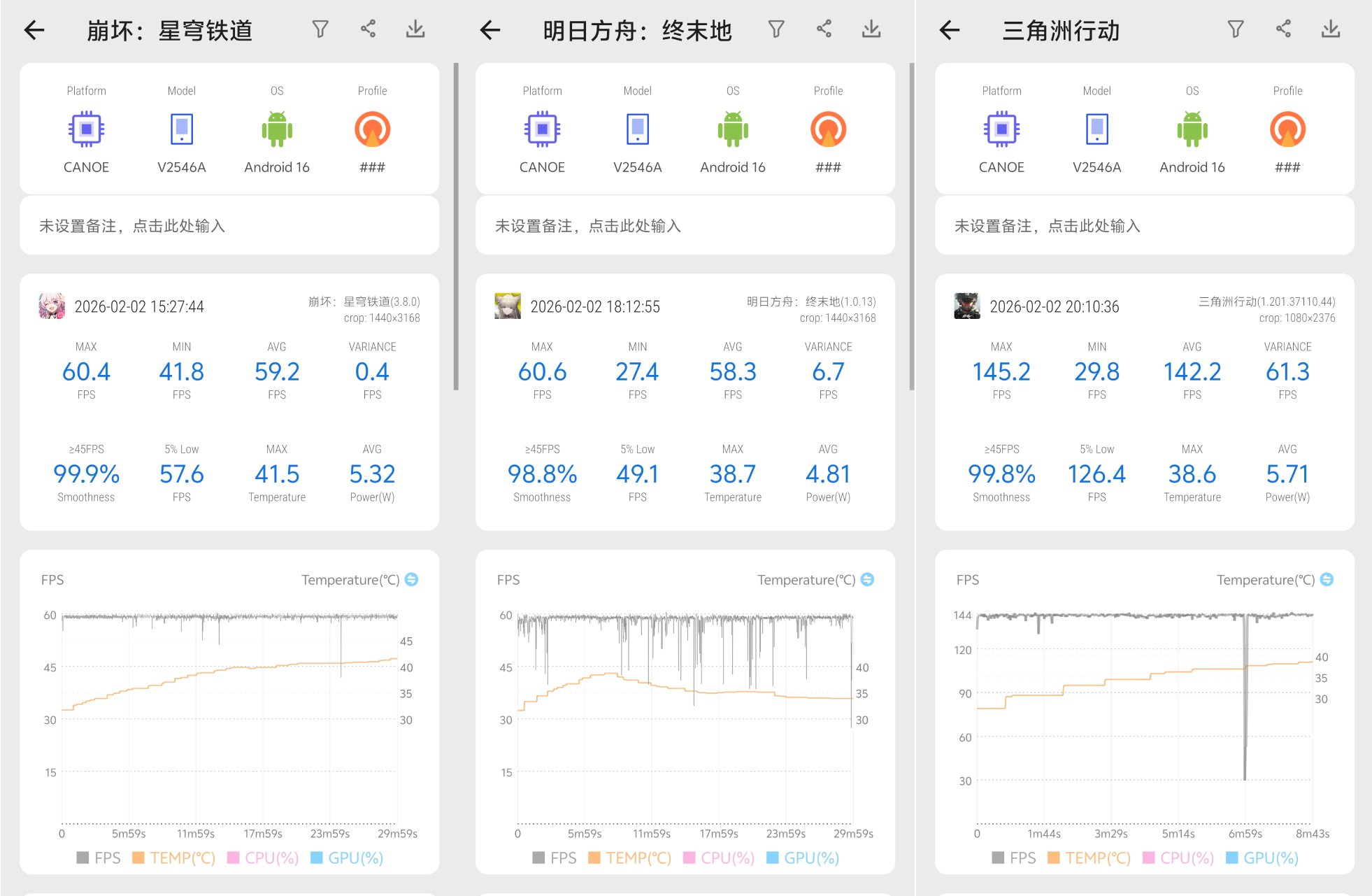
Our outdoor tests at 24°C with maximum graphics and frame rate settings revealed: - Delta Force: Average 142.2fps - Honkai: Star Rail: Average 59.2fps - Arknights: Endfield (at extreme rendering settings): Average 58.3fps
(Image Source: Leigong Technology Original)
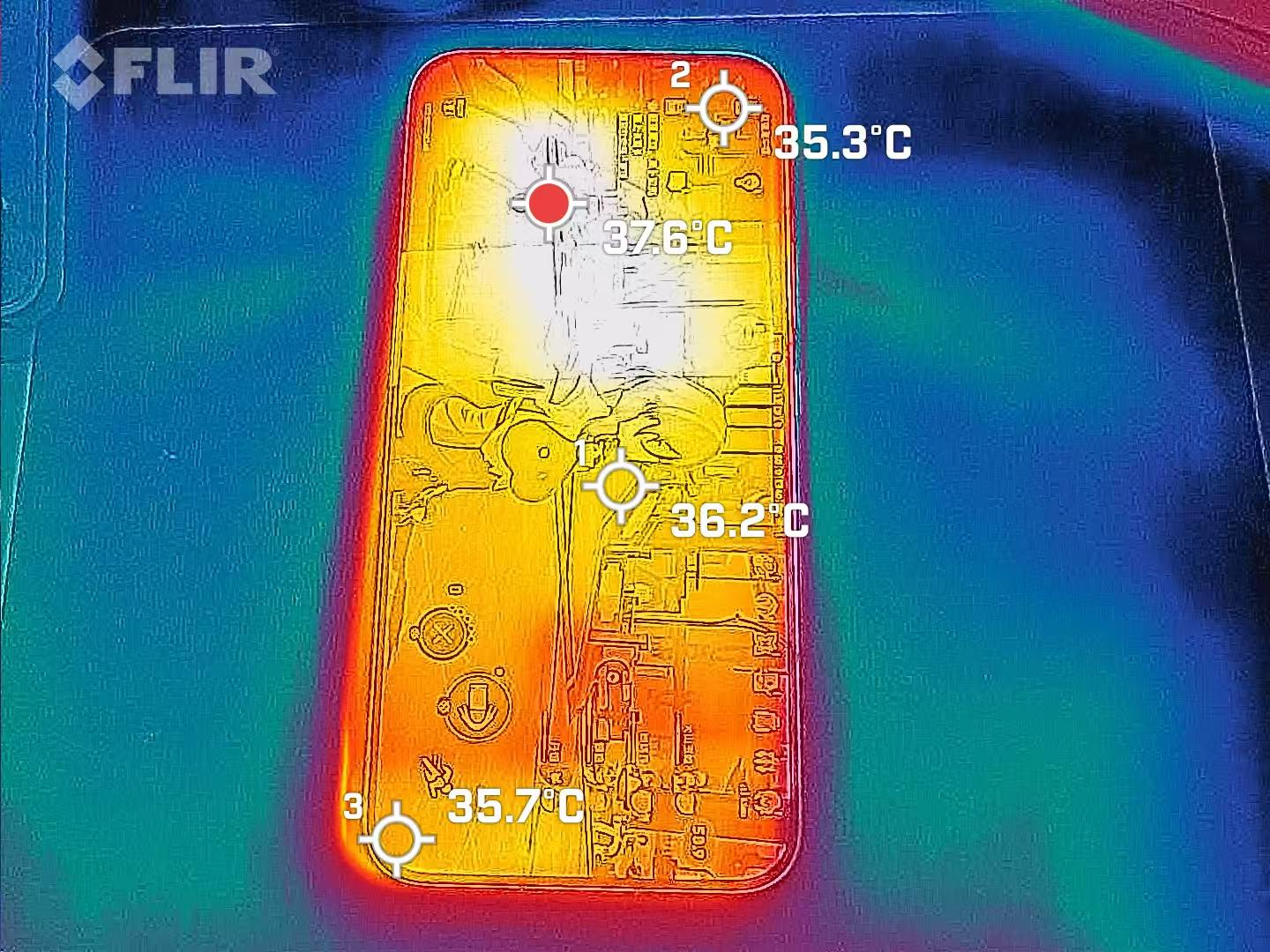
For Honkai: Star Rail—the most demanding of these three in terms of duration and power consumption—the peak device temperature reached just 37.6°C.
(Image Source: Leigong Technology Original)
The key advantage isn't just frame rates but also brightness. The iQOO 15 Ultra maintains peak screen brightness under heavy loads, offering a noticeably different outdoor gaming experience.
Theoretically, this fan enhances performance when browsing feeds, watching short videos, or recording videos outdoors.
However, iQOO has restricted the fan to only activate during games certified by its Game Box app, rendering it useless outside gaming. Even the PC emulator test required forcing global fan activation through workarounds. Hopefully, a future update will address this limitation.
I noticed some concerns on Xiaohongshu about fan dust accumulation.

(Image Source: iQOO)
To be honest, any chassis openings carry dust accumulation risks—that's just physics. However, as a vivo subsidiary, iQOO has implemented special dust-proof designs for the air ducts. More importantly, iQOO benefits from vivo's extensive offline service network, offering five years of free fan cleaning services.
Feeling like your fan needs a blowout? Just drop by a service center—no worries needed.
The only psychological adjustment required is the device's weight.
After integrating this air cooling system, the iQOO 15 Ultra weighs nearly 230g. Add a tempered glass screen protector and case, and it easily surpasses 250g. It feels heavier in hand than my foldable phone, packed with components that not only serve as self-defense but also as arm workout equipment.
Who Would Actually Pay This Price?
Following Leigong Technology's tradition, let's summarize the iQOO 15 Ultra's pros and cons.
Pros:
1. Active cooling makes it ideal for emulators and outdoor gaming. 2. Flat screen + physical shoulder buttons offer the most comfortable gaming phone form factor currently available.
Cons:
1. Compared to the iQOO 15, improvements feel incremental. 2. Weight-sensitive users will need adaptation time.
In my view, the iQOO 15 Ultra is essentially an "Ultra gaming phone" disguised as a mainstream flagship.
Unlike ROG or RedMagic devices, iQOO delivers industry-leading gaming performance without sacrificing daily usability (system, ecosystem, or aesthetics).
The Snapdragon 8 Elite Gen 5, paired with this active cooling system, delivers a powerful output without frequency throttling or screen dimming. Combined with built-in shoulder buttons and a gyroscope, it’s an absolute game-changer for hardcore gamers who want to experience AAA titles on mobile or Pursuing ultimate competition (pursue ultimate competitive performance).
Players needn’t worry about power consumption either. iQOO has optimized the fan’s power efficiency quite well, and support for 100W PPS fast charging eliminates the stress of choosing a charger. Multi-device users can pair it with a high-performance multi-port charger for even greater convenience. At least when it comes to recharging, it spares you from excessive waiting anxiety.
(Image source: iQOO)
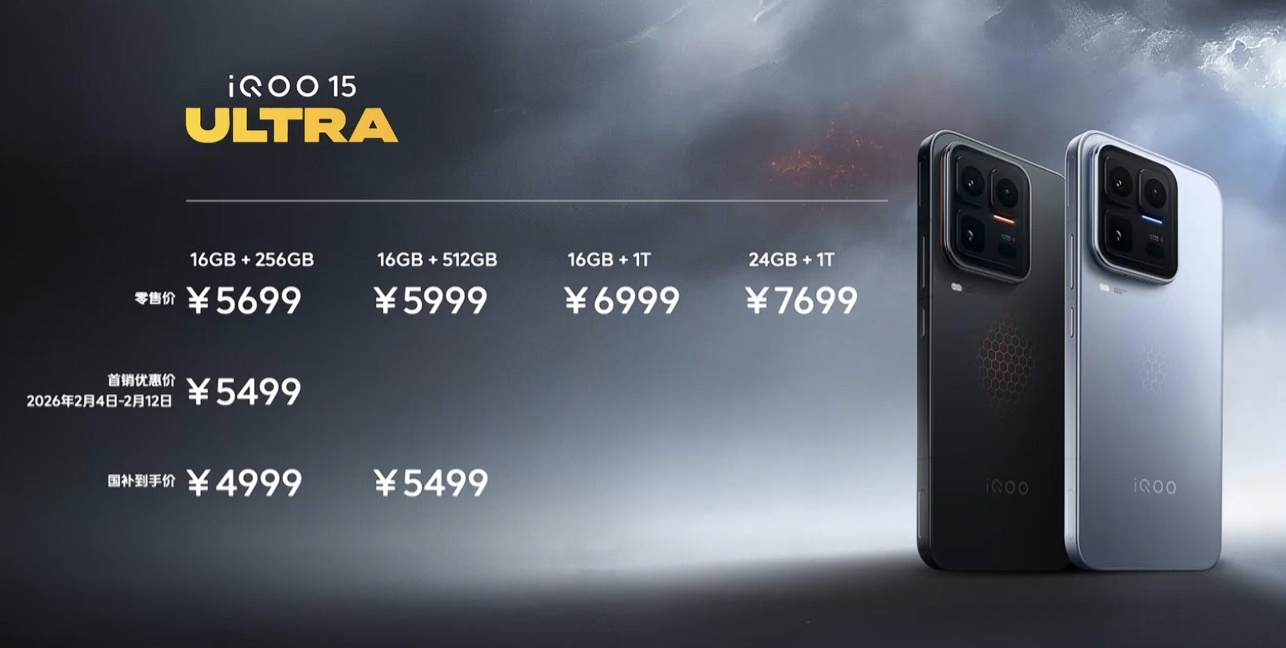
Finally, let’s talk about pricing. The 16+256GB model starts at 5,499 yuan for the initial release, dropping to 4,999 yuan after national subsidies. The top-tier configuration—a rare 24+1TB option—sells for 7,699 yuan.
This pricing isn’t exactly cheap, but it aligns with the product’s positioning.
After all, the iQOO 15 Ultra isn’t a one-size-fits-all flagship device; it’s tailored for users who crave ultimate performance.
If you’re tired of ordinary phones overheating and throttling after a short gaming session, or of professional gaming phones with gaudy aesthetics just to play games, then the iQOO 15 Ultra is undoubtedly an exceptional choice. If those concerns don’t apply to you, the iQOO 15 might suffice.
As long as you can accept its weight, the reward is potentially the most satisfying and enduring gaming experience of the year.

-
![]()
Hardware is the skeleton, AI is the soul, and data integrates the two
-
![]()
China’s AI Industry: A Unified Pivot Towards Monetization?
-
![]()
New Progress! Infineon Completes Acquisition of ams OSRAM's Non-Optical Sensor Business
-
![]()
35 Million Bet on an Optical Future! Tengjing Technology Makes a Move in AR
-
![]()
Why World Models Get Stuck on Construction Roads in Autonomous Driving Applications
-
Alibaba Initiates Cultural Transformation: Is Jack Ma Making a Strategic Comeback?
-
Tianfeng Heads to Hong Kong for IPO with RMB 3.8 Billion in Funds: Xingyu's Cross-Border Foray into Embodied AI Faces Uncertain Future
-
![]()
Mengshi Auto’s High-End Aspirations Dashed: Huawei Partnership Fails to Revive Sales, New Model’s Entry Price Dips Below 300,000 Yuan