The Self-Rescue of the Savior Fails, Black Shark Starts Selling Energy Drinks: The Decade of Gaming Phones Finally Replaced by 'Performance All-Rounders'
 03/03 2026
 467
467
RedMagic, the big brother, must hold on!
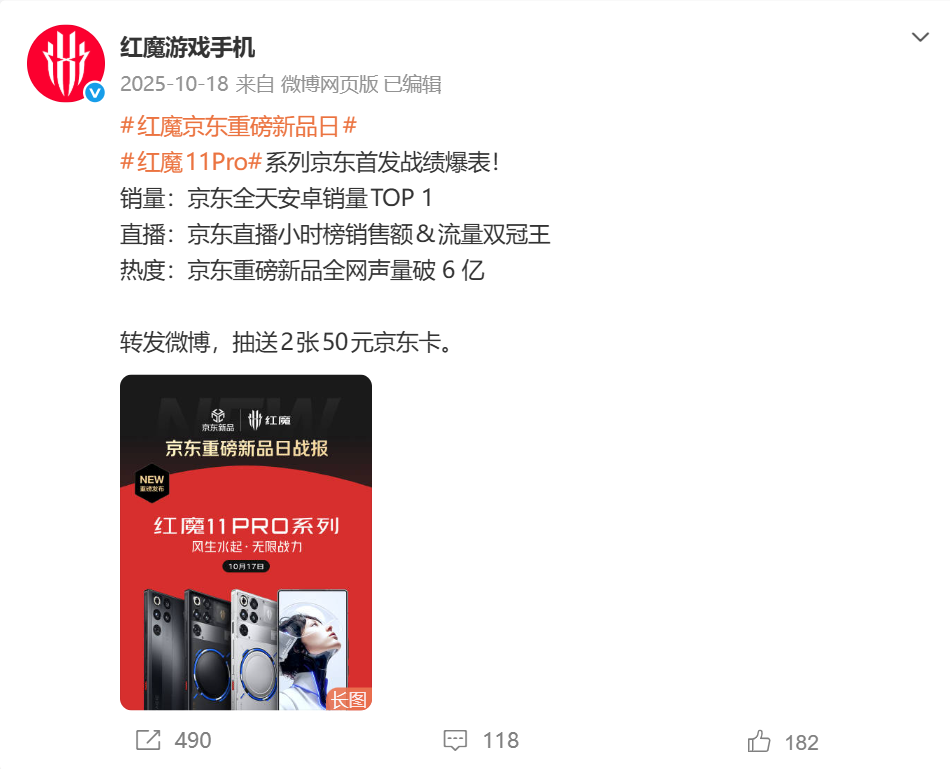
In October last year, RedMagic released its latest iteration of gaming phones—the RedMagic 11 Pro series.
(Image source: Weibo @RedMagic Gaming Phone)
As the 'big brother' in the gaming phone industry, the sales results were naturally gratifying. On the first day of its launch on JD.com, it secured the TOP 1 spot in all-day Android sales and achieved extraordinary popularity with over 600 million online mentions.
But behind these frequent success reports lies the gradual decline of the once-glorious gaming phone segment.
'Battle reports may deceive, but the frontlines do not.'
Towards the end of last year, while other companies were busy launching new devices, ROG gaming phones remained silent. Soon, bad news arrived: the new device plan was suspended, and the ROG Gaming Phone 10, originally scheduled for February this year, was officially canceled. Thus, among the 'Four Heavenly Kings'—Lenovo Legion, Black Shark, RedMagic, and ROG—only RedMagic remains as the sole survivor.
Gaming phones were not without their glory days. As early as 2018, Black Shark 1 and RedMagic were released almost simultaneously, instantly capturing the attention of young people with their extremely cool designs and powerful cooling systems. Later that same year, the ROG Phone was officially launched. In 2020, the last 'savior'—the Legion gaming phone—emerged.
(Image source: Xiaomi)
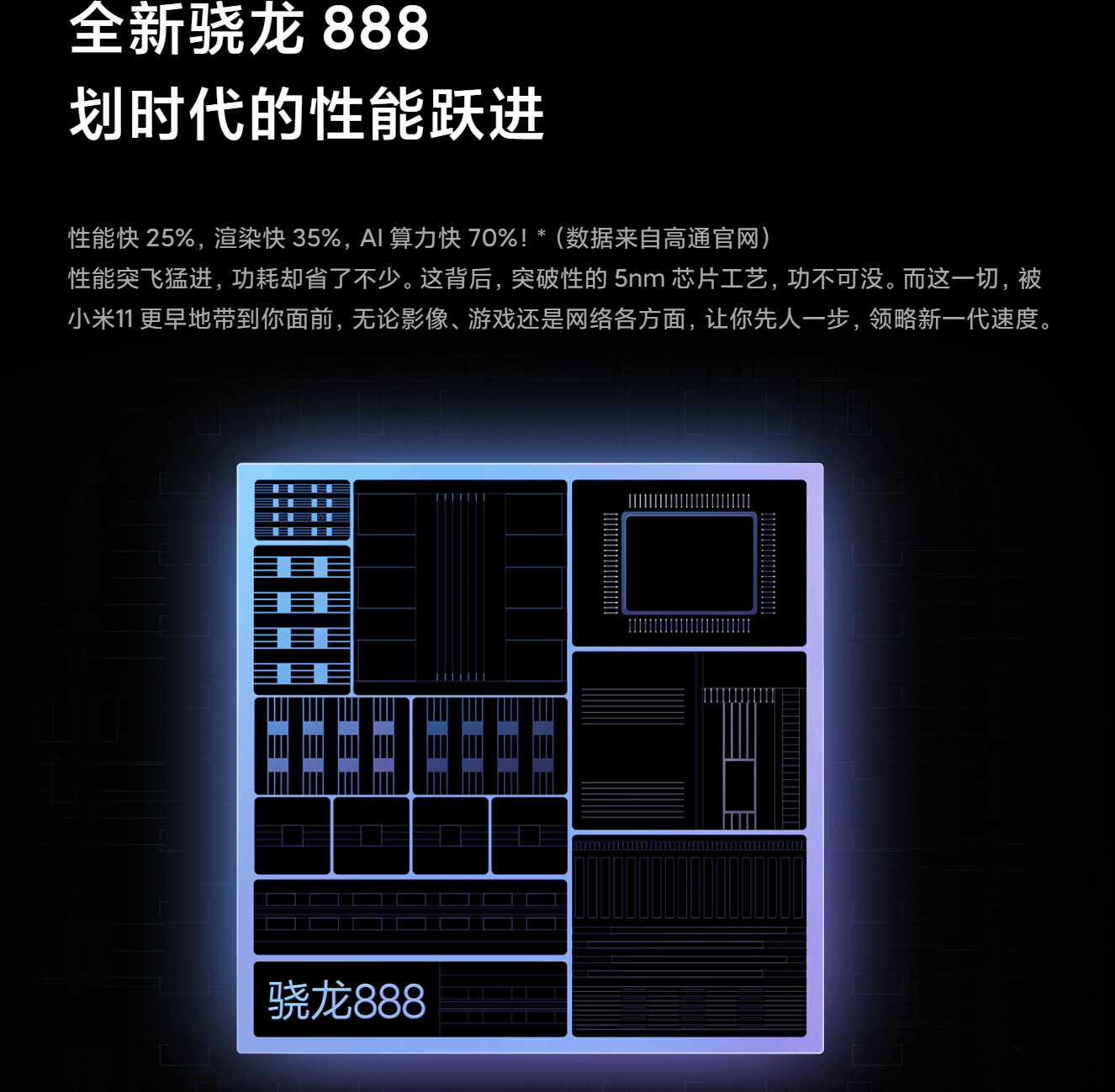
The peak period for gaming phones was undoubtedly between 2021 and 2022. During this time, Snapdragon released two consecutive generations of flagship chips known for their 'overheating' reputation: the Snapdragon 888 and Snapdragon 8 Gen 1. Due to Samsung's manufacturing process, these chips saw a decline in energy efficiency compared to their predecessors. When running games on conventional phones, issues like overheating and frame drops quickly arose, making mobile gaming nearly unplayable.
Meanwhile, gaming phones, with their superior cooling modules and various active cooling solutions, could run games stably and persistently, becoming the go-to choice for performance-seeking users.
'What made them successful also led to their downfall.'
However, while these products initially gained a large following due to these characteristics, changes in the environment also caused them to lose their audience.
At the same time, the flaws of gaming phones became increasingly apparent as these traits disappeared.
Firstly, at the core SoC level, mobile phone SoCs have advanced rapidly in recent years. The era of the overheating 888 and 8 Gen 1 is long gone. Especially with recent generations like the Snapdragon 8+, 8 Gen 2, and 8 Elite, as well as MediaTek's Dimensity 9300 and 9400, the progress compared to previous generations has been remarkable.
These high-end chips can now deliver exceptionally high performance at extremely low power consumption. The extreme performance once achieved by gaming phones through brute-force cooling is no longer their exclusive advantage. Especially now that all phones use similar SoCs, gaming phones have lost their uniqueness and scarcity as a performance-focused selling point.
Secondly, at the software level, the performance demands of the mobile gaming ecosystem have become increasingly disconnected from the improvements in chip performance and energy efficiency. With the rapid advancement of SoCs, mobile games—whether to expand their audience, maintain compatibility with older devices, or due to their inherently simple graphics—do not have high performance requirements.
This means that the performance demands of most mobile games are easily met by mainstream SoCs. Only a few top-tier games with high graphical fidelity (such as Honkai: Star Rail) or niche scenarios like PC emulators push the hardware to its limits. For manufacturers, these extreme scenarios are insufficient to sustain gaming phones as an independent category.
(Image source: RedMagic)
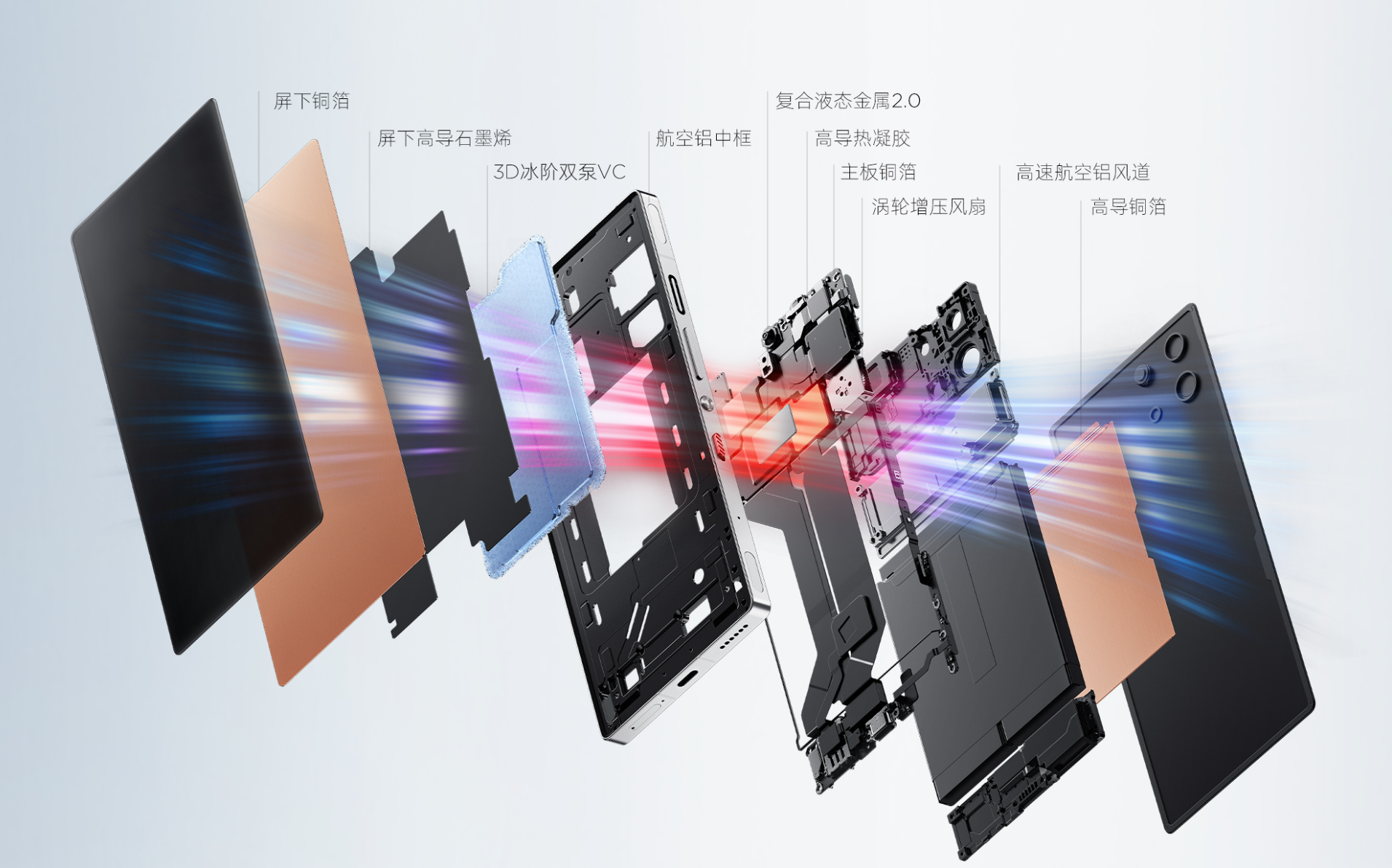
Thirdly, in terms of peripheral configurations, gaming phones' extreme focus on performance often involves packing in hardware like cooling systems, fans, game buttons, and RGB lighting, often sacrificing equally important aspects like photography, sleek design, and daily system usability—features that consumers use more frequently and appreciate more deeply.
Given that non-gaming phones can now meet the performance needs of most users, consumers naturally opt for well-rounded devices that offer a better overall experience rather than specialized gaming phones.
Finally, in terms of the consumer environment, with rational or even downgraded consumption becoming more prevalent, users are naturally more cautious about choosing phones designed solely for gaming.
A phone often needs to serve multiple functions, including work, socializing, photography, and entertainment. Users are also more willing to spend money on a balanced device that can do everything. Gaming phones, which are not cheap compared to regular phones, only offer a relatively modest lead in gaming performance while having significant shortcomings in other areas.
Manufacturers have not sat idly by
The manufacturers are well aware of these issues, which are obvious to everyone, and they have been actively trying to save the market.
(Image source: Black Shark)
(Image source: Lenovo)
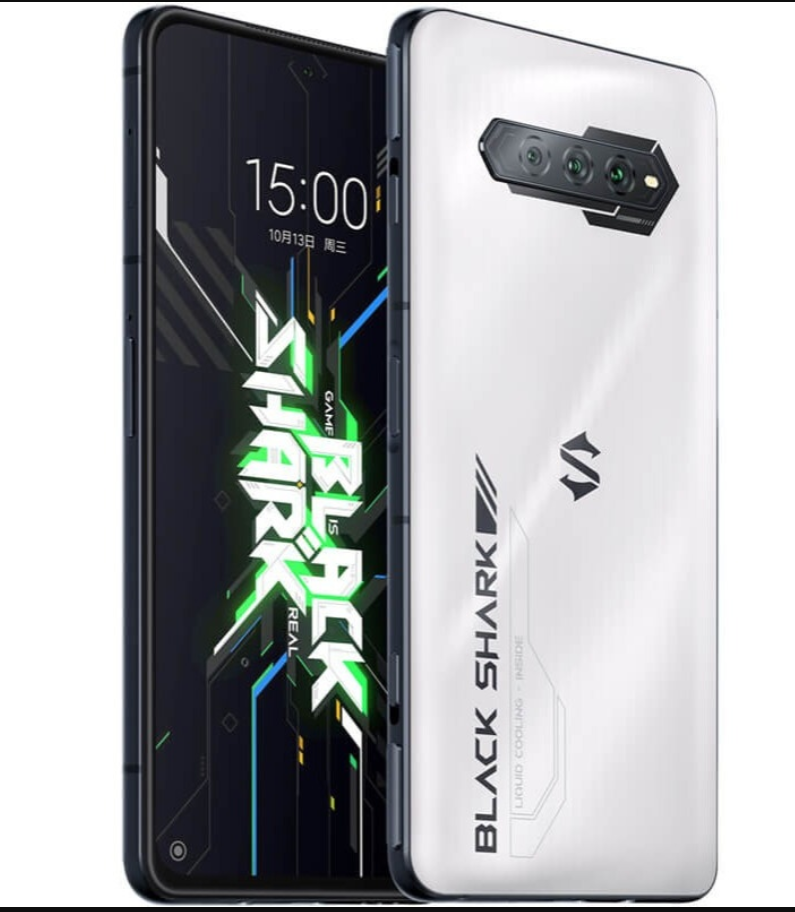
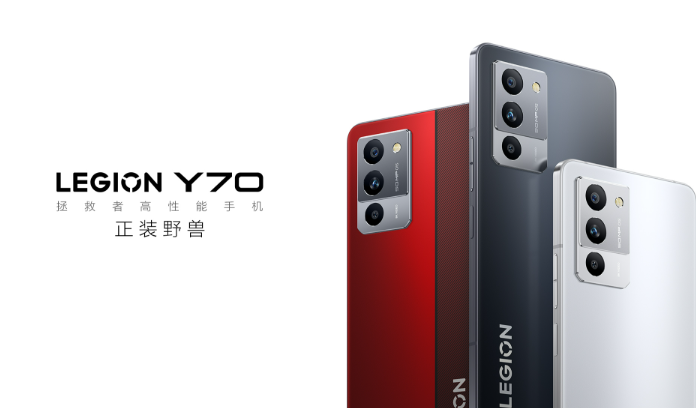
We can see that in the later products of various gaming phones, manufacturers have unanimously abandoned flashy designs and adopted more 'understated' approaches to further reduce the stereotype of gaming phones as 'edgy' and expand their user base.
On the software side, they have collaborated with various game developers, offering some 'exclusive' graphical options to enhance perceived value and uniqueness. They have also gradually improved peripheral features like camera quality and weight distribution.
However, these rescue measures are limited by the products' positioning and policy inertia, making such self-help schemes far from successful.
In March 2023, Lenovo's Legion mobile phone business was reported to be downsized.
In December of the same year, Black Shark held its final press conference, unveiling only one product—Black Shark Gaming Energy Drink.
ROG, the most recent example, also stopped developing new products, leaving its fate uncertain.
Of course, there's another side to the story
While these traditional pure gaming phones are declining, their core values and philosophies are being absorbed, adapted, and reproduced by major manufacturers in another form.
(Image source: Redmi)
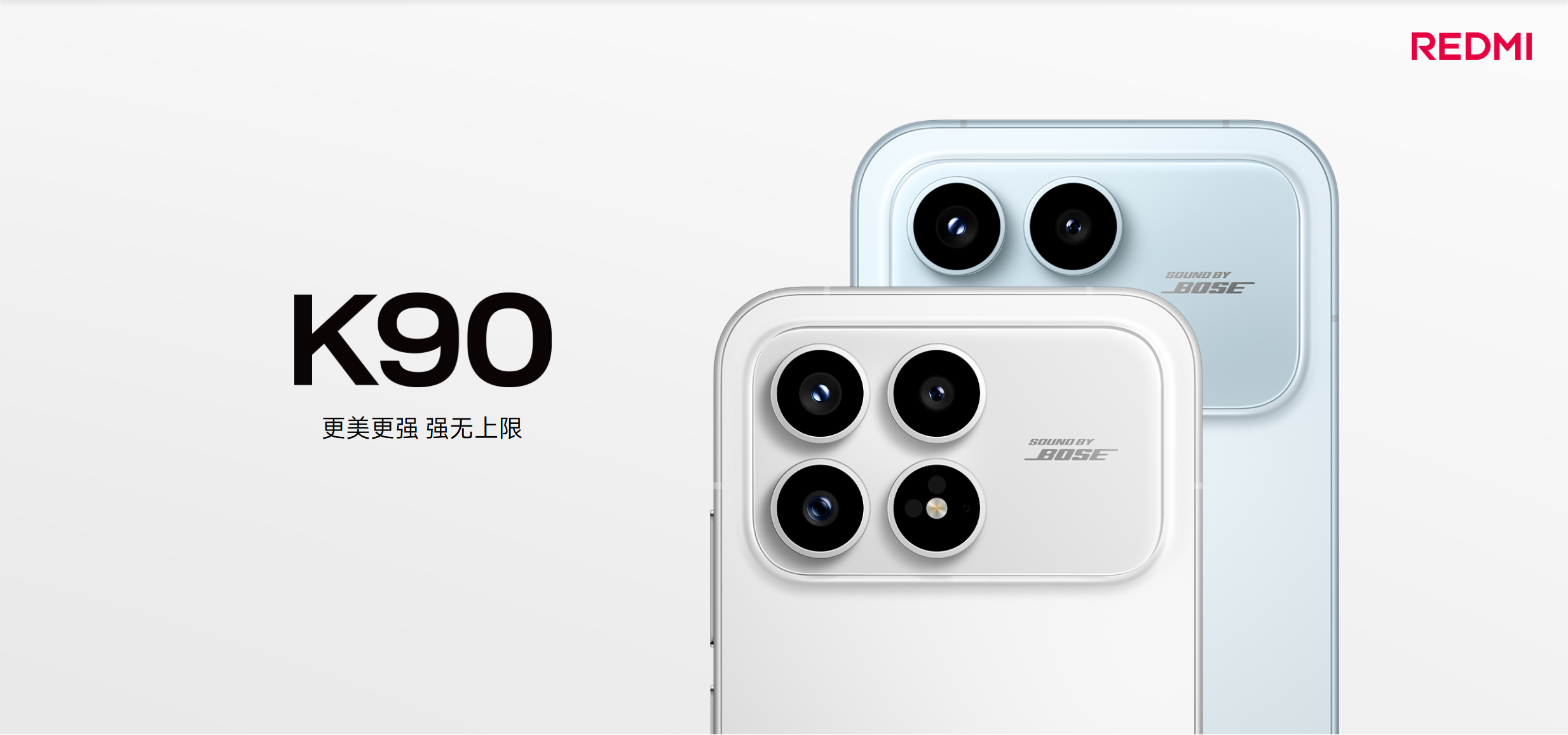
Currently, in the mid-range market between 2K and 3K RMB, phones marketed as 'performance-focused' are fiercely competing. Sub-flagship models from various manufacturers' sub-brands, such as the OnePlus ACE series, Redmi K series standard edition, and iQOO Neo series, are typical examples of this segment.
These models generally use sub-flagship or previous-generation flagship SoCs, paired with powerful cooling systems and decent screens. By sacrificing core premium features like camera quality, they offer a more balanced peripheral experience than gaming phones, becoming 'spiritual successors' and lower-cost alternatives to traditional gaming phones.
More importantly, their lower prices and more comprehensive features compared to gaming phones successfully cover a broader range of budget-conscious users. They address the issue of 'peripheral sacrifices' that gaming phones are criticized for, making them more acceptable. As budget-friendly models, they can even become 'value anchors' in users' minds, earning a good reputation.
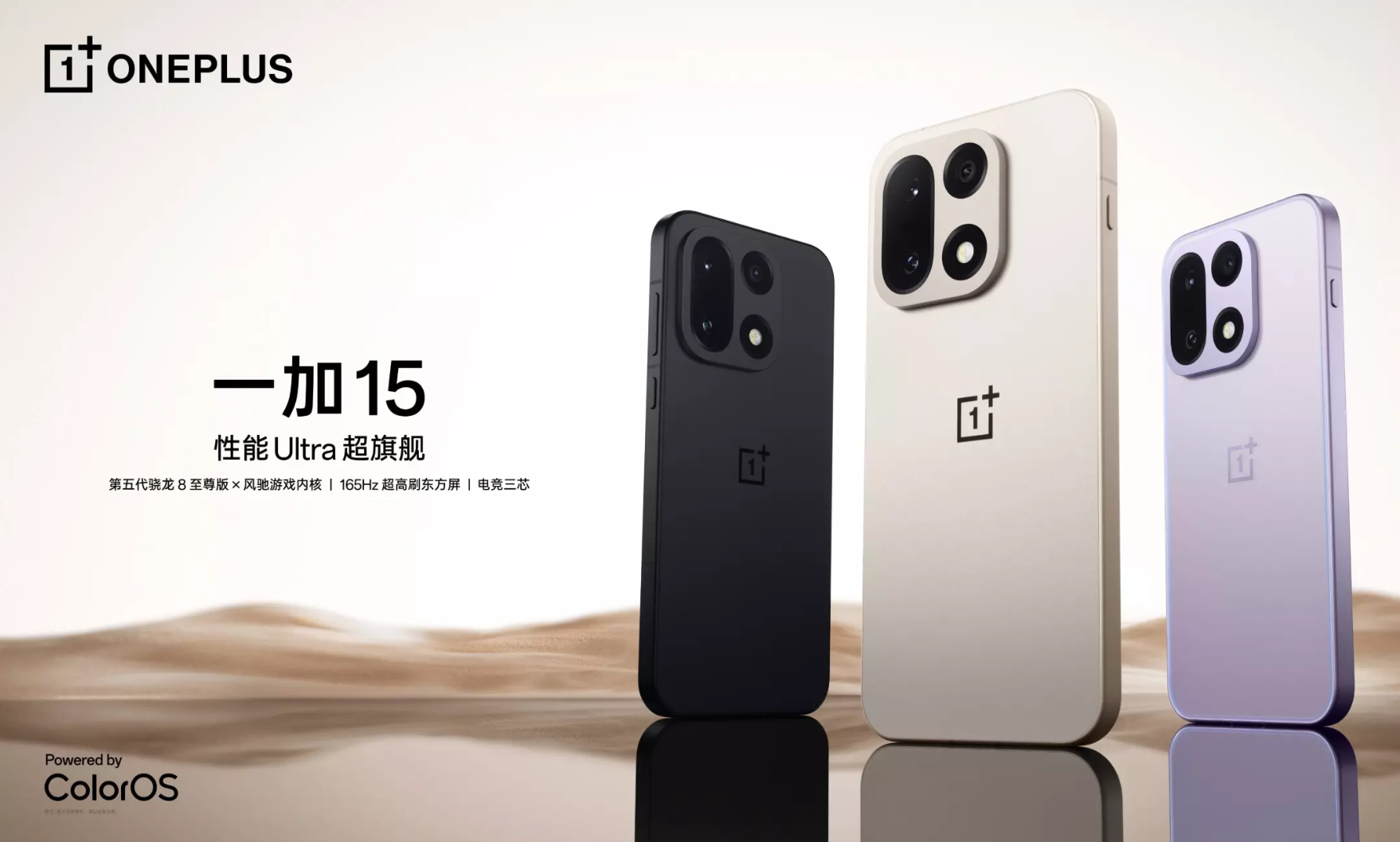
(Image source: OnePlus)
On the other hand, the mid-to-high-end market is also driving the birth of 'performance all-rounders.' Models like the iQOO Digital series, Realme GT Pro series, and Redmi K series Pro versions, as well as OnePlus, which was originally a top-tier flagship brand, have all embraced the slogan of 'Performance Ultra Super Flagship' this year.
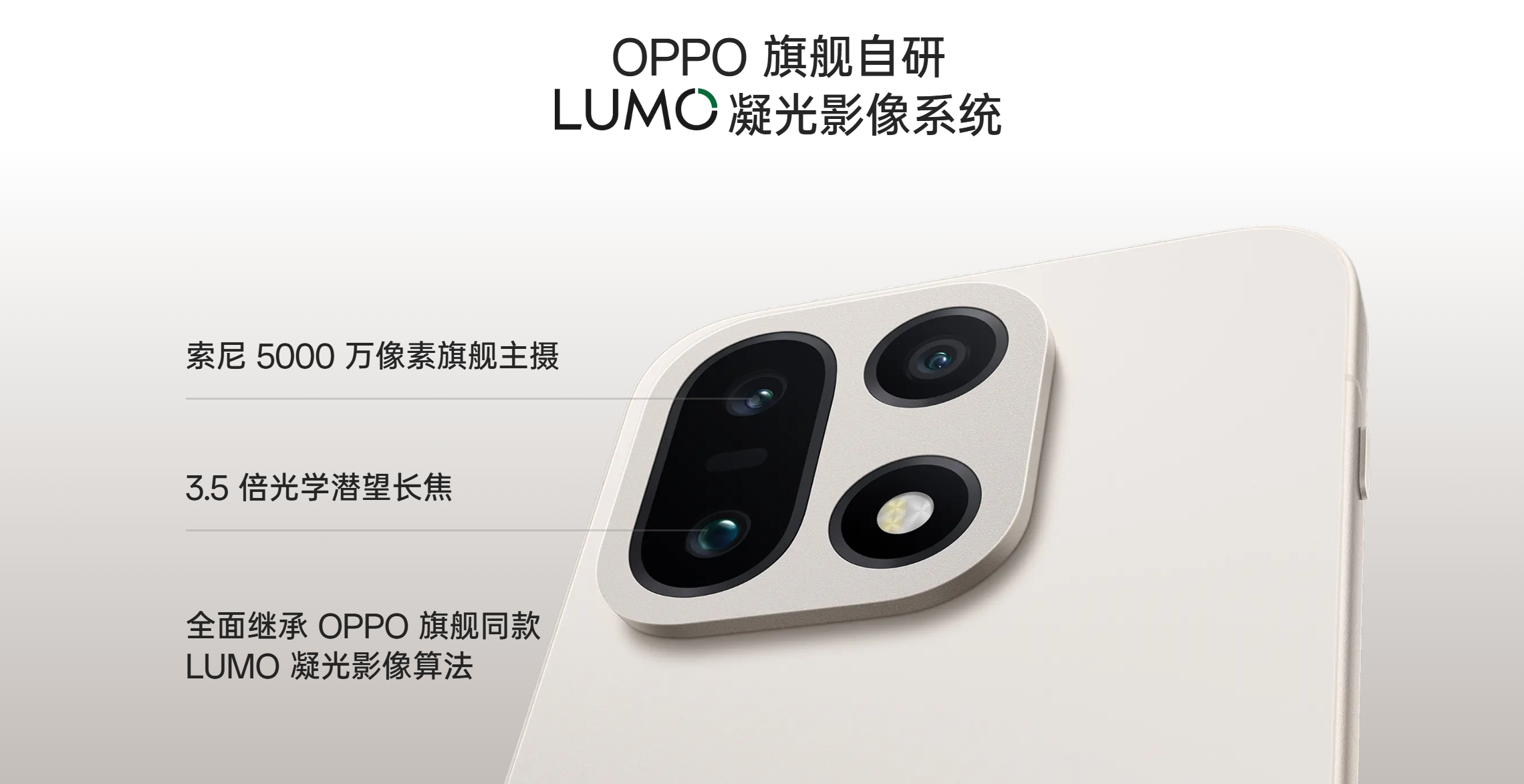
(Image source: OnePlus)
By raising prices or repositioning, they have more room for cost allocation and no longer solely emphasize phone performance. Instead, they address the neglected issues that gaming phones generally lack, such as imaging, daily experience, texture, and grip feel, achieving a comprehensive transcend (surpassing) of traditional gaming phones.
In these products, performance remains a core selling point but is no longer the only focus. They have almost entirely absorbed the unique performance advantages of gaming phones while surpassing them in other areas, giving them a more 'flagship-like' appeal. This further squeezes the living space (survival space) of pure performance gaming phones.
Looking back, given the current pace of SoC advancements and the stable state of the mobile gaming ecosystem, gaming phones, as an independent category, are inherently positioned in a way that makes it difficult for them to adapt to the current market environment. Their value as consumer products is rapidly declining.
However, the performance and gaming processing philosophies and technologies introduced by gaming phones are being absorbed by major manufacturers and exist in multiple price segments in a more flexible form. Their spiritual market value still has a long life ahead.
Gaming Phones, Mobile Gaming, RedMagic, Black Shark, Lenovo, ROG
Source: Leikeji
All images in this article are from 123RF's licensed image library.
-
![]()
Hardware is the skeleton, AI is the soul, and data integrates the two
-
![]()
China’s AI Industry: A Unified Pivot Towards Monetization?
-
![]()
New Progress! Infineon Completes Acquisition of ams OSRAM's Non-Optical Sensor Business
-
![]()
35 Million Bet on an Optical Future! Tengjing Technology Makes a Move in AR
-
![]()
Why World Models Get Stuck on Construction Roads in Autonomous Driving Applications
-
Alibaba Initiates Cultural Transformation: Is Jack Ma Making a Strategic Comeback?
-
Tianfeng Heads to Hong Kong for IPO with RMB 3.8 Billion in Funds: Xingyu's Cross-Border Foray into Embodied AI Faces Uncertain Future
-
![]()
Mengshi Auto’s High-End Aspirations Dashed: Huawei Partnership Fails to Revive Sales, New Model’s Entry Price Dips Below 300,000 Yuan