As Domestic Car Prices Rise, Joint Venture Cars Become More Affordable
 04/24 2026
 647
647

Lead-in
Introduction
In China, after more than two decades of market evolution, the roles of joint ventures and domestic automakers have quietly reversed.
As we enter 2026, have you noticed a trend? With the continuous advancement of the tri-electric technologies—key to the new energy vehicle industry—major Chinese brands are rolling out flagship models one after another, with prices climbing ever higher.
In the past, Chinese automakers struggled to survive in niche market segments. Faced with formidable foreign automakers and joint venture models boasting absolute product advantages, there was little chance of a head-on breakthrough. Their only recourse was to rely on low prices to compensate for unreliable quality, appealing to price-sensitive consumers.
In such a landscape, the prosperity of joint ventures was evident. Foreign brands like Volkswagen, Toyota, General Motors, and Nissan reaped substantial profits in China. Even when introducing special models tailored for the Chinese market, the response was overwhelmingly positive.
The era of easy success was a cause for celebration among joint venture automakers. Everyone in the supply chain believed that as time went on, their advantages would only grow, and Chinese competitors would remain mere supporting players. It seemed that living in the shadow of joint ventures was the destiny of Chinese automakers.
Indeed, given the century-long history of automotive development, it seemed far-fetched for newly emerging Chinese automakers to impress their established counterparts. The industry is always evolving, but no matter how far it progresses, the century-long gap remained an insurmountable chasm between them.
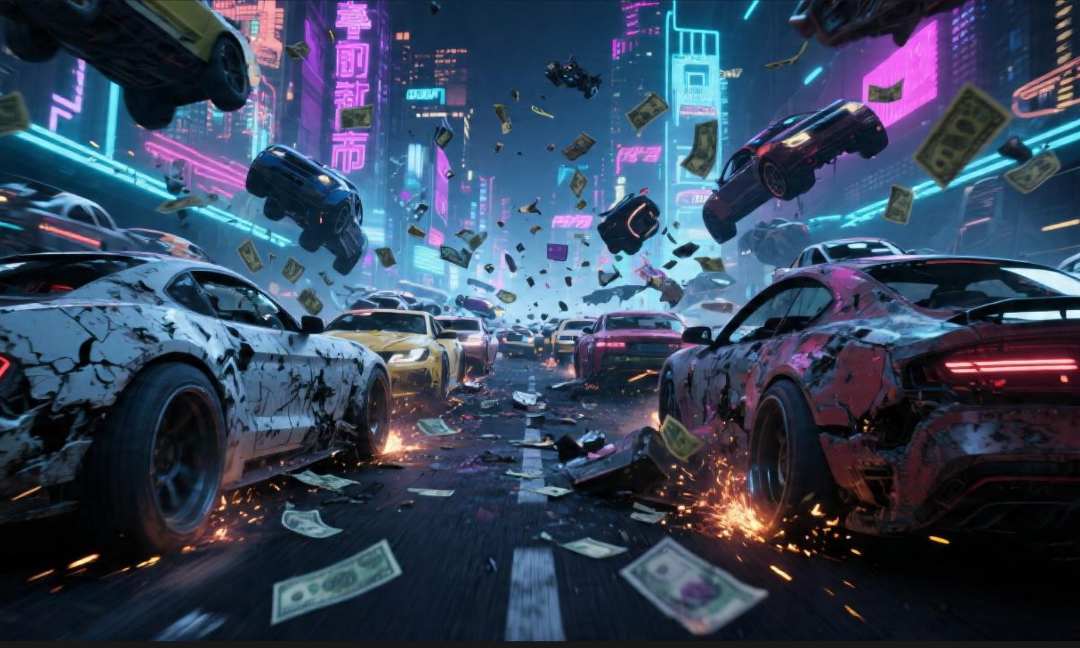
Thus, even with the advent of the new energy era, when Chinese automakers sought to overtake through alternative routes, nearly all foreign automakers believed that Chinese automakers, relying on government subsidies, were just a ragtag group. The emergence of new players, like rain sprouts appearing in just a few years, only deepened this industry impression.
Everyone wanted to make quick money and engage in capital games. Chaos and disorder became the initial hallmarks of China's automotive transformation over the past decade. But history also tells us that industrial development always has its resilience. When the glamour fades and those who cannot adapt are cleared out by the market, even the most turbulent situations will usher in stability.
Around 2025, traditional Chinese automakers, led by BYD, and new forces represented by NIO, XPeng, and Li Auto, completed the transfer of power between old and new eras. All foreign automakers could do was watch this industrial transformation with a sense of historical irony.
Now, just a few years later, what chain reactions have occurred in the global automotive industry? What has China's automotive industry become? The withdrawal of foreign brands from China and their consistently poor financial reports are just superficial phenomena resulting from the rise of the new energy industry.
The harsh reality is that the former arrogance of foreign automakers holds no value in the face of Chinese automakers. Especially in China, since last year, witnessing the collective rise of Chinese brands, the trend of lowering prices to maintain market share has become increasingly prevalent.
01
Times Change
Given the current economic environment, we are acutely aware that Chinese consumers' attitudes have shifted. They no longer prioritize emotional value over product advantages that cater to most daily scenarios.
While no car model can be perfect, automakers typically target specific consumer groups rather than all potential car buyers. User groups for Volkswagen and Toyota may differ, proving that consumer demands are never entirely consistent.
On the other hand, Chinese automakers have consistently aimed to appeal to a broad audience. In recent years, Chinese cars have become increasingly homogenized, with exterior designs tending toward blandness and interiors following the formula of "smart TVs, refrigerators, and sofas" equipped with intelligent features, all striving to match competitors.
The result is that Chinese cars now outperform their once-dominant foreign counterparts in every aspect at the same level. This is even more pronounced when equipped with new energy technologies.
As the industry becomes increasingly competitive, price wars and public opinion battles are constant themes in the Chinese auto market. Despite widespread disdain, who can turn a blind eye? Chinese automakers are willing to sacrifice profits to wear down their competitors. In this covert battle, should joint ventures follow suit or not?
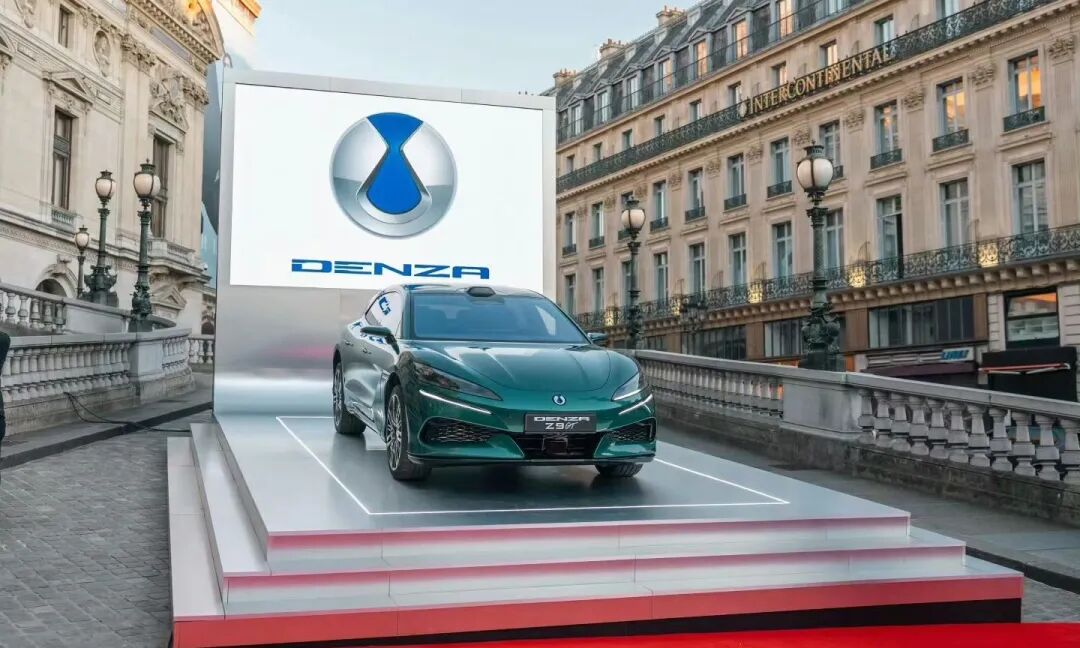
Leveraging their existing user base, leading joint ventures can hold out for a while, but they cannot withstand a war that shows no signs of ending. Price cuts have been severe, and factory shutdowns have become commonplace. Volkswagen and Toyota are on edge, while smaller players like Honda and General Motors struggle to survive.
At some point, the discounted prices of joint venture models have approached those of comparable domestic models. Official price reductions have also brought listed prices close to terminal prices. These measures have transformed market competition into a life-and-death struggle.
The traditional fuel vehicle market is already challenging, but the new energy vehicle market is even more dire. Joint ventures have been advancing their electrification plans at their own pace, but after years of market expansion, they have achieved little beyond avoiding complete failure.
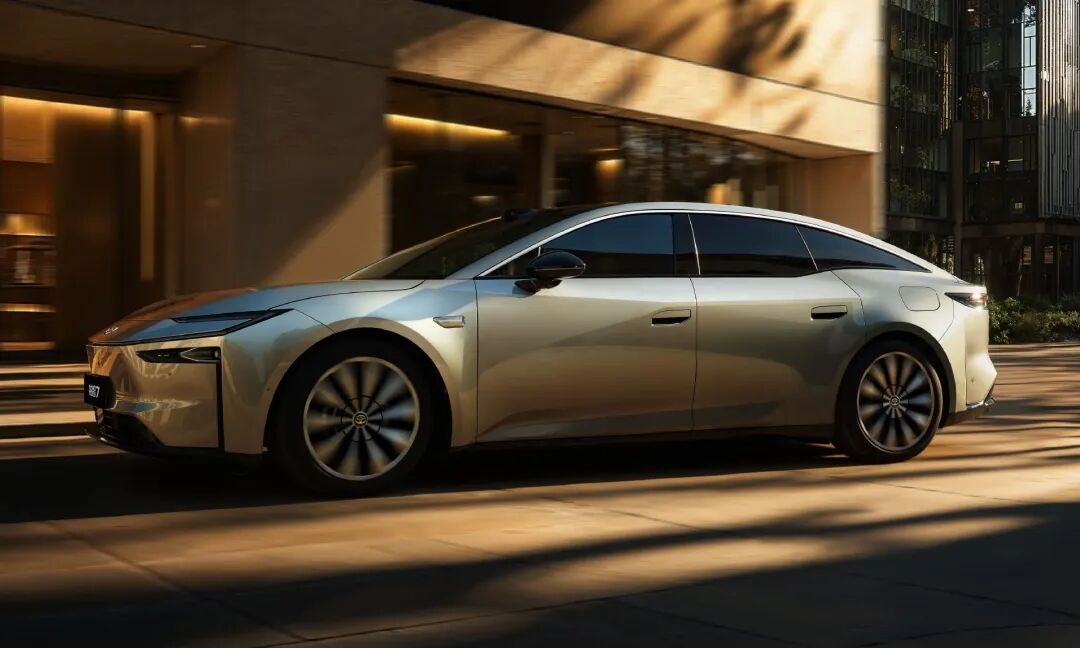
Last year, a new wave of electrification efforts led by Toyota and Nissan finally saw minor successes. Models like the bZ3X and N7 took the lead in their respective segments. However, a closer look reveals the heavy price joint ventures paid for this temporary resurgence. They attributed their surprising sales performance at the same price point to superior product strength. In reality, entering the market with such a low profile was unprecedented for joint ventures.
As we enter 2026, seeing the effectiveness of these measures, what choice do other joint ventures have but to follow suit, no matter how bitter the pill?
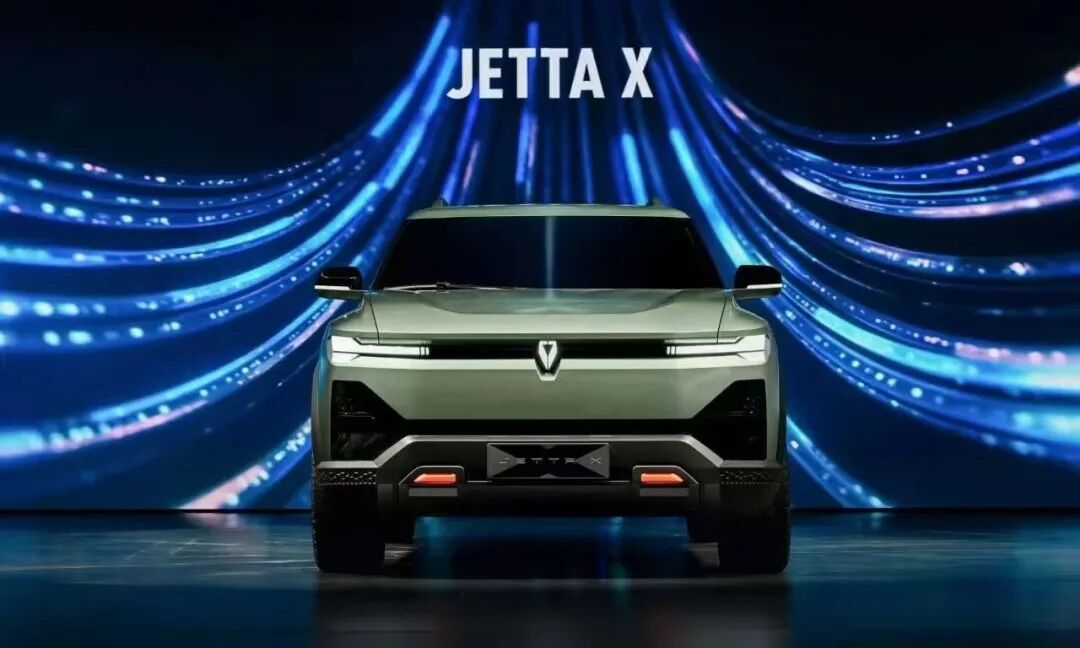
On the eve of the Beijing Auto Show, Volkswagen's "Rising to the Challenge" event marked the further deepening of its strategy in China. The debut of models like the FAW-Volkswagen ID. AURA T6, Volkswagen (Anhui) ID. UNYX, Jetta X concept, and SAIC-Audi E7X demonstrated the determination of the leading joint venture.
However, will the auto market develop as they hope this year? The subsequent communication efforts needed for joint ventures' endeavors remain an open-ended question, like a blind box without a standard answer. With Chinese automakers fiercely defending their new energy territory, regaining peak status will not be easy for joint ventures.
02
There's No Turning Back
At the beginning of this year, foreign automakers unanimously cited electrification as a reason for their rapidly declining profitability. Stellantis reported a net loss of €22.332 billion in 2025, while Honda incurred its first annual loss in nearly 69 years since going public in 1957. Such information consistently conveys the same message. Essentially, these automakers have stubbornly believed for years that transformation is a long-term battle and that waiting is the best strategy.
But today, the gap between aspirations and reality is stark.
As consumer acceptance of electric vehicles grows and rising fuel prices create opportunities for premium pricing of pure electric vehicles, the collapse of the pricing system for new joint venture models is imminent. Last month, the bZ3 redefined the entry criteria for the "532" pure electric sedan market with a price below 200,000 yuan. This seemingly desperate move accurately reflects the current predicament of joint venture brands.
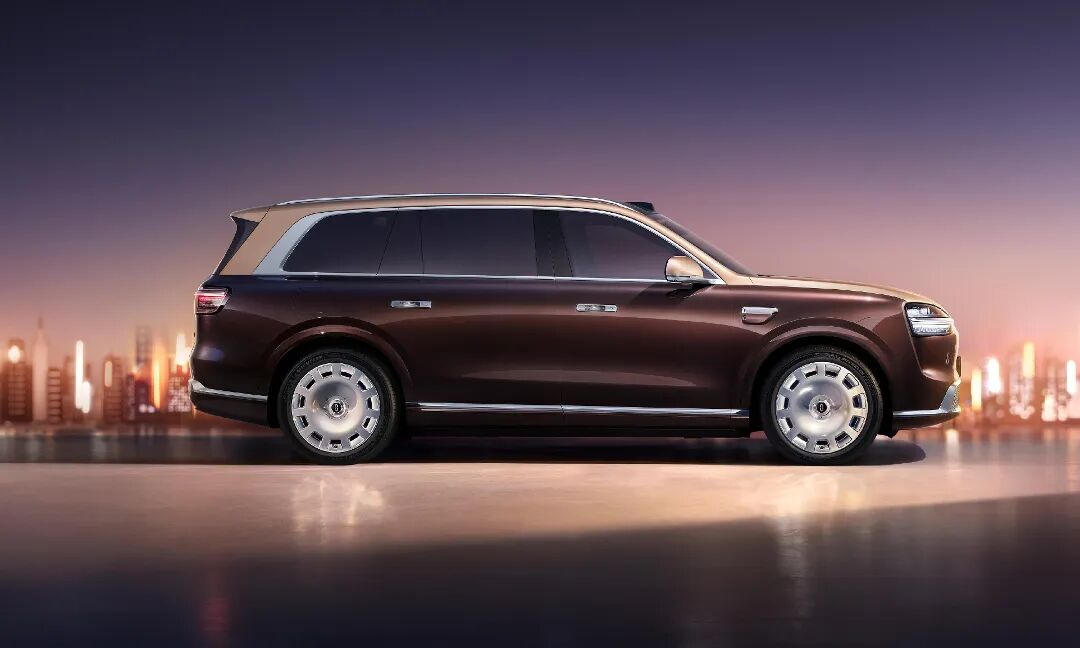
How much weight do established joint venture brands still carry among China's younger consumers? Few want to delve into this topic. However, witnessing Chinese brands surrounding every market segment and attracting loyal fan bases, such as Xiaomi, Zeekr, and NIO, while Huawei-affiliated brands disrupt the SUV market above 300,000 yuan, joint ventures undoubtedly feel a mix of emotions.
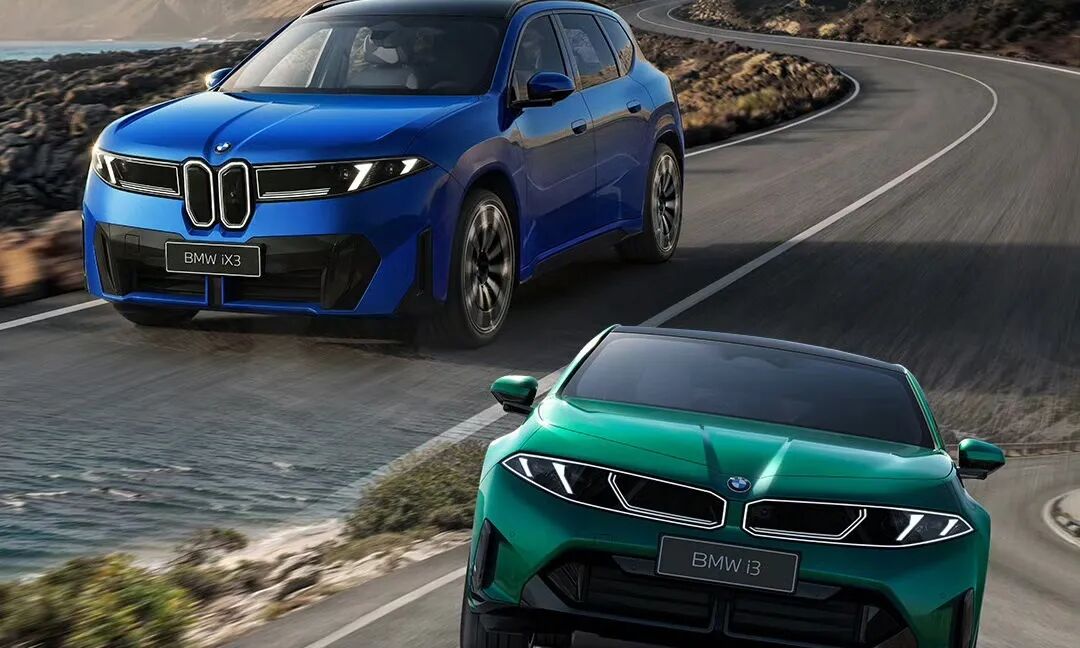
Just as the launch of the new M9 Ultimate Extended Edition coincided with the BMW Night event, where the new i3 and iX3 made an impact, the value proposition of Chinese automakers continues to grow.
What path should still-active joint ventures in China take? This is a dilemma, but one thing is clear. Faced with the siege of Chinese automakers, joint ventures must lower their posture, collaborate with Chinese companies, abandon their arrogance, and set aside brand premiums. This is the demand of the times. Is this demand harsh? Even if it is, to survive, joint ventures must adopt the right attitude and re-examine the situation.
Currently, apart from relying on price cuts to sustain their fuel vehicle business, joint ventures have indeed shown significant changes in their approach to electric vehicle launches.
In recent months, the actions of Volkswagen, Toyota, General Motors, and Nissan have not gone unnoticed. While their product strength is commendable, they are no longer overly confident in their pricing strategies. On the other hand, Hyundai has decided to bring its Ioniq brand to China, while Peugeot/Citroën intend to join the fray in China's pure electric vehicle market at the Beijing Auto Show. Ultimately, no matter how hard they try, as long as Chinese brands maintain their offensive, there is little reason for celebration.
A few years ago, we could still discuss whether joint venture brands retained any brand premium. Many believed that compared to domestic brands, their brand advantages still existed. After all, reputation is not built overnight. But today, who dares to be so certain?
"NIO, XPeng, Li Auto, and Leapmotor" have all been established for nearly a decade. Weak domestic brands have already been cleared out by the market. The brands before us have survived fierce competition. To say that these Chinese brands are still newcomers is clearly inaccurate. The decline of joint ventures is not the result of inferior products driving out superior ones but the truest reflection of China's automotive market transformation to date.
Going forward, in launching new electric vehicle models, Toyota and Volkswagen will not slow down, and BBA will localize a series of latest electric models like the iX3 and GLC Electric. Their momentum may not be weaker than any Chinese automaker. However, remember: when Chinese consumers no longer think of these joint venture models when buying a car and do not perceive them as technologically advanced, joint venture brands must lower their posture, reduce prices, and eliminate brand premiums in same-level competition. This will only be the basic operation.
Editor-in-charge: Yang Jing Editor: He Zhengrong
THE END
-
![]()
Jitian Xingzhou: A Pioneer in Optical Payloads Secures Hundreds of Millions in Series B Funding!
-
![]()
Orders Secured Through to the Second Half of the Year! The Rationale Behind the 'Surge' in Demand for This Company’s Optical-Grade Base Films
-
![]()
Beyond Patents: The Retail Rivalry of Insta360 and DJI Unfolds
-
![]()
180 Billion Market Cap Vanished! How Did Seres Fall So Far?
-
![]()
Blockbuster! Domestic storage takes the global double crown for the first time, from an AI company
-
![]()
China Spearheads Formulation! World's Pioneering Global Technical Regulation for Automated Driving Systems Greenlit and Unveiled
-
![]()
Farewell to Pulsed Support Policies: Three Major Auto Policy Directions from Multiple Departments Take Effect on the Same Day
-
![]()
Embercore AI’s Accelerated Funding: The Robot Industry’s Shift Toward ‘Learning Systems’