Nothing Unveils New Phone Starting at 1596 Yuan; Headphones Set for Domestic Release
 03/06 2026
 509
509
The unconventional 'smartphone innovator' has once again rolled out its latest offerings.
On March 6, 2026, Nothing, a smartphone brand celebrated for its distinctive design, launched its fourth-generation Nothing Phones—Nothing Phone (4a) and (4a) Pro—alongside the 'youth edition' of the Nothing Headphone, the Nothing Headphone (a), in London.
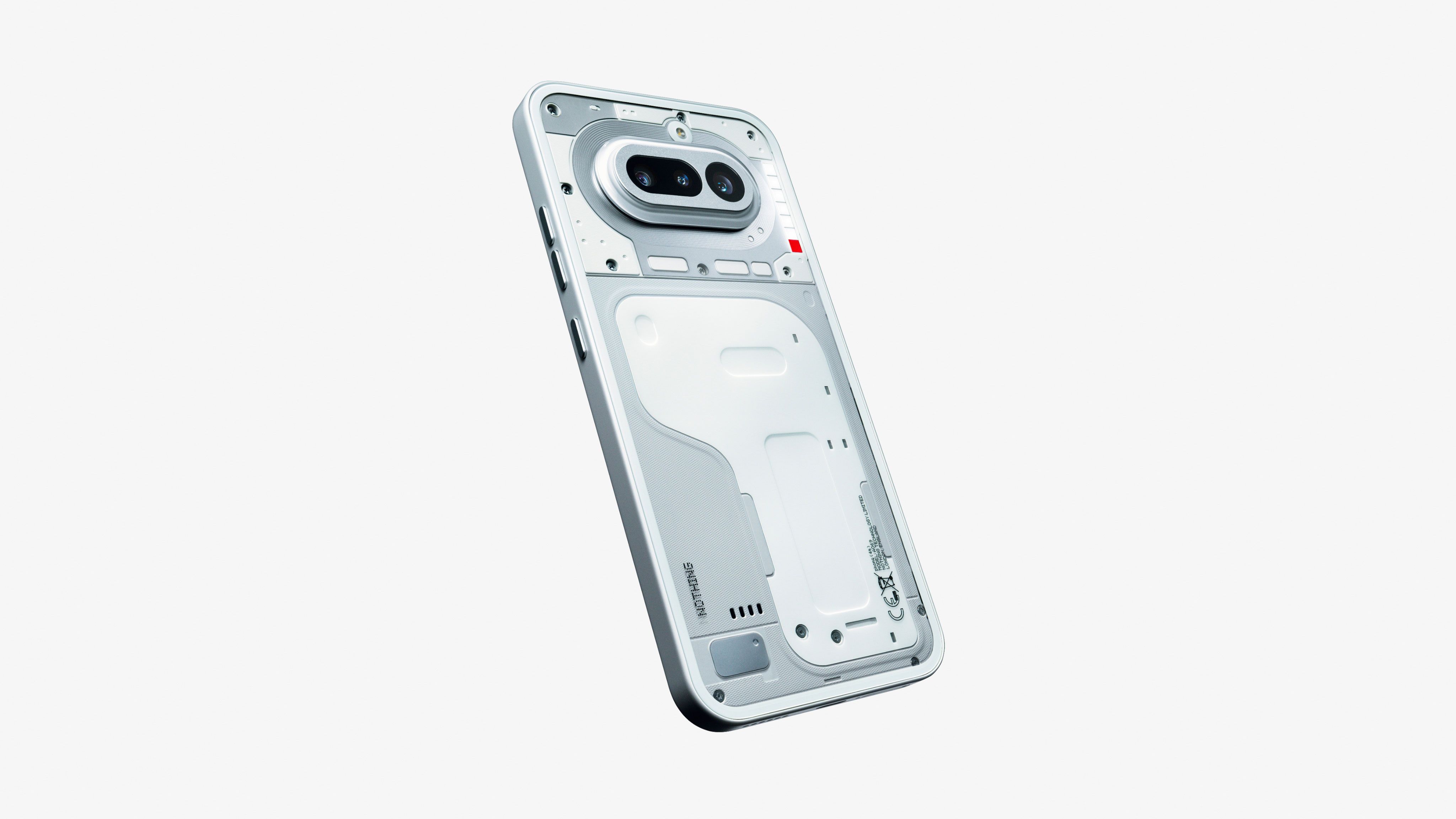
Image source: Nothing
Notably, both phones released this time belong to the (a) series, hinting that Nothing may introduce higher-specification 'non-(a)' models in the future. Additionally, the Nothing Headphone (a) is confirmed for a domestic market release.
Nothing's Design Excellence Continues
As a brand that perhaps prioritizes design above all else in the industry, the newly unveiled Nothing Phone (4a) series largely maintains the brand's signature design language. The Nothing Phone (4a) retains Nothing's iconic transparent back cover, with the Glyph Bar light strip positioned to the right of the camera module.
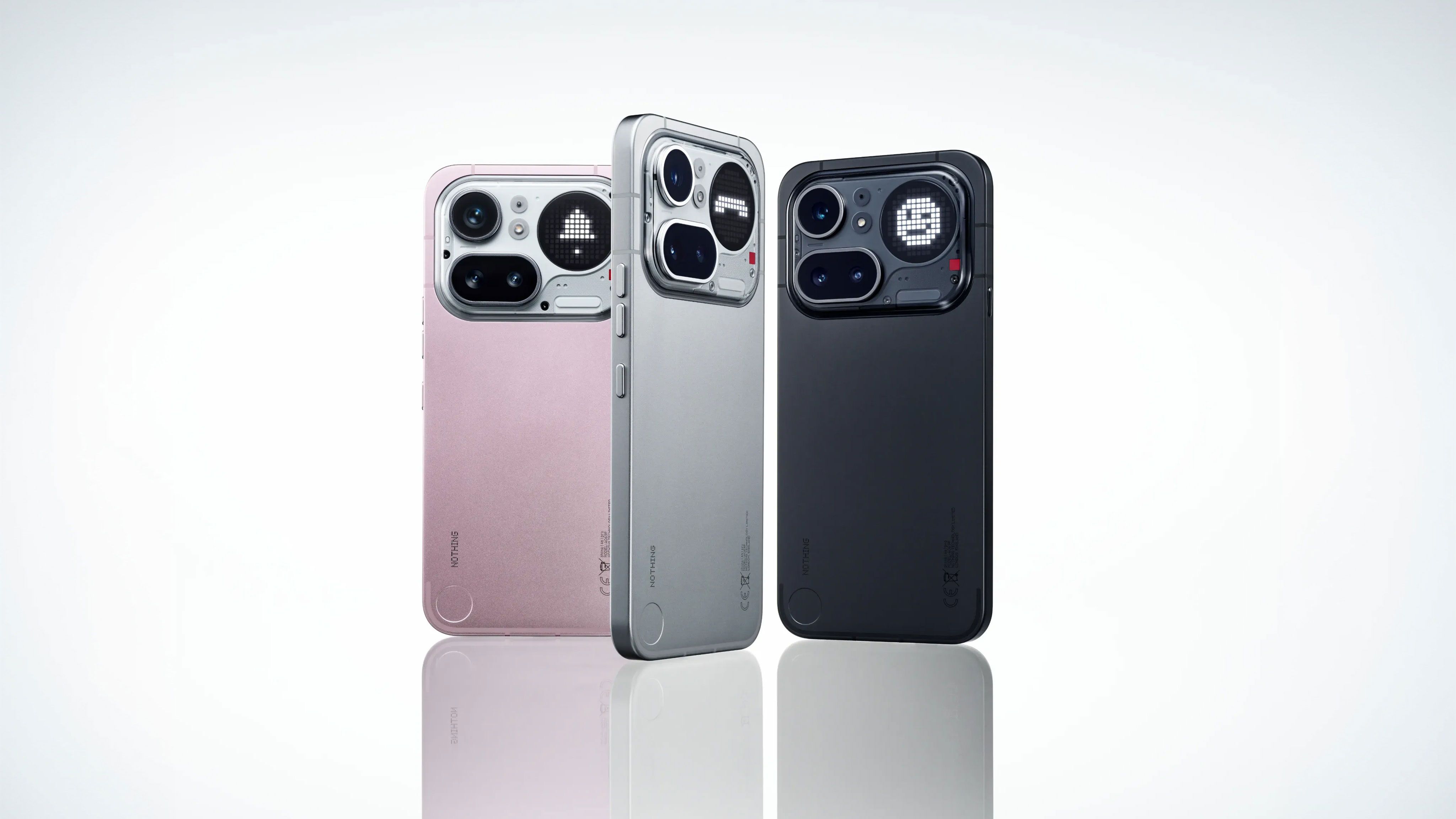
Image source: Nothing
In contrast, the Nothing Phone (4a) Pro adopts a more conservative design approach. Its back is divided into two sections: the camera module step preserves Nothing's design ethos, featuring a contoured glass cover that encases the triple-camera setup and Glyph matrix display. Beyond the camera step lies a seemingly ordinary laser-engraved metal back cover.
Compared to the Nothing Phone (4a), the Pro variant's design is less avant-garde, potentially appealing to a wider audience. Considering Nothing's recent brand logo redesign, shifting from a dot-matrix font to a more 'modern' flat sans-serif style, Leigong Technology speculates that Nothing may be transitioning from a 'niche and independent' brand image to a more 'mainstream' appeal.
However, from the perspective of a long-time Nothing phone user, Leigong Technology finds the design of the Nothing Phone (4a) Pro somewhat lacking in charm, failing to match the allure of the standard Nothing Phone (4a).
Design-Centric Approach Should Remain Nothing's Core Strength
Reflecting on Nothing's journey since its inception in 2020, the brand has managed to thrive for six years without relying on 'flagship' processors of the current season. Its success has never hinged on absolute performance or cutting-edge imaging capabilities but rather on its design-first product philosophy.
For instance, to enhance heat dissipation and reduce weight, most smartphone brands minimize the use of decorative cover plates within their devices. However, since the first-generation Nothing Phone, Nothing has been willing to sacrifice some feel and performance headroom to incorporate additional 'decorative layers' and light strips on the phone's back, sealing them with tempered glass.
In my view, this unwavering commitment to design over technology is what distinguishes Nothing in the competitive mid-range smartphone market. Nevertheless, this design focus seems to have been somewhat 'diluted' in the Nothing Phone (4a) Pro. Admittedly, the new design of the Nothing Phone (4a) Pro makes it the 'thinnest full-metal' smartphone on the market, while the camera module step retains a hint of 'brand recognition.'
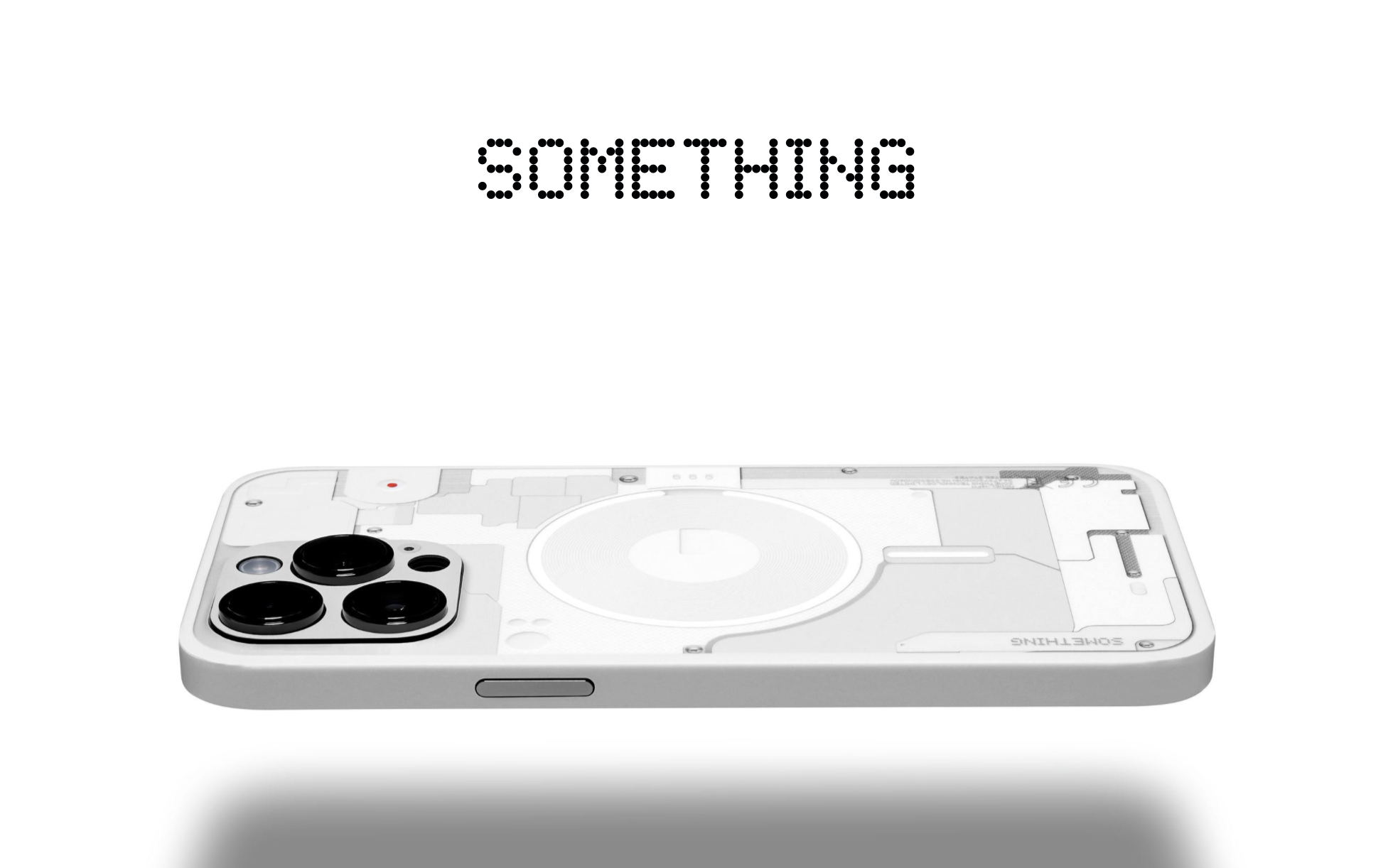
Image source: dbrand
However, in terms of 'Nothing's essence,' the Nothing Phone (4a) Pro indeed falls short of the standard Nothing Phone (4a) and even resembles an iPhone with a dbrand prank sticker more than a genuine Nothing product.
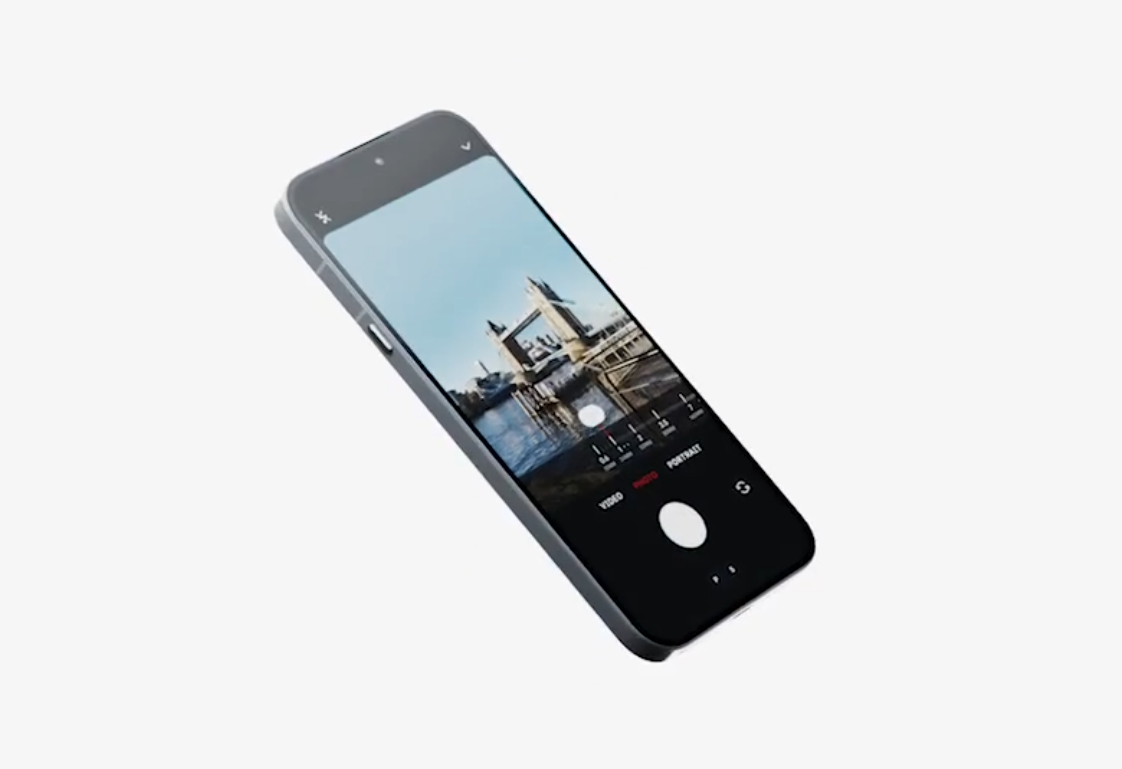
Image source: Nothing
Turning to the specifications, the Nothing Phone (4a) features a 6.78-inch 120Hz OLED screen and is powered by the Snapdragon 7s Gen4 processor. The (4a) Pro, on the other hand, boasts a 6.83-inch 144Hz OLED screen and is equipped with the Snapdragon 7 Gen4 processor. Both phones offer three storage options: 8+128GB, 8+256GB, and 12+256GB. They also come with a 5080mAh battery, supporting 50W wired charging and 7.5W reverse wireless charging.
Regarding the camera, both the Nothing Phone (4a) and Nothing Phone (4a) Pro feature a triple-camera setup on the rear, with the main camera and the 3.5x telephoto camera both configured as dual 50MP sensors. At least in this aspect, Nothing has caught up to industry standards. However, even the best hardware requires software optimization, and Nothing's performance in camera algorithms still lags behind the industry's top tier.
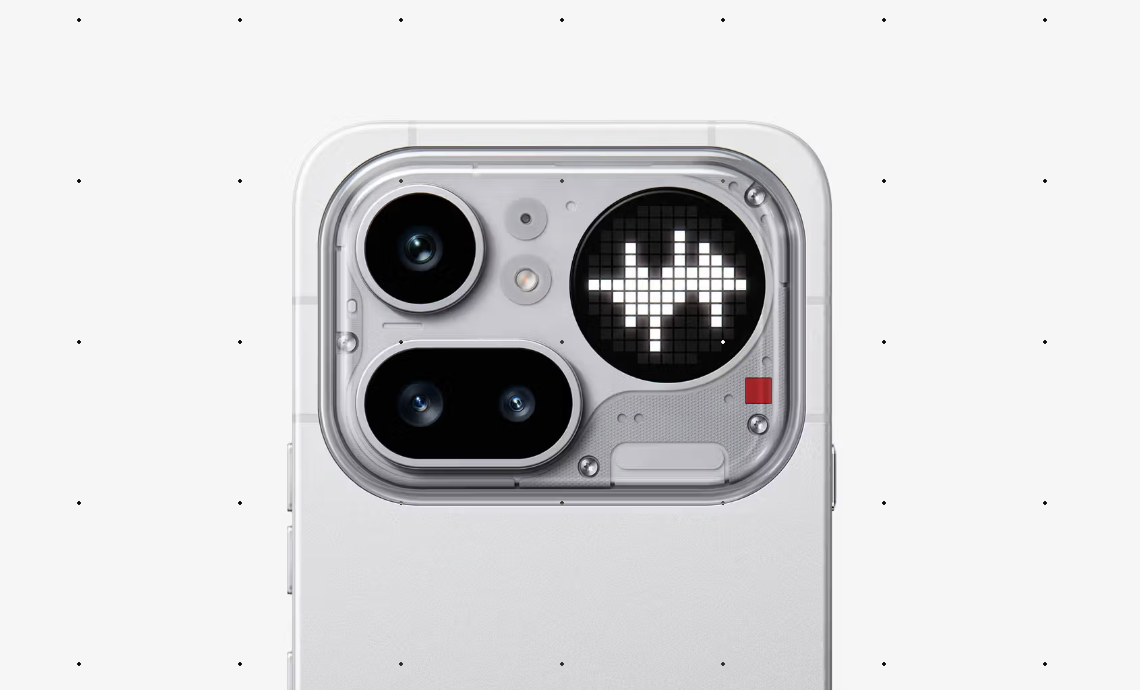
Image source: Nothing
Unfortunately, Nothing's release plans are also somewhat disappointing. The Nothing Phone (4a) starts at 349 euros (approximately 2,799 yuan), while the Nothing Phone (4a) Pro starts at 479 euros (approximately 3,842 yuan). It has been confirmed that neither phone will be launched in the domestic market.
Smartphone Brands: The Future of Noise-Canceling Headphones
However, if you truly appreciate Nothing's design, consider the Nothing Headphone (a), which is confirmed for a domestic launch.
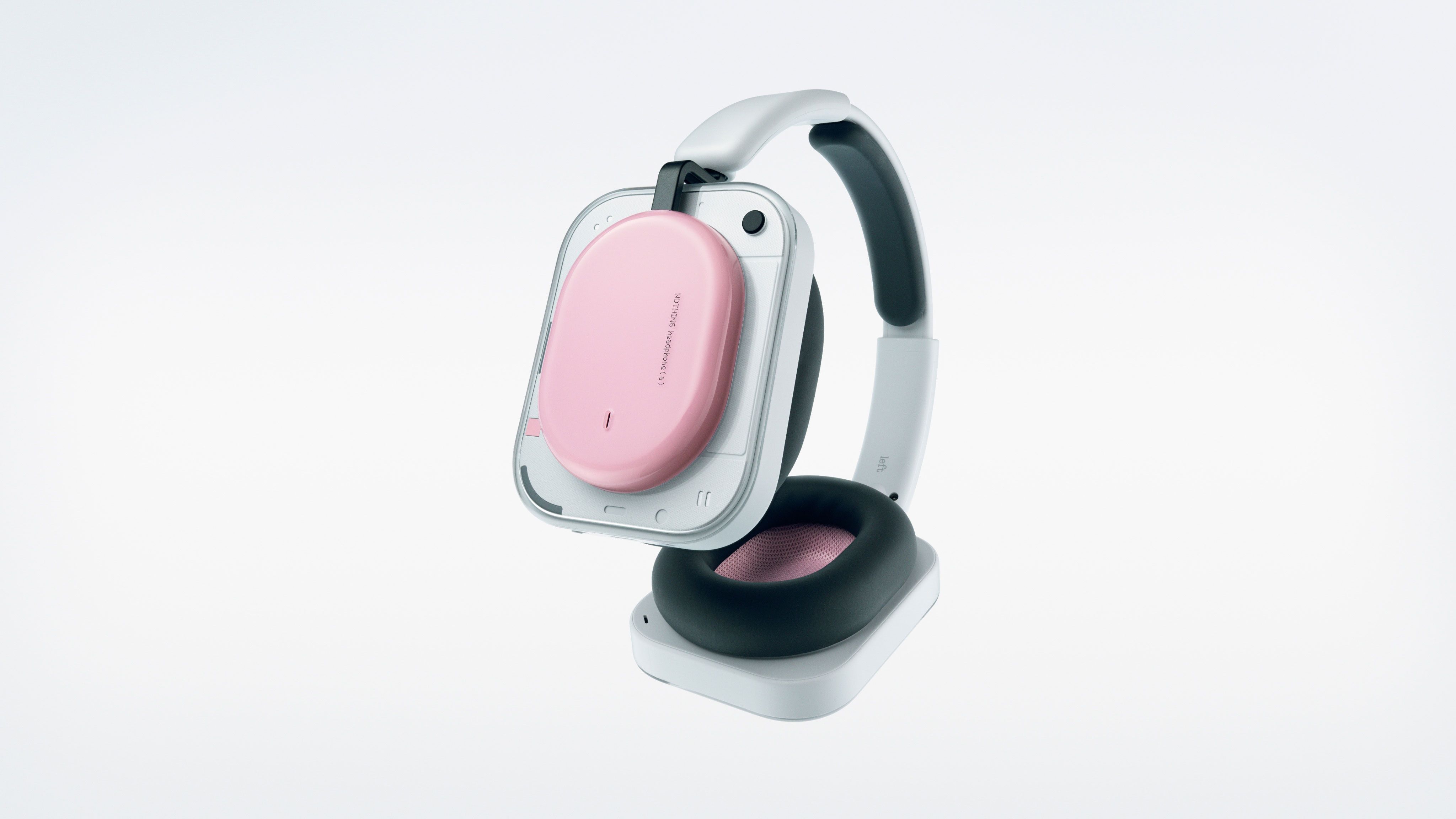
Image source: Nothing
In terms of design, the Nothing Headphone (a) closely resembles the previously released Nothing Headphone (1) but features a new two-tone color scheme and retains the tactile independent control buttons and dial.
Regarding specifications, the Headphone (a) utilizes 40mm drivers and supports LDAC high-definition coding and active noise cancellation. Its 1060mAh battery, charged via USB-C, offers 75 hours of playback with noise cancellation enabled and up to 135 hours with it disabled.
Since I haven't personally tested this product, Leigong Technology cannot yet evaluate the sound performance and noise-canceling capabilities of the Headphone (a). However, if the youth edition Headphone (a) can roughly match the performance of the Headphone (1), Leigong Technology believes it will remain highly competitive in 2026, a year when traditional noise-canceling headphone brands are 'resting on their laurels' and smartphone brands are leveraging chip computing power to surpass them.
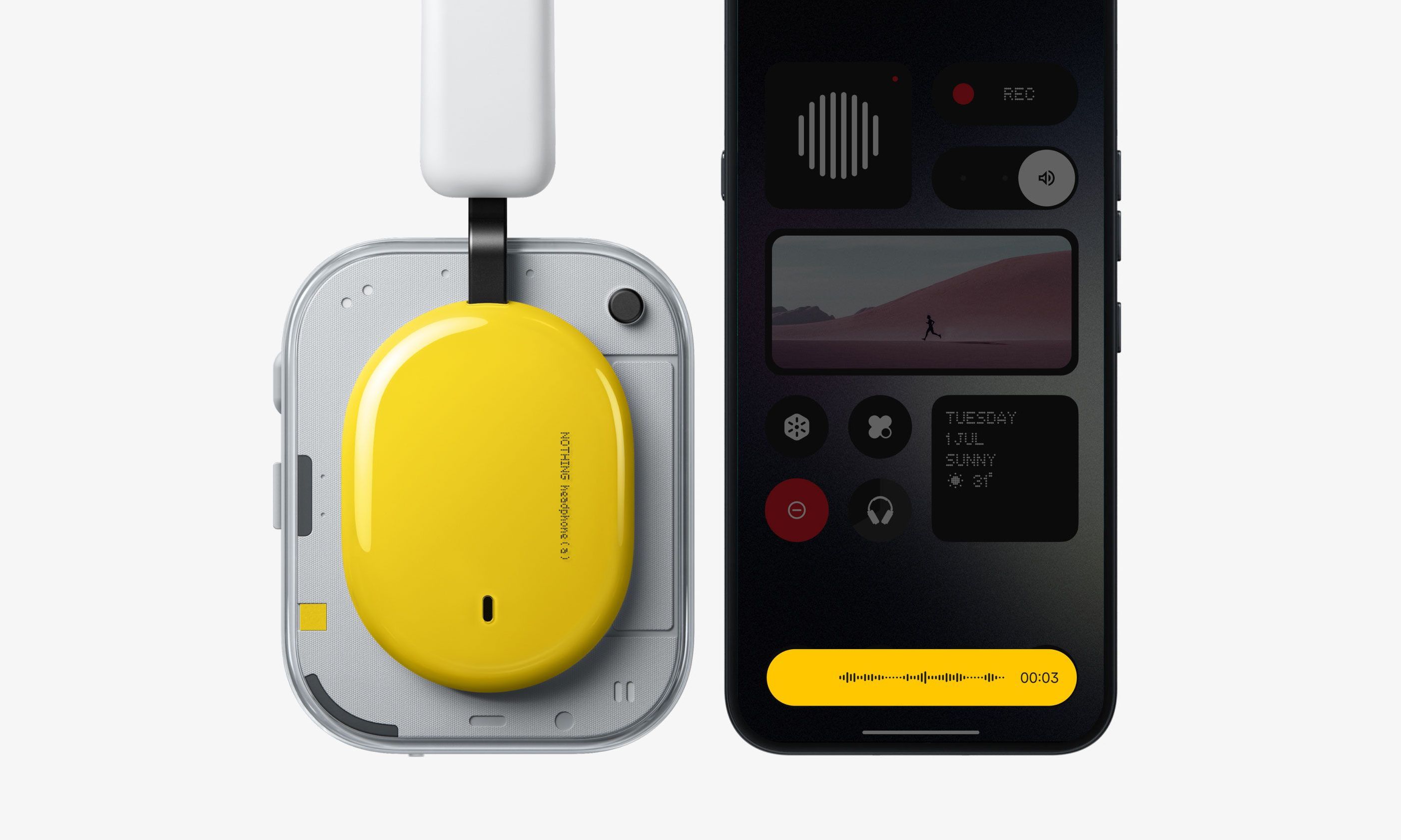
Image source: Nothing
In fact, since 2024, 'smartphone brand noise-canceling headphones,' once overlooked, have achieved noise-canceling performance on par with traditional brands. Even in the low-price segment (below 300 yuan), these smartphone brand offerings often outperform established noise-canceling brands.
Leigong Technology attributes this to two main factors: stronger chip computing power and noise-canceling algorithms optimized with more extensive user data.
Firstly, it's essential to note that the 'noise-canceling chips' used by most active noise-canceling headphone brands are actually customized chips from suppliers like MediaTek and BES. The difference is that some major brands reuse the same chip across multiple generations to amortize development costs, resulting in limited iterative improvements in noise-canceling performance over the years.
Smartphone brands, on the other hand, keep things simple. They directly select the latest and most powerful chip solutions for each generation, leveraging single-product shipment volumes to reduce chip costs. This strategy has enabled brands like Beats and OPPO to surpass certain 'established noise-canceling brands' in noise-canceling capabilities. Moreover, smartphone brands have access to richer user data, allowing them to optimize noise-canceling algorithms for faster response and deeper cancellation.
From an external perspective, the headphone category completed its popularization phase as early as 2024, and the market has now entered a phase of final elimination. Factors once considered non-core, such as appearance, design sense, and comfort, have become primary considerations for consumers when purchasing headphones. The explosion in popularity of ear-clip headphones in 2025 marks the transition of headphones from 'function-first' to 'design-first.'
In the realm of design, Nothing faces no competition.
In terms of pricing, the Headphone (a) is priced at 199 euros (approximately 1,596 yuan), with the official domestic price yet to be determined. Given its confirmed entry into the domestic market and Nothing's previous audio and wearable-related product launches in China, Leigong Technology believes the wait for the domestic release of the Headphone (a) should not be long. If you're planning to purchase over-ear noise-canceling headphones soon, it might be worth waiting to see what Nothing has to offer.
-
![]()
Hardware is the skeleton, AI is the soul, and data integrates the two
-
![]()
China’s AI Industry: A Unified Pivot Towards Monetization?
-
![]()
New Progress! Infineon Completes Acquisition of ams OSRAM's Non-Optical Sensor Business
-
![]()
35 Million Bet on an Optical Future! Tengjing Technology Makes a Move in AR
-
![]()
Why World Models Get Stuck on Construction Roads in Autonomous Driving Applications
-
Alibaba Initiates Cultural Transformation: Is Jack Ma Making a Strategic Comeback?
-
Tianfeng Heads to Hong Kong for IPO with RMB 3.8 Billion in Funds: Xingyu's Cross-Border Foray into Embodied AI Faces Uncertain Future
-
![]()
Mengshi Auto’s High-End Aspirations Dashed: Huawei Partnership Fails to Revive Sales, New Model’s Entry Price Dips Below 300,000 Yuan