Collective 'Shift' in Kitchen Appliance Industry: Whoever Stays Close to Users Will Win by 2026?
 03/09 2026
 650
650

Xiaoxiao
Preface:
The kitchen appliance industry has taken a detour in the past few years. What was it?
Specifications kept escalating: range hood airflow surged from 18m³ to 28m³, stove power from 4.2kW to 5.2kW. Prices plummeted, with thousand-yuan range hood and stove packages flooding the market. Distribution channels expanded heavily, burdening dealers with inventory pressure. Yet, companies grew increasingly anxious: sales remained steady, profits vanished, and users remained unimpressed.
Why? Because everyone forgot the real people in the kitchen—the cooks, the diners, and those caring for their families.
As the property market boom fades and traffic dividends peak, the industry finally grasps a simple truth:
Kitchen appliances are sold to users, not channels. A brand's final destination is not on store shelves but in users' hearts.
In 2025, a striking phenomenon emerged: leading brands like Casarte, Fotile, Robam, and Vatti shifted their strategic focus from 'channel-driven' to 'user-driven.'
In my view, this is not a minor tactical adjustment but a fundamental restructuring of the industry's logic for the future. By 2026, managing users will be mandatory for all kitchen appliance brands.

Casarte Reshapes Premium Positioning Through 'Scene Experience'
Casarte's transformation began with offline experiences.
In 2025, Casarte accelerated its city experience store expansion, announcing 1,000 new stores nationwide. These stores shifted from product displays to 'fully integrated, scenario-based kitchens,' allowing users to experience premium kitchen life in real spaces.
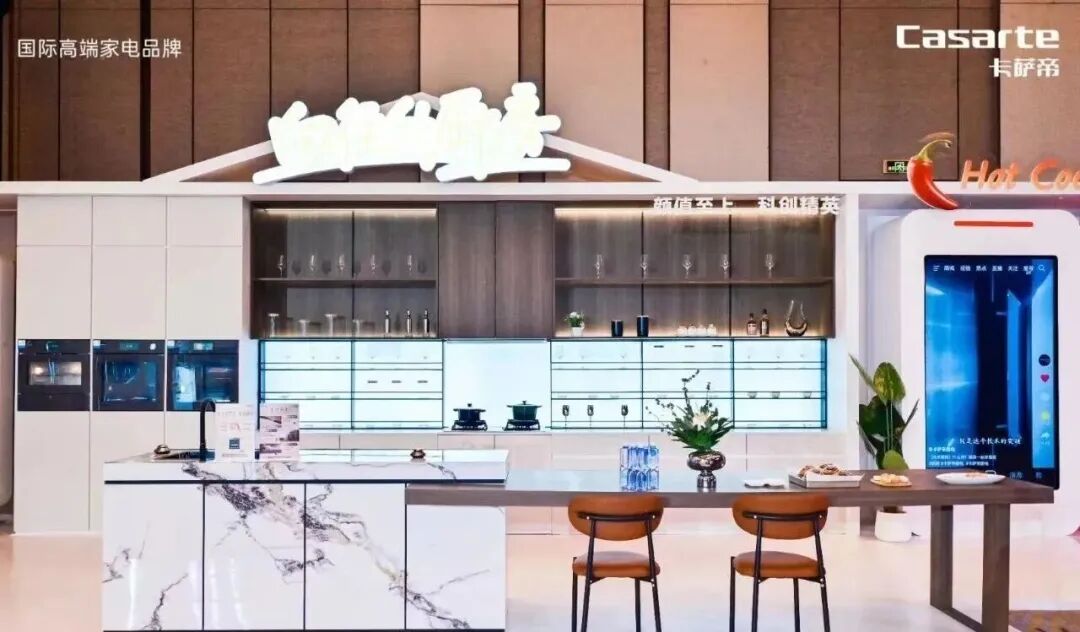
The impact was immediate. Casarte's Nanchong Experience Store achieved full-year sales from the previous year in just four months, with bundled sales accounting for 50%. By October 2025, Casarte's kitchen appliances saw a 32% overall growth.
More critically, Casarte transformed 'premium' from a price tag into a tangible experience. Unified pricing across online and offline channels, direct-to-consumer warehousing, and seven-star service standards shortened delivery chains while building user trust.

Fotile's Deep Practice of 'Experience as Management'
Fotile's approach is 'experience as management.'
In 2025, Fotile reinforced its positioning as a 'smart kitchen expert,' upgrading stores from sales venues to service and community hubs. Cooking classes, user salons, and member events fostered long-term interactions with users.

Zheng Ying, Director of Fotile's Customer Experience Department, put it bluntly: 'True experience isn't a one-time transaction but accompanying users throughout their kitchen life cycle.'
At the product level, Fotile remained committed to Chinese cooking scenarios. Its Integrated Cooking Center debuted with a new positioning—'Premium Kitchen, Chinese Solution'—designed around real domestic needs, from spatial aesthetics to functional synergy. This shift from 'products to scenarios' made users feel understood beyond mere functionality.

Robam Connects Users Through Digitalization
Robam's consumer-facing (ToC) strategy is heavily digital.
In 2025, Robam built around its self-developed 'Shishen' AI cooking model, evolving from a hardware manufacturer to an 'AI cooking partner.' The Shishen app and mini-program now have over 6 million users, with monthly active users sustained growth ( sustained growth = sustained growth /continuously growing); AI-powered kitchen appliance sales surged by 55% year-on-year.
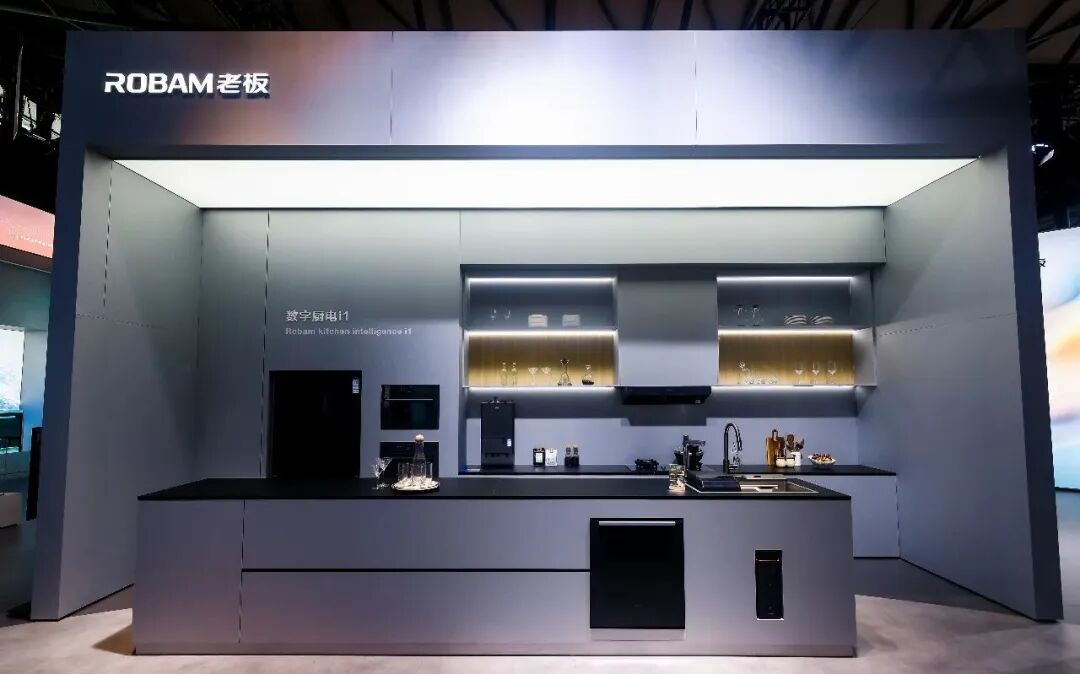
Tong Jingjing, Robam's Chief Digital and Marketing Officer, argued: 'In the digital age, all companies talk about user operations, but the difference lies in whether you manage traffic or cultivate relationships.'
Robam leveraged its CDP platform, integrating 50 million user data points to understand diverse user profiles. Using its mini-program as a core hub, it created shareable communities where smart kitchen appliances capture user needs and offer cooking advice.
A bolder move: Robam required all employees to obtain chef certifications. 'This isn't about training chefs but ensuring every employee thinks from a user's perspective—what cooking challenges exist, what experiences users expect.'
This 'empathy' ensures technological innovation is grounded in real-life insights.

Vatti Builds a Moat Through 'Service'
Amid industry-wide pursuits of premiumization and intelligence, Vatti chose service as its differentiator, deepening C-end satisfaction.
In January 2026, Vatti launched its 'Terminal Renewal Plan,' introducing industry-leading service standards: 1.5-hour rapid response, 48-hour installation, and 72-hour repairs. Digital dispatching improved first-time resolution rates, appealing to users sensitive to waiting costs.
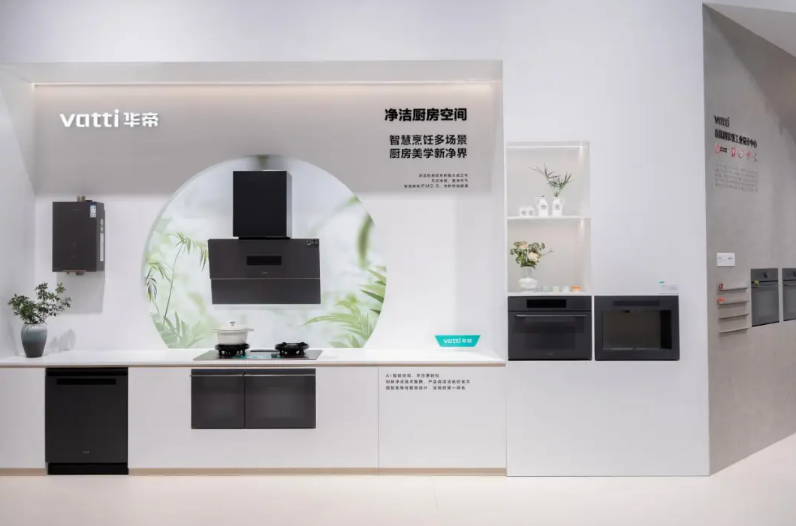
Pan Yejiang, Chairman of Vatti, stated bluntly: 'Opposing internal competition doesn't mean rejecting rivalry but returning to user value, strengthening product foundations, and enhancing system efficiency.'
With government subsidies declining and price wars easing, Vatti de-emphasized pure price competition, emphasizing 'sales-service integration and localized operations.' Community users' repurchase rates significantly outpaced ordinary users, proving that ultimate ( ultimate = ultimate / ultimate ) service—not just technological innovation—can be a winning strategy.

Four Paths, One Direction
Casarte reshapes premium perception through scene experiences; Fotile extends user lifecycles via community operations; Robam connects every household through digital tools; Vatti safeguards user trust with exceptional service.
Though their paths differ, their core direction aligns: whoever stays closer to users enjoys a longer growth trajectory.

The era of incremental growth is over; stock competition ( stock competition = stock competition /stock competition) is now the norm. The kitchen appliance market, once driven by property booms, now prioritizes renovations and upgrades. Consumers hold the decisive power in the stock market. Channel inventory pressure and project-based sales models are unsustainable; brands must directly address terminal demand.
Younger users rely more on content platforms for information, prioritizing experience, design, and service over single parameters. Their decision-making journey shifts from 'in-store recommendations' to 'online inspiration—offline experience—private domain repurchases.'
Brands lacking direct user touchpoints risk marginalization in the information flood.
More critically, product homogenization forces differentiated competition to escalate. Features like steam-oven integration and integrated stoves converge, making parameter advantages hard to sustain. While technology and structure can be copied, user relationships and service systems cannot. Casarte's scenes, Fotile's communities, Robam's connections, and Vatti's service all build irreplaceable user barriers.

From 'Selling Products' to 'Managing People'
Looking back at 2025, we see not just operational adjustments by a few companies but a value realignment for the entire kitchen appliance industry.
Kitchens embody warmth, family ties, and life quality. Truly great brands don't just sell machines—they bring lifestyles into homes.

Yang Dongwen, Chairman of Aowei Cloud, put it well: 'Under the new consumption wave, user needs shift from functional satisfaction to value identification.'
Brands universally face challenges in 'acquiring traffic, retaining users, and boosting conversions.' The solution lies in returning to consumption fundamentals, focusing on users' scenario-based needs, and making product value truly perceptible.
As Casarte reshapes premium experiences, Fotile deepens scene-based services, Robam connects kitchens via AI, and Vatti wins trust through service, they collectively mark an industry turning point: from 'selling products' to 'managing people.'
In 2026, the competitive focus for kitchen appliance brands will no longer be channel coverage or product sales rankings but the quality of user assets and stability in users' hearts.
Those who win the C-end win the world. This rings truer than ever today.
-
![]()
Hardware is the skeleton, AI is the soul, and data integrates the two
-
![]()
China’s AI Industry: A Unified Pivot Towards Monetization?
-
![]()
New Progress! Infineon Completes Acquisition of ams OSRAM's Non-Optical Sensor Business
-
![]()
35 Million Bet on an Optical Future! Tengjing Technology Makes a Move in AR
-
![]()
Why World Models Get Stuck on Construction Roads in Autonomous Driving Applications
-
Alibaba Initiates Cultural Transformation: Is Jack Ma Making a Strategic Comeback?
-
Tianfeng Heads to Hong Kong for IPO with RMB 3.8 Billion in Funds: Xingyu's Cross-Border Foray into Embodied AI Faces Uncertain Future
-
![]()
Mengshi Auto’s High-End Aspirations Dashed: Huawei Partnership Fails to Revive Sales, New Model’s Entry Price Dips Below 300,000 Yuan