Nothing Phone (4a) Review: Sophisticated Design, Suitable Specs, and Impressive Anti-AI Imaging
 03/23 2026
 444
444
A more restrained design, a more sophisticated experience.
In July 2022, the Nothing Phone (1) was launched, marking a new direction with its distinctive design and robust performance. Although the first-generation Nothing Phone (1) had ample room for improvement in terms of detailing, subsequent models have successfully bridged these gaps. By 2026, Nothing, initially dismissed as a mere novelty, had firmly established itself in international markets, with its audio products even gaining popularity domestically.
At the launch event on March 20, Nothing announced that the brand was poised to embark on a 'new chapter.' So, as a 'milestone' in the Nothing 2.0 era, where will the newly released Nothing Phone (4a) lead the brand? After using this new device, Leikeji attempts to provide some insights.
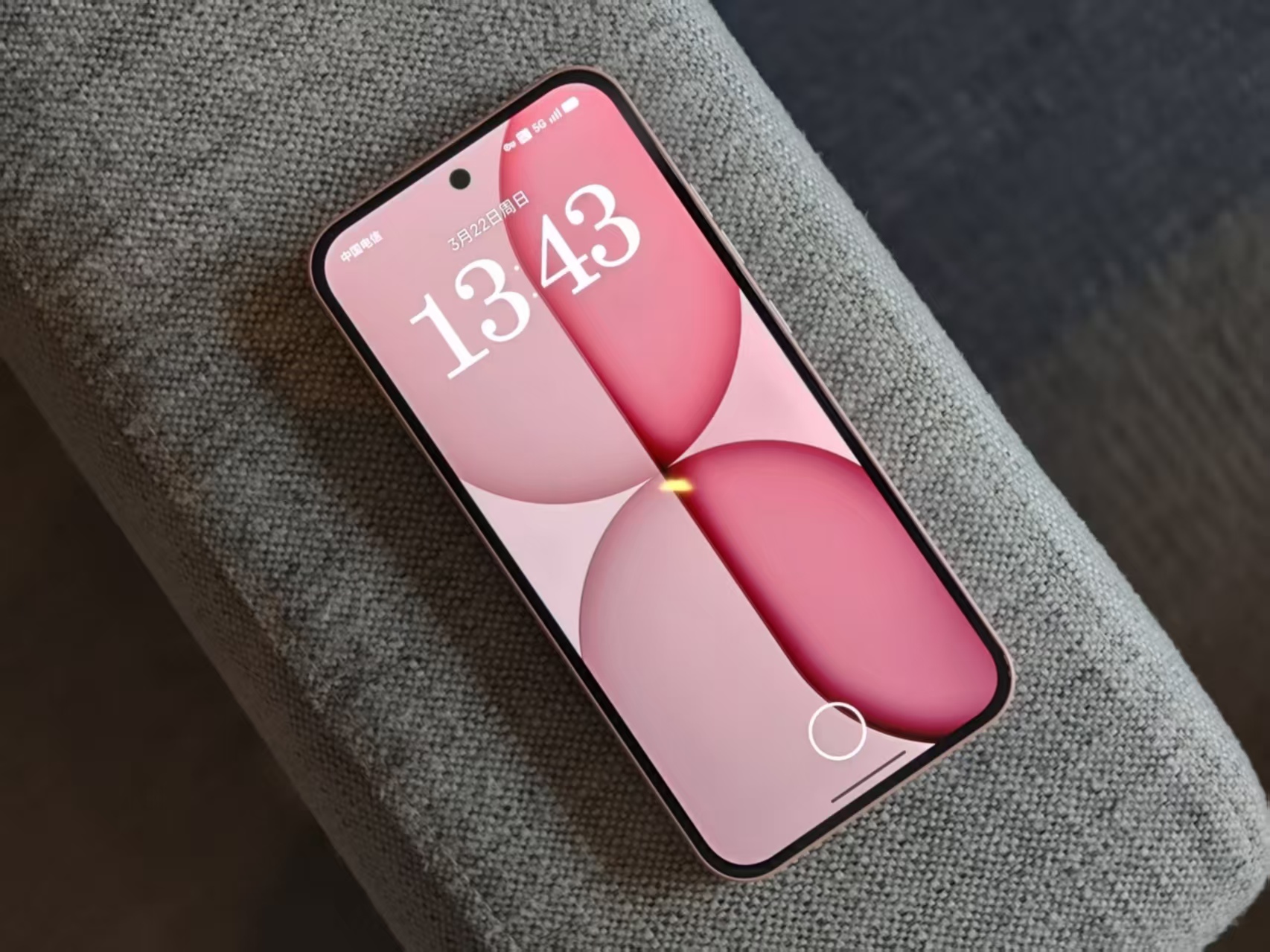
Image Source: Leikeji
The Nothing Style: More Mature and Understated
As a long-time user who has independently purchased multiple Nothing phones, Xiaolei's reaction upon receiving the Nothing Phone (4a) was mixed: you can immediately recognize it as a Nothing-designed phone, but compared to the first three generations, the Phone (4a) showcases noticeable changes in its design language.
Let's start with the similarities: the Phone (4a) retains Nothing's signature transparent back panel and see-through accent design. Accompanied by exposed screws, red dots, and distinctive font, all the familiar Nothing elements are present on the Phone (4a). However, the new Phone (4a) modifies the 'imagery' on the accent panel:
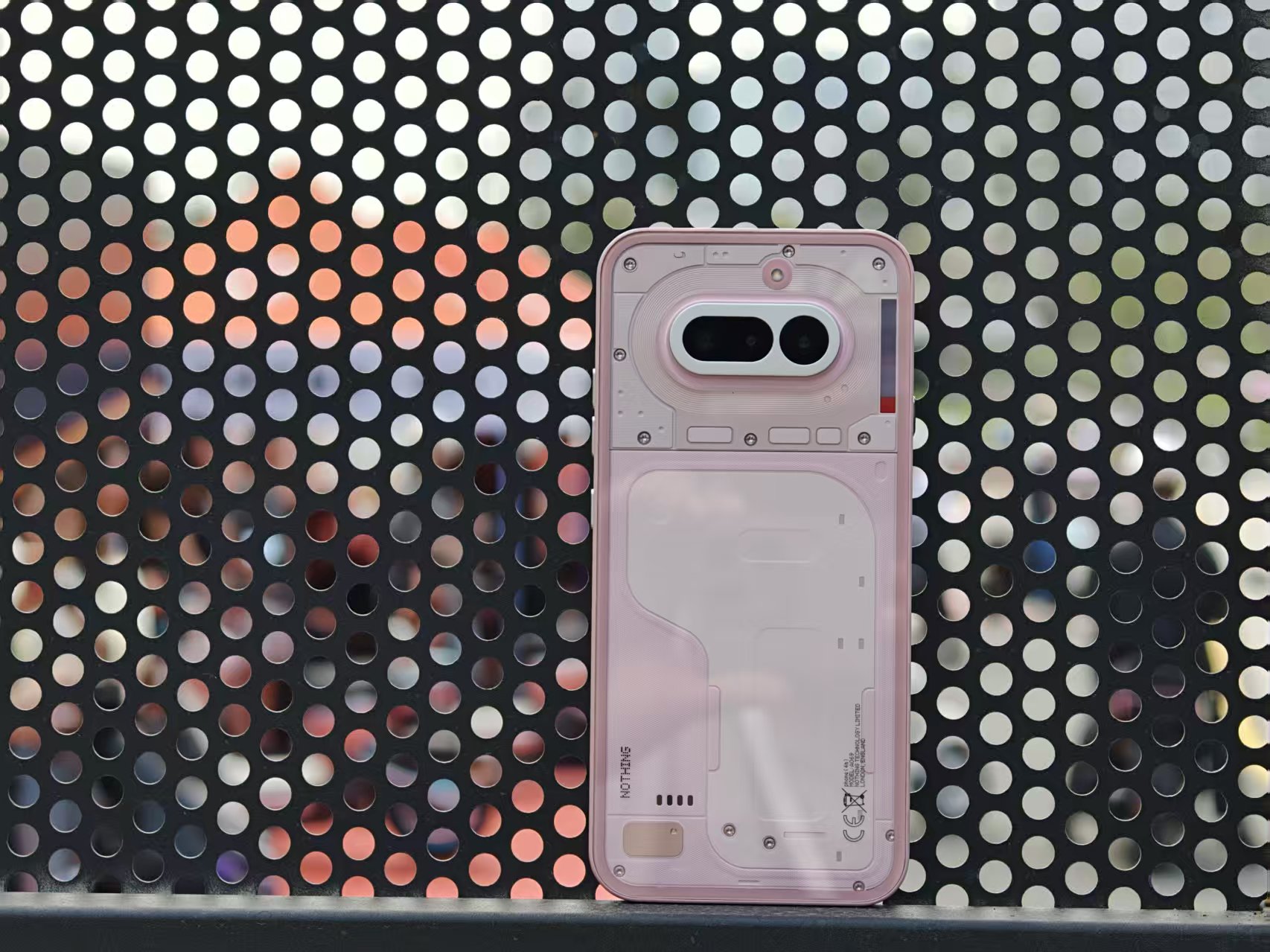
Image Source: Leikeji
The previous Nothing Phone embraced a 'futuristic' aesthetic, extensively using 'wiring' motifs as decoration on the back. In contrast, the Phone (4a) adopts a minimalist approach, employing simple lines and cutouts to abstractly represent the 'battery' and 'speaker'.
Of course, on the upper half of the phone's camera module, the Phone (4a) retains the 'wiring' element with concentric engravings. However, it's undeniable that the overly simplistic lines on the lower half of the phone's body shift the visual focus upward, creating a sense of 'disconnection' between the two sections.
Fortunately, despite the shift in design language, the Phone (4a)'s build quality and feel remain exceptional: the back panel and frame avoid 'clever' tricks to reduce thickness, instead using straight lines to evoke a 'futuristic' feel for the tech product. Paired with a highly reflective transparent back panel, it feels like holding a 'glass brick'.
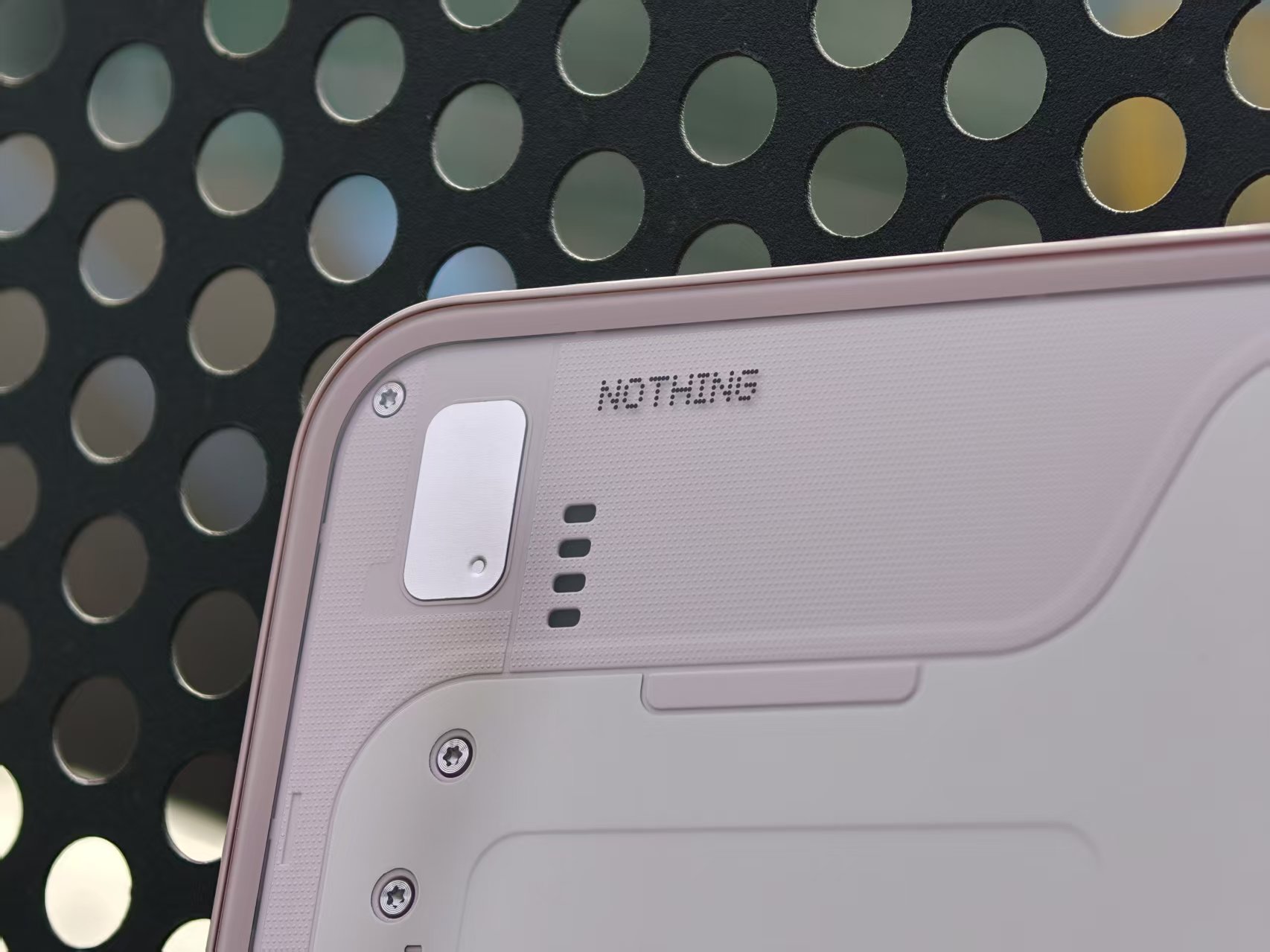
Image Source: Leikeji
It's worth mentioning that to balance the new design language, Nothing employed a variety of materials for the accent panels on the phone's back, with color differences effectively filling the 'emptiness' behind the phone. Compared to past designs, the Phone (4a)'s approach is clearly more restrained.
If you've read my review of the Phone (2) from three years ago, you may recall my complaints about the color shift issue with the Glyph Bar at low brightness. Physically, achieving perfectly smooth, attenuation-free long-distance light conduction within the limited back panel space is extremely costly and prone to failure. With the Phone (4a), Nothing adopted an extremely clever solution: since a perfectly smooth light bar couldn't be achieved, why not 'pixelate' it directly?
In the new Glyph Bar, Nothing placed three LEDs under each 'pixel' point, which not only completely eliminates 'edge color shifts' but also increases the brightness gradation of each 'pixel,' making transitions more natural and textured.
In contrast, the front of the phone is relatively ordinary. While the black bezels around the 6.78-inch 120Hz high-refresh-rate screen are evenly spaced, their width feels 'outdated' in the domestic smartphone market. However, considering that the Phone (4a) targets the 'fiercely competitive' overseas smartphone market, these bezels, comparable to those of the iPhone XR, are actually acceptable.
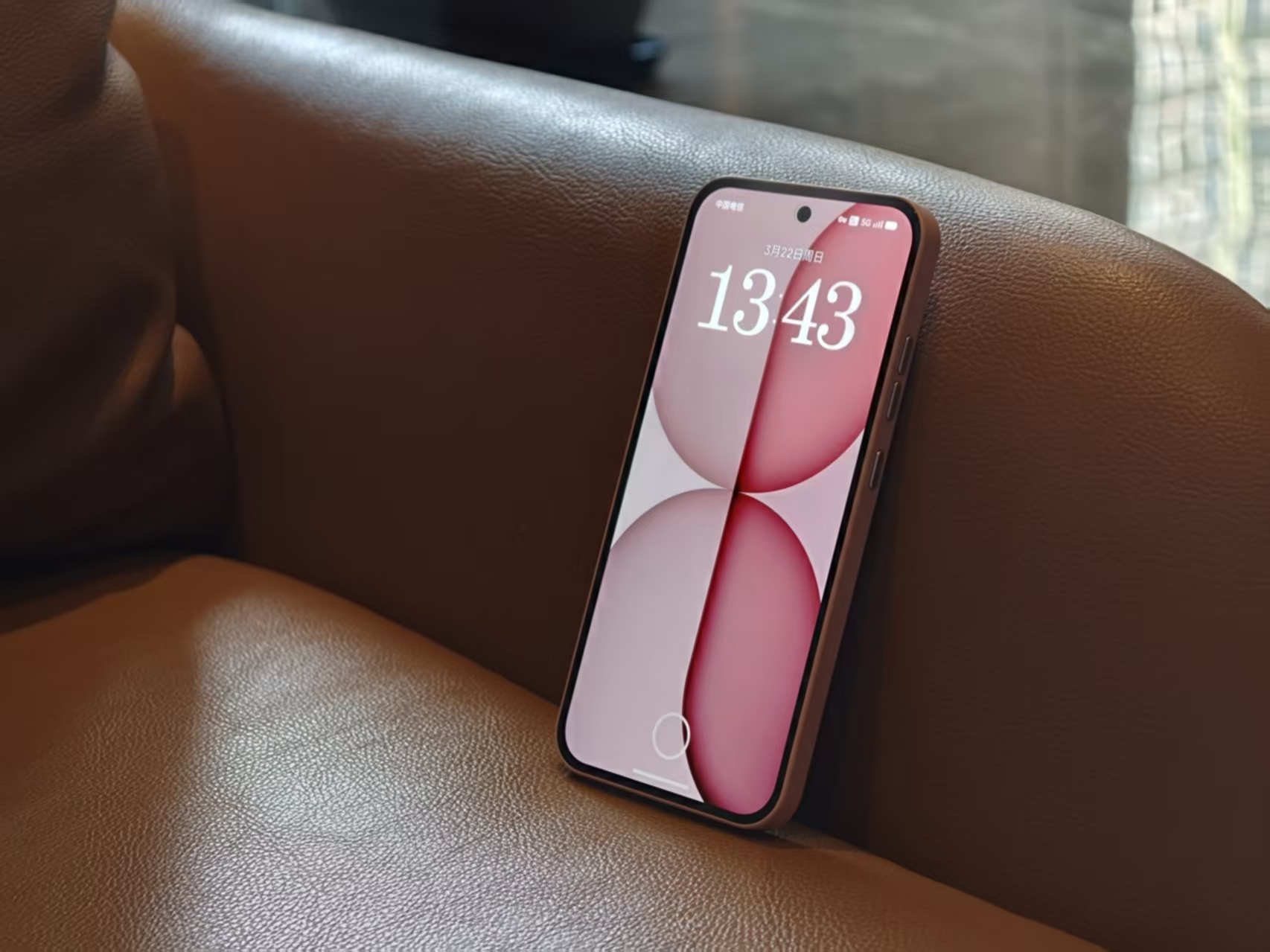
Image Source: Leikeji
Additionally, there's still room for improvement in some detail handling on the Phone (4a). Perhaps because the unit Xiaolei received wasn't a retail version, the seam between the phone's back panel and frame was somewhat noticeable.
However, in the overseas market, Leikeji believes the Nothing Phone (4a) remains a highly competitive mid-range smartphone.
Tailored Configuration: Suitable Specs
Now that we've covered design, let's discuss the hardware specs of the Nothing Phone (4a). Given its positioning as an 'overseas mid-range device,' the Phone (4a)'s competitiveness in the domestic smartphone market is 'extremely limited,' so expectations for its specs should be tempered: the Phone (4a) uses the Snapdragon 7s Gen 4 processor and offers three storage configurations: 8+128GB, 8+256GB, and 12+256GB (the official overseas shopping platform only provides the 12+256GB version, priced at ¥3,299).
Such a mid-range configuration naturally runs smoothly for non-gaming use, and 12GB of RAM is more than sufficient for 'clean' apps on Google Play, eliminating the need for frequent background clearing. However, in gaming scenarios, the Phone (4a) does struggle somewhat.
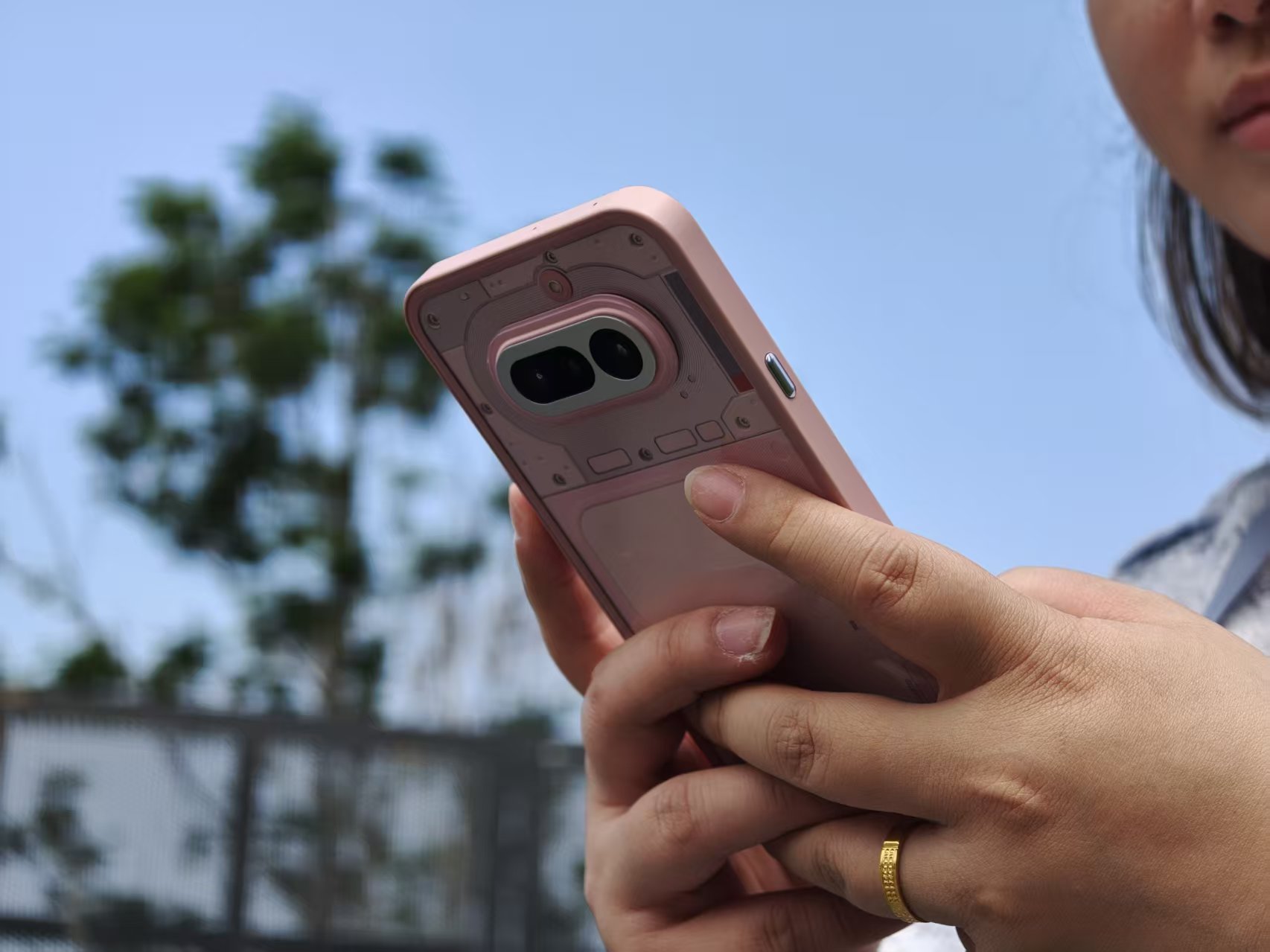 Image Source: Leikeji
However, Xiaolei found that the complex back design of the Nothing Phone (4a) actually provides some 'heat insulation,' with initial heating being not particularly noticeable.
So, how should we evaluate the performance of the Phone (4a), a true 'mid-range smartphone'?
Leikeji believes this requires categorization. At the ¥3,299 price point, the Phone (4a) has no competitiveness in the domestic smartphone market.
While the Phone (4a)'s specs are 'generally suitable' in terms of absolute performance, at the same price, we can easily find domestically produced flagship models or previous-generation flagships with stronger configurations. In China's fiercely competitive smartphone market, the 'smooth for daily use but struggling in gaming' 4a is clearly left behind by domestic brands.
However, in overseas markets, especially Europe—notorious for its 'low cost-effectiveness'—the Nothing Phone (4a) stands out as highly competitive. In Europe's cost-effectiveness desert, some so-called 'mid-range phones' even use the same processors as domestic smartwatches.
In the £399 price range, the Phone (4a) offers both an eye-catching design and competitive hardware specs, making its appeal undeniable.
However, this 'suitability' comes at a cost—shutter lag is a manifestation of the Nothing Phone (4a)'s computational bottleneck.
Commendable 'Anti-AI' Imaging Approach
Since we've mentioned imaging, let's discuss the Phone (4a)'s camera performance. Hardware-wise, the Phone (4a) features a dual 50MP wide-angle and telephoto camera setup, paired with a 12MP ultra-wide camera, with both the wide-angle and telephoto cameras supporting OIS optical image stabilization.
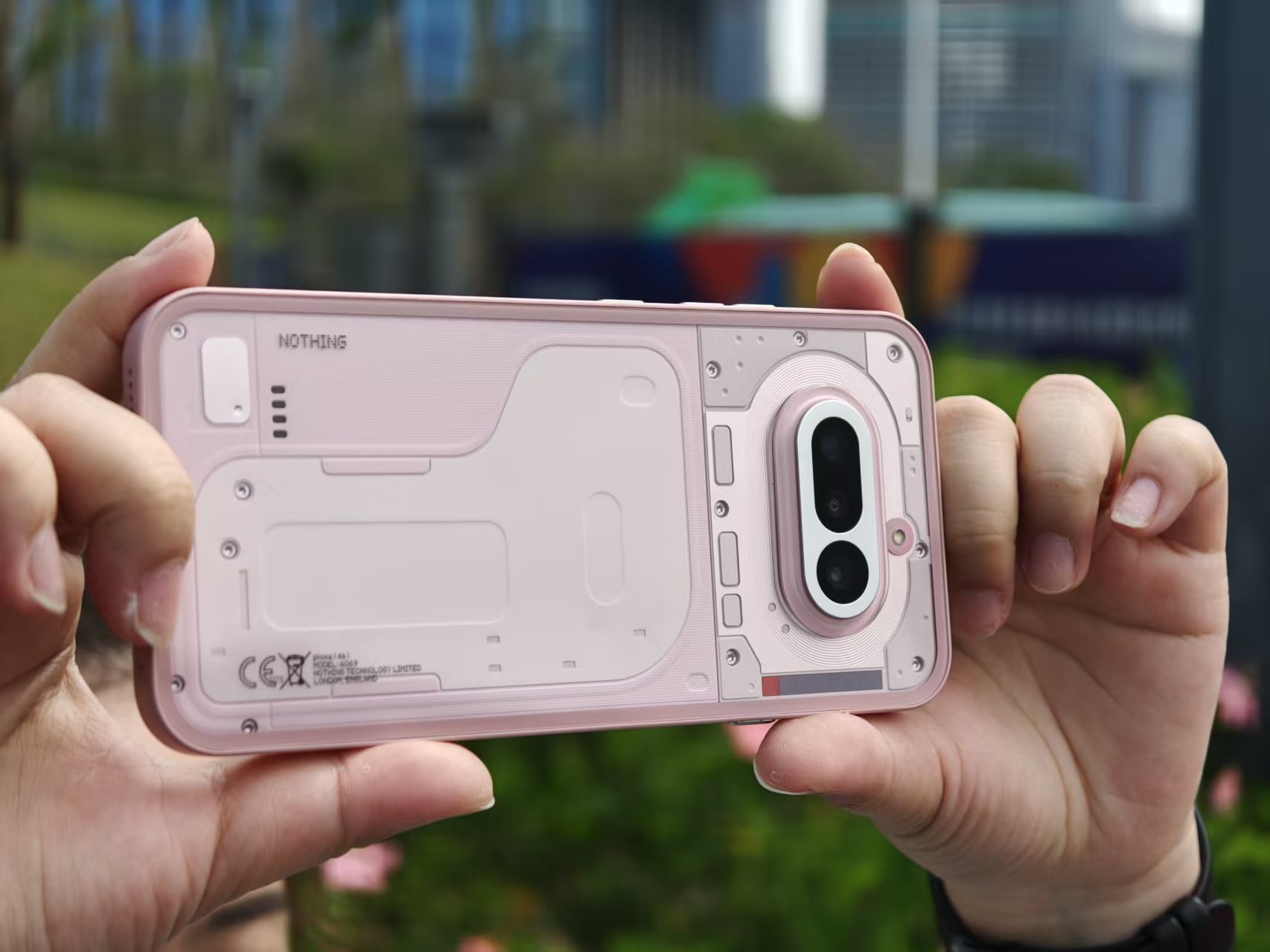
Image Source: Leikeji
From sample images, the Phone (4a)'s performance shows significant improvement over phones like the Phone 3(a) and cmf. In native focal lengths (1×/3.5×) with 50MP mode enabled, the Phone (4a) delivers impressive sharpness and resolving power. Even with Shanghai's recent poor visibility, the Phone (4a)'s image quality remained satisfactory.

Image Source: Leikeji

Image Source: Leikeji
However, at non-native focal lengths (2×/7×), the Phone (4a) does exhibit some smearing due to insufficient resolving power. For scenes like foliage and water surfaces—which are highly demanding on resolution—the Phone (4a)'s imaging shortcomings become more apparent.

Image Source: Leikeji
However, this doesn't mean the Phone (4a)'s telephoto is worthless. In fact, I don't dislike the 'soft' look of the Phone (4a)'s telephoto end. We know that mainstream domestic smartphones have entered the era of 'computational photography,' using AI to enhance telephoto performance. However, in a sense, the information added by AI has strayed from the essence of 'photography'.
Nothing takes the opposite approach. At the launch event, Nothing admitted to using AI optimization for the telephoto, but from the sample images, photos taken with the Phone (4a) lack the strong AI telephoto traces seen in domestic smartphone brands, not even the 'watermark patterns' associated with AI telephoto.

Image Source: Leikeji
Additionally, in terms of color tone, the Phone (4a) continues the brand's 'high-contrast' approach while offering various built-in style presets, delivering a very textured look.
Conclusion: A 'Starting Point' Worthy of Nothing's New Chapter
Before commenting on Nothing's 'new vibe,' let's first summarize the performance of the Nothing Phone (4a) according to Leikeji's review template.
Pros:
1. Unique and outstanding design;
2. Competitive hardware specs in overseas markets;
3. Highly restrained AI camera optimization.
Cons:
1. Wide screen bezels;
2. Mediocre specs in the domestic market;
3. Average ultra-telephoto camera performance.
From Leikeji's perspective, from the Phone (1) to the current Phone (4a), Nothing has completed its transformation from a geeky gadget to a mainstream premium product. Unlike the past spirit of 'rebellion for rebellion's sake' or 'having what others don't,' Nothing embodies a more restrained and balanced product philosophy with the Phone (4a). This shift gives me the impression that Nothing has outgrown its 'rebellious phase'.
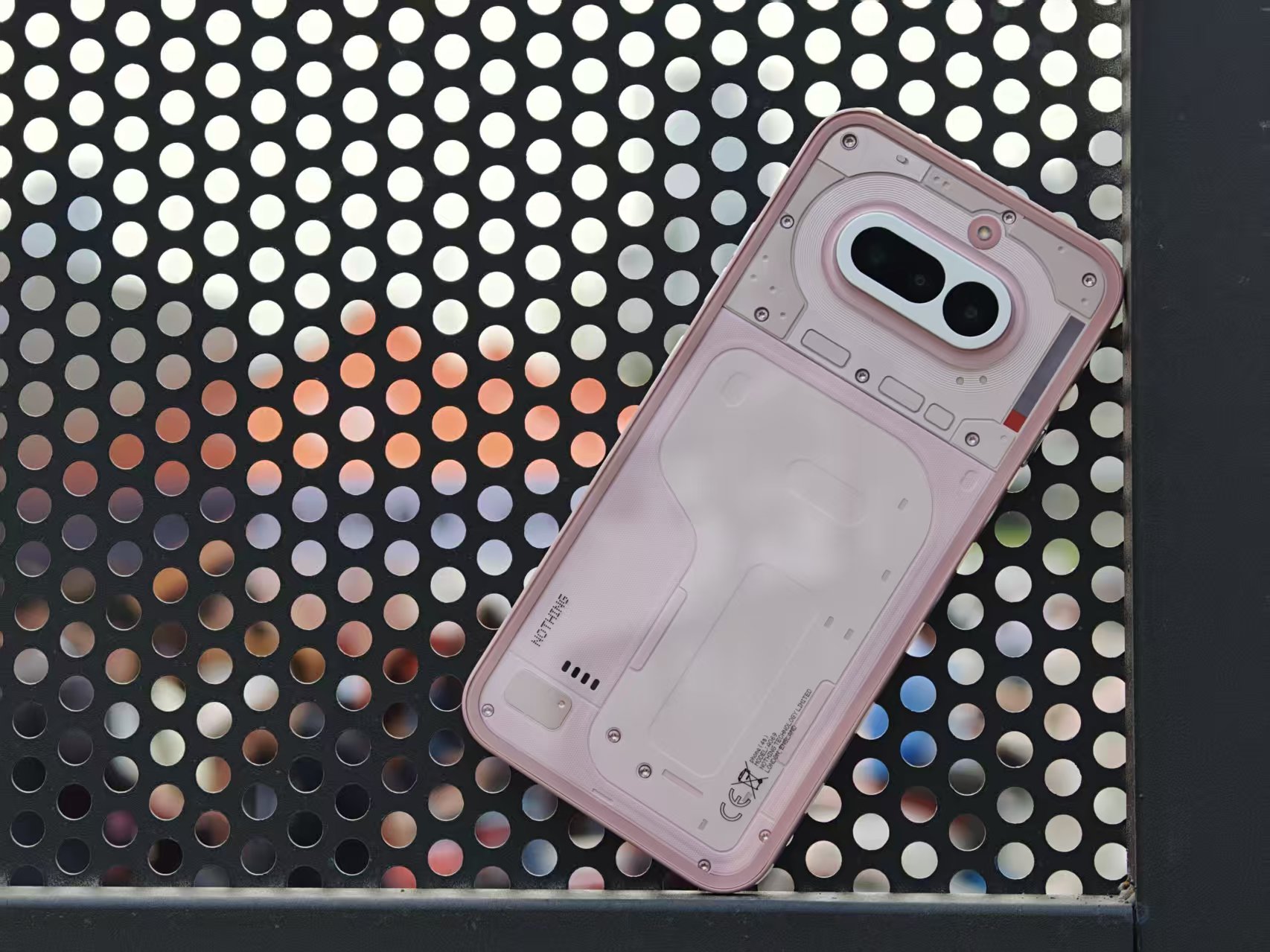
Image Source: Leikeji
What's certain is that the Nothing Phone (4a) can only thrive in the 'comfort zone' of the overseas smartphone market. However, the emergence of the Nothing Phone will undoubtedly bring fresh perspectives to a fatigued smartphone market, even inspiring mid-tier players to break free from 'standard answers' and explore new forms of AI hardware.
In the overseas smartphone market, where 'lying flat can still make money,' Nothing's approach of carving out a path through design, performance, and texture is, in itself, a manifestation of 'rebellion'.
Nothing Smartphone Design High-Aesthetic Phone Imaging
Source: Leikeji
All images in this article come from: 123RF Royalty-Free Image Library Source: Leikeji
-
![]()
Smartphone Prices Surge Amid Manufacturer Anxiety
-
![]()
Orbbec Soars to Record Heights, Eyes Further Capital Influx of 980 Million!
-
![]()
Tongding Interconnect Sets Up Shop in Shaoguan with 800 Million Yuan in Registered Capital
-
![]()
Before Kimi’s A-Share Debut, Zhipu Aims to Secure More 'Strategic Funding'
-
![]()
Innovative Leap | Fiber-Pluggable 1470nm Laser Source: Revolutionizing Precision Laser Weeding
-
![]()
73-Day Rapid Listing: Where Does Unitree's Wang Xingxing's 'Sense of Urgency' Come From?
-
![]()
AI Project Mindverse, Backed by Meituan, Faces Data Inflation Allegations Over Its Macaron Product
-
![]()
3000-word In-Depth Analysis | What Makes Physical AI So Magnetic? It Has Captivated Masayoshi Son, Jensen Huang, and Justin Sun All at Once