The Dominance of Range Extenders Shifts: Seres Climbs to the Top in Market Share
 03/23 2026
 528
528

By Wan Yanbo
Edited by Zhu Xiaodi
If we were to compare China's automotive power market in 2025 to a chess game, the most subtle changes wouldn't be found in the fiercely contested pure electric sector, but rather in the range extender domain, once dismissed as a mere 'transitional solution.'
Over the past two years, an unspoken hierarchy existed within the industry: pure electric proponents looked down on range extender technology, deeming it superfluous, while the range extender segment was long dominated by a single name—Li Auto.
However, when the 2025 data emerged, everyone had to rub their eyes in disbelief—the dealer at the range extender table had changed.
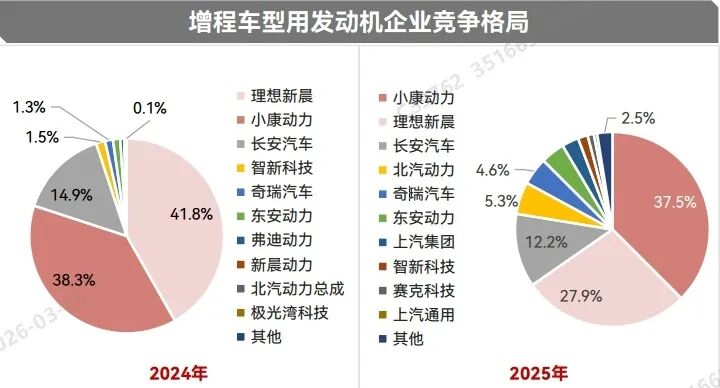
According to insurance registration statistics, China's range extender installations in 2025 reached 1.201 million units, a slight 1.8% year-on-year increase. While the surface appears calm, a massive shift is underway beneath. Seres Power (Sokon Power) surged to the top with a 37.5% market share, while former leader Li Auto Xinchen saw its share plummet by 13 percentage points, falling to second place.
This is not merely a shift in market positions but a covert battle for 'technological definition rights.' Today, let's delve into how Seres managed to uproot Li Auto's flag right at its doorstep.

The 'Post-Subsidy Era' of Policies
Before discussing the market, we must first understand the policy landscape of 2025.
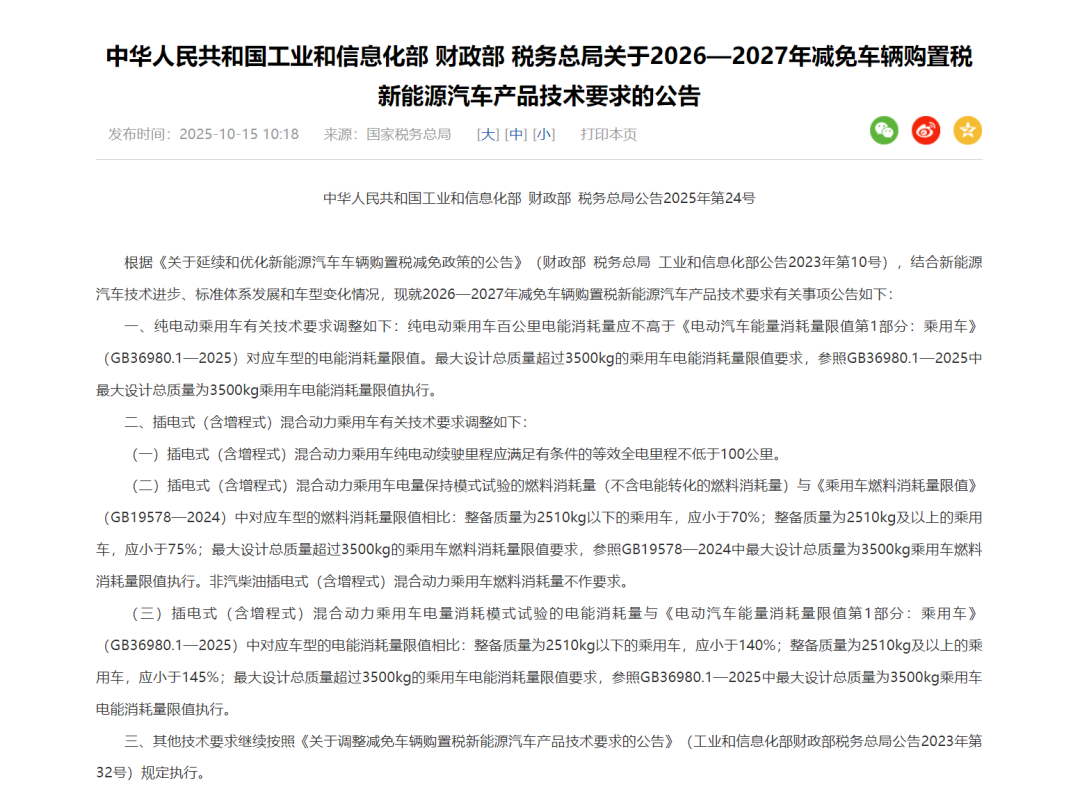
Previously, consumers opted for range extender vehicles to eliminate range anxiety and capitalize on new energy vehicle license plate incentives. However, the policy wind vane shifted in 2025. The Ministry of Finance's 'Notice on Adjusting Technical Standards for New Energy Vehicle Purchase Tax Exemptions in 2025,' while not eliminating range extenders, subtly raised the bar—imposing stricter requirements on fuel consumption during battery depletion and electric drive efficiency, effectively weighing enterprises by the 'pound.'
More critically, the Ministry of Industry and Information Technology's relaxation of L3 autonomous driving road rights in the second half of 2025, coupled with the implementation of the 'Three-Year Doubling Action Plan for Electric Vehicle Charging Infrastructure Service Capacity,' paved the way for pure electric vehicles, compelling range extenders to differentiate themselves.
In this policy environment of 'systemic incentives' rather than 'indiscriminate subsidies,' consumers are no longer satisfied with mere fuel-to-electric generation; they now calculate: How far can one kilowatt-hour of electricity generated from fuel take them?
This leads to a core turning point in the 2025 range extender market: the industry evaluation standard shifts from mere 'range' to the more stringent 'fuel-to-electric conversion rate.' Whoever can generate more electricity from one liter of fuel becomes the new kingmaker. And this is precisely Seres' long-awaited 'home turf.'
Seres Feasts
In 2024, the range extender market was still Li Auto's domain, with 490,000 units sold, leaving competitors in the dust. However, by 2025, Li Auto's range extender sales dropped to 336,000 units, directly surpassed by Seres (363,000 units).
Currently, the range extender market has formed a tripartite pattern (translated as 'pattern' or 'landscape') with Seres (363,000 units, 26.7% market share, first), Li Auto (336,000 units, 24.6%, second), and Changan Group (231,000 units, 17.0%, third) vying for dominance. These three companies collectively hold over 68% of the market share, indicating a high degree of market concentration.
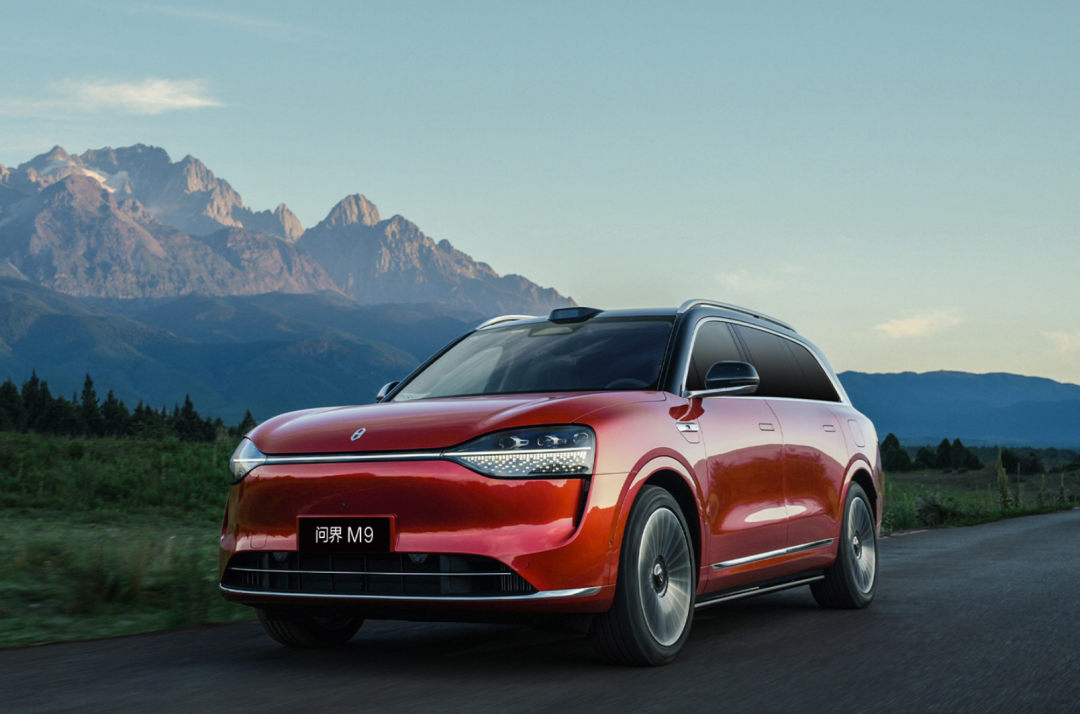
Many analyses attribute this shift to the 'resurgence' of the Aito M7 or the 'leadership' of the M9, even attributing it to Huawei's mystical influence. However, after discussing with several friends deeply embedded in the supply chain, I discovered a deeper reason: a generational gap in technological reserves between the two companies regarding 'range extenders.'
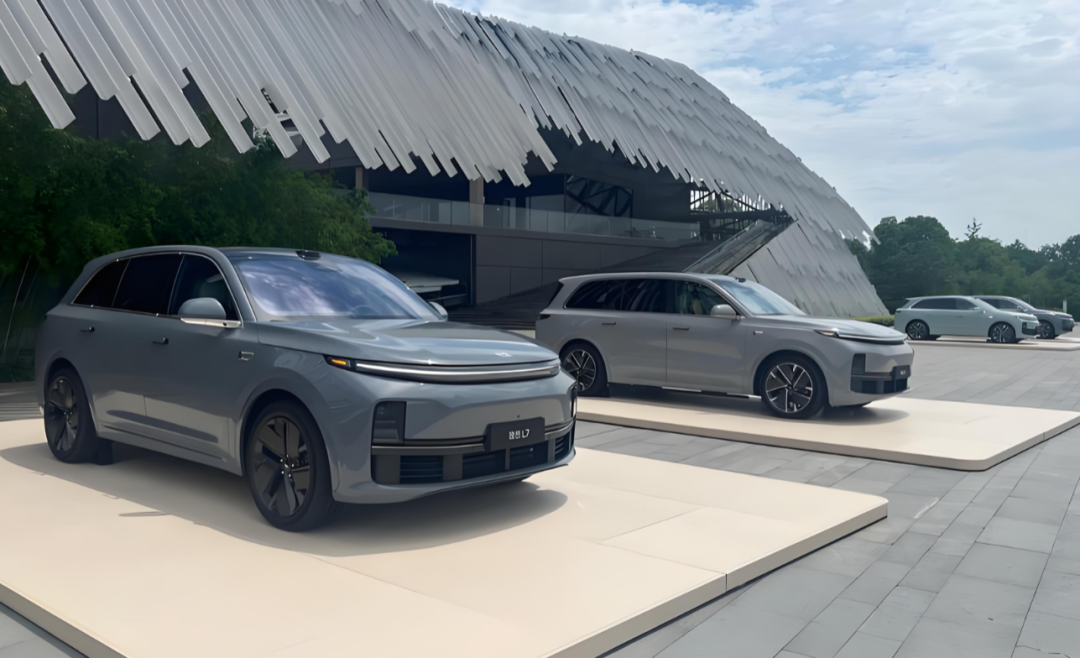
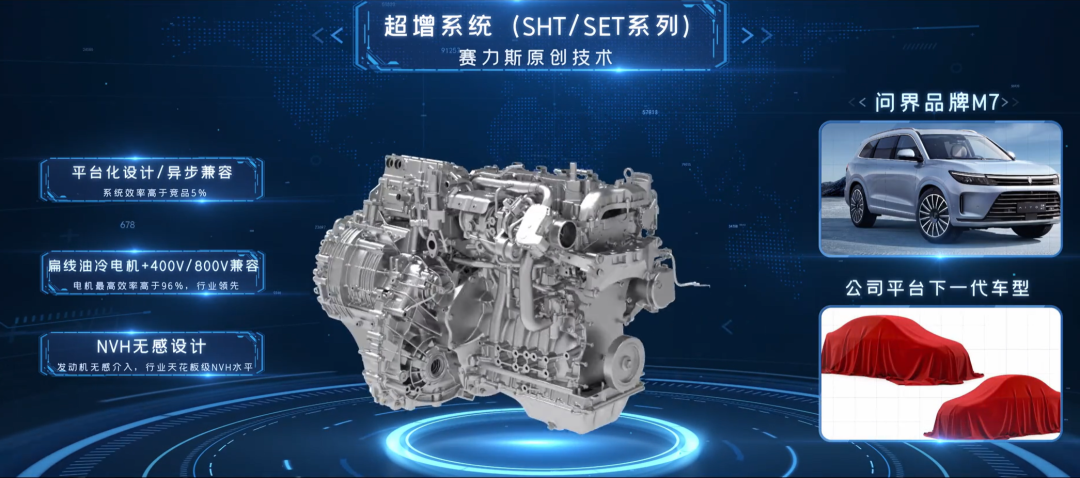
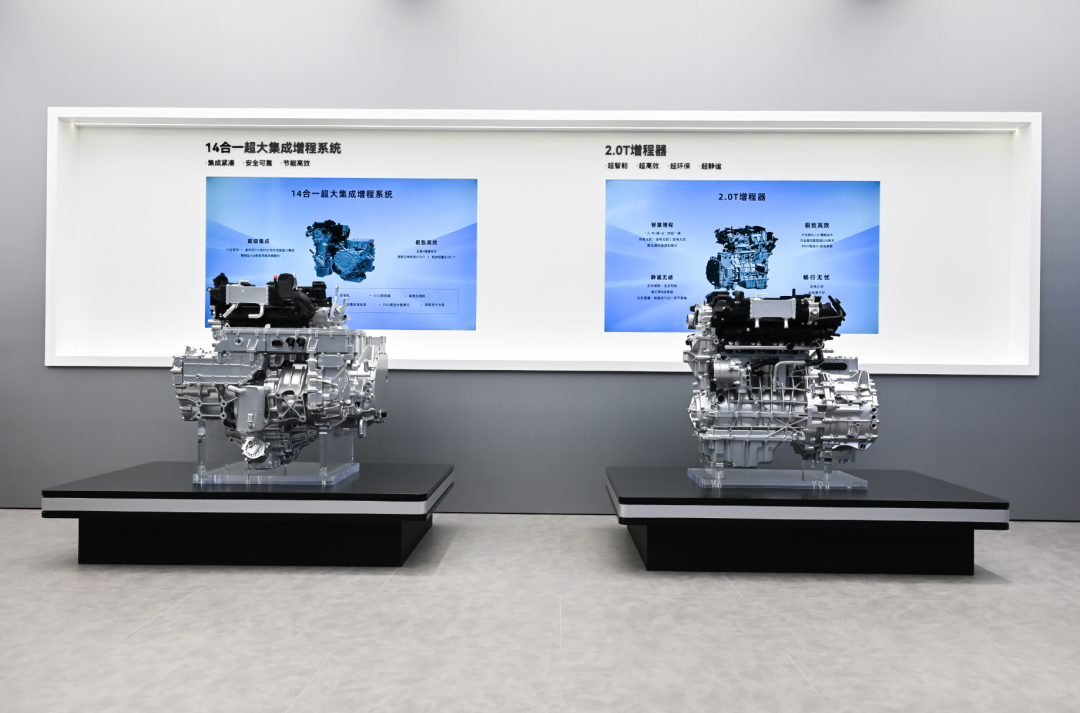
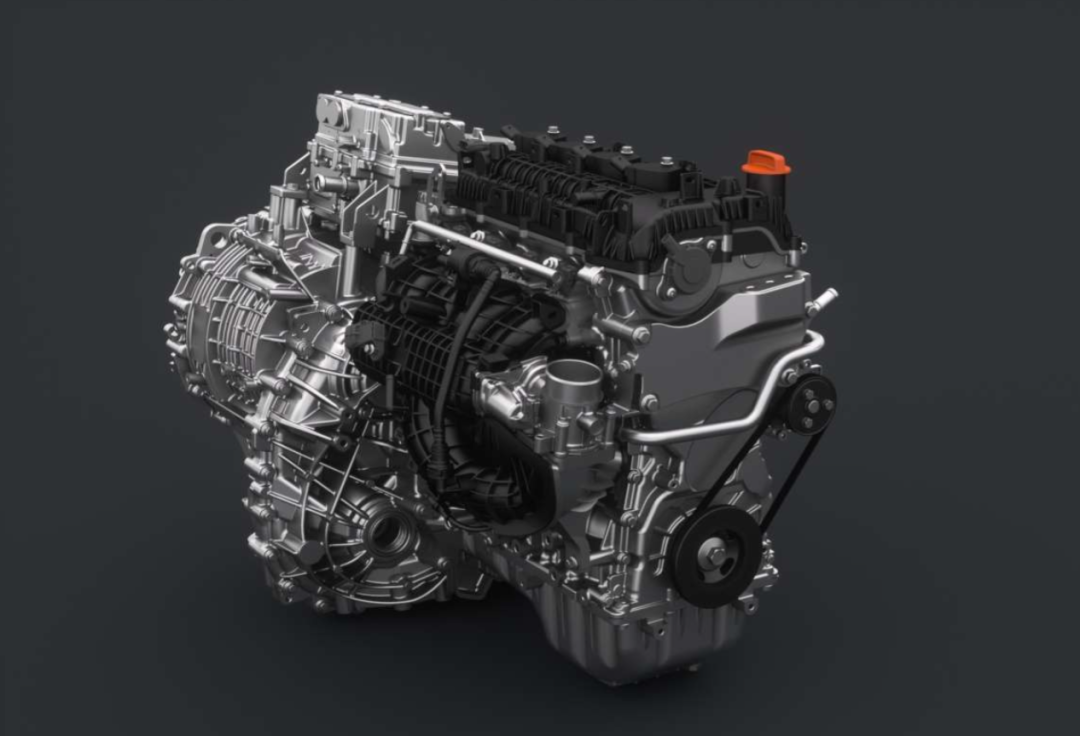
The early success of Li Auto's L series stemmed from being the first to capitalize on 'range extender-specific engines,' paired with spacious product definitions. However, over the past two years, Li Auto has shifted its focus to pure electric MEGA and AI, slowing down the iteration pace of its range extender units. In contrast, Seres has been quietly developing range extender technology since 2016, unveiling its fifth-generation system in 2025, which boasts a fuel-to-electric conversion rate of 3.65kWh/L and a thermal efficiency of 44.8%.
What does this mean? With one liter of fuel, Seres generates nearly 0.5 kilowatt-hours more electricity than most competitors on the market. Don't underestimate this 0.5 kWh; in actual user scenarios, it translates to lower fuel consumption during battery depletion and daily usage costs approaching those of pure electric vehicles.
This is why, despite rising range extender sales for Leapmotor, BAIC, and even Changan in 2025, Seres managed to seize Li Auto's core market share—because in the mid-to-high-end market (above 300,000 yuan), users are far more sensitive to technical parameters than we imagine.
Dissecting the 'Seres Heart'
Recently, I obtained a copy of Seres' internal technical presentation materials through a friend. Combining this with publicly reported information, let's dissect what makes this 'heart' so special.
Many have heard the buzzwords 'fully in-house developed' and 'AI-empowered' in promotional materials. However, beyond the peak thermal efficiency of 44.8% in Seres' fifth-generation system, several aspects truly demonstrate innovative thinking:
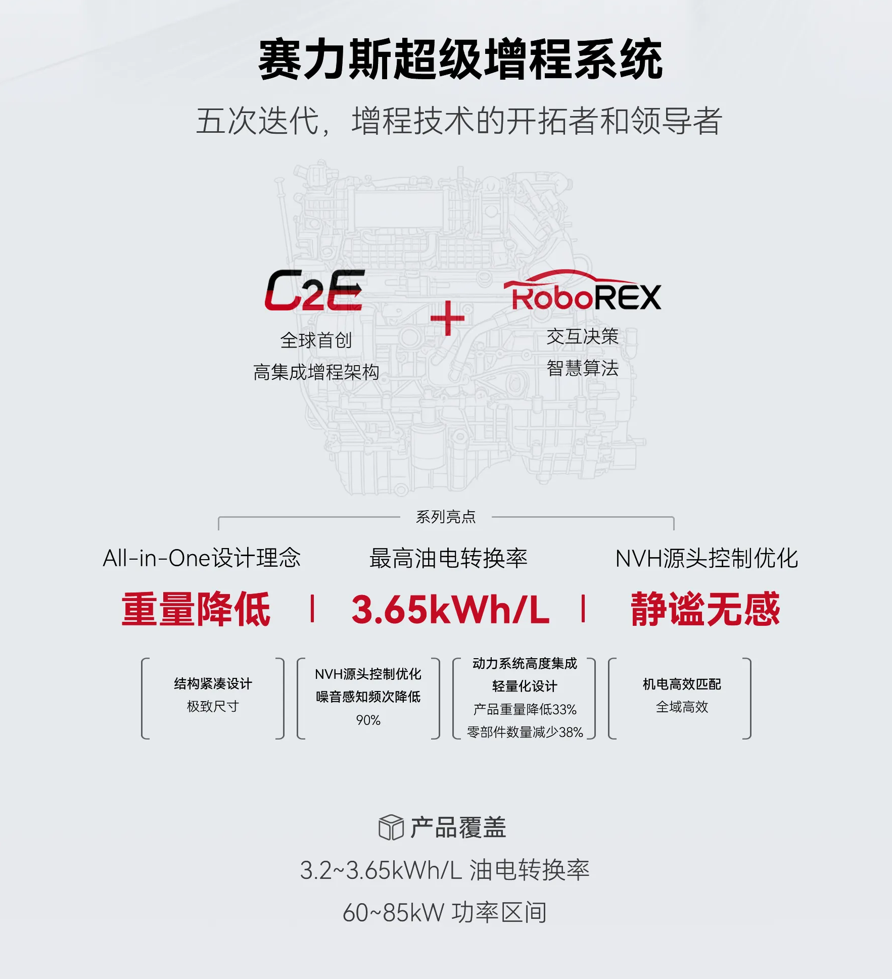
1. It subverts the 'passive' logic of range extenders. Traditional range extenders operate on a 'vehicle demands electricity, I generate it' principle, acting like mere tools. However, Seres has introduced RoboREX intelligent control technology, paired with the Saiyi C2E highly integrated architecture, transforming the range extender from a 'passive responder' to an 'active worker.' How to understand this? Previously, the range extender would only start generating power when the accelerator was deeply pressed, resulting in a poor user experience. This system can predict your driving intentions, combining navigation data, slope information, and driving style to proactively adjust power generation strategies. In essence, it's no longer just a power bank but a 'co-manager' of the powertrain.
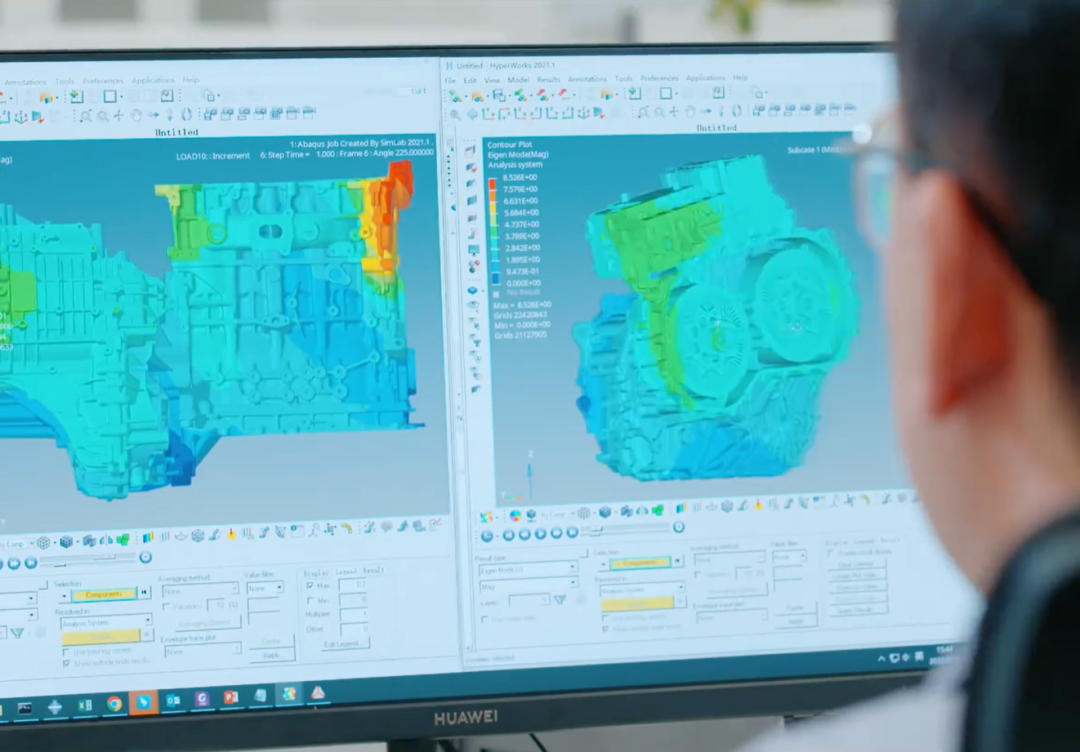
2. NVH mystique turns into science. What do range extender vehicles get criticized for the most? The 'tractor-like' sensation when the range extender kicks in. Seres has minimized the interior noise difference between range extender and pure electric modes to within 1 decibel. Initially skeptical, I was convinced when an engineer told me they achieved this through over 120 NVH-specific optimizations, even employing a 0.1-order resolution vibration noise extraction algorithm. This is no longer the traditional automotive approach of stacking sound insulation materials but using digital means to eliminate noise sources at the design stage.
3. It's not just for self-use; it's now 'taking orders.' This is Seres' boldest move. Data shows that Seres' range extender sales exceeded 200,000 units in the first half of 2025, with over 25 industry partners purchasing their range extenders or related components.
This was previously unimaginable. It used to be BYD supplying its Fredi Power externally; now Seres is doing the same. This means Seres doesn't just want to be a player; it wants to be the referee. When your technology becomes the standard for others, your pricing power in the industry changes completely.
Several Unavoidable Challenges
Despite Seres' coronation in the range extender domain in 2025, several challenges loom on the horizon.
First, pressure from pure electric and plug-in hybrid vehicles. The 2025 data is clear: PHEVs (plug-in hybrids) remain the mainstream, accounting for 15%, while REEVs (range-extended electric vehicles) account for only 4%. Although the absolute numbers are rising, a penetration rate ceiling exists. As battery manufacturers like CATL improve fast charging and range capabilities, the 'range anxiety' advantage of range extenders will gradually erode.
Second, the red ocean of homogenized competition. In 2025, nearly every automaker you can think of has released range extender technology: from GAC's Xingyuan Range Extender to Geely's Super AI Range Extender, from XPeng's Kunpeng to Chery's Kunpeng. Everyone is competing on 'AI' and 'efficiency.' While Seres' current 44.8% thermal efficiency is leading, what about next year or the year after? When everyone reaches 45%, what cards does Seres have left to play?
Third, a secondary discussion on the 'soul theory.' While Seres has proven itself in powertrain collaboration with Huawei, in the second half of vehicle intelligence, where the powertrain is merely the foundation and the cabin and autonomous driving define the experience, Seres faces a new challenge: how to translate the 'technological leadership in range extenders' label into a 'premium complete vehicle (translated as 'vehicle') experience' that consumers can perceive.
Range Extenders Won't Die; They'll Evolve
Looking back from the spring of 2026, I believe we can make a judgment about range extender technology.
It won't be a transitional phase but a long-term branch in the diversification (translated as 'diversified') energy era. According to CAAM's forecast, new energy vehicle penetration will reach 57% in 2026, and range extenders will have a place in this landscape—but only for 'high-efficiency players.'
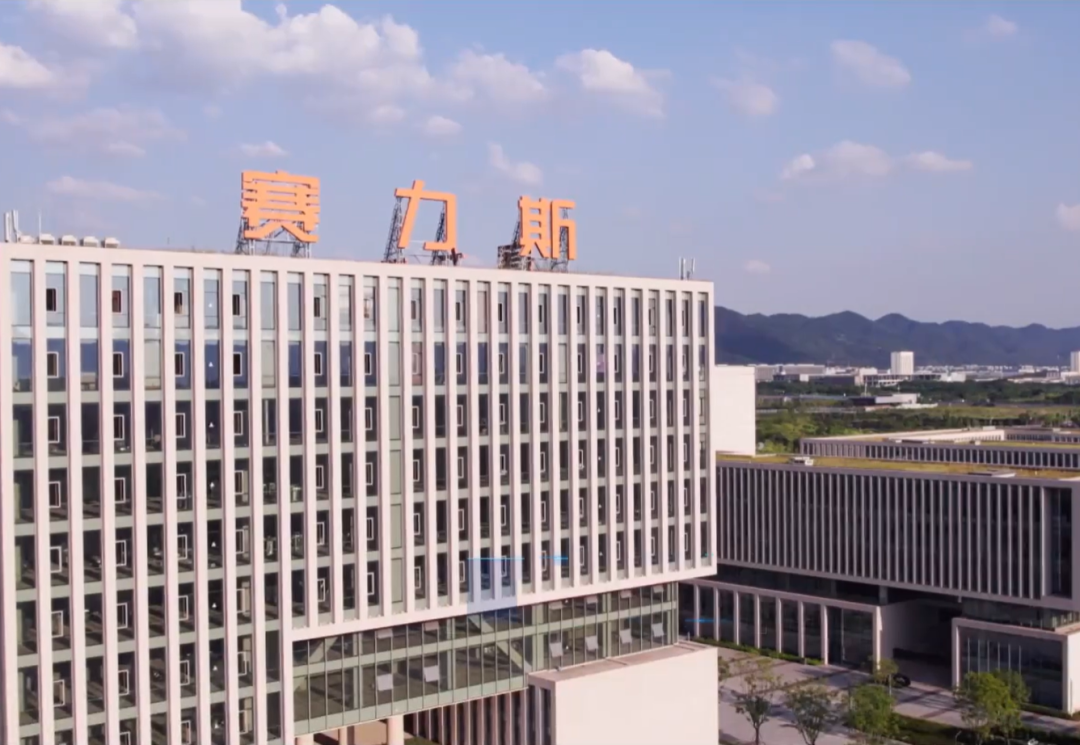
Seres' rise teaches the industry a lesson: even in a non-mainstream sector, relentless technological innovation can still form formidable barriers. From unknown (translated as 'obscure') R&D in 2016 to the mass production of its fifth-generation system, with a production line churning out one range extender every 60 seconds and a 100% product qualification rate, this is not just a victory for Seres but also a triumph for China's supply chain in deep cultivation of niche segments.
Looking ahead, with all-solid-state batteries set to begin small-scale vehicle installations around 2027, range extenders may undergo another morphological transformation—perhaps becoming smaller 'generators' or hybridizing with fuel cells.
By that time, Seres, armed with efficient extended-range technology and a large number of partners, may no longer be just a new force in selling cars, but a significant 'technology contractor' in China's automotive power sector.
At least at this moment, the spotlight is on Seres. This is not a coincidence, but an inevitability forged through a decade of perseverance.
-
![]()
The Unstoppable Rise of 'Optical Progress and Copper Decline': Sunny Optical’s Strategic Vision for the Next Decade
-
![]()
AI + Going Global in the Second Half: No Intermission for Robot Vacuum Cleaners
-
![]()
The Suffering Endured in E-commerce, Walmart Doesn't Want to Repeat in AI
-
![]()
What Does the Doubling of New Energy Vehicle Exports Mean?
-
![]()
Ghosn: 'Only I Can Save Nissan'
-
![]()
Volkswagen Lays Off 100,000 Employees, The Elephant Sits Down
-
![]()
Expanding Production Capacity! Yutong Optics Acquires Approximately 1.5 Hectares of Industrial Land in Chang'an, Dongguan
-
![]()
Why Is Nokia Making a Comeback in the AI Era?