The Stealthy IPO Rivalry Among the 'Big Three' Smart Glasses Giants: XREAL Leads in Filing, Rokid Debunks Speculation, 2027 Showdown Looms
 04/14 2026
 387
387
The countdown to the 'iPhone Moment' for smart glasses has begun.
Which brand will emerge as the 'Second Smart Glasses IPO Champion'?
In early April 2026, XREAL, a Chinese AR glasses specialist, submitted its prospectus to the Hong Kong Stock Exchange, marking the first bona fide smart glasses IPO and reigniting industry discussions. For instance, on April 7, the South China Morning Post, citing sources, reported that 'Rokid is poised to apply for a Hong Kong Stock Exchange listing as early as late April.'
However, Rokid's founder and CEO, Zhu Mingming, swiftly dispelled these rumors in a media interview. He clarified that Rokid was merely undergoing restructuring and emphasized, 'Rokid currently boasts ample financial reserves.' He also stated, 'My current focus is on crafting this year's new products; other matters are indeed not my priority.' Thus, the 'misconception' surrounding Rokid's imminent IPO was put to rest.
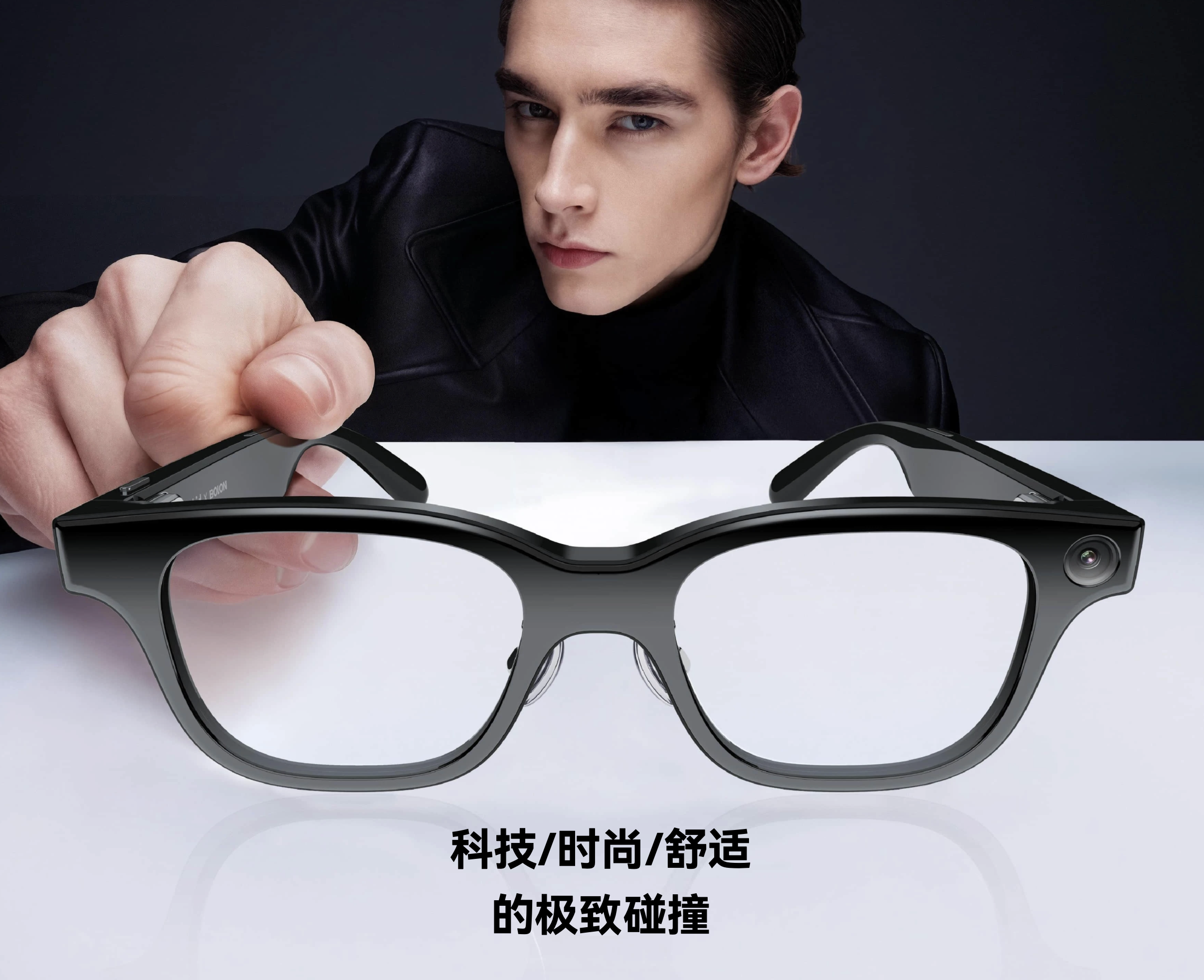
Image Source: Rokid
From an industry vantage point, China's top three independent smart glasses brands—XREAL, Rokid, and Rayneo—have indeed reached a stage where an IPO is viable. XREAL submitted its prospectus at the month's start, while Rayneo is publicly recruiting an Investor Relations Director 'with successful IPO experience.' Coupled with the RMB 1 billion-level financing from China Mobile and China Unicom in early 2026, Leikeji (ID: Leikeji) believes Rayneo's IPO plans are likely 'imminent and ready for launch.'
The question lingers: What makes the smart glasses market in 2026 so pivotal? Why are brands eager to pursue an IPO at this critical juncture?
Why 2026 is the 'Pioneering Year for Smart Glasses IPOs'
From Leikeji's perspective, 2026's designation as the 'pioneering year for smart glasses IPOs' is intricately linked to the current development stage of the smart glasses market and evolving user acceptance.
Since Google Glass's 2014 sale (following its 2012 release), the smart glasses category has undergone over 12 years of evolution. After a decade of market maturation and technological iteration, consumer perceptions of smart glasses have shifted from 'geeky gadgets' to 'mainstream consumer products' by 2026.
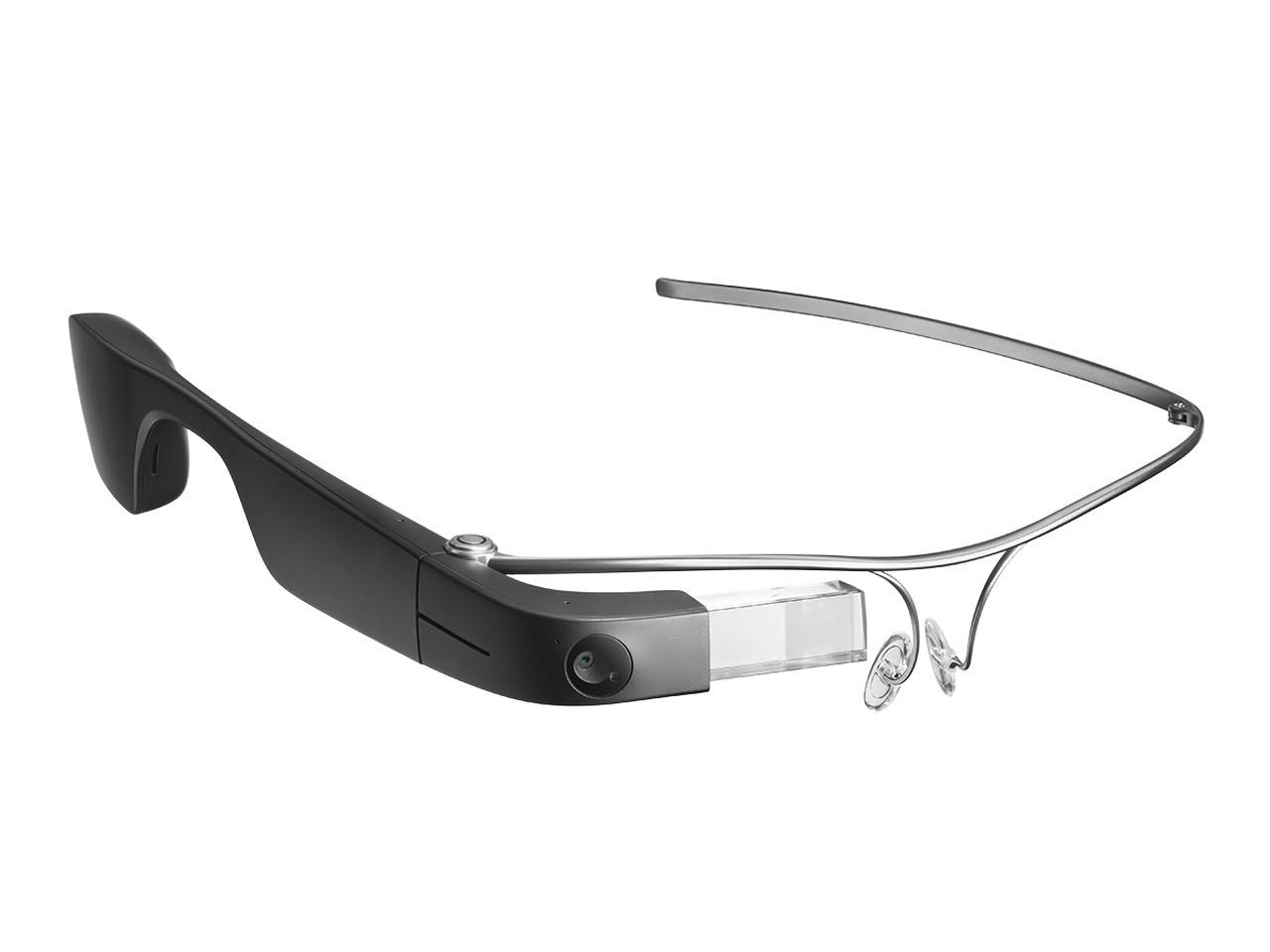
Google Glass once captivated China's tech and digital circles.
Image Source: Google
For instance, when Google Glass debuted in 2012, despite its limited practicality compared to a Xiaomi smart band, Silicon Valley 'went wild' for it. Even in China, tech bloggers eagerly updated their Weibo profile pictures with selfies wearing Google Glass. Back then, practicality was secondary; owning Google Glass conferred 'status' in tech and digital circles. For the average consumer, however, it held no practical value.
In the recently concluded 2025, smart glasses' identity underwent a dramatic transformation. Under the 'onslaught' of star products like the Rayneo V3, Rokid AI Glasses, and Xiaomi AI Glasses, smart glasses quickly gained popularity in China. During a track day event last weekend, Leikeji observed that many car enthusiasts, previously uninterested in tech or digital products, were already using smart glasses to film test drive videos.
It's safe to say that consumers have shed their stereotypical view of smart glasses as a 'rip-off.' The explosion of AGI technology has also provided smart glasses with a new growth impetus. Now, brands must focus on differentiating their products in the smart glasses market and capturing consumer attention.
To stand out, brands must vigorously drive technological innovation in smart glasses while securing as many relevant technology patents as possible—all of which require substantial funding.
Many may not realize that smart glasses are an extremely capital-intensive sector. Ultra-compact optical engines, waveguide lenses, spatial awareness algorithms, high-density batteries, and even 'anti-leakage' technology for smart glasses speakers all entail significant 'upfront costs.'
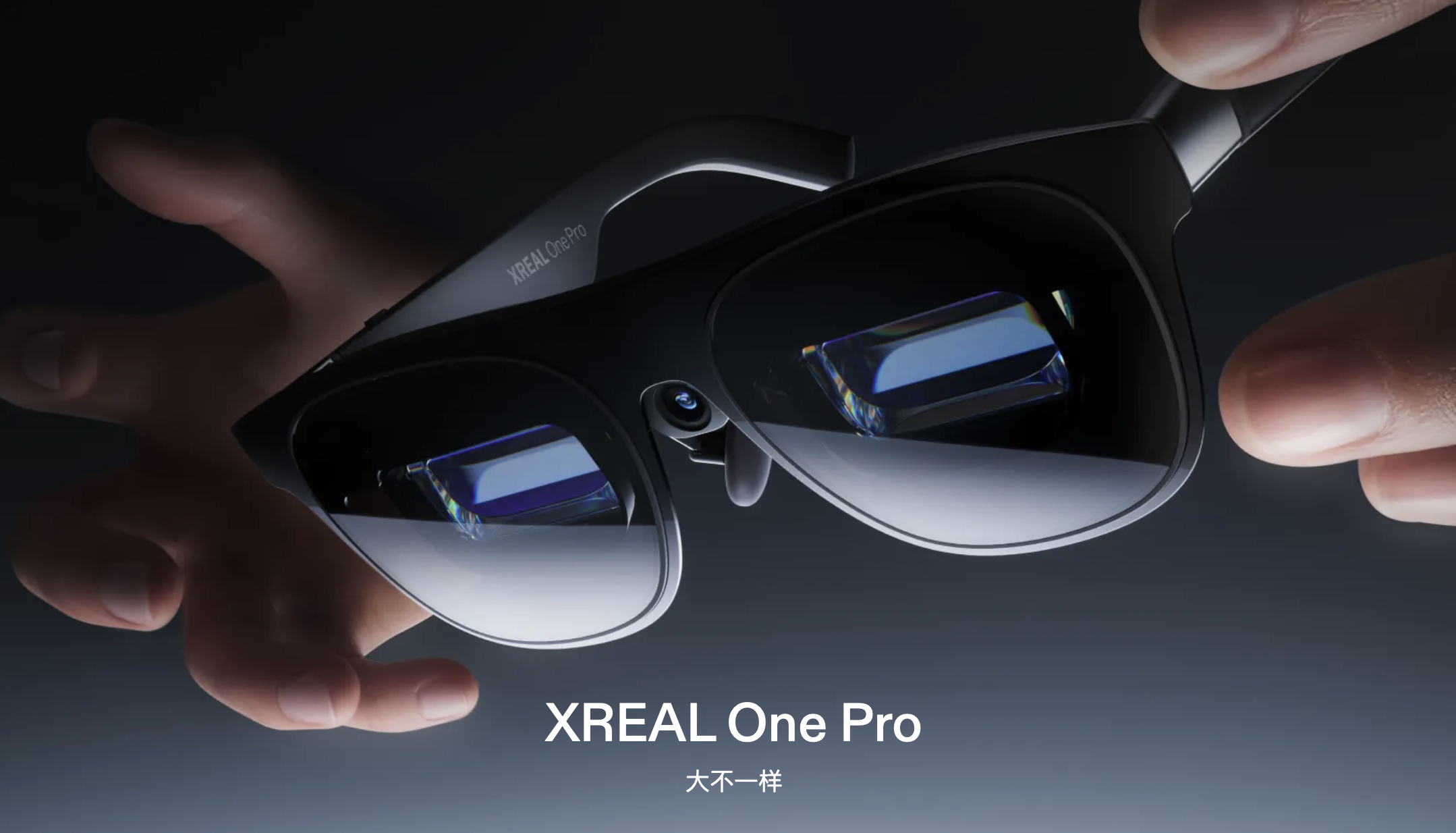
Image Source: XREAL
Take XREAL, the first of the top three independent smart glasses brands to file for an IPO, as an example. According to its prospectus, XREAL's R&D expenditure reached RMB 216 million in 2023, with a gross margin of only 18.8%. By 2025, R&D spending remained high at RMB 183 million, with cumulative losses exceeding RMB 2 billion over three years. The prospectus also noted that XREAL had only RMB 63.63 million in 'cash' on hand by the end of 2025.
Despite tight finances, the need for spending remains high. Based on Qualcomm's product update cycle and current market iteration speeds, Leikeji believes Qualcomm is likely to unveil a new generation of smart glasses chips at its 2026 Snapdragon Summit. This new chip will not only signal the end of the AR1 era but also mark the beginning of a 'second phase' of competition in the smart glasses category. Smart glasses brands must prepare their 'ammunition' in advance to seize the market in 2027.
Among the current leading smart glasses players, Meta and Xiaomi are already large publicly traded conglomerates, with their smart glasses businesses being a mere fraction of their overall operations. Qianwen, while an independent brand, remains part of Alibaba and is unlikely to go public independently in the near term. INMO and Jiehuan are too small to necessitate an IPO, while StarVR is 'fighting for survival' with bigger 'fires' to extinguish.
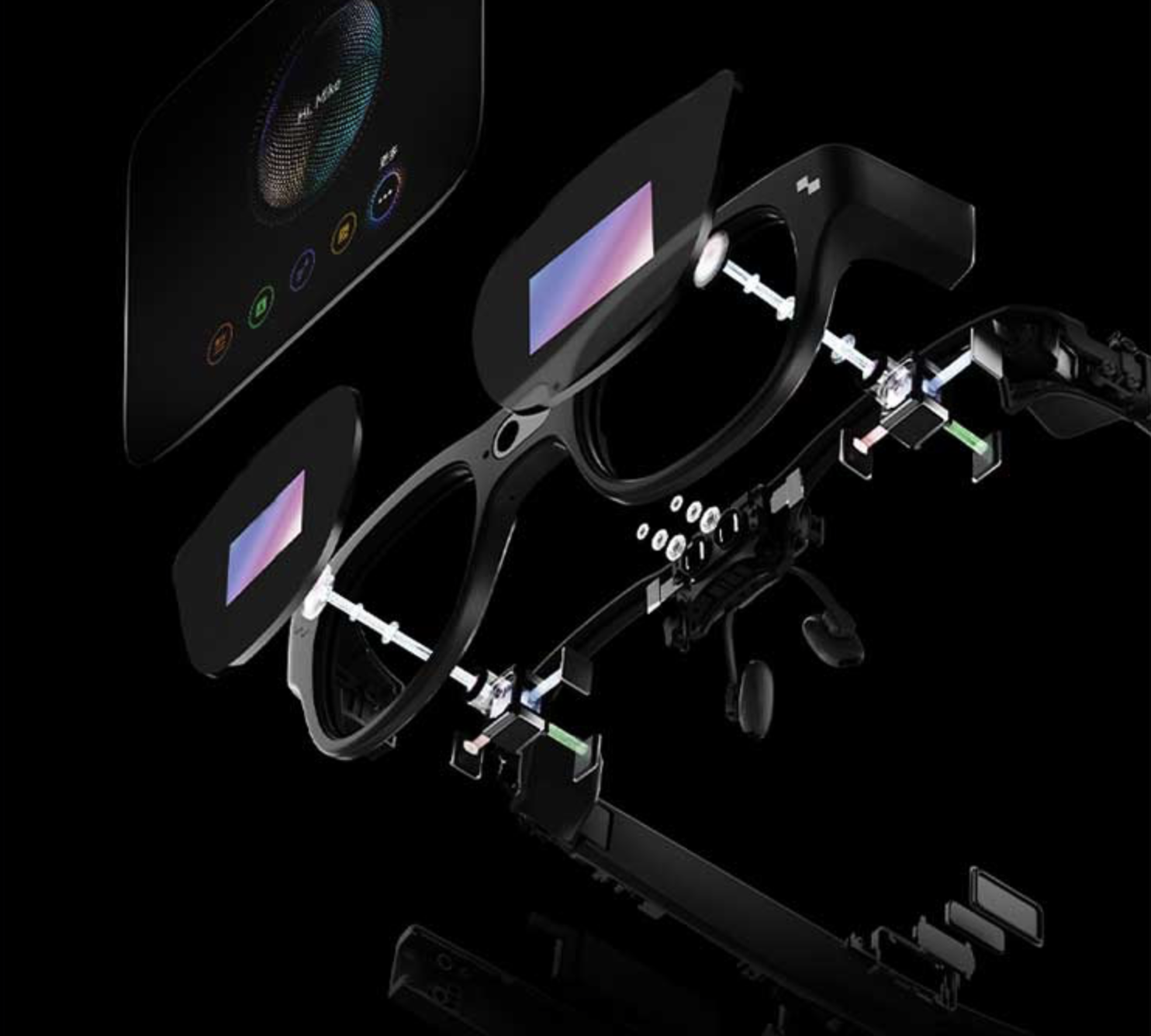
Image Source: Rayneo
Considering Rayneo's dual focus on AR and AI glasses and the associated high R&D costs, Leikeji believes Rayneo is likely to become the 'second smart glasses IPO.'
Big Players Engage in an 'Arms Race,' Small Players Face Early Elimination
From another perspective, the advent of the 'pioneering year for smart glasses IPOs' and brands' preparations for a 'showdown' indicate that competition in the smart glasses market is about to reach a new 'peak.' As this 'championship race' begins, the 'golden days' for cost-effective smart glasses 'newcomers' in the online market will come to an end.
In the domestic market, independent brands like XREAL, Rokid, and Rayneo are continuously iterating their core capabilities. Smartphone brands like Xiaomi and Meizu are leveraging their strengths in AI and ecosystem interconnection to capture market share through the more accessible 'AI photography glasses' segment. Even Huawei has announced plans to release smart glasses at its Pura and full-scenario product launch event on April 20.
In terms of technology and funding, smaller brands cannot compete with leading brands like XREAL, Rokid, and Rayneo. In terms of ecosystem and experience, they are no match for 'new forces' like Xiaomi, Qianwen, and Huawei, which are 'backed by giants' and have their own ecosystems.
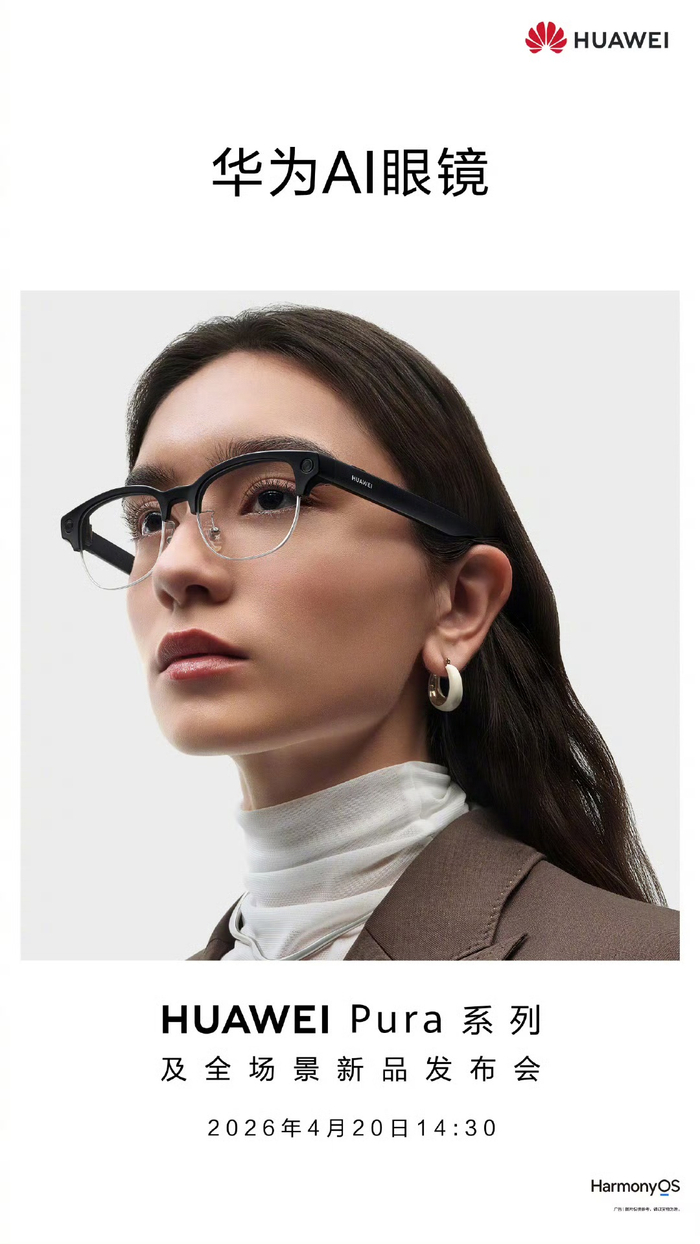
Image Source: Huawei
Generally, when faced with intense domestic competition, Leikeji would advise smart glasses brands to 'explore overseas markets.' However, in the overseas smart glasses market, Meta's dominance is hard to ignore.
Through partnerships with renowned overseas eyewear brands like Ray-Ban and Oakley, Meta has achieved market coverage of the 'full eyewear ecosystem' with a single brand: from everyday sunglasses to sports glasses and prescription glasses for nearsighted users, the 'Meta' ecosystem has it all. Domestic small brands face slim chances of success if they attempt to enter the overseas market.
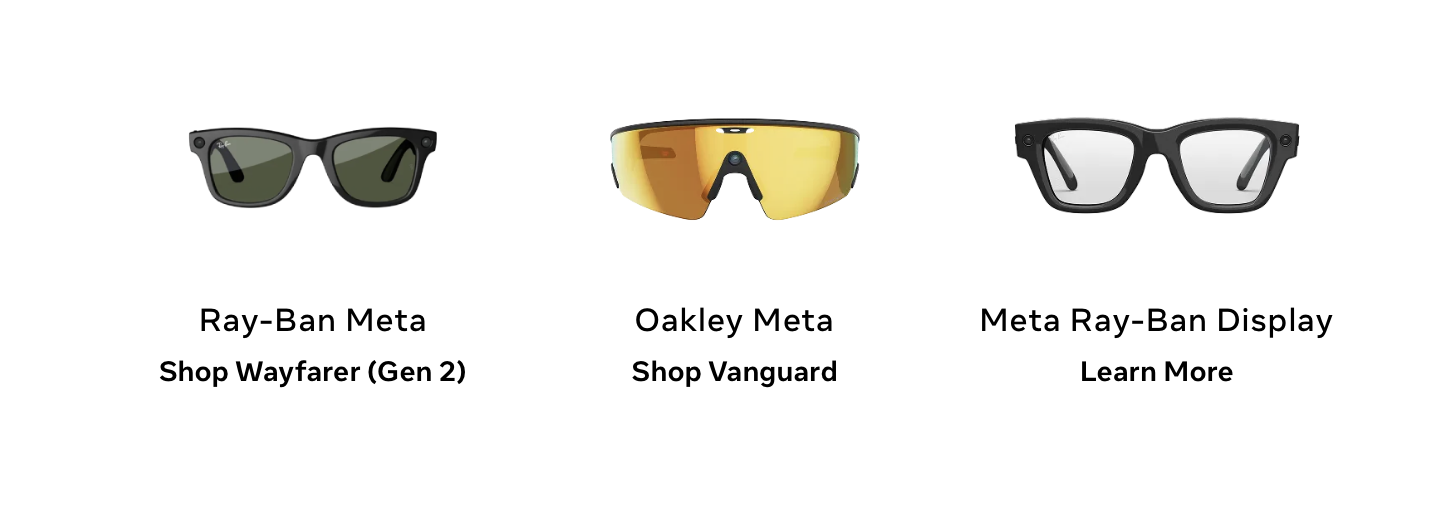
Image Source: Meta
Of course, slim chances do not mean no chances. Limited by the high power consumption of the AR1 architecture, Leikeji believes that battery life will still 'hold back' smart glasses to some extent in 2026. Where there's a pain point, there's a market—addressing the battery life issue, brands like Jiehuan and BleeqUp have launched long-lasting smart glasses products, thriving outside the mainstream market 'arms race.'
The 'Final Exam' for Smart Glasses Awaits in 2027
From Leikeji's perspective, the mainstream development directions for the smart glasses market in 2026 and 2027 will revolve around 'full functionality,' 'AI integration,' and 'ecosystemization.'
At the hardware level, before Qualcomm releases its new mobile platform, significant changes in computing power for smart glasses in 2026 are unlikely. Truly 'revolutionary' new products may not emerge until CES 2027. Therefore, Leikeji believes that upgrades to cameras, imaging quality (including waveguide optical engines and Micro OLED displays), and batteries will be the focus for mainstream smart glasses brands in 2026.
In terms of AI and ecosystems, smart glasses brands will undoubtedly continue to enhance their glasses' multimodal input capabilities: integrating backend internet ecosystems and developing richer usage scenarios based on existing hardware like 'cameras + waveguides + open speakers.' The already mature 'photo-based Scan to Pay (scan code payment)' feature, in Leikeji's view, serves as an excellent example of smart glasses brands developing new functionalities based on backend capabilities.
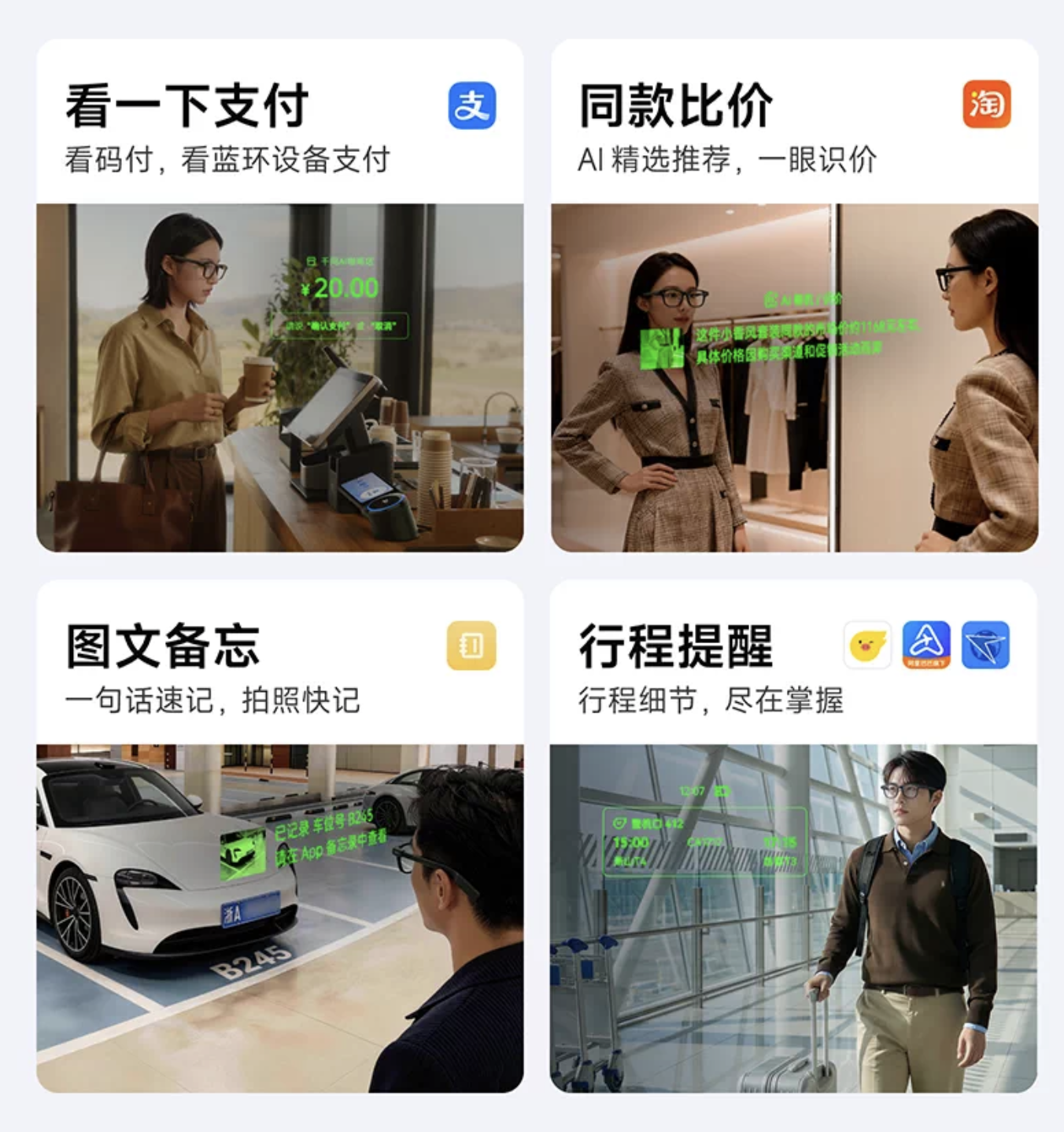
Ultimately, 2026 is dubbed the 'pioneering year for smart glasses IPOs' because smart glasses brands are preparing for a new phase of market competition in 2027. After the consolidation in 2025, all major 'players' in the smart glasses market, except Apple, have entered the fray. According to leaks, Apple is also set to release its smart glasses in 2027.
The 'iPhone Moment' for smart glasses is counting down, and existing brands indeed need to start preparing.
Rokid, XREAL, Smart Glasses, Rayneo
Source: Leikeji
Images in this article are from the 123RF licensed image library.
-
![]()
Breaking News | Core Chip Team Member Unexpectedly Changes Jobs! OpenAI Transforms into Anthropic's Talent Hub, with Over 15 Ex-OpenAI Core Members Now Holding Key Roles at Anthropic
-
![]()
When European Factories Face Idle Capacity, Chinese Brands Offer a ‘Traditional Chinese Remedy’
-
![]()
SEER Robotics Passes IPO Hearing: How Valuable Is the 'First Robot Brain Stock?'
-
![]()
5 Years, 170 Billion Yuan Wealth Vanishes: Where Did Wei Jianjun Go Wrong?
-
![]()
What Exactly Has Changed with the AI That Automatically Opens a Browser to Search Xiaohongshu?
-
![]()
Over 3,000 Heat-Related Deaths Daily, Yet India Imposes Ban on Chinese Air Conditioner Imports: Unraveling the Underlying Motives
-
![]()
Second-Hand Car Prices Plummet: Are Gasoline Vehicles on the Verge of Collapse?
-
![]()
800V vs. 48V: Which Reigns Supreme? Online Clash Between Executives Intensifies Debate Over Li Auto and NIO's Suspension Systems | MIRROR Pro