With Cook's Retirement, Apple Reverts to the 'Product Manager' Era! Ternus Brings More Than Just AI Expertise
 04/22 2026
 641
641
The reins are being passed from Cook back into the hands of a 'product person'.
On April 21, Beijing time, Apple officially announced that John Ternus will succeed Tim Cook as CEO this September.
The event itself lacks high drama. Apple revealed the timeline months in advance, complete with a clear succession plan. Cook will transition to the role of Executive Chairman, remaining involved in company affairs. The entire process, as with all critical matters at Apple, has been handled with characteristic steadiness.
But the truly intriguing question is: What kind of leader is Apple entrusting its future to?
Ternus is neither an external reformer nor the type of professional manager well-known to capital markets. He is Apple's most senior hardware leader who rose through the ranks internally. For over two decades, he has been at the forefront of product development, working on everything from early displays to Macs, iPhones, iPads, Apple Watches, and AirPods—spanning nearly the entire Apple hardware ecosystem.
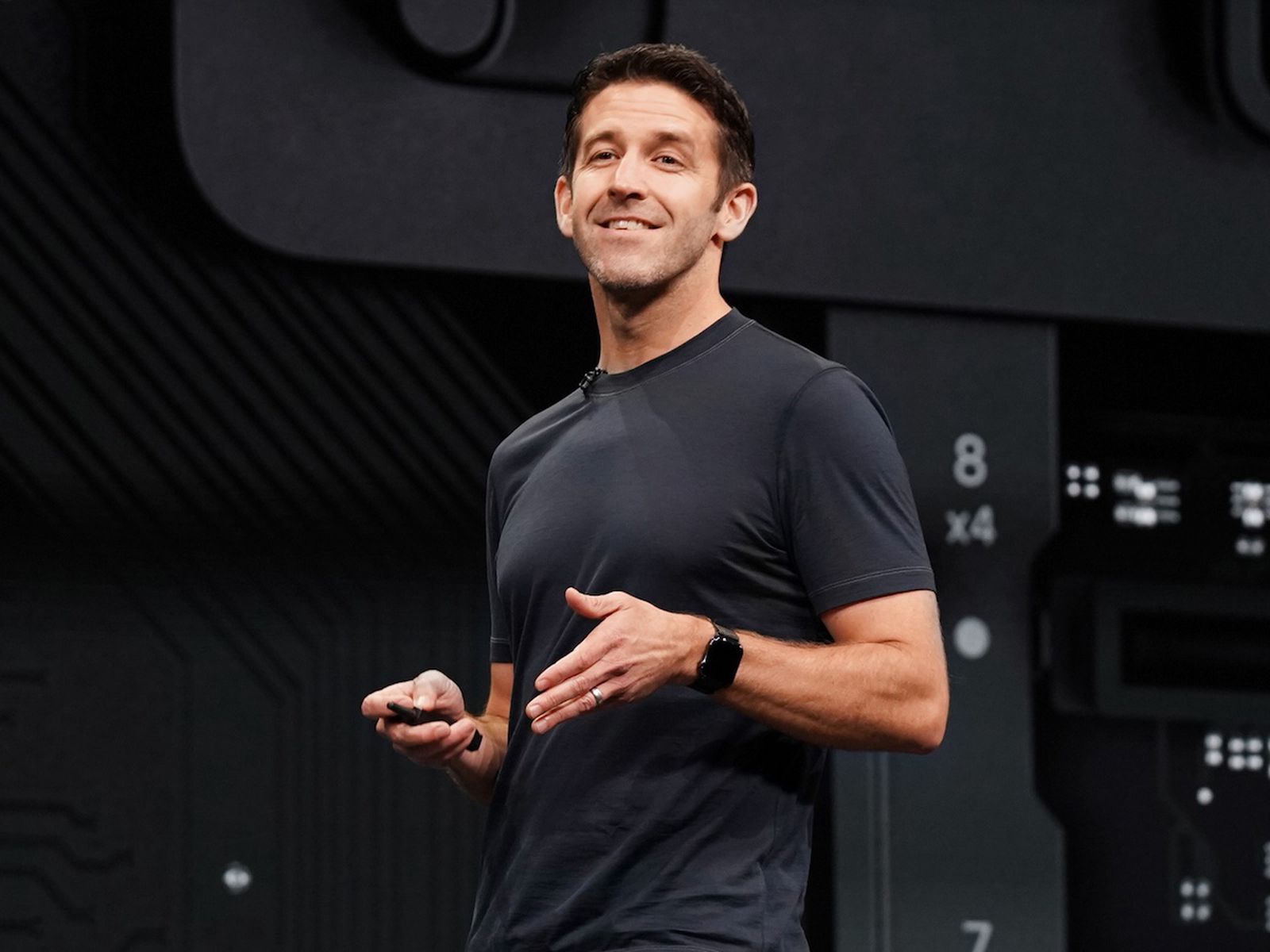
John Ternus, Image Source: Apple
This choice raises a more specific question: In an era where AI is rewriting all the rules, what does it signify for Apple to entrust its leadership to a 'product person'?
Or, can Ternus revive the Apple that fans remember?
Despite Cook's fifteen-year tenure (2011-2026), during which Apple's market value soared from over $300 billion to $4 trillion and its products continued to sell well globally, his legacy as the 'Supply Chain Master' and 'Business Master' is undeniable. However, the intangible assets left over from the Jobs era also made Apple's product iterations under Cook seem somewhat conservative and uninspiring.
Succeeding Cook: A Different Kind of Product Leader
Before discussing Apple's new era, we need to revisit Apple under Jobs and Cook.
For Jobs, the product was not the result but the starting point. The team first asked, 'What should the product be?' Starting from the user experience, they worked backward to determine the technology, supply chain, and implementation path, demanding that the entire system cooperate accordingly. Thus, during the Jobs era, the product design team was the absolute core of Apple. The new leader, Ternus, joined Apple's design team in 2001.
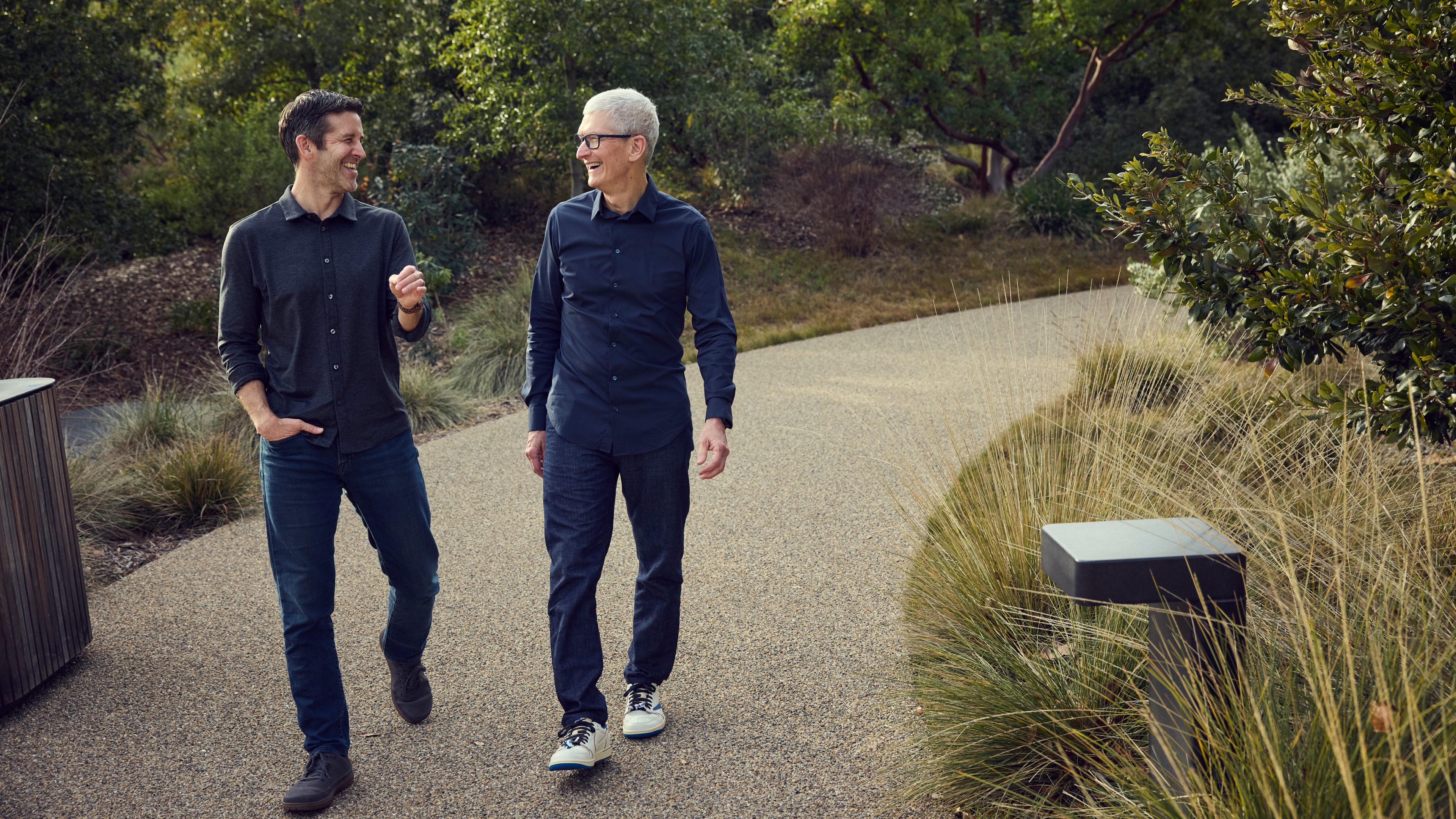
Ternus and Cook, Image Source: Apple
Things changed with Cook. In public speeches and interviews, Cook has repeatedly stated that Jobs' product philosophy and values will endure at Apple for many years. However, this does not mean Apple needs a successor with a highly similar personality and style. In fact, Cook admits that his strength lies not in 'genius-level product intuition' but in operations and coordination.
Over the past fifteen years, we have seen Apple maintain a stable product rhythm, supported by an extremely efficient supply chain, a fully connected global market, and sustained growth in services. These factors have made Apple one of the most successful commercial companies in history. On the flip side, many believe Apple's products have lost their soul. The core design team was split in two, and while the successes of the Apple Watch and AirPods cannot be overlooked, they cannot overshadow the failure of the new personal computing device, the 'Apple Vision Pro.'
Next up is the era of Ternus-led Apple products.
One easily overlooked point is that Ternus is not just Apple's highest-ranking hardware leader; he has also been at the core of most of Apple's key product milestones. Over the 20 years since joining Apple and becoming its top hardware executive, he has led or participated in the development of some of Apple's most important hardware products, including leading the critical transition of Mac from Intel to Apple Silicon.
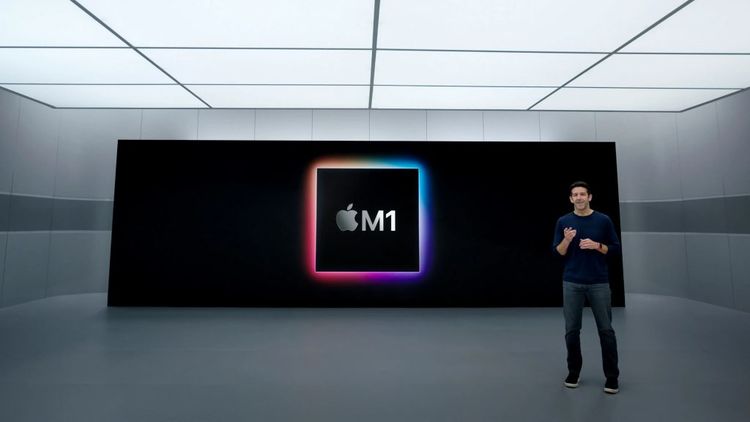
Image Source: Apple
Cook is not Jobs, and of course, Ternus is not Jobs either.
Interestingly, in interviews, he emphasizes that the transition truly changed not just the chip architecture but also the Mac's user experience—lighter, quieter, and more power-efficient, changes that users can perceive every day. In a recent interview with Tom's Guide, Ternus stated:
'We never consider simply launching a technology; we always think about how to use technology to create outstanding products.'
Meanwhile, Ternus has already been involved in Apple products from multiple dimensions. According to Bloomberg, as Senior Vice President of Hardware Engineering, Ternus not only oversees Apple's product hardware but was also appointed to lead Apple's product design team. After personally launching the iPhone Air, he launched the MacBook Neo this year.
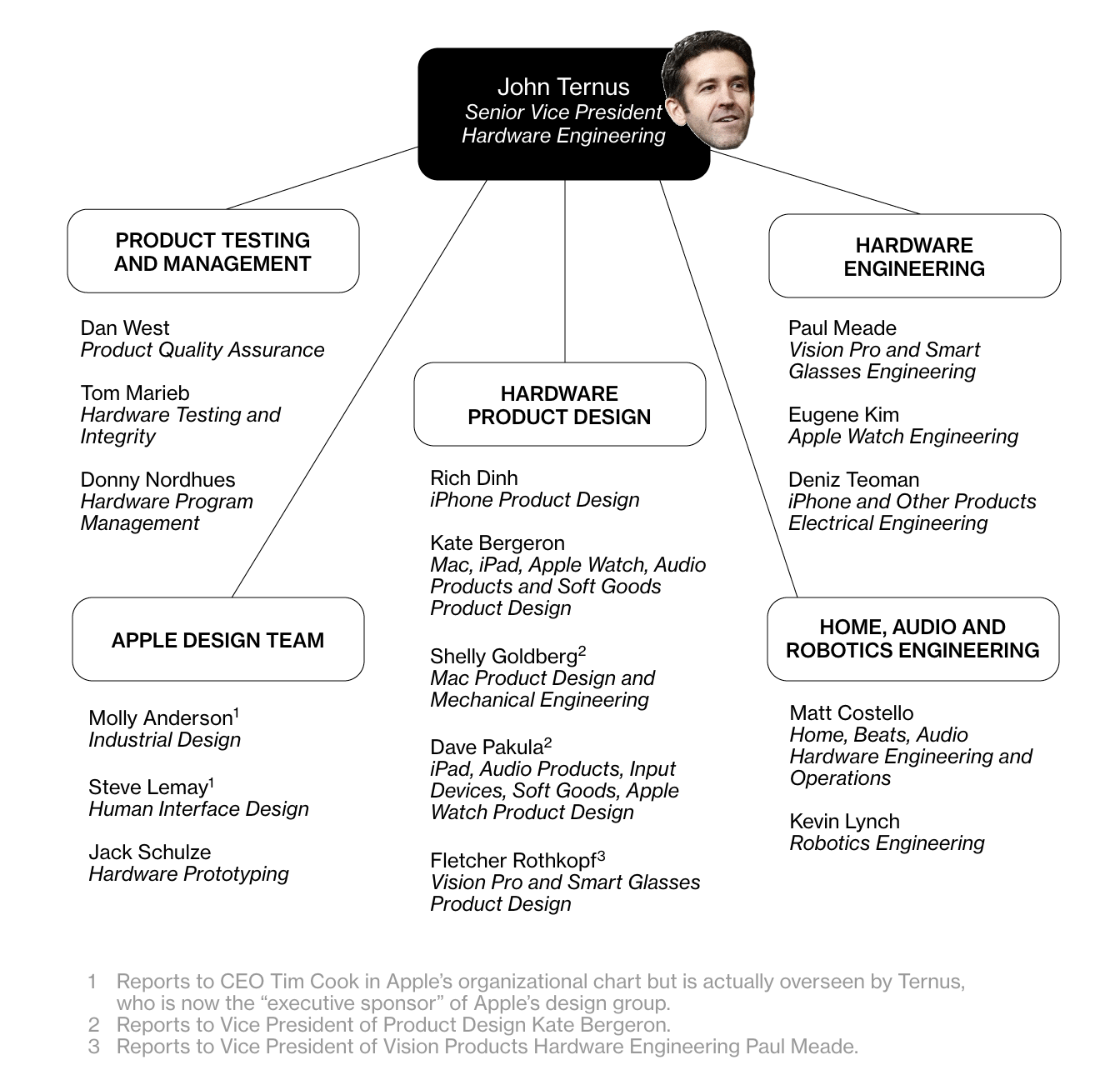
Image Source: X
In an interview for Apple's 50th anniversary, he proactively brought up Jobs' quote, 'The Mac is a bicycle for the mind,' emphasizing that Apple's original vision was to make personal computing accessible to as many people as possible, and the mission of the MacBook Neo aligns with this.
However, turning technology into an experience is difficult, but it is more of an execution capability. Deciding 'what the next generation of products should be' is another kind of ability. In recent years, what Apple has lacked is not the former but the latter.
When Tom's Guide did a special feature for Apple's 50th anniversary, Greg Joswiak, Apple's Senior Vice President of Worldwide Marketing, recalled the first critical meeting after Jobs' return in 1997. Jobs said not to start with the product roadmap but to first discuss 'where to go,' because without a clear direction, the roadmap was meaningless.
Joswiak said this moment put the product back at the center of everything at Apple. Where should Apple go in the AI era? This is the key question left for Ternus in the future.
Can Apple Make a Comeback Despite Lagging in AI?
AI is an unavoidable backdrop of the times. This wave of large language models has first transformed software and services but quickly began to permeate into endpoints and interaction layers. Almost everyone, from large model companies like OpenAI and Google to endpoint manufacturers like OPPO and Xiaomi, is actively exploring new AI interaction forms and entry points.
In contrast, Apple finds itself in an awkward position.
Apple is not unaware of the direction of AI, but strategic hesitation and declining team execution have left Siri even unable to complete a generative AI overhaul. AI capabilities at the system level have also been relatively restrained. The belated Apple Intelligence has not generated much excitement among users and has even become something of a 'deduction item' for Apple. Out of necessity, Apple even reached a cooperation agreement with its 'old rival' Google this year, using Gemini to help revamp Siri and subsequent AI functions.
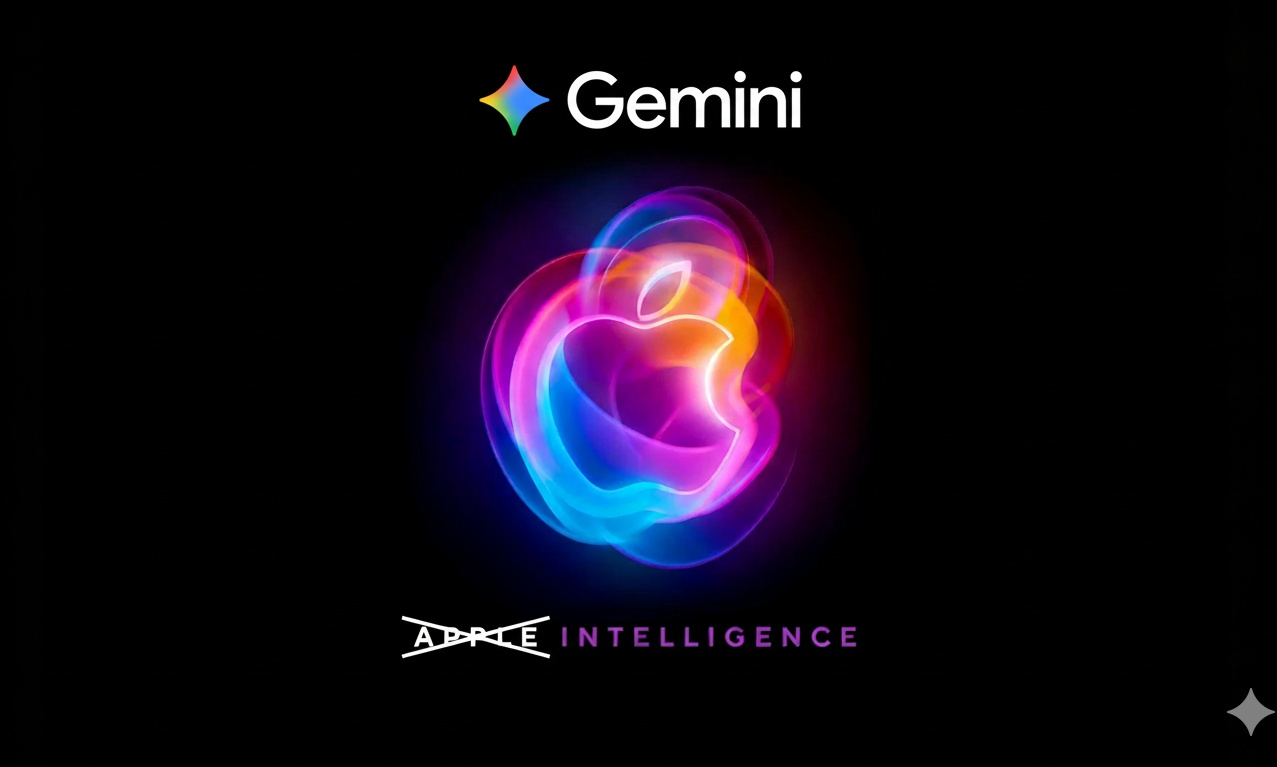
Image Source: Leikeji @ Gemini
AI is likely to bring about interaction changes that 'only happen once in a generation,' even shaking the iPhone's position as the center of personal life. This is a 'product problem' that Cook could not solve and one that Ternus will face when he takes over.
In a recent interview with ABC News, Ternus mentioned that Apple has always focused on 'delivering experience.' The ideal state of AI is to make things feel easier and more seamless for users, to the point where they may not even consciously realize AI is behind it.
On the bright side, Ternus is unlikely to hastily cram an immature technology into a product just to chase trends, nor will he turn industry jargon like 'model parameters' or 'agents' directly into product language. Apple's most familiar mode of expression has always been experience, stability, and usability, making AI serve the product. Ternus has not deviated from Apple's tradition on this point, even more so than many outside observers imagine:
Technology is a means; the product is the end goal.
The difference is that Ternus comes from a hardware background and has long been involved in whole machine development, chip integration, and experience delivery at the product front lines. Apple's advantage lies in its simultaneous control over chips, systems, and endpoints. Apple Silicon makes on-device computing power possible, iOS and macOS provide complete system control, and the iPhone and Mac are the most direct user entry points. Theoretically, this is a product system highly suited for AI.
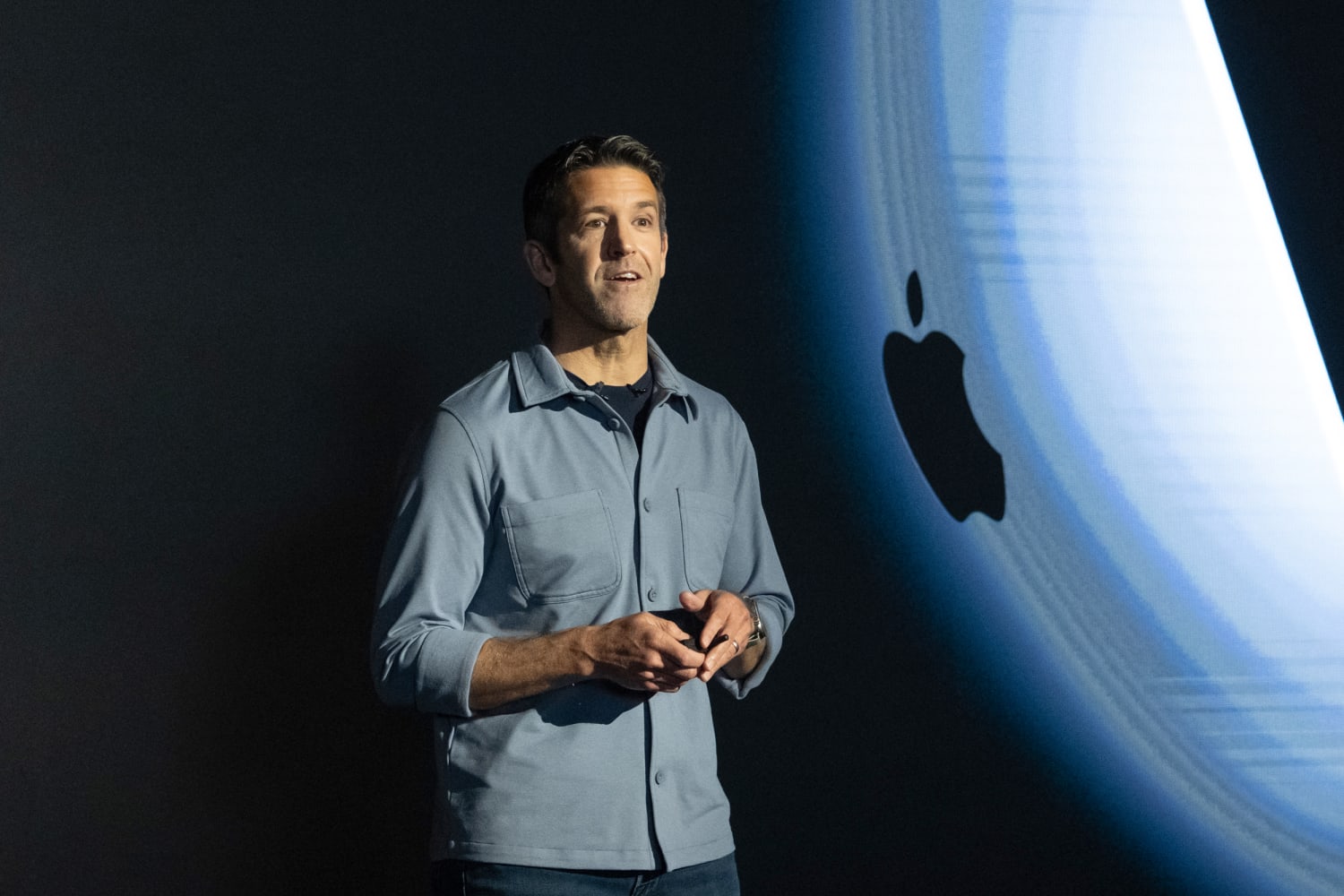
Image Source: Apple
Ternus' strengths are clear. He knows how to make products, refine underlying technologies into experiences, maintain Apple's consistent level of polish, and prevent AI from becoming a gimmick. These qualities could enable Apple to create something more 'Apple-like' than its competitors once AI products truly mature.
But a comeback is not just about refining things. It means Apple must reanswer the question: In the AI era, why should users still open an iPhone first, enter Apple's system first, or consider Apple the center of a new personal computing ecosystem?
This is a question Cook could not answer, and it now falls to Ternus.
What Should We Expect Most from Apple Next?
New product categories are an answer many would think of. But does Apple still have the ability to define a new category?
Historically, every major leap for Apple has not been about simply launching a new device but about changing how something is used. The iPod transformed music consumption, the iPhone transformed smartphones, the iPad transformed part of personal computing, and the Apple Watch and AirPods redefined wearables.
In recent years, this ability has become less apparent. Apple continues to launch new products, but the sense of 'a new direction being opened up' is rare. The Vision Pro was an attempt, but it still has a long way to go before becoming a mainstream device.
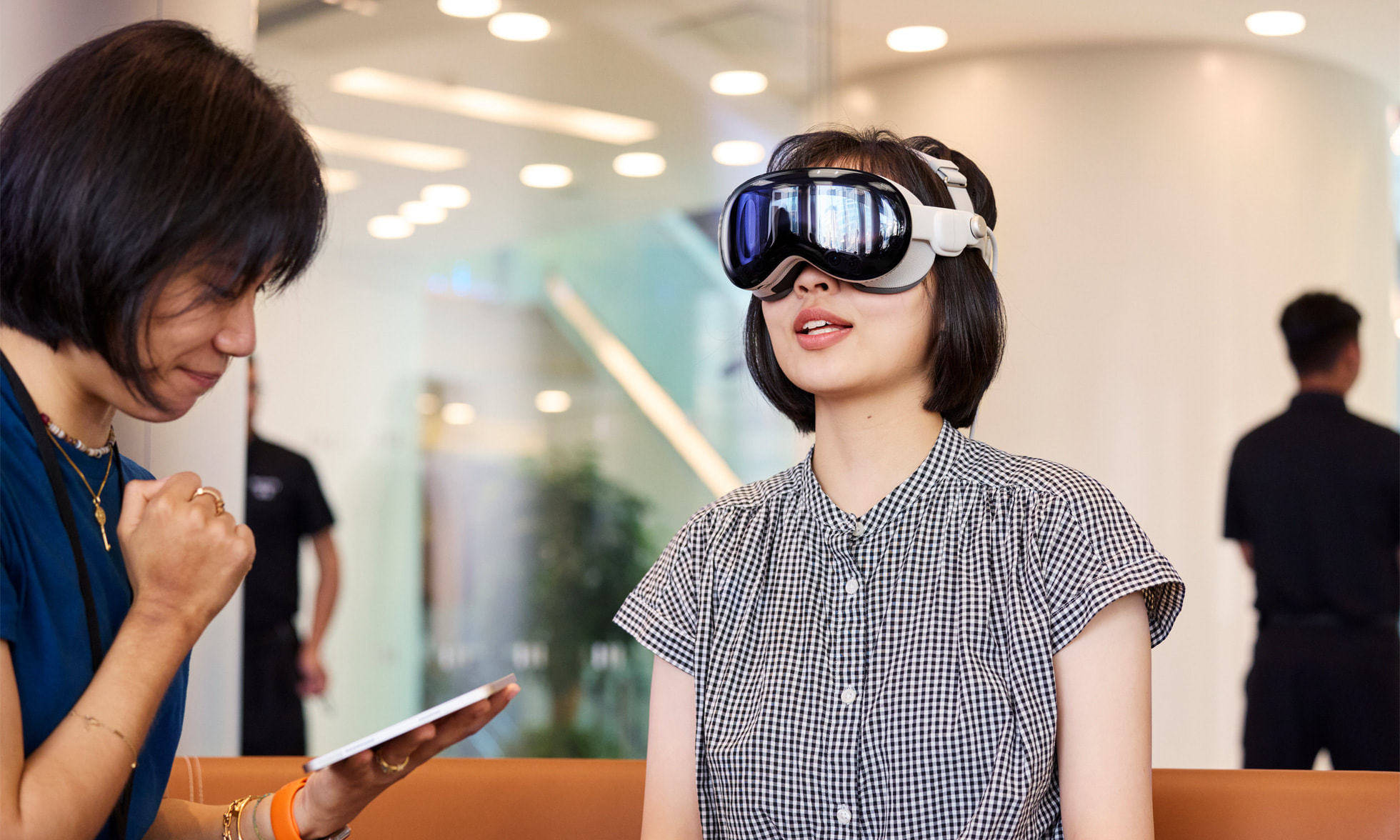
Image Source: Apple
The Apple of the Ternus era may not lack engineering capabilities. The problem is that Apple now needs more than just to make its products better; it needs to reanswer 'what products can be.'
Looking back, almost every time Apple established an advantage, it was by redefining a category of device. Before the iPod, MP3 players already existed; before the iPhone, smartphones were not new; the iPad was not the first tablet. But what these products had in common was that they made a category of device 'viable' for the first time.
As a typical 'product person,' Ternus tends to focus on solid execution, refining experiences, and turning technology into perceptible changes for users. This ability will keep Apple ahead with its existing products and give it a better chance of slowly integrating new capabilities like AI into its ecosystem. But what truly determines Apple's future is more than that.
More critically, will he push Apple to pursue things without fully determined answers? For example, the next generation of personal computing devices beyond smartphones? Glasses, spatial computing extensions, AI-driven new endpoints? Or will he once again choose a form factor that is not yet mature but could change the direction?
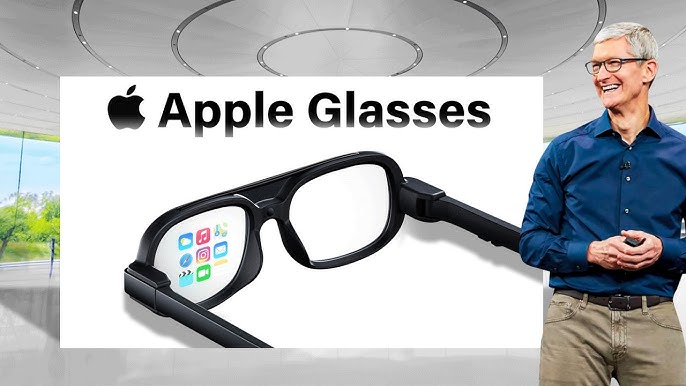
Fan-made image, Source: YouTube
The technical conditions for these directions are mostly already in place. What is truly lacking is choice. At the 1997 meeting where Jobs returned to Apple, 'where to go' was the most important question.
Today, Apple once again finds itself in a similar position. The technological explosion and paradigm revolution of AI large models have brought too much uncertainty and possibility. The Apple that Ternus inherits no longer needs to prove it can make money but still needs to reprove it can define the products of the future.
Ternus' entire career shows he excels at doing things right, refining complex systems to perfection, and turning technology into experience. But what he faces next is something else: whether he is willing and able to do the things that are uncertain but must be done by someone first.
That is what truly makes this CEO transition worth anticipating.
Apple, Cook, Ternus, Jobs
Source: Leikeji
All images in this article come from the 123RF licensed image library
-
![]()
Xiaomi Auto Reports a Substantial Q1 Loss of 3.1 Billion Yuan, Yet Lei Jun Remains Unperturbed
-
![]()
"3D Vision Pioneer" Grapples with Internal Strife: $120 Million in Share Reductions Offset by $147 Million Private Placement
-
![]()
The domestic auto sales have declined so much that dealers who can't hold on have started closing stores en masse
-
![]()
Five Brands Team Up with Huawei: Will Dongfeng Still Pursue Independent R&D?
-
![]()
The Large Six-Seater SUV Market: Overhyped and Overrated
-
![]()
The Smart Driving Blue Light: Urgent Need for Rectification
-
![]()
Would OpenAI Be Fascinated by Anthropic’s Concepts?
-
![]()
Tencent: Few Great Queries, Yet Possessing the Ultimate One