Pinduoduo, Meituan, and Other Platforms Hit with a 3.6 Billion Yuan Fine! Home Appliance E-commerce Sites in a Panic
 04/22 2026
 532
532
Source | Jiadpai (jiadpai)
Author | Xiaoxiao
The e-commerce sector has recently been thrown into disarray.
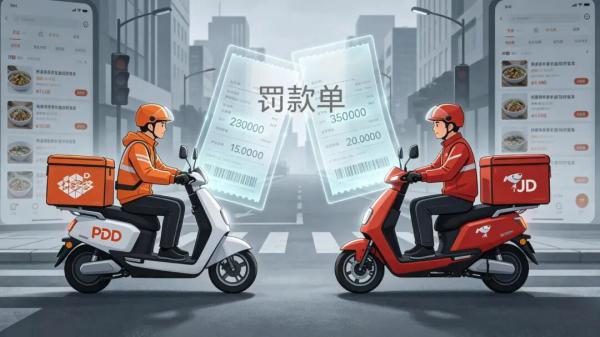
On April 17th, the State Administration for Market Regulation dealt a significant blow, imposing fines totaling nearly 3.6 billion yuan on seven e-commerce platforms, including Pinduoduo and Meituan. This action was taken due to their lax review processes for licenses of online food operators and their failure to fulfill legal obligations regarding qualification reviews.
What does 3.6 billion yuan signify? It's sufficient to cover the revenue of a small home appliance brand for three full years.
The news was met with applause from many quarters. However, as an editor with six years of experience in the home appliance industry, my initial reaction was not to join the excitement but to ponder another issue: the chaos within home appliance e-commerce platforms is even more severe than that in the food sector. When will they face similar repercussions? Rest assured, we're not discussing food today; let's focus on home appliances.
If you search for "water heater," "gas stove," or "air conditioner" on any mainstream e-commerce platform, how many of the merchants that appear have the proper authorization and installation qualifications? You're left in the dark. Many consumers are lured by low prices and place orders, but what follows? The installer lacks an electrician's certificate, gas pipes are incorrectly connected, leading to electrical or gas leaks. When problems arise, who do you turn to? The platform claims, "We merely provide information," while the merchant says, "We've already removed the listing," leaving consumers bounced back and forth like a ball.
This is no exaggeration. I have at least three real-life cases where consumers nearly lost their lives due to the platform's lax qualification review.
Some argue that this fine is specifically targeted at the food sector and has no bearing on home appliances. However, the connection is significant.

The management logic employed by platforms is consistent across sectors.
For food, you need to verify the business license. For home appliances, especially those requiring installation, you must check brand authorization letters, installation and maintenance qualifications, after-sales service capabilities, product 3C certification, energy efficiency labels... Guess how many platforms have conducted thorough checks? I'll tell you—almost none.
Many platforms' review process for home appliance merchants is merely uploading a business license and giving it a cursory glance. No one verifies whether the license belongs to the brand owner, an authorized dealer, or a reseller operating out of a rented room in an urban village.

After-sales issues with home appliances are more insidious and dangerous than those with food.
If there's a problem with food, you'll know immediately after consuming it and falling ill. But with home appliances? A faulty gas water heater might slowly leak carbon monoxide in an unseen location; an air conditioner without proper leakage protection might suddenly become electrified during a thunderstorm. By the time you notice, it's often too late.
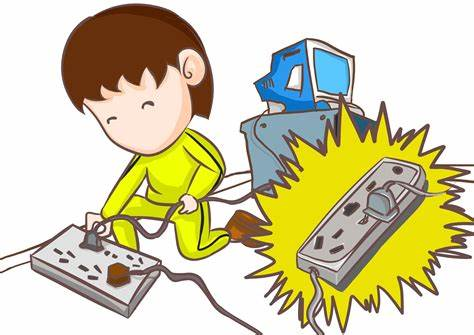
Not to mention the "fake" repair teams. When your refrigerator breaks down and you search for "official after-sales" on the platform, the person who arrives might be a casual worker in street clothes without a work badge, quoting prices arbitrarily. They charge you 800 yuan to replace a capacitor, and it breaks down again the next day. When you contact the platform, they claim, "We're just information matchmakers," and when you try to reach the merchant, the phone number is already disconnected.
This tactic is no different from those unscrupulous food shops on Pinduoduo that sell products without any "three certificates."

The home appliance giants didn't always operate this way.
As an editor in the home appliance industry for six years, I've written countless stories about industry leaders like Zhang Ruimin, He Xiangjian, Dong Mingzhu, Zhang Jindong, Liu Qiangdong (who founded JD.com's home appliance business), Fang Hongbo... I've read their stories over and over again.
Consider this: Why did Zhang Ruimin personally smash 76 defective refrigerators in the past? Because he understood that home appliances are not fast-moving consumer goods; a refrigerator is meant to last a decade. If the quality isn't up to par, the brand's reputation is ruined.
Why did Liu Qiangdong insist that JD.com's self-operated home appliance business must build its own logistics and manage after-sales? Because he knew that selling home appliances isn't like selling socks; the sale is just the beginning. Installation, repair, and returns are the real tests.
Why did Zhang Jindong dare to compete head-to-head with Gome offline? Because he knew that when consumers buy major home appliances, they don't trust sweet talk; they trust storefronts, qualifications, and tangible service commitments.
Now, observe how some of today's platforms treat home appliances like commodities, engaging in fierce price wars while neglecting merchant qualifications and shifting blame for after-sales issues. This isn't progress; it's regression.
So, the question remains: Will the chaos in home appliance e-commerce platforms also face heavy fines?
My judgment is: Absolutely, it's only a matter of time.
This 3.6 billion yuan fine sends a very clear message: the State Administration for Market Regulation's tolerance for e-commerce platforms' "negligence in qualification review" has reached zero. Food is just the starting point; next will be pharmaceuticals, cosmetics, infant products, and high-risk categories within home appliances (gas appliances, electric heating equipment, air conditioner installation, etc.).
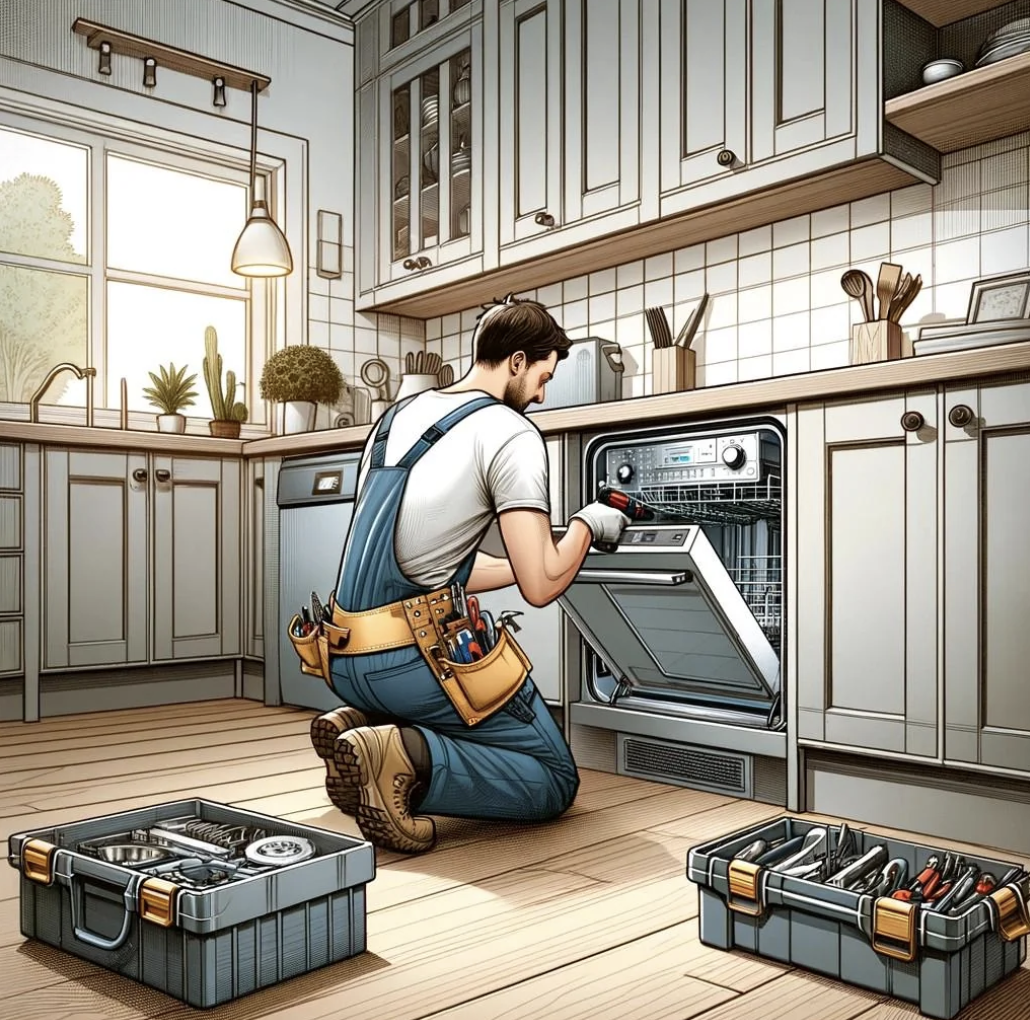
Moreover, home appliances have a unique aspect: they involve the "installation" process. Whether the installer has qualifications, insurance, and training directly determines the consumer's safety. If a platform doesn't even bother to verify whether a seller is authorized, it's even less likely to care about whether the installer has a certificate. If something goes wrong at this stage, the platform's liability is even greater than that of food platforms.
To put it bluntly, bad food causes acute harm, but improperly installed home appliances can be a silent killer.

Some practical advice for home appliance consumers:
First, when purchasing installation-required home appliances (water heaters, gas stoves, air conditioners, range hoods, etc.), try to choose brand official flagship stores, JD.com self-operated stores, or Tmall official flagship stores. I'm not endorsing these platforms, but their qualification reviews are relatively strict, and you'll have someone to turn to if problems arise.
Second, after receiving the product, keep the purchase records, invoices, and photos of the installer's work badge. If the installer cannot provide proper qualification proof, refuse the installation and contact the brand immediately.
Third, if you encounter after-sales disputes, don't just complain within the platform. Go to the 12315 platform, Black Cat Complaints, or expose the issue on Weibo. With increased regulatory efforts, every complaint you make could be the catalyst for the next crackdown.
The 3.6 billion yuan fine has already been imposed. Managers of home appliance e-commerce platforms, can you still sleep soundly?
When Zhang Ruimin smashed those refrigerators 30 years ago, he was smashing poor quality and establishing industry standards. Today, platforms hold not hammers but the trust of millions of consumers. If you can't even handle the most basic qualification reviews, you'll be the next ones to face the heavy hammer.
-
![]()
"3D Vision Pioneer" Grapples with Internal Strife: $120 Million in Share Reductions Offset by $147 Million Private Placement
-
![]()
The domestic auto sales have declined so much that dealers who can't hold on have started closing stores en masse
-
![]()
Five Brands Team Up with Huawei: Will Dongfeng Still Pursue Independent R&D?
-
![]()
The Large Six-Seater SUV Market: Overhyped and Overrated
-
![]()
The Smart Driving Blue Light: Urgent Need for Rectification
-
![]()
Would OpenAI Be Fascinated by Anthropic’s Concepts?
-
![]()
Tencent: Few Great Queries, Yet Possessing the Ultimate One
-
Does DingTalk Need Revolutionaries or Reformers?