The Early Riser Who Has Led Apple for Years Is Finally Stepping Down
 05/18 2026
 511
511
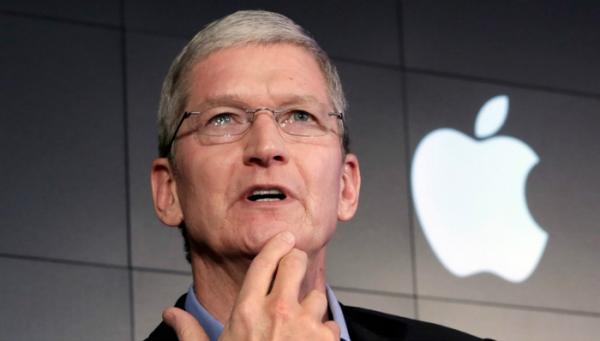
Source | Jiadpai (Home Appliance Pai)
Author | Xiaoxiao
At 3:45 AM, while most of the world is still fast asleep, a 65-year-old man in Silicon Valley rises from his bed in the pre-dawn darkness. He spends an hour diligently responding to emails and then arrives at the gym punctually at 5 AM. This has been his unwavering routine for precisely 15 years—no more, no less—a period that coincides with his tenure at the helm of Apple. In a few months, this man will bid farewell to his leadership role.
Tim Cook, Apple's current CEO, is set to officially step down on September 1, 2026. He will be handing over the reins of this $4 trillion commercial empire to John Ternus, the head of hardware engineering.
The world is abuzz with questions: What will Apple look like without Cook? But perhaps a more intriguing question is: What will Cook's post-Apple life hold?

The Man "Hired" by Jobs in "5 Minutes"
Let's rewind to 1998. That year, Cook, then 37, was thriving at Compaq. The company was the world's largest PC manufacturer, and Cook, already a vice president, seemed destined for a bright future. Meanwhile, Apple was teetering on the brink of bankruptcy, with rumors even swirling about its potential sale. Jobs, through a headhunter, reached out to Cook. Their meeting lasted less than five minutes. In those fleeting moments, Cook made the most pivotal decision of his life: to join Apple.
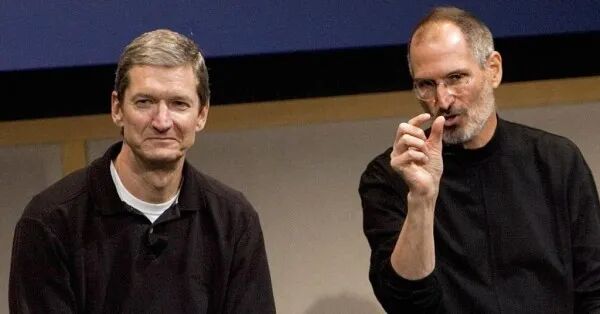
Colleagues thought he was mad. Compaq's generous pay, industry status—nothing compared unfavorably to Apple's then-precarious position. But Cook saw something that others didn't. The rest, as they say, is history. A year later, Compaq's performance began to deteriorate, and it was eventually acquired by HP in 2002. Apple, under the combined leadership of Jobs and Cook, embarked on one of the most legendary comebacks in business history.
Later, Cook would reflect on this decision in a speech at his alma mater, stating, “It was the wisest decision of my life.”

"Inventory Is the Devil"
When Cook first joined Apple, the company's biggest challenge wasn't the lack of cool products—it was the chaotic supply chain. Inventory periods stretched to 30 days, with unsold Macs piling up like mountains, directly costing the company $400 million. Cook's mantra was simple yet profound: “Inventory is the devil.”
He dedicated seven months to compressing the 30-day inventory period to just six days. How did he achieve this? He shut down Apple's warehouses worldwide, forcing suppliers to keep components themselves, with Apple only taking delivery when needed. Sounds straightforward? In practice, it required a "surgical" restructuring of the entire supply chain. Cook invested in the most advanced enterprise resource planning systems, integrating Apple's systems with those of suppliers, assembly plants, and retailers, creating full transparency from raw materials to customer orders.
This approach became a textbook case for the tech industry. Cook didn't just save Apple's profits—he redefined the industry standard for "just-in-time production."

"Don't Ask What Jobs Would Do"
In 2011, Jobs fell seriously ill. That weekend, he called Cook to his home, expressing concerns about Apple's future and wanting Cook to take over as CEO. Cook was stunned—he thought Jobs was doing well. But Jobs was resolute.
About six weeks later, Jobs passed away. Before his departure, he left Cook with a piece of advice that Cook would cherish for 15 years: “Never ask, ‘What would Jobs do?’ Do what you think is right.” This may be Jobs' most valuable legacy to Cook.
Doubts began to surface. Could a "supply chain operations guy" succeed the genius who changed the world? Tech blogs even listed “10 ways Cook could ruin Apple.” Cook didn't bother to refute these claims—instead, he quietly grew Apple's market cap from approximately $350 billion to $4 trillion, a more than tenfold increase.
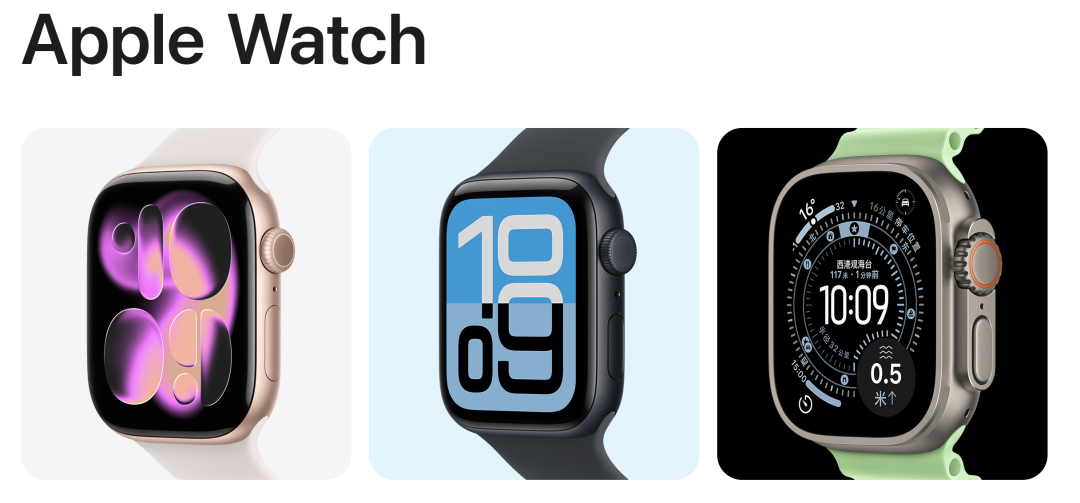
He launched the Apple Watch and AirPods—products that might not have existed under Jobs' leadership—now generating over $50 billion in annual sales combined. He transformed services (iCloud, Apple Music, App Store) into a profit engine exceeding $100 billion in annual revenue, thoroughly changing Apple's reliance on hardware sales alone.

"The Quiet Leader"
Cook's leadership style is the antithesis of Jobs'. Jobs was known for his emotional outbursts in meetings and his aversion to PowerPoint presentations. Cook, on the other hand, likes PowerPoint, emphasizes teamwork, and maintains a gentlemanly demeanor at all times.
Apple's VP of Global Marketing, Joswiak, described Cook as follows: “He’s a quiet leader. He won’t yell at you, but he’ll dissect you with questions. You’d better know exactly what you’re doing.”
An editor at *Cult of Mac* once wrote that during Cook’s time as COO, “he could exhaust people with an endless barrage of questions.” This style may seem gentle but is actually sharp and incisive.
He changed Apple—and the world's perception of what a "leader" can be.


"The Best Era for Business, the Worst Era for Innovation"?
Of course, Cook hasn't been immune to controversy. Many argue that Apple under Cook has lost its soul of "disruptive innovation." Products now see only incremental upgrades, with core forms remaining unchanged for years. Apple has seemed slow in adopting foldable screens, fast charging, and the AI wave.
In 2025, Apple abandoned its in-house large language model, forced to partner with Google, allowing Gemini to power the iPhone. Critics say Apple ceded control in the AI realm.
The Vision Pro is undeniably cool but too expensive and heavy—not a commercial success.
But from another perspective: Cook's mission was never to "be the next Jobs." His job was to preserve what Jobs built and turn it into a machine that keeps making money. He accomplished that—and exceptionally well.
Without Cook, Apple might have remained a "small but beautiful" company, not the commercial empire with 2.5 billion active devices today.

See You at the Next Intersection
In 2025, Apple celebrated its 50th anniversary. Cook visited Chengdu Taikoo Li for the festivities. Singer Li Yuchun sang “See You at the Next Intersection,” and Cook nodded to the beat. Someone gave him a giant panda plush holding bamboo.
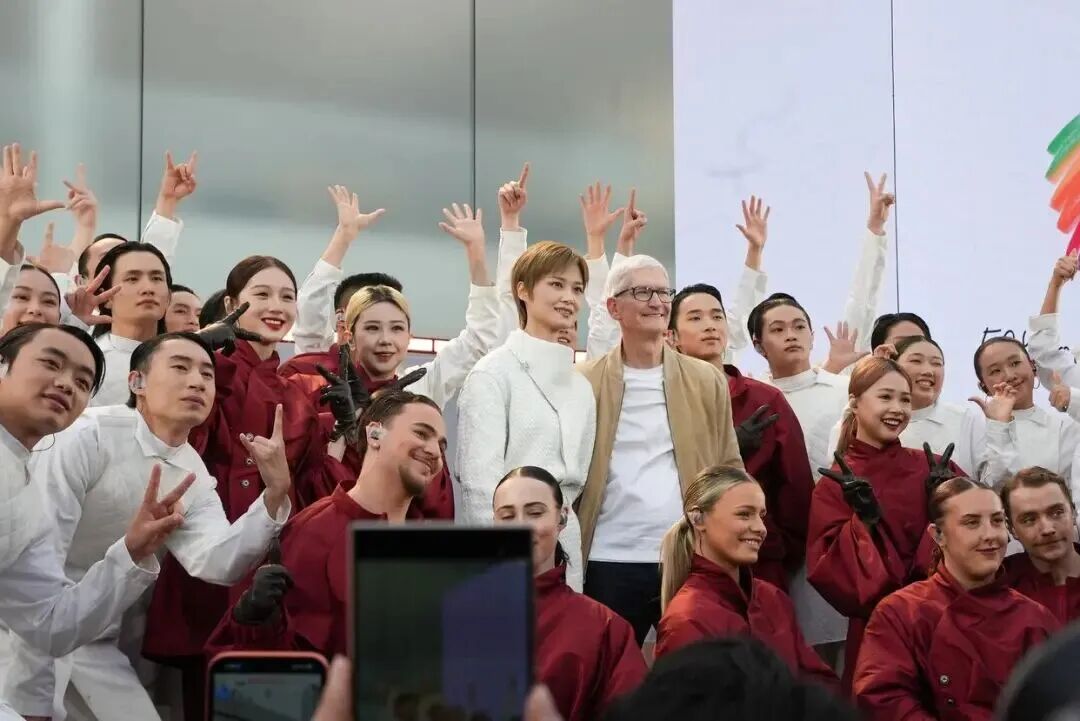
He described Chengdu as a city that “brims with innovation and a relaxed vibe.” Relaxation and innovation—seemingly contradictory—mirror Apple's current state and Cook himself.
On November 1, 2025, Cook will turn 66. Retirement rumors have swirled for years, and Cook has always responded mildly: “I never said that. I love my job.” But this time, it's really goodbye.
Jobs once wrote “Think Different” in a garage, starting Apple's story. Cook, the son of a shipyard worker from rural Alabama, proved with 15 years that there's more than one way to change the world. You can create a new era like Jobs—or, like Cook, steadily hand it over to the next generation.
See you at the next intersection.
-
Ofilm Teams Up with ADSensE to Propel Large-Scale Deployment of All-Solid-State LiDAR Powered by ADS6311 Chip!
-
![]()
Loss of 2.5 Billion Yet Facing Strong Demand for Shares? Another Battle for Control of Lianchuang Electronics
-
![]()
Huawei’s Enjoy Series Flies Off the Shelves, Prompting Xiaomi to Double Down on Budget Smartphones
-
![]()
Beijing Hyundai's Top Executive Criticizes Industry Disorder: Certain Brands Treat Customers as Beta Testers
-
![]()
The domestic mobile phone market has declined for five consecutive quarters! Huawei defies the trend with significant growth: maintains its top market share
-
Annual Revenue Surpasses 3 Billion: An Automotive Trim 'Little Giant' Makes Its Debut on the Beijing Stock Exchange
-
![]()
The Space Force Wants to Spend $30 Billion on Rocket Launches: Is Trump Doubling Down, and Is SpaceX the Big Winner?
-
![]()
Going Crazy! One out of Every Three Plug-in Hybrids Sold in Europe is a Chinese Vehicle