Apple’s Price Hike Repercussions: Hardware Pricing Reflects the Tech Giant’s Growth Challenges
 06/29 2026
 523
523
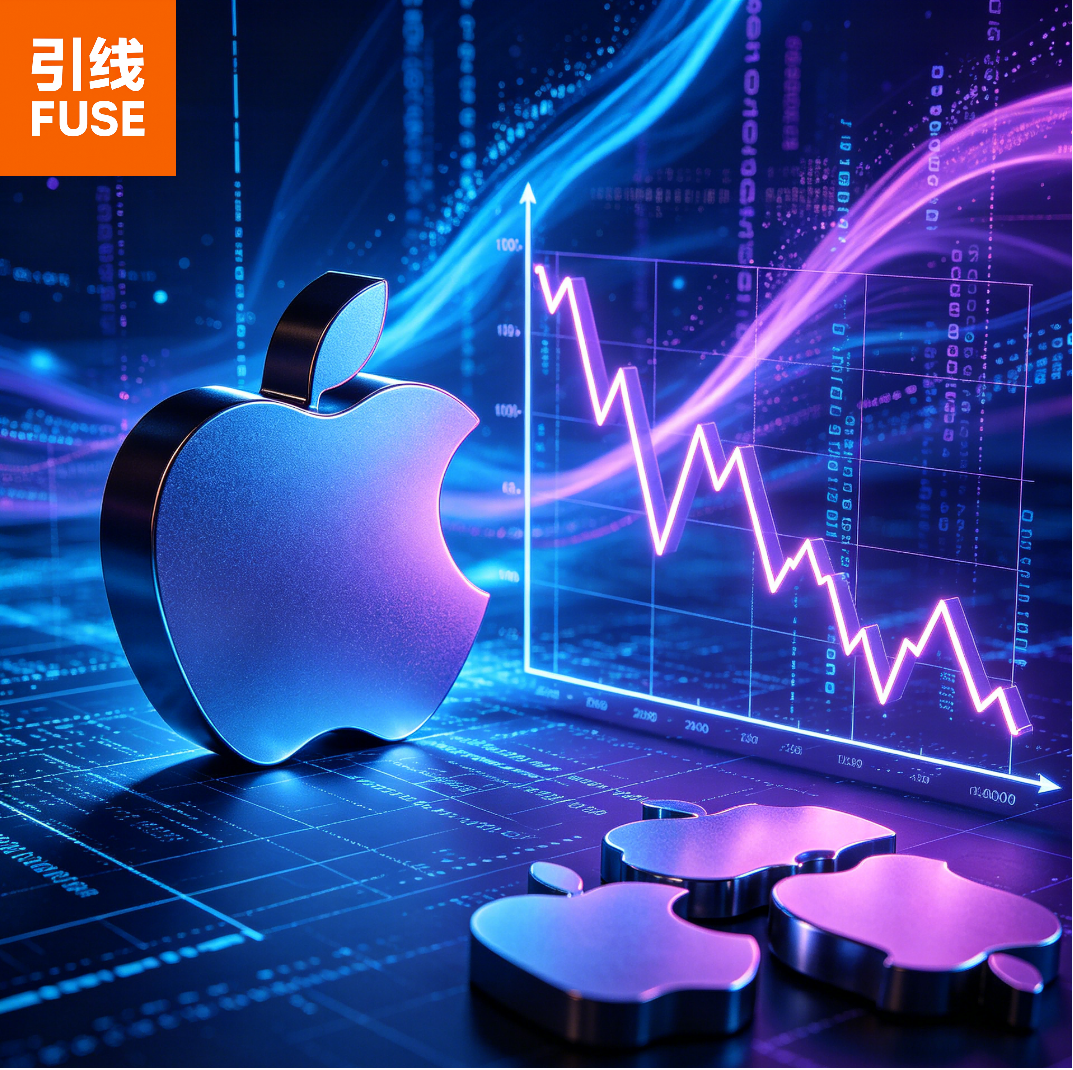
Recently, Apple has initiated its most significant hardware price adjustment in years, impacting several flagship products, including Macs, iPads, smart speakers, and head-mounted displays. Mainstream models have seen price increases ranging from 15% to 25%, with some high-end professional devices experiencing even steeper hikes. The market has responded strongly, with investors expressing widespread concern that these price increases will dampen demand and hasten the decline of Apple’s hardware business. What may appear as a straightforward cost-driven price adjustment actually reveals Apple’s current profitability challenges, product growth fatigue, and the diminishing influence of traditional consumer electronics giants amidst the AI industry’s rapid ascent.
Apple has provided a clear rationale for this extensive price hike: the global AI infrastructure’s explosive growth has caused a severe imbalance in the supply and demand for memory and storage chips, leading to a sharp rise in the cost of these core components in the short term. Apple acknowledged that the industry has never witnessed such rapid and dramatic price increases for core components. While the company has historically managed to absorb such pressures through internal cost control and supply chain optimization, it can no longer sustain this approach and has had to pass on the costs through price adjustments at the consumer level. Notably, this price adjustment excludes core revenue drivers such as the iPhone, Apple Watch, and AirPods, indirectly confirming that the current cost pressures are primarily concentrated on high-performance storage and memory components.
From an industry standpoint, this round of price increases essentially signifies a structural redistribution of AI computing power benefits. The global AI large model iteration and data center expansion are currently in a high-speed phase, generating massive demand for high-end storage and high-speed memory chips from servers and AI training equipment. Upstream chip production capacity is rapidly shifting towards the AI computing power sector, continuously squeezing production capacity in the consumer electronics sector. This, compounded by the phased lag in semiconductor industry expansion, has directly resulted in a supply shortage and soaring prices for consumer-grade high-end chips. Unlike traditional fluctuations in raw material and logistics costs, this chip price increase exhibits strong industrial structural characteristics, with a short-term supply-demand pattern that is difficult to reverse. This suggests that Apple’s hardware cost pressures may persist in the long term.
The capital market’s negative reaction to this price adjustment stems not from concerns about short-term cost pressures but from a clear recognition of Apple’s current growth predicament. For a long time, Apple has maintained a high-margin, high-premium profit model by leveraging its premium brand barrier and stable product iteration rhythm, with consumers showing high acceptance of reasonable price adjustments. However, this significant price hike coincides with a critical juncture where Apple’s hardware business growth has plateaued, and innovation has stalled. In recent years, the MacBook and iPad product lines have lacked disruptive technological breakthroughs, with product iterations primarily focusing on chip upgrades and minor aesthetic adjustments. The differentiated advantages of these products have continued to diminish, while their market substitutability has increased.
Against the backdrop of intensifying competition in the consumer electronics market, significant price increases will inevitably suppress end-consumer demand. The global personal computer and tablet markets have been stagnant for consecutive years, with extremely limited room for industry growth. Ordinary consumers’ willingness to upgrade non-essential devices continues to decline, while business and professional users will also weigh cost-effectiveness and consider switching to competing models. The market widely anticipates that this significant price hike will directly lead to a decline in MacBook and iPad sales, with revenue growth unlikely to offset the sales decline gap, ultimately dragging down Apple’s overall hardware business gross margin. This is the primary reason for the large-scale sell-off of Apple stocks.
At a deeper level, this significant market value fluctuation represents a concentrated expression of the capital market’s frustration over Apple’s slow AI transformation. Currently, global tech giants have all completed their AI business strategic layouts, with AI software-hardware integration becoming the new mainstay for industry growth. However, Apple’s AI progress has been sluggish, with mobile intelligent feature iterations lagging and no viable, monetizable AI product ecosystem formed yet, resulting in a severe absence in this round of AI industry dividends. On one hand, the AI boom is driving up upstream hardware costs and squeezing terminal profit margins; on the other hand, Apple is unable to leverage AI to create new revenue growth points. The dual pressures of rising costs and stagnant growth are undermining Apple’s profit logic.
Looking at Apple’s development in recent years, its performance growth has been highly reliant on brand premium and exploiting the existing market, with a continuous lack of innovative growth momentum. The hardware side lacks disruptive blockbuster products, while service business growth has slowed year by year. The core logic that once supported a trillion-dollar market value is weakening. This passive price hike has completely shattered the market’s ingrained perception of Apple as a “steady grower resistant to cyclical fluctuations,” prompting investors to re-examine the growth ceiling and hidden risks of this tech giant.
In the short term, Apple is likely to maintain its current high-price strategy, as the chip supply-demand imbalance is unlikely to improve soon, and cost pressures cannot be resolved internally. However, in the long term, relying solely on price hikes to stabilize profits is unsustainable. Over-relying on brand premium will only continue to weaken product competitiveness, accelerating user loss and market share decline.
This market value plunge serves as a wake-up call for Apple and offers insights for global traditional consumer electronics giants: in the era of AI-driven restructuring of the tech industry landscape, a growth model solely reliant on hardware premiums is no longer viable. Only by accelerating technological innovation, embracing the AI industry wave, and building new growth curves can companies break through the stock market dilemma. For Apple, the core task at present is not to passively transfer costs but to expedite the integration of AI technology and products, completing the transformation from a traditional consumer electronics manufacturer to an intelligent technology ecosystem enterprise. Only then can it restore capital market confidence and overcome its growth dilemma.
Source: Investor Network
-
'Computing Power Leather' Surges 77% in 9 Days, NIO Supplier Also Chases the 'Light'
-
![]()
Storage and Computing Power Becoming Scarcer: Google Initiates Exploration of Using Old Smartphones to Build AI Servers
-
![]()
Storage Computing Power Grows Scarcer: Google Explores Using Old Smartphones for AI Servers
-
![]()
Huawei Imposes a $0.5 Patent Fee Per Device: Is It Time for Huawei to Reap Global Patent Royalties?
-
![]()
Geely Invests 1.8 Billion Yuan Post-Acquisition: The Launch of Flyme Auto 3.0 Sparks Questions on Meizu’s Enduring Influence
-
![]()
MBBF 2026 on the Bund in Shanghai: Deciphering Mobile AI's Future Trajectory
-
![]()
Commercialization of ASIC: The Turning Point Has Arrived
-
![]()
Doubao Charges Fees: Zhang Yiming Helps Zhang Xiaolong Explore the Path