Geely Invests 1.8 Billion Yuan Post-Acquisition: The Launch of Flyme Auto 3.0 Sparks Questions on Meizu’s Enduring Influence
 06/29 2026
 477
477
Smartphones Retreat, Automotive Systems Advance.
Flyme Auto 3.0 is on the horizon, but Flyme is no longer synonymous with Meizu.
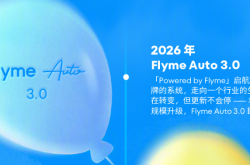
On June 25th, marking its 14th anniversary, Flyme officially heralded the imminent arrival of Flyme Auto 3.0.
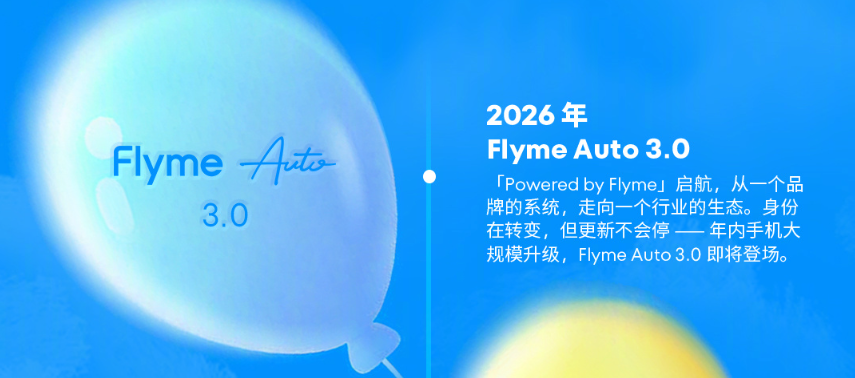
(Image Courtesy of: Flyme)
At first glance, this appears to be a significant update for an in-car system. However, it is, in fact, Flyme’s debut following its departure from Meizu.
Recently, ECARX announced the execution of a definitive acquisition agreement to take over Flyme's software business, encompassing its two flagship products: Flyme Auto and Flyme.
This signifies that Flyme's operations and products will be transferred from Meizu to ECARX, an automotive intelligence firm founded and majority-owned by Geely's visionary, Li Shufu.
Flyme, once a cornerstone of Meizu's software portfolio, has now seamlessly integrated into Geely's intelligent cockpit ecosystem.
For long-time Meizu enthusiasts, this transition may evoke a mix of emotions. Flyme, renowned for its lightweight design, smooth performance, and user-friendly interface, had garnered a loyal fan base during its peak. Many users were drawn to Meizu smartphones simply because they were reluctant to part with the Flyme system.
Today, Flyme continues to evolve, but Meizu has undergone a transformation. With the cessation of its in-house hardware development, the focus of Flyme's services has shifted to various models under Geely's umbrella.
Nevertheless, Flyme has not vanished; it has merely embarked on a new chapter.
From Smartphones to Automotive: Navigating a Harsher Reality
Rewinding to three years ago, during the launch of the Meizu 20 series, optimism abounded among Geely, Meizu, and their fans for the future.
Li Shufu took the stage to articulate his vision of a connected ecosystem. Subsequently, the then-CEO of StarRyme boldly declared that Meizu would re-enter the top five in the national mid-to-high-end smartphone market within three years. The flagship model unveiled that night, the Meizu 20 INFINITY Boundless Edition, was priced at 8,499 yuan.
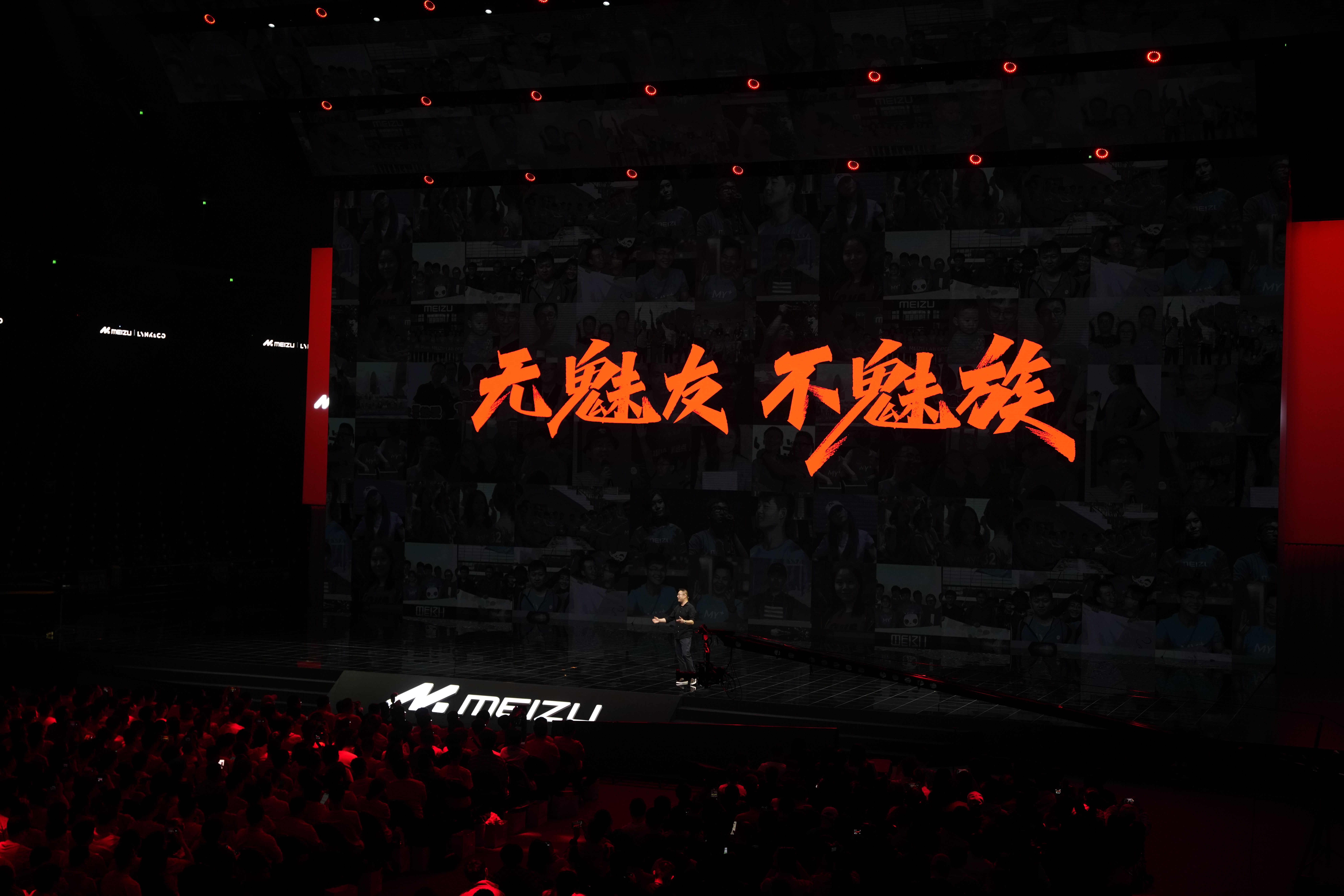
(Image Courtesy of: Leikeji)
At that time, many harbored hopes that Meizu, now part of Geely's strategic landscape, could break free from its slump and emulate companies like Huawei or Xiaomi, fostering seamless connectivity across devices.
However, three years later, the landscape has shifted. The smartphone business failed to expand as anticipated, management underwent frequent changes, offline store expansion lagged, and even the brand's identity oscillated between Meizu and StarRyme...
By the end of this year's Spring Festival holiday, the situation had become clear: Meizu ceased its in-house hardware development, and Flyme was officially sold to ECARX. Meizu's peripheral brand, PANDAER, may also seek independence in the future...
In reality, when StarRyme strategically invested in Meizu, the vision for both entities was promising. Meizu was tasked with developing systems for in-car and smartphone integration, while also serving as a mobile endpoint for seamless smartphone-vehicle connectivity. Geely, on the other hand, was responsible for vehicle manufacturing. Each entity brought unique strengths to the table, aiming to create a proprietary ecosystem for smartphone-vehicle interconnection.
Consequently, Meizu's smartphone business was momentarily revived. The Meizu 20 series and Meizu 21 series came to fruition. We also witnessed the gradual implementation of Flyme Auto in brands like Lynk & Co, Geely Galaxy, and Polestar, dismantling the long-standing perception of Geely's in-car systems as cumbersome.
Yet, the crux of the issue lay in Meizu's smartphone business, which was already on a downward trajectory: hesitant to invest in enhancing the competitiveness of its smartphone offerings - overall value proposition lagged behind competitors - fewer consumers opted for Meizu-branded phones - further reluctance to invest in improving competitiveness...
Simultaneously, competition intensified across the entire smartphone industry, and the automotive sector also reached fever pitch. Meizu's smartphones were unable to generate sustainable revenue streams. Following Geely's release of the 'Taizhou Declaration,' Meizu's future trajectory became evident.
Thus, the initial aspiration of Geely and Meizu for mutual empowerment between smartphones and automobiles ultimately succumbed to the harsh realities of the market. Rather than perpetuating a cycle of financial hemorrhage, it was prudent to preserve the most valuable assets.
For Geely, smartphones could be relinquished, but intelligent cockpits were indispensable. Moreover, Flyme Auto emerged as a pivotal contributor to Geely's cockpit offerings.
Hence, the outcome was inevitable: ECARX invested 1.8 billion yuan to acquire Flyme, enabling its continued growth within Geely's vehicle lineup.
Meizu's Smartphone Battle Lost, but Geely Secures Flyme
Reflecting on Meizu's journey over the years, it is somewhat poignant.
Flyme's aesthetic appeal remains unparalleled, and Meizu's industrial design prowess is still evident. Even today, many Meizu fans contend that Meizu's design philosophy in smartphones retains a unique charm compared to mainstream brands.
Had it not been for the rapid escalation of AI-driven storage costs, Meizu smartphones might have persisted as a niche yet beloved presence in the industry, remaining the 'white moonlight' in the hearts of Meizu enthusiasts, and the hardware business might not have reached the point of shutdown.
Alas, the rapid advancement of AI spurred demand for memory chips, leading to continuous price hikes and severe fluctuations in smartphone supply chain costs. Meizu, with its limited scale, faced even greater cost pressures.
For a brand whose sales volume could no longer leverage economies of scale, every price increase for components like memory and storage further eroded profit margins, leaving little hope for a turnaround.
Therefore, Dianchetong (ID: dianchetong233) posits that Meizu's decision to suspend in-house hardware development earlier this year was a prudent one.
Consider this scenario: in today's environment, even if Meizu persevered and mass-produced the Meizu 22 Air, Meizu 22 Next, and Meizu 23, launching them onto the market, sustaining sales amidst escalating memory and storage costs would be arduous. Ultimately, they would still face production halts, incurring even greater losses than the present.
Remember, this is an era where even Apple succumbed to the cost pressures of rising memory and storage prices, announcing price increases for its Mac and iPad product lines!
Thus, for both Meizu and Geely, timely loss mitigation was the optimal course of action.
Geely may not have been able to sustain Meizu's smartphone business, but at least it ensured the continued evolution and updates of Flyme Auto across its vehicle lineup.
Flyme Auto is no longer just the lightweight and agile smartphone system cherished by Meizu fans; it has evolved into a vital component of the intelligent experience in Geely's models.
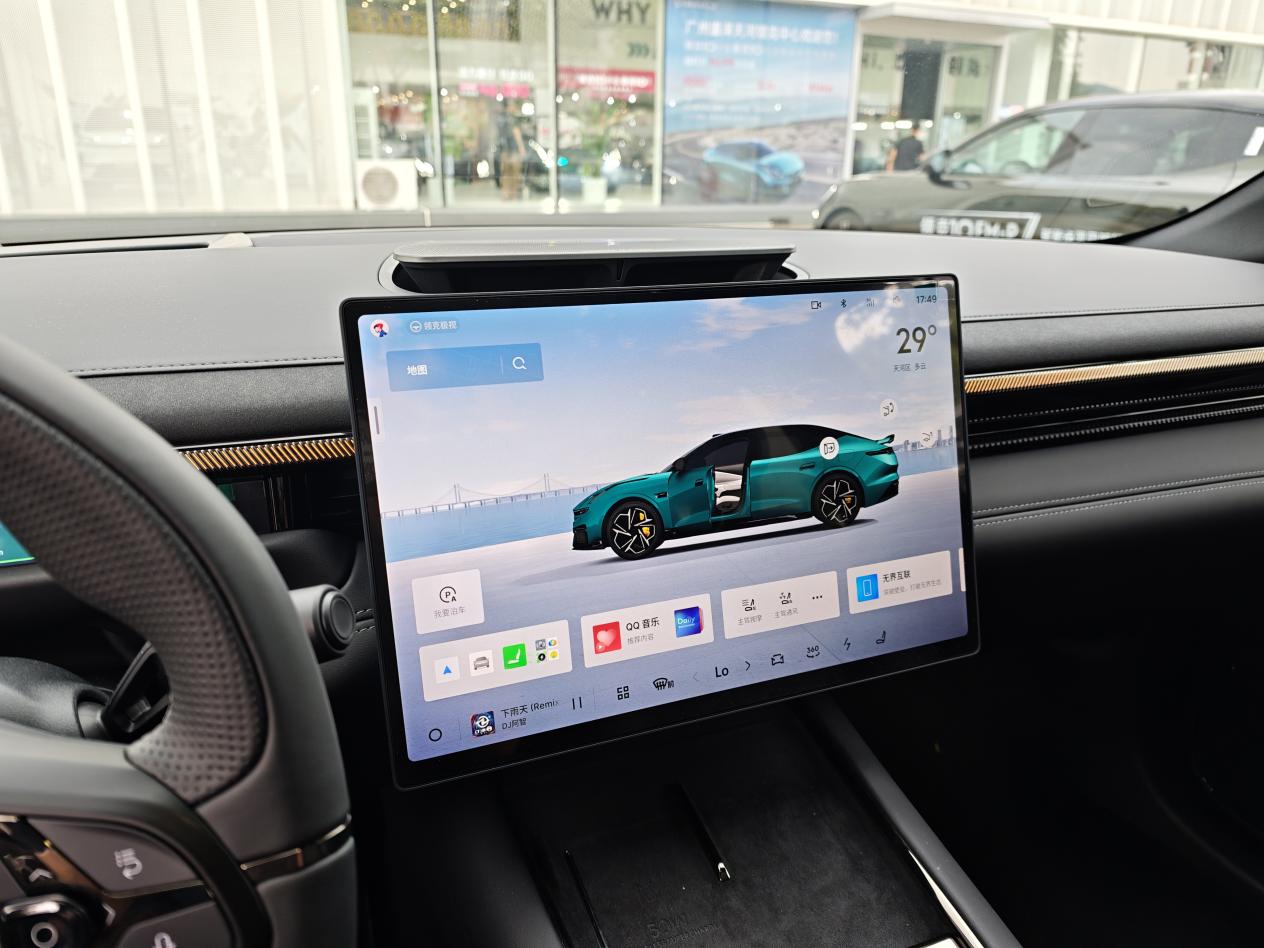
(Image Courtesy of: Dianchetong)
Following the exit of numerous smartphone brands from the market, they often leave behind little to no trace. The brand fades away, the system ceases to be maintained, and users eventually transition to other brands' smartphones. However, Meizu's narrative diverges. Although its smartphone business has concluded, Flyme remains active in an increasing number of Geely's models.
In a few years, many young Geely and Lynk & Co owners may remain oblivious to Flyme's significance in their in-car systems.
But for long-time Meizu fans who witnessed the MP3 era, the MX era, and the PRO era, they will recognize that this system now running in cars was once a shining emblem of innovation in domestic smartphones. It is also a legacy bequeathed to the automotive industry from the golden age of smartphones.
Meizu's smartphone era has concluded, but Flyme Auto in Geely's cars endures.
Perhaps this is the final and most precious legacy Meizu has imparted to the industry.
Epilogue
The rise and fall of Meizu smartphones mirror the heyday of domestic smartphone innovation.
Regrettably, Meizu failed to capitalize on its advantages during the golden age of smartphones. Despite Geely's efforts to revive it, Meizu ultimately could not avert its market exit.
Fortunately, Meizu's smartphone business ceased operations just before the memory price surge, sparing it from the torment of escalating costs and leaving Flyme Auto as a lasting contribution to the automotive industry.
Who knows, in another decade, when long-time Meizu fans occupy the driver's seat of a Geely or Lynk & Co and tap the small circle in the bottom left corner of the in-car screen, will they reminisce about the thrill of gently pressing mBack in their youth?
Meizu, Geely, Flyme, In-Car Systems
Source: Leikeji
The images featured in this article are sourced from the 123RF royalty-free image library. Source: Leikeji
-
![]()
China’s Auto Industry: Embracing a New Era of ‘Technology for Market’
-
'Computing Power Leather' Surges 77% in 9 Days, NIO Supplier Also Chases the 'Light'
-
![]()
Storage and Computing Power Becoming Scarcer: Google Initiates Exploration of Using Old Smartphones to Build AI Servers
-
![]()
Storage Computing Power Grows Scarcer: Google Explores Using Old Smartphones for AI Servers
-
![]()
Huawei Imposes a $0.5 Patent Fee Per Device: Is It Time for Huawei to Reap Global Patent Royalties?
-
![]()
Geely Invests 1.8 Billion Yuan Post-Acquisition: The Launch of Flyme Auto 3.0 Sparks Questions on Meizu’s Enduring Influence
-
![]()
MBBF 2026 on the Bund in Shanghai: Deciphering Mobile AI's Future Trajectory
-
![]()
Commercialization of ASIC: The Turning Point Has Arrived