Huawei Imposes a $0.5 Patent Fee Per Device: Is It Time for Huawei to Reap Global Patent Royalties?
 06/29 2026
 344
344
The practice of major corporations collecting patent royalties is hardly a novel concept.
For instance, tech giants like Qualcomm, Ericsson, Nokia, and Siemens have accumulated a vast portfolio of 5G patents, enabling them to extract substantial patent fees from mobile phone manufacturers and communication equipment vendors worldwide, thereby amassing significant profits annually.
Qualcomm, in particular, with its extensive array of 3G/4G/5G patents, consistently collects patent royalties throughout the year. Mobile phone manufacturers are compelled to pay hefty sums, and refusal could result in Qualcomm withholding chip sales to them.
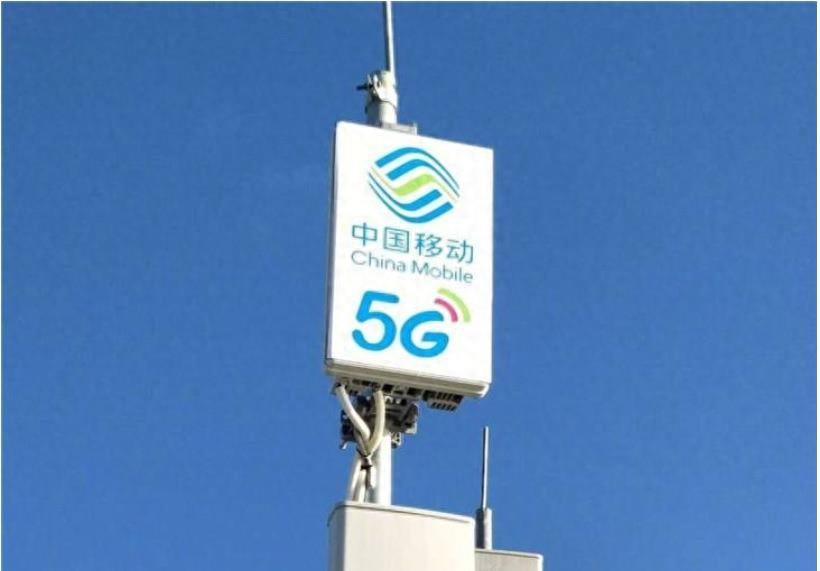
Consequently, many are curious as to why Chinese companies have not been able to leverage patents extensively to collect global patent fees.
Recently, Huawei, a Chinese tech behemoth, officially unveiled its WIFI7 patent royalty rate at $0.5 per device.
According to agency projections, the current annual global shipment of devices utilizing WIFI7 technology surpasses 2 billion units, encompassing mobile phones, routers, smart home devices, automobiles, and beyond.
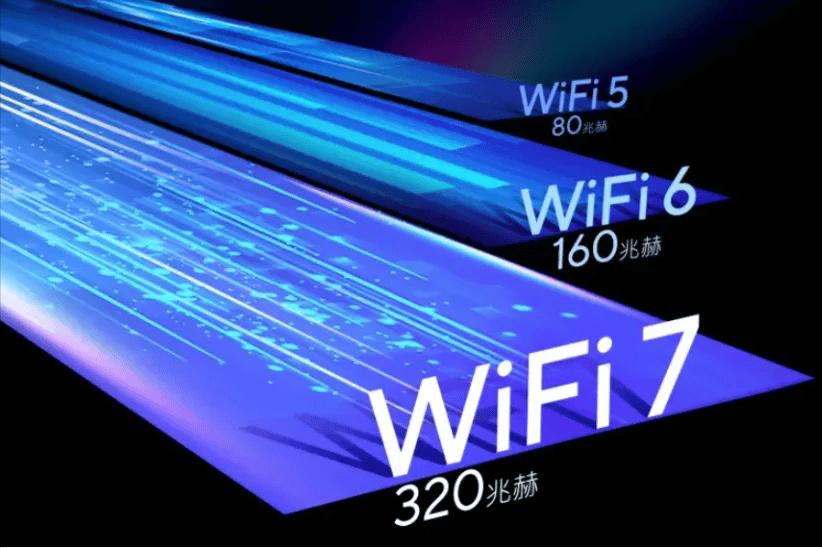
At a rate of $0.5 per device, Huawei stands to potentially rake in hundreds of millions to over a billion dollars globally from this initiative alone.
Is the $0.5 fee exorbitant? On the surface, it may appear so, equating to roughly 3.4 yuan per device, but in reality, it is far from being so.
Consider that Qualcomm previously levied patent fees on mobile phone manufacturers based on a percentage of the selling price. The pricier the phone, the higher the fee. While cheaper phones incurred relatively lower fees, they were still not inexpensive.
Huawei, in contrast, imposes a flat $0.5 fee, regardless of the device's price tag. And for more affordable devices incorporating WIFI7 technology, which cannot be excessively cheap either, Huawei's rate is deemed quite competitive within the industry.
Should companies possess other patents and engage in cross-licensing agreements with Huawei, they are exempt from paying the $0.5 fee. Ultimately, it hinges on the number of core patents a company holds and whether they qualify for cross-licensing with Huawei.
If a company lacks patents but wishes to utilize Huawei's technology, they should comply (replacing "good boy" for a more formal tone) and pay the $0.5 fee. It represents a nominal sum and can be viewed as acknowledgment of the technology's value.
For consumers, the cost will inevitably be passed down to them. Since device manufacturers incur patent fees, this expense will inevitably be reflected in the device's price, with consumers ultimately bearing the brunt.
However, paying patent fees can safeguard the rights of technology originators and foster healthy technological innovation. Otherwise, what incentive would there be to innovate? Hence, as long as the amount is reasonable, it is a worthwhile investment.
-
![]()
China’s Auto Industry: Embracing a New Era of ‘Technology for Market’
-
'Computing Power Leather' Surges 77% in 9 Days, NIO Supplier Also Chases the 'Light'
-
![]()
Storage and Computing Power Becoming Scarcer: Google Initiates Exploration of Using Old Smartphones to Build AI Servers
-
![]()
Storage Computing Power Grows Scarcer: Google Explores Using Old Smartphones for AI Servers
-
![]()
Huawei Imposes a $0.5 Patent Fee Per Device: Is It Time for Huawei to Reap Global Patent Royalties?
-
![]()
Geely Invests 1.8 Billion Yuan Post-Acquisition: The Launch of Flyme Auto 3.0 Sparks Questions on Meizu’s Enduring Influence
-
![]()
MBBF 2026 on the Bund in Shanghai: Deciphering Mobile AI's Future Trajectory
-
![]()
Commercialization of ASIC: The Turning Point Has Arrived