iPhone 18 Pro Memory Costs Soar Threefold! Apple Seeks Trump Administration Approval for CXMT Memory Chips
 06/29 2026
 493
493
Kuaikeji, June 29 - As global memory chip prices surge, the memory costs for the iPhone 18 Pro have skyrocketed, tripling in comparison to previous models. Facing immense cost pressures, Apple has taken the extraordinary step of lobbying the current U.S. administration to ease procurement restrictions on CXMT memory chips.
Apple is now actively engaging in high-profile operations in Washington, with the primary goal of convincing relevant U.S. departments to establish a specialized approval pathway for the company. This would allow Apple to bypass existing regulatory frameworks and obtain permission to purchase DRAM chips from China's CXMT, directly alleviating the significant cost increase pressures faced by the new iPhone 18 Pro.
Should Apple fail to secure a cost-effective DRAM supply from CXMT, the memory cost per unit for the iPhone 18 Pro would triple compared to its predecessor. This would further erode already thin hardware profit margins, disrupting pricing strategies and revenue expectations for the new generation of products.
According to publicly available information from the Financial Times, Apple has formally initiated the lobbying process with the Trump administration to gain approval for mass procurement of memory chips from CXMT, a company currently listed on the U.S. Department of Defense's entity blacklist.
To navigate the compliance process, Apple has not only engaged in multiple rounds of discussions with the U.S. Department of Commerce but is also actively collaborating with relevant industry associations in Washington, other government officials, and long-standing allies to rally as much support as possible for this special exemption request.
Based on publicly accessible market transaction data, from the first quarter of 2025 to the present, the contract price for a single 12GB LPDDR5X memory chip has nearly tripled. At the end of the first quarter and the beginning of the second quarter of 2026, prices hovered around $120. This year, they have surged by an additional $68.8, recently approaching a record high of $145 per unit.
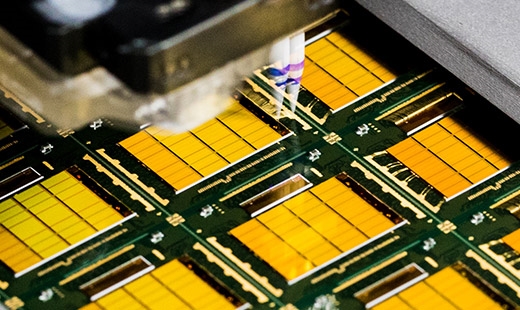
The procurement prices for NAND flash memory have also risen concurrently. The linked increase in prices for these two core memory components is directly and significantly driving up the overall material costs of devices.
Taking the 256GB version of the iPhone 17 Pro as an example, in 2025, the combined cost of memory and flash memory accounted for only 9% of the total material cost of the device. However, for the upcoming 256GB version of the iPhone 18 Pro this year, the cost share of these two components is expected to surge to 27%.
Currently, the global high-end mobile DRAM market is nearly monopolized by three memory giants: Samsung, SK Hynix, and Micron. These suppliers wield significant bargaining power, leaving Apple in a clearly passive position during procurement negotiations, unable to curb the soaring procurement prices.
It is widely believed in the industry that Apple's current focus on CXMT is essentially an attempt to introduce a new supplier with sufficient production capacity to directly break the price monopoly of the three giants in the high-end mobile DRAM market and reshape the industry's supply landscape.
For Apple, CXMT is nearly the only alternative supplier globally that can act as a cost-saving solution at this time. Currently, CXMT is accelerating its production capacity expansion, with monthly wafer capacity expected to increase from the current 200,000 units to 300,000 units by the end of this year, fully capable of meeting some of Apple's order demands.
Even if CXMT cannot initially fully cover all of Apple's memory procurement needs, as long as it can enter Apple's supply chain in small quantities, Apple will gain sufficient leverage in subsequent procurement negotiations with Samsung, SK Hynix, and Micron, directly compelling them to offer more favorable supply prices.
Industry analysts point out that if the Trump administration ultimately grants Apple the green light to procure DRAM chips from CXMT, it would signal a significant rebound in the share of China's domestic memory industry within Apple's global supply system.
Once CXMT successfully overcomes regulatory barriers, another leading domestic memory manufacturer, Yangtze Memory Technologies (YMTC), is also highly likely to follow suit, regain Apple's access qualifications, and replicate the same path in the NAND flash memory sector, significantly boosting the presence of Chinese manufacturers in Apple's global supply chain.

-
![]()
Can Chinese Automakers Pose Such Fierce Competition? Mercedes-Benz Cancels Year-End Bonuses for 90,000 Staff, Volkswagen to Lay Off 100,000 Employees...
-
![]()
Anhui and Zhejiang Vie for the Crown in New Energy Vehicle Dominance: Who Will Prevail?
-
![]()
Tmall 618 Rankings Unveil Trends Transforming the Home Appliance Industry
-
![]()
This Week in Home Appliances: Overseas Boom! Midea, TCL, Dreame Break Through; Casarte, Fotile, Gree, Hisense, Ronshen Lay Foundations
-
![]()
Aiming to Be the Alphard of the Electric Era! After D99's Launch, Leapmotor Will Release All-New Technologies to Pave the Way for a High-End Brand | Mirrormedia Pro
-
![]()
Over 5,200 Orders Placed on First Day: Can the Qijing GT7, Priced from 209,900 Yuan, Compete with the Z7 and SU7? | Mingjing Pro
-
![]()
AI Predicting the World Cup? It’s Time to Stop Insulting AI
-
![]()
iPhone 18 Pro Memory Costs Soar Threefold! Apple Seeks Trump Administration Approval for CXMT Memory Chips