Anhui and Zhejiang Vie for the Crown in New Energy Vehicle Dominance: Who Will Prevail?
 06/29 2026
 382
382
In recent years, the swift rise in popularity of new energy vehicles (NEVs) has positioned them as the preferred choice for consumers seeking new cars. Various provinces are now vying for the title of the leading NEV hub. Anhui and Zhejiang, two key players in the NEV sector, have recently engaged in a spirited contest for supremacy. Amidst this dynamic landscape, how should we interpret this competition?
I. Anhui and Zhejiang Compete for the Title of Top Province in New Energy Vehicles
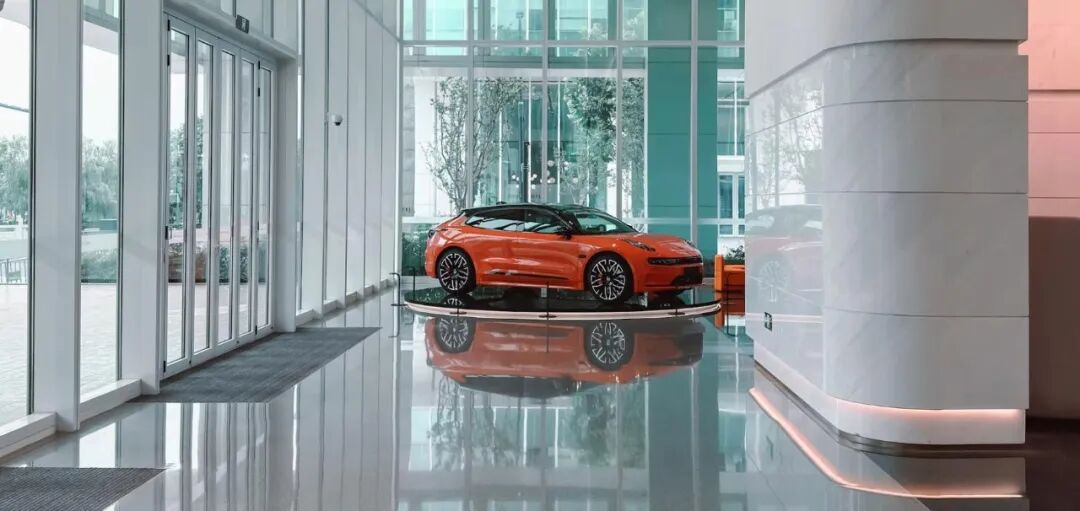
According to a report by National Business Daily, the newly crowned leader in NEV production is facing a fresh challenger. In 2025, Anhui's NEV output reached 1.7941 million units, securing the top spot nationally for the first time. Jiangsu and Zhejiang followed closely, with 1.5748 million and 1.3822 million units, ranking second and third, respectively.
However, entering 2026, Zhejiang quickly gained momentum. From January to April, its production volume climbed to 499,800 units, narrowly surpassing Anhui's 496,900 units and taking the lead for a period.
Yet, this lead was short-lived as the rankings shifted again. On June 22, the latest data from the National Bureau of Statistics revealed that by the end of May, Anhui's production volume had surged to 685,300 units, once again overtaking Zhejiang's 670,700 units. The battle for the "top" spot intensifies.
Notably, Zhejiang's industrial ascent aligns with the growing concentration of the domestic NEV market around leading players. Data from the China Association of Automobile Manufacturers indicates that in the first five months of this year, the top 15 NEV companies by sales volume accounted for 96.7% of the market share, up from the previous period. Amidst this trend of "the strong getting stronger," Geely and Leapmotor, Zhejiang's "two aces," have demonstrated robust market competitiveness.
The accelerated expansion of automakers into overseas markets has fueled explosive growth in Zhejiang's exports. From January to May, NEV exports from Zhejiang reached 31.3 billion yuan, a year-on-year increase of 91.8%. In May alone, exports hit 8.18 billion yuan, a record high for a single month, with a growth rate of 1.1 times. During the same period, Anhui exported 800,000 vehicles, maintaining its national lead with a year-on-year increase of 116.9%, valued at 82.22 billion yuan, up 110.6% year-on-year.
II. Who Will Prevail in the NEV Leadership Race?
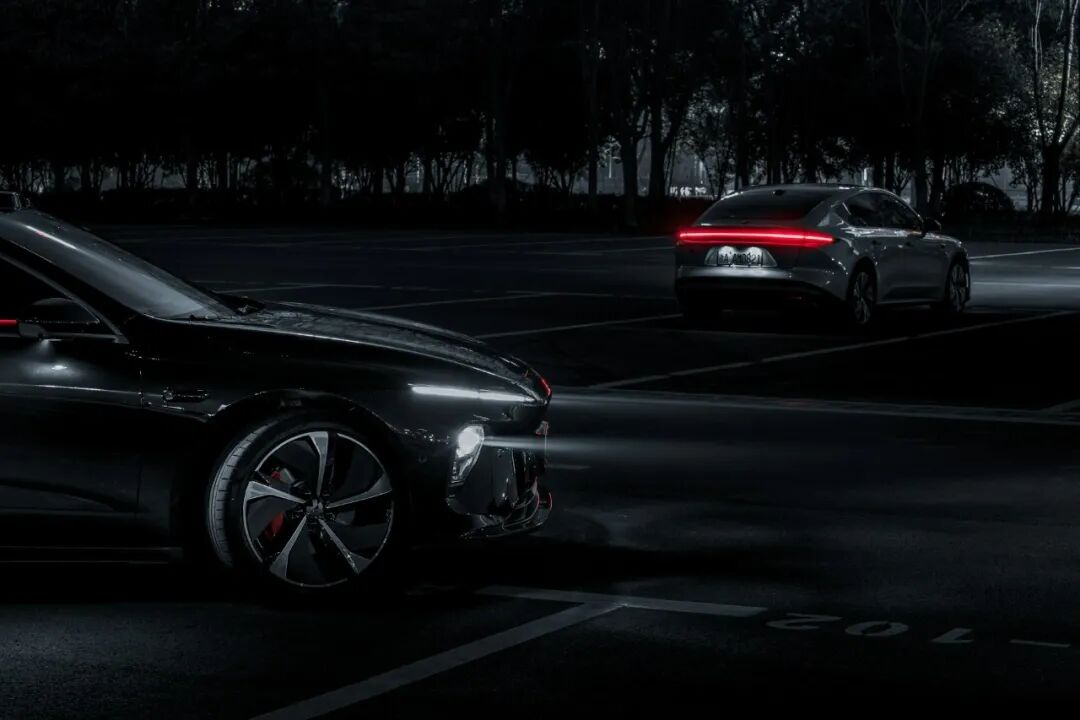
Anhui and Zhejiang, two automotive powerhouses, are constantly overtaking each other in this competition, with the media hyping it up as if the release of monthly production and sales data is the final whistle of a championship game. However, if we step back and look beyond the superficial pursuit of being "number one," what else is worth noting?
Firstly, a high-level stalemate is expected in the competition between the two provinces. Both Anhui and Zhejiang have established comprehensive NEV industrial chain systems and formed mature industrial clusters. In essence, both have moved beyond the initial stage of relying on a few major projects to "gain attention." The current production gap between the two regions is minimal, and they are locked in a state of high-level competitive stalemate.
Today, Anhui might produce a few thousand more units, and tomorrow Zhejiang could deliver a few thousand more vehicles. At the microscopic level of monthly fluctuations, insisting on using this to determine superiority loses its value in industrial analysis. It's akin to two top martial artists competing; their internal strength has reached an advanced level, and who throws an extra punch or kicks an extra foot makes little difference in determining the final outcome. Both regions possess solid industrial foundations, with supply chain resilience, production capacity reserves, and supporting infrastructure reaching extremely high levels. The monthly production figures are merely statistical fluctuations that obscure the fact that the two provinces are already on par in terms of industrial chain depth.
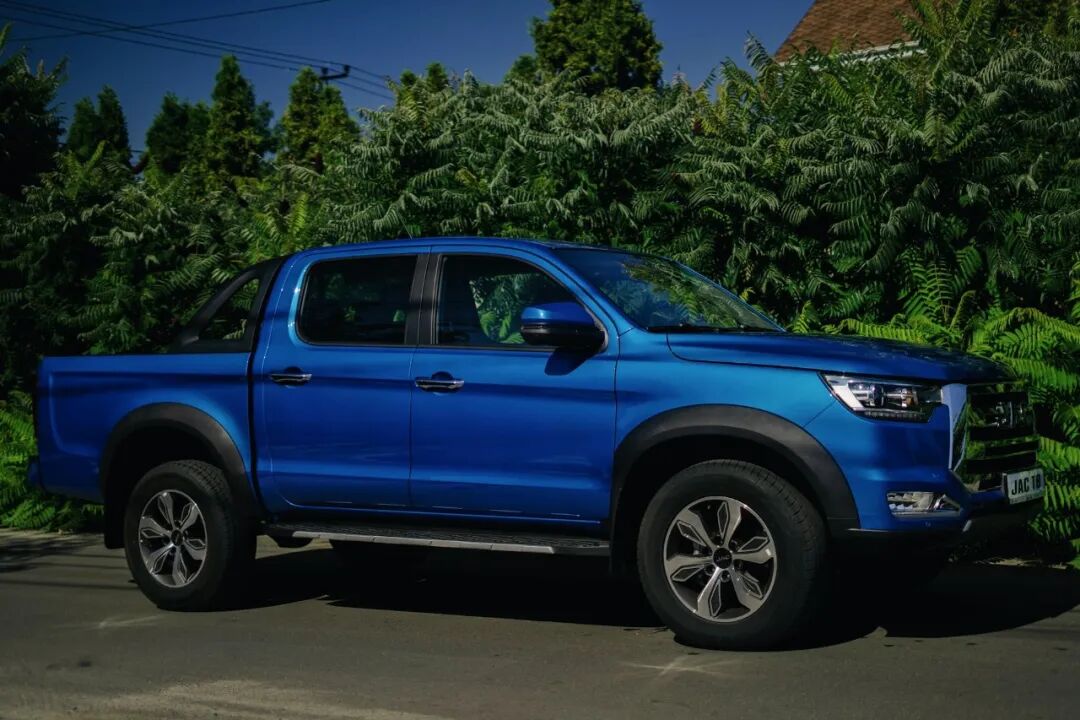
Secondly, the two provinces have entered a phase of competing industrial development models. The competition between them is less about provincial rivalry and more about a clash between two distinct industrial development models. This is a fascinating aspect of industrial economics. Let's dissect the Anhui model; it places more emphasis on economies of scale driven by vertical agglomeration effects. Hefei and even the entire Anhui province have pursued a clear strategy in recent years: attract large and strong core OEMs, and then connect all upstream and downstream suppliers around this anchor enterprise to form a highly integrated industrial chain. The advantages of this model are evident: significant industrial economies of scale, extremely low logistics costs, and highly efficient collaboration between complete vehicle manufacturers and parts suppliers. It resembles a heavy sword without an edge—relying on massive scale and highly concentrated vertical integration to build a competitive moat.
What about the Zhejiang model? It's entirely different. Zhejiang's industrial DNA is deeply rooted in marketization, and its model emphasizes market-driven and niche advantages. Zhejiang has never pursued a unified approach to the entire industrial chain; instead, it responds extremely quickly to market demands and has extremely flexible product strategies. In many niche areas of NEVs, such as certain specific components, the ecosystem of intelligent cockpits, or the application of certain new materials, Zhejiang companies often seize opportunities with keen business acumen and achieve extremely high added value. Zhejiang doesn't aim to profit from every aspect but seeks to secure positions in those high-margin segments it has identified. This is a typical combination of "flexible manufacturing" and a "wild goose formation" structure, gaining premiums through deep cultivation of niche areas and flexible market mechanisms. These two models—one like a heavy cavalry charge and the other like light cavalry maneuvers—are hard to judge as right or wrong; they are simply different fruits grown from different resource endowments and market conditions.
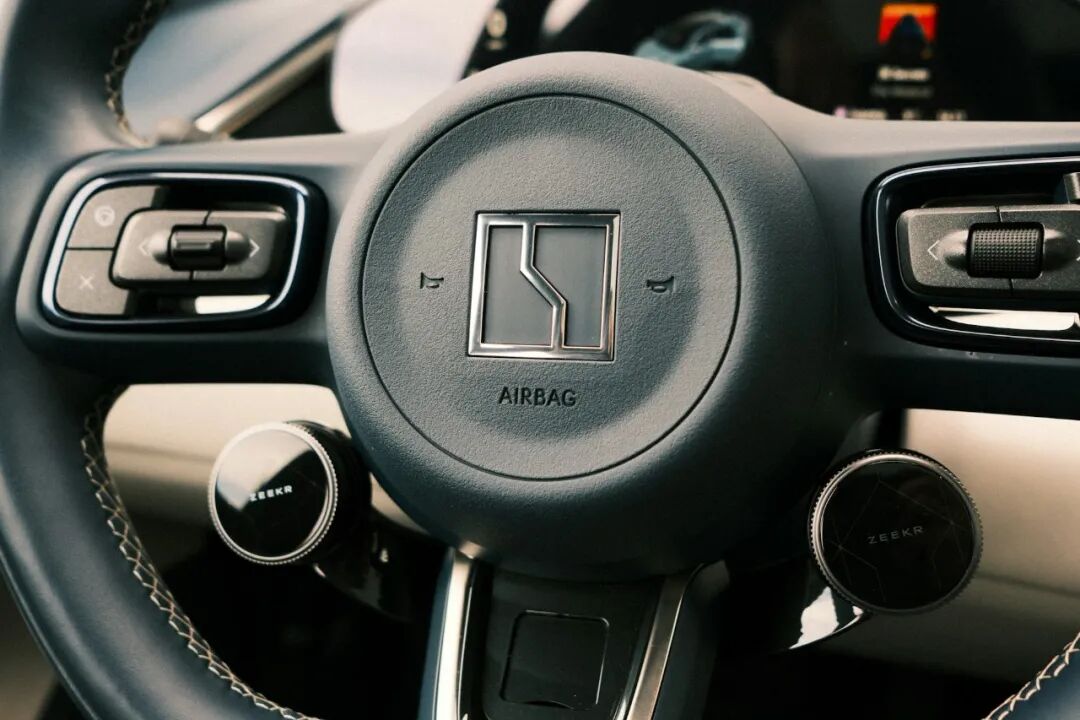
Thirdly, the focus of competition has shifted from production volume to the added value of the industrial chain. Looking at the longer term and from a mid-term trend perspective, the focus of competition between the two provinces has quietly shifted. In the past, the competition was about production volume and who could roll off the assembly line faster. But now, this competition is shifting from production volume to the development level of the industrial chain. This is actually an inevitable sign of an industry moving towards maturity. NEVs are no longer an extensive industry focused solely on assembly and production capacity; they are rapidly evolving towards a stage of "software-defined vehicles" and "intelligence-dominated" development.
At this stage, simply discussing how many vehicles have been produced seems somewhat superficial. What matters more is how to continuously enhance industrial added value. Who can master the core three-electric technologies (battery, motor, and electronic control)? Who can occupy the high ground in intelligent driving algorithms and data loops? Whose industrial chain can support the premium pricing of high-end models? These are the core aspects of mid-term competition. Both Anhui and Zhejiang are now striving to climb to the top of the value chain. Anhui is trying to make up for its shortcomings in flexible innovation by introducing more research institutions and high-end talent, while Zhejiang is working hard to improve its heavy-asset manufacturing and economies of scale. This mid-term competition is about who can be the first to upgrade their industrial chain and truly transform from a "major vehicle-producing province" into a "strong automotive province."
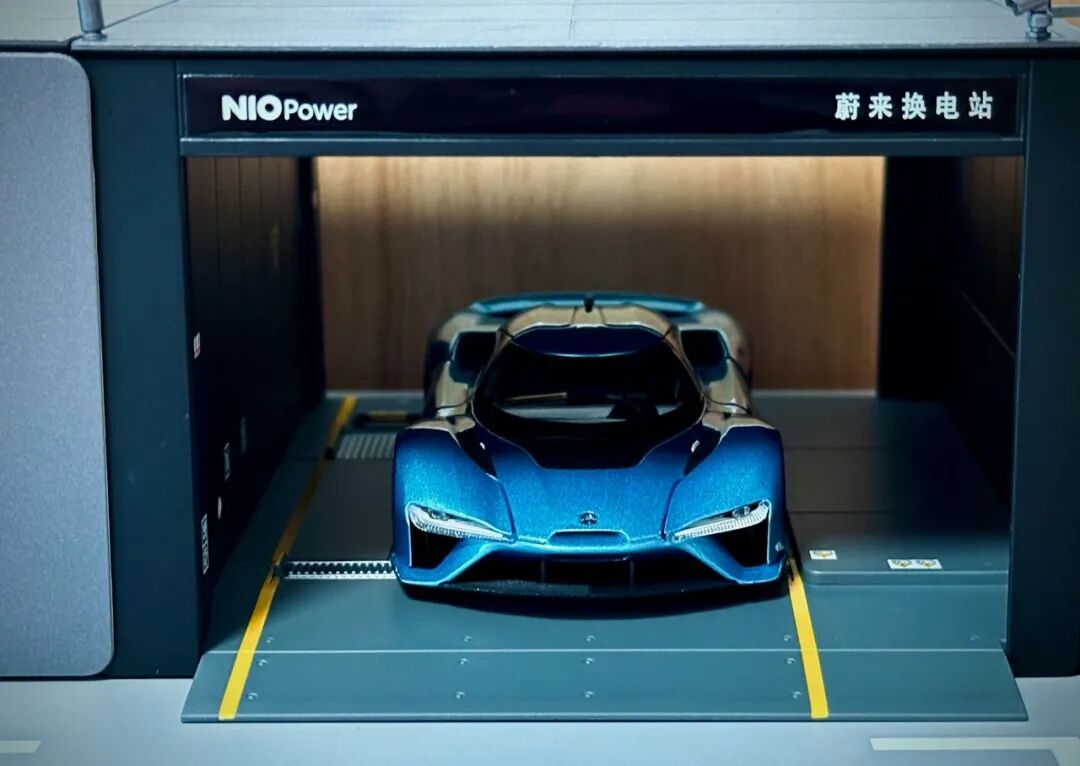
Fourthly, in the long run, who is number one doesn't matter. From a long-term perspective, whether either province ultimately claims the so-called title of "top province" is irrelevant. We cannot view issues solely from a narrow provincial perspective. The competition between Anhui and Zhejiang ultimately boils down to the overall development foundation of China's NEV industry. Let's not forget that both provinces are located in the Yangtze River Delta region. Under the grand strategy of Yangtze River Delta integration, the logic of competition and cooperation is undoubtedly more prominent.
Industry is not a zero-sum game. The automotive industrial chain is too long and complex for any single province to truly "do it all." Anhui's advantages in large-scale manufacturing and Zhejiang's strengths in flexible innovation are not mutually exclusive in the future industrial landscape; instead, they are interlocking gears. Regional synergy in the Yangtze River Delta requires these provinces to break down administrative barriers and achieve the free flow of factors of production.
Rather than engaging in a fierce internal competition for a vain title, it would be wiser to sit down and think about how to achieve win-win cooperation. Faced with price wars and pressure from foreign manufacturers, as well as rising overseas trade barriers, China's NEV industry is under immense external pressure. Only by joining hands and leveraging their respective comparative advantages to the fullest can Anhui and Zhejiang jointly enhance the global competitiveness of China's NEV industry. This is the most important task and the only correct path.
Therefore, who will have the last laugh in this competition? The answer is already clear. If we focus solely on current production volume, this will inevitably be an endless tug-of-war where no one can truly prevail. However, if both sides can recognize the laws of industrial development, find their ecological niches in the competition and cooperation, and work together to expand and strengthen China's NEV sector, then there will be no losers in this competition. The real winner will be China's NEV industry itself.
END
Daily Quote: Behind a person's emotional stability lies both strength and vision. For simple matters, don't argue; for complex ones, don't fret. When angry, don't speak; when upset, don't make decisions. Keep your emotions in check, your mind calm, your secrets to yourself, and your smile on your face. Believe that no obstacle is insurmountable. At a certain age, one must learn to be reserved in speech—every word should be useful and carry weight. Keep your emotions hidden, remain calm in the face of major events, and have your own bottom line.
Jiang Han's Perspective
-
![]()
The Unstoppable Rise of 'Optical Progress and Copper Decline': Sunny Optical’s Strategic Vision for the Next Decade
-
![]()
AI + Going Global in the Second Half: No Intermission for Robot Vacuum Cleaners
-
![]()
The Suffering Endured in E-commerce, Walmart Doesn't Want to Repeat in AI
-
![]()
What Does the Doubling of New Energy Vehicle Exports Mean?
-
![]()
Ghosn: 'Only I Can Save Nissan'
-
![]()
Volkswagen Lays Off 100,000 Employees, The Elephant Sits Down
-
![]()
Expanding Production Capacity! Yutong Optics Acquires Approximately 1.5 Hectares of Industrial Land in Chang'an, Dongguan
-
![]()
Why Is Nokia Making a Comeback in the AI Era?