Tmall 618 Rankings Unveil Trends Transforming the Home Appliance Industry
 06/29 2026
 373
373

The restructuring of existing markets has made change the only constant for all manufacturers within the home appliance industry. Amidst challenges such as homogeneous competition, weak market demand, and shifting consumer preferences, the manner and areas in which companies adapt will dictate their market longevity and core competitiveness.
This year's Tmall 618 rankings have highlighted several intriguing shifts in the home appliance sector: the emphasis is not solely on overall shipment volumes but on the performance of both established and emerging brands; it's not about fluctuations in mainstream categories but the dynamism within niche segments; and it's not just about purchase rates but also bundled purchase rates, repurchase rates, and customer satisfaction scores.
Specifically: Firstly, industry giants like Midea and Haier continue to dominate the rankings. What are the secrets to their enduring market leadership and ability to win over users? Secondly, emerging brands such as Uwant and Joyface are making breakthroughs by redefining product scenarios and experiences, climbing to the forefront of brand rankings and signaling shifts in industry and consumer dynamics. Thirdly, niche categories like cold brew coffee makers, underwear washers, and mite detectors (mite removers) are experiencing sustained consumer enthusiasm and rapid market expansion.
With established brands maintaining their stronghold, emerging niche brands overtaking competitors, and specialized categories igniting new consumption trends, these three core shifts are set to fundamentally reshape the competitive landscape and growth trajectory of the home appliance industry.
The Only Constant: Leading Brands Thrive Through Continuous Evolution
Unlike the chaotic landscape of the growth era, marked by 'fierce competition and unexpected upstarts,' the current restructured market is characterized by 'volatile overall trends but stable leadership.' Brands like Midea and Haier consistently top Tmall's 618 home appliance rankings, firmly controlling mainstream consumer discourse and serving as anchors of stability amidst industry upheaval.
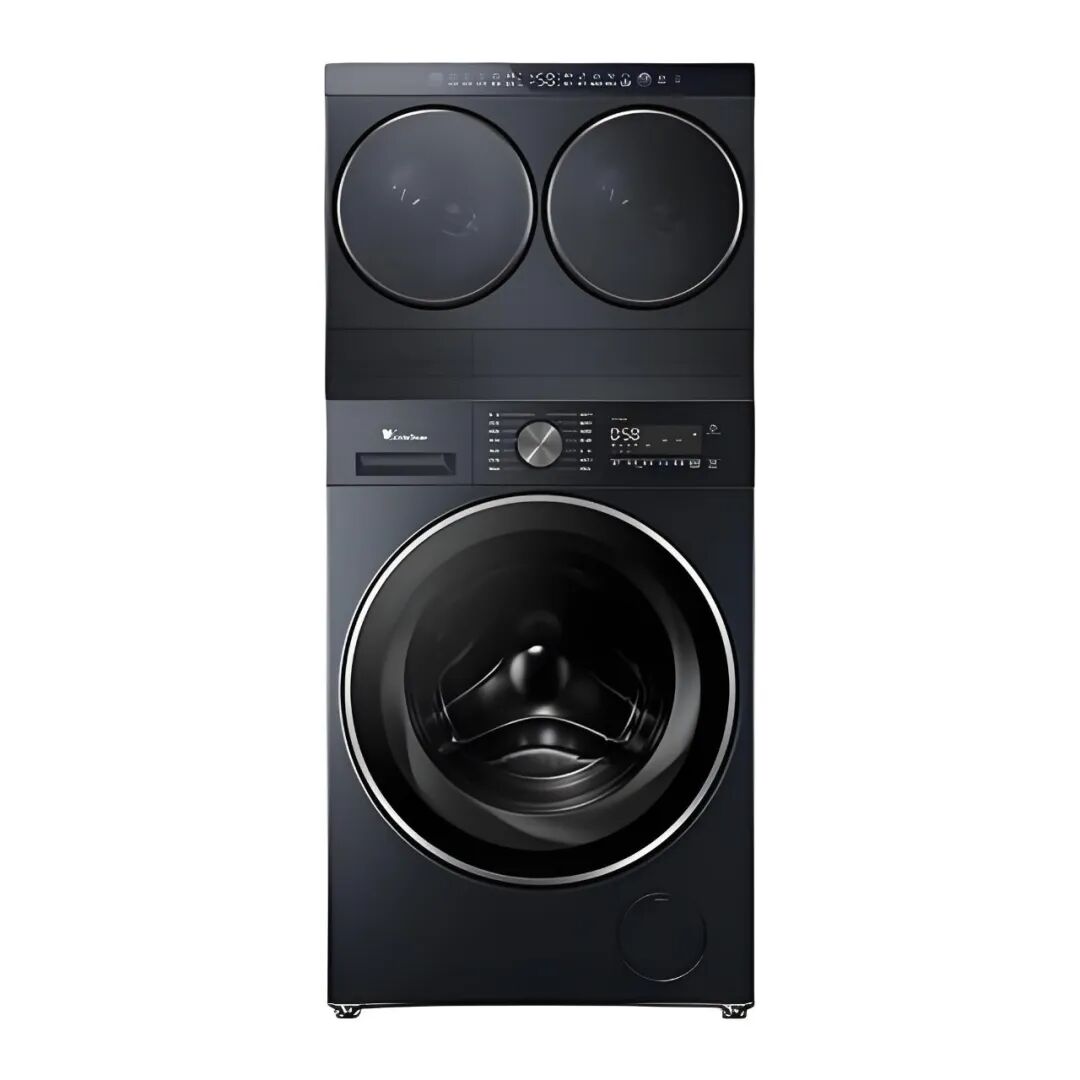
Midea has topped Tmall's 618 home appliance rankings for four consecutive years, leading across major appliances, small appliances, and niche categories. Its core competitiveness extends beyond individual products, leveraging a whole-house appliance solution that integrates online and offline consumption scenarios, activating latent consumer demand through immersive experiences. Simultaneously, by precisely understanding mass consumer needs, Midea continues to launch blockbuster products like the Eco-Series appliances, Little Swan UME 5.0 washer, Xiong Dun Dun refrigerator, and Petal Rice Cooker. Through targeted product iteration and refined user marketing, it achieves comprehensive market coverage across all categories, demographics, and scenarios.
Meanwhile, Haier achieves diversified success through multi-brand differentiation and original category innovation. Leveraging a brand matrix of Haier, Casarte, and Leader, it precisely covers high-end, mass-market, and young consumer segments, with all three brands ranking in Tmall's 618 home appliance laundry top 10, and Haier and Leader both in the major appliances top 10. Unlike industry reliance on generic models, Haier drives innovation with original technologies, such as dual-drum washers, creating new consumption segments and escaping red ocean competition through differentiated products and tiered user engagement, thereby activating the mainstream market.
Over a decade of Tmall 618 home appliance rankings reveals that the enduring success of leading brands stems not from scale barriers but from their ability to stay close to the market, adapt to users, and embrace change. The home appliance sector suggests that the core logic behind market leadership has evolved from 'product supremacy and quality excellence' to a holistic approach encompassing scenario empowerment, bundled solutions, whole-house ecosystems, and precise user engagement. Ultimately, their 'proactive adaptation' ensures the 'long-term stability' of market dynamics.
The Biggest Change: Emerging Brands Break Through, Niche Categories Reshape Growth
In the era of market restructuring, the home appliance industry must abandon the extensive model of 'volume capture.' Pain point segmentation, scenario deepening, and experience upgrades have become the key to brand breakthroughs. Previously niche and marginalized categories now represent new growth opportunities, while emerging brands, once disadvantaged, leverage precise user demand mining, scenario-based product reconstruction, and open platform support to achieve exponential growth from zero to mainstream, disrupting the industry's rigid competitive landscape.
This is the clearest signal of transformation in this year's Tmall 618 rankings: growth opportunities in the home appliance market no longer center on traditional major appliances or generic small appliances but on new categories and products that precisely address user pain points and align with new lifestyles. Local emerging brands like Uwant and Joyface, along with localized foreign brands like De'Longhi, have risen to the forefront of niche segments through differentiated product strategies, becoming the new forces in the industry's transformation.
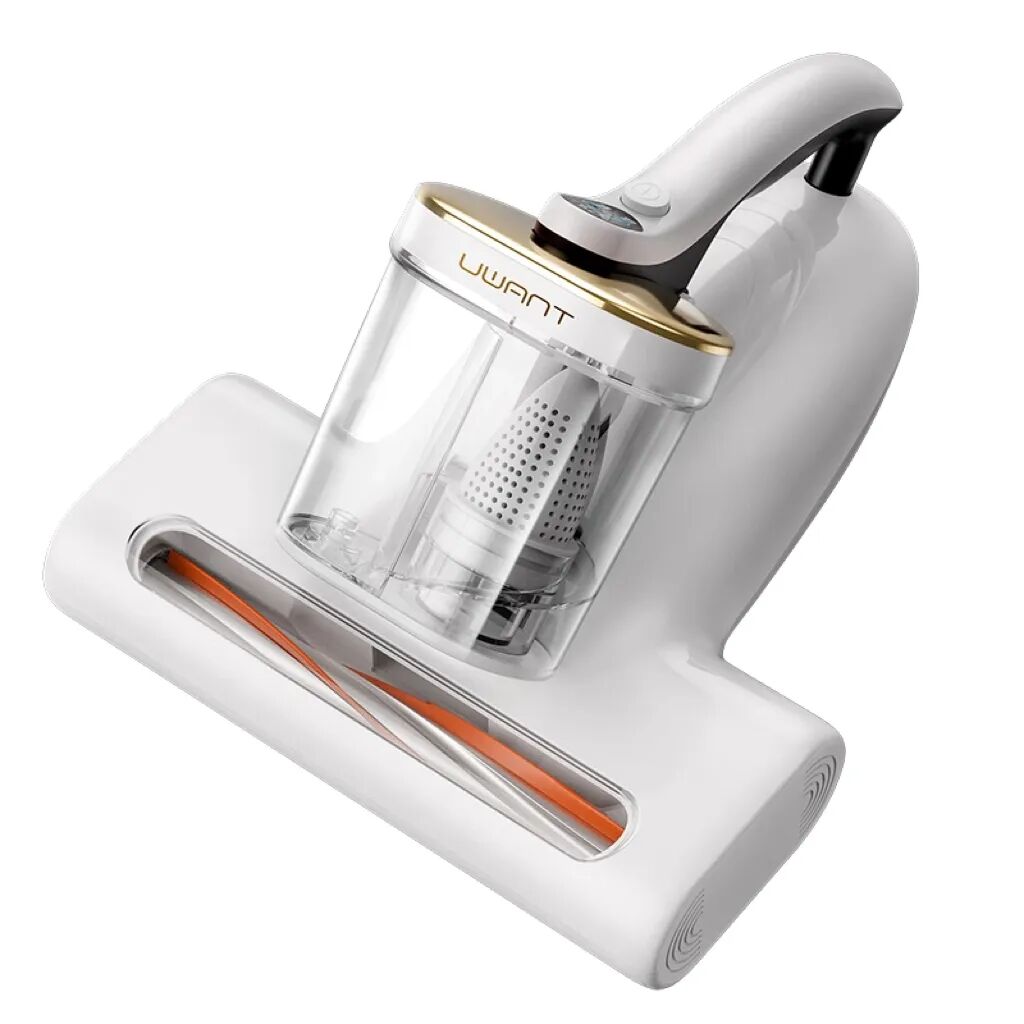
Uwant, in the cleaning appliances sector, entered the market through the niche category of mite removers, precisely addressing user frustrations with traditional models' complexity and inefficiency. Through technological iteration, it reconstructed product functionality, swiftly capturing market share and ranking second in Tmall's 618 new home appliance brands. Building on authentic user needs, Uwant replicated its refined product development logic, expanding from mite removers to a full range of cleaning appliances like robot vacuums, achieving holistic growth driven by a single blockbuster and completing a transformation from product breakthrough to category expansion.
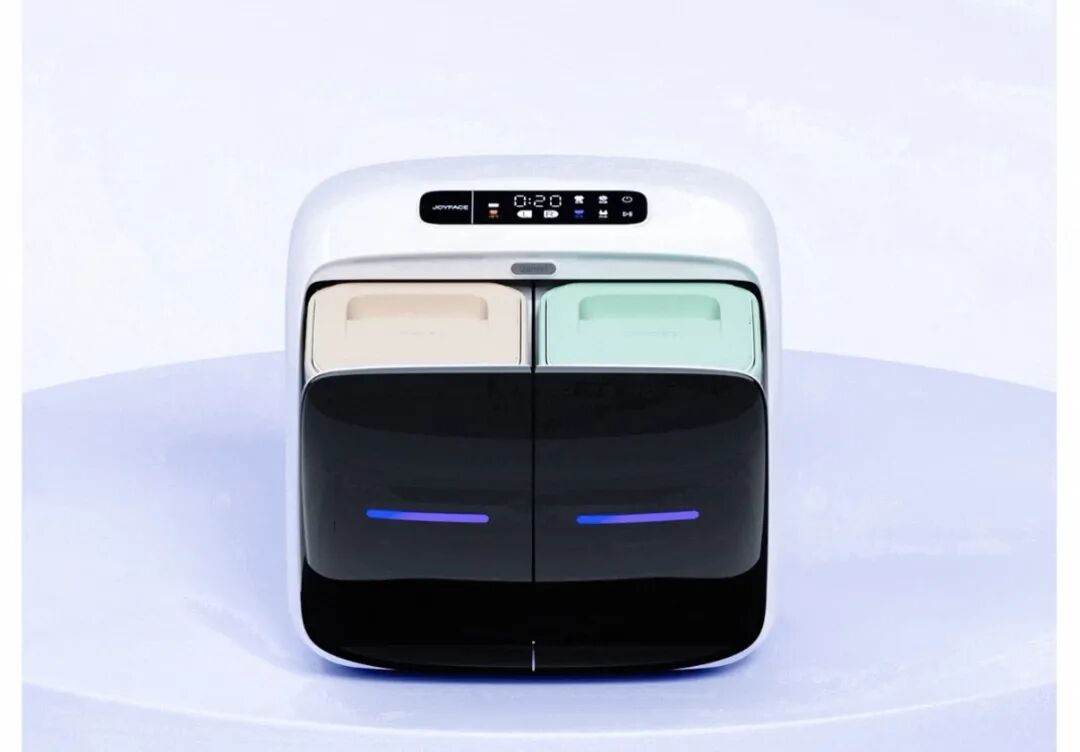
Joyface, an emerging brand in home laundry, targets unmet needs in traditional laundry markets, focusing on the precise, health-conscious laundry demands of modern consumers through a vertical new category: underwear washers. With clear scenario positioning and user value, it ranked in Tmall's 618 laundry top 10. Its breakthrough logic offers industry insights: in mature markets, there's no need to follow overall trends; identifying unmet niche demands can turn a small category into a core growth lever and brand differentiator.
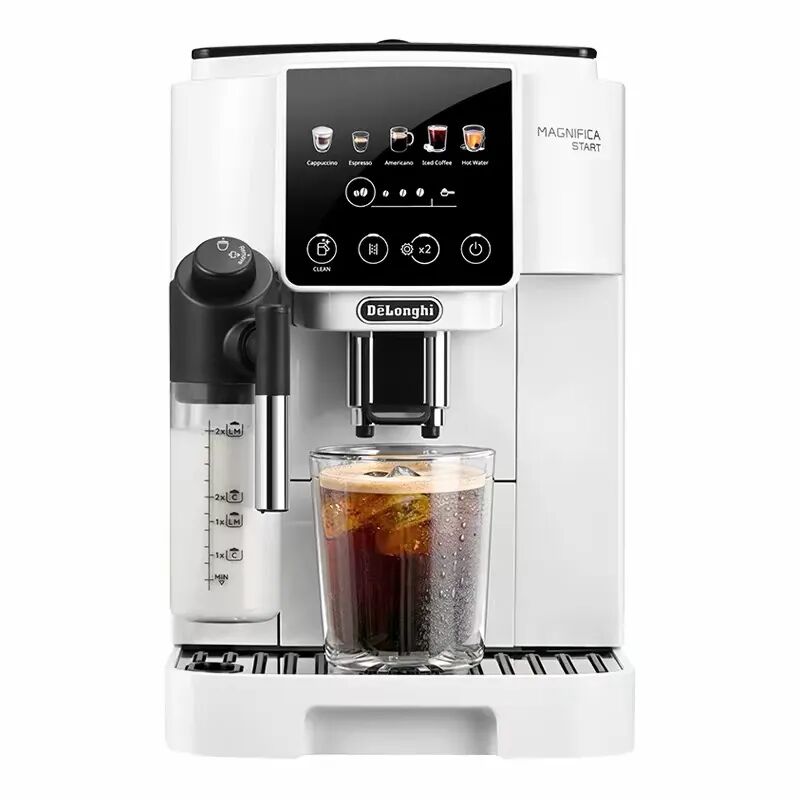
Foreign brands' localization efforts further validate this trend. De'Longhi, an Italian premium coffee machine brand, abandoned overseas product logic to deeply engage the Chinese market, precisely capturing key differences in coffee consumption: domestic consumers favor milk-based, iced, and specialty coffees, with coffee serving both drinking and social functions. De'Longhi introduced 'dual-temperature extraction' technology, addressing the weak flavor of iced coffee through high-temperature aroma extraction and low-temperature alcohol preservation. Through localized innovation and scenario-based experience upgrades, it topped Tmall's 618 coffee machine rankings.
The collective breakthrough of emerging brands sends a clear signal of transformation: in the mature home appliance market, no category is obsolete—only outdated product thinking and operational models. New-generation consumers no longer seek comprehensive appliance setups but prioritize products that precisely match their lifestyles, resolve specific pain points, and enhance quality of life. Scenario-based, refined, and personalized approaches have become the core benchmarks for product iteration and brand growth in the home appliance sector!
Fundamental Logic Shift: From 'Market Capture' to 'Demand Creation,' Holistic User Engagement Determines Success
The transformations and renewals reflected in this year's Tmall 618 home appliance rankings stem from a fundamental restructuring of the industry's competitive logic. During the growth era, the focus was on speed, scale, and price wars to capture market share. In today's mature competitive landscape, the emphasis has shifted to user value management, requiring holistic capabilities in product, service, experience, and ecosystem strength.
Previously, home appliance competition revolved around 'channel dominance and scale,' with companies vying for market share through distribution, low pricing, and channel monopolies. Today, the competition centers on 'user engagement and value creation,' where activating user demand and deepening user value are prerequisites for capturing market growth. Success metrics have also evolved from simple shipment volumes and sales to multidimensional indicators like repurchase rates, customer reviews, scenario fit, and bundled purchase experiences.
This transformation is redefining Tmall's industrial value. For home appliance brands, Tmall is no longer just a 'standard product distribution channel' but a core self-operated platform for user engagement, new product validation, category incubation, and reputation building in the mature market era. It plays a new role in scaling new category markets, capturing next-gen user demands, and precisely aligning supply and demand.
Leveraging its digital capabilities in holistic marketing and unified brand-performance outcomes, Tmall accurately captures emerging consumption trends and user needs, providing traffic and scenario support for brand new product incubation and niche category growth. Addressing the fragmented fulfillment and disjointed experience challenges in the home appliance sector, Tmall has established a comprehensive service system centered on integrated delivery and installation.
During this year's 618, Tmall's integrated delivery and installation orders grew by 71% year-on-year. Combined with half-day fulfillment and instant retail capabilities, it achieved synchronized 'product delivery and installation,' eliminating gaps between delivery and setup, comprehensively upgrading the home appliance consumption experience. By strengthening service infrastructure as the foundation for brand fulfillment, Tmall supports the 'R&D-manufacturing-marketing-service-repurchase' business closed loop.
Whether it's the enduring success of leading brands or the overtaking of emerging brands, both rely on platform ecosystems to transition from 'product selling' to 'user engagement.' Today, the home appliance industry's core competitiveness lies not in isolated product or channel advantages but in a holistic user engagement system tailored to the mature market: resolving user pain points through precise product innovation, activating latent demand through scenario-based experiences, reaching core demographics through omnichannel access, and building user loyalty through quality service.
Clinging to traditional products, models, and channels will lead to market obsolescence. Only by embracing change, deepening user engagement, focusing on niches, and refining holistic operational capabilities can companies thrive amidst market restructuring. While this year's 618 promotion has concluded, the industry transformations reflected in Tmall's 618 home appliance rankings are accelerating: in the era of market restructuring, the sole survival rule for companies is continuous evolution—driven by user needs, grounded in product innovation, and supported by holistic operations—to seize new opportunities amidst industry upheaval and uncover sustainable growth in mature markets.
Disclaimer: All original articles by the Home Appliance Circle are strictly prohibited from reproduction without authorization.
-
![]()
What Does the Doubling of New Energy Vehicle Exports Mean?
-
![]()
Ghosn: 'Only I Can Save Nissan'
-
![]()
Volkswagen Lays Off 100,000 Employees, The Elephant Sits Down
-
![]()
Expanding Production Capacity! Yutong Optics Acquires Approximately 1.5 Hectares of Industrial Land in Chang'an, Dongguan
-
![]()
Why Is Nokia Making a Comeback in the AI Era?
-
![]()
618 Battle Report | China's Online Learning Tablet Market Sees Significant Decline in Volume and Value; Zuoyebang, Xueersi, iFLYTEK, and Xiaoyuan Account for Nearly 90% of Sales
-
![]()
AI Revolutionizes Automotive PR: The Renaissance of In-Depth Graphic Content!
-
![]()
DJI Addresses Pocket 4P 'Sold Out Immediately' Backlash: Scalpers Identified, Production Accelerated