Truth Revealed: Memory Prices Soar, Apple Profits Surge, Yet Memory Makers Bear the Blame
 06/30 2026
 375
375
By 2026, price hikes have emerged as the dominant trend across major consumer electronics sectors.
The underlying cause? All consumer electronics heavily rely on memory chips, and prices for these chips have skyrocketed over the past year, especially for RAM, which has seen a four to fivefold increase.
Consequently, manufacturers, particularly smartphone makers, have been compelled to hike their product prices.
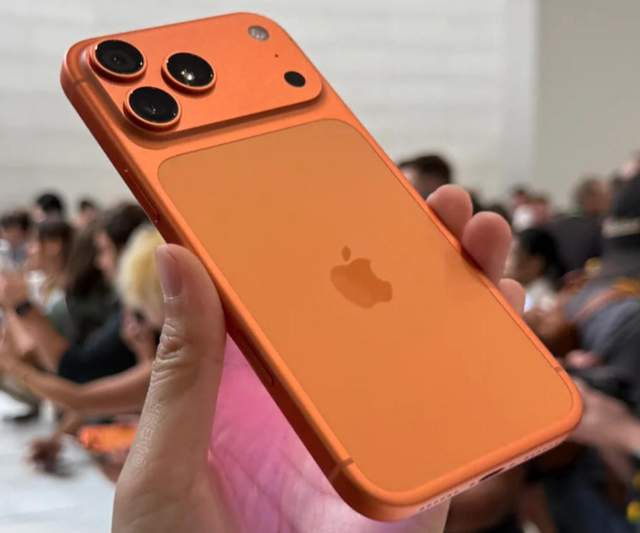
Take Apple, for instance. The tech giant has recently raised prices across its product lineup, including the iPad, Mac, HomePod, and Apple TV, with the iPhone being the sole exception—for now. However, rumors suggest that the upcoming iPhone 18 series, set to debut this year, may also see a price bump.
The driving force behind these price increases? Skyrocketing memory costs. Even Apple, a behemoth in the industry, has succumbed to these pressures, forcing it to pass on the costs to consumers.
Yet, Micron, a leading memory chip manufacturer, vehemently disputes Apple's rationale. It argues that Apple is actually reaping greater profits post-memory price hikes, all while deflecting blame onto memory makers.
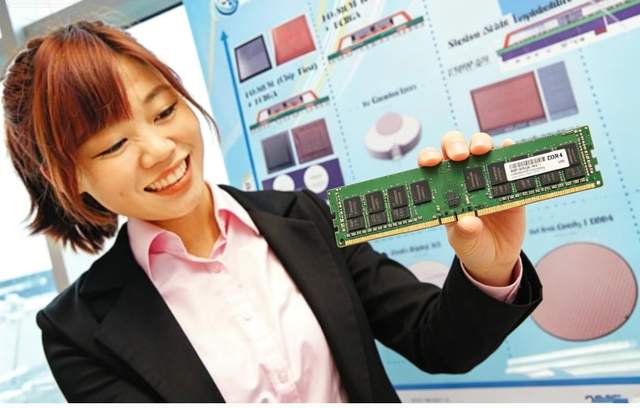
Micron's CEO revealed that Apple previously purchased memory chips from them at $5 apiece and sold products incorporating these chips for $99.
Now, with price increases, Micron has raised the memory chip price to $50. However, Apple, after buying the memory for $50, adds a hefty $250 markup, selling the final product to consumers for $300.
When memory prices were stable, Apple earned a mere $94 profit per memory chip sourced from Micron. Now, its profit per chip has surged to $250, a staggering 2.5 times the previous amount.

From this perspective, while memory prices have indeed climbed, and Apple's procurement costs from Micron have risen, Apple has exploited these hikes to impose even steeper price increases on consumers, ultimately boosting its bottom line.
Micron's stance is clear: Apple is reaping the financial rewards while maintaining a moral high ground, leaving memory manufacturers to face consumer backlash. In the end, memory makers earn less than Apple, making them the ultimate losers in this scenario.
What's your take on this? This, in essence, unveils the truth behind the price hikes by numerous manufacturers today: they exploit cost increases as a pretext to impose even steeper price hikes on consumers. This is because their negotiated prices with memory manufacturers do not rise as sharply as market prices, yet they impose price increases based on the latter.
-
![]()
Shenzhen’s Most Mysterious Robot Startup Secures 1 Billion Yuan in Funding, Targeting a 150 Billion Yuan Market
-
![]()
Why Are Celebrities So Keen on Diving into the AI Realm?
-
Can WeChat AI Sidestep the Quandary Faced by Doubao Phone?
-
![]()
Luxury Lineup, Highly Anticipated! The Pioneer of Physical AI Gears Up for Hong Kong Stock Exchange Debut!
-
![]()
Mercedes-Benz Withholds Year-End Bonuses for 90,000 Staff: Germany's Industry 4.0 Aspirations in Tatters
-
![]()
Can the Hong Kong Stock Market Pay for World Models? Dissecting Momenta's Prospectus
-
![]()
Set for Secondary Listing in Hong Kong with Market Cap Exceeding 500 Billion: How Luxshare Precision Regains Investor Trust?
-
![]()
Approaching its Secondary Listing in Hong Kong with a Market Cap Exceeding 500 Billion: How Has Luxshare Precision Regained Investor Trust?