No Choice for Mobile Phone Companies | Waves
 07/22 2026
 508
508
Editor | Yang Xuran
If we rewind to the end of 2022 and ask the product managers of any mobile phone manufacturer: What are the core selling points of the next flagship model? The answer would most likely revolve around three terms: foldable screens, imaging capabilities, and fast charging.
Back then, mobile phone manufacturers were deeply entrenched in a hardware race. The problem was that as parameters continued to escalate, their practical utility for consumers diminished marginally, while the costs required for continuous improvement soared.
Everyone vaguely sensed that the ceiling for innovation was approaching, yet no one could pinpoint where the next breakthrough would come from. Until recently, everything changed, and the path for upgrading the entire mobile phone industry has become clearer.
Huawei's Pangu, vivo's Blue Heart, Xiaomi's MiMo, OPPO's Andes, and Honor's Magic—China's top five mobile phone manufacturers have all unveiled their self-developed large models. These softer-sounding names have replaced the former "Snapdragon" and "Dimensity" as the central narrative in new product launches.
The time allocation during corporate press conferences has quietly shifted: ten minutes for chip parameters, twenty minutes for imaging systems, and half an hour for large models and AI capabilities.
Mobile phone manufacturers are attempting to fortify their competitive moats with AI, but an awkward question remains: While everyone is sprinting forward, no one dares claim to see the finish line, let alone guarantee they can reach it.
This article is a deep-dive value piece from the content team at Waves. Feel free to follow us across multiple platforms.

Sprinting into the Arena
After ChatGPT ignited a global AI frenzy in early 2023, mobile phone manufacturers almost simultaneously realized one thing: they couldn't wait any longer for large models.
Honor was the first to make a statement. At MWC Shanghai in late June 2023, Honor CEO Zhao Ming proposed introducing AI large models to the device side. In his speech, he said that smartphones are in a new cycle of innovation driven by AI, and Honor aims to create more personalized on-device models, enabling multimodal natural interactions and closed-loop services for complex tasks.
Huawei was the quickest to act. On August 4, 2023, Huawei's Developer Conference was held in Songshan Lake, Dongguan, where HarmonyOS 4 was officially launched. The most significant announcement was the integration of the Pangu large model into the Harmony system for the first time.
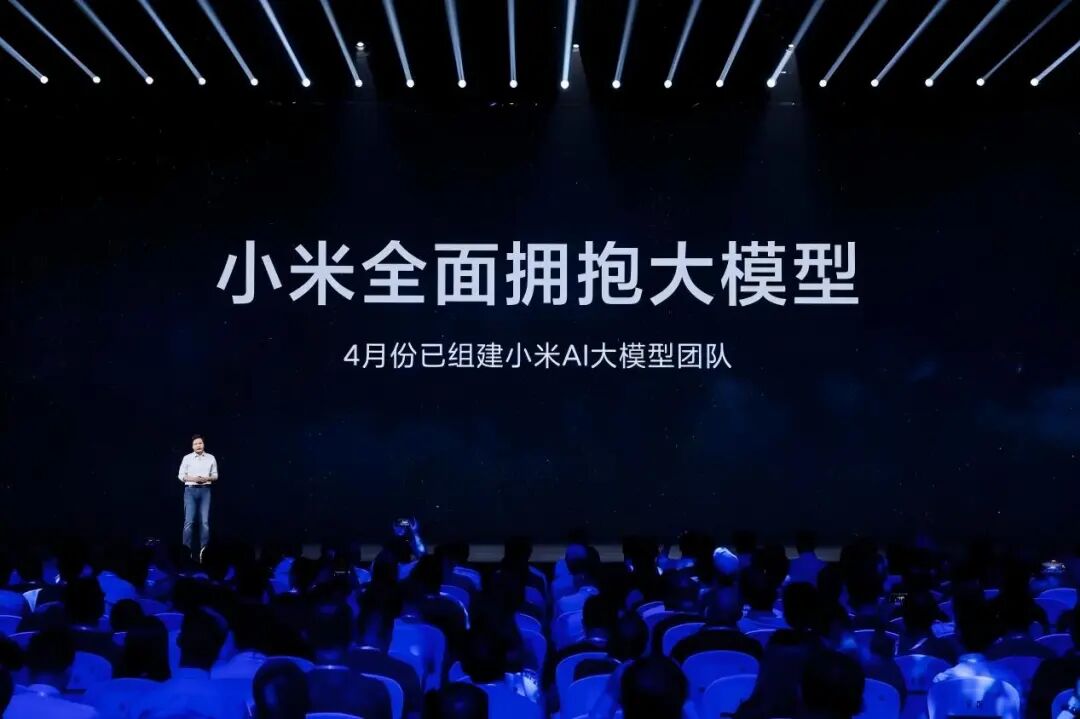
Ten days later, Xiaomi quickly followed suit. On the evening of August 14, 2023, at the Beijing National Convention Center, Lei Jun, during the finale of his fourth annual speech, revealed to an audience of over 3,500 in person and millions online that "Xiaomi is fully embracing large models" in bold letters on the big screen.
By November 1, 2023, vivo officially released its self-developed Blue Heart large model matrix, comprising five models with parameter scales ranging from 1 billion to 175 billion, covering on-device, hybrid on-device and cloud, and full cloud scenarios. Half a month later, OPPO's Developer Conference was held in Shanghai, officially launching its independently trained Andes large model, AndesGPT.
Huawei, Xiaomi, Honor, ZTE, vivo, and OPPO—China's major mobile phone manufacturers have nearly completed their strategic gathering in the large model track (which means "track" or "arena"). Few care about how traditional large model companies operate.
On January 8, 2024, at the OPPO Find X7 series launch event, Liu Zuohu, Senior Vice President and Chief Product Officer, further defined the importance of large models. He said, "Mobile phone manufacturers that don't deploy large models are done for."
This statement was later widely cited by the industry and media, and "self-developed large models" became a standard feature for mobile phone manufacturers.
For professional large model companies, this is not good news.
Large models require terminal deployment, and mobile phones are one of the most important terminal entry points. Collaborating with mobile phone manufacturers was supposed to be a crucial part of the commercialization closed loop (which means "closed loop") for large models. If leading mobile phone manufacturers all choose to develop their own large models, a massive gap will emerge in the commercialization path of third-party large model companies on mobile devices.
A counterattack soon followed.
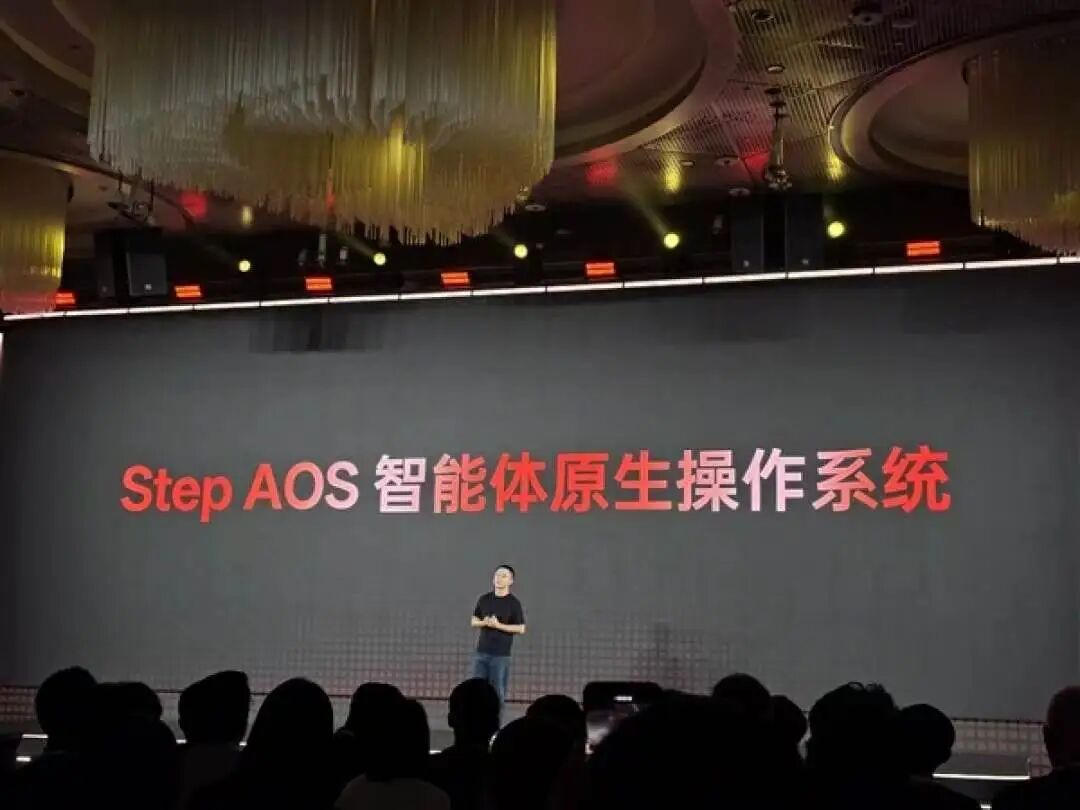
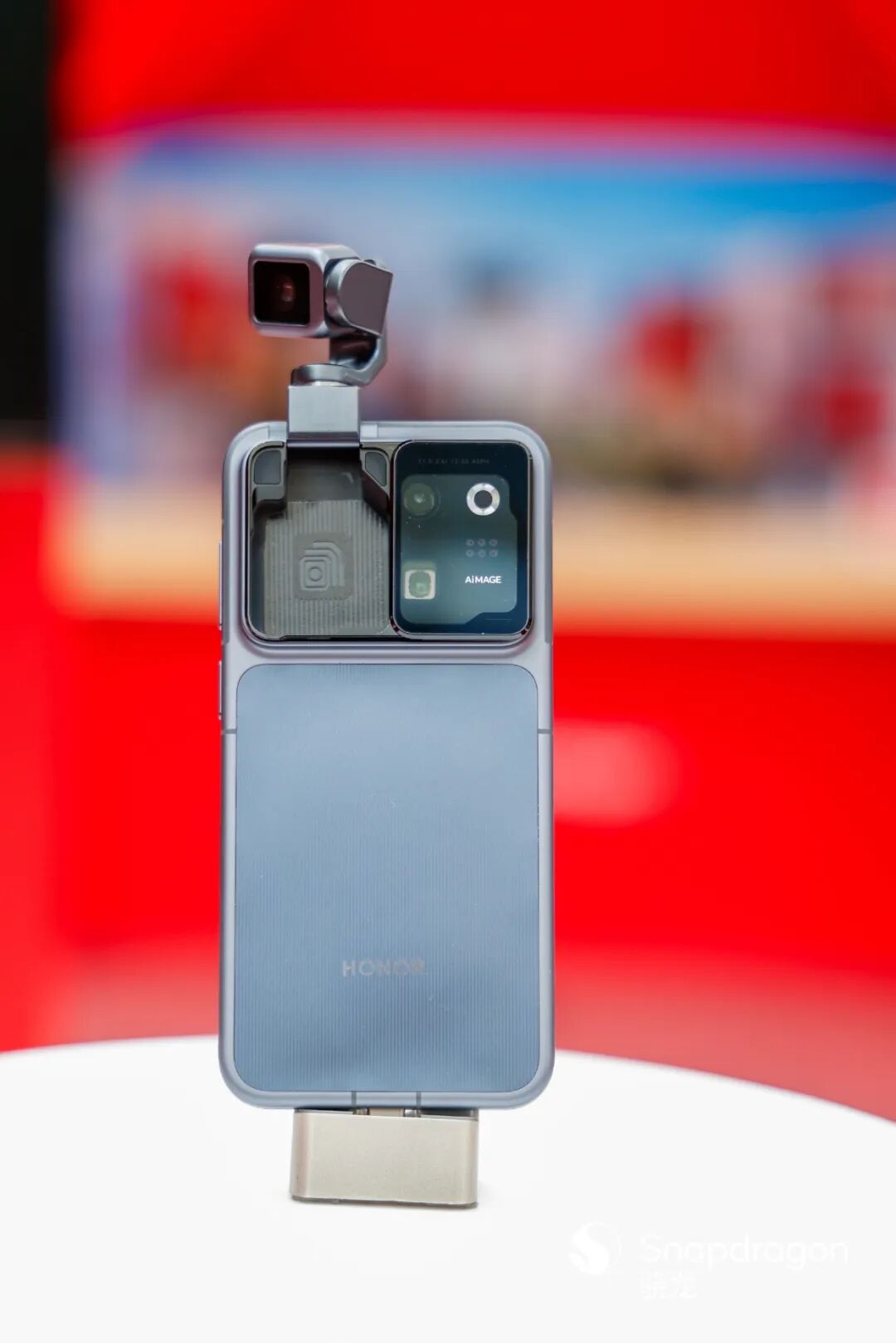
On July 13, 2026, JieYue XingChen launched STEPX Neo, the world's first large model-native smartphone, becoming the first large model company to venture into mobile phone manufacturing. ByteDance took a collaborative approach, launching the second-generation Doubao phone, NaviX Ultra, in partnership with Nubia during the 2026 World Artificial Intelligence Conference on July 18.
Further pressure came from overseas. According to supply chain investigations by Tianfeng International analyst Ming-Chi Kuo, OpenAI's AI agent smartphone project is accelerating, with mass production now scheduled for the first half of 2027, ahead of the initial 2028 estimate.
Large model companies venturing into mobile phone manufacturing might not be their ideal choice, but the actions of mobile phone manufacturers have left them no alternative but to explore this path. In turn, this has intensified survival pressures on traditional mobile phone manufacturers.

Forced by Circumstances
Behind the mobile phone manufacturers' sprint into the arena lies a mix of ambition and anxiety.
Ambition stems from the fact that AI large models seem inseparable from mobile phones, the most critical terminal. Anxiety arises because the mobile phone market has long since peaked.
IDC data shows that smartphone shipments in China reached approximately 284 million units in 2025, a 0.6% year-on-year decline. This contrasts sharply with the 5.6% recovery growth seen in 2024.
In 2026, the situation worsened. In the second quarter of 2026, smartphone shipments in China were approximately 66.01 million units, a 4.3% year-on-year decline—the fifth consecutive quarter of decline.
Today, users are stretching their phone replacement cycles to over three years on average, reluctantly upgrading only when necessary. The market has shifted from increment (which means "growth") to inventory (which means "stock" or "existing base") times.
The cost pressure from rising memory chip prices is rapidly translating into higher terminal prices. Mainstream brands like OPPO, vivo, Xiaomi, and Honor have all raised prices for some models, with mid-range phones generally seeing increases of 300 to 500 yuan.
Price hikes further suppress consumers' willingness to upgrade.
According to Counterpoint Research's China Smartphone Weekly Sales Tracker, smartphone sales in China fell 13% year-on-year during the four-week period covering the 618 shopping festival. IDC even predicts that as component cost pressures continue to rise, smartphone shipments in China could decline by around 20% year-on-year in the second half of 2026.
Against this backdrop, AI represents almost the only visible growth opportunity for the industry.
IDC forecasts that AI smartphone shipments in China will reach 147 million units in 2026, a 31.6% year-on-year increase, accounting for 53% of the overall market and surpassing non-AI phones for the first time to become the mainstream.
Counterpoint Research's global data is equally optimistic: smartphones with generative AI capabilities will account for 45% of global shipments in 2026, rising to 52% in 2027.
On one hand, the overall market continues to shrink; on the other, AI phones are growing rapidly against the trend. Betting on AI has become a no-brainer.
As for why mobile phone manufacturers insist on self-developing large models, beyond concerns about exorbitant fees, they also worry about differentiation.
If AI capabilities are entirely provided by third-party large model companies, then once all phones integrate the same large model, the user experience will converge. With hardware innovation already nearing its limits, losing AI differentiation would almost equate to surrendering future pricing power.
A deeper fear is becoming mere hardware "shells" in the AI era.
If AI interactions, services, and ecosystems are entirely controlled by third-party large models, and users primarily open their phones to use AI agents, then mobile phone manufacturers' value would be reduced to mere hardware assembly.
This is a fate no leading mobile phone manufacturer can accept.
Self-developing large models is essentially a "moat defense war." It's not just about how much money can be made but about preserving one's position in the industrial value chain.

No One Dares Stop
Today, AI phones have taken on a clearer shape compared to the earlier uncertainty, with distinct differences from traditional smartphones gradually emerging.
The biggest difference lies in interaction logic and execution capabilities.
Traditional smartphones rely on command-driven task completion, requiring users to issue precise operations or explicit instructions to get effective responses. AI phones are radically different—users only need to express vague intentions through voice, text, or images, and the phone can automatically understand and operate independently.
This shift from "command-driven" to "intention-driven" represents a dimensional upgrade in hardware interaction paradigms.
Additionally, in the era of traditional smartphones, apps operated in isolation, forming "data silos." AI phones break down these barriers by using system-level agents to call services across apps.
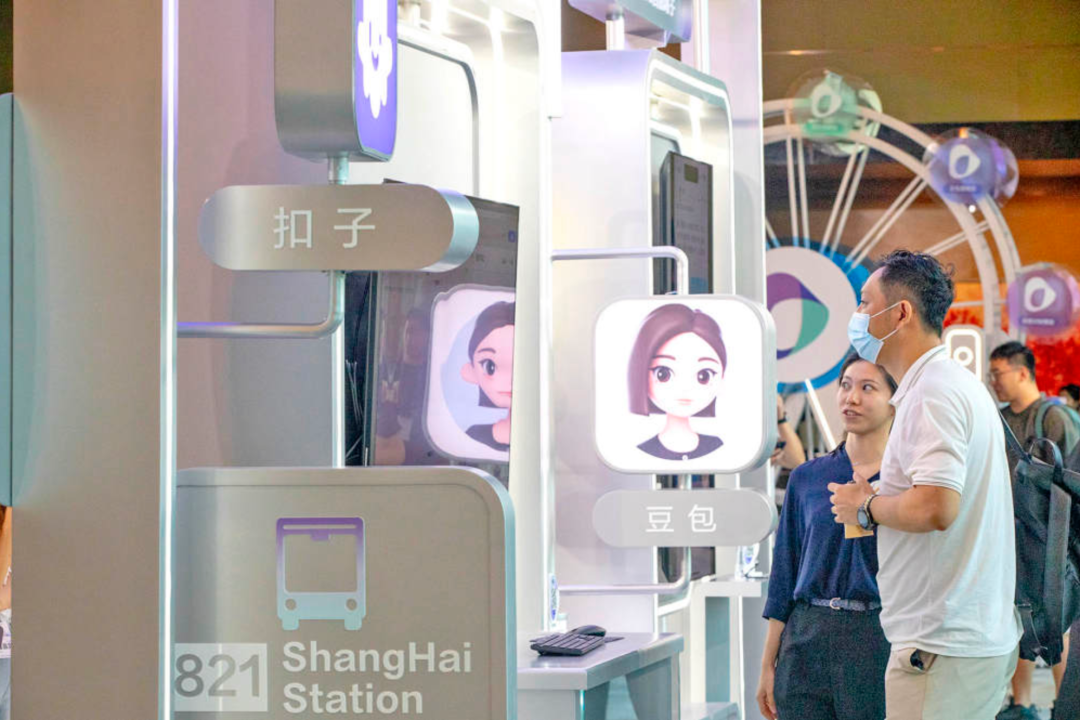
Take business trips as an example. In the traditional smartphone era, users had to juggle multiple apps for train tickets, flights, accommodations, and dining to piece together the best travel plan. In the new era, users can simply say, "I'm going on a business trip tomorrow; please arrange the best plan," and the phone can automatically coordinate multiple apps to complete ticket booking, hotel reservations, reminders, and other tasks in one go.
AI phones can continuously learn users' lifestyles and behaviors without relying on cloud storage or even an internet connection, processing everything locally on the device to provide personalized proactive services.
On-device AI capabilities were almost unimaginable in the traditional smartphone era, and the end-side hardware matched to AI systems is also rapidly evolving. AI phones integrate dedicated Neural Processing Units (NPUs), achieving 10 to 100 times the energy efficiency of traditional smartphones using CPUs, providing the computational foundation for on-device large model inference.
The problem is that many of these functional advantages have not directly translated into consumers' willingness to upgrade.
Counterpoint Research data shows that by the end of 2025, the penetration rate of smartphone chips with agent AI capabilities was 4%, concentrated mainly in high-end flagship models. The vast majority of phones on sale still lack true agent capabilities. This data has two implications: on one hand, it suggests vast potential for AI phone adoption; on the other, it indicates that existing AI phones have not yet created a revolutionary experience compelling enough to drive upgrades.
Most AI phones on the market today simply overlay an AI interaction layer onto existing systems: replacing button operations with voice commands, manual searches with AI recommendations, and migrating photo editing features into system albums. AI acts more as a feature enhancer rather than the revolutionary upgrade seen when transitioning from button phones to smartphones.
What should an AI phone truly look like? Current explorations are clearly not the final answer, and no one knows what new changes the combination of AI and hardware will bring in the future.
For all market participants, each has its own roadmap and believes it is heading in the right direction. No player dares stand still.
The risk of missing out on the next era is unbearable for all relevant companies. This is a race where no one dares fall behind, even if the finish line remains shrouded in fog for now.
-
When Cost-Effectiveness Falters, Mobile Phone Sub-brands Engage in a Survival Showdown
-
![]()
Automotive-Grade Fragrance Generator: Safety as the Foundation, Pleasant Aroma as the Norm
-
![]()
Tengjing Technology’s Revenue Projected to Soar by Over 50% in First Half of 2026!
-
![]()
Insta360 Ramps Up 'Bundling' with Upstream Optical Supply Chain with 110 Million Yuan in Related Procurement
-
![]()
Following NIO and CATL’s Footsteps, Guangzhou Nurtures Another Billion-Dollar Unicorn
-
![]()
No Choice for Mobile Phone Companies | Waves
-
![]()
From Jiyue to Li Auto and Saido: The Expedition of AI Cars Has Just Begun | Business Wave
-
![]()
Why Chinese Domestic Brands Are Embracing the Supercar Race Despite Its Unprofitable Nature