OPPO A7 Pro Max Hands-On Review: Pricey Yet Exceptionally Tough
 08/05 2026
 492
492
Resilient software, shatterproof hardware.
This year's smartphone market has been a tough one, largely due to the soaring storage costs, which have driven up prices by an average of RMB 500-1000. Budget smartphones, particularly those priced below RMB 2000, have been hit hardest, as these price hikes inevitably lead to compromises in other areas.
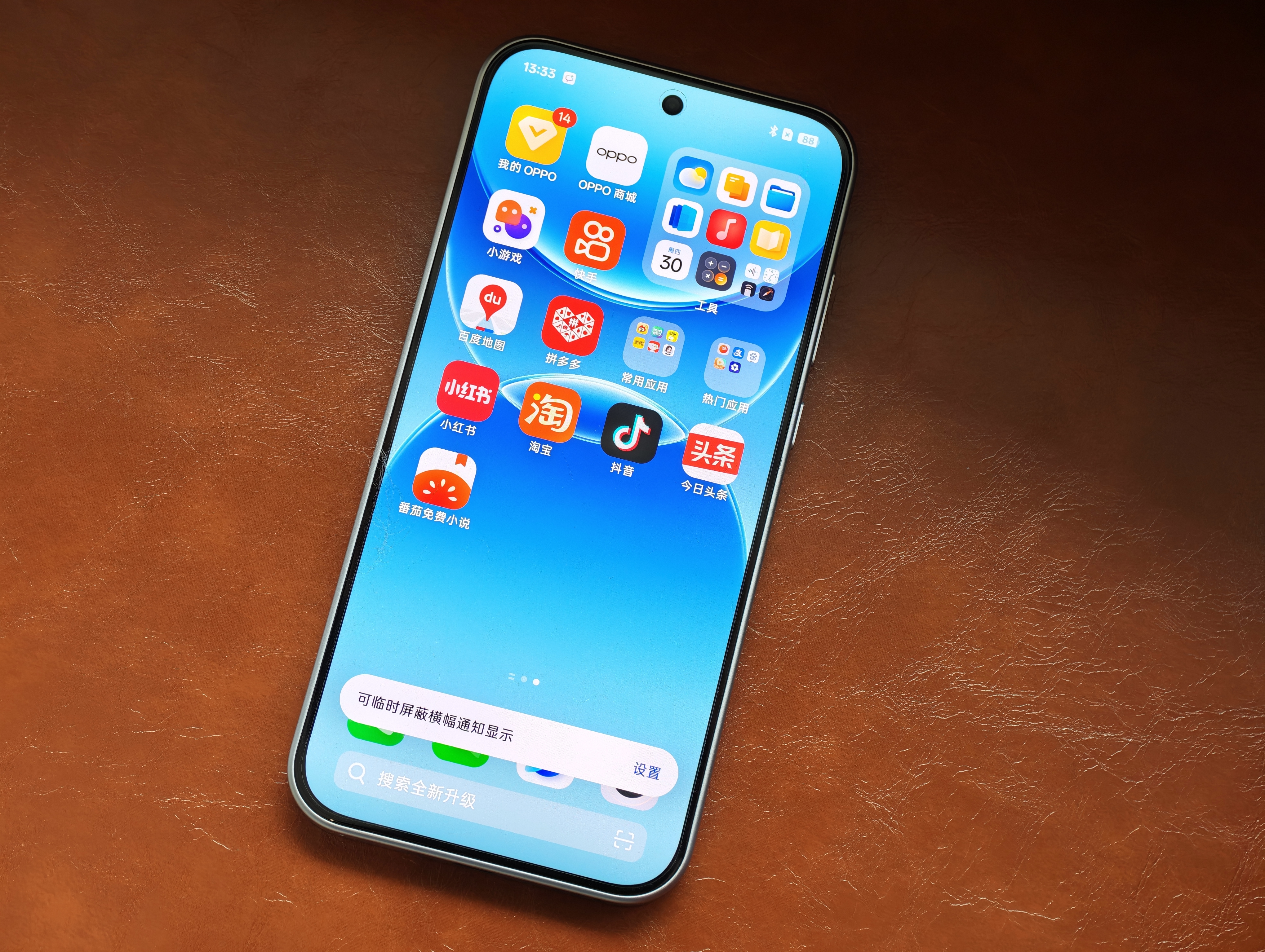
However, smartphone manufacturers are not throwing in the towel. With cost-cutting off the table, they're pouring all their resources into the most critical aspects. The newly launched OPPO A7 Pro Max, in the eyes of Leitech (ID: leitech), stands out as a unique smartphone. It may not boast top-tier performance or photography capabilities, but it has delivered a satisfactory experience for Xiaolei.
(Image source: Leitech)
Pricing:
8+128GB version: RMB 2199 (national subsidy price: RMB 1869.15)
8+256GB version: RMB 2699 (national subsidy price: RMB 2294.15)
12+512GB version: RMB 2999 (national subsidy price: RMB 2549.15)
After two days of use, Xiaolei feels it's time to share some insights on this product.
Sporting a massive 10,000mAh battery, the OPPO A7 Pro Max's first impression is that it's lighter than expected. Weighing 226g and measuring 8.57mm thick, these specs may not seem extraordinary at first glance. However, thanks to its rounded frame and back panel, it feels quite comfortable in the hand.
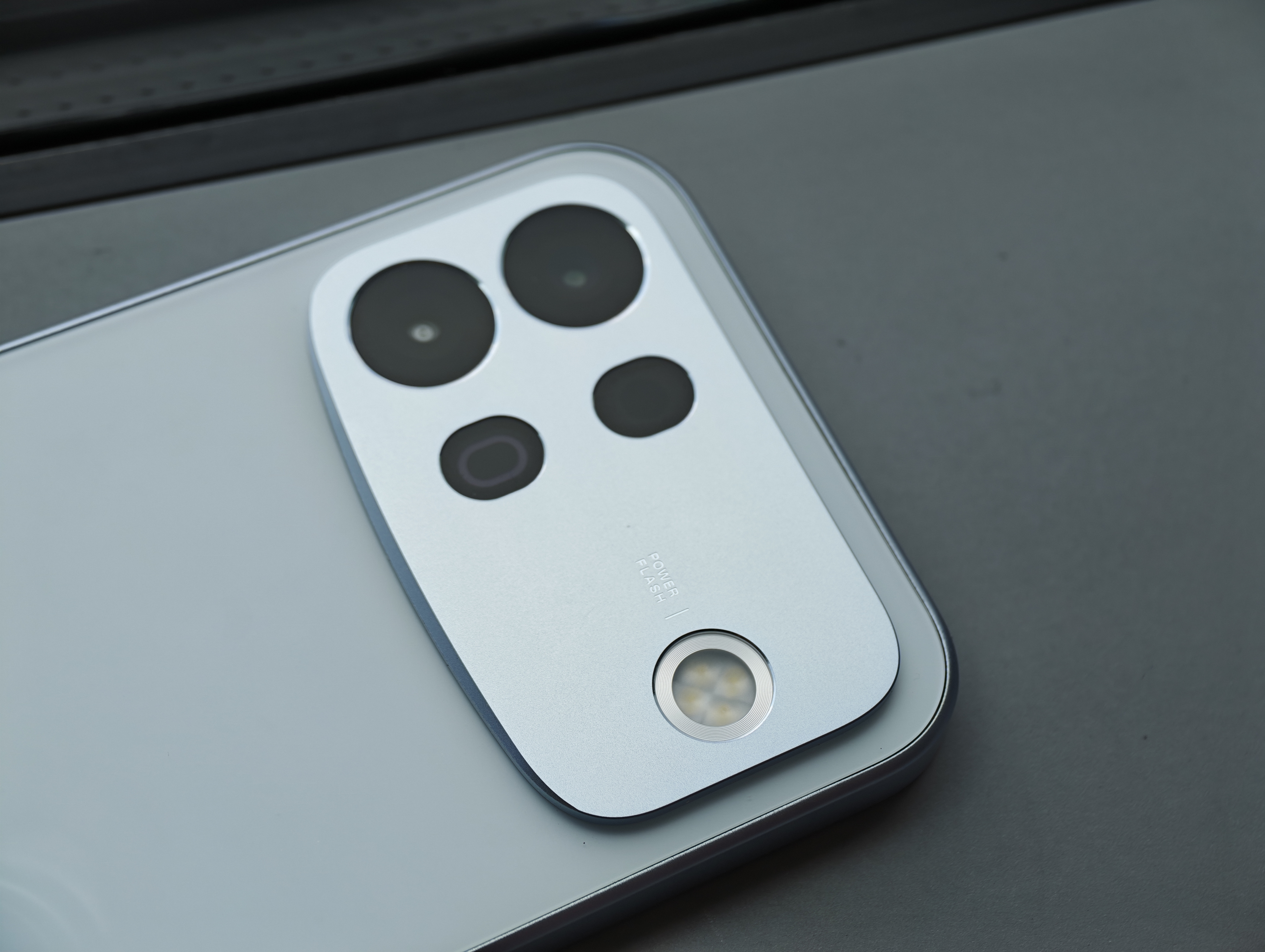
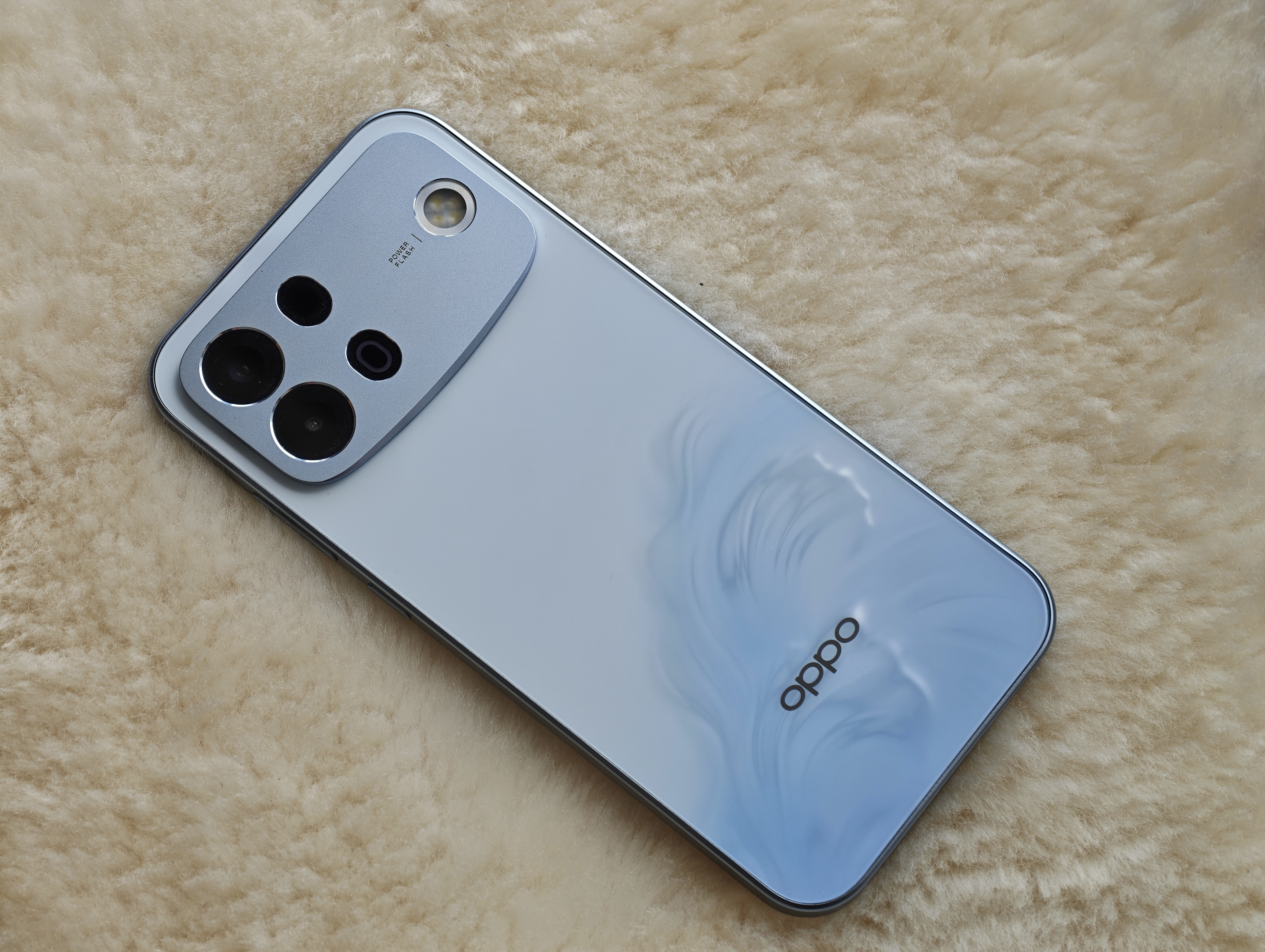
In terms of design, Xiaolei believes this model rivals or even surpasses mid-range offerings in the same or higher price brackets. The back of the phone features a 3D relief texture, offering a layered appearance under different lighting conditions, rather than the typical gradient finish.
(Image source: Leitech)
The camera module adopts a classic smile curve design, with a full-metal lens module featuring a diamond-cut finish. At first glance, it exudes a flagship-like quality. However, upon closer inspection, the size and feel of the lens module still fall short of expectations.
In terms of imaging, the A7 Pro Max is equipped with a 50-megapixel front and rear camera setup. The front camera is a 50-megapixel ultra-wide-angle lens with a 100° field of view, supporting autofocus and intelligent distortion correction. The rear camera features a 50-megapixel primary lens with OIS optical image stabilization. During a brief daytime photo session, Xiaolei noticed that the colors appear natural and lifelike under sufficient lighting, making it perfectly suitable for sharing on social media.

(Image source: Leitech)
In low-light conditions, thanks to OIS, the success rate of capturing usable images is significantly higher compared to phones without image stabilization. However, issues such as noise in dark areas and overexposure of bright signs persist. Additionally, the lack of a telephoto lens makes shooting distant objects somewhat challenging. Nevertheless, considering the price range, these limitations are somewhat expected.
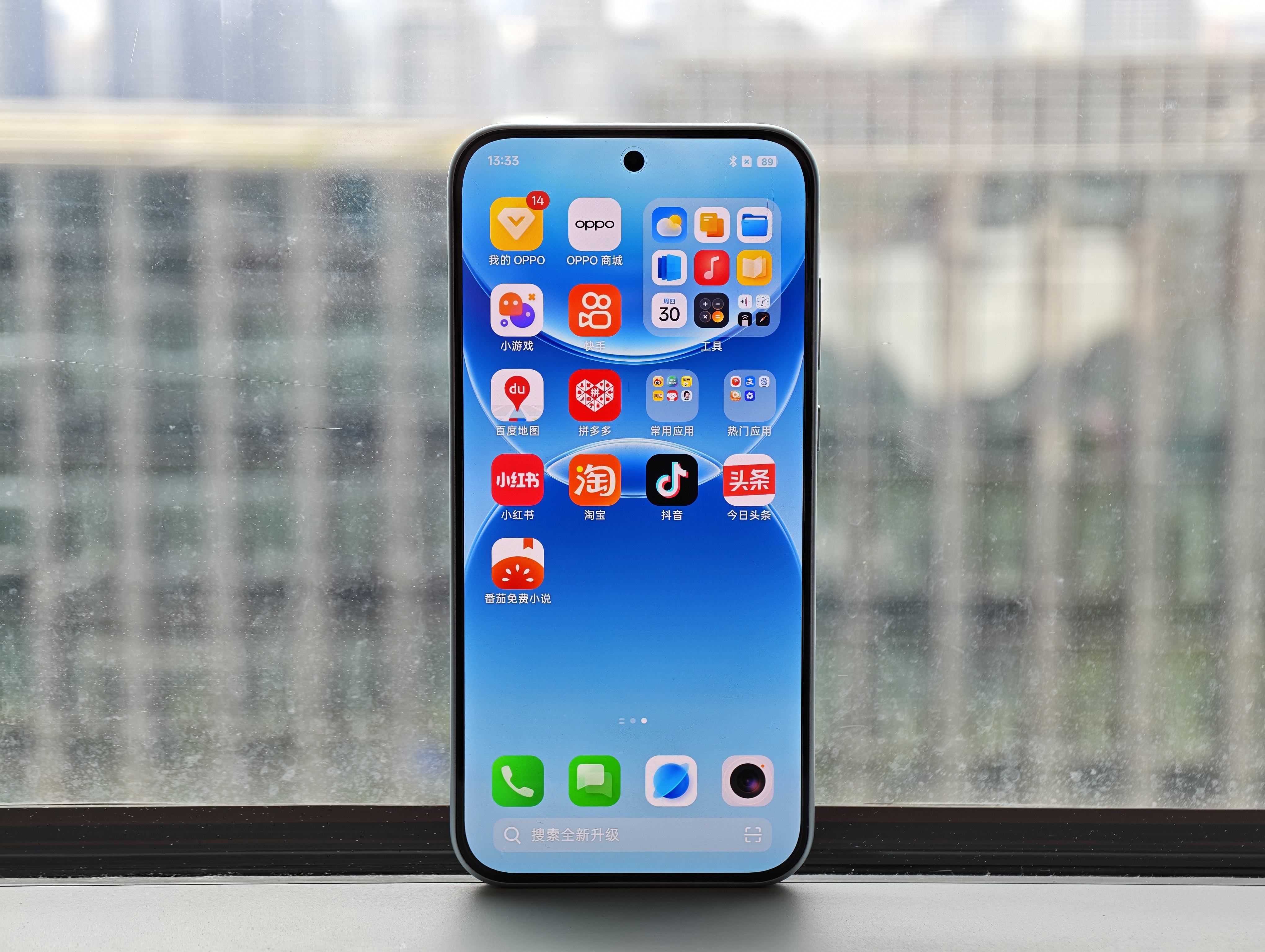
The OPPO A7 Pro Max features a 6.78-inch 1.5K resolution OLED flat display with a resolution of 2772×1272, a 120Hz refresh rate, a peak brightness of 1800nits, and 1.07 billion colors with 10bit color depth. The screen-to-body ratio is 93.5%.
(Image source: Leitech)
In terms of actual viewing experience, the 1.5K resolution provides sufficient clarity for text and images at normal viewing distances, with no noticeable pixelation even when viewed closely. The 1800nits brightness allows for clear visibility under outdoor sunlight, performing better than Xiaolei's expectations. Additionally, there is a small surprise: a multi-function ambient light. The charging light color changes with the battery level, allowing you to gauge the charging progress at a glance. This feature is rare in smartphones priced around RMB 2000 and can be considered a thoughtful design touch.
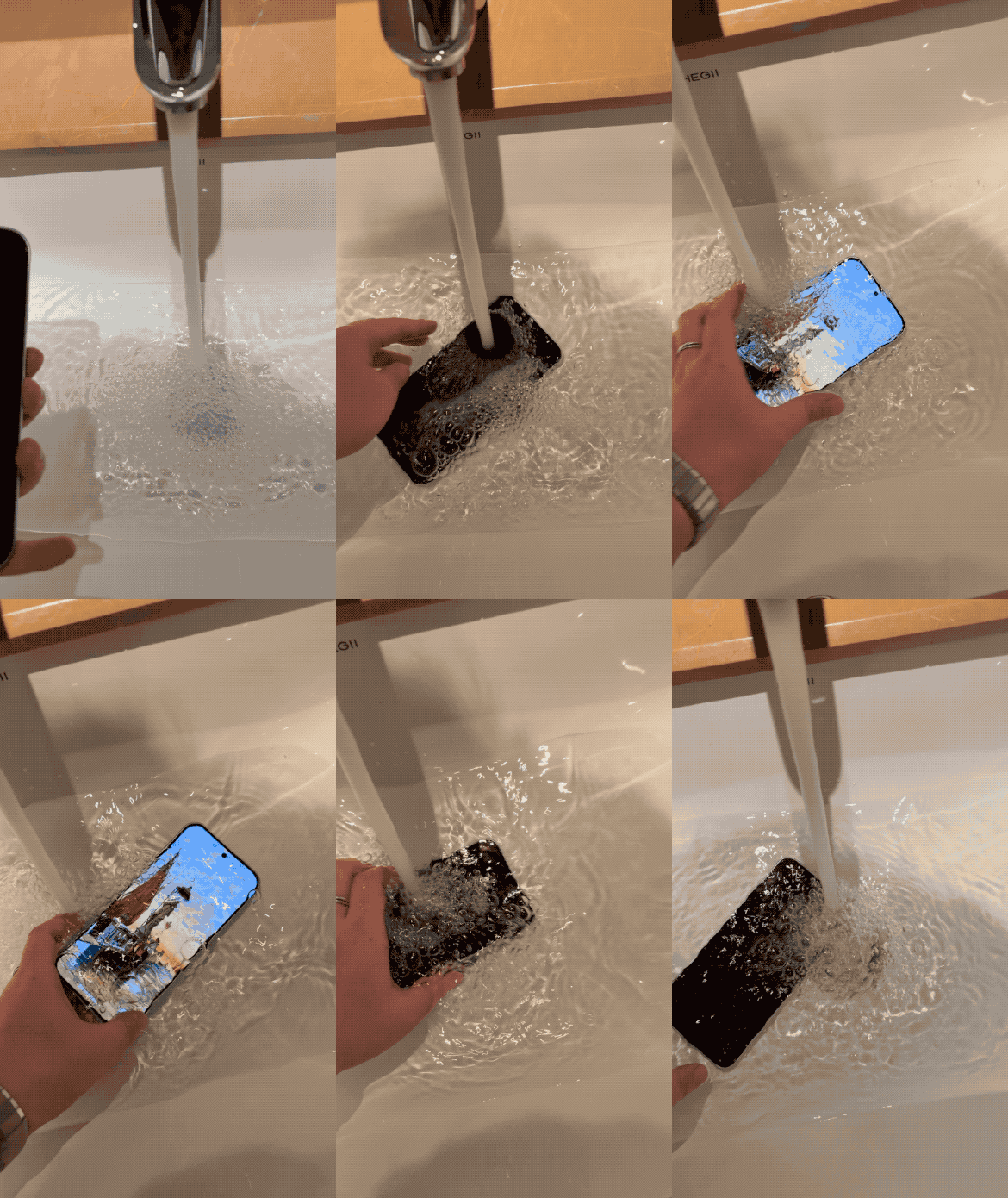
Of course, as a budget-oriented smartphone, the OPPO A7 Pro Max inherits the durability traits of the A series. Let's start with its water resistance. It supports IP69K, one of the highest dust and water resistance ratings in the consumer electronics industry. Many people may not be familiar with IP69K. Simply put, while IP68 means the device can withstand being submerged in 1.5 meters of water for 30 minutes, IP69K means it can withstand direct jet spraying of high-temperature, high-pressure water jets at 80 degrees Celsius. These two levels of protection are not even in the same league.
Xiaolei tested the phone by rinsing it directly under a faucet. The water flow hit the screen and body, but the touch functionality remained completely normal. After wiping it dry, the phone continued to work without any issues. The official specifications mention protection against 38 common liquids, including everyday substances like coffee, cola, and soup. For food delivery riders braving the rain, construction workers operating in dusty environments, or simply those prone to dropping their phones in water, this level of water resistance can truly give the phone a second life.
(Image source: Leitech)
In addition to IP69K, OPPO claims the phone can operate for 2 hours in a 63°C environment, withstand storage at -40°C for 7 days while powered off, resist 96 hours of neutral salt spray corrosion, endure extreme rainstorms exceeding red warning levels under 8-level winds, survive 4 hours at -10°C after exposure to 0°C rain, withstand violent sandstorm impacts under 10-level winds, and survive 26 consecutive drops onto a steel plate from a height of 1.22 meters. While Xiaolei couldn't replicate all these tests, just looking at the list makes it clear that this device is designed not just for everyday durability but to survive extreme conditions.
In terms of drop resistance, the A7 Pro Max features an ultra-durable diamond structure that significantly enhances the rigidity of the phone's body. It incorporates an airbag-like design to protect core components and thickened crystal shield glass to prevent screen damage when dropped face-down. In other words, even if the phone slips out of your pocket, falls off a table, or rolls down a flight of stairs, it will likely emerge unscathed. Combined with a one-year water damage warranty and a two-year screen breakage warranty, users can feel at ease. Even if you're someone who tends to be rough with your phone, it should last two to three years.
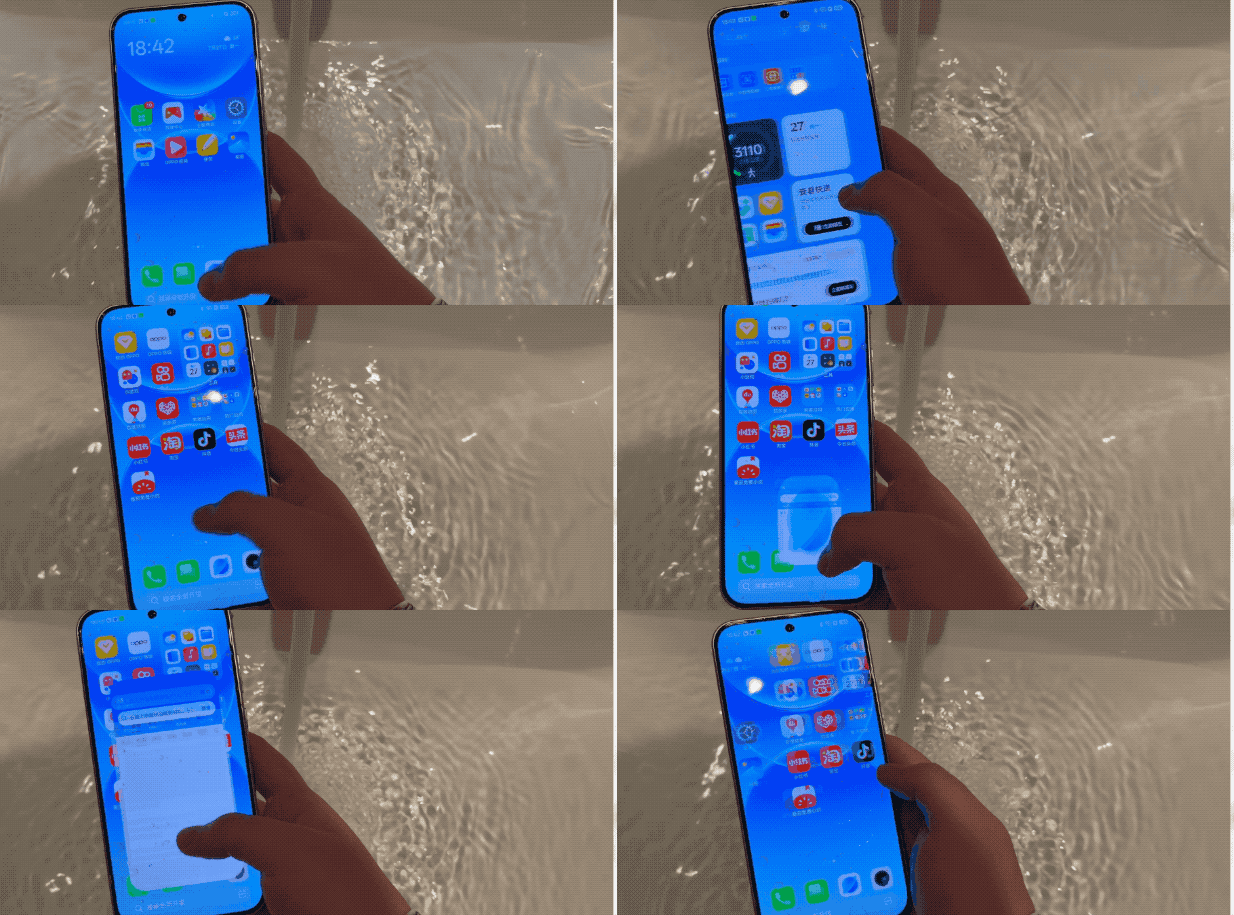
Beyond these hardware upgrades, the OPPO A7 Pro Max offers several practical features that complement its durability. The first is rain-enabled touch control—the screen remains responsive even when wet. Xiaolei tested wet swiping and tapping, and the response was generally normal, without the touch discontinuity or erratic behavior common on regular phones when wet. The application scenarios are obvious: food delivery riders responding to orders in the rain, checking recipes while washing vegetables, or using the phone with sweaty hands.
(Image source: Leitech)
The second feature is glove mode, which allows operation even when fingers are dirty, oily, or gloved. The official specifications mention compatibility with cotton, wool, and sheepskin gloves up to 5mm thick. This is particularly useful for winter gloves or protective work gloves, eliminating the need to remove them to use the phone. The third feature is high-energy outdoor mode 2.0, which allows pinning frequently used apps to the persistent taskbar, enabling instant switching between apps like maps and phone dialer, maximizing efficiency during outdoor work.
Additionally, the phone features a 300% ultra-loud volume. Xiaolei tested it in a noisy outdoor environment and found the ringtone and speaker volume to be sufficiently loud, unlike regular phones that might go unnoticed in a bag. There's also an ultra-bright flashlight with 5x ultra-high brightness illumination, significantly brighter than regular flashlights. While these features may seem simple or even uninnovative, each one is extremely practical.
Finally, let's discuss the elderly care features specifically designed for middle-aged and elderly users. First, the OPPO A7 Pro Max is equipped with a comprehensive AI anti-fraud system: AI call anti-fraud can detect AI-synthesized voices during calls, identify fraud risks in speech patterns, and provide timely warnings; AI face-swapping detection can detect AI face-swapping risks in real-time during video calls; and abnormal transfer detection intelligently identifies fraudulent methods such as cross-app fund transfers, installing fraudulent apps, or installing suspicious apps during screen sharing, providing timely warnings.
(Image source: Leitech)
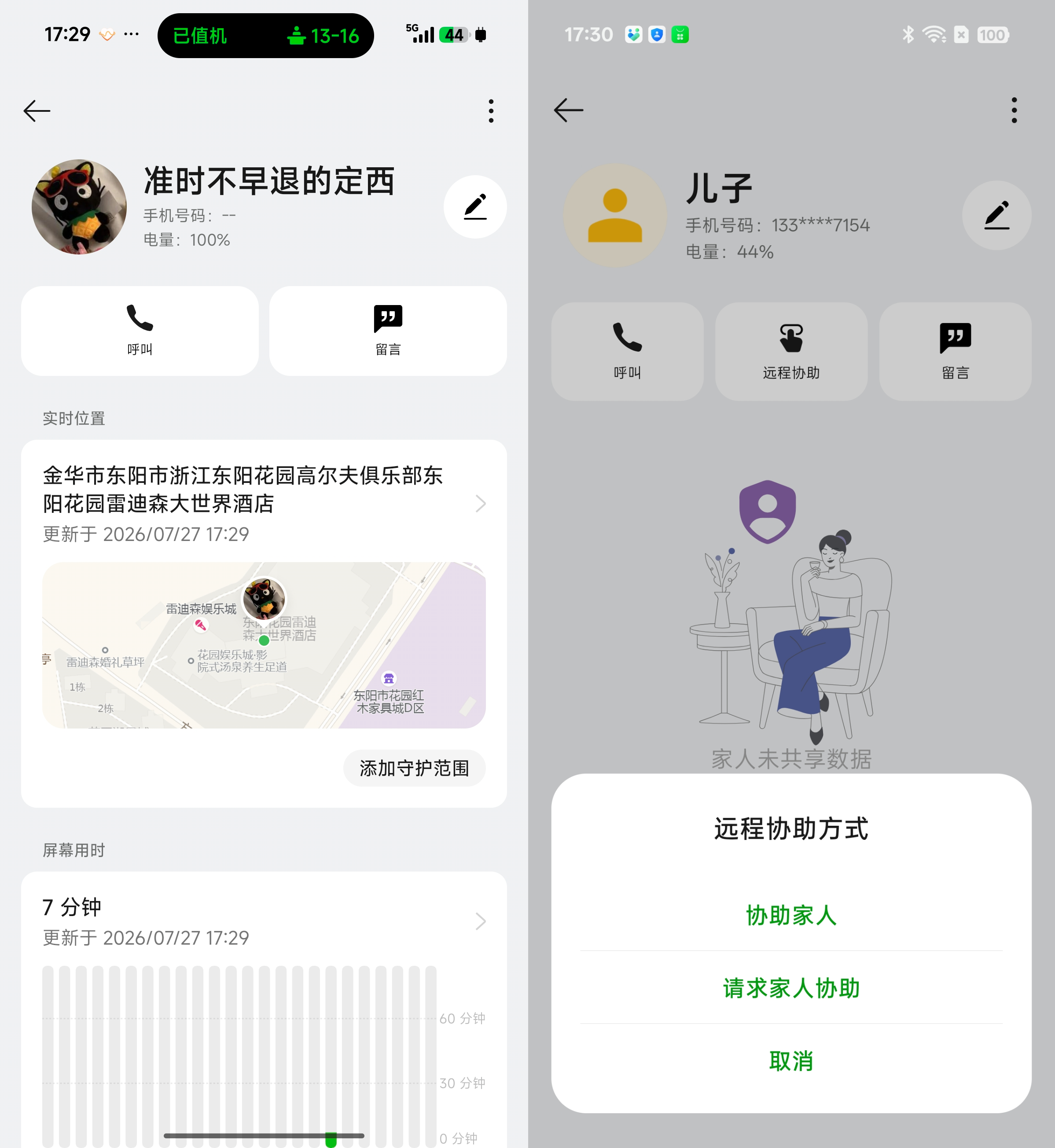
What surprised Xiaolei the most is the family protection feature. Traditionally, family protection features on Chinese smartphones only supported same-brand assistance. In other words, if your family members used OPPO phones, you also needed an OPPO phone. However, the OPPO A7 Pro Max supports cross-brand functionality. Even if your family members use OPPO phones and you use a different brand, you can still protect their safety, view real-time locations, set safety zones, and remotely assist with phone operations.
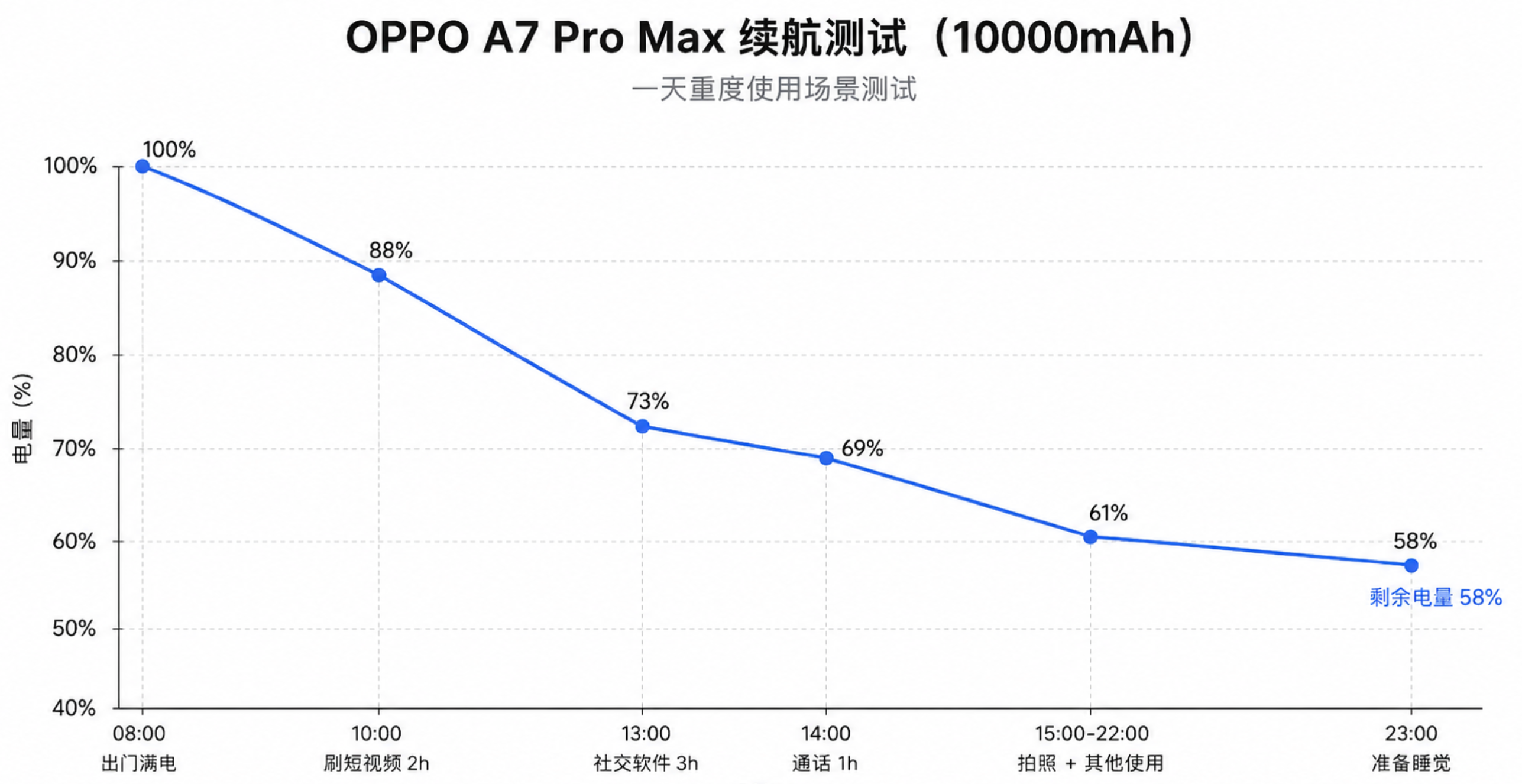
Regarding the massive 10,000mAh battery of the OPPO A7 Pro Max, Xiaolei simulated a day of heavy usage: 2 hours of short video browsing, 3 hours of social media, 1 hour of calling, occasional photo-taking, and WeChat running in the background. Starting with a full charge at 8 AM and ending at 11 PM, the battery level remained at 58%. At this consumption rate, charging every two and a half to three days should be sufficient. The official claim of 24 hours of work on a full charge seems like an underestimation.
(Image source: Leitech)
However, to be honest, a 10,000mAh smartphone is not a rare sight in today's market, with competitors even offering larger capacities. However, traditional large-battery phones face an old issue: while capacity increases, battery degradation also accelerates, leading to noticeable reductions in battery life after two to three years. This can be particularly troublesome for users without easy access to after-sales service.
OPPO has addressed this issue by using its proprietary spherical silicon-carbon negative electrode material, which differs from conventional silicon-carbon negatives. Traditional silicon-carbon negatives are prone to silicon particle expansion and pulverization during charging and discharging, leading to shortened battery life. OPPO's patented spherical silicon-carbon technology structures the silicon particles into a spherical form, allowing for more uniform expansion and significantly extending cycle life. Combined with a patented long-life algorithm, OPPO extends battery cycle life from three dimensions: materials, algorithms, and chips, claiming up to seven years of minimal degradation. However, only time will tell the actual effectiveness.
In terms of charging, the 80W SuperVOOC flash charge takes approximately 85 minutes to go from 1% to full, with the final 20% trickle charge taking nearly 20 minutes. While battery life has improved, recharging speed has slowed—a common trade-off with large batteries. Given the 10,000mAh capacity, an 80W charging speed is not slow, but a 100W or even 120W charger would provide a better experience.
Finally, following Leitech's tradition, here's a brief summary of the pros and cons of the OPPO A7 Pro Max:
Pros:
1. 10,000mAh battery for two to three days of typical use;
2. Exceptional water and drop resistance for maximum durability;
3. Thoughtful design with good build quality;
4. AI anti-fraud, care mode, and cross-brand family protection, making it suitable for elderly users.
Cons:
1. Slow recharging speed, taking nearly one and a half hours;
2. Relatively heavy at 226g, causing fatigue during prolonged one-handed use;
3. Lack of a telephoto lens, relying solely on digital zoom, with average low-light performance;
4. Mediocre performance, not suitable for users who prioritize gaming.
After several days of use, the OPPO A7 Pro Max has given Xiaolei a sense of reliability. It is not a high-performance or high-imaging flagship phone, nor is it a high-cost-effectiveness device. It is simply a smartphone that fully embodies durability.
(Image source: Leitech)
If your budget is around RMB 2000, and you don't need flagship-level performance or high-end imaging capabilities, but instead want a smartphone with exceptional battery life, durability, and peace of mind, the OPPO A7 Pro Max is worth considering. Conversely, if you prioritize gaming frame rates or photography quality, you should look elsewhere—this device is not designed for you.
The most AI-powered and robust ChinaJoy has just concluded.
This year's exhibition theme was "Exploring with AI," and Leitech MCN, dedicated to AI and hardcore technology, dispatched a dedicated CJ exploration team to Shanghai for the first time, achieving results beyond expectations. In 2027, Leitech will increase its investment in ChinaJoy.
Meanwhile, the Leitech WRC (World Robot Conference) 2026 exploration team has been assembled, and the largest-ever and highest-specification IFA 2026 reporting team is in preparation. Stay tuned!
OPPO A7 Pro Max Long-Battery-Life Smartphone
Source: Leitech
Images in this article are from the 123RF licensed image library. Source: Leitech
-
![]()
"Hastily Assembled Vehicles" Face Halt: New Energy Vehicle Standards Must Match Those of Fuel-Powered Cars
-
![]()
Geely Streamlines, BYD Empowers: Who’s Vulnerable, Who’s Positioned for Success?
-
![]()
Xiaomi Phone Price Increase Exerts Pressure on iPhone 18
-
![]()
Xiaomi Increases Phone Prices, Adding Pressure on iPhone 18
-
![]()
Final Verdict: Why Is the 'Value Retention Period' of New Energy Vehicles Shrinking?
-
![]()
Intense Internal Rivalry and Revenue Drain in China Mobile, China Unicom, and China Telecom: An Unstoppable Decline in Voice and SMS Services, Persistent Decline in Data Charges
-
![]()
Samsung Z Fold8 Series First Look: Ultra-Slim and Lightweight, Is AI the Future of Foldable Screens?
-
![]()
10 "Small Goals"! Linglong Tire's Young Leader Shows "Extravagant Display of Affection"