Samsung Z Fold8 Series First Look: Ultra-Slim and Lightweight, Is AI the Future of Foldable Screens?
 08/05 2026
 465
465
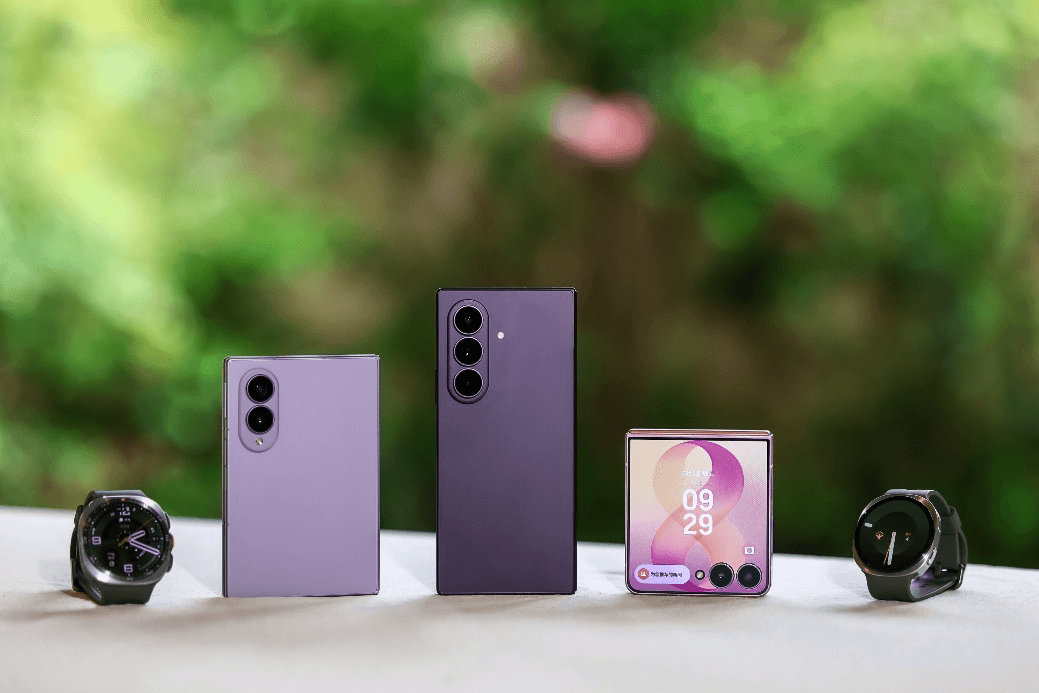
On August 4, Samsung hosted a foldable product launch event in Shenzhen, unveiling the new Galaxy Z Fold8, Z Fold8 Ultra, and Z Flip8, alongside the smartwatches Galaxy Watch Ultra2 and Watch9.
(Image source: Samsung)
Undoubtedly, Samsung's newly released foldable smartphones are the stars of this event. Leitech (ID: leitech) was invited to attend and test out these new devices. Will their performance be truly impressive?
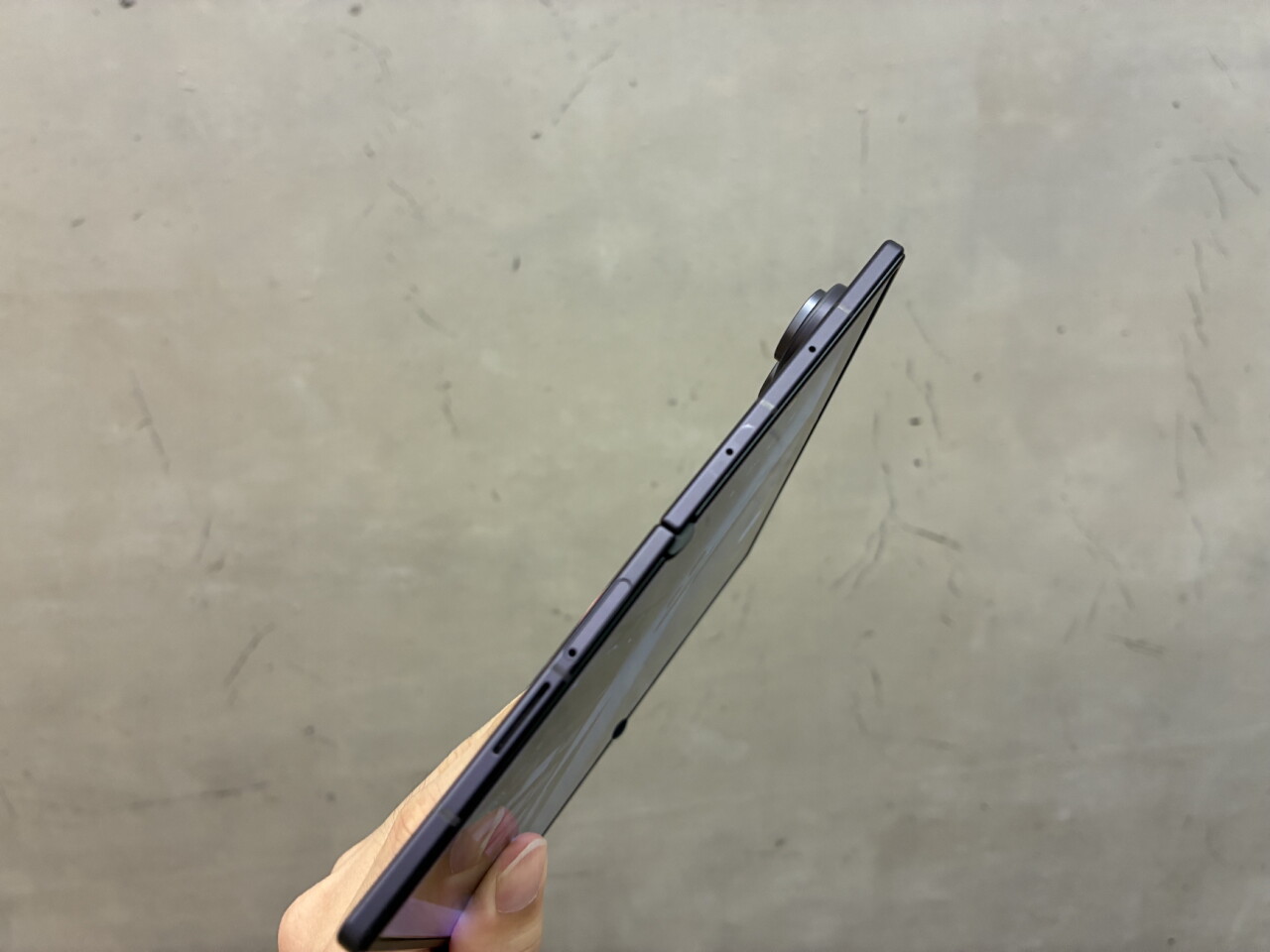
The first impression of the Samsung Galaxy Z Fold8 Ultra is its slimness. When unfolded, its thinnest point measures just 4.1 millimeters. Holding it feels less like holding a phone and more like holding a sleek screen, providing an almost surreal experience.
(Image source: Leitech)
The phone weighs just over 200 grams, roughly equivalent to a traditional flagship smartphone. When unfolded, its 8-inch screen offers an experience akin to using a compact tablet.
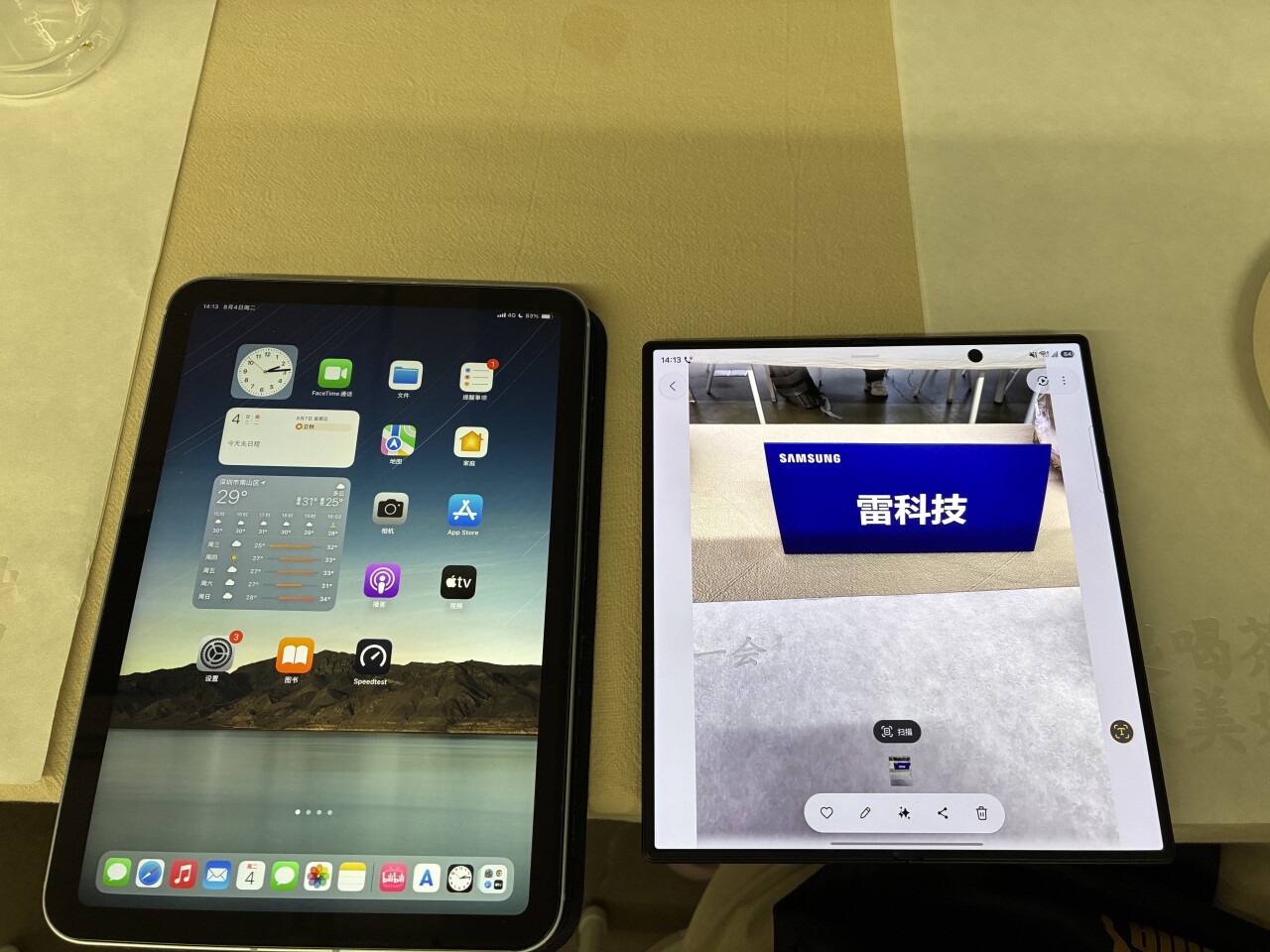
(Image source: Leitech)
This is quite noteworthy because previous large foldable models could be somewhat cumbersome to handle with one hand for extended periods. The Ultra model appears to have thoroughly addressed this issue.
Achieving such performance required significant effort from Samsung in terms of materials. This generation of products adopts titanium shock-absorbing layer technology throughout, incorporating a titanium metal plate with a microporous lattice structure and a titanium alloy film only one-third the thickness of a hair into the foldable screen module. This solution simultaneously absorbs external impacts, reduces creases, and compresses the thickness of the display module. The results are visible to the naked eye.
We repeatedly opened and closed the screen of the Z Fold8 Ultra, and from both front and side views, the creases were noticeably shallower than the previous generation, almost imperceptible from most angles.
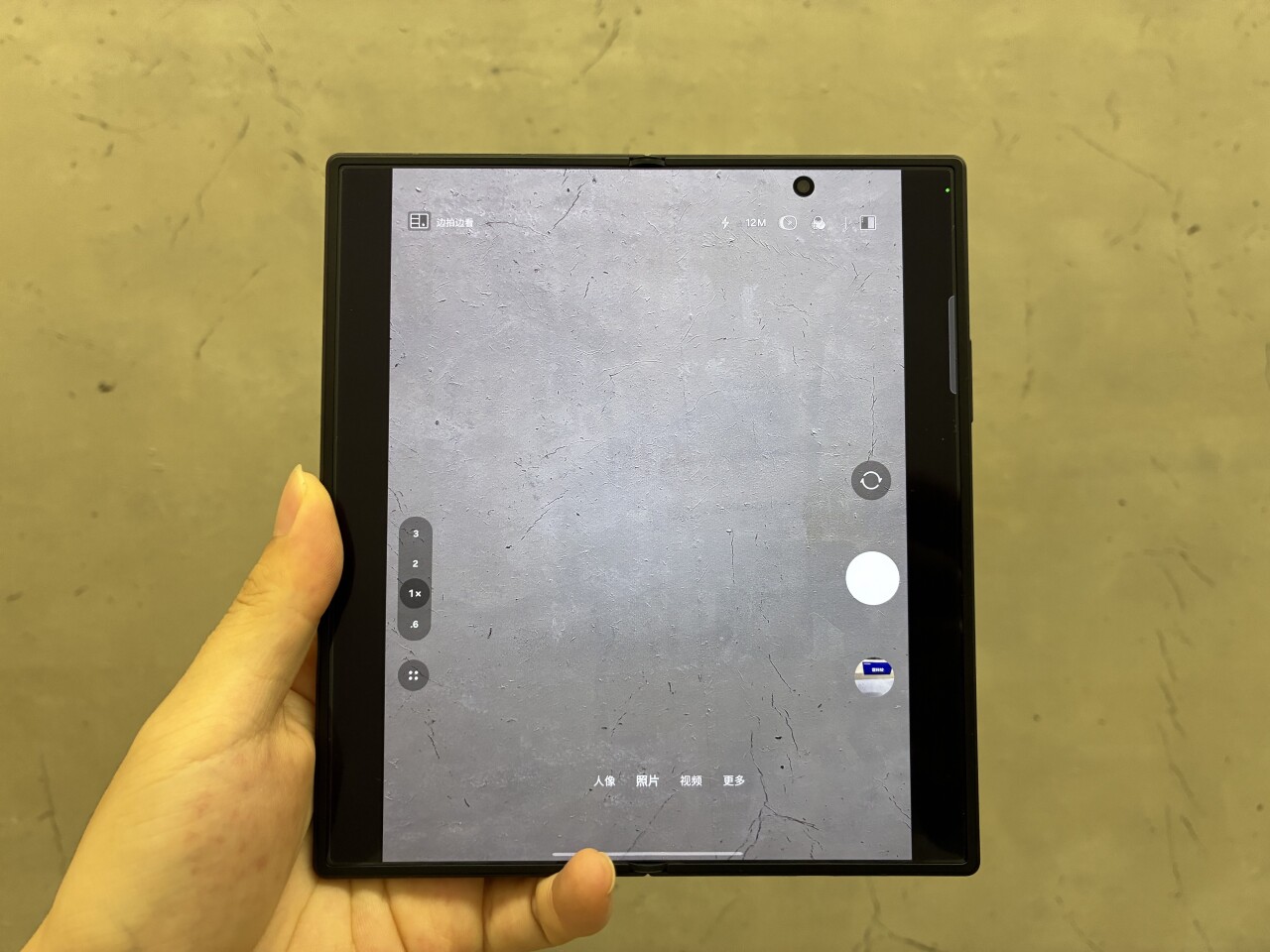
(Image source: Leitech)
Additionally, the thinner hinge module frees up internal space, allowing for a larger battery. The Z Fold8 Ultra packs a 5000mAh battery, while the Z Fold8 has a 4800mAh battery. Achieving such capacity in such a slim body relies on silicon-carbon anode materials and a new nano-coating process. The battery layouts, internal structures, and forms of the three new models vary, and Samsung has customized independent charging solutions for each product, finding a balance between speed, heat dissipation, and long-term reliability. Of course, balancing long battery life and an ultra-thin design is challenging. Personally, I hope for even greater breakthroughs in battery capacity for foldable screens.
In terms of core specifications, the Z Fold8 series is equipped with the fifth-generation Snapdragon 8 Supreme (for Galaxy) processor. The Z Fold8 Ultra also features an upgraded graphite cooling system, so there's no need to worry too much about overheating and throttling under high-load scenarios.
The Z Fold8 takes a different approach. It is slightly smaller in overall dimensions compared to the Ultra but has a more appealing screen ratio. When scrolling through vertical videos on Douyin (TikTok) in folded mode, the display area is mostly utilized, and the black borders are more acceptable.
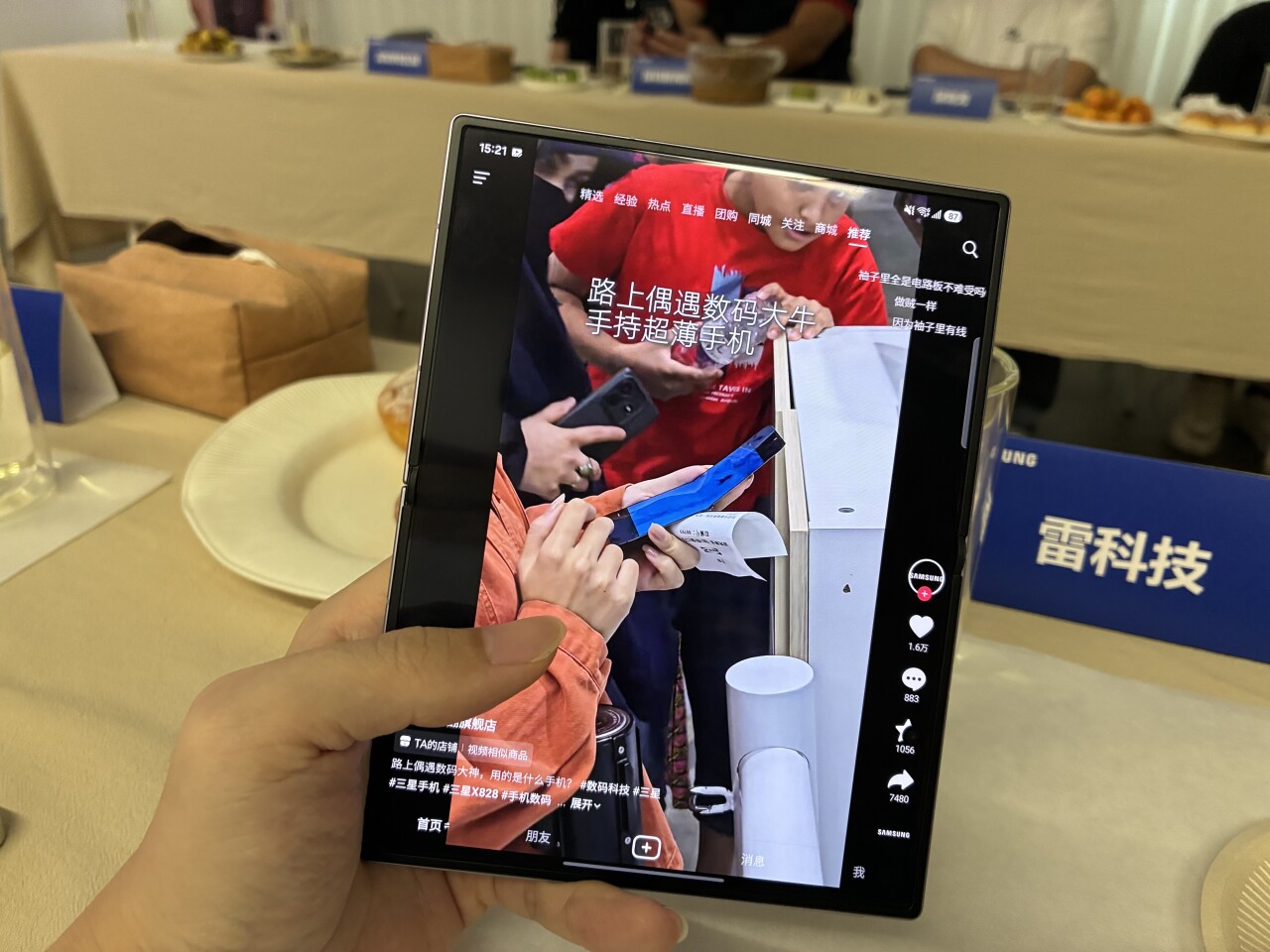
(Image source: Leitech)
When unfolded, the 4:3 inner screen is comfortable for watching videos and playing games. Rotating it to a vertical 3:4 orientation makes reading e-books and comics equally comfortable. This phone has been adapted for the large-screen ecosystem of mainstream domestic apps and supports free rotation between landscape and portrait modes, providing a relatively seamless screen-switching experience.
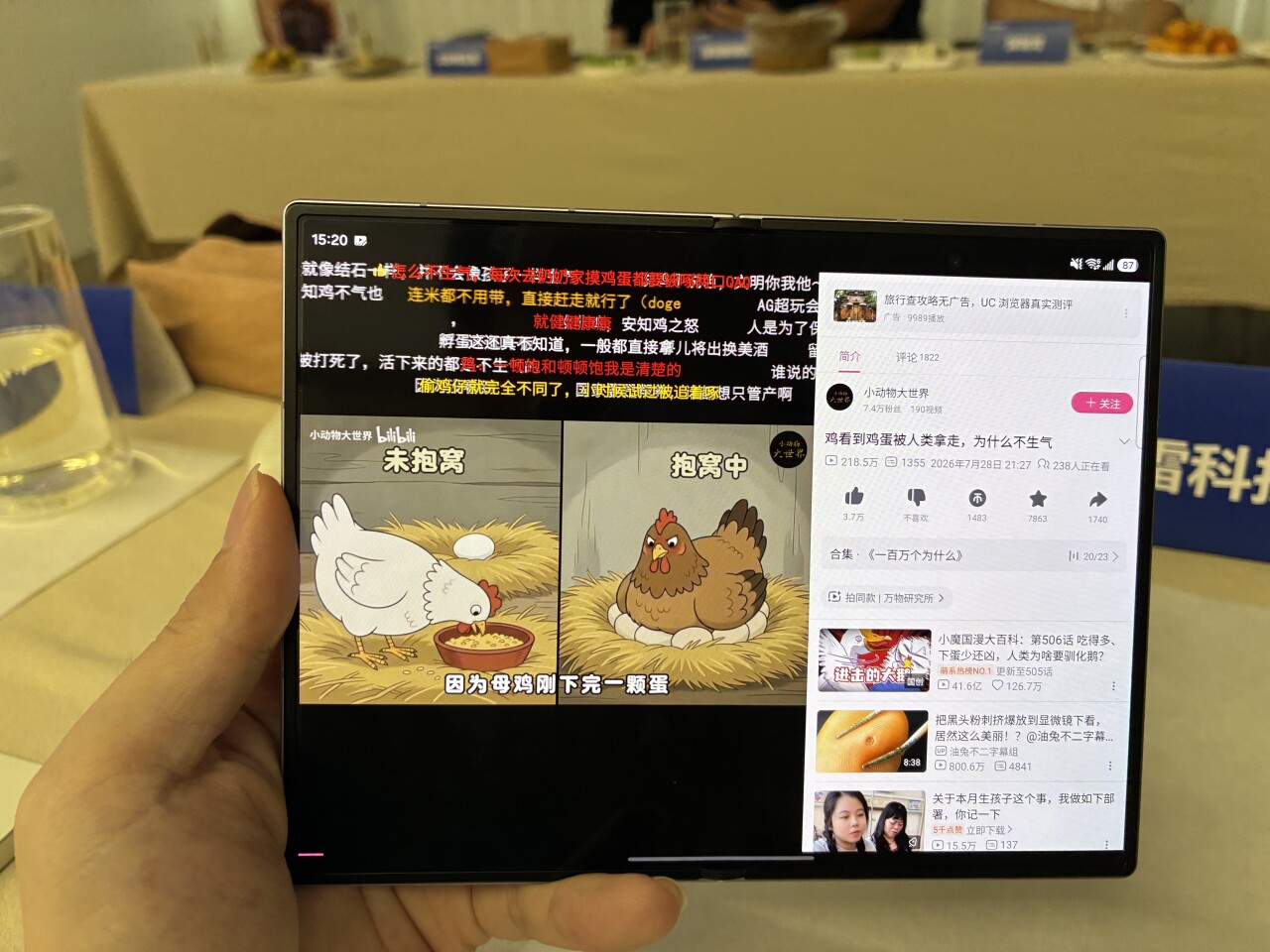
(Image source: Leitech)
More critically, the weight of the Z Fold8 is only 201 grams, roughly equivalent to a conventional smartphone, making it the lightest Galaxy Z Fold model to date. In its folded state, the device is relatively compact, making it easy to carry around and operate with one hand without feeling burdened.
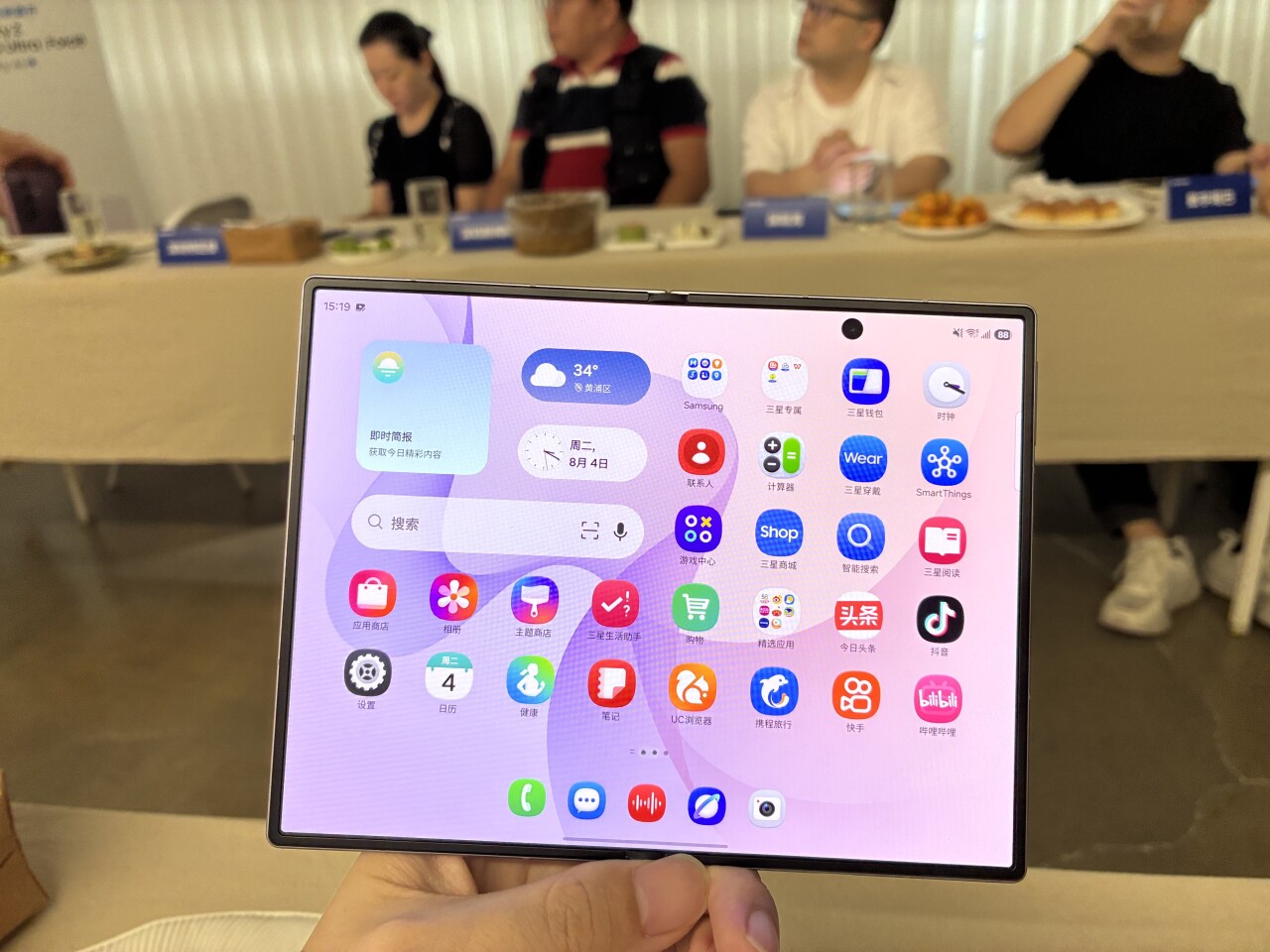
(Image source: Leitech)
From a product perspective, the Fold8 strikes a better balance in various aspects, combining portability and practicality, making it a viable option as a primary device.
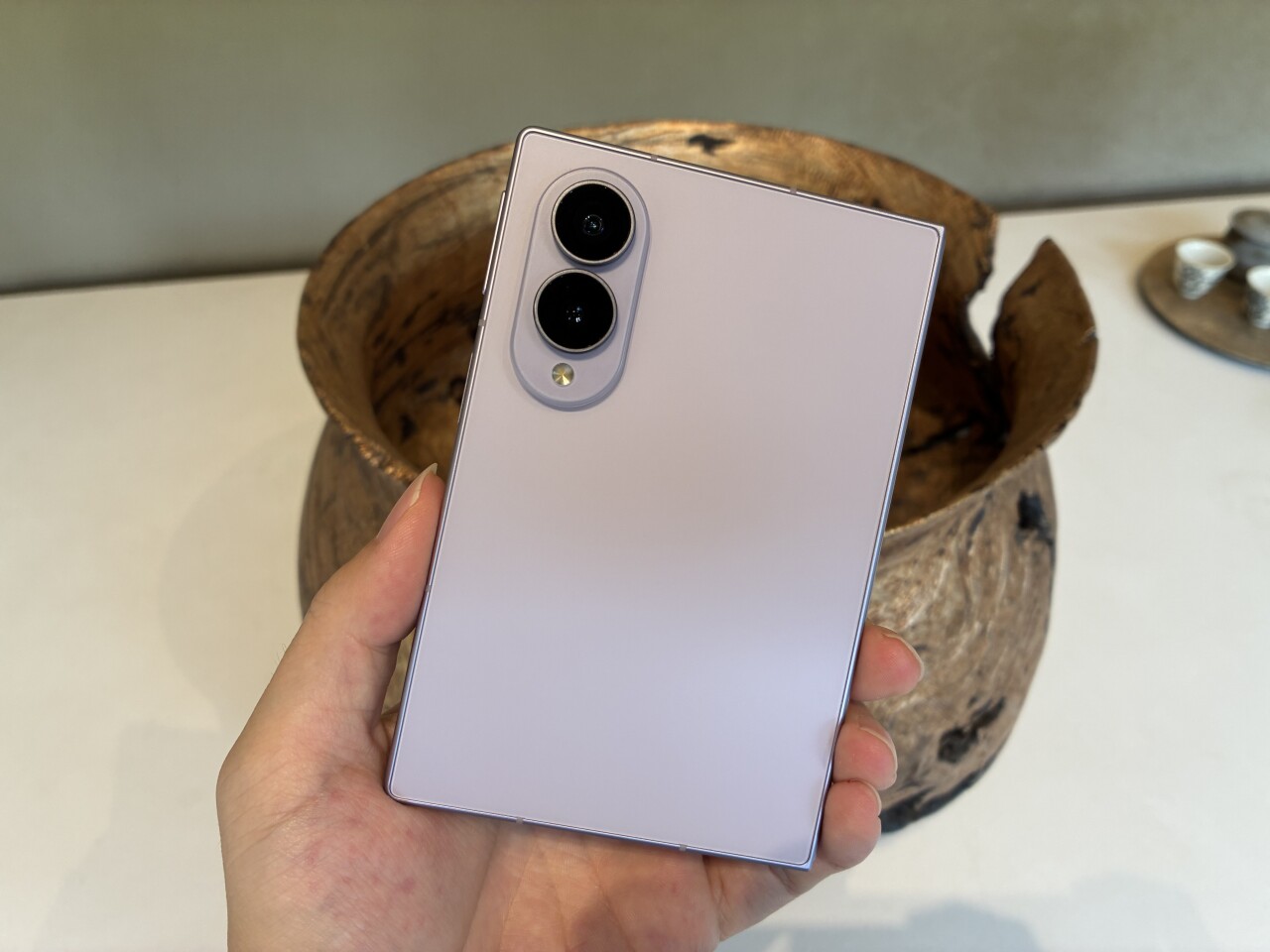
(Image source: Leitech)
In terms of imaging, the Z Fold8 Ultra features a 200-megapixel main camera and a 50-megapixel ultra-wide-angle camera, supporting high dynamic range and super visual night video recording. It also includes an APV codec for 8K video recording and cinematic LUT functions. The Fold8, on the other hand, has a dual-camera setup with a 50-megapixel main camera and a 50-megapixel ultra-wide-angle camera. Frankly, the lack of a telephoto lens is somewhat disappointing, especially for a high-end product.
Samsung is one of the earliest adopters of AI-powered smartphones. In previous years, Galaxy AI was more of a bonus feature, but with the Z8 generation, AI has penetrated every detail of the system.
The feature that impressed us the most during the hands-on experience is the new "Exclusive Direct Shot" added to the Z Fold8 series. Its operation is straightforward: after a user shoots a video with multiple people in the frame, the AI automatically identifies and locks onto one person, then intelligently crops and edits around this "protagonist" to generate a focused, exclusive video clip. Moreover, the entire process is completed entirely on-device AI without requiring an internet connection, ensuring data remains on the phone.
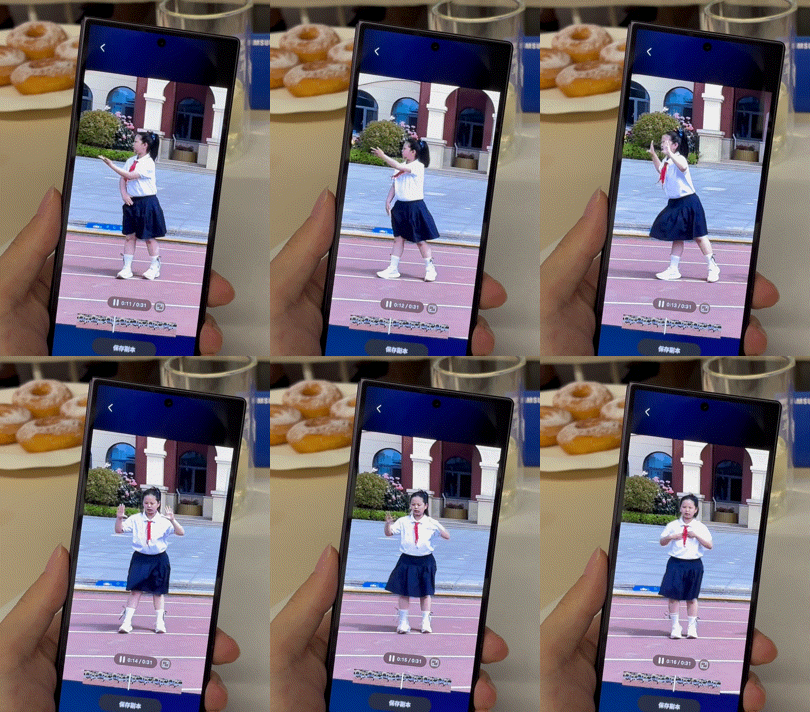
(Image source: Leitech)
The application scenarios for this feature are quite clear. For example, if a user attends a concert and shoots a stage video with multiple people in the frame, they can later use Exclusive Direct Shot to lock onto the artist on stage, and the AI will automatically track their every move to generate a focused video. Similarly, if a child performs at school and the parent shoots a video with other children in the frame, this feature can quickly extract an exclusive clip of their own child. For fan-shot content of celebrities or parents recording their children's growth, this feature is indeed very practical.
Another memorable feature is voice recording transcription. After completing a recording in the phone's built-in recording app, clicking the AI button allows for transcription and translation. During the live demonstration, the operator recorded a segment of Cantonese speech, and the system automatically translated it into Mandarin text. In this process, the user didn't even need to set the target language; the AI automatically handled the judgment and operation.
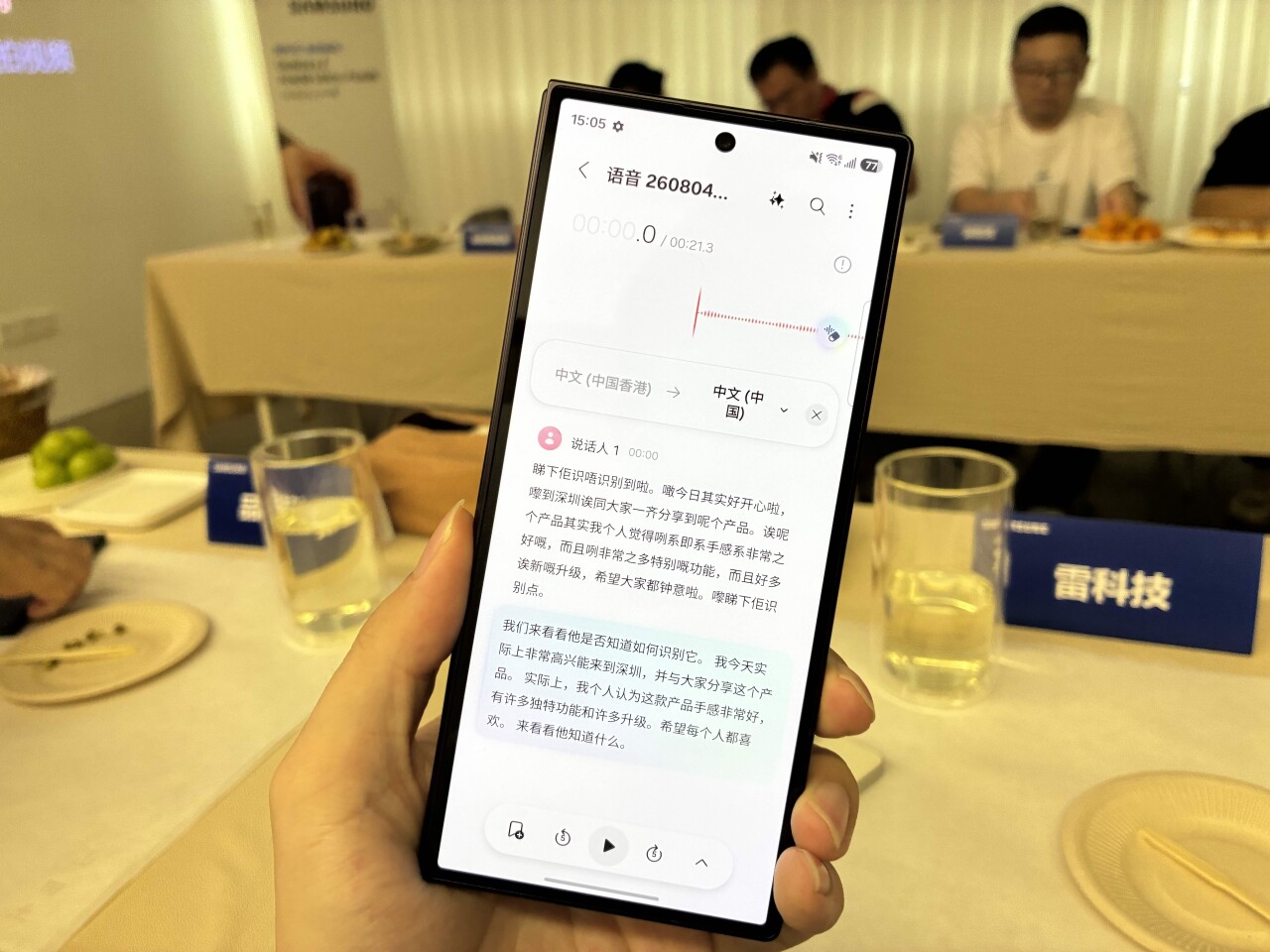
(Image source: Leitech)
The Photo Assistant has also been upgraded to support text command-based photo editing. Users only need to input keywords like "darken the background" or "make the sky bluer," and the AI will understand and execute the commands. Combined with the ability to compare before-and-after effects side by side on the foldable inner screen, the operational barrier is significantly lowered. With tools like AI eraser, image stylization, and creative studio, users don't need to learn any professional photo editing software; as long as they can type on a phone, they can edit photos.
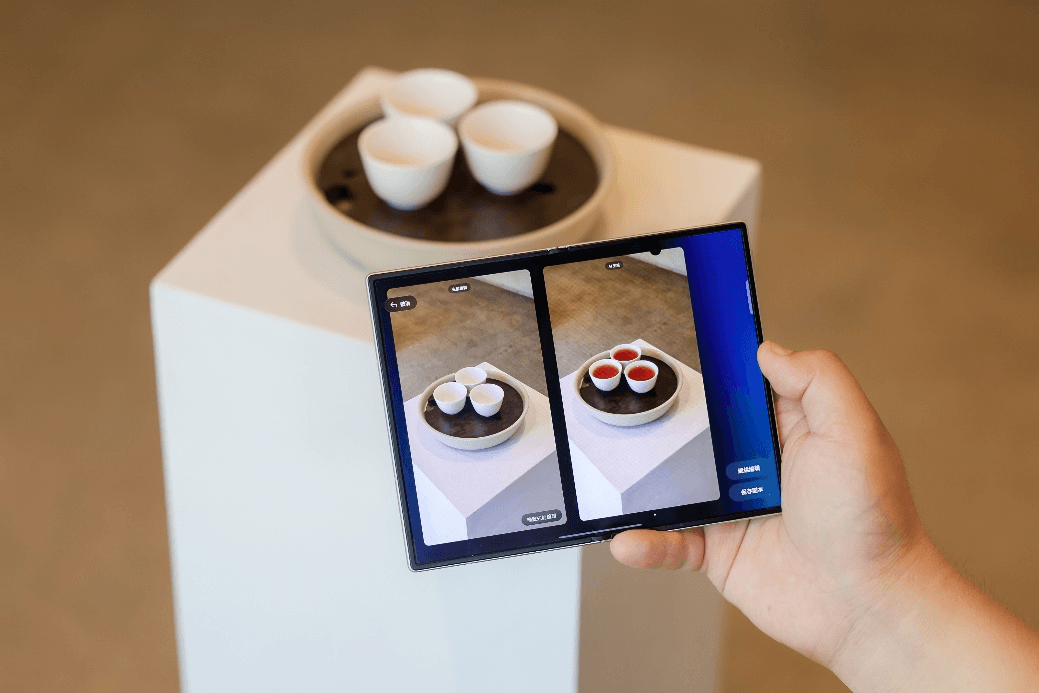
(Image source: Samsung)
Instant Briefing has also undergone changes. It can now perceive user contexts based on personal data and push information cards 24/7, while also supporting customizable cards: with simple operations, users can have the AI generate personalized briefings exclusively for themselves. On the 8-inch inner screen of the Z Fold8 Ultra, there is ample space to display these information cards, providing a much more expansive experience compared to conventional smartphones.
Since Samsung released the first-generation Galaxy Fold in 2019, foldable screens have been in the smartphone industry for over seven years. Over this period, foldable screens have evolved from being flashy concept products to reaching a mature stage.
Through the Z8 generation, we can sense that Samsung has indeed brought out its best in this round of foldable screen competition. The Z Fold8 Ultra pushes hardware specifications to the current limits of the foldable screen category, featuring a 4.1mm thickness, a 5000mAh battery, a 200-megapixel camera, an 8-inch large screen, and a custom fifth-generation Snapdragon 8 Supreme chip. Each of these specifications is highly competitive on its own.
The Z Fold8 takes a more pragmatic approach, targeting users who want a foldable screen but don't want to be deterred by weight and size, with a weight of 201 grams and a more reasonable screen ratio. Their positioning is clearly complementary: the Ultra focuses on high-end and extreme configurations, while the Fold8 emphasizes the practicality brought by its expansive folding design. The Z Flip8 maintains the vertical folding form factor. Currently, Samsung's product matrix for foldable screens is very complete.
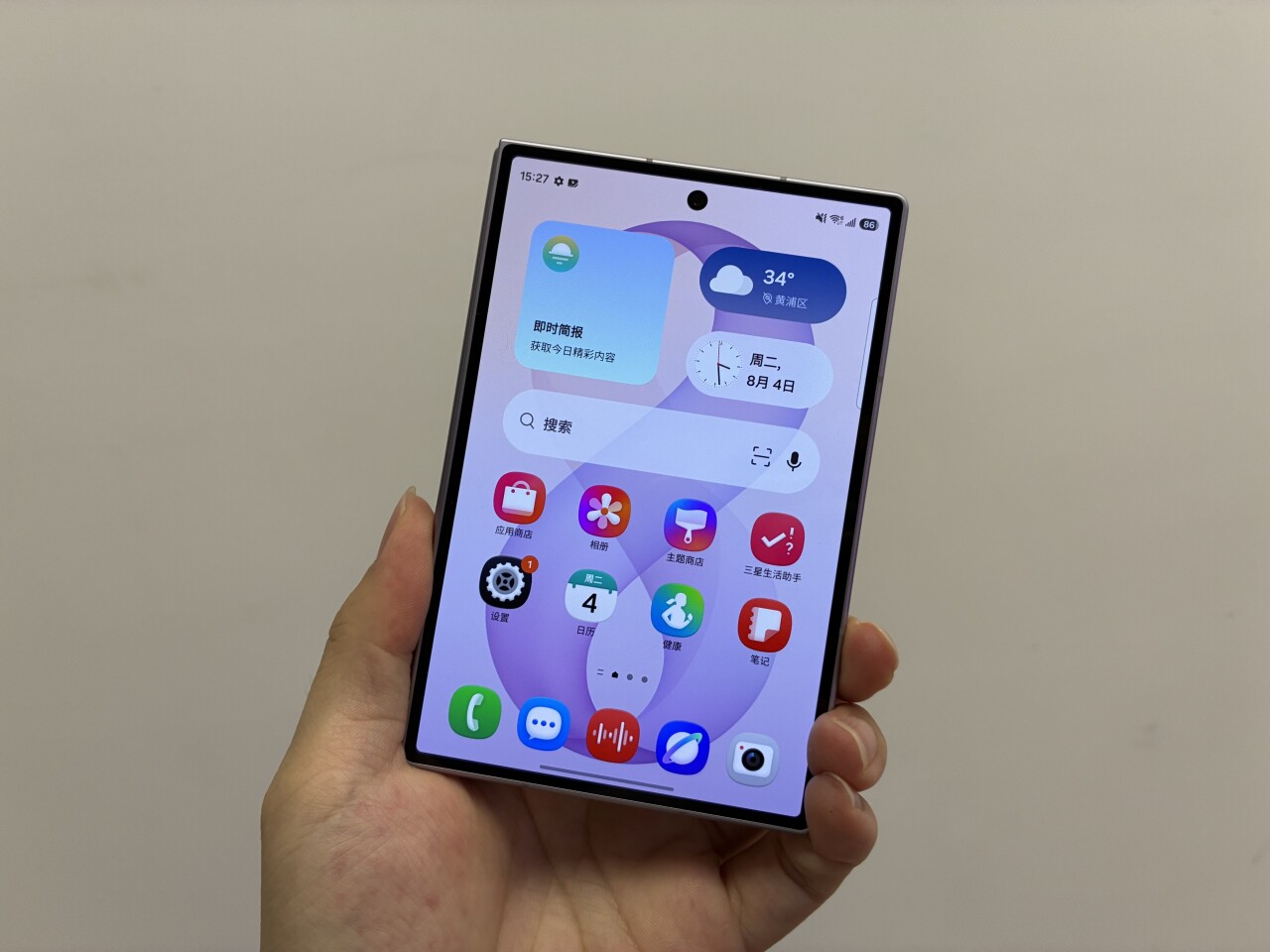
(Image source: Leitech)
That said, the market competition in the second half of the year is bound to be intense. Domestic manufacturers are increasing their investments in foldable screens, with brands competing in terms of thinness, large batteries, and imaging capabilities. Apple is also set to join the fray this year, and the fierce competition in the foldable screen market continues.
Interestingly, as the hardware gaps narrow, the differentiation in AI experiences may become a more critical competitive factor. In this regard, Samsung's current advantage lies in the deep integration of cloud and on-device AI, from Exclusive Direct Shot to Circle to Search, from Photo Assistant to Instant Briefing. These functions are bound and adapted to the hardware form factor and usage scenarios of foldable screens.
Domestic manufacturers are quickly catching up in terms of AI functionality, but it will take some time to further integrate AI with the physical form factor of foldable screens. Additionally, Samsung has been working on implementing AI functions for the Chinese market early on, so Chinese mainland users won't feel a significant lack in AI experience with the latest generation of foldable screens.
From Leitech's (ID: leitech) perspective, for ordinary consumers, a noticeable change brought by this generation of the Z Fold8 series is that foldable screens no longer feel like they are "just folding for the sake of folding." With lighter weight, more reasonable screen ratios, and more practical AI functions, it is increasingly resembling a highly usable phone rather than just an interesting foldable screen.
From the perspective of the entire smartphone industry, not just Samsung but other brands are also doing similar things. In the future, consumers will be able to buy more foldable screen products that balance practicality and fun.
The most AI-driven and hardest-core ChinaJoy has just concluded.
This year's event theme was "Exploring with AI," and Leitech MCN, focusing on AI hard tech, dispatched a dedicated CJ exploration team to Shanghai for the first time, achieving results beyond expectations. In 2027, Leitech will increase its investment in ChinaJoy.
At the same time, the Leitech WRC (World Robot Conference) 2026 exploration team has been assembled, and the highest-specification IFA 2026 reporting team in history is currently being prepared. Stay tuned!
-
![]()
Unveiling Yin Tongyue's 'No Involution' Stance: Chery's Strategic Maneuvers
-
STO Express Faces Scrutiny: Franchise Model’s Safety Gaps Under the Microscope
-
![]()
The Richest Woman is Going Public Again! Valued at 22.5 Billion, Building an 'Optical Empire' with Her Brother
-
![]()
Buying More GPUs is No Longer Enough: Divergence in Monetization Progress Among the Top Four Cloud Providers
-
![]()
Leapmotor Exceeds 100,000 Units, Li Auto Faces Three Straight Months of Decline: China’s Auto Market Competition Intensifies in the Second Half
-
![]()
Can NASA Discover Extraterrestrial Life? UK Invests £3 Million, but First Must Block Out Stars
-
![]()
Huawei Expands Computing Power Business into the Pig Farming Sector
-
![]()
Asian Dragon Receives a 'Makeover': Is FAW Toyota Using the 'Crown' as a Substitute Strategy?