Final Verdict: Why Is the 'Value Retention Period' of New Energy Vehicles Shrinking?
 08/05 2026
 359
359
Some time ago, Li Bin, the founder of NIO, voiced his concerns at a forum, noting that new domestic car models swiftly lose their appeal, with sales plummeting shortly after their launch.
In recent years, the domestic automobile market has witnessed an exceptionally rapid turnover rate. This has not only led to low value retention rates but also fostered a perception that the 'value retention period' for new cars is becoming increasingly brief. This trend stems from two simultaneous factors: the 'fast-moving consumer goods (FMCG) trend' in the automotive industry and automakers' adjustments to warranty strategies. The former shortens the product's market lifespan, while the latter curtails long-term after-sales commitments.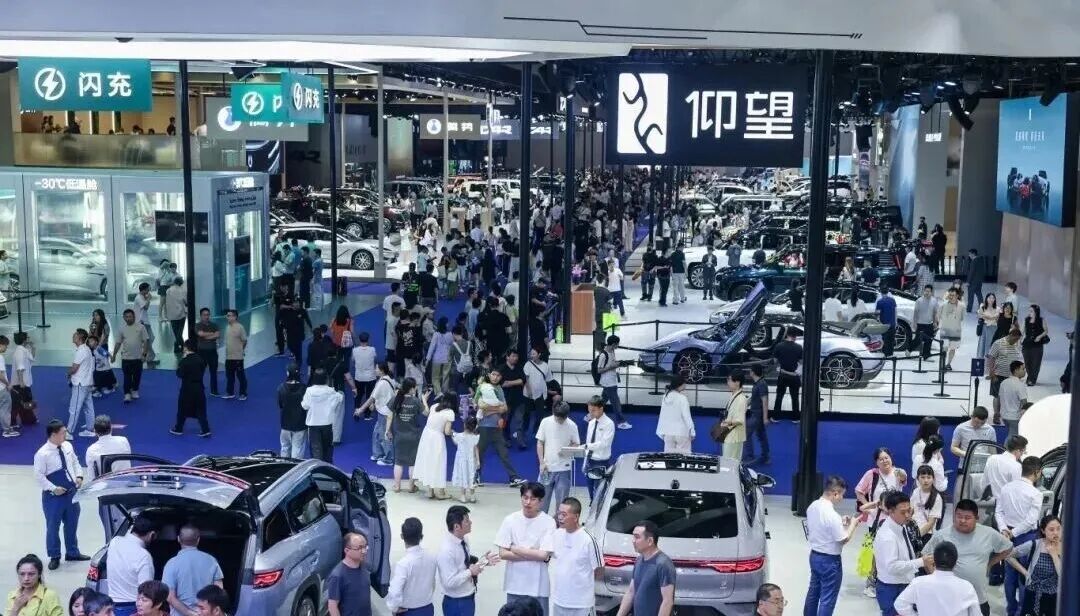
During the era of fuel-powered vehicles, a model typically underwent an iteration every five to six years. Nowadays, new energy vehicles have embraced an 'FMCG trend,' with their product lifecycles becoming extremely condensed. Cars are now iterating as swiftly as smartphones, with the market's 'golden window period' shrinking from the previous 3-5 years to a mere 6-8 months. Models with poor sales are swiftly phased out of the market.
This phenomenon is propelled by dual pressures. Firstly, there is the rapid technological iteration of chips and batteries. From an industry competition standpoint, profit margins have dwindled to around 3%, compelling automakers to expedite new iterations.
Fundamentally, cars are durable consumer goods, not fast-moving ones. However, due to the escalating competition in China, cars have been compelled to transition from durable to fast-moving consumer goods, with dire consequences.
The research and development investment for a completely new model typically runs into billions of yuan. Yet, owing to the significantly shortened lifecycle, the vehicle's value retention rate has plummeted, representing a colossal waste of resources.
Concurrently with the accelerated product iterations, automakers are also scaling back their ultra-long commitments, such as 'lifetime warranties,' which is detrimental to consumers.
To alleviate user concerns about core components like batteries, many new automakers have resorted to 'lifetime warranties' as a lure. As the number of vehicles in circulation surges, the cost of honoring these commitments has become a hefty burden. Amidst price wars and meager or even negative profits, as many as 22 automakers have collectively tightened their warranty policies.
According to national regulations, the minimum warranty period for the 'three electric systems' (battery, motor, and electronic control) of new energy vehicles is 8 years or 120,000 kilometers. Battery health typically deteriorates below 70% after 8 years, and the replacement cost may surpass the vehicle's residual value. This implies that, irrespective of the automaker's assurances, the physical lifespan of core components imposes an actual limit on the 'value retention period.'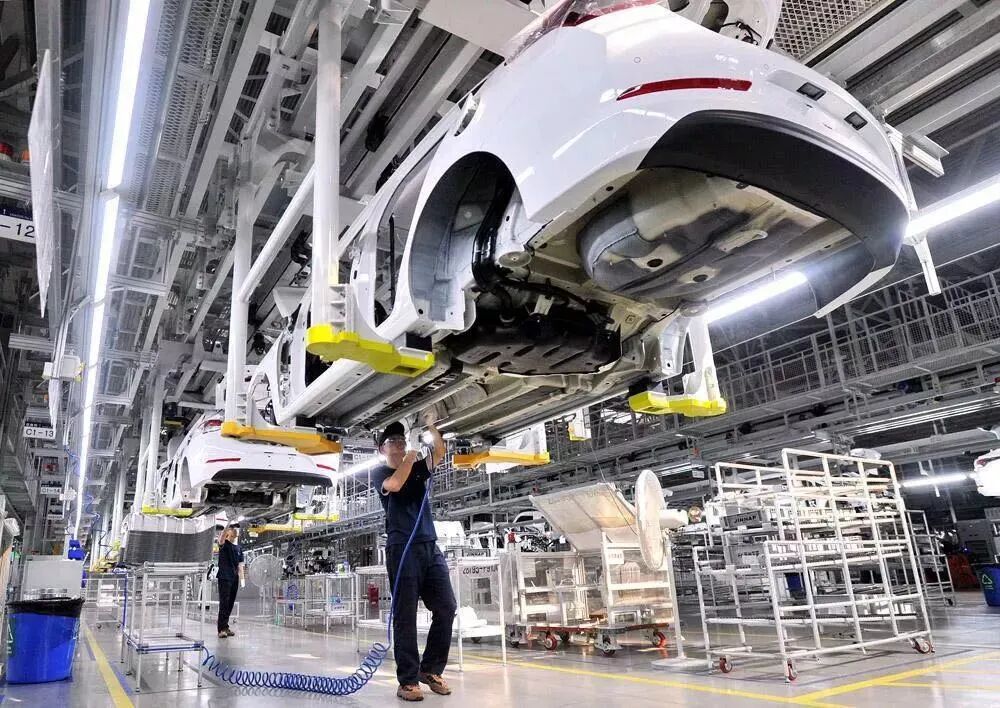
The shrinking 'value retention period' of new energy vehicles is a consequence of both the 'physical lifespan reduction' due to accelerated product iterations and the 'curtailment of rights and protections' as automakers tighten commitments to rein in costs. In this context, when purchasing a vehicle, consumers should prioritize the brand's financial stability, the robustness of core suppliers, and the actual warranty terms, rather than relying on the uncertain allure of 'lifetime warranties.' (End)
-
![]()
Unveiling Yin Tongyue's 'No Involution' Stance: Chery's Strategic Maneuvers
-
STO Express Faces Scrutiny: Franchise Model’s Safety Gaps Under the Microscope
-
![]()
The Richest Woman is Going Public Again! Valued at 22.5 Billion, Building an 'Optical Empire' with Her Brother
-
![]()
Buying More GPUs is No Longer Enough: Divergence in Monetization Progress Among the Top Four Cloud Providers
-
![]()
Leapmotor Exceeds 100,000 Units, Li Auto Faces Three Straight Months of Decline: China’s Auto Market Competition Intensifies in the Second Half
-
![]()
Can NASA Discover Extraterrestrial Life? UK Invests £3 Million, but First Must Block Out Stars
-
![]()
Huawei Expands Computing Power Business into the Pig Farming Sector
-
![]()
Asian Dragon Receives a 'Makeover': Is FAW Toyota Using the 'Crown' as a Substitute Strategy?