Gross Margin Exceeds 50%! Apple Rakes in $30 Billion in a Single Quarter, Will Price Hikes Hit in Autumn and Winter?
 08/07 2026
 465
465
Despite higher costs, Apple is earning even more.
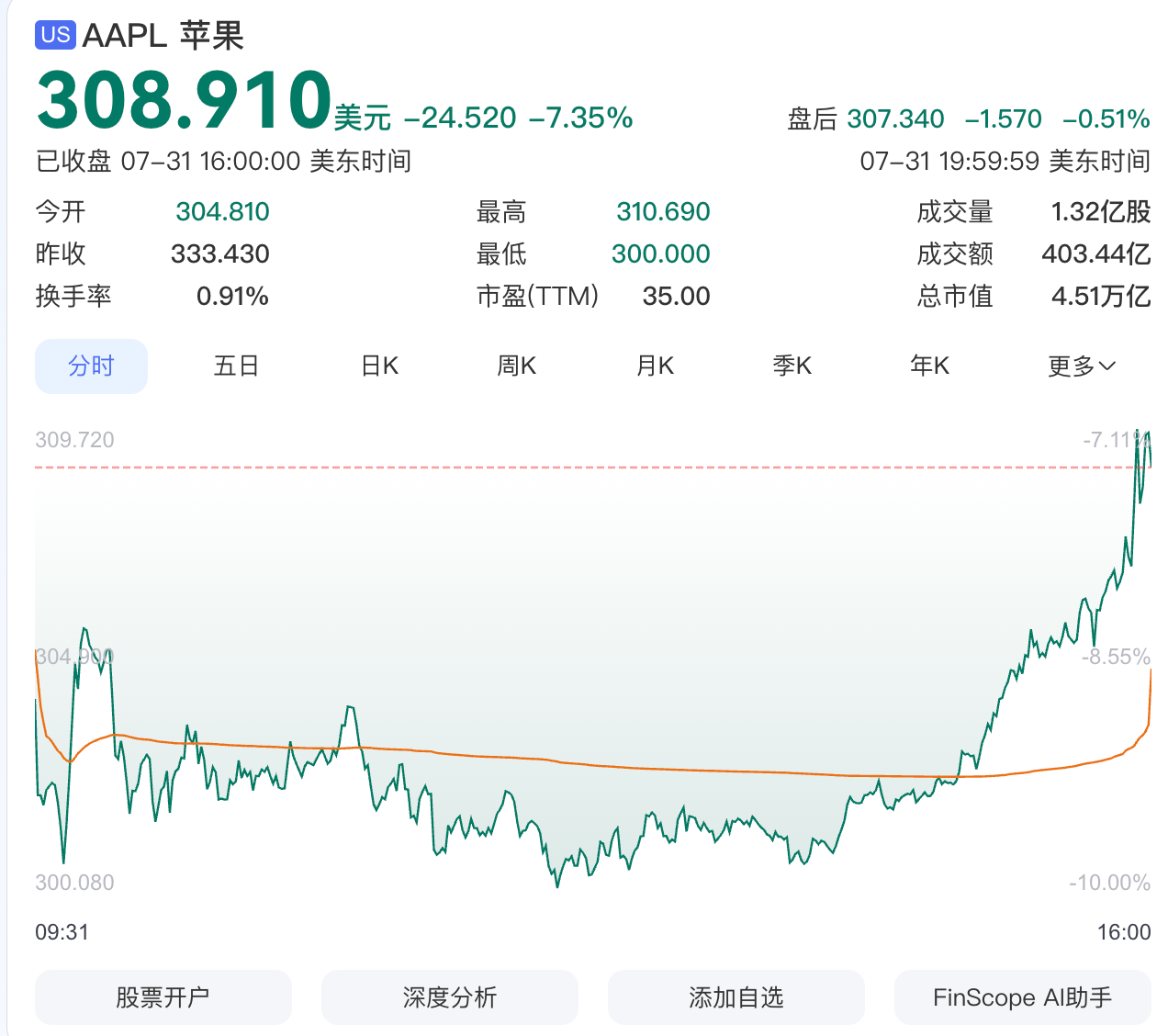
Recently, Apple released a financial report with impressive data. In the third fiscal quarter of FY2026 (March 28 to June 27), Apple's quarterly revenue reached $109.417 billion, a year-on-year increase of 16.36%; net profit was $29.789 billion, up 27.12% year-on-year; and the gross margin exceeded 50%. Regarding this financial report, Cook used the term 'a new all-time high for the June quarter' in the official press release. Yet, Apple's stock price plummeted by 7.35%. What exactly happened?
(Image source: Baidu)
For the past six months or so, the consumer electronics industry has been facing the dilemma of price hikes: storage prices are rising, chip prices are increasing, and panel prices are going up. The cost pressure is immense, forcing end-product prices to rise. In the Android camp, the quoted price for the Snapdragon 8 Elite Gen 6 Pro has exceeded $300 per unit, while the Dimensity 9600 Pro has reached $216. The costs of LPDDR6 memory and UFS 5.0 flash storage are also not low, with the combined cost of the three major components for a flagship phone directly soaring to $600. Phone manufacturers indeed have their struggles.
On Apple's side, it already raised the prices of most of its hardware products in June, with the iPhone 17 series temporarily holding off on price increases. According to supply chain sources, there is still room for further price increases for the next generation of products.
The issue is that when we see a financial report with a 50% gross margin and net profit growth nearly twice that of revenue growth, the argument of 'having to raise prices' becomes less tenable. Apple is not raising prices because it's struggling to survive; it's raising prices even as it's earning more than before.
Costs are indeed rising, but Apple is earning even more.
This quarter, Apple's revenue increased by 16.36%, but net profit grew by 27.12%, with profit growth 1.66 times that of revenue growth. The gross margin jumped from 46.49% in the same period last year to 50.06%, a significant increase of 3.6 percentage points. In other words, for every additional dollar Apple earns, more than 50 cents is gross profit, and this proportion is still expanding.
In comparison, Samsung's smartphone business has a gross margin that typically fluctuates between 35% and 40%, while Xiaomi's smartphone business gross margin is only 12% to 15%. Apple's profit efficiency is several times higher than that of the main players in the Android camp.
In terms of costs, according to the official financial report, Apple's total operating costs this quarter were $54.647 billion, with product costs at $47.153 billion and service costs at $7.494 billion. This translates to a product gross margin of approximately 40% and a service gross margin as high as 75.6%.
In other words, Apple's service profit margin is nearly double that of its hardware, and service revenue accounted for 28% of total revenue this quarter. This means that even if the cost pressure on hardware products continues to increase, the high profitability of Apple's service business can act as a buffer.
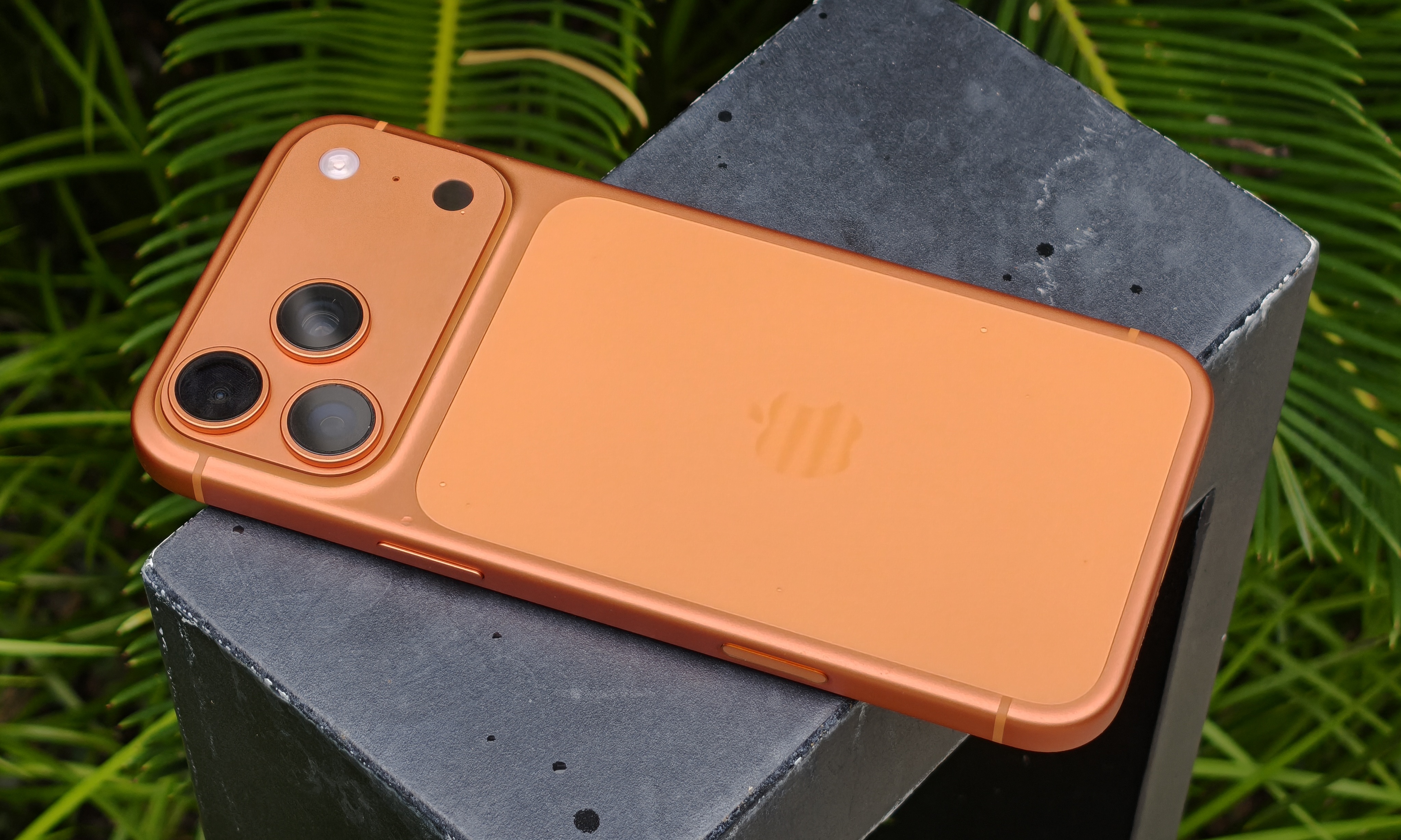
Additionally, the gross margin for Apple's products this quarter was approximately 40%, compared to 34.5% in the same period last year. Despite the overall increase in hardware costs, Apple's product gross margin actually rose by 5.5 percentage points. This is partly due to well-performing products, such as the better sales of the iPhone 17 series Pro models, which boosted profit margins.
(Image source: Leikeji)
Frankly speaking, the fact that storage and chip prices are rising is undeniable. Memory order prices have indeed increased, and flash storage prices are soaring. No matter how large Apple's purchasing volume or strong its bargaining power, it cannot remain unaffected. However, the issue is that this financial report reveals that Apple is still maintaining a profit far higher than that of its competitors. Apple's price hikes are not because, like Android brands, it would incur losses without raising prices; rather, it would earn less without them.
iPhone and Mac Boom, but Concerns Linger
If we delve into more detailed data, we can find that the main contributors to Apple's revenue and profit growth this quarter were the iPhone and Mac categories. iPhone revenue this quarter was $54.252 billion, a year-on-year increase of 21.69%. Mac revenue was $10.352 billion, up 28.66% year-on-year. Together, these two categories contributed $64.6 billion, accounting for 59% of total revenue.
The iPhone 17 series, released in September last year, has now entered the mid-to-late stage of its product cycle this quarter, but its market performance remains strong. The iPhone 17 series is powerful enough, with features like the A19 series chip, 48-megapixel telephoto lens, and high refresh rates across all models, keeping it competitive even half a year after its release. Meanwhile, users who accumulated during the iPhone 12 and iPhone 13 periods are now entering a concentrated upgrade window. Simply put, the impressive data in this financial report is largely related to the iPhone 17 series generation.
The same is true for the Mac. The Mac's 29% revenue growth ranks first among all hardware categories and comes on top of decent data from the same period last year. In the first half of 2026, the PC industry as a whole saw a recovery. According to IDC data, global PC shipments finally increased after two consecutive years of decline. Apple captured a larger share of this PC recovery, with the M4 series chips striking the best balance between energy efficiency and AI computing power. Products like the Mac mini, MacBook Air, and MacBook Pro were all well-received. The fact that the "lobster" craze in the first half of the year directly led to the Mac mini M4 version selling out is just one example.
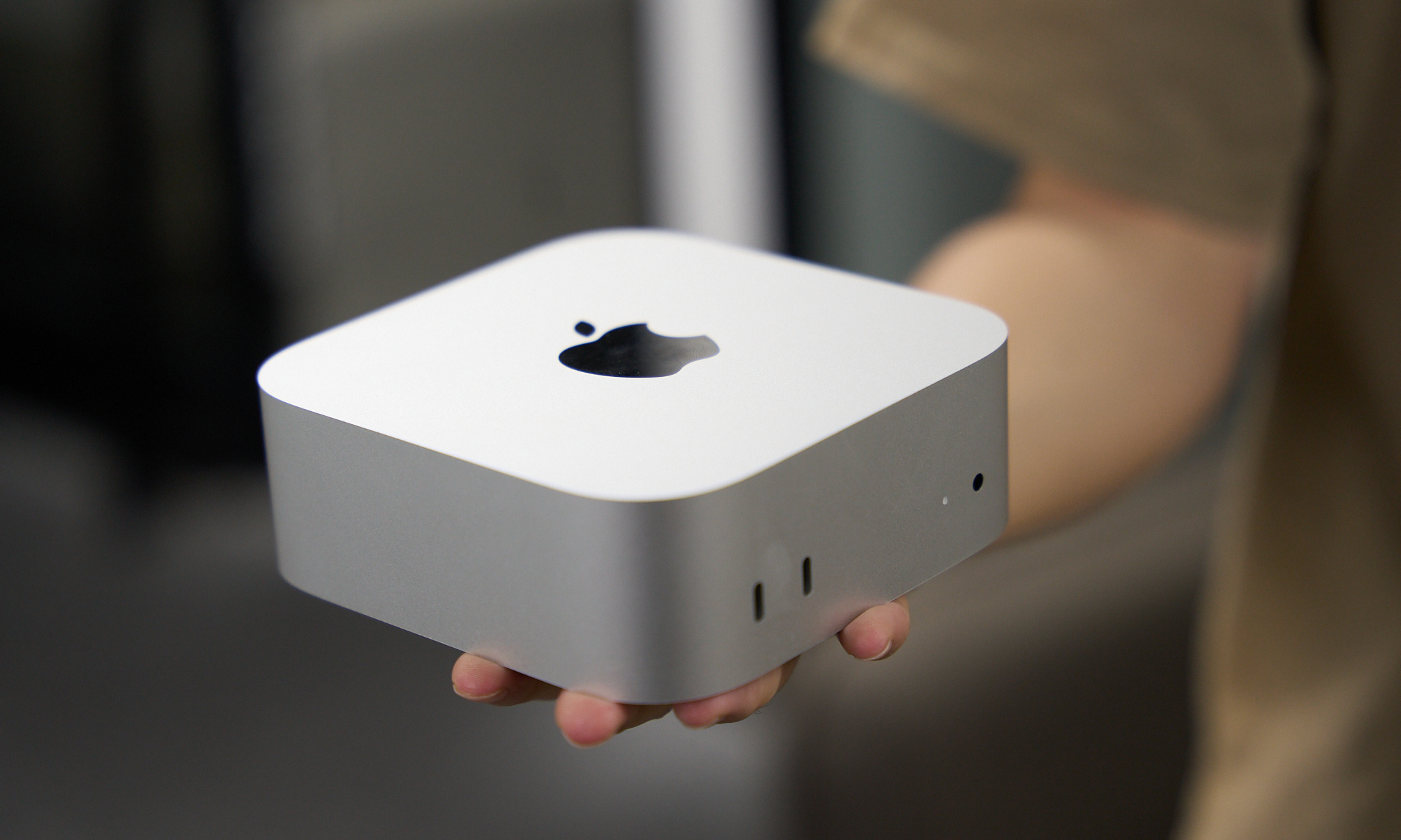
(Image source: Leikeji)
To be honest, Apple has lagged behind in the AI PC concept. However, Mac products are the best carriers for AI tools like Agent and Claw in terms of AI computing power cost-effectiveness, energy efficiency, and system compatibility. Apple, the slowest in AI, has reaped AI dividends in this way.
However, not all categories are growing. iPad revenue this quarter was $6.191 billion, a year-on-year decline of 5.93%. Revenue from wearables, home, and accessories was $7.883 billion, with growth of only 6.47%. The iPad's issues can partly be attributed to its product update rhythm, as there were no particularly strong new products this quarter. At the same time, the iPad's positioning within Apple's product lineup is becoming increasingly awkward, as it is less productive than the Mac and less portable than the iPhone.
Additionally, Apple's performance in the Chinese market this quarter was remarkable. Apple's revenue in Greater China this quarter was $18.816 billion, a year-on-year increase of 22.43%, tying with Europe for the highest growth rate. The smartphone shipment data released by agencies like Counterpoint and IDC are largely consistent, showing that Apple and Huawei were the only two brands in the domestic market to achieve Against the trend growth this quarter.
However, Apple's revenue in Greater China was $15.369 billion in the same period last year and $14.728 billion in 2024. After experiencing continuous weakness, Apple's Chinese revenue returned to a level closer to that of 2023 this quarter, which seems more like a return to normalcy rather than an explosion. Moreover, with the Huawei Mate 80 series expected to debut in September and heavyweight products from other brands on the way, Apple's competitive pressure in the Chinese market has not been alleviated.
The Impact of Price Hikes Has Yet to Fully Materialize; Autumn and Winter Will Be the True Test
It is worth noting that the Statistics period for this financial report ended on June 27. The impact of Apple's recent hardware price hikes, service price adjustments in some regions, and the rumored further price increases for the next generation of products will only be reflected in the autumn and winter seasons at the earliest. Ultimately, all the growth data in this financial report were achieved before Apple's large-scale price hikes.
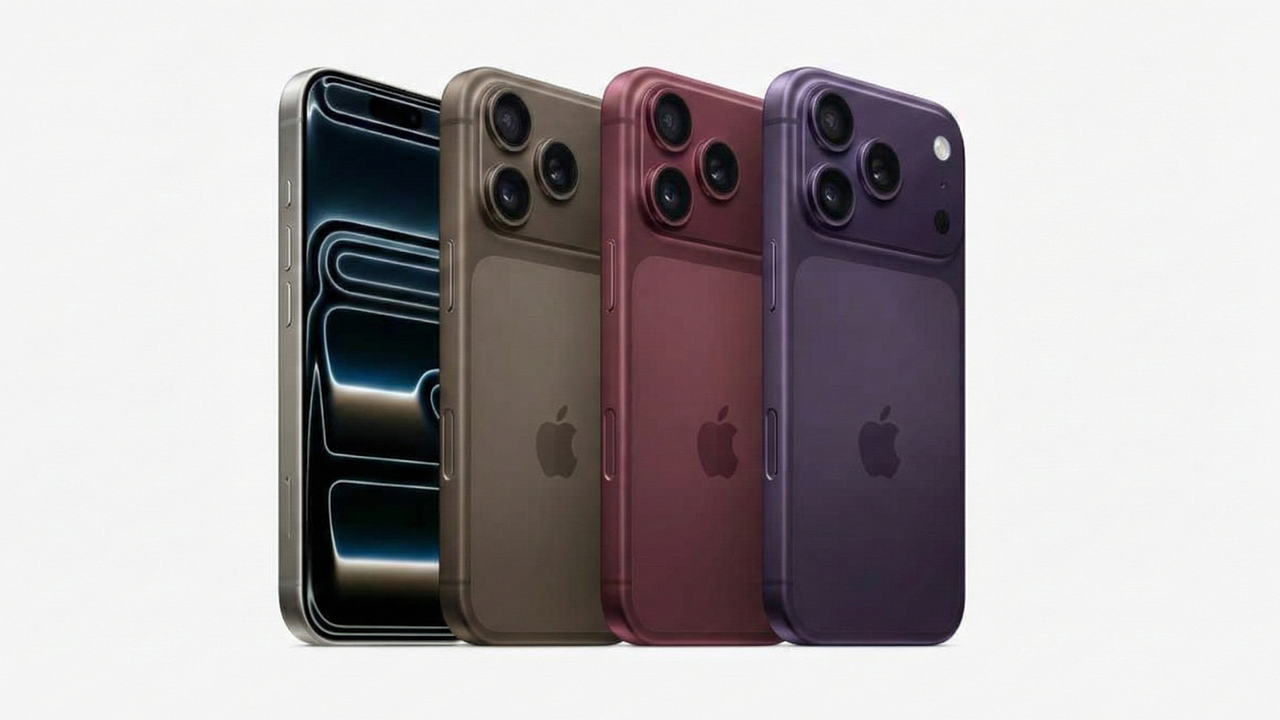
Apple will face much greater pressure in autumn and winter this year than in the first half of the year. First, there is the issue of product lineup transitions. According to the normal schedule, the iPhone 18 series will be released in September. However, supply chain leaks suggest that this year's new products may have an incomplete lineup, with only the iPhone 18 Pro and iPhone 18 Pro Max being released in the autumn 18 series. At the same time, the foldable iPhone Fold may be delayed until early next year. Without the volume-driving iPhone 18 standard model, competition in the smartphone market will be tougher.
Second, cost pressures will increase significantly. As mentioned earlier, this financial report does not reflect the recent component price hikes. Starting from the fourth quarter, the situation will change. According to a report by Taiwan's Commercial Times, the wafer price for TSMC's N2P process is still rising, and the quoted prices for LPDDR6 memory from Samsung and SK Hynix are also continuing to climb.
Coupled with rumors that the iPhone 18 series will adopt more complex stacked motherboard designs and higher-specification camera modules, hardware cost increases are certain. Even though Apple can digest some of the pressure by having the Pro models bear higher costs and the standard models drive volume, profits will likely decrease.
(Image source: X)
Additionally, management changes have introduced more uncertainty. This is Cook's last time attending a financial results conference, as Apple will soon be led by a new CEO. The new leader's challenge will be to find a balance between the new product cycle, pricing strategy, and market share. Whether Cook's supply chain management and pricing strategies, established over the past decade, can be smoothly continued remains to be seen.
With a net profit of $29.8 billion, a gross margin exceeding 50%, and operating cash flow of $116.9 billion, no consumer electronics company can match Apple in terms of financial strength. However, financial strength does not equate to the ability to raise prices. The global consumer electronics price hike in the first half of the year has already left users struggling, with Android flagship phones generally breaking the $1,000 mark and mid-range phones also pushing higher. If the iPhone 18 series raises prices again, users' willingness to buy may significantly decrease.
In terms of AI, Apple still faces old issues. At WWDC in June, Apple announced its new AI plan, with increased AI features and enhanced AI capabilities, covering its hardware devices more comprehensively. However, the key issue with Apple's AI landscape remains its insufficient self-developed capabilities, requiring the purchase of Gemini technology solutions to build its AI ecosystem. Now, domestic brands have taken a further step in the AI smartphone field, with new categories like AI agent phones and embodied smartphones emerging. The iPhone will face a group of new-form competitors.
Overall, Apple's financial report with impressive data is more like an excellent report card delivered before the full onslaught of new hardware cost challenges. However, the high gross margin is also eroding consumers' tolerance for Apple's product prices.
In our view, the upcoming autumn and winter hardware exams and the intensifying AI terminal wars will be the true tests of Apple's strength. If the upcoming iPhone 18 series merely raises prices without offering competitive core experiences like AI agents, then the high profits it has achieved in the past will have to be returned in the future.
-
![]()
Wang Huiwen, Former Meituan Executive, Achieves 20-Fold ROI, Supports 24 AI Startups
-
![]()
Another AI Computing Power Unicorn Launches IPO! Founded by a Changjiang Scholar
-
![]()
OFILM Holdings Secures Zhongke Daojing, Marking a Significant Leap in the Optical Communication Industry!
-
What Will Be the Next Key Battleground for Large Models After AI Coding?
-
![]()
Leapmotor's Sales Soar, Yet Hidden Concerns Loom
-
![]()
China’s Action Camera Market Soars: 3.12 Million Units Sold in Six Months, DJI Secures 74% Dominance
-
![]()
Zhang Yiming: Strategic Retreat as a Path Forward
-
![]()
Exploring Charging for Some Features of QianWen App: Can It Follow the Path of Doubao?