Apple’s iPhone 18 Series Hits a Snag: DRAM Shortage Threatens $1 Billion A20 Chip Packaging
 08/10 2026
 545
545
According to the typical timeline, Apple is set to unveil its iPhone 18 series this September and initiate sales shortly thereafter.
The tech giant is also expected to have a substantial initial inventory. While it may not satisfy the entire market demand immediately, the situation is anticipated to improve over time, thanks to Apple’s proactive collaboration with its supply chain and thorough preparations.
However, this year’s iPhone launch could face a significant hurdle: issues surrounding the packaging of the A20 chip.

The A20 chip, manufactured by TSMC using a cutting-edge 2nm chip foundry process, is not the source of the problem. TSMC commenced mass production earlier this year and has committed to ensuring adequate capacity for Apple.
The crux of the issue lies elsewhere, beyond the foundry process.
Recent media reports have highlighted that TSMC has already produced $1 billion worth of A20 chips, yet these cannot be packaged due to a shortage of DRAM memory chips.
Many may question the connection between the A20 chip and DRAM chip packaging.
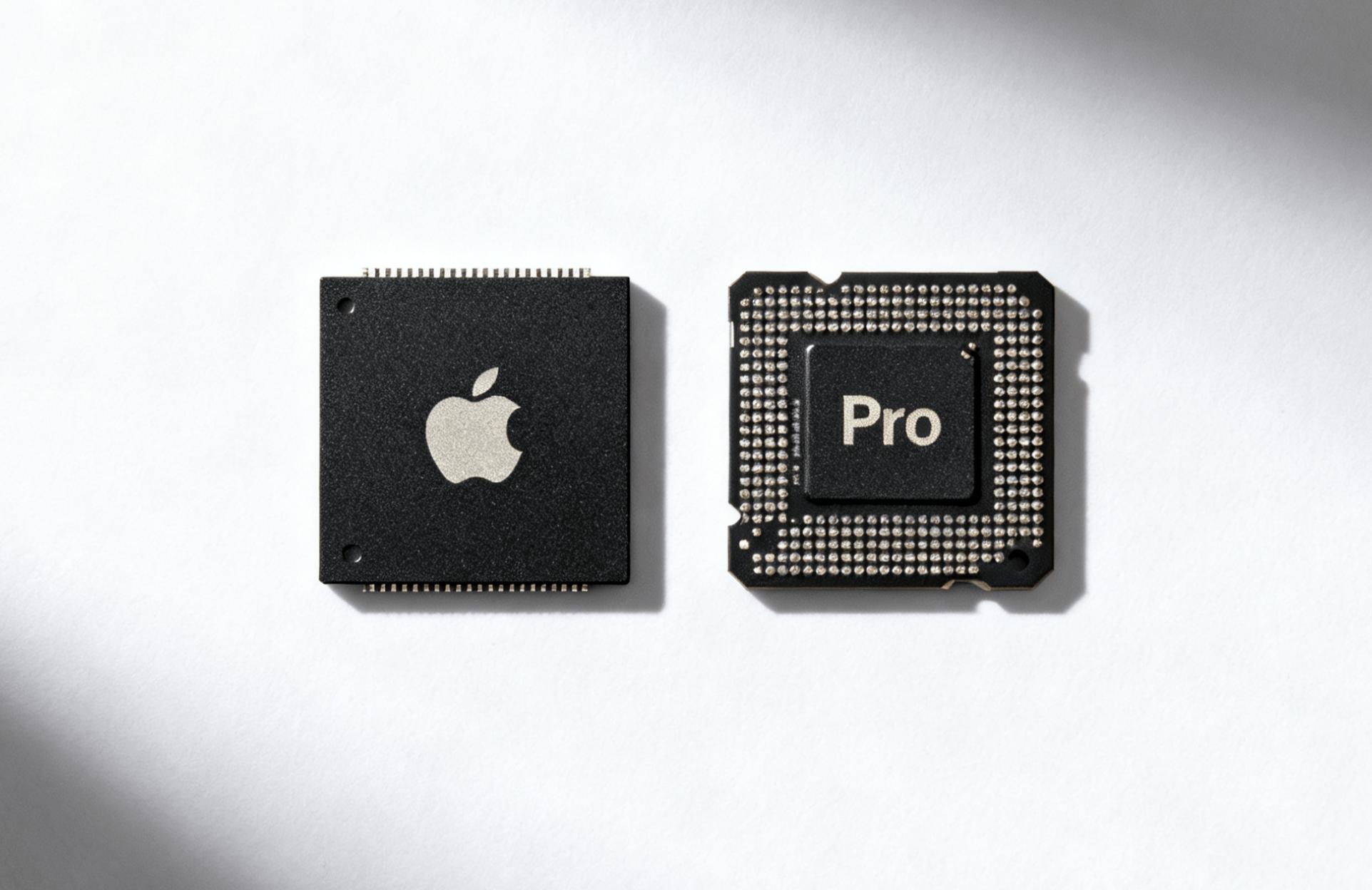
Unlike chips from Qualcomm and MediaTek, Apple’s A20 series chips undergo a unique stacked packaging process (InFO-PoP) after manufacturing. This process involves stacking and packaging the SoC with DRAM chips together.
Once TSMC produces the bare A20 chips, it must stack the DRAM chips with the SoC and package them into a unified unit. Without the DRAM memory chips, the packaging process cannot commence.
The current predicament stems from the limited DRAM memory production capacity of Samsung, SK Hynix, and Micron. Apple’s short-term contracts with these manufacturers prevent it from acquiring such a large quantity of chips at once. The production capacity of these suppliers has already been allocated, leaving no surplus for Apple.
This explains the recent spate of reports indicating that Apple is seeking to purchase memory chips from Changxin. However, media sources reveal that the first round of negotiations collapsed due to Apple’s price pressure, with Changxin refusing to agree to Apple’s price reduction request.
As a result, Apple currently lacks sufficient DRAM memory chips. Consequently, TSMC’s wafers are accumulating in the warehouse, with an estimated total value exceeding $1 billion, awaiting the arrival of DRAM.
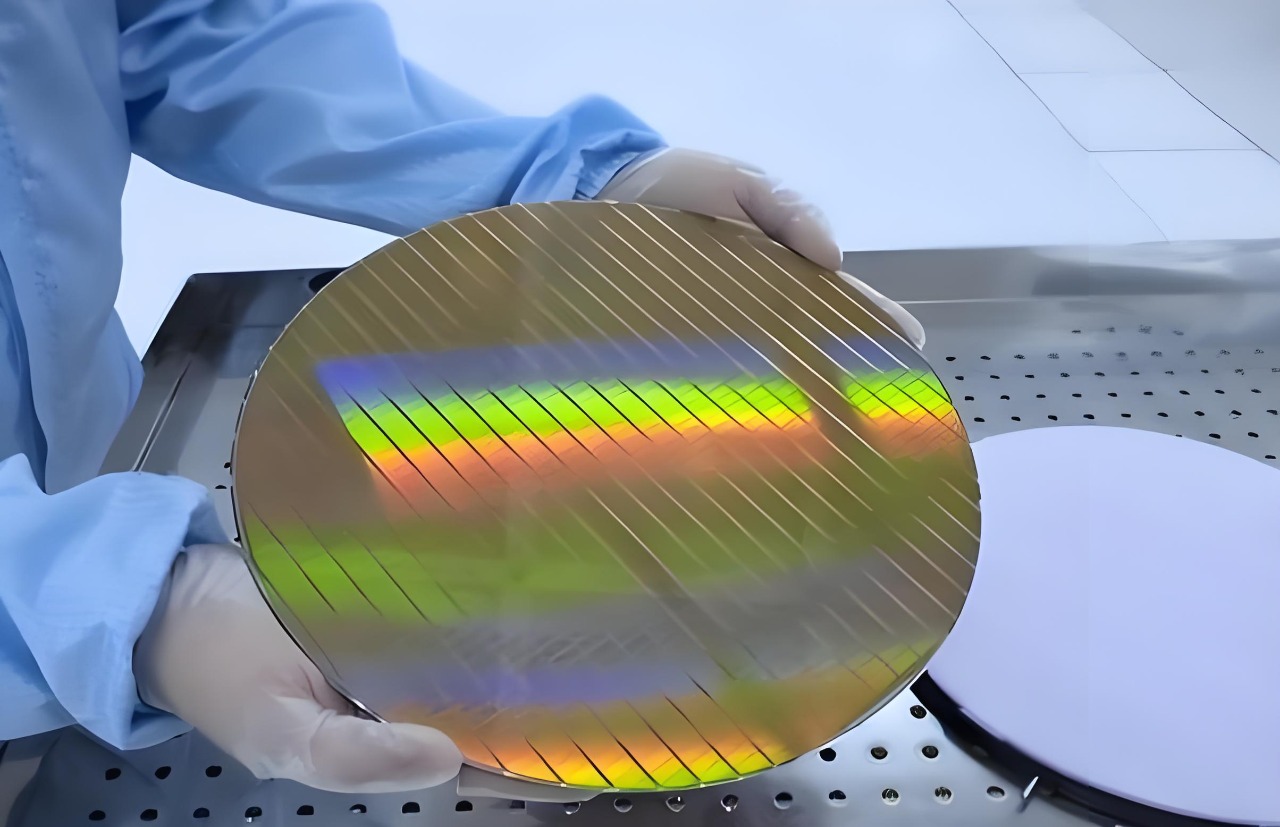
While the authenticity of this news remains uncertain, it underscores the current scarcity of DRAM chips. In the latter half of the year, Qualcomm and MediaTek are also set to launch new flagship chips.
Major smartphone manufacturers, including Xiaomi, Huawei, Apple, OPPO, Vivo, Samsung, and Honor, will all release their latest flagship models, leading to a surge in demand for DRAM chips. Given the relationship between market demand and supply, it is anticipated that DRAM chip prices will experience another significant increase.
-
![]()
BYD's Auto Overseas Expansion Review: 26 Months from 'Catching Up' to 'Advancing'
-
![]()
Are Commercial Rockets Progressing Due to Increased Girth?
-
![]()
From Imitation to Reinforcement: How Far Have End-to-End Large Models Come?
-
![]()
The Debate Between Autonomous Driving VLA and World Models: What Is It Really About?
-
![]()
Sealing the Deal: The Rationale Behind GAC Honda and SAIC-GM’s Early Joint Venture Renewals
-
Third-Party SIM Card Services Discontinued: Strategic Calculations of China Mobile, China Unicom’s Bold Move, and China Telecom’s Tactical Advancement
-
Investigation Launched 3 Days Prior to Listing Meeting! Urgent Withdrawal of RMB 3 Billion Financing Initiative
-
![]()
After Two Years of 'Big Smart,' Smart is Set to Launch Its 'Small Smart'