Sealing the Deal: The Rationale Behind GAC Honda and SAIC-GM’s Early Joint Venture Renewals
 08/10 2026
 472
472
On July 20 of this year, Honda Motor Co., Ltd. (Japan) and Guangzhou Automobile Group Co., Ltd. officially inked a strategic renewal agreement for their joint venture, Guangzhou Honda Automobile Co., Ltd. This pact extends their collaboration to 2038 while preserving the existing equity distribution.
Founded in July 1998, Guangzhou Honda Automobile Co., Ltd. is a 50-50 joint venture between Chinese and Japanese entities, initially slated for a 20-year term. This renewal was executed two years ahead of the original schedule.
On August 5, SAIC Motor Corporation Limited and General Motors Company officially signed a joint venture renewal agreement. This agreement extends the term of SAIC-GM from its originally planned expiration in 2027 by an additional 20 years, until 2047, one year prior to the initial end date. 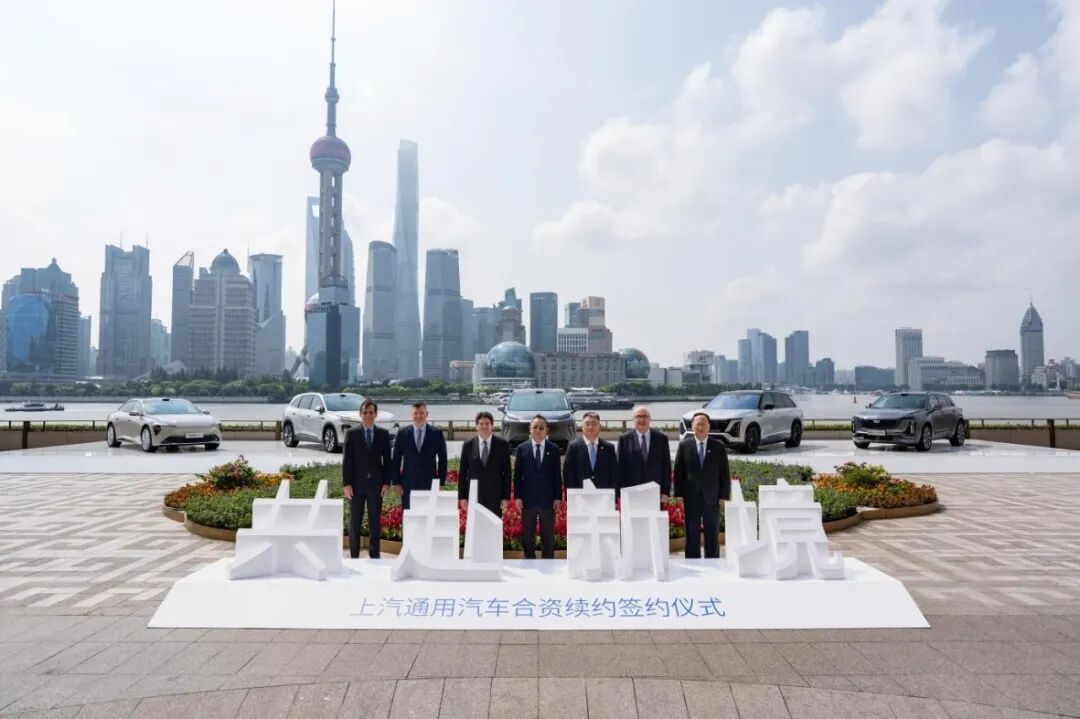
In recent years, domestic joint venture automotive enterprises have generally encountered challenges. SAIC-GM’s sales dwindled from a peak of 2.02 million units to 535,000 units in 2025. Likewise, Guangzhou Honda’s sales dropped from a high of over 800,000 units to 350,000 units in 2025. Given this scenario, why did these two joint venture automakers opt to extend their agreements prematurely?
Honda Motor Co., Ltd. and Guangzhou Automobile Group Co., Ltd. stated that China has emerged as the world’s largest automotive market, characterized by fierce competition spurred by rapid advancements in electrification and intelligent technologies. Against this backdrop, Honda and Guangzhou Automobile Group will capitalize on their respective technological and resource strengths to propel Guangzhou Honda in reshaping its core competitiveness, achieving a transition to new energy, and consistently offering diversified products that cater to user demands.
Wang Xiaoqiu, Chairman of SAIC Motor Corporation, expressed at the signing ceremony his aspiration for SAIC-GM to harness the strengths of both parties to bolster technological capabilities and spearhead product innovation. 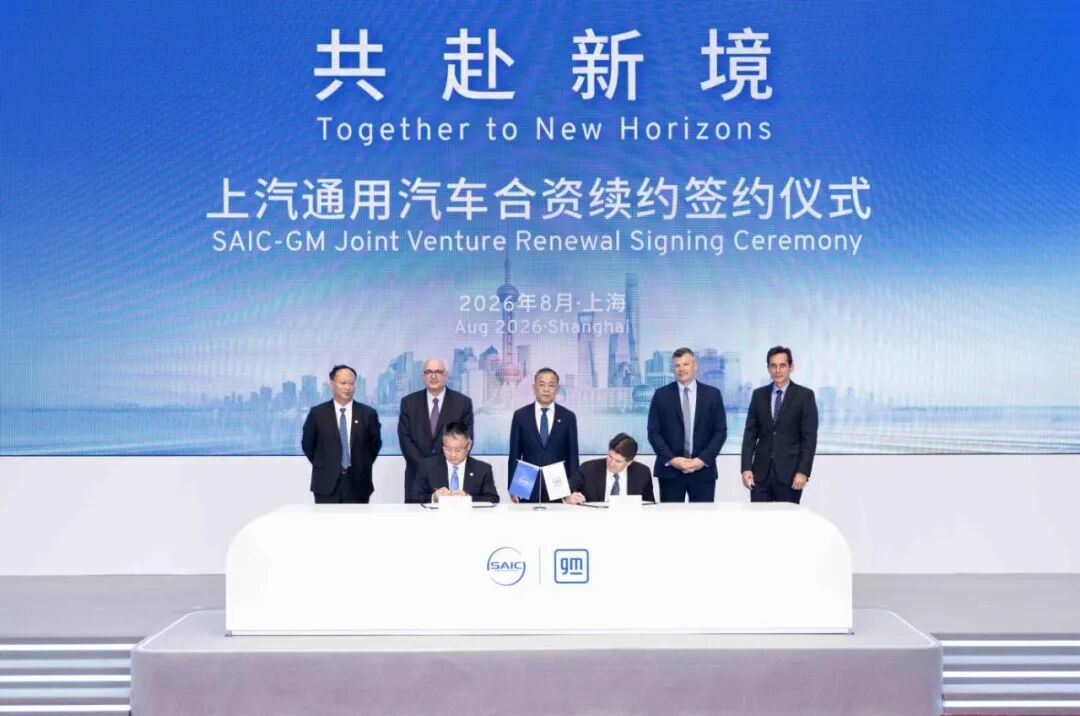
Julian Blissett, Executive Vice President of General Motors and President of General Motors China, stated that the renewal underscores the shared confidence in SAIC-GM’s long-term growth prospects.
Analysts posit that the premature renewal of joint venture terms by Guangzhou Honda and SAIC-GM primarily mirrors Honda Motor Co., Ltd. and General Motors’ enduring optimism about China, acknowledging the long-term value and transformational opportunities within the Chinese automotive market. Nevertheless, the specific circumstances and strategic emphases of both entities diverge.
Guangzhou Honda’s original joint venture term was slated to conclude in 2028, but this renewal, signed two years in advance, extends it to 2038. It appears as a desperate measure to tackle sales and survival dilemmas. In the first half of this year, Guangzhou Honda’s sales plummeted by 55.82% year-on-year. The early renewal seeks to stabilize morale and dispel rumors of Honda Motor Co., Ltd.’s potential exit from China. 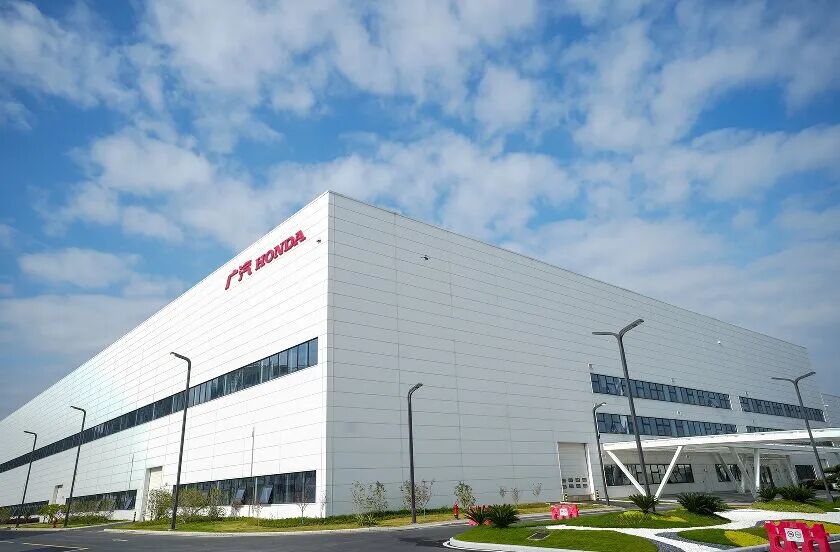
For Honda Motor Co., Ltd., China remains a pivotal global automotive market and the largest joint venture platform. For Guangzhou Automobile Group, the joint venture continues to be a vital profit source and a conduit for technological infusion.
Through this premature renewal, both Chinese and Japanese parties have demonstrated their commitment to expediting localization transformation. They have instituted a novel model of “local team-led definition and Sino-Japanese joint technological co-creation” and outlined a “full-chain localization” blueprint encompassing four key domains, including R&D and supply chains.
SAIC-GM’s original joint venture term was set to expire in 2027, but this renewal, signed one year early, is predominantly grounded in relatively robust performance and a long-term outlook.
Although General Motors’ China business has witnessed declining sales, its profits remain robust, with seven consecutive quarters of profitability. In 2025, its new energy vehicle sales topped the charts among mainstream joint venture brands. The renewal agreement explicitly diverges from the “global car, made in China” paradigm, with 100% of new products tailored to Chinese customer needs by local teams. Concurrently, SAIC-GM will pursue a global role. Models developed under Chinese leadership will be exported to overseas markets, elevating the joint venture from a “production base” to a “global product output hub.” 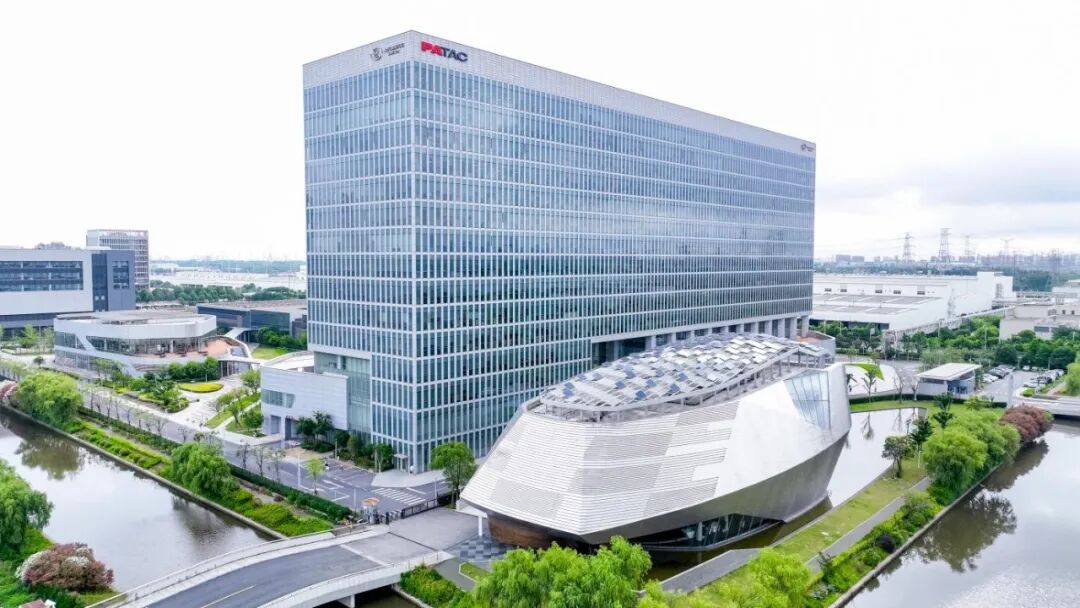
Beyond the aforementioned factors, the decision to renew joint venture terms early is also predicated on three shared evaluations:
First, reaffirming commitment to the Chinese market. Despite the diminishing market share of joint venture brands in China, the scale and innovation pace of the world’s largest market cannot be relinquished. Second, transitioning from “Joint Venture 1.0” to “Joint Venture 2.0.” The cooperation model is evolving from “market-for-technology” to “China-defined, China-developed, and China-led.” Third, securing long-term investments. Early renewal lays the groundwork for future technological R&D and product planning.
Overall, this premature renewal signifies a strategic choice by the two joint venture automakers to proactively adapt amid profound transformations, heralding the comprehensive commencement of the “Joint Venture 2.0” era. (End)
-
![]()
BYD's Auto Overseas Expansion Review: 26 Months from 'Catching Up' to 'Advancing'
-
![]()
Are Commercial Rockets Progressing Due to Increased Girth?
-
![]()
From Imitation to Reinforcement: How Far Have End-to-End Large Models Come?
-
![]()
The Debate Between Autonomous Driving VLA and World Models: What Is It Really About?
-
![]()
Sealing the Deal: The Rationale Behind GAC Honda and SAIC-GM’s Early Joint Venture Renewals
-
Third-Party SIM Card Services Discontinued: Strategic Calculations of China Mobile, China Unicom’s Bold Move, and China Telecom’s Tactical Advancement
-
Investigation Launched 3 Days Prior to Listing Meeting! Urgent Withdrawal of RMB 3 Billion Financing Initiative
-
![]()
After Two Years of 'Big Smart,' Smart is Set to Launch Its 'Small Smart'