Integrating DJI Pocket Tech into a Phone: Who Is Honor’s Target Audience?
 08/14 2026
 465
465
Author: Lucky
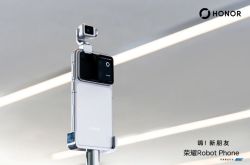
After nearly a year of anticipation, the Honor Robot Phone has finally made its debut in the market.
On August 12, 2026, Honor hosted a product launch event, unveiling the world’s first robotic smartphone—the Honor Robot Phone. Featuring an innovative four-degree-of-freedom titanium alloy flexible gimbal, powered by the fifth-generation Snapdragon 8 Supreme mobile platform, and equipped with a 7060mAh battery, it starts at 9999 yuan for the 12GB+512GB variant.
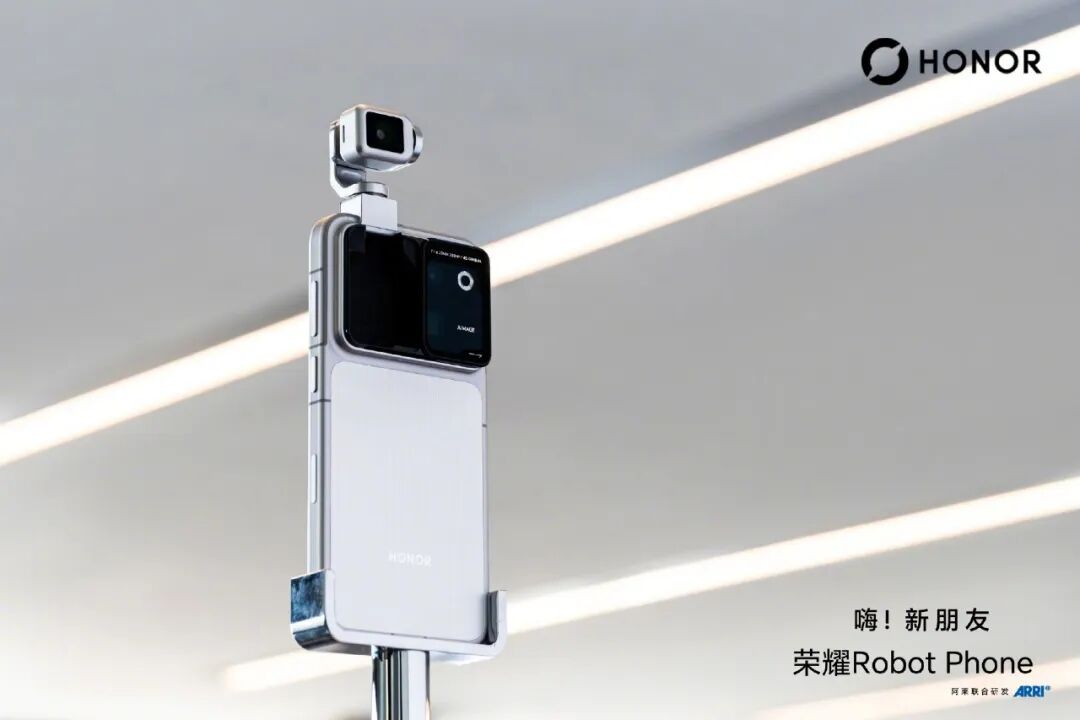
Image Source: Honor
In essence, the Honor Robot Phone represents a fusion of a traditional smartphone and a DJI Pocket. By incorporating a gimbal mechanism, it achieves physical mechanical stabilization akin to the DJI Pocket, enabling cinematic camera movements.

Image Source: IT Home
Two distinct viewpoints have surfaced in public discourse regarding this innovative device. Some believe that the Honor Robot Phone injects fresh vitality into the stagnant smartphone industry and deserves commendation. Others, considering user experience, argue, “Why spend 7000 yuan on an Apple and 2999 yuan on a DJI when the combined experience might not be as seamless?”
This raises the question: Why did Honor choose to launch such an unconventional product as the Robot Phone? What are its pros and cons? Can it reshape the mobile imaging market?
01 Behind the Launch of the Robot Phone: Addressing a Gap in Mobile Imaging Demand
It is widely acknowledged that as smartphone imaging capabilities have matured, the market space for traditional cameras has been significantly compressed. However, in recent years, the rise of short-form videos has spurred the growth of handheld smart cameras, despite competition from smartphones.
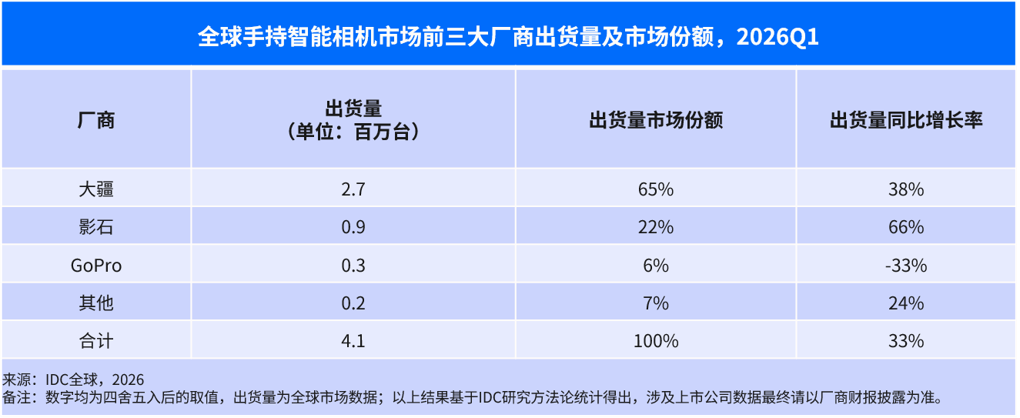
Image Source: IDC
According to IDC data, global shipments of handheld smart cameras reached 16.65 million units in 2025 and 4.14 million units in Q1 2026, representing year-over-year growth of 83% and 33%, respectively. It is projected that by 2030, global shipments will exceed 40 million units, with a five-year compound annual growth rate of approximately 18%.
This growth can be attributed to the significant shortcomings of traditional smartphones in stabilization, tracking, and audio recording during professional video shooting. Compared to handheld gimbal cameras like the DJI Pocket, smartphones struggle to precisely meet the needs of video creators.
Xiao Du, a digital content creator, shared with Farsight, “I always bring the DJI Pocket 4 when I travel. Whether I'm shooting vlogs or product experience videos, it's indispensable. My phone is only suitable for taking photos from fixed positions.”

Image Source: Insta360
Given the explosive growth in the market for handheld gimbal cameras, Insta360, known for its panoramic cameras, has also ventured into this product category. In June 2026, Insta360 released its first Leica dual-camera gimbal camera, the Luna Ultra, featuring a 1-inch main camera and a 1/1.3-inch Leica telephoto lens, supporting 6x lossless zoom, with a standard version priced starting at 3999 yuan.
In response, Allen, the product manager for Insta360's handheld gimbal cameras, stated, “The DJI Pocket series has been very successful, but there are still many unmet user needs. For example, the Luna Ultra achieves soft-focus skin texture and clear portrait effects, with targeted optimizations for multiple skin tones.”
Indeed, creating higher user value through hardware innovation is also the driving force behind Honor's development of the Robot Phone.
After the Honor Robot Phone launch event, Li Jian, CEO of Honor, stated in an interview, “We create things that bring value to users, not just for the sake of innovation. Why do people like the Robot Phone? Because it's genuinely useful. Whether it's imaging, AI, or various other values, we must deliver.”
Xiao Li, a digital product review editor at a tech media outlet, found after experiencing the Robot Phone that compared to the DJI Pocket 4, it indeed offers a unique user experience. “The DJI Pocket 4 is more like a mechanical tool. The Robot Phone has a Snapdragon processor, supports internet connectivity, and, combined with its imaging AI, allows for one-click video creation, making it more accessible and fun to use.”
02 Beyond Challenging Pocket: Honor Aims to Provide New Reasons for Device Upgrades
The current smartphone market environment is not conducive to unconventional products like the Honor Robot Phone.
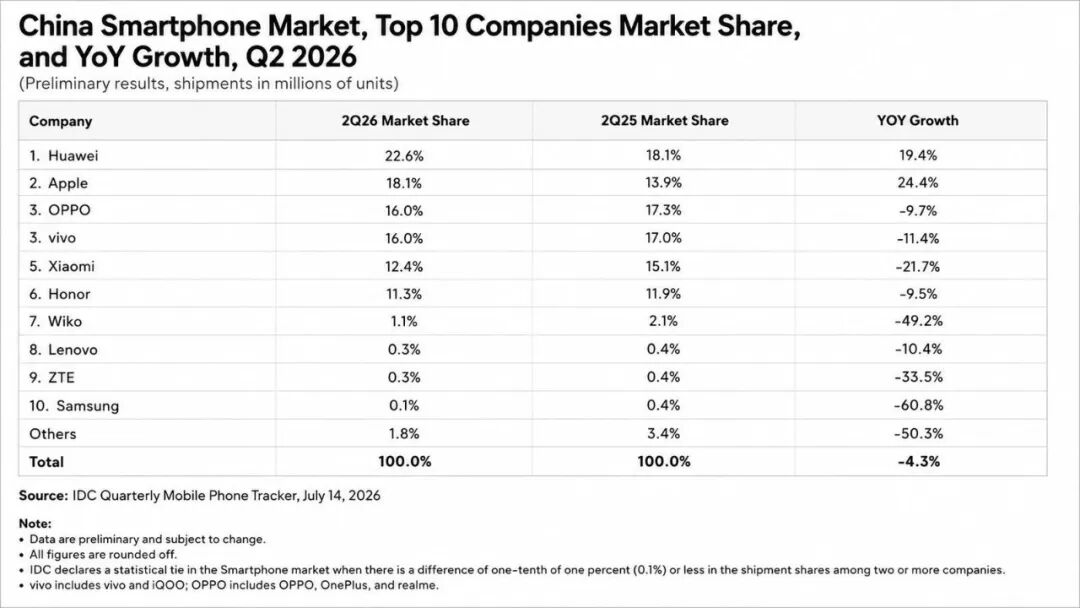
Image Source: IDC
According to IDC data, smartphone shipments in China were approximately 66 million units in Q2 2026, a year-over-year decline of 4.3%, marking the fifth consecutive quarter of decline. It is projected that in the second half of 2026, smartphone shipments in China will fall by 20% year-over-year.
The continuous decline in smartphone shipments is partly due to soaring memory prices, which have driven up overall device costs and suppressed consumer demand. It is also related to stagnant product innovation, which fails to stimulate consumer upgrades.
In recent years, while the underlying configurations of smartphones have steadily improved, they have struggled to bring about qualitative changes in the user experience. Take imaging, for example: upgrades are limited to larger sensors, higher pixel counts, and stronger algorithms, with diminishing marginal benefits for most users in daily use.
In contrast, the Honor Robot Phone aims to integrate Pocket products with traditional smartphones through hardware and software innovations, achieving a synergistic effect greater than the sum of its parts.
First, from the perspective of video creation, the Honor Robot Phone's biggest highlight is not just the addition of a gimbal structure but also the integration of a complete creative workflow.
After shooting videos with a Pocket product, users need to import the footage into a smartphone or computer for post-production. The Robot Phone, being a smartphone itself, can complete the entire process of shooting, editing, and sharing with a single natural language command when paired with its imaging AI.

Image Source: Honor
In addition to its role in video shooting, the gimbal structure of the Honor Robot Phone also enhances the user experience in daily use. During live streams or video calls, enabling the tracking focus function allows the gimbal to automatically follow the subject, offering significantly greater flexibility than Apple's “Center Stage” feature, which relies on ultra-wide-angle lenses.
As an embodied AI device, the Honor Robot Phone's gimbal also incorporates AI technology, supporting robot mode with features like dancing to music, human-like interactions, and gesture control.
From the perspective of AI functionality, the Honor Robot Phone does not significantly differ from traditional smartphones. However, by transforming the gimbal into the “eyes” and “limbs” of AI, Honor has significantly enhanced the affinity of AI technology.
Wang Xingxing, founder and CEO of Unitree Robotics, once explained that the company's insistence on developing humanoid robots stems from the fact that “people prefer things that look human.” The more attractive and human-like a robot is, the more willing consumers are to pay for it.
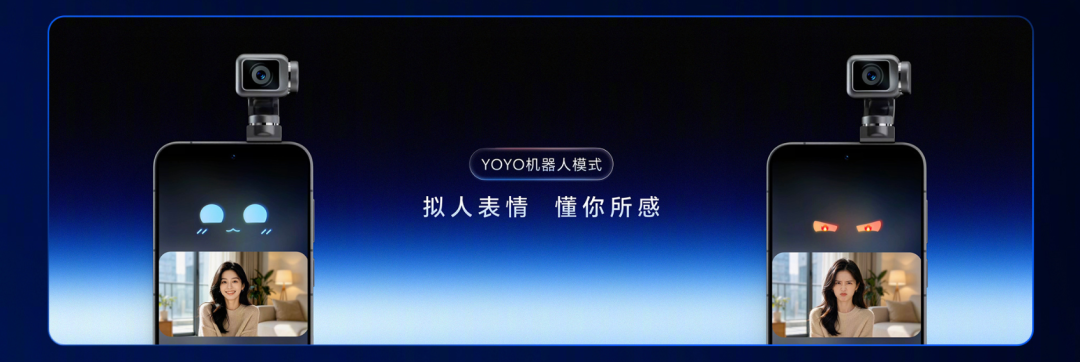
Image Source: Honor
Compared to traditional smartphones, which provide feedback through animations and voice, mechanical actions like turning or nodding make it easier for users to perceive the Robot Phone as an intelligent entity with attention and vitality.
Overall, while the Honor Robot Phone appears to be venturing into the camera market, its core strategic goal is to create new growth in the declining smartphone market by targeting a rapidly expanding niche. Honor aims to capture not just the market share of Pocket products but also to persuade users to repurchase an AI-powered device with superior imaging capabilities.
03 Defying the Trend Toward Thinness: The Robot Phone Faces Harsh Scrutiny
To deliver a differentiated user experience, the Honor Robot Phone has made some sacrifices. Its biggest drawback is excessive bulkiness.
Xiao Li revealed, “The Honor Robot Phone weighs 250g without a case and 281g with the original protective case. Moreover, the upper part, which houses the gimbal module, is noticeably top-heavy, giving it a strong sense of heaviness when held.”
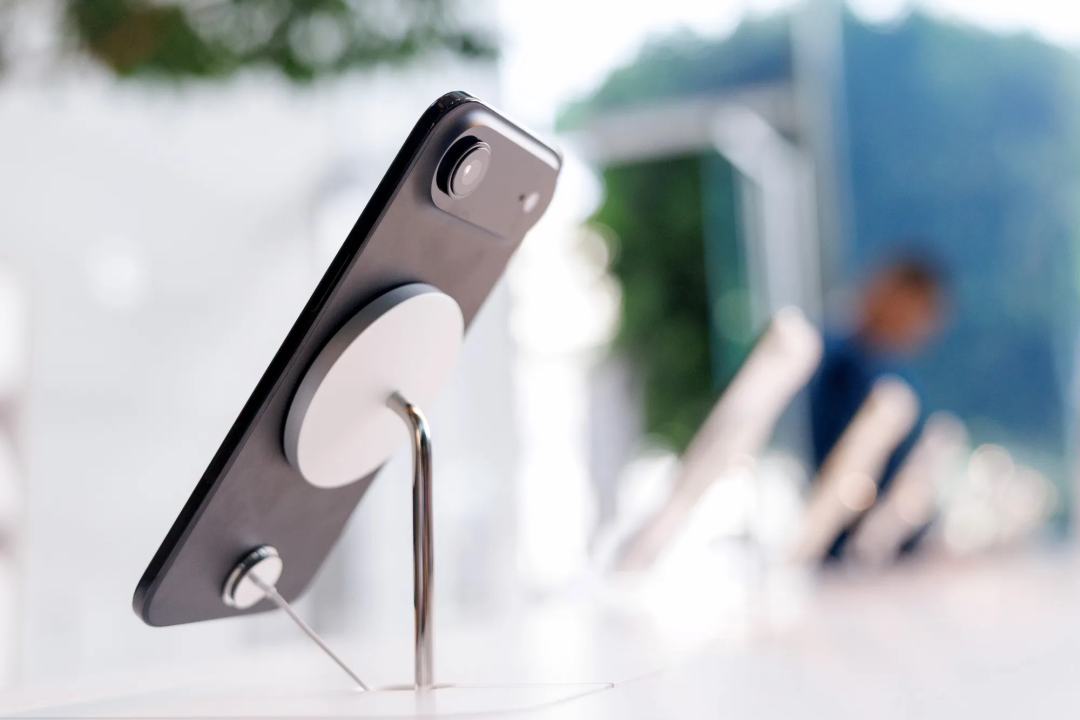
Image Source: Apple
It is important to note that since smartphones are portable devices designed for everyday carry, reducing user burden has been a major focus of the industry in recent years, leading to a trend toward thinner and lighter designs. A prime example is the iPhone Air, which is only 5.6mm thick and weighs just 165g.
This trend toward thinness is not limited to traditional bar-style phones; foldable phones are also following suit. The Honor Magic V6, released in March 2026, has a thickness of just 8.75mm and a weight of 219g in its folded state. In contrast, the first-generation Honor Magic V, released in January 2022, had a thickness of 14.3mm and a weight of 288g when folded.
As Liu Zuohu, Chief Product Officer of OPPO, once said, “For foldable phones, no matter how powerful the configuration is, being thick is a sin.” The same logic applies to bar-style phones. If adding new features comes at the cost of sacrificing thinness and lightness, smartphones must face harsh scrutiny.
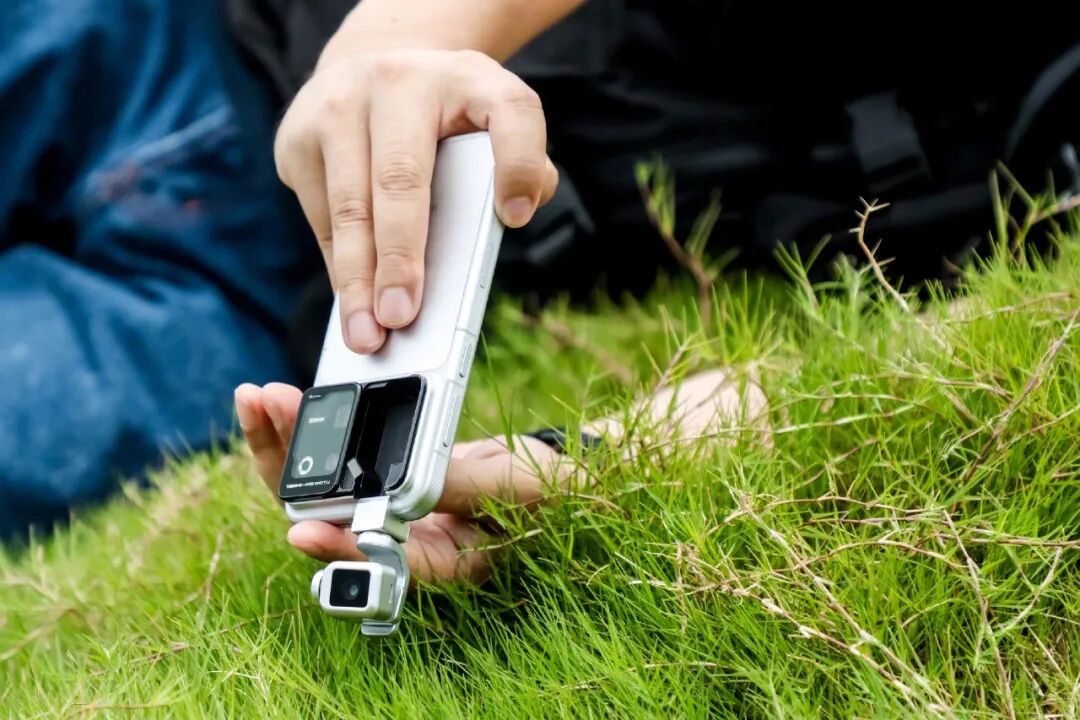
Image Source: Honor
For example, while the Honor Robot Phone's integrated design reduces the need to carry a separate Pocket device, it fails to lighten the user's daily smartphone burden.
After experiencing the Honor Robot Phone, Xiao Du stated that for work, he would still choose a bar-style phone paired with a DJI Pocket 4. “I might only use the Pocket 4 for an hour or two a day, but I carry my phone almost constantly. There's no need to make the phone bulky for occasional shooting needs.”
Given this, other smartphone manufacturers, while eager to tap into the growth of the handheld smart camera market, have not followed Honor's approach of integrating the gimbal into the phone.
In February 2026, KEDaily reported that vivo had initiated a vlog camera project at the end of 2025, targeting the DJI Pocket series. In June, National Business Daily cited insiders stating that OPPO had also launched a gimbal camera project, codenamed “Fuyao,” with plans to release related products in Q4 2026.
In the smartphone industry, whether a new technology is widely adopted by other manufacturers is often an important indicator of its industrial potential. The fact that vivo, OPPO, and other manufacturers are choosing to develop Pocket-like products rather than integrating gimbals into phones suggests that the integrated approach represented by the Honor Robot Phone has not yet become an industry consensus.
However, this does not overshadow the innovative value of the Honor Robot Phone.
Today, with the gradual maturation of AI technology, the smartphone industry has reached a turning point. Farsight previously argued in “Tech Giants Compete in AI Office, AI Phones Struggle” that traditional smartphone forms may not be well-suited to AI technology, and AI hardware might take on entirely new forms.
The Honor Robot Phone's pioneering attempt to break away from traditional smartphone forms helps the industry break free from inertia and explore more radical designs.
As Li Jian said, “I believe the era of explosive growth for AI terminals will definitely arrive in the next two to three years.” The Honor Robot Phone may not be the definitive answer for the next generation of AI terminals, but it at least raises a question worth reflecting on: As AI begins to require “eyes” and “limbs,” must phones remain confined to the paradigm set by the iPhone?
Interactive Topic
What do you think of the Robot Phone? Is it too expensive?
This article is original content from Farsight and is not authorized for reproduction.
-
![]()
Pix Exclusive丨EXEED Adjusts Reporting Line Again, Chery's 'Overseas Leader' Zhang Guibing Takes Over from Li Xueyong
-
![]()
Pinduoduo Excels in Marketing! Is ‘Fastest Arrival by Tomorrow’ Just a Play on Words?
-
![]()
Integrating DJI Pocket Tech into a Phone: Who Is Honor’s Target Audience?
-
![]()
Xiaomi’s New Patent for a Retractable Car Emblem Sparks Speculation: Is Lei Jun Launching a 'Mi-eslaus'?
-
![]()
Final Verdict: Chinese Automobiles Grow More Dependent on Overseas Markets
-
![]()
Stock Price Surges 20.18% to Hit Record High! Lenovo Finally Becomes an AI Company: AI Revenue Soars to 63.4 Billion Yuan
-
![]()
Starting at 3299 yuan! DJI Osmo 360II Released: Not Just 8K Upgrade, But Also 'Shoot and Share Instantly'
-
![]()
VOYAH's Lu Fang Clarifies Misconceptions on 'Rapidly Developed Cars': The Key Lies in Verification Completeness, Not Speed