Final Verdict: Chinese Automobiles Grow More Dependent on Overseas Markets
 08/14 2026
 532
532
According to the latest data from the China Association of Automobile Manufacturers, in July this year, China's automobile exports exceeded the one million mark for the second straight month. There was an 81.3% year-on-year surge in automobile exports, representing 40.4% of the total domestic and foreign sales and reaching 1.043 million units.
Some analysts attribute the rising proportion of Chinese automobile exports and the increasing reliance on overseas markets to the combined impact of the "push" from intense domestic competition and the "pull" from enhanced competitiveness. 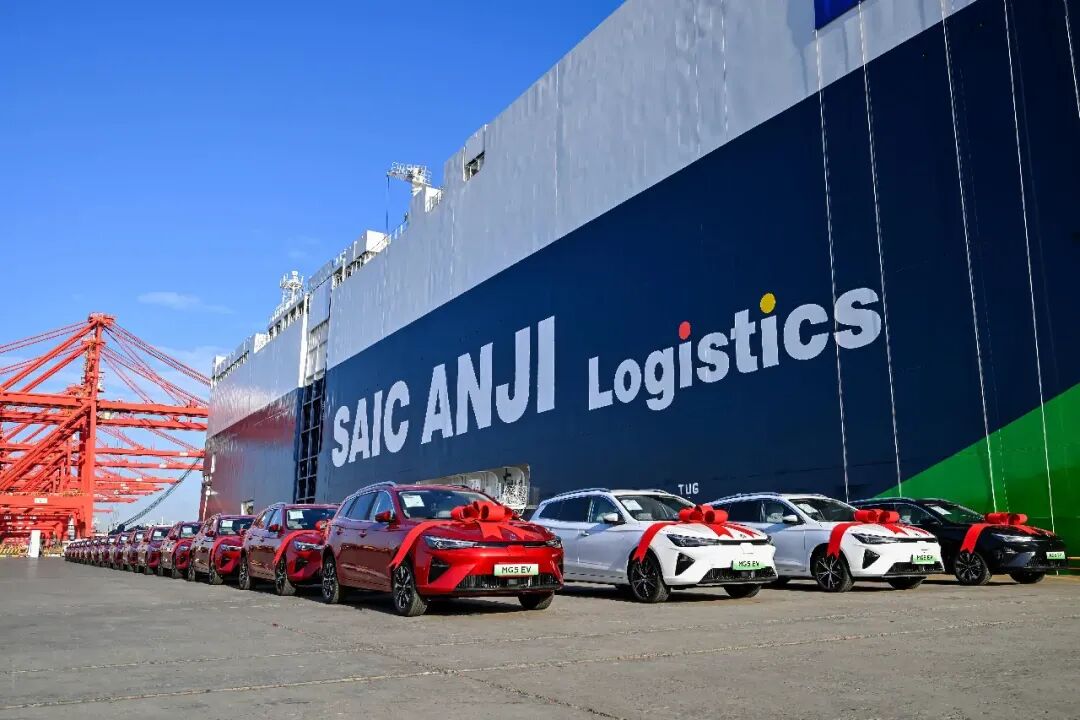
For an extended period, Chinese automobiles have predominantly focused on domestic sales, with exports taking a backseat. However, this trend has been disrupted in recent years. There are several primary reasons for this shift:
Firstly, the domestic market is nearing saturation, while overseas markets remain a vast untapped potential. The domestic market is highly competitive, squeezing profit margins. The transition from "incremental" to "stock" competition in the domestic market has compelled automakers to seek new growth opportunities overseas. The prolonged price war in the automobile industry has severely compressed industry profits, making exports essential for maintaining operational scale and profitability.
Secondly, the international competitiveness of China's automobile industry has significantly improved. After decades of rapid development, China's automobile industry now possesses the strength to compete globally, particularly in the field of new energy vehicles (NEVs), which exhibit strong international competitiveness. 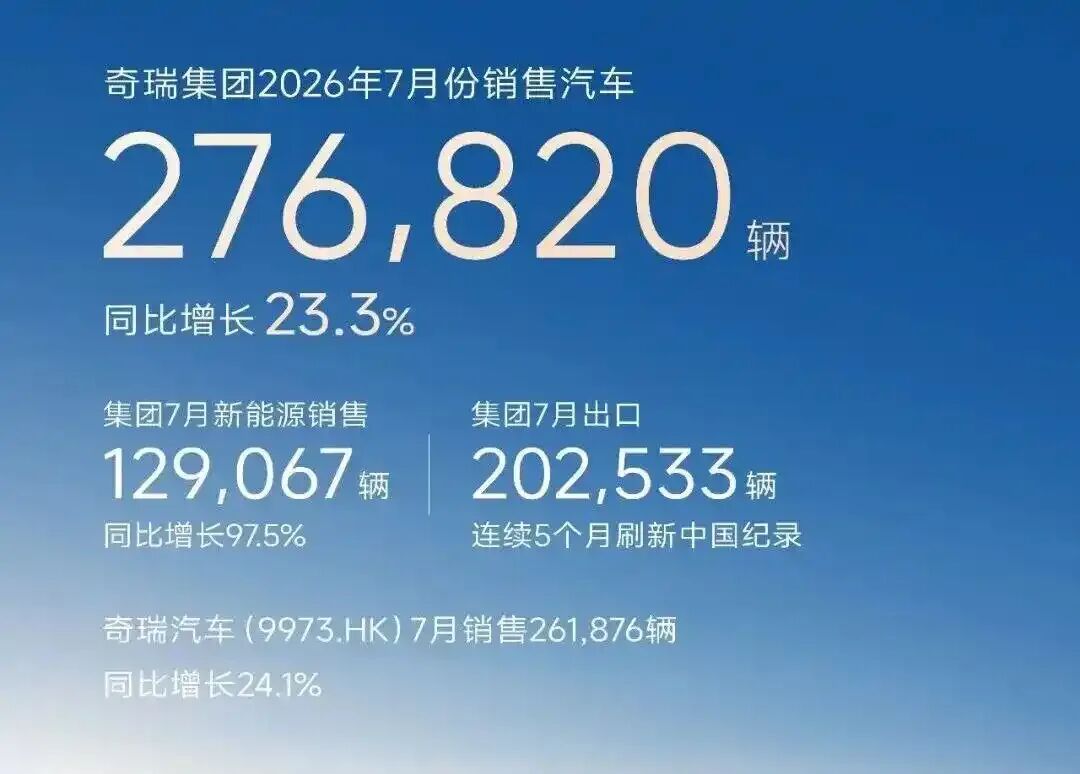
China boasts the world's most comprehensive NEV industry chain, enabling rapid market response and effective cost control. Chinese automobile products have transitioned from playing catch-up to leading the way, with NEVs becoming the driving force behind exports. It is projected that China's automobile exports will experience a 103.7% year-on-year growth by 2025. Chinese automakers have differentiated competitive advantages in areas such as power batteries and intelligent driving. In the first seven months of this year, China exported 2.909 million NEVs, accounting for 40.9% of the total. In July alone, NEV exports reached 553,000 units, surpassing the 490,000 units of traditional fuel vehicles and representing 53% of the total.
Thirdly, overseas markets offer vast potential and higher returns for enterprises. The growth potential in overseas automobile markets is immense, with China's automobile exports projected to reach 7.098 million units by 2025, ranking first globally for three consecutive years. This figure is expected to rise to nearly 10 million units by 2026, with a potential global market share of 30% in the future. The average selling price per vehicle in overseas markets is generally higher than in the domestic market, enabling domestic automakers to effectively hedge against domestic risks. 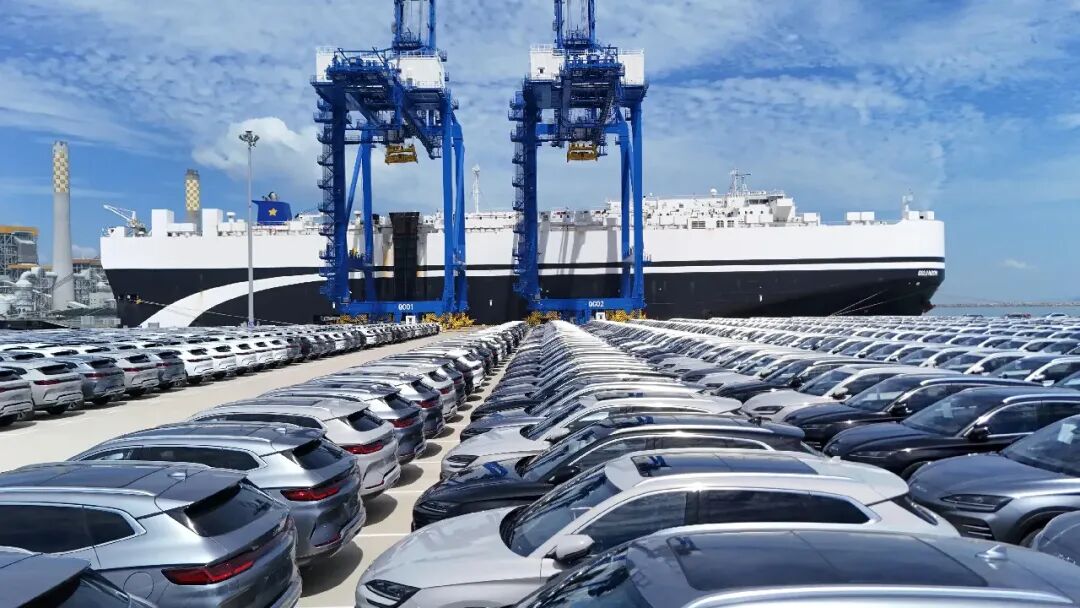
Chinese automobiles offer high cost-effectiveness and strong competitiveness. In recent years, some countries have erected numerous barriers to impede Chinese automobile exports. To counter these trade barriers, Chinese automakers are transitioning from merely "exporting" to truly "going global," achieving localization by establishing factories abroad. It is anticipated that 800,000 units of overseas production capacity will come online in 2026 to circumvent tariff barriers.
However, it is also important to note that overseas expansion comes with risks such as geopolitical tensions and regulatory differences. Particularly, it is crucial to avoid exporting domestic internal competition to overseas markets and engaging in self-destructive practices. (The end)
-
![]()
Pinduoduo Excels in Marketing! Is ‘Fastest Arrival by Tomorrow’ Just a Play on Words?
-
![]()
Integrating DJI Pocket Tech into a Phone: Who Is Honor’s Target Audience?
-
![]()
Xiaomi’s New Patent for a Retractable Car Emblem Sparks Speculation: Is Lei Jun Launching a 'Mi-eslaus'?
-
![]()
Final Verdict: Chinese Automobiles Grow More Dependent on Overseas Markets
-
![]()
Stock Price Surges 20.18% to Hit Record High! Lenovo Finally Becomes an AI Company: AI Revenue Soars to 63.4 Billion Yuan
-
![]()
Starting at 3299 yuan! DJI Osmo 360II Released: Not Just 8K Upgrade, But Also 'Shoot and Share Instantly'
-
![]()
VOYAH's Lu Fang Clarifies Misconceptions on 'Rapidly Developed Cars': The Key Lies in Verification Completeness, Not Speed
-
Who is Buying Joint Venture Electric Vehicles?