The Opening of MWC 2026 is Approaching, Here Come the Highlights
 03/02 2026
 530
530
The spring breeze in Barcelona feels particularly biting and full of uncertainties in March 2026.
If you try to book a hotel near the Fira Gran Via in Barcelona now, you'll find that prices have skyrocketed to astonishing levels. The cost of three-star hotels within a 3km radius is nearly all above 3,000 RMB, and rooms are extremely hard to come by.
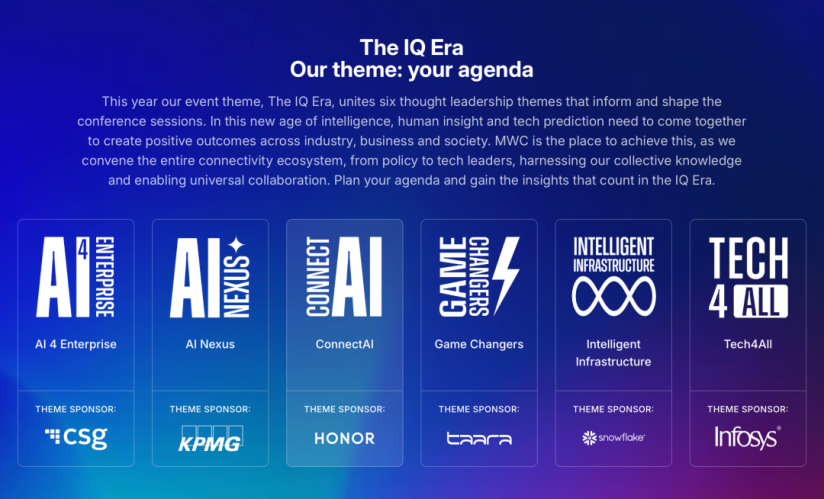
This year marks the 20th anniversary of MWC being held in Barcelona. Over the past 19 years, from the emergence of 3G to the widespread adoption of 5G, this venue has witnessed every breath of mobile communications. The theme of this year's conference is: The IQ Era, which translates directly to the "Intelligence Quotient Era."
01
Transformation in Form: AI Grows "Limbs"
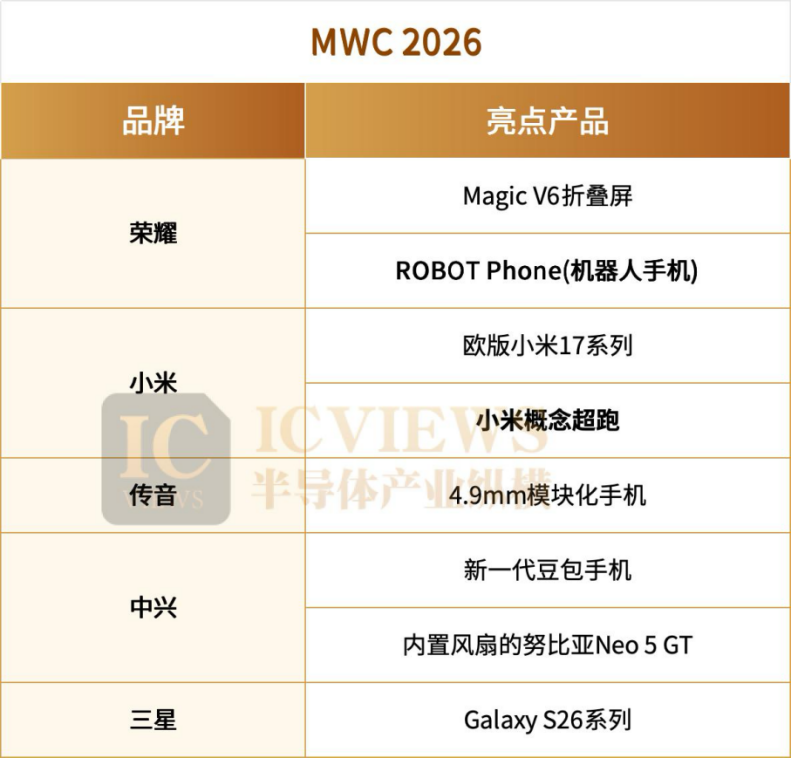
Smartphones remain the core highlight of the exhibition, but the ambitions of Chinese manufacturers have already spilled beyond the screens.
Honor is expected to unveil two major products this time: the world's first consumer-grade humanoid robot and the world's first "robot phone" (Robot Phone). This "robot phone" made its debut at the inauguration ceremony of the Shenzhen Leading Edge Intelligence Open Research Institute. The Robot Phone teamed up with its ecosystem partner robots to form a "Cyber Matrix" and performed the song "Gong Xi Fa Cai" (Congratulations on Wealth).
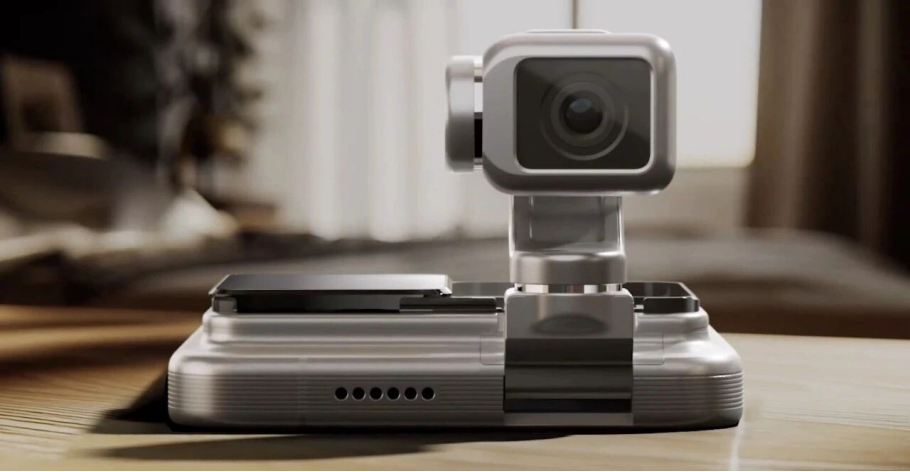
Official Honor video screenshot
The so-called "robot phone" features a mechanical gimbal lens module that allows for 360° rotation, pitch, and roll adjustments in all dimensions. Not only does it offer more comprehensive video creation capabilities, but it also enables AI auto-framing, angle optimization, scene recognition, and intelligent lens tracking through AI, making it a phone that can revolutionize daily photography.
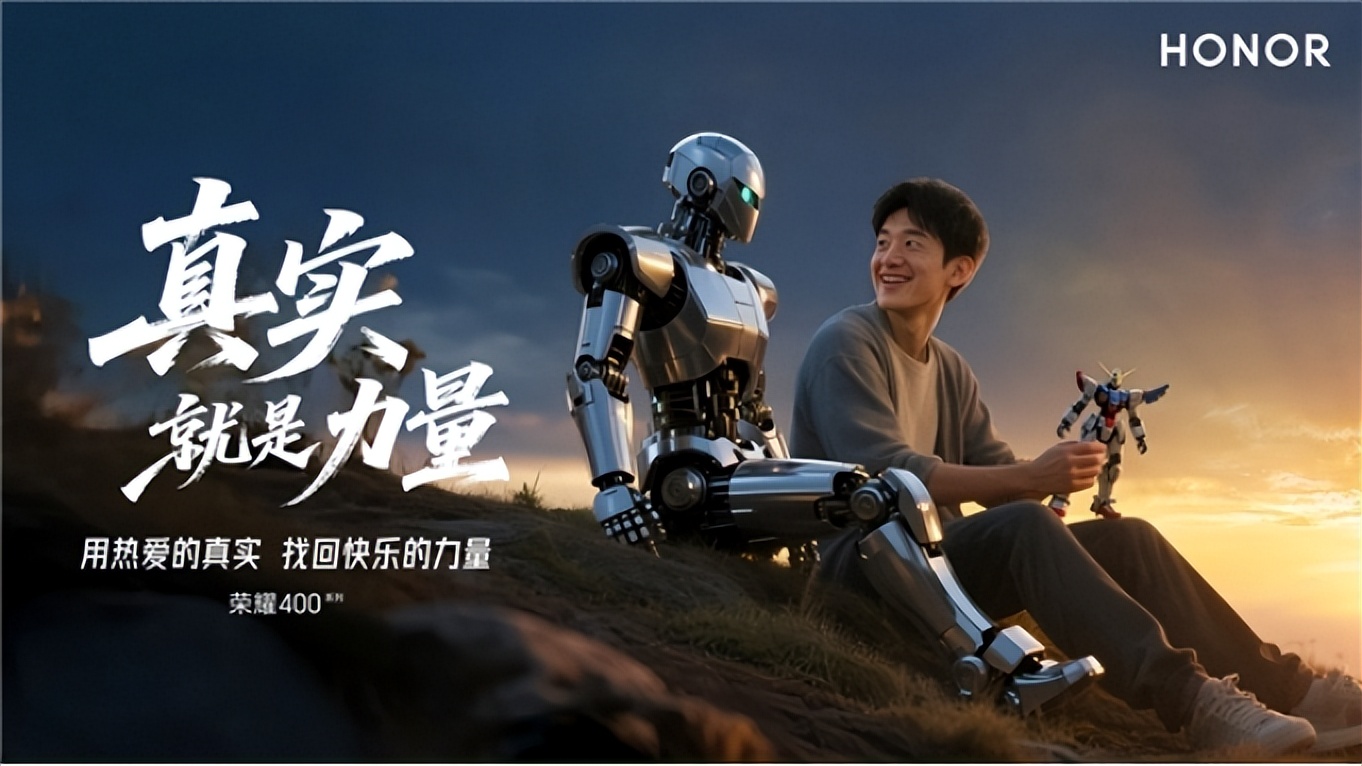
There is currently limited information about the humanoid robot. However, at the Honor 400 series launch event in late May 2025, CEO Li Jian announced Honor's entry into the robotics industry, revealing that their developed robot had achieved a running speed of 4m/s, breaking previous industry records. In October of the same year, the Honor robotics project won the championship in the IROS 2025 "Peach Garden" challenge, demonstrating its reserve (reserves) in core robotics technologies such as motion control and environmental perception.
Meanwhile, other Chinese manufacturers are also showcasing their innovations in form.
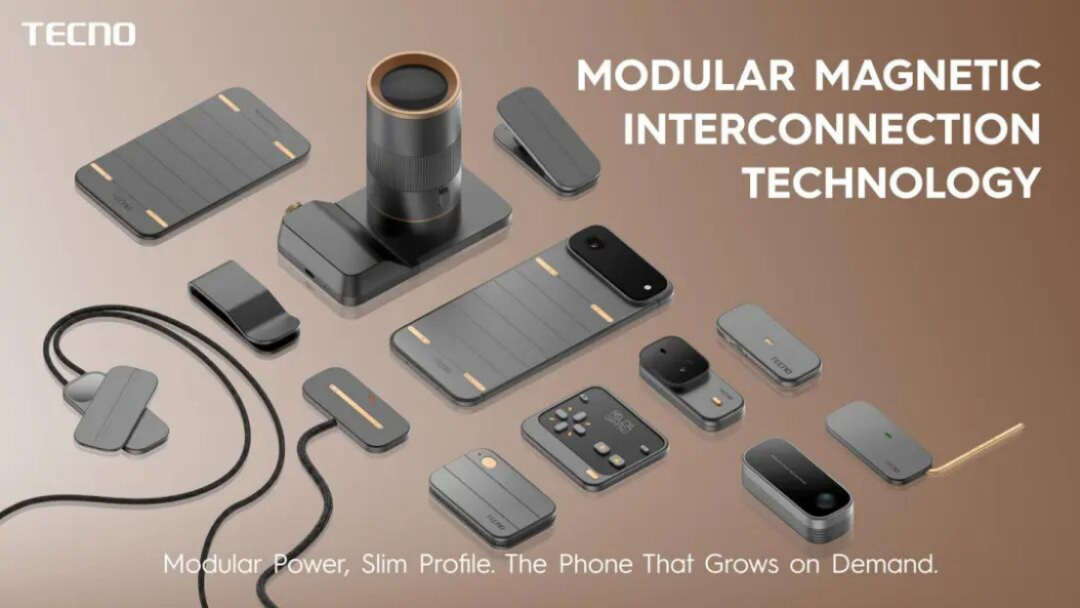
As a "concept phone specialist," Tecno is expected to unveil a "modular phone" concept. The main body of the new phone is only 4.9mm thick, retaining only the most basic core functions for users. In other words, it functions as an ultra-thin smartphone for everyday use. When expansion is needed, accessories can be connected to the main body using "magnetic interconnection technology." From the accessories shown, Tecno offers a wide range of options. In addition to batteries and power-requiring accessories connected via metal contacts, data transmission is achieved wirelessly using millimeter-wave (mmWave) and Wi-Fi 7 technologies, ensuring near-zero latency.
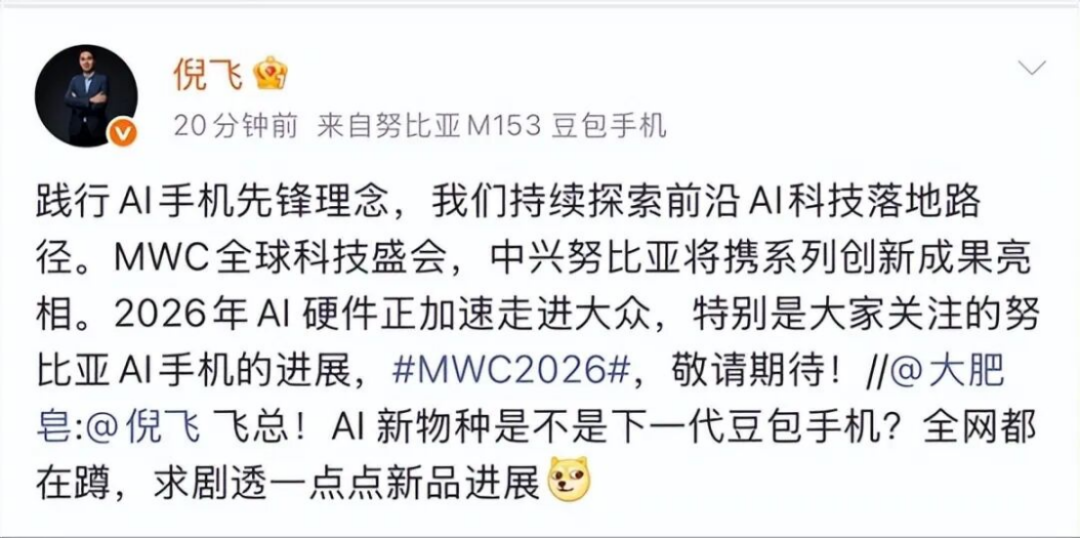
Nubia, a subsidiary of ZTE, caused a stir in China last year with its Doubao AI phone, even being hailed as a "phenomenal AI product" by some industry observers. After the launch of the first-generation Doubao phone, despite its non-budget-friendly pricing, it sold out instantly, and significant price hikes were observed on second-hand platforms. Initially, due to permission issues related to AI auto-operations, the phone's functionality was restricted by many mainstream apps, diminishing the user experience. After several months of adjustments and communications, the ecosystem improved significantly, with multiple leading apps shifting from resistance to cooperation and even actively adapting to the platform.
This year's MWC26 may bring new changes. According to supply chain sources, the second-generation Doubao phone will feature a comprehensive hardware upgrade, equipped with a new generation of flagship chips, and synchronous upgrade (simultaneously upgraded) in imaging, battery life, and cooling.
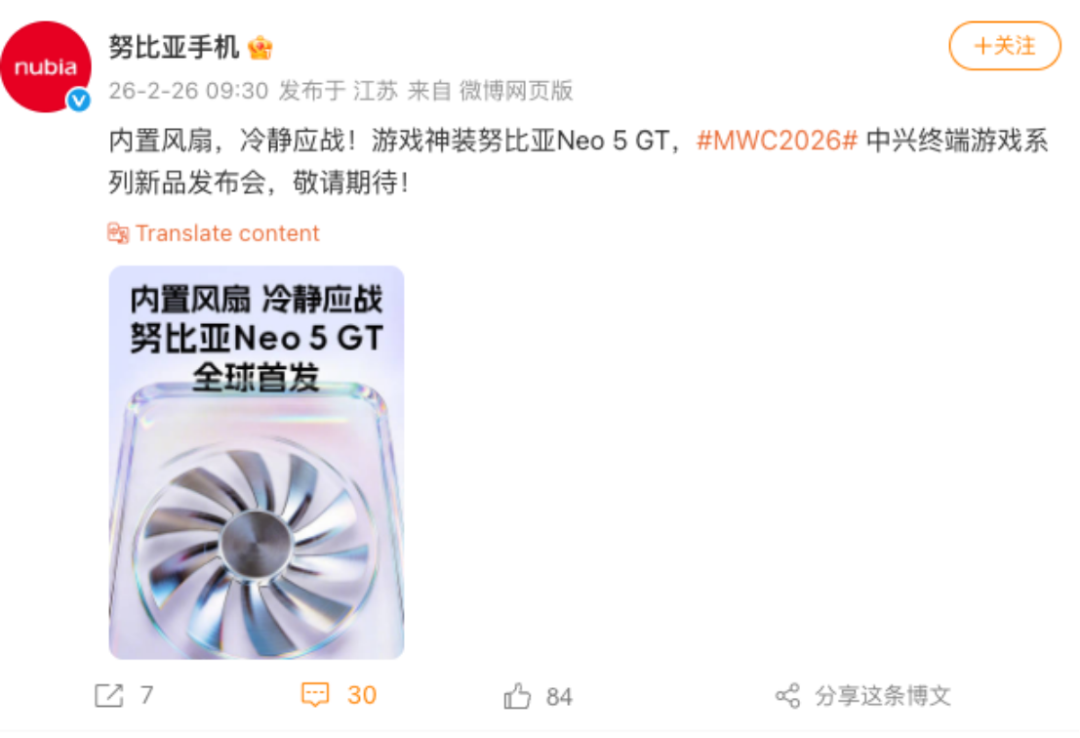
Additionally, the Nubia Neo 5 GT, which features an internal fan, will make its global debut, further reinforcing its label as "gaming gear." As a predecessor, the Nubia Neo 3 GT was launched at the same exhibition in March 2025, featuring a Unisoc T9100 processor, 12GB of RAM, and a 6000mAh battery.
AI assistants are "taking over" the real world through various hardware forms.
Alibaba's QianWen large model officially enters the AI hardware track (sector), announcing that it will release its first QianWen AI glasses at the MWC 2026 World Mobile Communications Conference in Barcelona, Spain, with pre-orders opening on March 2nd across all online and offline channels for the global market. According to official sources, the product will seamlessly integrate QianWen's core AI capabilities, including applications in navigation, voice interaction, information queries, and food ordering, enabling AI assistants to transition from smartphone screens to the real physical world.
02
Transformation in Connectivity: 6G Deployment and the Rise of Agentic AI
If Chinese manufacturers are seeking breakthroughs in "form," then at the "spiritual" level, the collaboration between chip giants and terminal manufacturers becomes particularly crucial.
Samsung unveiled the Galaxy S26 series on the eve of MWC, including three models: S26, S26+, and S26 Ultra, all equipped with the Snapdragon 8 Elite Gen5 for Galaxy processor. According to official data, the processor's NPU performance has jumped by approximately 39%, image processing performance has increased by 24%, and CPU performance has improved by about 19%.
Regarding AI capabilities, Samsung understands AI to have three key points: accessibility, openness, and security. By combining these three aspects, Samsung believes that AI should become a fundamental tool on smartphones, with the ultimate goal of evolving it into an intelligent agent. This is also the most fitting and important label Samsung has attached to the Galaxy S26 series: Agentic AI phones.
The specific manifestation of "Agentic" is being smarter and able to proactively intervene in your actions. Google Gemini now supports task automation functionality. On the Samsung Galaxy S26, users can issue prompts to Gemini, such as "Book me a ride to the art gallery," and Gemini will then launch the app through a virtual window on the user's device and gradually complete the process in the background. If options arise during execution, it will pause and allow the user to take over, providing an overall operational experience similar to that of the Doubao phone.
Qualcomm, on the other hand, is laying the groundwork for this "intelligence" at a more fundamental level in communication protocols and chip design. At MWC 2026, Qualcomm will showcase three major themes: AI-native design, the evolution of 6G foundational technologies, and digital twin platforms, demonstrating how 6G is transitioning from concept to prototype and how its chips empower AI innovation on the terminal side.
At the infrastructure level, the actions of industry giants are even more aggressive.
Ericsson will collaborate with Apple and MediaTek to showcase key 6G technological capabilities. In its collaboration with Apple, Ericsson will demonstrate MRSS (Multi-Radio Access Technology Spectrum Sharing) between 5G and 6G. This solution assists telecom operators in achieving a smooth migration and coexistence from 5G to 6G, minimizing resource waste and signal overhead. The demonstration will feature a 5G system and a 6G simulation system both connected to Ericsson's TDD mid-band base station. In its collaboration with MediaTek, the two companies will jointly showcase cmWave centimeter-wave technology. The relevant closed-environment prototype testing system integrates Ericsson's wireless RAN with MediaTek's user equipment prototype, covering complete baseband processing from wireless communication to the IP layer, with a focus on presenting the low-latency technology of competitive buffer status reporting in the 6G technology stack.
Huawei, as one of the giants in communication infrastructure, has trailer (previewed) that it will launch a full range of products and solutions at this conference, working with clients to reshape products and services with AI, deepening the fusion innovation of mobile networks, fixed networks, and AI, and jointly creating a value-driven leading network and intelligent computing foundation. Notably, on the eve of MWC 2026, Huawei unveiled five products in Madrid, Spain, including the Mate 80 Pro, Watch GT Runner 2, FreeBuds Pro 5, MatePad Mini, and Band 11 series. Unlike the version released in China in November 2025, the overseas version of the Huawei Mate 80 Pro is equipped with EMUI 15.0 instead of HarmonyOS 6. The specific chip model for the overseas version has not been disclosed on the official website, but Huawei has confirmed that the hardware is consistent with the domestic version.
Space is also one of the highlights. Satellite and non-terrestrial connectivity are becoming key themes at MWC, with SpaceX and Starlink teams attending the conference and showcasing their achievements. SpaceX President and Chief Operating Officer Gwynne Shotwell and Engineering Vice President Michael Nichols, among other executives, have confirmed their attendance and are expected to discuss how low Earth orbit (LEO) constellations and satellite broadband can integrate with global telecommunications networks and help expand connectivity beyond traditional coverage areas.
Meanwhile, the Azerbaijan Space Agency (Azercosmos) will also make its debut at MWC 2026, setting up an independent booth. This also indicates that satellite communications are transitioning from specialized industries to mass consumption.
03
2026 Projections: Where is AI Headed?
In 2026, AI has finally transformed from a phantom in the cloud into a tangible entity in our pockets and even a companion by our side. Through the various signs at MWC 2026, we can make three projections about the development direction of AI in 2026:
First, the comprehensive takeover by Agentic AI. In 2026, AI will complete the transition from Copilot to Agent. Users will no longer need to learn how to use software but will instead directly issue instructions to AI. This transformation requires extremely high concurrent processing capabilities and extremely low standby power consumption at the semiconductor level to maintain the "always-on" state of AI agents.
Second, the "mobilization" and "democratization" of embodied intelligence. Humanoid robots, robot phones, and AI glasses are just the beginning. As sensor costs decrease and edge computing power increases, AI is beginning to possess physical entities. This not only means the widespread adoption of home robots but also implies that smartphones, cars, and wearable devices will achieve physical-level collaboration through unified AI protocols.
Third, the rise of sovereign AI and distributed computing power. With the increasing importance of data sovereignty among nations, MWC 2026 will witness more "sovereign AI" solutions. AI will no longer rely entirely on cloud centers but will be distributed across edge nodes and personal devices through networks. This "cloud-edge-terminal" computing power reconstruction will bring a new round of growth dividends to the semiconductor industry.
-
![]()
Proposed to Raise 955 Million Yuan through Private Placement! Huicheng Vacuum Boosts Localization of Ultra-Precision Optical Coating Equipment
-
![]()
Cash Flow Soars 13-Fold! What Major Strategic Move is Wuhan Five Square Optoelectronics Planning?
-
![]()
Leaked Design of vivo X500: Reverts to Circular Camera Module in Top-Left Corner, Pays Homage to Classic X90 Aesthetic
-
![]()
DeepSeek Shows Signs of Foraying into Code Agents, Launches WeChat Official Account Focused on Harness
-
![]()
Auto Companies Deny Claims That ‘Cooperation with Huawei Is Non-Essential’, as Huawei Transforms into a ‘Public Platform’
-
![]()
Starship to Independently 'Return to the Launch Tower': SpaceX's Ambitions Extend Beyond Rocket Building to Dominating Space Transportation
-
![]()
Starship Set to Independently 'Return to the Launch Tower': SpaceX is Revolutionizing Space Transportation, Not Just Building Rockets
-
![]()
Anthropic and OpenAI Face Off Against Deepseek