CEO Transition on the Horizon: Apple Can't Settle for a 'Second Cook'
 03/25 2026
 664
664
Author|Xie Jiabaoshu
As Apple nears its 50th anniversary, it's gearing up to bid farewell to the 'Cook era'.
According to Bloomberg, at Apple's all-employee meeting in early February 2026, CEO Tim Cook addressed the recent spate of executive departures. He explained that these changes were meticulously planned and 'not unexpected'.
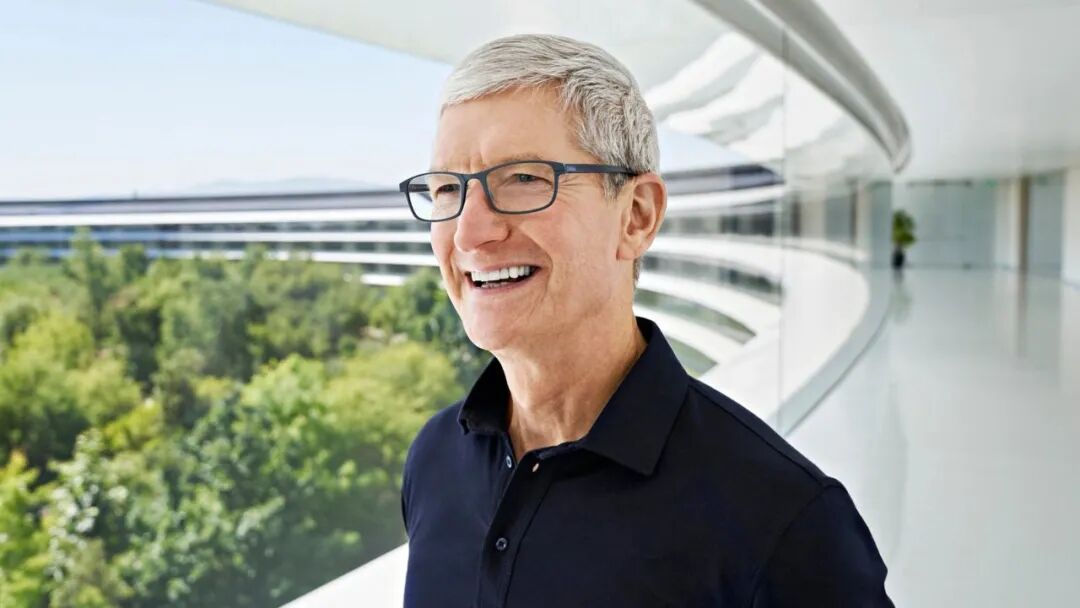
Image Source: Apple
'At a certain stage in life, some people choose to retire—it's a natural progression,' Tim Cook emphasized. 'We must ensure Apple keeps moving forward' and reaches 'new heights, and then surpasses them.' Cook added, 'I spend a considerable amount of time pondering who will be making decisions here in five or ten years. I even find myself preoccupied with who will lead fifteen years down the line.'
Since assuming the role of Apple's CEO in August 2011, Tim Cook has helmed the tech behemoth for approximately fifteen years, outlasting even the tenure of Apple's 'visionary leader,' Steve Jobs. Such a stable and extended tenure underscores the Apple Board's high level of satisfaction with Cook.
Without objective constraints, the trusted Tim Cook would undoubtedly continue to steer Apple deeper into the tech landscape. However, born in 1960, Tim Cook is now 66 years old. Even with boundless energy, it's a daunting task to sustain the acute judgment and high-intensity work ethic required of a tech company leader over the long haul.
It's foreseeable that Apple's most critical task in the coming period will be to find a 'clock-builder' on par with Tim Cook to propel it to even greater heights. However, in the rapidly evolving AI era, this won't be a walk in the park.
01
Jobs Set the Pace, Cook Built the System
Under Steve Jobs' leadership, Apple created groundbreaking products like the Mac, iPhone, and iPad, leading many to believe the company would falter without him.
In reality, Steve Jobs' legacy extends beyond innovative tech products; it lies in establishing Apple's unique corporate culture and selecting Tim Cook as his successor.
In response, Duan Yongping, founder of BBK and a renowned investor, stated, 'Cook is a better CEO than Jobs. He's more rational while deeply understanding Jobs' pursuits.'
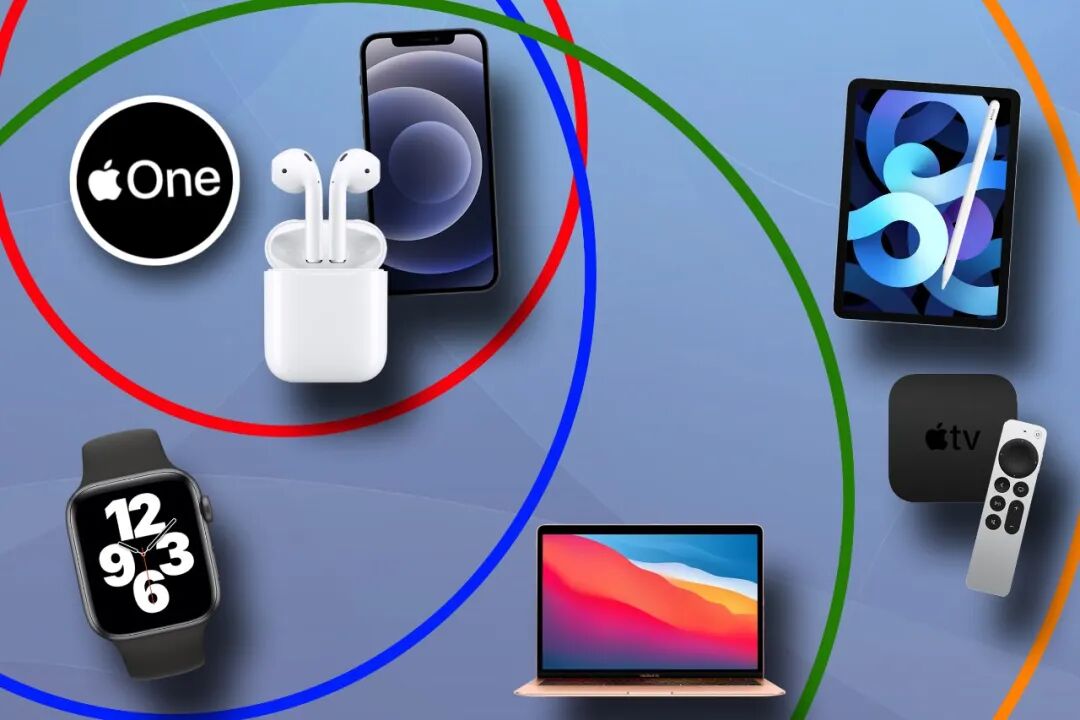
Image Source: Apple
Since 2011, Tim Cook has followed in Steve Jobs' footsteps, leveraging his supply chain expertise to enhance the interconnectivity of hardware devices like the iPhone, Apple Watch, and Mac. Simultaneously, he introduced software services such as Apple Pay, Apple Music, and Apple TV+ based on the 'ecosystem' approach.
Arguably, Tim Cook is a more exceptional 'clock-builder' than Steve Jobs. While Apple could create outstanding products relying on Jobs' genius, excessive dependence on a 'visionary' introduced significant uncertainty for a commercial company.
Although less creative than Jobs, Tim Cook has enabled Apple to continuously produce differentiated products and reap substantial profits by refining its corporate culture and product lines. For instance, at AWE 2026, Liu Yang, head of Dreame AURORA phones, lamented, 'Apple currently captures about 80% of the global smartphone market's profits.'
Overall, under Tim Cook's leadership, Apple's performance has skyrocketed. Financial reports show that in FY2025, Apple's revenue reached $416.161 billion, with a net profit of $112.01 billion—roughly tripling compared to FY2011.
With deep competitive moats, Apple has become a darling of the capital markets. Today, its market capitalization stands at $3.69 trillion, nearly nine times higher than the ~$364.4 billion when Cook took office.
Recognizing Tim Cook as an outstanding 'clock-builder,' Duan Yongping heavily invested in Apple stocks in 2011 and has since profited handsomely. In January 2026, Duan revealed part of his Apple holdings, showing a cumulative return rate of 1,623.48%, with gains of approximately $34.26 million.
02
Frequent Appearances at Launches: Ternus Emerges as a Key Figure
Although Tim Cook has not directly addressed when he will step down as CEO, various signs indicate that Apple is preparing for a leadership transition.
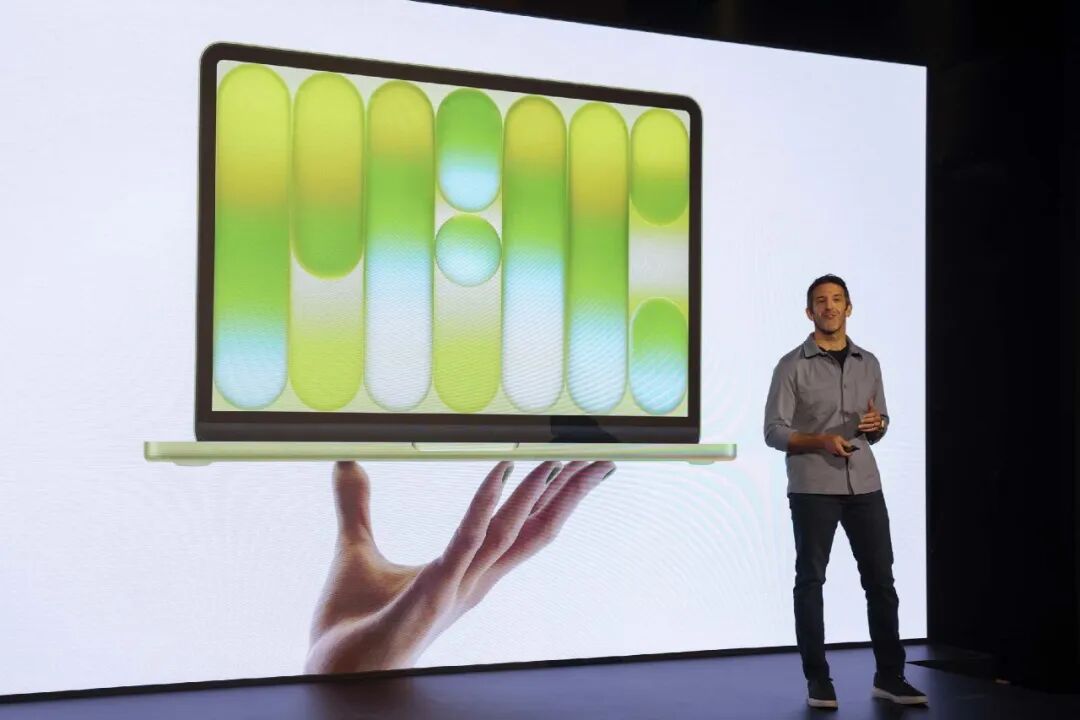
Image Source: Apple
Traditionally, Apple's major product launches and subsequent media interviews have been handled by Tim Cook. However, in early March 2026, during Apple's product launch in New York for the MacBook Neo, the presenter was not Tim Cook but John Ternus. Subsequently, John Ternus also gave media interviews to promote the MacBook Neo.
Not only that, but at Apple's autumn product launch in September 2025, John Ternus also presented the highly anticipated ultra-thin iPhone Air.
Additionally, John Ternus represented Apple in delivering speeches across Europe, introducing Apple's strategic direction in environmental protection and sustainability—a topic previously focused on by Tim Cook.
Official records show that John Ternus, born in 1975, joined Apple's product design team in 2001. He has participated in developing products like the Mac, iPhone, and AirPods, led the transition of Macs to Apple's M-series chips, and currently serves as Senior Vice President of Hardware Engineering, reporting to Tim Cook.
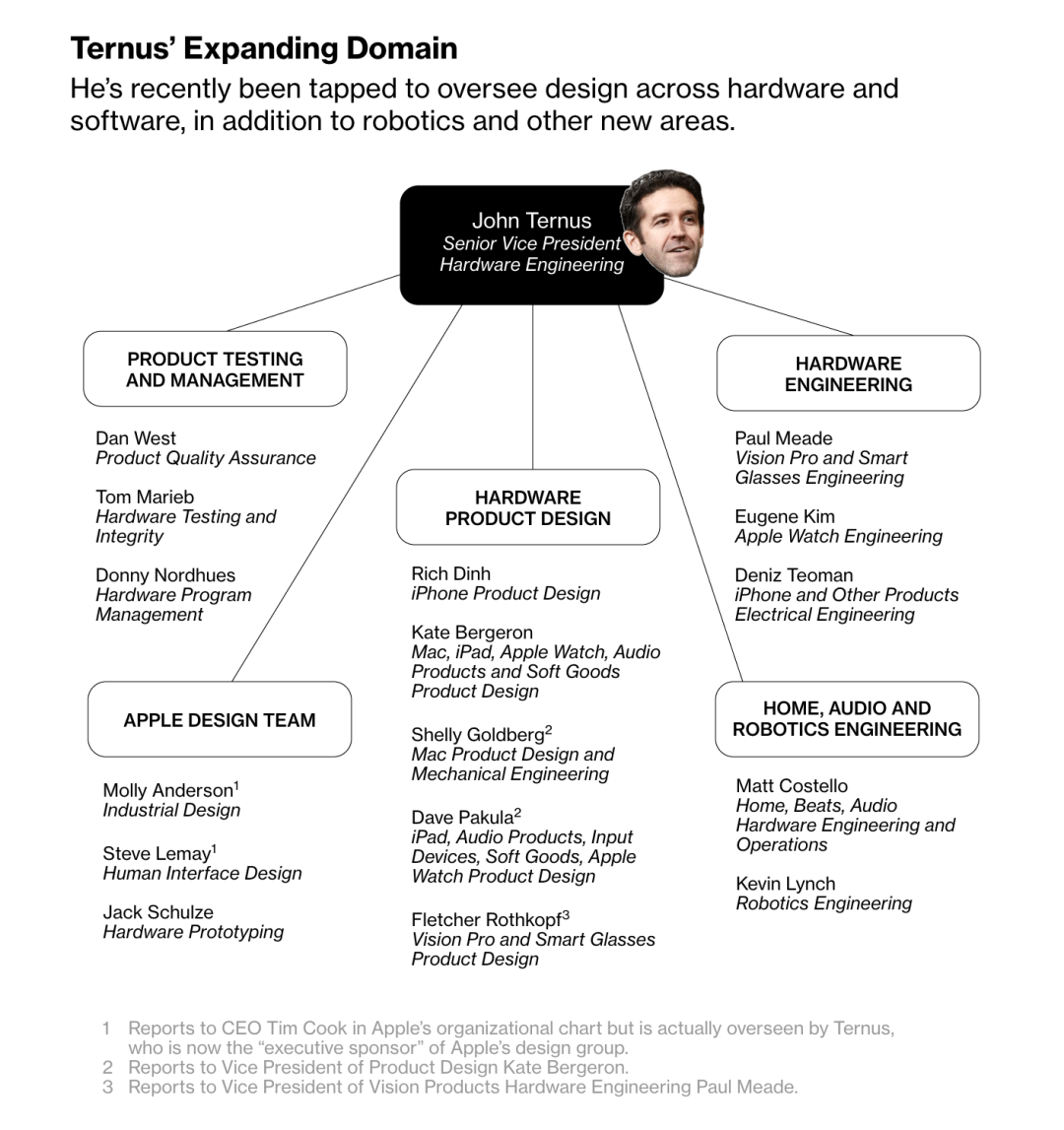
Image Source: Bloomberg
Currently, Apple is expanding John Ternus' authority. According to Bloomberg, Ternus oversees both hardware and software design teams, becoming a crucial liaison between Apple's renowned design team and senior management. Bloomberg reporter Mark Gurman believes, 'Ternus has become one of the most influential figures in Apple's history.'
Given that John Ternus is in his prime, controls Apple's most critical hardware and software divisions, and increasingly serves as a spokesperson for key products, many foreign media outlets believe he is poised to succeed Tim Cook as Apple's next CEO.
As is well known, Apple's most significant competitive moat is the ecological barrier built through deep integration of hardware and software. If John Ternus, a hardware expert, becomes Apple's new CEO, it could indeed help solidify this advantage and maintain Apple's differentiated competitiveness.
03
Ternus Faces Significant Challenges in the AI Era
Despite his hardware background, John Ternus is not an 'innovator' in the mold of Jobs. According to Bloomberg, in recent years, when Apple attempted to venture into new large-scale products, John Ternus often adopted a conservative stance.
For example, John Ternus was cautious about the Apple Car, fearing that building cars in-house would divert the company's focus, drain profits, and reallocate engineers from core products. Ultimately, Apple abandoned its car project.
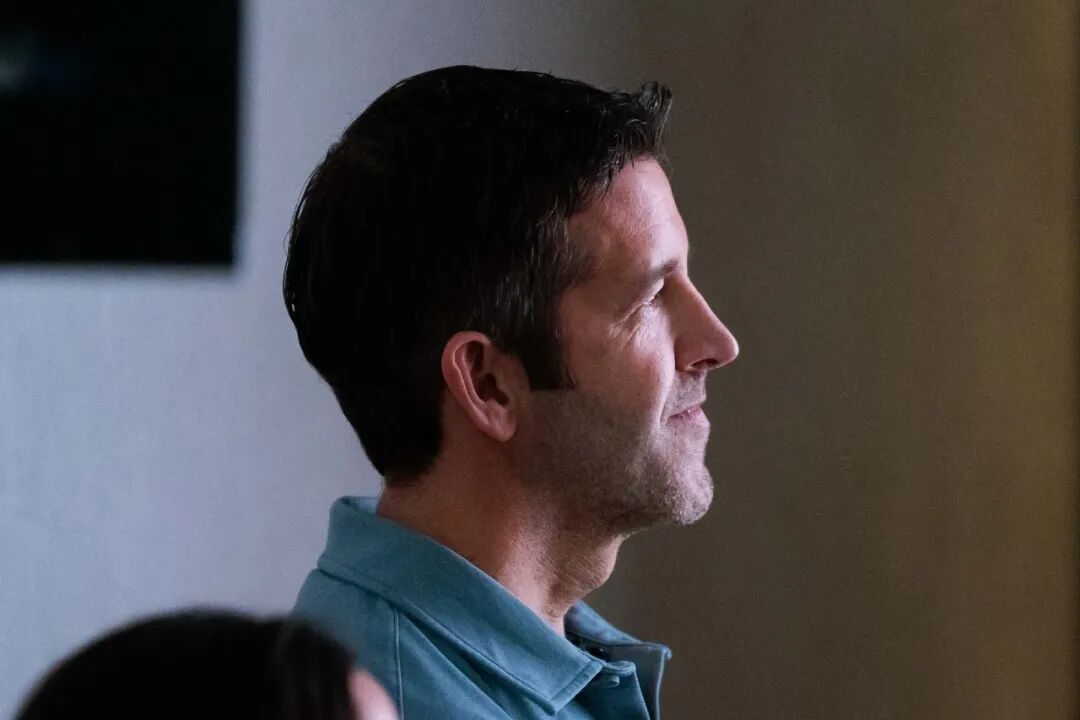
Image Source: Apple
As an Apple executive told Bloomberg, John Ternus 'is a true engineer.' His strength lies in his comprehensive understanding of product development, ensuring high-quality execution of approved projects. A senior Apple executive believes, 'If you think Tim Cook has done well, you'll think John Ternus has done well too.' From this perspective, John Ternus closely resembles 'a second Cook.'
If Apple aims to continue its established strategy of creating differentiated consumer electronics products over the past decades, John Ternus is undoubtedly the ideal successor to Tim Cook. However, the rapid rise of AI technology in recent years has sparked intense disruptions in the tech industry, imposing new demands on Apple's CEO.
Under Tim Cook's leadership, Apple has increasingly prioritized return on investment, hesitating to make forward-looking investments. In April 2025, The New York Times reported that in early 2023, John Giannandrea, Apple's head of AI, requested more GPUs from Tim Cook.
Although Cook approved the request, then-CFO Luca Maestri slashed the budget increase to less than half of the original plan. Maestri justified the cuts by stating that Apple's AI team could improve the efficiency of existing chips.
It is widely known that abundant computational power is crucial for implementing cutting-edge AI technologies. Due to constrained AI spending, Apple has struggled in the AI field.
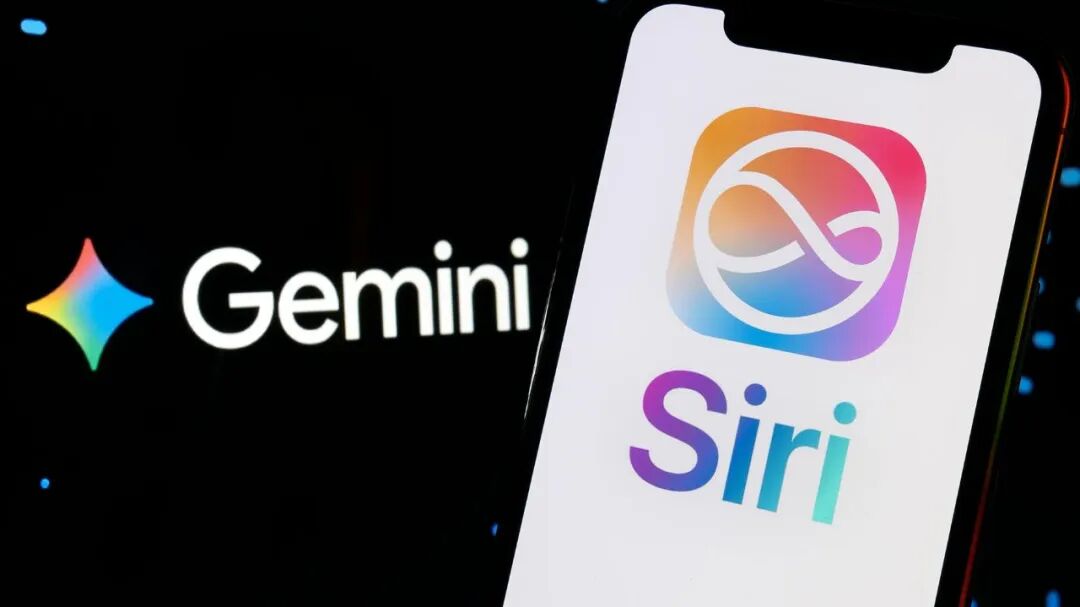
Image Source: The Information
For instance, although Apple showcased a personalized Siri as early as June 2024, to this day, Siri has not integrated large language models to enable natural language conversations. Out of necessity, in January 2026, Apple partnered with Google, with Gemini powering Apple's next-generation Foundation Models and facilitating the rollout of personalized Siri.
According to Bloomberg, citing internal sources, John Ternus is well aware that Apple needs more innovative products and a robust AI strategy.
Currently, John Ternus is leading the development of AI-powered smart home devices and wearables like smart glasses, AirPods, and pendants, all equipped with cameras that use computer vision to perceive their surroundings. Additionally, he is driving the development of foldable iPads and iPhones.
In summary, in the AI era, John Ternus seems intent on following in Tim Cook's footsteps, continuing to strengthen Apple's comparative advantage at the hardware level and defending its profit 'gold mine' through differentiated software and hardware experiences.
Admittedly, AI technology applications are still in their infancy, and no 'AI phone' has emerged yet. However, the explosive popularity of AI agents like OpenClaw largely reveals that, in the AI era, software holds greater application value than hardware.
John Ternus' conservative business strategy, which overlooks foundational models and AI software, largely deviates from the development trends of the AI era.
Arguably, Tim Cook has left his successor not just a tech empire worth trillions of dollars but also a colossal ship sailing into uncertain waters.
For Apple, the choice of the next CEO is no longer a simple personnel change but a strategic decision about its future—whether to continue as a 'product company driven by ultimate efficiency' or revert to being an 'innovation company that defines eras.'
John Ternus may inherit the operational system and product rhythm of the Cook era, but in an era where AI is reshaping industry boundaries, there are concerns about whether his conservative business strategy can lead Apple through a new technological cycle.
Fortunately, Tim Cook's successor has not yet been officially announced. This means Apple still retains the initiative to recalibrate its strategic direction at critical moments.
-
![]()
Proposed to Raise 955 Million Yuan through Private Placement! Huicheng Vacuum Boosts Localization of Ultra-Precision Optical Coating Equipment
-
![]()
Cash Flow Soars 13-Fold! What Major Strategic Move is Wuhan Five Square Optoelectronics Planning?
-
![]()
Leaked Design of vivo X500: Reverts to Circular Camera Module in Top-Left Corner, Pays Homage to Classic X90 Aesthetic
-
![]()
DeepSeek Shows Signs of Foraying into Code Agents, Launches WeChat Official Account Focused on Harness
-
![]()
Auto Companies Deny Claims That ‘Cooperation with Huawei Is Non-Essential’, as Huawei Transforms into a ‘Public Platform’
-
![]()
Starship to Independently 'Return to the Launch Tower': SpaceX's Ambitions Extend Beyond Rocket Building to Dominating Space Transportation
-
![]()
Starship Set to Independently 'Return to the Launch Tower': SpaceX is Revolutionizing Space Transportation, Not Just Building Rockets
-
![]()
Anthropic and OpenAI Face Off Against Deepseek