Why These 17 Companies?
 05/18 2026
 682
682
In 2026, when Trump sets foot on Chinese soil again, he will be accompanied not just by political entourages but by a 'commercial delegation' of 17 top U.S. corporations.
This lineup is no coincidence: 8 tech firms, 6 financial giants, 2 aviation manufacturers, and 1 agricultural conglomerate cover nearly all core sectors of the U.S. economy.
This is no ordinary diplomatic trip. Against a backdrop of globalization backlash and intensifying geopolitical rivalry, Trump's arrival with these 17 companies reflects collective anxiety and urgent demands from U.S. business circles about historic opportunities.
I. Tech Sector (8 Companies): 'Ceasefire Negotiations' in the Chip War
1. NVIDIA: The AI Powerhouse's 'China Dilemma'
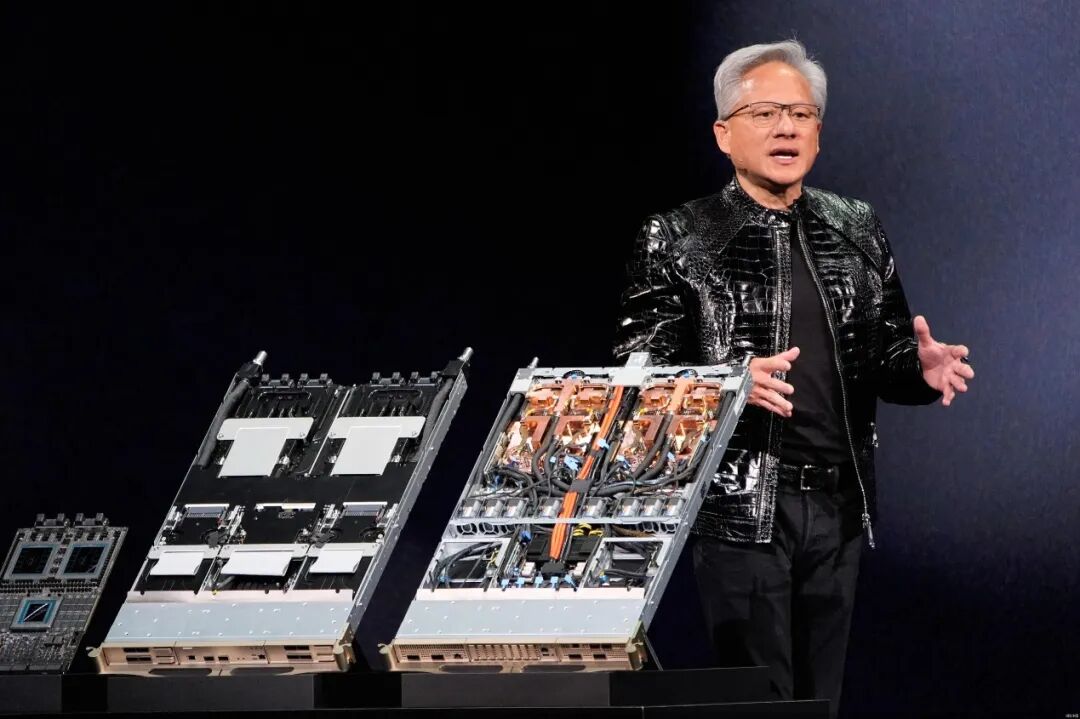
NVIDIA stands as the most symbolic company on this list.
As the undisputed global leader in AI chips, its H100/A100 GPUs power half of the world's large-scale AI model training. However, U.S. chip export bans have pushed NVIDIA into an unprecedented strategic predicament.
Harsh realities from data: In FY2025, NVIDIA's China revenue reached approximately $17.1 billion, accounting for 13% of total revenue. But affected by export controls, this share has continuously declined from its peak (25% in FY2022). More critically, Huawei's Ascend 910B chips are rapidly eroding NVIDIA's Chinese market share, with Baidu, ByteDance, and other leading clients already Large scale procurement (mass-purchasing) domestic alternatives.
Core demands: NVIDIA CEO Jensen Huang has repeatedly called for U.S. government relaxation of controls. Accompanying Trump, NVIDIA aims to secure looser export licenses for its H20/B20 China-specific chips while seeking differentiated treatment in autonomous driving and edge computing chips.
For NVIDIA, losing China means not just short-term revenue loss but potentially nurturing a formidable competitor—a risk its global monopoly cannot afford. If Washington and Beijing reach consensus on 'regulated but not decoupled' AI chip cooperation, NVIDIA could gain a window for a 'China-exclusive product line' that balances U.S. national security concerns with market presence.
2. Qualcomm: The 'Patent Cliff' in the 5G Era
Qualcomm is another U.S. tech giant deeply troubled by export bans.
As the patent kingpin in mobile communications, its fabless chip design model relies heavily on global supply chains, with China as its largest single market.
Structural dependence: Qualcomm's FY2025 total revenue reached approximately $44.284 billion, with China (including Hong Kong) contributing about $20.4 billion (46%)—far exceeding its U.S. market share and underscoring China's centrality. Xiaomi, OPPO, vivo, and Honor still extensively use Snapdragon 8-series chips in premium models. But with Huawei's Kirin chips returning and MediaTek's Dimensity series rising, Qualcomm's share in China's premium smartphone chip market has slid from 65% in 2021 to 42% in 2025.
Core demands: Qualcomm hopes to ease export controls on 5G baseband chips, Wi-Fi 7 chips, and automotive cockpit chips. Especially in smart vehicles, China's EV boom offers Qualcomm a new growth engine—its Snapdragon Cockpit Platform powers over 70 Chinese models. Losing this market due to politics would expose Qualcomm to a 'patent cliff,' where royalty revenues collapse with technological iteration.
3. Micron: The 'Survival Battle' for Memory Chips
Micron faces even tougher challenges than NVIDIA and Qualcomm.
In 2023, China's cybersecurity review barred domestic critical infrastructure operators from purchasing Micron products, directly crippling its core Chinese business.
Micron's FY2025 revenue in mainland China reached about $2.57 billion, down 22.1% year-on-year; China accounted for just 7.1% of global revenue, further declining from the previous year and highlighting its worsening predicament in China.
Core demands: Micron's sole goal in joining the delegation is to lift or soften China's ban. As the world's third-largest memory chipmaker, Micron faces dual pressure from Samsung, SK Hynix, and China's YMTC and ChangXin Memory. Without re-entering China, Micron risks dropping out of the global memory chip elite.
A potential 'reciprocal lift' agreement—where Washington eases sanctions on some Chinese tech firms and China lifts restrictions on Micron—could revive its fortunes. Such 'trade-off détente' aligns perfectly with Trump's deal-making artistry.
4. Apple: 'Political Insurance' for Supply Chain Security
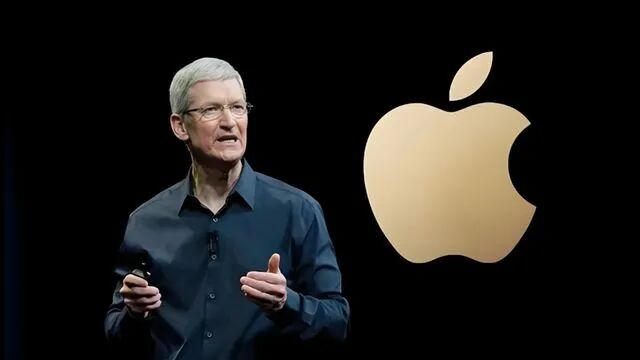
Apple's situation differs sharply from other tech firms—it's not a direct victim of bans but the U.S. company with the deepest, most complex interests in China.
Deep integration: About 95% of iPhones are assembled in China. In FY2025, Apple's Greater China revenue reached approximately $64.3 billion (17% of total revenue). Critically, Apple has over 55 million active users in China, with its App Store ecosystem generating annual transactions exceeding $68 billion.
Core demands: Apple CEO Tim Cook's top priority is political risk hedging. As U.S.-China tensions mount, Apple faces immense pressure to 'de-China'—Washington demands shifting production to India and Vietnam, while China may restrict its services over 'data security' concerns.
Apple seeks a 'mutual non-harm' understanding: Washington won't force its exit from China, and Beijing won't suppress its ecosystem. Apple is also pushing for Apple Intelligence's China entry, requiring deep cooperation with local AI firms.
5. Tesla: The 'Final Sprint' for FSD's China Launch
Tesla is Trump's most politically influential tech ally. Elon Musk's close ties with Trump make Tesla a 'special player' in U.S.-China tech rivalry.
China's dual role: Shanghai's Gigafactory is Tesla's most efficient global base, with 2025 capacity exceeding 1 million units (55% of global output). China is also Tesla's second-largest market after the U.S., with 2025 sales reaching about 750,000 units.
Core demands: Tesla's urgent priority is FSD (Full Self-Driving) entry into China. The Chinese smart driving market is fiercely competitive, with Huawei ADS, XPENG XNGP, and Li Auto NOA iterating rapidly. If FSD delays, Tesla risks being permanently outpaced in this critical tech race.
A deeper goal is establishing a compliant framework for cross-border Autonomous driving data (autonomous driving data) flows. FSD requires massive Chinese road data for model training, a sensitive data sovereignty issue. Tesla hopes government dialogue can create a 'special approval' path for data compliance.
6. Coherent: The 'Hidden Champion' of Optical Communications
Coherent (formerly II-VI Incorporated) is the least publicly known company on this list but the absolute leader in global optical communication components. Its lasers, optical amplifiers, and modulators are core to data centers, 5G base stations, and fiber networks.
Core demands: China is massively building AI computing centers, with 2025 smart computing investments exceeding ¥380 billion. Coherent aims to become a key supplier but faces export control restrictions on some high-end products. Its goal is to reclassify optical components—distinguishing civilian data center products from military lasers—to ease controls.
7. Meta: The 'Ice-Breaking Trip' to Re-enter China
Meta (formerly Facebook) has the weakest China presence among U.S. tech giants—its social platforms (Facebook, Instagram, WhatsApp) have been blocked in China for years, generating negligible direct revenue.
Core demands: Meta's China visit is an 'ice-breaking' mission. Its primary goal is exploring VR/AR device (Quest series) entry and compliance for its open-source AI model Llama. Mark Zuckerberg's recent 'pro-China' gestures—learning Chinese, jogging at Tiananmen—aim to pave the way for re-entry.
A grander strategy is building metaverse infrastructure. Meta hopes China will become a developer hub and content supplier for its Horizon Worlds platform, leveraging China's unmatched creativity in gaming and social content.
8. Illumina: The 'Blue Ocean Ambition' in Genomics
Illumina monopolizes over 70% of the global gene sequencing instrument market, with technologies widely used in clinical diagnostics, drug R&D, and agricultural breeding.
Core demands: China's biopharma market is exploding, with the 2025 gene sequencing market reaching ¥85 billion (32% CAGR). Illumina seeks to bypass human genetic resource regulations and fully introduce its latest NovaSeq X Plus platform into China's clinical market. It also aims to partner with Chinese pharma firms in companion diagnostics and early cancer screening.
II. Finance Sector (6 Companies): Opening the 'Final Gate' to China's Capital Markets
1. BlackRock and Blackstone: The Asset Management Giants' 'China Obsession'
BlackRock and Blackstone, the world's two largest asset managers with over $16 trillion in combined AUM, have long had a China fixation but felt constrained.
BlackRock obtained China's first wholly foreign-owned mutual fund license in 2021, but its products managed just ¥12 billion by end-2025—minuscule compared to China's ¥32 trillion public offering fund (public fund) market.
Blackstone has invested in Chinese logistics properties and data centers via private equity but faced subpar returns due to foreign exchange controls and limited exit channels.
Core demands: Both firms target access to China's pension and insurance funds. China's three-pillar pension system manages over ¥17 trillion in assets, but foreign asset managers are nearly shut out. Even a 1% allocation would mean ¥170 billion in incremental inflows—a seismic shift in global asset management.
2. Goldman Sachs and Citigroup: The Investment Banks' 'All-Out War'
Goldman Sachs and Citigroup represent top U.S. investment banks. They already have Chinese joint-venture securities licenses but are restricted by foreign ownership caps (51% maximum) and business scope (excluded from A-share IPO underwriting).
In 2025, Goldman Sachs China generated ¥2.584 billion in securities revenue and ¥1.461 billion in net profit (+194% YoY on +40% revenue growth), leading foreign firms but holding less than 3% of A-share underwriting.
Core demands: They seek to raise foreign investment bank ownership caps to 100% and obtain full licenses for A-share lead underwriting, bond underwriting, and wealth management. China's capital market is the world's second-largest by size, with annual IPO fundraising and bond issuance volumes topping global charts, yet foreign banks hold under 4% market share.
The deeper strategy lies in cross-border M&A advisory services. The global M&A activities of Chinese companies (such as in new energy, minerals, and technology sectors) require top-tier investment banking services, but currently, this market is largely dominated by local investment banks like CICC and CITIC Securities. Goldman Sachs and Citigroup hope to break through these implicit barriers through government-to-government dialogues.
3. Visa and Mastercard: The "Ultimate Battle" in Payment Clearing

Visa and Mastercard are the two largest credit card organizations globally, jointly handling over 80% of global credit card transactions. However, in China, they have long been "suppressed" by UnionPay, only achieving breakthroughs in recent years.
In 2023, "Mastercard Network & UnionPay," a joint venture between Mastercard and NetsUnion Clearing Corporation, obtained a bank card clearing business license, becoming the second institution after UnionPay to hold such a license; Visa also secured a license through a similar path in 2025.
Core objectives of this visit: Obtaining the license is just the first step; the real challenges lie in merchant coverage, user habits, and regulatory compliance. Visa and Mastercard hope to leverage high-level government dialogues to drive a comprehensive optimization of foreign card acceptance environments in China, particularly addressing the pain point of "foreign cards being unable to bind to Alipay/WeChat Pay." Meanwhile, they are also vying for access to the Cross-border Interbank Payment System (CIPS) to secure a share of "Belt and Road" trade financing.
If China further opens up its payment clearing market, Visa and Mastercard could potentially capture 20-30% of China's cross-border payment market within the next decade, a blue ocean with an annual transaction volume exceeding RMB 12 trillion.
III. Aviation Sector (2 Companies): Boeing's "Lifeline"
1. Boeing: From Monopoly to Marginalization in a "Race Against Time"
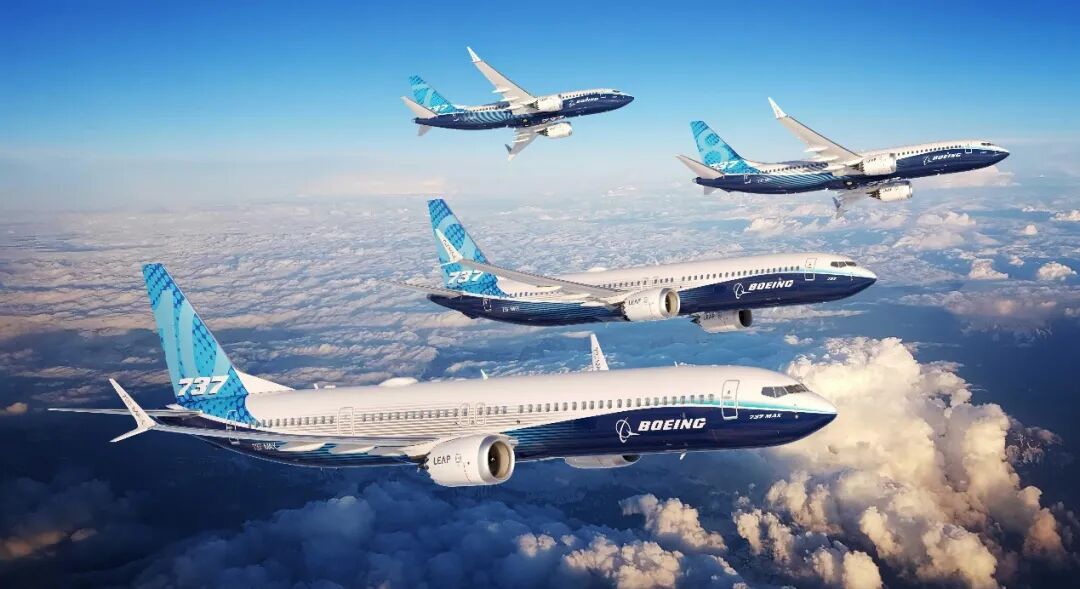
Boeing is the most tragic figure on this list. This giant, once "symbiotically thriving" with China's civil aviation industry, now faces the risk of being permanently excluded from the Chinese market.
Cliff-like Decline: From 2015-2018, Boeing delivered an average of approximately 160 aircraft to China annually, accounting for about 20% of its global production. However, after the 737 MAX grounding in 2019 and the deterioration of geopolitical tensions in 2022, Boeing's deliveries to China plummeted to nearly zero. By 2025, Chinese customers had suspended receipts, with about 50 confirmed orders shelved, while Airbus and COMAC's C919 rapidly carved up the market share.
Core objectives of this visit: Boeing aims to restart aircraft deliveries to China and secure "reciprocal recognition" of the C919's airworthiness certificate. Specifically, Boeing hopes the Civil Aviation Administration of China (CAAC) will expedite the 737 MAX's return-to-service certification while using "recognition of the C919's airworthiness certificate" as leverage to gain certification support from the U.S. Federal Aviation Administration (FAA) for the C919.
A broader strategy involves balancing "containment and cooperation" with COMAC. Boeing acknowledges that the C919 will eventually gain international certification; its goal is to delay this process while continuing to profit from China's civil aviation market through technical cooperation (e.g., avionics systems, engine maintenance).
2. GE Aerospace: The "Last Bastion" of Engine Technology
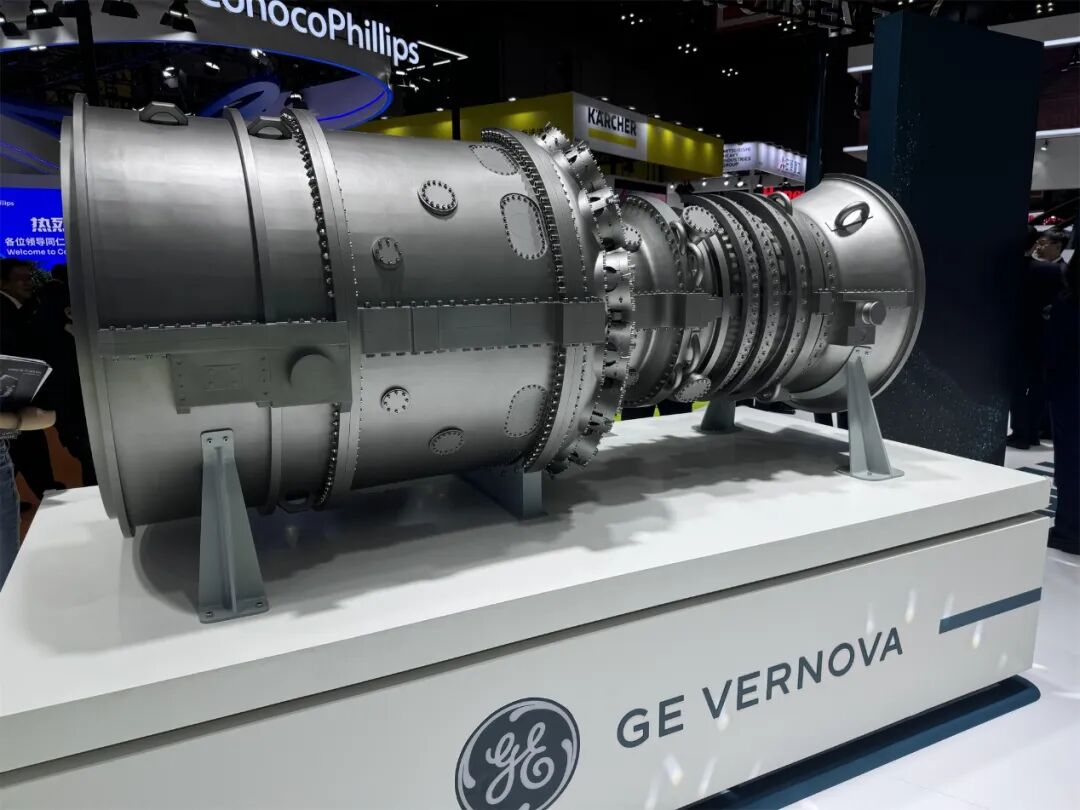
GE Aerospace is one of the global duopolies in aircraft engines (the other being Rolls-Royce). Its LEAP series engines are the sole power option for Boeing's 737 MAX and Airbus's A320neo, as well as the "heart" of China's C919, which currently uses the LEAP-1C engine.
In 2025, GE Aerospace's adjusted revenue reached approximately USD 45.9 billion, with commercial engine deliveries increasing by 25% year-on-year to 2,386 units, including a 28% year-on-year increase in LEAP series engine deliveries to 1,802 units, a record high. The Chinese market accounted for about 22% of its commercial engine aftermarket revenue.
Core anxiety of this visit: Accelerated domestic substitution. China is fully committed to developing the CJ-1000A engine, aiming to achieve localized power for the C919 by 2025-2026. Once the CJ-1000A matures, GE Aerospace will lose its largest customer in China's civil aviation engine market.
Objectives of this visit: Extend the technical cooperation cycle by increasing China's reliance on its engine technology through deep maintenance (MRO) joint ventures, technology transfer upgrades, and spare parts supply chain binding. Meanwhile, GE Aerospace is also promoting early collaborative R&D on next-generation engines (e.g., the RISE open-fan concept) to integrate China into its global innovation network.
IV. Agriculture Sector (1 Company): Cargill and Trump's "Farmer Vote Bank"
1. Cargill: The "Chinese Appetite" of Global Grain Traders
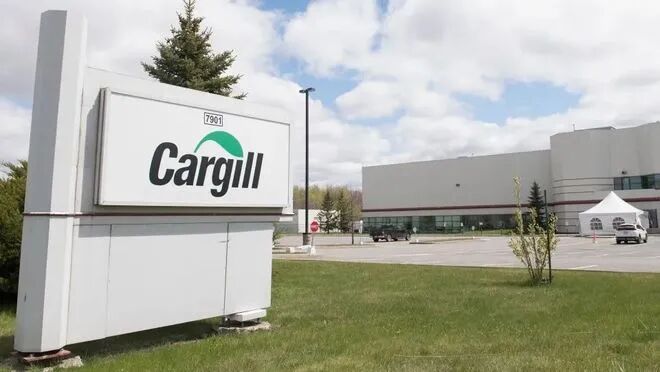
Cargill is one of the world's largest privately held companies, with revenue of approximately USD 168 billion in FY 2025, controlling about 22% of global grain trade flows.
Core objectives of this visit: Cargill's demands are straightforward and pragmatic—to ensure China's continued large-scale purchases of U.S. agricultural products. Specifically, in soybeans, China imports about 105 million tons annually, with 55% coming from the U.S.; Cargill hopes to secure long-term supply agreements. In pork and beef, China's meat consumption structure is upgrading, with growing demand for high-end imports—2025 imports increased by about 8% year-on-year. In biofuels, China is promoting ethanol gasoline, and Cargill aims to become a major supplier of corn ethanol.
Cargill represents not just the interests of a single company but those of the entire U.S. agribusiness sector. Trump's victories in 2016 and 2024 relied heavily on support from Midwestern agricultural states. "Selling more soybeans to China" is Trump's most direct promise to farmer voters.
V. Conclusion
Trump's visit to China with 17 companies represents a rare instance of "commercial diplomacy" in Sino-U.S. relations. The composition of this delegation exposes the deep vulnerabilities of the U.S. economy while revealing the irreversibility of interdependence in the era of globalization.
For these 17 companies, this visit marks a last-chance window. NVIDIA and Qualcomm, if unable to secure export licenses, face significant substitution risks within 3-5 years. Boeing, if unable to restart deliveries to China, could see 30% of its global production capacity permanently idle. BlackRock and Blackstone, if excluded from China's pension market, will miss out on the largest growth pole in the global asset management industry over the next two decades.
A historic opportunity window is opening, but seizing it depends on whether both sides possess sufficient political wisdom and strategic patience. As Trump sits at the negotiating table, his leverage is far less than imagined, for China has proven: It can thrive without U.S. companies, but these companies may not survive without the Chinese market.
In this sense, the presence of these 17 companies reflects not only the collective anxiety of the U.S. business community but also the ultimate choice of "interdependence" in the era of globalization.
-
![]()
Proposed to Raise 955 Million Yuan through Private Placement! Huicheng Vacuum Boosts Localization of Ultra-Precision Optical Coating Equipment
-
![]()
Cash Flow Soars 13-Fold! What Major Strategic Move is Wuhan Five Square Optoelectronics Planning?
-
![]()
Leaked Design of vivo X500: Reverts to Circular Camera Module in Top-Left Corner, Pays Homage to Classic X90 Aesthetic
-
![]()
DeepSeek Shows Signs of Foraying into Code Agents, Launches WeChat Official Account Focused on Harness
-
![]()
Auto Companies Deny Claims That ‘Cooperation with Huawei Is Non-Essential’, as Huawei Transforms into a ‘Public Platform’
-
![]()
Starship to Independently 'Return to the Launch Tower': SpaceX's Ambitions Extend Beyond Rocket Building to Dominating Space Transportation
-
![]()
Starship Set to Independently 'Return to the Launch Tower': SpaceX is Revolutionizing Space Transportation, Not Just Building Rockets
-
![]()
Anthropic and OpenAI Face Off Against Deepseek