Can China's Auto Companies Open the Door to the U.S. Market by Expanding Cooperation Paths?
 05/18 2026
 438
438
Lead | Introduction
Recently, Trump's visit to China has brought a temporary warm-up in Sino-U.S. economic and trade relations. Can China's new energy vehicles seize this opportunity and open the door to the U.S. market?
Produced by | This article is produced : Heyan Yueche Studio
Written by | writing : Zhang Dachuan
Edited by | edit : He Zi
Full text: 2,653 characters
Reading time: 4 minutes
With Trump's visit to China and a temporary warm-up in Sino-U.S. economic and trade relations, can Chinese automobiles open the door to the U.S. market?
In recent years, China's new energy vehicles have made significant strides in the global market, with export volumes continuously rising. However, they have consistently struggled to gain access to the U.S. market. This is not due to a lack of competitiveness among Chinese automakers but rather the result of multiple policy barriers erected by the United States: a 100% punitive tariff on Chinese-made vehicles, a blockade on in-vehicle data and technology under the guise of "national security," and exclusionary clauses in the Inflation Reduction Act that mandate localized production and supply chains, systematically excluding Chinese new energy vehicles from the North American market. Will there be a new turning point now?
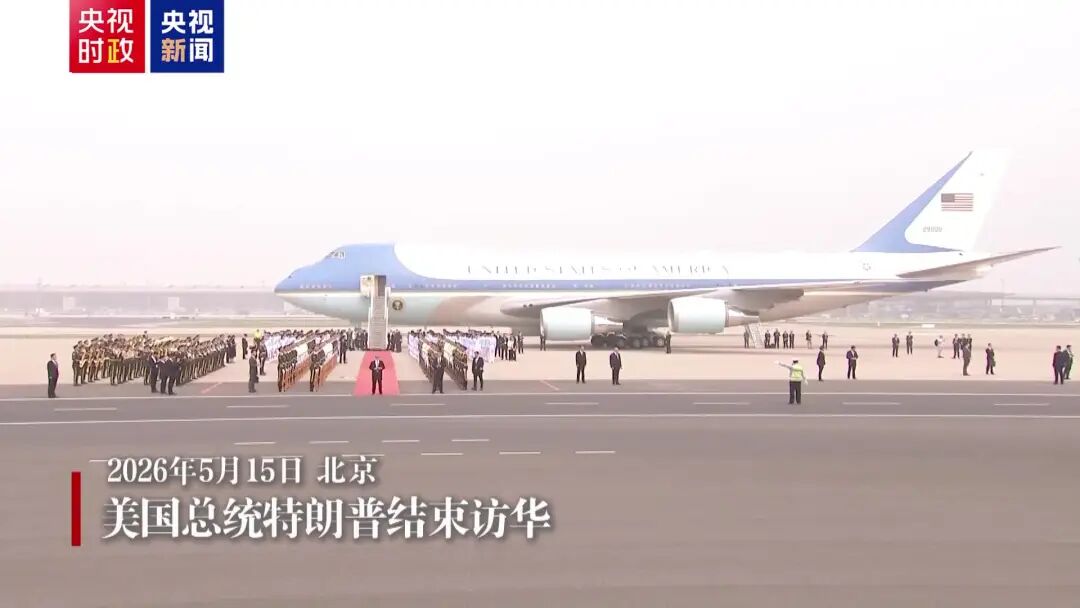
△ Will Trump's visit to China heat up Sino-U.S. automotive industry cooperation?
Trump's visit to China brings multiple potential benefits to China's auto industry
Currently, both U.S. political parties hold consistent stances on policies related to China's new energy vehicles. Coupled with Trump's core principle of prioritizing American manufacturing, Chinese automakers still face significant resistance in directly exporting vehicles to the U.S. market.
The United Automobile Workers (UAW) wields substantial voting power, directly controlling approximately 1.5 million votes and influencing over 3 million voters, including family members. This union can sway local election outcomes and even impact the final results of U.S. presidential elections. Constrained by votes and domestic industry interests, the United States is unlikely to extend an olive branch to China's new energy vehicle industry in the short term.
Nevertheless, even if direct market access remains difficult to achieve quickly, Trump's visit to China still offers numerous indirect benefits to China's automotive industry.
In recent years, as China's new energy vehicles accelerate their global expansion, the biggest obstacle for automakers is not product competition from overseas rivals but the high uncertainty caused by overseas policy changes. Policies such as high tariffs, anti-subsidy investigations, chip export restrictions, and overseas environmental access (market access) barriers have long restricted the global layout of Chinese automakers. With the temporary warm-up in Sino-U.S. economic and trade relations, market anxiety over a complete industrial decoupling between the two sides will gradually subside. Chinese automakers and parts suppliers will have a greater likelihood of establishing operations in the United States in the future, facing significantly reduced policy risks.
Moreover, improved Sino-U.S. relations will help stabilize the supply chain for the entire intelligent vehicle industry. Today, competition in new energy vehicles has escalated into a comprehensive contest of artificial intelligence, in-vehicle chips, intelligent software, and power batteries. Many domestic automakers still rely heavily on overseas technology ecosystems for advanced autonomous driving and intelligent cockpit systems, with NVIDIA's autonomous driving chips and Qualcomm's in-vehicle cockpit platforms being industry standards. As bilateral relations ease, domestic automakers will experience significantly reduced pressure in procuring high-end chips, securing intelligent computing power, and adapting in-vehicle software ecosystems, facilitating smoother global expansion for automakers focused on intelligent positioning.
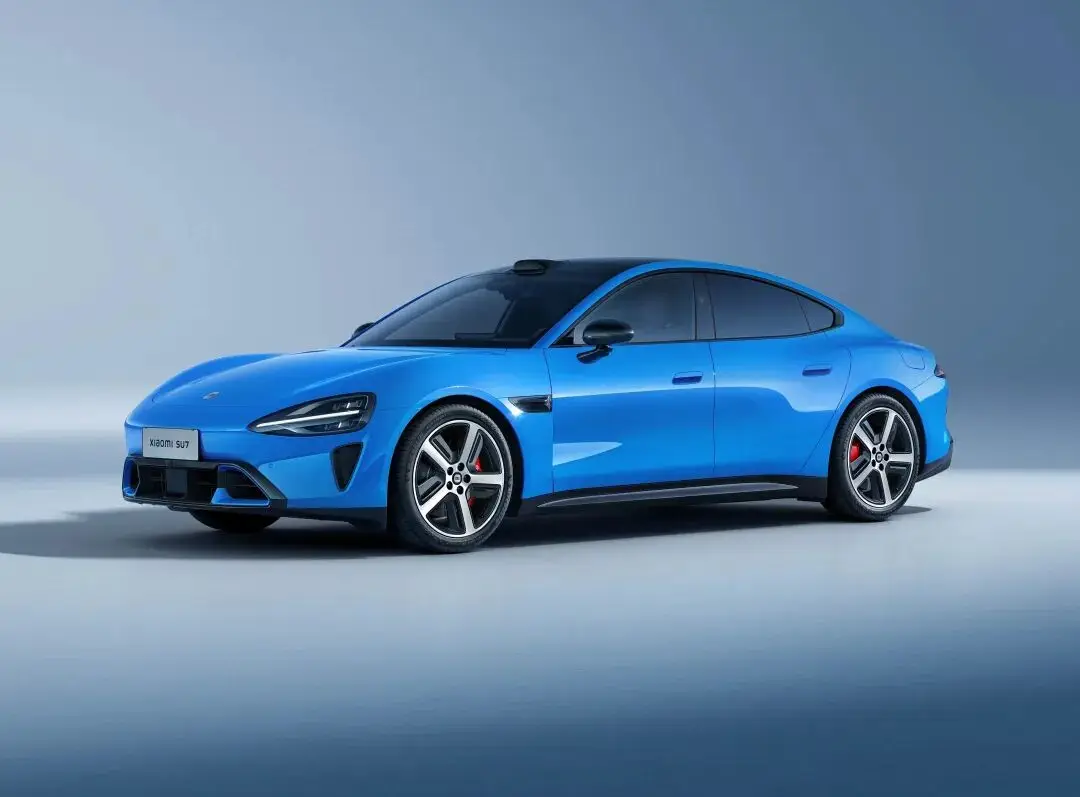
△ The pressure on domestic automakers' intelligent connected vehicle supply chains will significantly ease
Currently, China's main export markets for vehicles are concentrated in Europe, Southeast Asia, the Middle East, and Latin America. Trump's visit to China will also help stabilize global confidence in China's new energy vehicle industry chain, reducing the likelihood of other countries imposing restrictions on China's automotive industry under U.S. pressure. If subsequent U.S. regulatory policies are Moderate relaxation (moderately relaxed), Chinese new energy vehicles can steadily deepen their presence in mature overseas markets, gradually achieving a global development path rooted in peripheral markets and progressively penetrating mainstream high-end markets.
U.S. Companies Gain Substantial Development Opportunities
During Trump's visit to China, accompanying U.S. technology and automotive companies such as Tesla, Qualcomm, and NVIDIA are also expected to reap multiple development dividends.
Take Tesla as an example: the long-anticipated launch of its Full Self-Driving (FSD) technology in China may enter its final countdown. Currently, China's intelligent driving industry is developing rapidly, with local companies like Huawei, Momenta, and Qianli making significant strides in L3 autonomous driving technology, intensifying market competition. To solidify its market share in China, Tesla must introduce the latest version of its FSD technology.
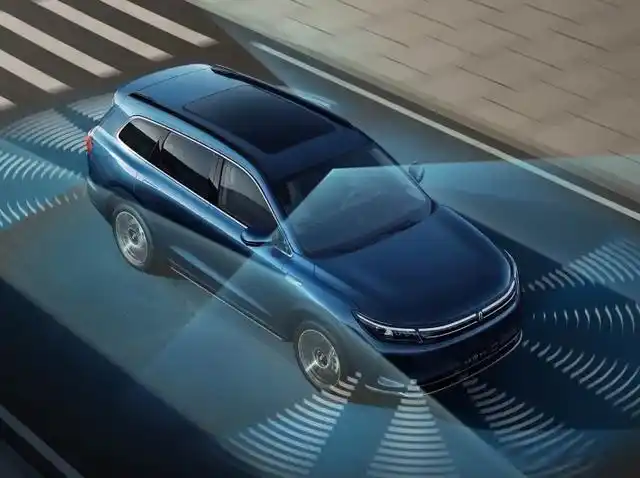
△ Local intelligent driving technologies have advanced rapidly in the past two years
Algorithm iteration and optimization rely on vast amounts of real-world domestic road scene data. Subject to China's regulatory policies on surveying and mapping data, Tesla must establish its own data centers in China, a move highly dependent on NVIDIA's high-performance computing chips. If the United States gradually relaxes restrictions on related product exports and service trade, various obstacles to Tesla's efforts in advancing compliant data exports for algorithm training or building local data centers in China will significantly decrease.
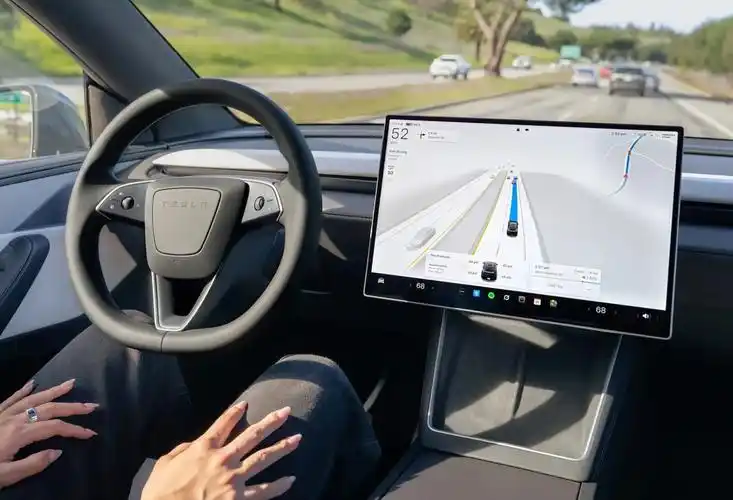
△ Will Tesla's FSD launch in the Chinese market enter its final countdown?
Qualcomm and NVIDIA will also see significant benefits. For a long time, Qualcomm's intelligent cockpit chips and NVIDIA's autonomous driving chips have been mainstream solutions for domestic automakers. However, due to export controls, domestic automakers have accelerated the cultivation of local supply chains to ensure industrial security. As bilateral economic, trade, and industrial cooperation The atmosphere is warming up (warms up), automakers' concerns about the stability of the U.S. chip supply chain will gradually dissipate. Leveraging China's globally leading intelligent connected vehicle market with the richest application scenarios, Qualcomm and NVIDIA are unlikely to easily relinquish this core growth market, further expanding space for industrial cooperation between both sides.
Technology Licensing: Likely the Optimal Path for Chinese Automakers to Enter the U.S. Market
For Chinese automakers, technology licensing may be the most practical route to enter the U.S. market. Specifically, U.S. automakers like General Motors and Ford can develop pure electric vehicles based on China's mature new energy vehicle platforms and electronic electrical architectures. This cooperation model can stabilize the market positions of U.S. automakers while safeguarding local employment, making it more acceptable to all stakeholders in the United States.
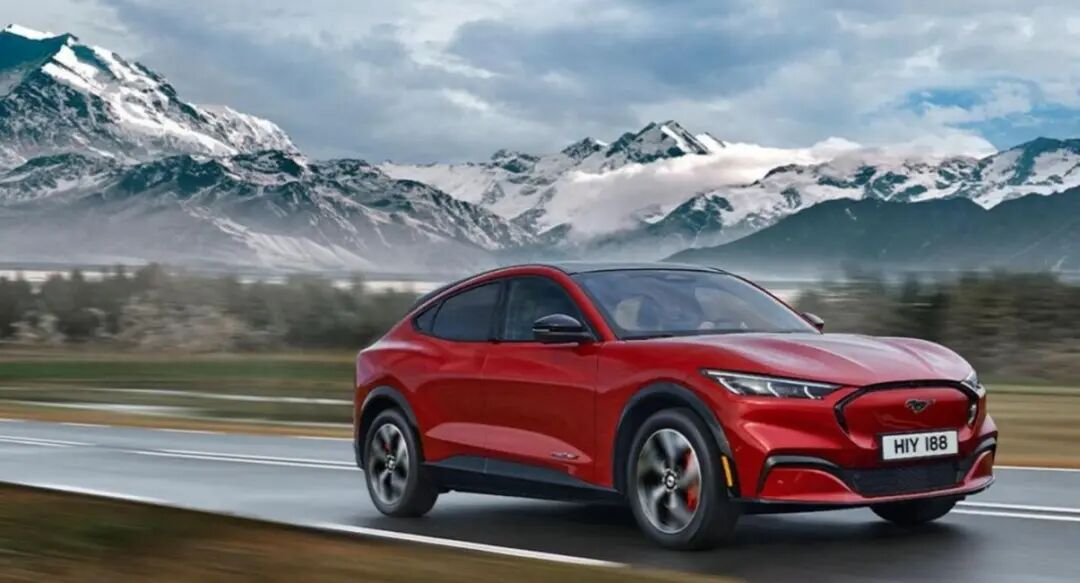
△ U.S. automakers may introduce China's new energy and intelligent connected vehicle technologies
Globally, General Motors, Ford, and Chrysler (now under Stellantis) have shown overall weakness in markets outside North America. Without Tesla leading the global electrification trend, the overseas layout (layouts) of U.S. automakers would have already declined. If these three major U.S. automakers continue to cling to traditional routes and refuse to transform and innovate, their overseas market shares will inevitably continue to shrink. Although the U.S. automotive market is vast and profitable, second only to China, excessive reliance on a single domestic market exposes automakers to severe risks. Once hit by economic cycle fluctuations and financial risks, their overall operating performance will suffer significantly, posing severe challenges to long-term stable development.
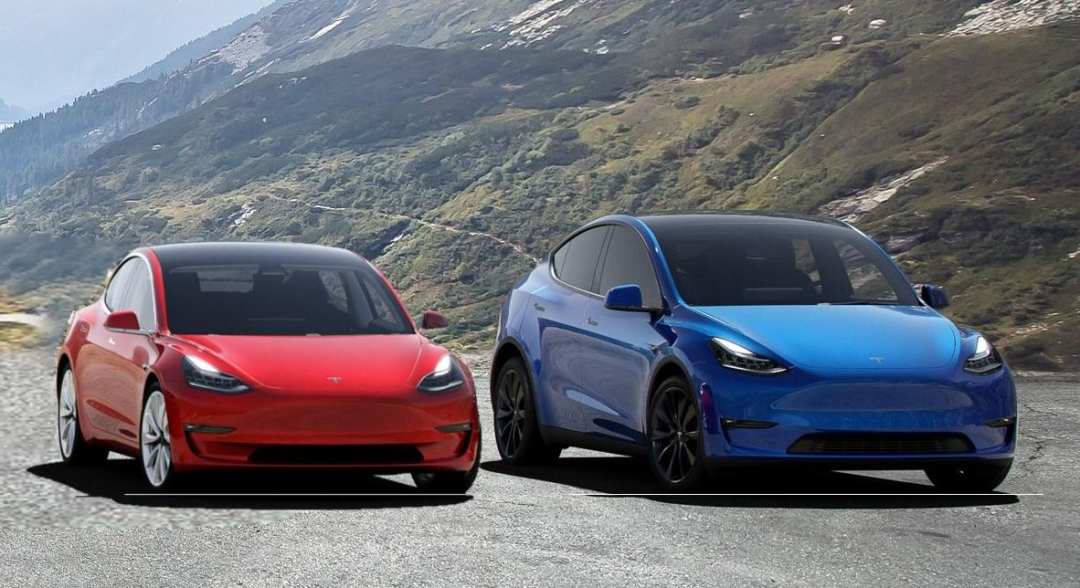
△ Tesla has become the main force of U.S. automakers in the global market
Against this backdrop, introducing China's mature and advanced new energy vehicle manufacturing technologies can help U.S. automakers address their electrification shortcomings and regain core competitiveness in global markets. The current trend of global automotive cooperation is clear: European mainstream automakers have increasingly engaged in deep technological collaborations with Chinese automakers, with Volkswagen, Stellantis, Renault, Volvo, and even Mercedes-Benz already implementing multiple cooperation projects. Even Tesla extensively procures domestic power batteries from CATL and BYD in overseas markets. It is thus foreseeable that the United States will likely gradually relax restrictions, allowing local automakers to introduce China's new energy vehicle-related technologies.
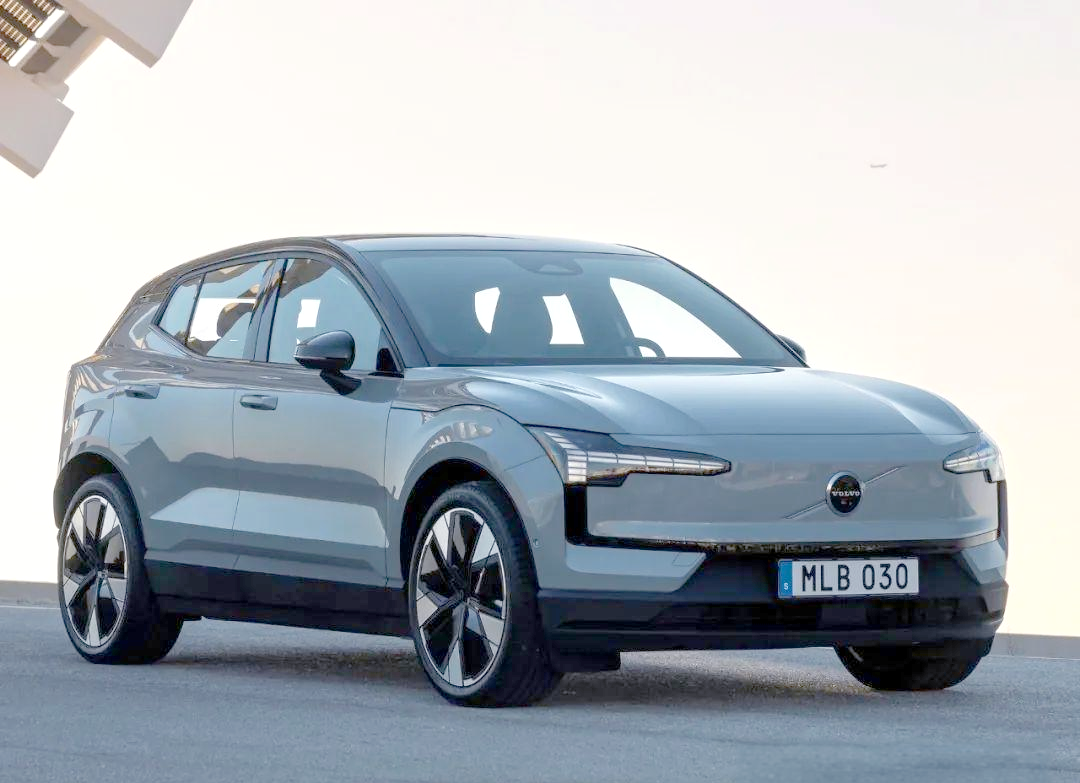
△ European automakers have begun actively introducing China's new energy vehicle technologies
For China, technology licensing is not about low-price concessions or blind technology transfer. The primary goal is to generate stable and substantial revenues through technology exports, securing sufficient funds for technological iteration and cutting-edge R&D. Simultaneously, by formally entering the U.S. market through technology cooperation, China can significantly enhance the global brand influence of its new energy vehicle industry, establishing benchmarks and building reputation for independent brands to deepen their global market presence.
Commentary
During Trump's visit to China, both sides reached multiple consensuses on economic and trade cooperation. The accompanying delegation of automotive and related industry executives from companies like Tesla and NVIDIA demonstrated a strong willingness to deepen bilateral industrial cooperation. This not only provides a new opportunity for China's automotive industry to overcome U.S. market barriers but also promotes the Collaborative stability (collaborative stability) of intelligent vehicle industry and supply chains, further broadening the path for high-quality development of China's local automakers. Even if direct vehicle exports to the United States cannot be achieved in the short term, as long as both sides continue to deepen cooperation, they will undoubtedly find a mutually acceptable win-win path, helping Chinese new energy vehicles carve out a new global market landscape.
(This article is original to Heyan Yueche and may not be reproduced without authorization.)
-
![]()
Tencent Music Embraces Authenticity Amidst AI Surge
-
Hot Topic | The Advent of Computing Power Futures: A Redistribution of Pricing Influence in the AI Sector
-
![]()
China's New 'Rare Earth Moment' Emerges—This Time, It's Fiber Optics
-
![]()
Equal Strength at the Dinner Table: Understanding the New Industrial Landscape Between China and the U.S. Through a Banquet
-
![]()
The Attack of 618: Apple iPhone 17 Sees Price Drop, Why Did Huawei Enjoy 90 Sell Like Hotcakes Before?
-
![]()
The Rise of Physical AI: Some New Reflections
-
![]()
Launching 7 New Products in May, Laifen Still Needs to Master the Art of "Simplification"
-
![]()
Defying the Cost Tsunami: Why is Apple Daring to Cut Prices Amid Industry-Wide Hikes?