JD Marches West, Pinduoduo Ventures East: The Clandestine Struggle for China’s Supply Chain Dominance
 07/21 2026
 452
452
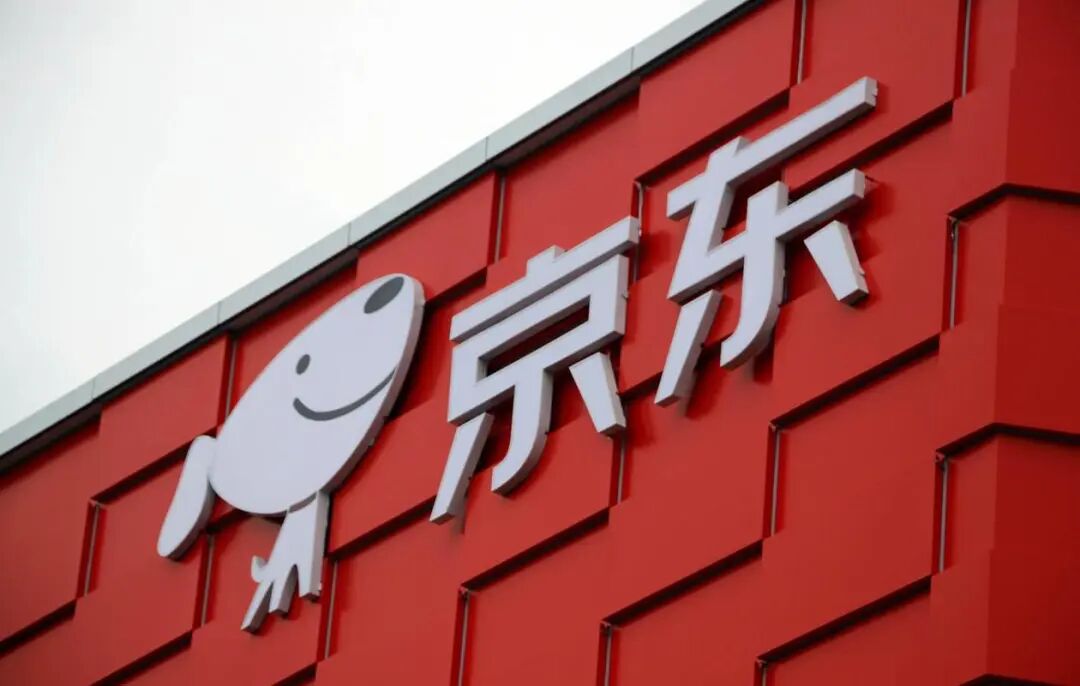
In July 2026, the heavy wooden door of the conference room on the top floor of JD’s headquarters in Yizhuang, Beijing, remained firmly shut throughout the afternoon.
The coffee on the table had long turned lukewarm, and the ashtray brimmed with stubbed-out cigarette butts.
Just hours earlier, an encrypted email from Düsseldorf had arrived in the inboxes of JD’s decision-makers—the €2.2 billion acquisition of Germany’s Ceconomy had cleared its final antitrust hurdle in Ludwigshafen.
At almost the same moment, in Panyu, Guangzhou, a Pinduoduo “task force” huddled in the sweltering sample room of a clothing factory, finalizing a three-year, 800 million yuan exclusive distribution deal with the owner.
As soon as the contract was signed, the factory owner glanced up and asked, “You really dare to stock this much?” The team leader smiled but remained silent.
These two scenes unfolded almost simultaneously.
On one front, JD was loading its most robust and costly “iron-clad warehousing and logistics” system onto planes, soaring westward over the Ural Mountains. On the other, Pinduoduo was dismantling its nimble “zero-inventory platform model” and plunging headlong into the heart of China’s industrial counties.
This was no impromptu gamble by the two companies but a rare strategic “mirror-image maneuver” in China’s e-commerce history—and one of the few viable paths forward after the complete exhaustion of domestic traffic dividends.
1
The End of the Traffic Bonanza: Who Seizes the Next Opportunity First?
If the past decade were a lavish buffet, JD and Pinduoduo would have been the most ravenous guests. JD constructed an enviable fortress in the 3C and home appliances sector through self-built warehouses and doorstep delivery. Pinduoduo, leveraging the viral spread of group-buying within WeChat’s ecosystem, used “9.9 yuan” deals to instantly draw massive users from beyond the Fifth Ring Road into its traffic vortex.
But by 2026, the buffet was nearly bare.
JD’s warehouses kept expanding, but every square meter of depreciation ate into profits. Its once-celebrated “same-day delivery” had become a financial millstone under pressure from competitors’ billion-dollar subsidies and livestream sales interceptions—the gross profit from a single sale barely covered overtime pay for warehouse workers. Pinduoduo’s situation was no rosier. The magic of “cut one price, gain one user” was fading; customer acquisition costs had quadrupled in three years. Worse, consumers began dismissing unbranded goods as “cheap but not durable.” No matter how much the platform pushed for lower prices, factories could only respond with inferior cotton, trapping the entire ecosystem in a vicious cycle.
Both companies recognized: Incremental growth through front-end tactics had run its course. The only way to shift the game was to move further upstream in the supply chain—to Europe or into factory floors.
2
JD’s High-Stakes Gamble: Planting China’s Warehouses in Europe
JD was no stranger to cross-border e-commerce, but its previous efforts amounted to little more than “setting up overseas websites to sell cheap domestic goods.” This asset-light approach, indistinguishable from SHEIN or Temu, had never truly broken through.
This time, JD’s leadership made a bold call—to transplant its core, heaviest, and most valuable domestic infrastructure intact to Europe.
The Ceconomy acquisition, on the surface, secured 1,000 German physical stores, but in reality, it unlocked a decades-old European local supply chain network. Paired with its self-built JoyExpress warehousing and logistics and online platform JoyBuy, JD planned to use high-ticket, high-service-threshold 3C and home appliances as a wedge to penetrate mature markets.
The idea sounded grand, but not everyone inside JD was convinced. An unnamed mid-level manager confessed privately, “Our domestic success hinges on China having the world’s cheapest delivery workers and densest order volumes. In Germany, workers clock out at 4 PM, refuse weekend overtime, and unions even regulate warehouse temperatures—will our ‘iron-clad culture’ survive there?”
That was the biggest悬念 in JD’s western campaign. If the speed advantage couldn’t translate into profits and overseas assets became a cash-draining black hole, this heavy-asset giant might founder on the Rhine.
3
Pinduoduo’s Strategic Shift: From “No Inventory” to “Own It All”
If JD was “moving heavy assets abroad,” Pinduoduo was “shattering its light-asset model to rebuild.”
For over a decade, Pinduoduo’s Achilles’ heel had been “not touching inventory.” The platform built the stage but didn’t perform; factories produced, merchants hawked, and Pinduoduo took commissions and directed traffic. This model was as light as a feather but also precariously adrift—because it could never truly control product quality, branding, or pricing power.
The “New Pinmu” plan marked Pinduoduo’s formal abandonment of its “pure platform” identity. Three years, 100 billion yuan in exclusive purchases. In plain terms, Pinduoduo was now the biggest “buyer”: it assessed a factory’s capacity, signed contracts, placed orders, and guaranteed sales, seizing control of the entire chain from fabric procurement to product listing.
Back in that Panyu clothing factory’s sample room, the owner’s question—“You really dare to stock this much?”—exposed Pinduoduo’s greatest vulnerability. Previously, Pinduoduo carried zero inventory risk; that burden fell entirely on merchants. Now, with inventory on its own books, a misjudgment in styles, a shift in trends, or a sudden spike in logistics costs could turn mountains of unsold goods into a ticking time bomb.
A longtime Pinduoduo analyst offered a metaphor: “It’s like a swimming coach who’s never been in the water suddenly trying to swim the English Channel. He has all the theory, but whether his body can withstand the waves is another matter entirely.”
4
The War’s Final Act: Who Controls the Goods Controls the Future
When these two strategies are viewed together, a striking symmetry emerges: JD heads west, Pinduoduo east; JD shifts from online to offline physical stores, Pinduoduo from online into factory floors; JD bets on transplanting global infrastructure with heavy assets, Pinduoduo bets on restructuring domestic industrial belts with hard cash.
They’re taking opposite paths but competing for the same prize—control over the supply side.
Over the past two decades, China’s e-commerce competition has evolved through three stages: first, “who has more shelves and faster delivery”; then, “who understands algorithms better and can seed trends”; and now, when all platforms can offer low prices and instant retail has blurred online and offline, channel-based advantages have vanished. The only remaining differentiator is who can penetrate the source of production—minimizing waste, maximizing efficiency, and delivering goods to the right people.
If JD’s European warehousing network takes shape, it can sell Chinese-made 3C and home appliances directly to German living rooms via “localized fulfillment,” bypassing layers of middlemen. If Pinduoduo’s exclusive factories in Panyu, Yiwu, and Jinjiang gain a foothold, it can rebrand unbranded goods as “Pinduoduo-branded,” reclaiming lost brand premiums.
Neither battle will be won quickly, and both will bleed.
In the summer of 2026, no smoke fills the air between Yizhuang and Panyu, but the tension is palpable.
JD’s European team is busy renovating warehouses in Düsseldorf, while Pinduoduo’s “task force” has already moved into its fifth industrial belt. Executives at both companies pore over the same report—not GMV, not active user counts, but how much of the markup between factory and consumer is being pocketed by whom.
Whoever advances further in “inventory control” will dominate the next decade. A misstep could mean billion-dollar losses or even the collapse of an entire business model.
The story has just begun.
No one dares to guess the ending.
Note: This article’s materials and images are sourced from the internet. If there is any infringement, please contact us privately for resolution. The content does not constitute any investment advice.
-
![]()
Personnel Shuffle: Independent Director Mi Xuming Steps Down from OFILM
-
![]()
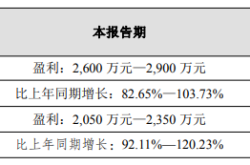
Net Profit Anticipated to Skyrocket by 103%: What Gives This Optical Company a Competitive Edge?
-
In Just One Year, China Unveils Unicorns Valued at 10 Trillion Yuan!
-
![]()
6 Park Companies Shine at WAIC: How Hong Kong Science Park Bridges AI from Research to Industry
-
![]()
Wang Wenjing’s Third Act: Can Yonyou Reinvent Itself in the AI Era?
-
![]()
Performance Coupe Entry Threshold Reduced to 170,000 Yuan: Assessing the 2027 Exeed ES's Prospects
-
![]()
Battery "Crisis" for 4 Million New Energy Commercial Vehicles
-
【Focus】Fluorinated Photosensitive Polyimide (FPSPI): A High-End Subdivision of PSPI with Great Potential in High-Tech Industries