What the World Can Expect Following the Signing of the 'Islamic NATO' by Saudi Arabia, Turkey, and Pakistan
 08/10 2026
 388
388
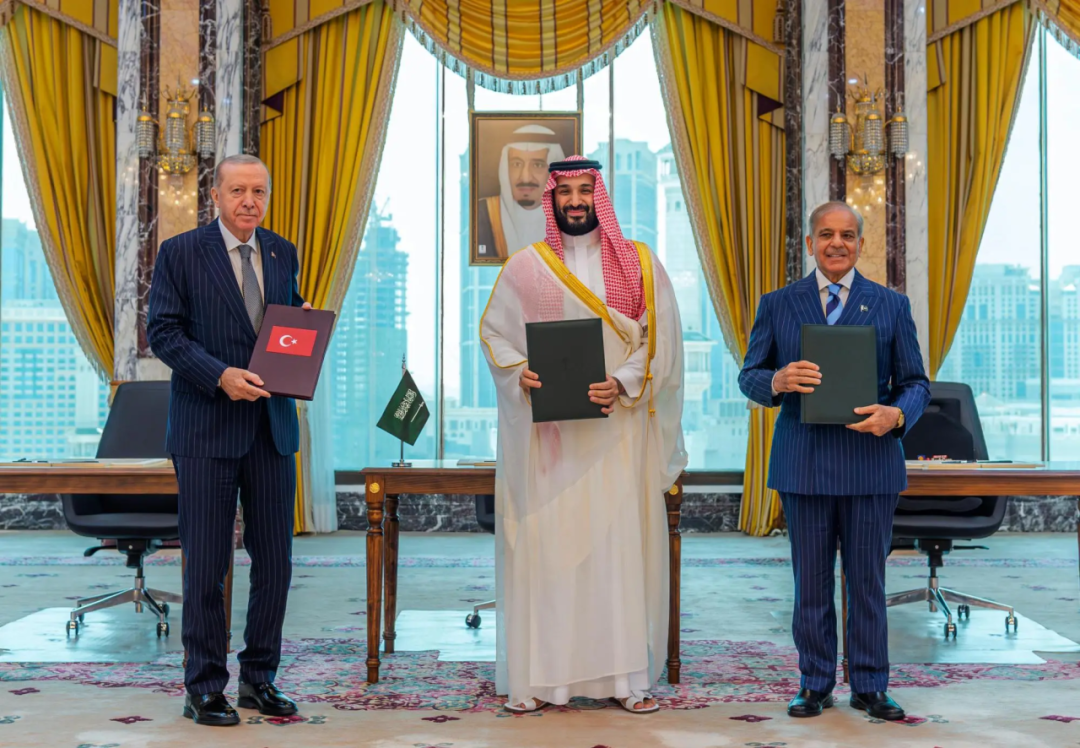
On August 7, leaders from Saudi Arabia, Turkey, and Pakistan convened in Mecca, Islam's holiest city, to formally ink the Mecca Joint Defense Agreement. The news swiftly sparked widespread debate, with numerous media outlets dubbing it the 'Islamic Version of NATO'.
According to the publicly released joint statement, the most eye-catching core provision of this agreement is that "an armed attack against any one of the three countries will be considered an attack against all three." This language mirrors NATO's collective defense clause. Additionally, the agreement outlines that the three nations will enhance joint military exercises, intelligence sharing, defense technology transfers, defense industry collaboration, and establish a dedicated political-military committee to oversee implementation and coordination.
However, it's crucial to note that, based on the current version, there are fundamental differences between the Mecca Agreement and a genuine NATO alliance. NATO boasts a unified military command structure, a mechanism for sharing military expenditures, and treaties with rigid legal binding force. In contrast, the Mecca Agreement is more of a defensive political commitment, lacking detailed rules for mandatory troop deployment, an integrated joint military command system, or rules for sharing military expenditures. What constitutes an 'armed attack' and whether to deploy troops all hinge on subsequent consultation and decision-making by the three countries.
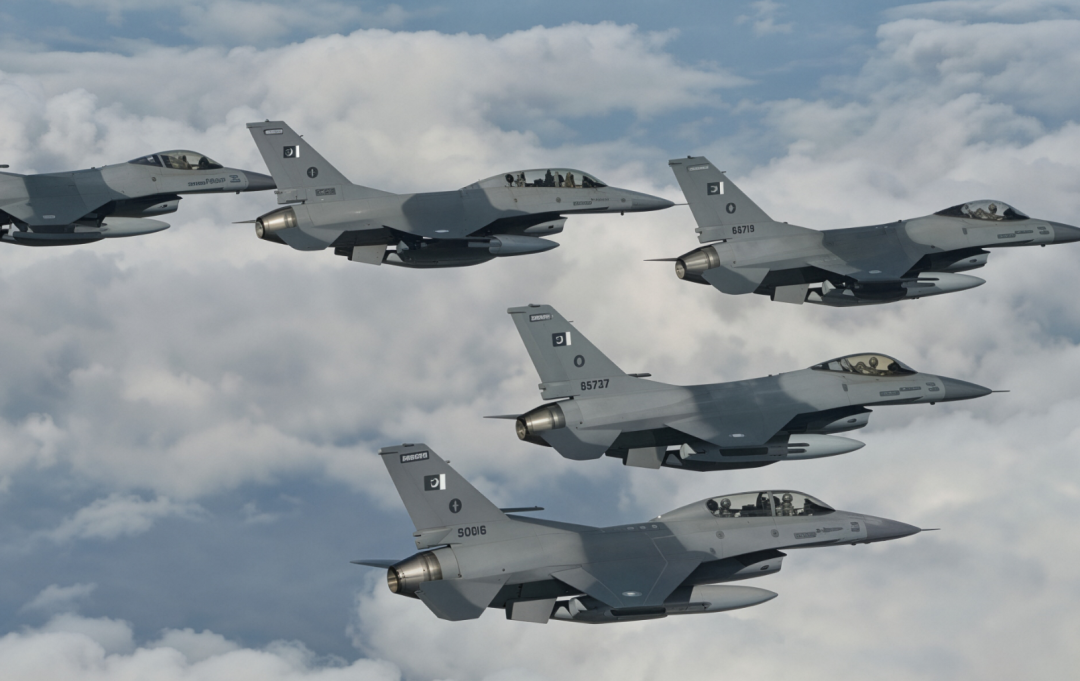
Image Source: Internet
The three parties have consistently emphasized that the agreement is not aimed at any specific country, does not create a sectarian confrontation bloc, and serves as a supplementary security mechanism that will not replace the existing defense cooperation relationships of the respective countries. Turkey, as a NATO member, has also clarified that the obligations under the two mechanisms are not mutually exclusive. While religious identity forms a common cultural foundation for the three countries, the agreement's text does not impose religious or ideological entry barriers; the basis of cooperation is practical geopolitical interests rather than religious doctrine.
Why Have These Three Countries United?
The straightforward answer is that each of the three parties harbors its own aspirations while also complementing each other in capabilities.
Saudi Arabia, with its vast financial resources, aims to establish an independent security barrier and reduce reliance on external powers for national security, while also solidifying its influence in the Islamic world. It can provide financial support for the alliance as well as critical strategic depth in the Gulf region.
Turkey boasts a mature and comprehensive defense industry, with outstanding technical prowess in unmanned aerial vehicles and land, naval, and air equipment. As the second-largest military force within NATO, the Turkish military has extensive regional combat experience and can export defense technology and operational expertise. Turkey's participation in the alliance is primarily geared towards expanding its regional diplomatic influence and its arms export market.
Pakistan possesses unique nuclear deterrence capabilities within the Islamic world and has deep military combat experience, which it can share tactically. It also looks forward to receiving financial and defense technology support to alleviate its economic and defense pressures and gain an edge in confrontations with powerful neighbors.
The three parties leverage their respective strengths: Saudi Arabia provides funding, Turkey exports defense technology, and Pakistan offers deterrence and combat experience, forming a comprehensive and formidable deterrent force within the region.
The decision to sign the agreement in August 2026 was not impromptu. In fact, negotiations for this agreement had commenced, with preliminary discussions among the three parties following the outbreak of the Palestine-Israel conflict. Saudi Arabia and Pakistan had previously implemented bilateral defense agreements and gradually incorporated Turkey afterward. Early maritime security collaborations had also been thoroughly rehearsed.
What truly expedited the conclusion of the negotiations was the rapidly worsening regional security environment. After February 2026, conflicts in the Middle East continued to escalate, with both the Red Sea and the Persian Gulf—two major energy corridors—facing simultaneous threats. Saudi Arabia's domestic oil and gas facilities frequently came under drone and missile attacks.
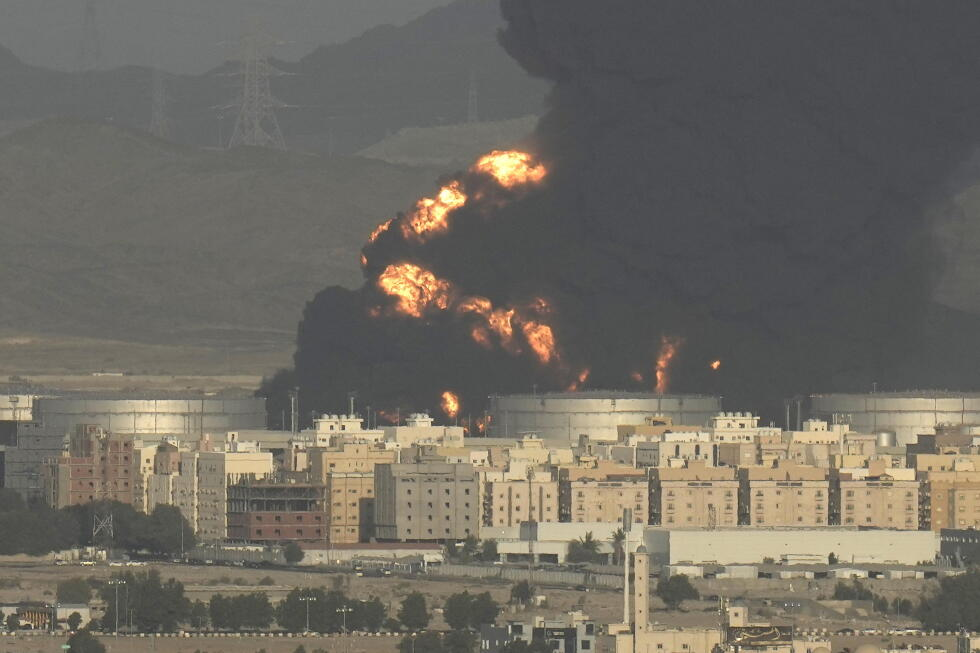
Image Source: Internet
Gulf countries have come to realize that the external security umbrella they once depended on is no longer dependable. External forces are constrained by ammunition stockpiles and the practical considerations of shifting global strategic priorities, rendering them unable to guarantee the security of regional allies around the clock. Meanwhile, the domestic political rhythms of the three countries also aligned: Saudi Arabia needs a stable security environment to advance its economic transformation, Turkey hopes to boost public opinion through diplomatic breakthroughs, and Pakistan urgently requires external economic and security support. These multiple factors converged, leading to the formal signing of the agreement in Mecca.
Who Is Most Concerned?
The implementation of the agreement is bound to disrupt the interest patterns of multiple parties.
For Iran, a key player in the region, the agreement poses a tangible geopolitical deterrent. The tripartite geopolitical layout formed by Saudi Arabia, Turkey, and Pakistan will significantly compress the space for Iranian activities and those of its proxies. However, the three parties have stated that they have not designated Iran as an imaginary enemy and have emphasized the purely defensive nature of the agreement. This means that the signing of the agreement will not increase the likelihood of hot conflicts in the region. The Iranian authorities have also reacted with notable restraint.
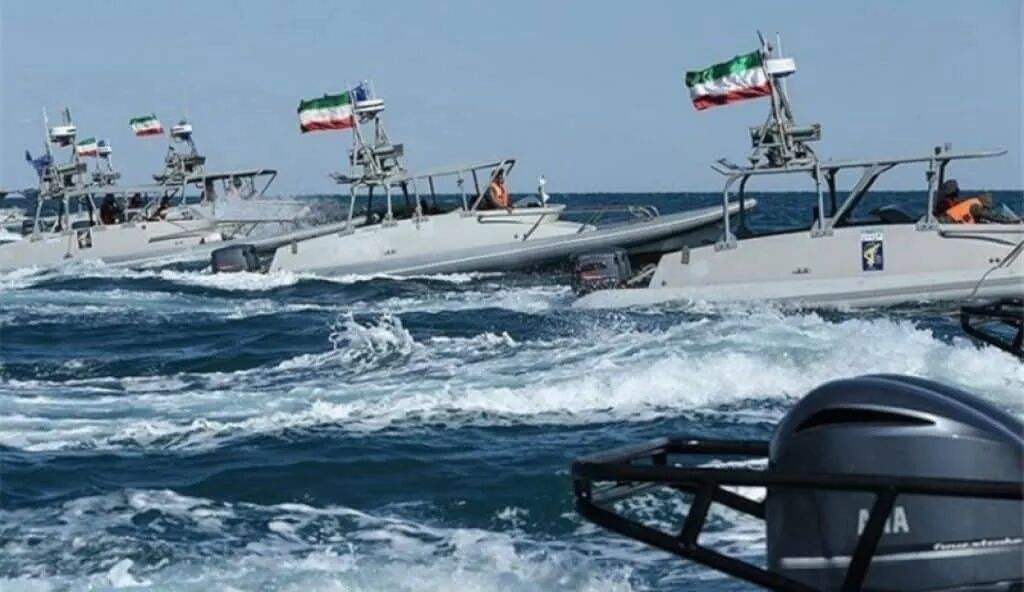
Image Source: Internet
For Israel, another 'potential defensive target,' it will face a new strategic variable—Pakistan's nuclear deterrence is now integrated into a multilateral framework. This significantly raises the cost of unilateral military actions by Israel while also adding new obstacles to the normalization of relations between Arab countries and Israel.
India, Pakistan's formidable neighbor, must confront the strategic spillover effects of the agreement. The agreement helps Pakistan strengthen its military capabilities and strategic leverage, leading to marginal changes in the balance of power in South Asia and constraining India's diplomatic maneuvers in the Middle East. This is why India's strategic community remains highly vigilant.
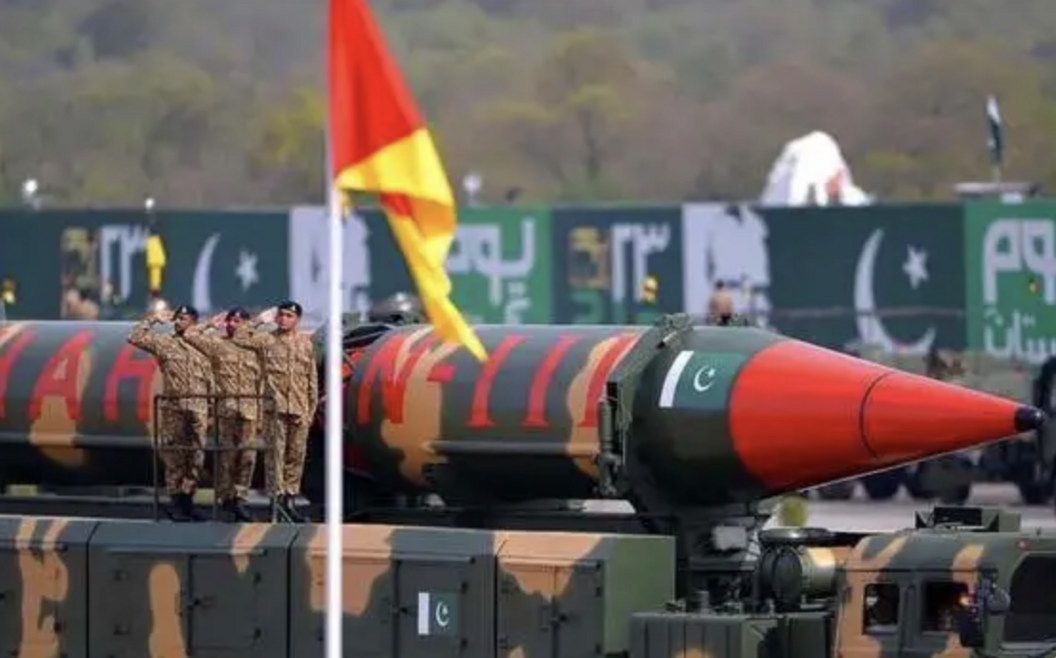
Image Source: Internet
For the United States, this agreement signifies that traditional regional allies are beginning to seek security diversification, reflecting regional countries' concerns about external security commitments. However, the agreement does not harbor any anti-American sentiment. Saudi Arabia still regards U.S.-Saudi defense cooperation as the cornerstone of its security, and Turkey remains within the NATO framework. The United States is more confronted with its allies adding alternative options rather than a direct rupture.
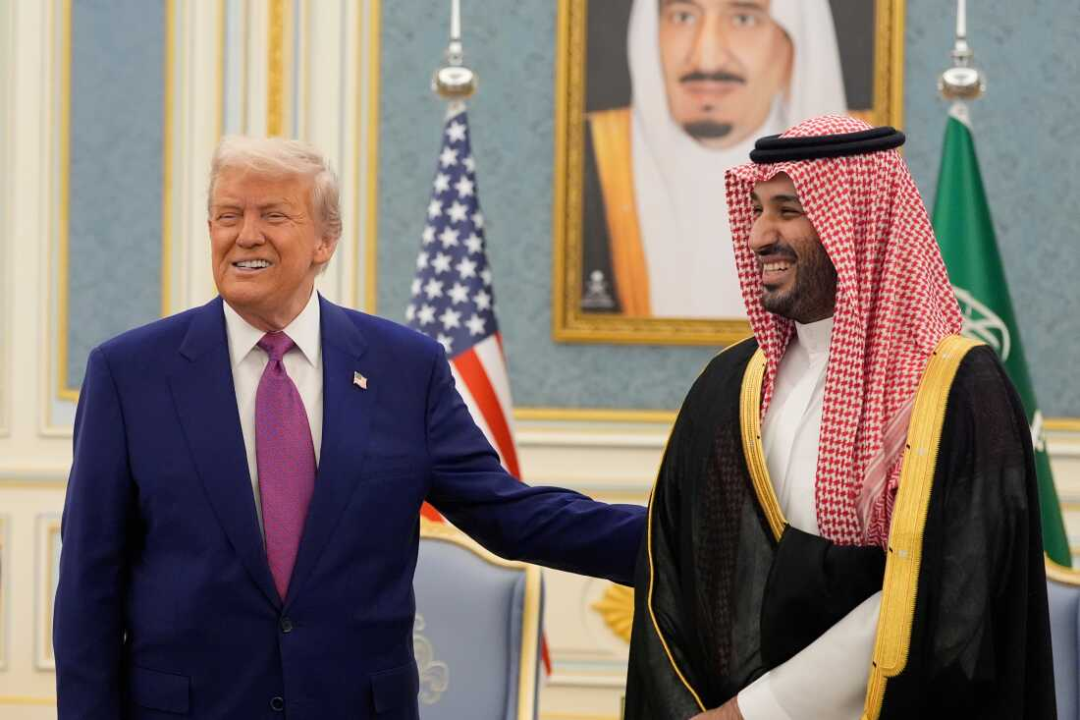
Image Source: Internet
For countries like Egypt and Kuwait, they will have a new security option in the future, while small and medium-sized Gulf countries will also gain an additional path to hedge risks amidst great power rivalries.
Of course, we should not overestimate the power of this agreement. The core concerns of the three countries do not fully align: Saudi Arabia focuses on security in the Gulf and Red Sea regions, Turkey on the Mediterranean, and Pakistan on pressures from South Asia. Once conflicts deviate from their common interests, the cohesion of the alliance will be tested. The military systems of the three countries are incompatible, and there are still significant practical obstacles to achieving genuine joint operations. There is still a long way to go from a single agreement to a truly solid military alliance.
- END -
-
![]()
The $5 Billion Unicorn Behind ByteDance's Seedance Viral Phenomenon
-
![]()
The $5 Billion Unicorn Driving ByteDance’s Seedance to Global Stardom
-
![]()
Starting at 219,900 Yuan, Equipped with Huawei ADS 5 as Standard, Avita 07L Exudes Sincerity
-
![]()
Tech Titans Clash in AI-Driven Office Solutions, Leaving AI Smartphones in a Tight Spot
-
JD.com, Leveraging Government Subsidies, Officially Raises iPhone Prices: Apple's Strategic Pricing Moves
-
![]()
Is Google Losing Its Vision?
-
![]()
Tech Giants Compete in AI Office, AI Smartphones Face Embarrassment
-
![]()
Starlink V3: Musk’s Ambitious Vision to Construct a ‘Sky Net’ of 100,000 Satellites, Traditional Operators on High Alert