Starting at 219,900 Yuan, Equipped with Huawei ADS 5 as Standard, Avita 07L Exudes Sincerity
 08/10 2026
 431
431
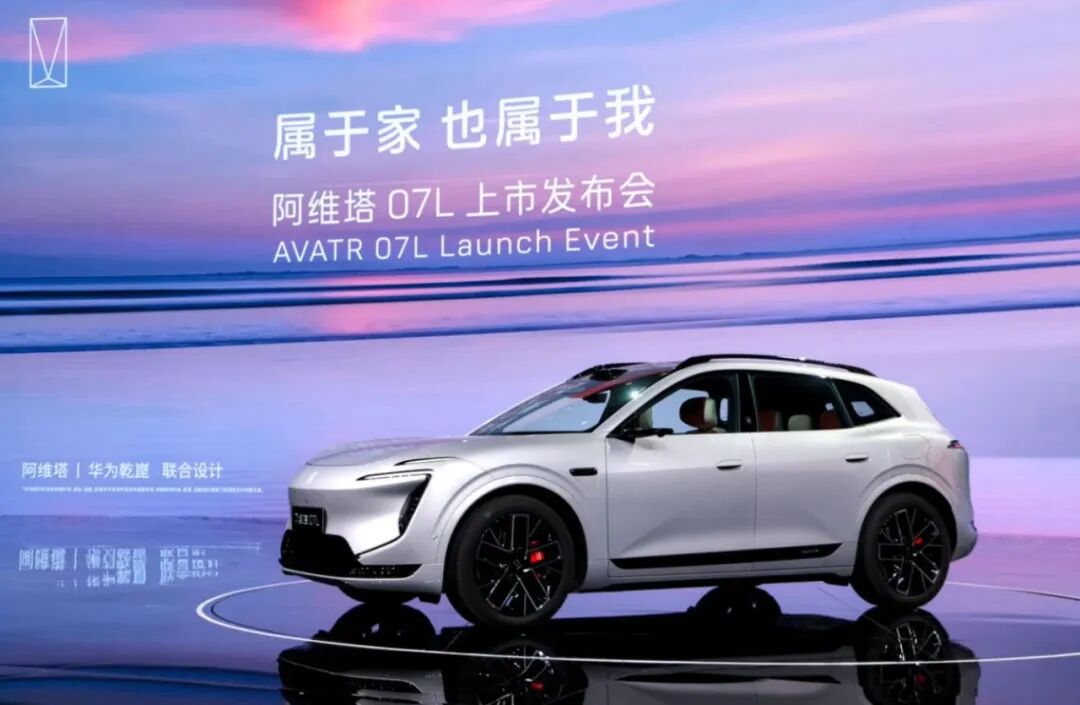
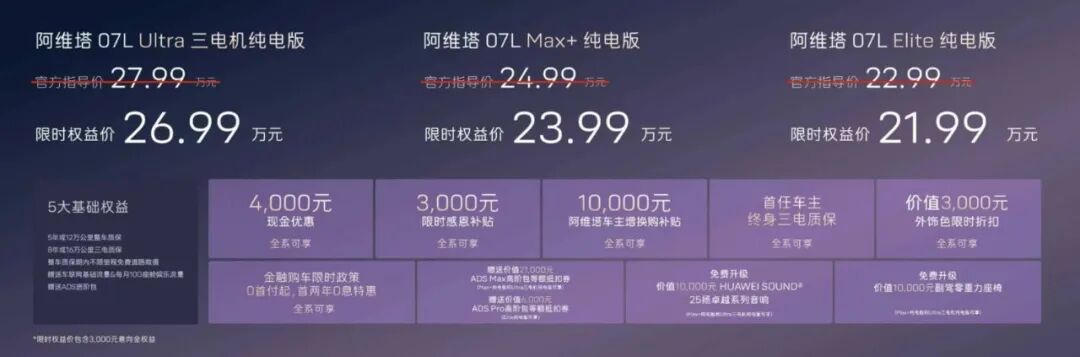
On August 8th, the Avita 07L officially hit the market, with official guide prices for its three variants ranging from 229,900 to 279,900 yuan. The limited-time offer starts at 219,900 yuan, and orders placed before September 6th can enjoy purchase benefits of up to 61,000 yuan. This large five-seater SUV, jointly developed by Changan, Huawei, and CATL, comes standard with Huawei Qiankun Intelligent Driving ADS 5 across all variants, aiming to carve out a new niche in the 200,000-300,000 yuan pure electric family car market.
From a brand perspective, Avita is at a critical juncture for scaling up. Amidst a slowdown in overall market growth, there is an urgent need for a high-volume model to drive delivery momentum and stabilize market position. What significant changes can the arrival of the Avita 07L bring to the brand? How competitive is it within its segment? What future directions are worth noting?
The New Car Embodies Three Core Demands of the Brand
Let's first discuss the practical value of this car to the brand. The most immediate impact is that it fills a crucial gap in the product lineup for high-volume family-oriented models. Avita's existing product range spans multiple segments, including mid-size SUVs, youthful sports coupes, and high-end coupes, but it has always lacked a mid-to-large five-seater pure electric SUV specifically targeting family users. The 07L, with a wheelbase of 2990mm and a body length of 4910mm, offers spatial performance directly comparable to mid-to-large SUVs, precisely filling this void and enabling the brand to compete head-on in the mainstream family market.
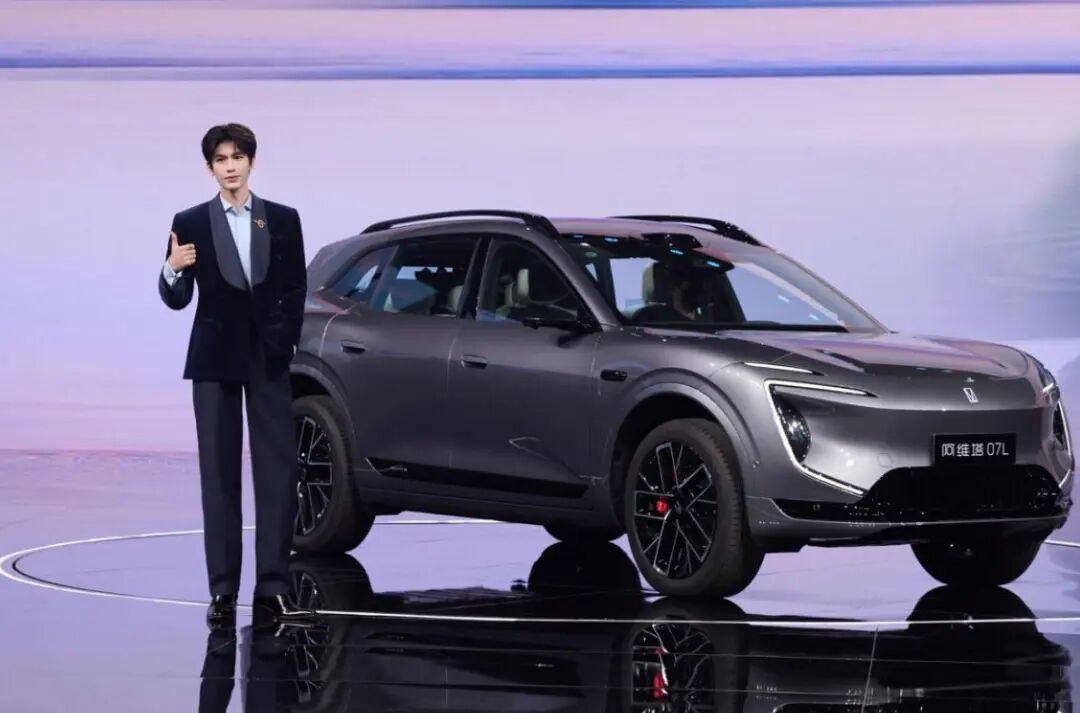
Delving deeper, this car also lowers the barrier to entry for Huawei's advanced intelligent driving technology. Traditionally, the industry has locked advanced intelligent driving features in top-tier models or offered them as separate paid option packages. The Avita 07L directly incorporates Huawei Qiankun ADS 5 across all variants, allowing even the entry-level version to experience complete intelligent driving capabilities.
The Max+ and Ultra variants are even equipped with 896-line dual-light-path LiDAR as standard, combined with 27 high-performance sensors to form a 360-degree perception network. This hardware specification is highly competitive at the same price point. The rationale behind this entry-level full-configuration approach is essentially to leverage intelligent driving differentiation to penetrate user awareness and reinforce the brand's identity as "Avita equals high-end intelligent driving."
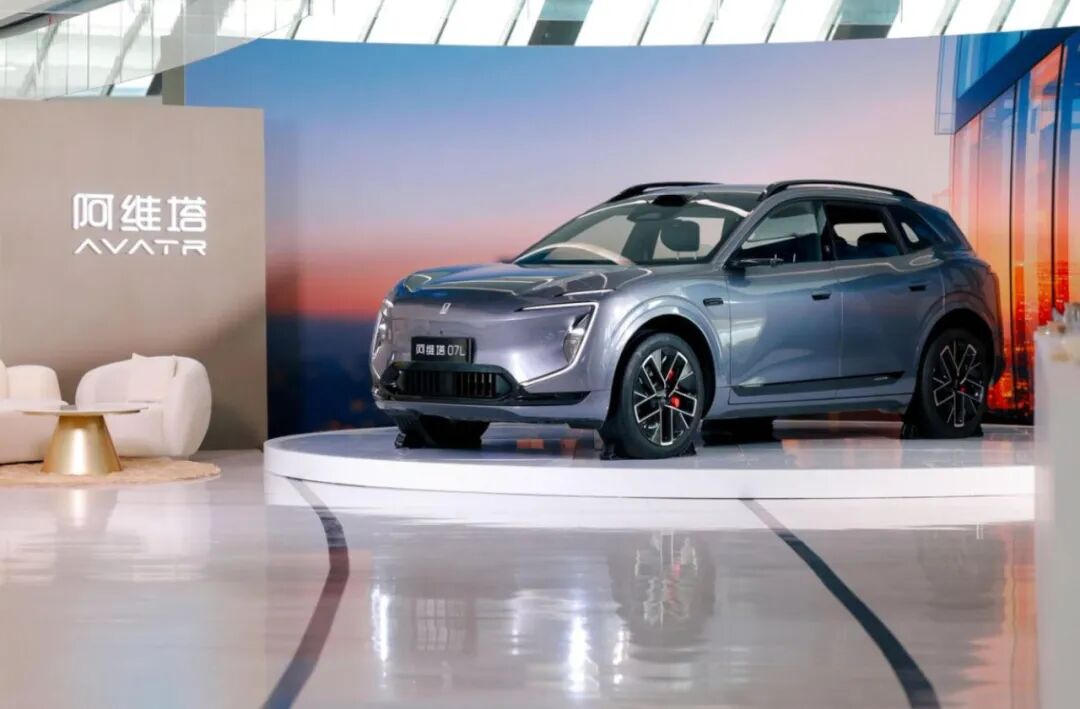
From a long-term perspective, the Avita 07L also supports the brand's fundamentals. Stable growth in delivery data is the cornerstone for enterprises to sustain R&D investment and expand channels. The 07L's launch and delivery rhythm, combined with the market stimulation of limited-time benefits, are expected to boost delivery volumes in the third quarter. For Avita, which is striving for a higher market share, the market performance of this car is directly tied to whether the brand can stabilize its growth trajectory and enter a more virtuous development cycle within the year.
Of course, we must also acknowledge objectively that achieving leapfrog scale growth with just one model is challenging. What the Avita 07L can do is stabilize the basic market and reinforce the brand's identity. To truly achieve systematic sales volume improvement, continuous synergy in subsequent products, channels, and services is also required.
Obvious Competitive Advantages Within Its Segment
When comparing the Avita 07L horizontally within the 200,000-300,000 yuan SUV segment, its strengths are evident, while there is also room for continued optimization and growth.
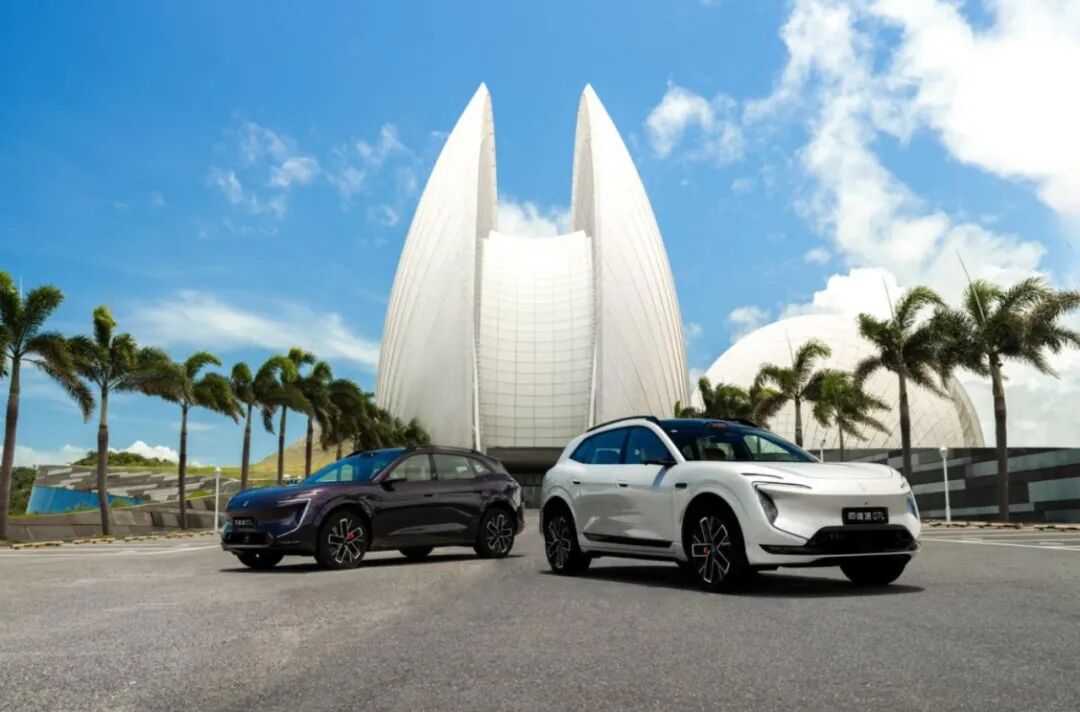
Let's first examine its core advantages. The most prominent is the popularity and hardware specifications of its intelligent driving configuration. Among pure electric SUVs at the same price point, most models concentrate their advanced intelligent driving features and LiDAR in high-end versions, with generally higher starting prices. The Avita 07L incorporates Huawei Qiankun ADS 5 as standard across all variants, and the mid-range version is equipped with 896-line LiDAR. Just considering the cost-effectiveness of intelligent driving hardware, it is indeed in the top tier. Coupled with the HarmonyOS cockpit and five-screen linked interior interaction, it has significant appeal to users who value technological experience.
Secondly, the comprehensive product strength is backed by tripartite technology. Changan is responsible for vehicle manufacturing and chassis tuning, Huawei provides intelligent driving and cockpit solutions, and CATL supplies an 89.33kWh 5C Shenxing super-fast charging battery, supported by an 800V high-voltage platform to ensure efficient charging. This division of labor leverages each party's strengths and allows for greater flexibility in technological iteration. Before its launch, the Avita 07L used factory-produced mass-production vehicles to challenge rally sections, aiming to intuitively demonstrate Changan's chassis tuning expertise and the reliability of electric drive control.
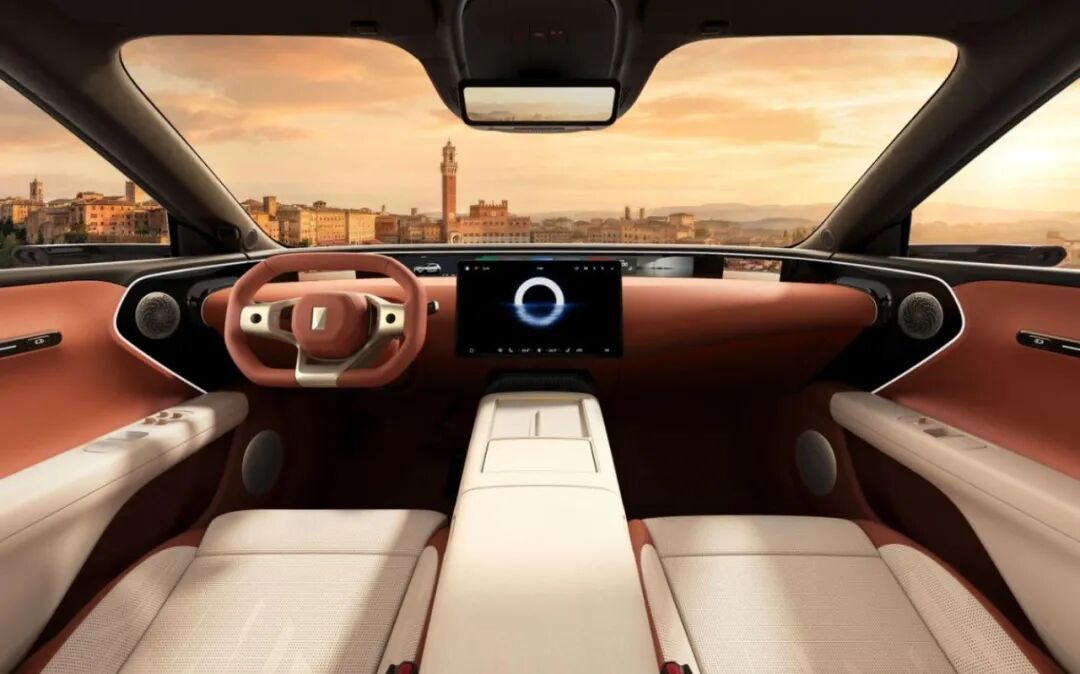
The balanced performance in space and comfort is also one of its trump cards. With a 2990mm wheelbase in a five-seater layout, the rear legroom is quite spacious. Features such as a zero-gravity front passenger seat, rear 130-degree electric adjustment, and a 25-speaker sound system all cater to the comfort needs of family users. The space expansion design, where the front seats can be reclined to form a chaise lounge and the rear seats can be folded to create a large bed, also aligns well with current lifestyle scenarios such as camping and long-distance self-driving trips.
Of course, there is also room for continued expansion and growth. From a market structure perspective, in the current 200,000-300,000 yuan family SUV segment, extended-range models account for a significant market share due to their lack of range anxiety. The Avita 07L currently only offers a pure electric version, providing relatively limited powertrain choices for family users with limited charging conditions and frequent long-distance travel needs. Additionally, there is still room for improvement in brand awareness and channel coverage breadth.
Key Variables for Long-Term Development
Looking at Avita's development from a long-term perspective, several core variables warrant continuous attention. The first variable is changes in the market competition environment. The new energy vehicle market has entered a stage of stock competition, with the head effect gradually emerging and the scale gap between brands widening. Quickly increasing monthly sales to a stable level of 10,000 units is crucial for maintaining initiative in the competition.
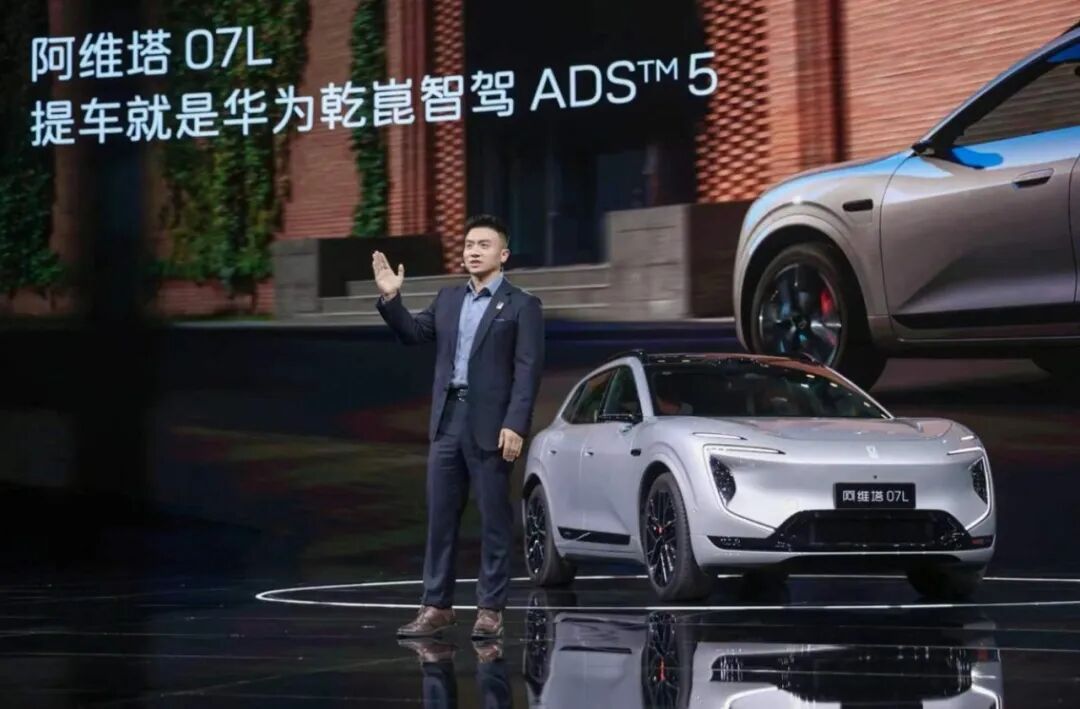
The second variable is the collaborative efficiency of the tripartite cooperation model. The combination of Changan, Huawei, and CATL has strengths in technology, but the brand's long-term development also tests the collaborative efficiency among multiple parties in product definition, marketing rhythm, and channel strategy. How to continuously convert the technological strengths of the three parties into product experiences and market reputation that users can perceive is a task that Avita needs to refine over the long term.
The third variable is the subsequent product rhythm and category coverage. After the Avita 07L, Avita will also need more high-volume models to support systematic scale. Currently, the brand's product lineup is mainly concentrated in the mid-to-high-end price range, lacking a competitive product layout in the largest mainstream segment of 150,000-200,000 yuan. Whether subsequent models will be launched to be more affordable and high-volume will directly determine the brand's sales ceiling.
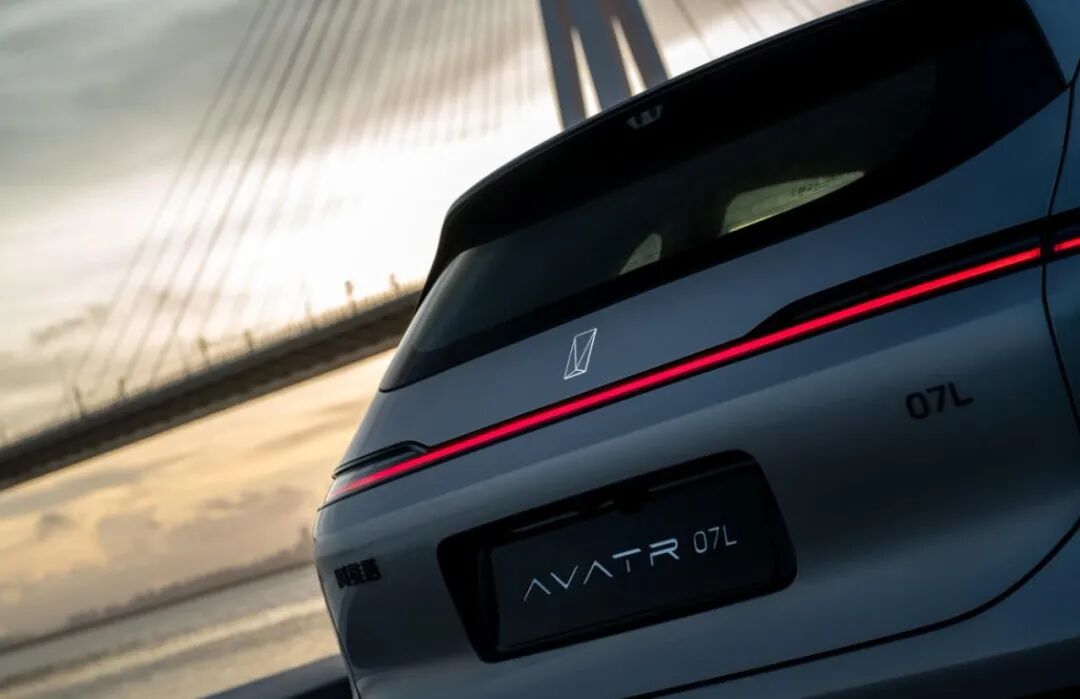
Overall, the Avita 07L is a model with balanced product strength and clear selling points. The user reputation of Huawei's intelligent driving continues to grow, Changan's manufacturing expertise has been validated by the market over the years, and CATL's battery supply and technological iteration are sufficiently stable. For Avita, it is more important to find the right market rhythm through this car, convert technological advantages into user reputation, and steadily secure its market position step by step. The competition in the new energy vehicle sector continues, and taking solid steps forward is more important than anything else.
-
![]()
Dissecting the Underlying Logic of the 'AI Office Entry Battle': How to Become the Ultimate Winner?
-
![]()
OFILM Issues Urgent Clarification on 'Asset Stripping' Rumors, Denies Channeling Benefits to Related Parties of Actual Controller
-
![]()
Securing 80% of Apple’s Shell Quality Inspection Orders: What Gives Huiyan Technology Its Competitive Edge?
-
![]()
Monthly Sales of 1 Unit: Chevrolet's Failure in China and an Excellent Example of Loss Mitigation for Joint Venture Automakers
-
![]()
The Closing of the $50 Billion Pre-IPO Round Looms: Yuezhi Anmian is Revolutionizing Valuation Logic for China’s Large Language Models
-
![]()
Pork Prices Plummet by 13%, Yet Smartphones and Healthcare Costs Soar: Here's Why Your Wallet Feels the Pinch
-
![]()
Storage Costs Skyrocket! Apple iPhone 18 Pro Sees Nearly 40% Cost Hike: Price Increases Loom
-
Musk's SpaceX to Compete with Top Three U.S. Operators: Wild Dream or Future Disruptor?