Caocao Chuxing Makes a Bold Move: Will the Robotaxi Landscape Be Transformed?
 12/09 2025
 700
700
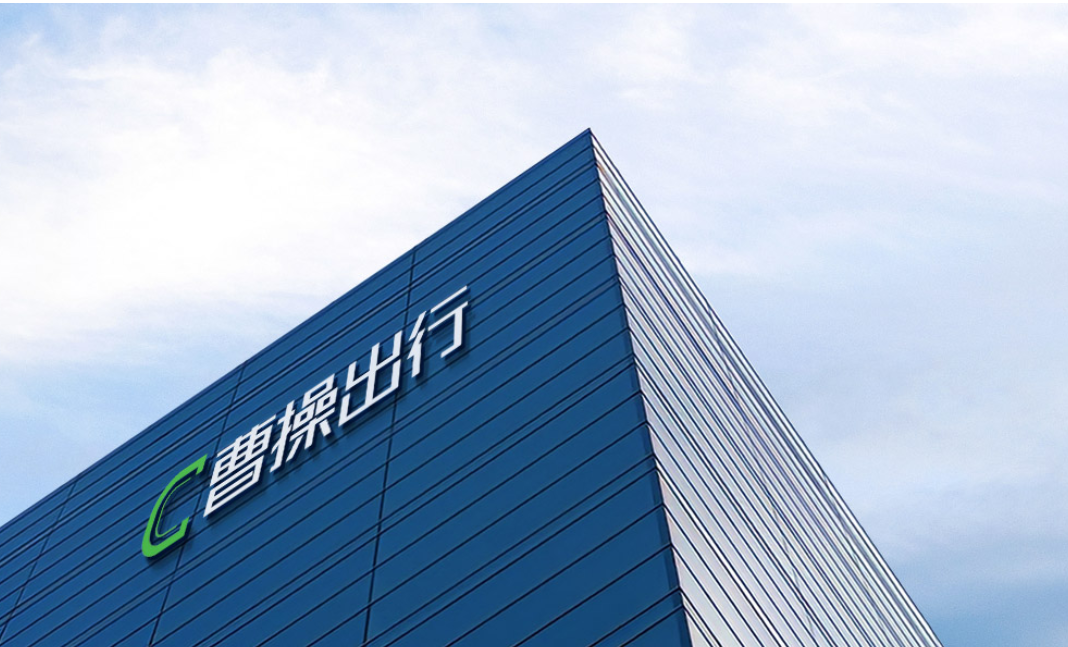
In just a decade, the concept of Robotaxi has evolved from a mere idea into a fiercely contested arena, poised to become a trillion-dollar market with immense potential.
To gain a foothold in this lucrative new frontier, participants from tech companies, original equipment manufacturers (OEMs), and ride-hailing platforms are leveraging their unique strengths, sparking a chaotic yet exhilarating battle within the Robotaxi ecosystem.
The Robotaxi market is akin to a marathon that tests both explosive power and endurance. As the industry reaches a critical juncture, the challenge intensifies, with competition shifting from a single-dimensional focus to a comprehensive one. Only those who possess a synchronized mastery of autonomous driving technology, smart custom vehicles, and intelligent operation systems are likely to ascend the "Summit of Light" in the Robotaxi realm.

A Trillion-Dollar Blue Ocean
Imagine this scenario: Before heading to work in the morning, you simply tap your phone, and a driverless car arrives at your doorstep. As you enjoy your breakfast and coffee, the self-driving vehicle safely delivers you to the office.
This once-futuristic scene, confined to Hollywood movies, is now rapidly becoming a reality through the advent of Robotaxi.
Over the past decade, global autonomous driving technology has made significant strides, attracting a diverse array of players.
Global tech giant Google was a trailblazer in this field. In 2009, Google embarked on researching autonomous vehicles, giving birth to the Robotaxi concept.
A few years later, Cruise Automation was founded in San Francisco, focusing on the research, development, and testing of autonomous driving technology. In 2016, General Motors acquired it, securing a ticket to the autonomous driving race.
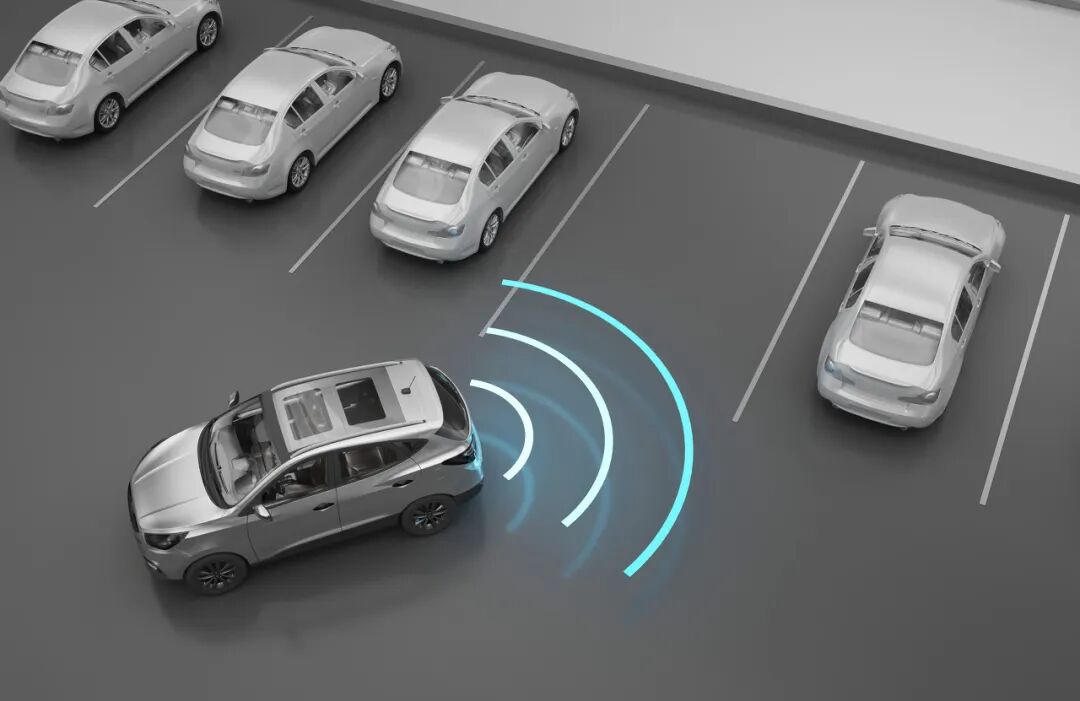
After 2016, the Robotaxi market accelerated rapidly. UBER, Baidu, Google, and others began road testing their autonomous vehicles, while companies like Waymo, Pony.ai, and WeRide were established. Robotaxi entered a fast lane of development, with leading firms' autonomous fleets operating routinely and more participants joining the fray. Caocao Chuxing, the largest tech-driven mobility platform in Hong Kong, recognized this trend and launched its Caocao Zhixing autonomous driving platform in early 2025, quickly emerging as a global contender in the Robotaxi market.
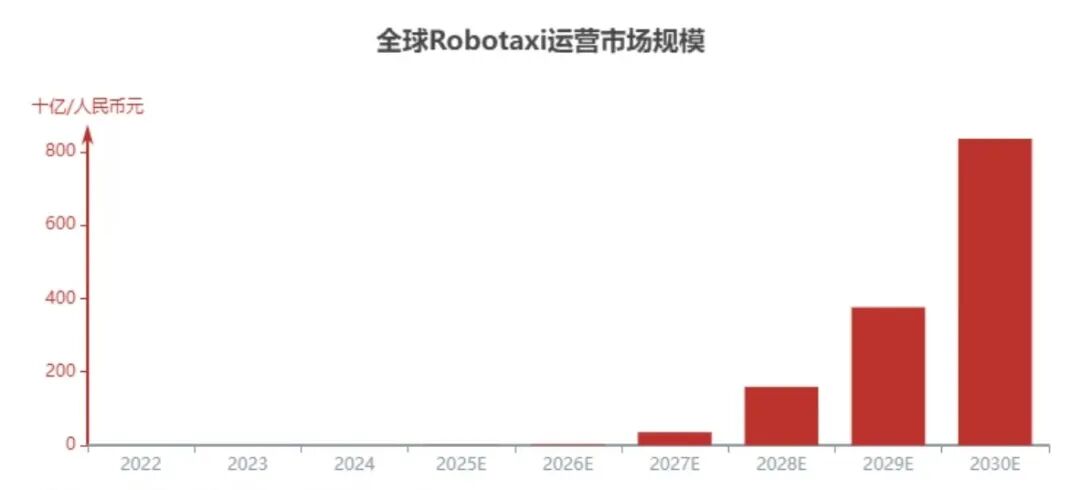
According to Frost & Sullivan, the global Robotaxi market is projected to reach RMB 834.9 billion by 2030, with a compound annual growth rate (CAGR) of 239% from 2024 to 2030.
Robotaxi represents an exponentially growing sector and the largest new infrastructure and AI commercialization scenario in the next decade. Only by participating can one hope to secure a ticket to this future trillion-dollar blue ocean.
A Fiercely Competitive Landscape
Currently, the Robotaxi market is a battleground where tech companies, OEMs, and ride-hailing platforms compete fiercely, each leveraging their strengths and resources to spark a chaotic yet thrilling clash within the Robotaxi ecosystem.
Tech companies were among the earliest entrants into the Robotaxi market, focusing on the research, development, and data accumulation of autonomous driving technology. With an asset-light model, they rely on their software prowess to establish their foothold, akin to the Emei Sect in Jin Yong's novels, which excels in agile swordplay and palm techniques, emphasizing softness overcoming hardness.
However, tech firms must partner with mainstream automakers for hardware like vehicles. For example, Apollo Go teams up with Jiangling; WeRide collaborates with Nissan; Pony.ai partners with BAIC, GAC, and Toyota. For operations, they rely on ride-hailing platforms.

OEMs boast a deep foundation in the automotive industry and control Robotaxi's core hardware, wielding significant hard power. They resemble the Shaolin school of boxing in martial arts, with a profound martial arts heritage and straightforward yet powerful techniques. As the origin of global martial arts, OEMs form the foundation of Robotaxi's development.
Ride-hailing platforms emphasize leveraging their platform advantages and fleet management capabilities, adept at integrating diverse resources. They resemble the Wudang Sect in martial arts, known for elegant, internal-focused techniques. Since L4 autonomous Robotaxi faces nearly infinite edge scenarios, its technological maturity relies on large-scale real-world testing data. Thus, Robotaxi's full commercialization will likely first materialize in the ride-hailing industry. This means leading ride-hailing platforms are best positioned to reap Robotaxi's commercialization rewards first and potentially reshape the industry landscape.
Who Will Reach the Summit?
Currently, Google's Waymo and Baidu's Apollo Go hold temporary leads due to their early starts, but in this long-distance race, they are just beginning and far from the finish line. In Robotaxi's early stages, leading in a single technology might suffice, but today's competition extends beyond algorithms or hardware to a systemic showdown involving smart custom vehicles, autonomous driving technology, and intelligent operation platforms.
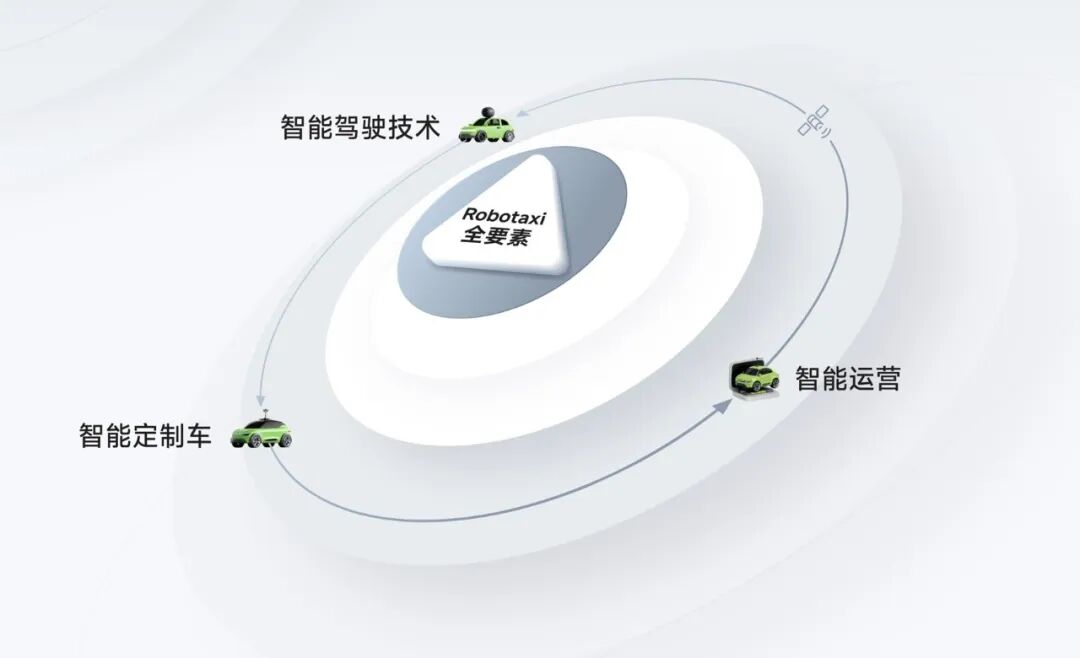
Caocao Chuxing's Robotaxi integrates strengths from various players, much like Zhang Wuji from "The Heaven Sword and Dragon Saber," who masters multiple unique skills, blending internal and external strengths into a distinct school. Leveraging Geely's tech ecosystem, Caocao Chuxing has achieved full integration of Robotaxi's core elements: smart custom vehicles, autonomous driving technology, and intelligent operations. Autonomous driving technology determines feasibility, custom vehicles define foundational capabilities, and platform efficiency drives commercial success.
Robotaxi is a capital-intensive industry, with hardware like vehicles accounting for over 40% of operational costs. Scaling up will require massive funding. Meanwhile, in the foreseeable future, ride-hailing will feature both human-driven and autonomous vehicles, severely testing platform operational capabilities. This involves complex vehicle dispatching, personnel management, and maintenance—areas where an experienced intelligent operation system is crucial for Robotaxi's large-scale commercialization.
Among shared mobility platforms, Caocao Chuxing operates the industry's largest custom fleet. As of June 30, 2025, it manages over 37,000 custom vehicles across 31 cities in China. With a decade of experience in shared mobility, Caocao Chuxing has accumulated vast mobility data, mature dispatch algorithms, and a nationwide service network, providing a solid foundation for Robotaxi's commercialization.
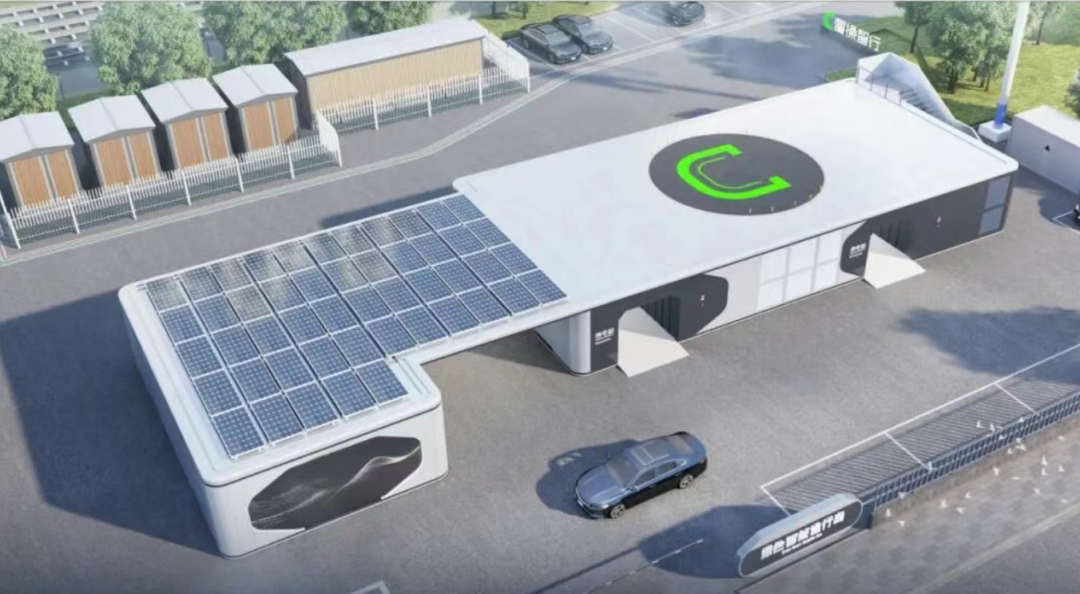
On December 3, Caocao Chuxing held a Robotaxi strategic upgrade event, unveiling its "Decade, Hundred Cities, Hundred Billion" global strategy: establishing five operational hubs worldwide, expanding Robotaxi services to 100 cities, and achieving RMB 100 billion in cumulative gross transaction value (GTV) over the next decade. It also introduced the "Green Smart Mobility Hub," integrating automatic battery swapping, cleaning, vehicle interior tidying, intelligent dispatching, and automatic settlement—laying the groundwork for future urban mobility infrastructure. Caocao Chuxing's Robotaxi ecosystem, in collaboration with partners, is unfolding a "sky-land-air integrated" mobility vision.
Indeed, the driverless mobility scenes from sci-fi movies are now a reality. Who will truly ascend Robotaxi's "Summit of Light"—the technology-focused pioneers or the ecosystem integrators? The answer lies in each technological iteration and operational practice, awaiting final validation by the market and time.
When Robotaxi's steering wheels truly disappear, the century-old transportation order will be reconstructed beyond technological competition, reshaping urban mobility logic and becoming a new AI application scenario. Facing this unprecedented transformation, Caocao Chuxing's Zhang Wuji-style "eclectic integration" offers a solution—using inclusive wisdom to ensure revolutionary technology becomes a warm, universal beginning.
-
![]()
Hyundai Motor Workers Strike Today, Fearing Job Losses to Robots
-
![]()
Embracing 'Light': O-film Unveils Its 'Illuminating the Future' Strategy
-
![]()
SenseTime’s SenseNova U1.5 Lite Goes Open Source: Ushering in a New Era of Predictable AI Image Generation
-
![]()
Collaboration Initiated! Tesla Officially Welcomes Doubao Onboard
-
![]()
WPS: From Alternative to Leader, Kingsoft Software Bets on AI Office, H1 Revenue Nears 5 Billion
-
![]()
Can TECNO Mobile Expand Beyond Africa?
-
![]()
A Sample of AI Breakthrough for a Company
-
![]()
Goldman Sachs Raises the Bar: China’s Global Expansion Steps into the '3.0 Era,' Now Exporting AI Industrial Prowess