A Staggering $19.5 Billion Write-Down! Legendary Auto Giant Stumbles in Electrification Shift, Musk Issues Damning Verdict
 12/26 2025
 638
638

On December 15th (local time), traditional automotive titan Ford made a seismic strategic pivot, axing large-scale battery electric vehicle projects, including the electric pickup F-150 Lightning and T3 pickup, while incurring a staggering $19.5 billion pre-tax charge.
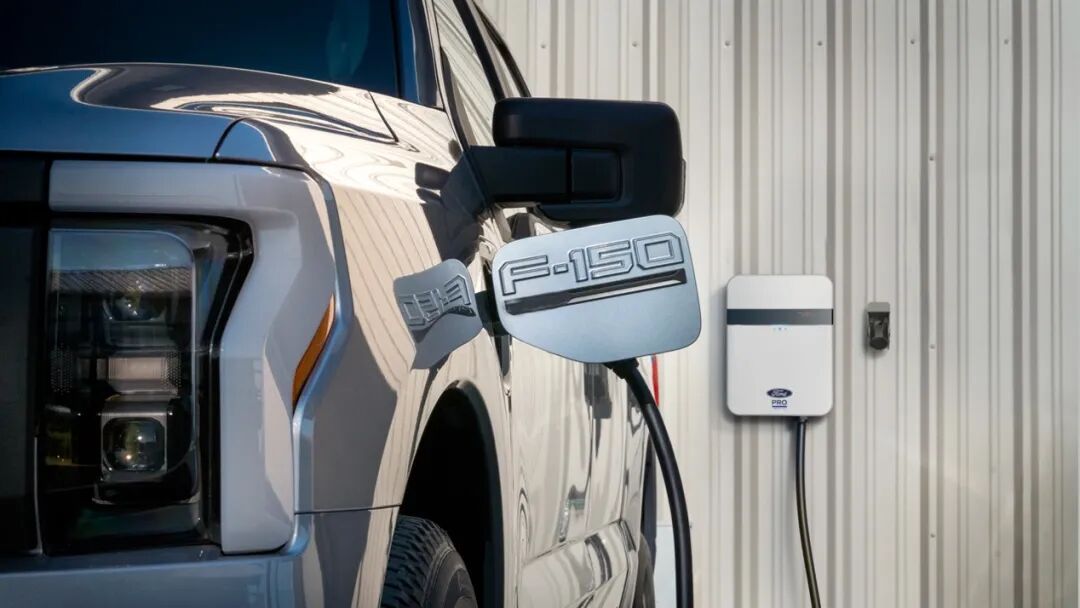
Ford President and CEO Jim Farley framed this adjustment as "customer-driven," with a firm strategic shift towards higher-return business sectors, such as the high-growth battery energy storage market.
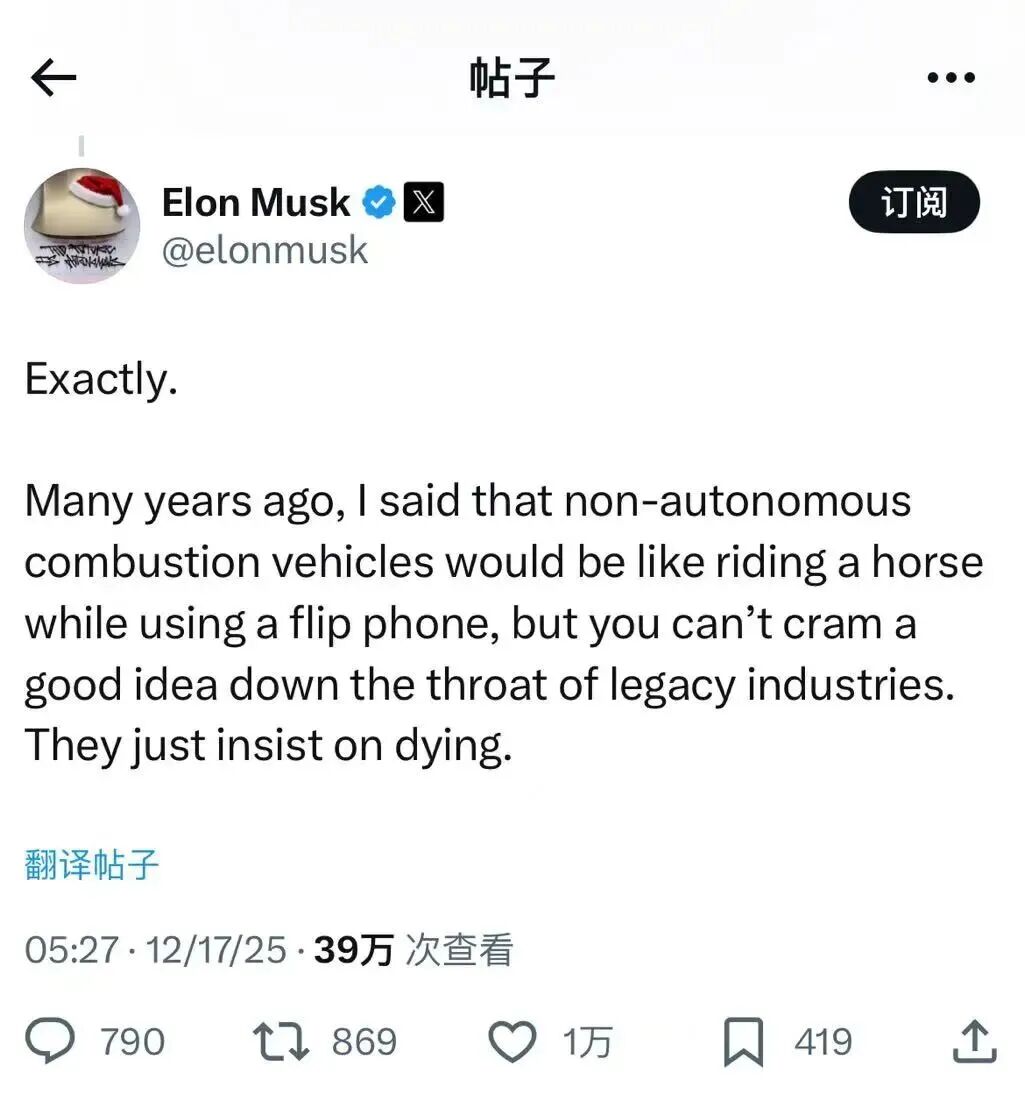
Despite this, Tesla CEO Elon Musk did not mince words in delivering a damning verdict on Ford. He not only liked a netizen's comment suggesting Ford's electrification transition was stuck at a superficial "emissions reduction" level but also likened Ford's current electrification halt to "riding a horse while using a flip phone." He even went as far as to declare that Ford was "insisting on heading towards extinction."
So, why has this century-old automaker, which once produced the legendary Model T and pioneered assembly lines, fared so poorly in its electrification transition?
01
From Pioneer to Predicament: The Rise and Fall of Ford's Electrification
Few would believe, given Ford's current struggles in vehicle electrification and intelligent development, that it was once the world's first automaker to embark on a transition from a traditional car manufacturer to a mobility provider.
In 2015, Mark Fields, the youngest CEO in Ford's history, took the helm. Just a year later, at the CES Consumer Electronics Show, he unveiled the ambitious "Ford Smart Mobility Plan." This plan encompassed in-vehicle connectivity technology, mobility, autonomous driving, consumer experience, and big data applications, and included a substantial $1 billion investment in the self-driving startup Argo AI.
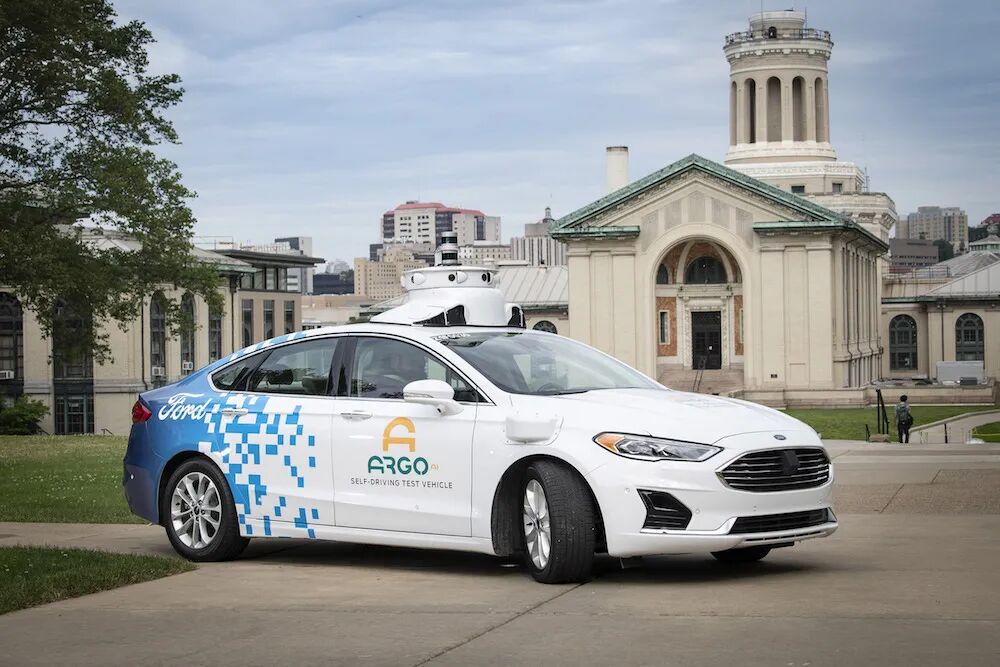
At that time, Ford even surpassed Google in global autonomous driving strength rankings.
Unfortunately, during Fields' tenure, Ford's vehicle sales plummeted, profits sharply declined, and its stock price fell by 40%, sparking direct dissatisfaction from Ford's board of directors. Fields was forced to step down.

However, even if Fields had not stepped down, from today's perspective, Ford's investment at that time cannot be considered successful. Five years after Fields' departure, Argo AI, once valued at up to $7 billion with a team size exceeding 2,000, was shut down and dissolved in November 2022. Its employees and some components were taken over by Ford Motor Company and Volkswagen AG, respectively.
Regardless, Ford's electrification attempt this time around was a failure, exposing the fundamental dilemma faced by traditional automakers in the face of rapidly changing industry trends.
02
Struggling in the Chinese Market, Missing the Electrification Boom
In Ford's global strategic map, China has always been seen as a critical link. In 2019, Ford's sales in China plummeted severely, halving from 378,000 units in 2018 to 184,000 units in 2019. That same year, Ford launched the "Ford China 2.0 Strategy," proposing a "trinity" of localized R&D, design, and testing, with the slogan "More Ford, More China," attempting to deeply cultivate this global largest automotive market through localization.
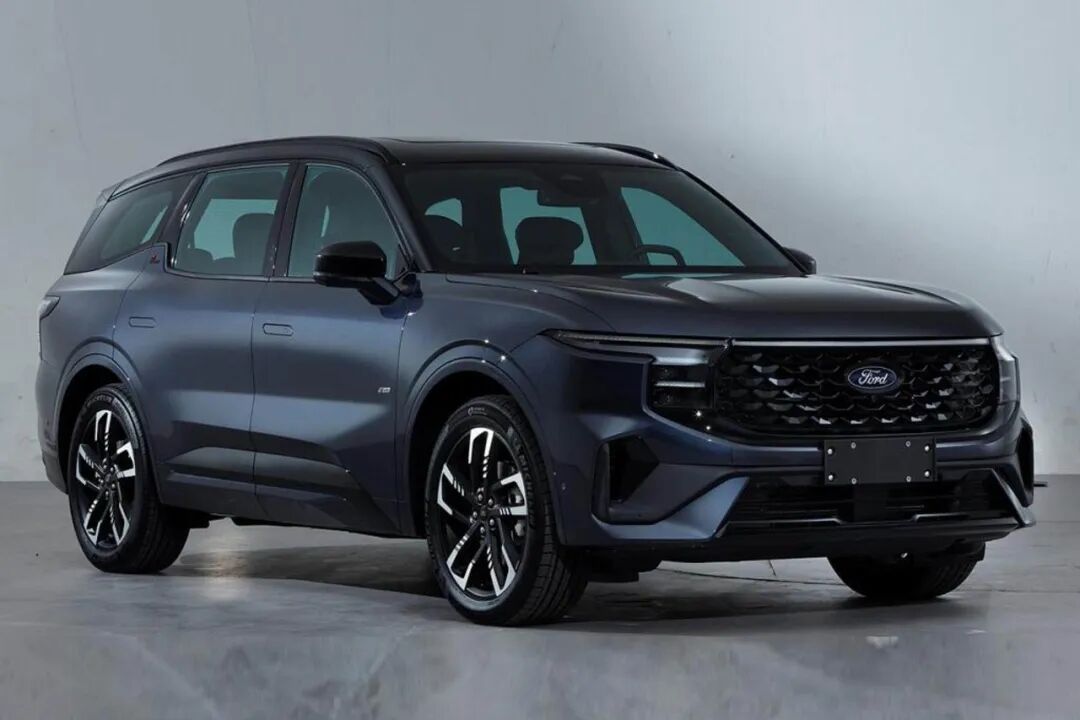
In reality, similar to its aforementioned electrification transition, Ford's decision to deeply cultivate the Chinese market was also ahead of its time. Under its localization strategy, Changan Ford's sales rebounded to 253,300 units in 2020, a year-on-year increase of 37.69%; sales further rose to 304,700 units in 2021, a year-on-year increase of 20.29%.
However, it cannot be ignored that during these two years, China's electrification process also began to accelerate, with new energy vehicle startups gaining increasing market presence. This led to Changan Ford, whose sales had just recovered, seeing only 251,000 units sold in 2022, a year-on-year decrease of 17.62%. Ford's highly anticipated first all-electric vehicle, the Mach-E, sold only 4,860 units throughout the year, a dismal performance.
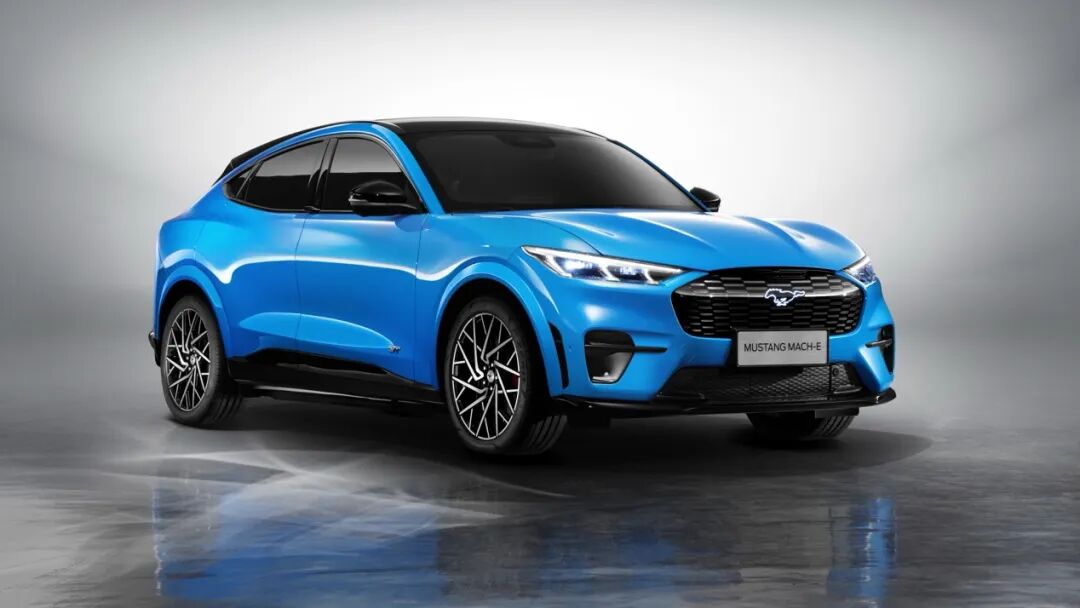
This also shows that Ford's layout in the Chinese market did not keep pace with the electrification trend. Instead of increasing the development proportion of local fuel-powered models in China on the eve of the electrification boom, Ford lost its strategic dominance in this important market.
03
The $20 Billion Cost: Ford's Strategic Reversal
Entering 2025, Ford's setbacks in electrification have reached an unignorable level. In November of this year, Ford sold only 4,247 all-electric vehicles in the U.S., a year-on-year plunge of over 60%, far below the 10,800 units sold in the same period last year.
Among them, Mustang Mach-E sales fell by 49% year-on-year, with only 3,014 units sold; electric pickup F-150 Lightning deliveries plummeted by 72% year-on-year, with only 1,006 units sold; and electric van E-Transit deliveries also crashed by 82% to 227 units.
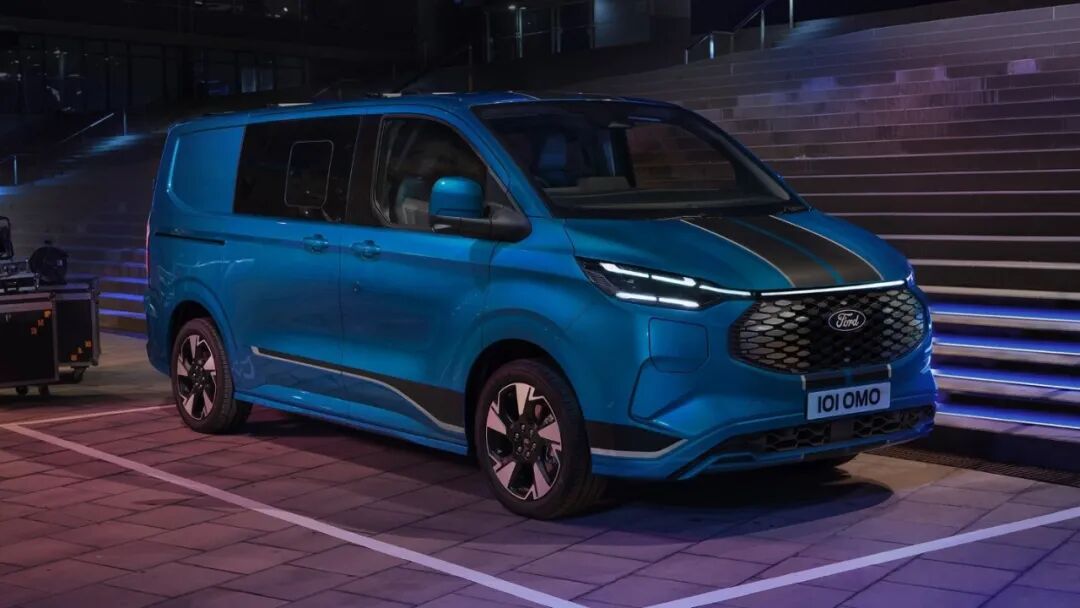
In the Chinese market, Ford did not sell a single all-electric vehicle in November, with Mach-E sales directly "zeroing out" in China.
Essentially, the aforementioned $19.5 billion charge is the "price" for Ford's strategic misjudgment, encompassing not only the production-side blunder of "losing money on every sale" for models like the F-150 Lightning but also the resource misallocation due to battery overcapacity. Bloomberg even bluntly stated that "Ford has hit a dead end in the large-scale all-electric sector."
However, Ford has not completely abandoned electrification. The company announced it would retain its "Universal EV Platform" to create smaller, more affordable, and lower-cost electric products, planning to launch a mid-size electric pickup and other models priced around $30,000 by around 2027 to enhance competitiveness. Meanwhile, Ford will also leverage its excess battery manufacturing capacity to enter the battery energy storage market, to some extent, reusing its core technologies and production resources.
Nevertheless, Ford's multiple reversals in its electrification strategy cannot conceal its weakness in the all-electric field. As the industry accelerates towards electrification and intelligence, looking back may mean temporary loss mitigation, but the true winners of the future will only be those enterprises that can both adhere to their strategic direction and have a keen sense of market rhythms amidst the transformation.
-
![]()
Enflame Tech's IPO Journey: Navigating Over 5.9 Billion Yuan in Losses and Soaring Debt in Q1 This Year
-
![]()
Trillion-Yuan Giant Li Shufu 'Streamlines': Could Levc Be the Casualty?
-
![]()
AI Competes for Electricity and Generates Power in the Gobi Desert
-
![]()
The First Batch of Victims of the AI Bubble: Programmers
-
![]()
ByteDance, DJI, and Xiaohongshu Secure Top Three Positions Among China’s Fastest-Growing Unicorns
-
Tesla's in-car voice system in China is finally learning to 'understand human language'
-
![]()
Foreigners Are Amazed: Chinese Electric Vehicle Drive Systems Unveil Innovative 'Poses'
-
![]()
700,000 Brothers and the Future of Robots: Behind JD.com's 'Nirvana Plan'