Tesla Accused of False Advertising for Driver-Assistance Features, Faces Potential 30-Day Sales Suspension
 12/26 2025
 580
580

Introduction
The issue of false advertising for driver-assistance systems serves as a significant cautionary tale for Chinese automakers.
Tesla is currently embroiled in fresh controversies in the United States.
Recently, a California administrative law judge determined that Tesla's marketing of its 'Autopilot' and 'Full Self-Driving' (FSD) capabilities is misleading. Consumers, upon seeing the term 'full self-driving capability,' often assume that the vehicle can operate safely without continuous human supervision. Consequently, the judge suspects Tesla of false advertising regarding its driver-assistance features and has recommended a 30-day suspension of Tesla's vehicle sales and production licenses in California.
Steve Gordon, Director of the California Department of Motor Vehicles (DMV), announced at a press conference that the DMV would grant Tesla a 90-day period to clarify or remove any misleading or confusing statements related to its Autopilot and FSD systems. Failure to comply will result in a 30-day suspension of Tesla's automobile sales license.
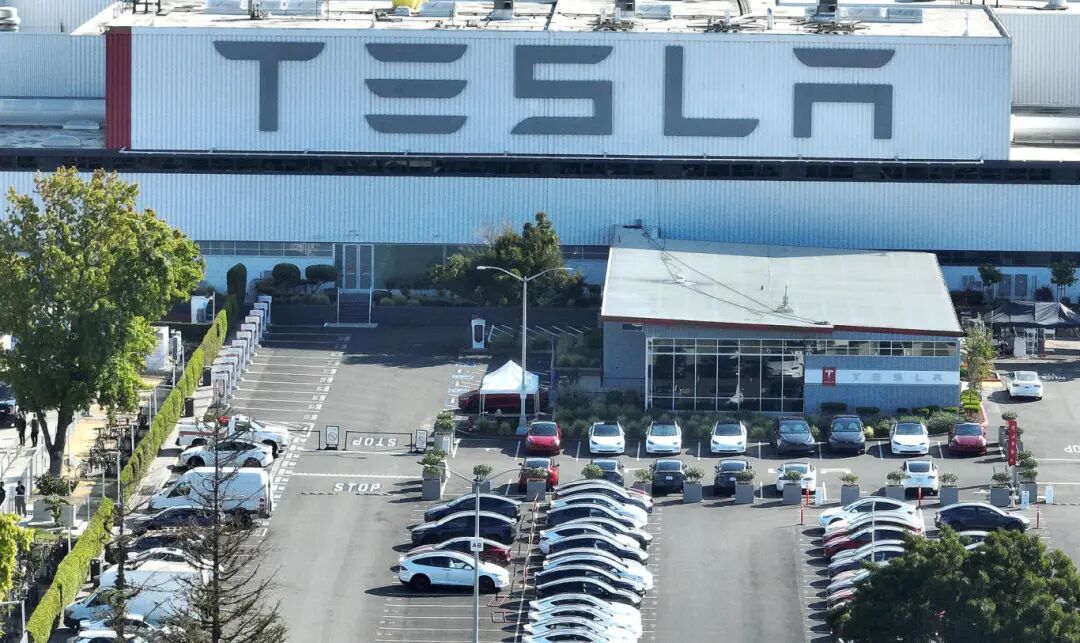
For Tesla, a suspension of its sales license would represent a substantial setback. California is not only Tesla's largest sales market in the United States but also houses one of its largest manufacturing facilities. Even a temporary halt in sales could lead to significant financial losses. Some industry experts suggest that this development might also impact Tesla's broader commercial strategy for promoting advanced vehicle technologies across the United States.
In light of the potential repercussions, the DMV has decided to postpone the enforcement of Tesla's production license suspension to ensure that the company's factory operations in California remain uninterrupted.
01 Tesla Accused of False Advertising, Faces Another Crisis
It is evident that the crux of this regulatory issue does not lie in the technology itself but rather in how Tesla portrays it. According to industry standards, Tesla's Full Self-Driving system is classified as Level 2 driver-assistance technology. This means it can assist with steering and speed control; however, the driver must remain alert and prepared to take control at all times.
Notably, the California DMV formally accused Tesla of false advertising as early as 2022. This latest ruling comes after nearly three years of investigation and hearings, culminating in a determination that Tesla violated advertising regulations.
Furthermore, Tesla's marketing issues extend beyond the naming of its systems. According to findings by France's Directorate General for Competition, Consumption, and Fraud Control (DGCCRF), Tesla has faced multiple allegations of regulatory violations and consumer rights infringements. The most prominent issue is the 'misleading marketing of full self-driving capability.'

Reports indicate that the Tesla Model Y sold in France comes equipped with the basic Autopilot system as standard. Consumers have the option to upgrade to an Enhanced Autopilot version for €3,800 (approximately RMB 320,000), along with an additional option labeled 'full self-driving capability' for €7,500 (approximately RMB 630,000). However, the system has not yet achieved true Level 4 autonomy and still requires driver supervision, thus falling short of full self-driving capabilities.
Consequently, the DGCCRF determined that Tesla engaged in misleading commercial practices and ordered the company to make corrections within four months or face daily fines of €50,000 (approximately RMB 420,000). The agency underscored the severity of this deception for consumers, emphasizing that it should not be taken lightly.
This incident underscores the growing regulatory pressure Tesla faces in global markets. Beyond naming issues, French regulators uncovered other violations by Tesla, including unclear delivery locations, times, and validity periods in sales contracts, as well as delayed refunds after consumers exercised their right to return or exchange vehicles.
For consumers, Tesla's over-marketing could pose significant safety risks. When consumers believe the vehicle is capable of full self-driving, they may become complacent and fail to maintain continuous attention on the road.
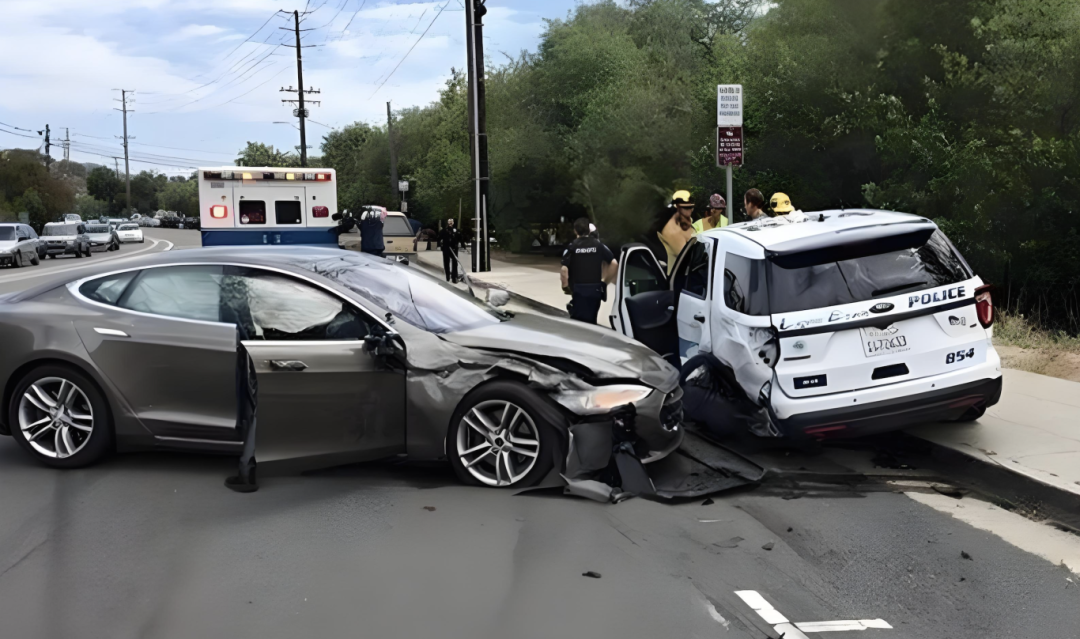
On April 25, 2019, in Florida, a 2019 Tesla Model S was involved in a fatal collision at an intersection while operating in Autopilot mode. The accident occurred at night when the driver bent down to retrieve a dropped phone, briefly taking their eyes off the road. The Autopilot's automatic braking system failed to activate.
This incident highlighted several issues with Tesla's autonomous driving system: overreliance induced by marketing, product design flaws, and system responses that did not align with safety expectations.
From a broader perspective, exaggerated claims within the autonomous driving industry could erode public trust in the technology. When consumers discover that the actual experience falls far short of advertised promises, they may develop skepticism toward the entire field, hindering technological adoption and market acceptance.
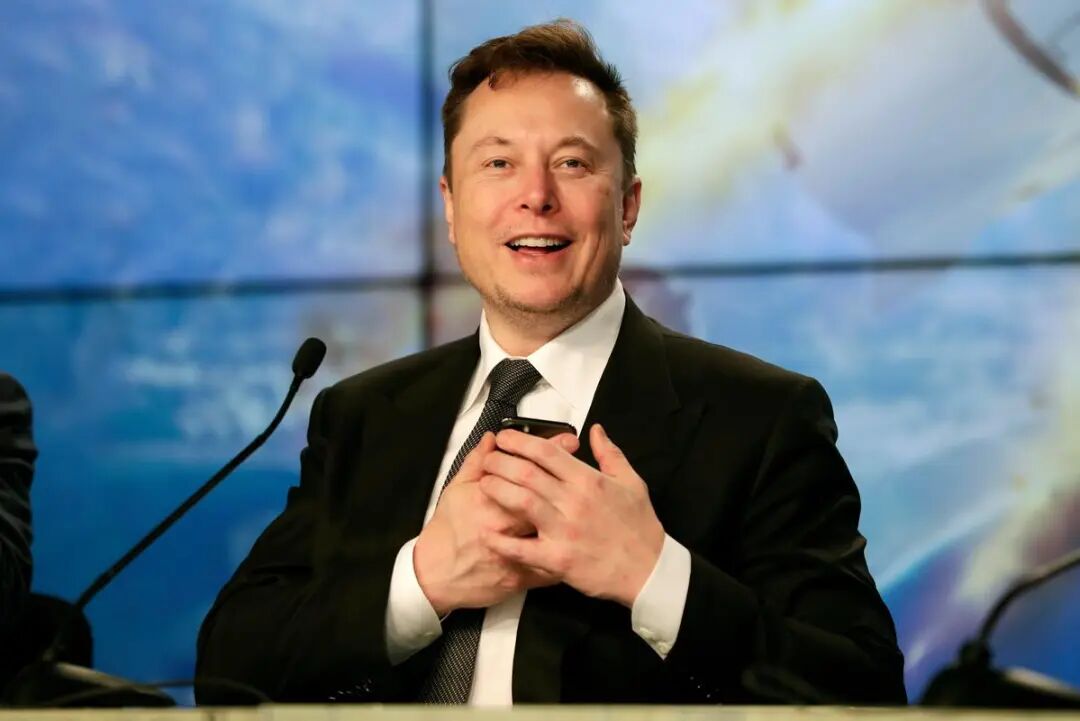
Interestingly, around the same time regulators announced penalties against Tesla, the company's stock price reached an all-time high following Elon Musk's announcement of testing autonomous taxis without safety drivers in Austin, Texas.
02 The Driver-Assistance Industry Requires Correction
In contrast to Tesla's aggressive marketing tactics, China's driver-assistance industry is undergoing structural adjustments.
In 2024, the penetration rate of new vehicles equipped with Level 2 or higher intelligent driving assistance in China exceeded 50%. By the end of 2025, this figure is projected to reach 65%. Meanwhile, with policy breakthroughs for Level 3 autonomous driving and automakers accelerating mass production, consumer expectations for 'hands-free' driving are rising. However, practical implementation has encountered various challenges.
Automakers are increasingly recognizing that while showcasing their latest technologies and products, they must address the issues plaguing intelligent driving development. Some executives have stated, 'During the rollout of intelligent driving assistance, misleading communications have confused users, leading to an insufficient understanding of Level 2 and Level 3 capabilities and posing safety risks. This could bring significant dangers to the industry.'
In response, China is strengthening oversight of intelligent driving assistance systems through multi-department coordination, regulatory refinements, and enforcement actions to ensure road traffic safety and promote healthy industry development.
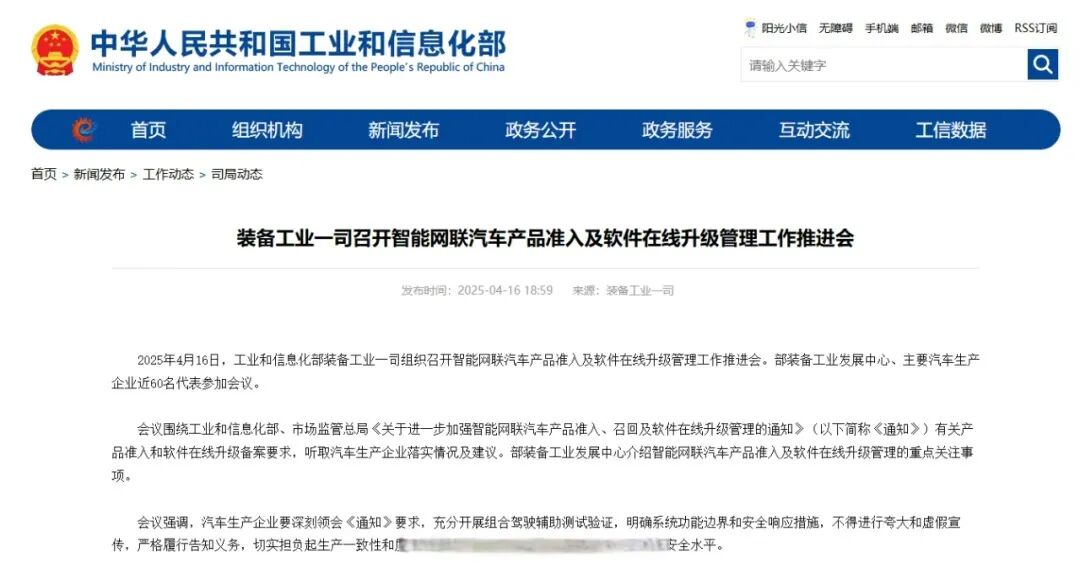
As early as April 16 of this year, the Equipment Industry Department I of the Ministry of Industry and Information Technology organized a meeting to advance the management of intelligent connected vehicle product access and software online upgrades. Nearly 60 representatives from the ministry's Equipment Industry Development Center and major automotive manufacturers attended.
The meeting emphasized: 'Prohibit exaggerated and false advertising, strictly fulfill disclosure obligations, earnestly assume responsibility for production consistency and quality safety, and genuinely enhance the safety standards of intelligent connected vehicle products.'
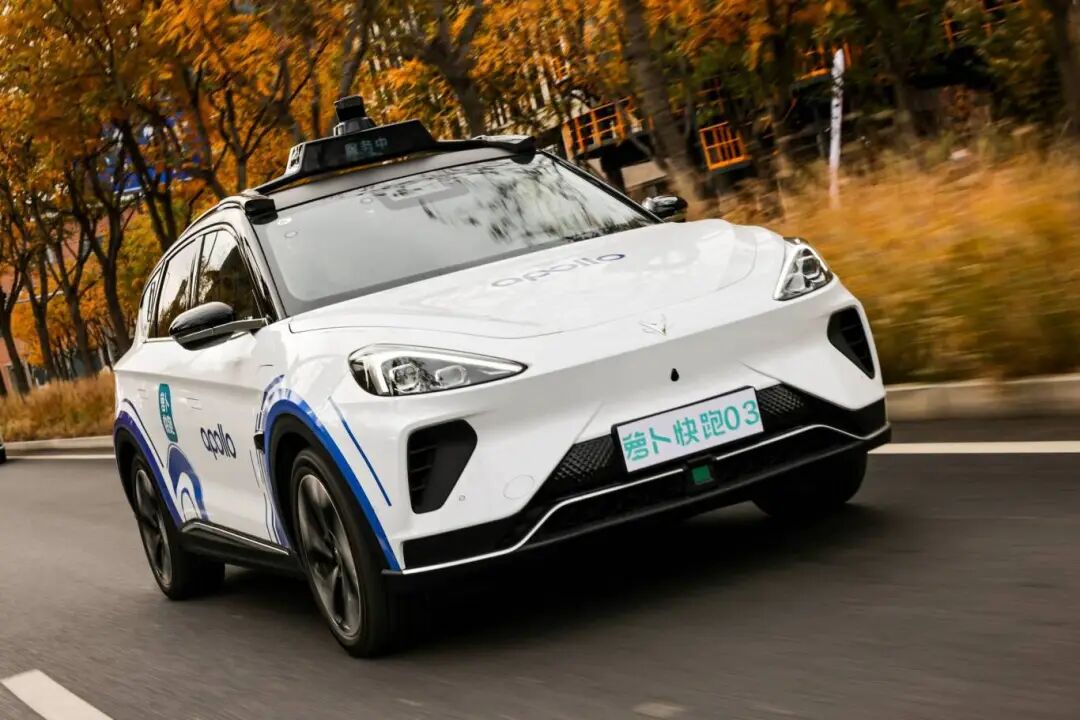
Notably, during product and strategy launches earlier this year and before, many automakers frequently used terms like 'intelligent driving,' 'advanced intelligent driving,' and 'Level 3 intelligent driving capability.' However, as the government intervened to correct misinformation and regulatory oversight tightened, automakers have adjusted their marketing focus. For example, they now refer to 'intelligent driving' as the more standardized 'intelligent driving assistance' or 'driver assistance.'
While regulating Level 2 systems, China has also opened a legal pathway for the commercialization of Level 3 and higher autonomous driving.
In December 2025, the Ministry of Industry and Information Technology announced the first batch of conditional approvals for Level 3 autonomous driving models, allowing pilot programs on designated road sections. This marks the industry's transition from technological validation to mass production applications. In the future, with more advanced technologies and healthier regulatory frameworks, China's autonomous driving industry will strive for higher goals.
Editor-in-Charge: Li Sijia Editor: He Zengrong
THE END
-
![]()
Enflame Tech's IPO Journey: Navigating Over 5.9 Billion Yuan in Losses and Soaring Debt in Q1 This Year
-
![]()
Trillion-Yuan Giant Li Shufu 'Streamlines': Could Levc Be the Casualty?
-
![]()
AI Competes for Electricity and Generates Power in the Gobi Desert
-
![]()
The First Batch of Victims of the AI Bubble: Programmers
-
![]()
ByteDance, DJI, and Xiaohongshu Secure Top Three Positions Among China’s Fastest-Growing Unicorns
-
Tesla's in-car voice system in China is finally learning to 'understand human language'
-
![]()
Foreigners Are Amazed: Chinese Electric Vehicle Drive Systems Unveil Innovative 'Poses'
-
![]()
700,000 Brothers and the Future of Robots: Behind JD.com's 'Nirvana Plan'