Autonomous Driving Looms: Why the Emphasis on 'Driver's Cars'?
 03/20 2026
 648
648
Lead
Introduction
"Carriages gave way to automobiles, but horse racing and equestrian sports remain elite pursuits."
This week, two product launches left a lasting impression.
First up was the pre-sale of the Zeekr 8X. After two hours of watching the livestream, the dominant feeling was, on one hand, happiness for this new player in the automotive industry.
Through persistent trial and error, Zeekr has finally discovered a viable path to penetrate the high-end market. From last year's 9X to the current 8X, both models show strong potential to become market sensations.
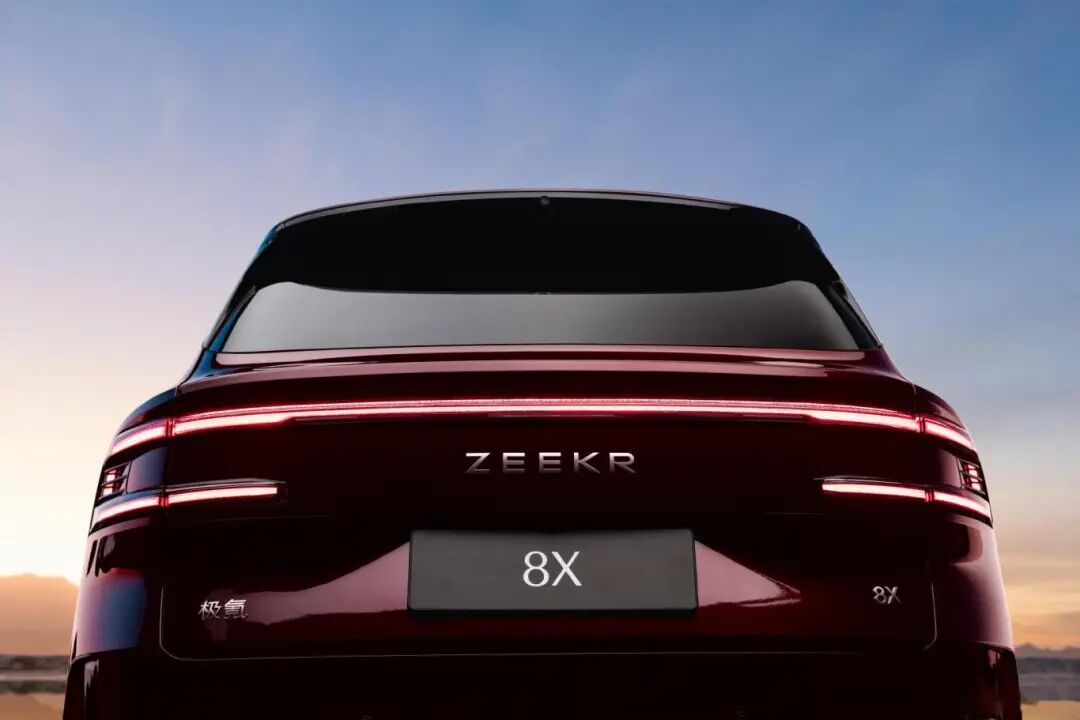
On the other hand, it was heartening to see Zeekr carve out a distinct niche for the 8X as the 'New King of the Road.' Clearly, Zeekr aims to position the 8X as a so-called 'driver's car.'
Next was the unveiling of the all-new Xiaomi SU7.
From the early teaser posters, the phrase 'the new generation driver's car' was prominently featured. Throughout the launch event, Lei Jun, center stage, dedicated a significant portion of his presentation to the dynamic enhancements of this electric coupe, positioning it as a formidable challenger to the Tesla Model 3.
More stable, more reliable, easier to handle, more enjoyable, and more dynamic—these attributes have become firmly associated with the all-new Xiaomi SU7.
The common thread between these two launches is their heavy emphasis on handling and performance.
However, a somewhat extreme viewpoint has recently surfaced: 'It's 2026, autonomous driving is imminent. Does it really make sense to build driver's cars? Most future cars will be for sitting, not driving, and some might not even have steering wheels.'
I'm curious about everyone's thoughts on this somewhat 'radical' statement. Personally, I firmly believe it's entirely unreasonable.
No matter what, 'driver's cars' will never vanish.
01 There Will Always Be Consumers Willing to Pay
In reality, after over a century of development and refinement in the automotive industry, handling and performance have consistently been critical factors in assessing a product's quality.
Even in the era of electrification, where horsepower has become more accessible, true car enthusiasts recognize a significant gap in tuning between industry veterans and newcomers.
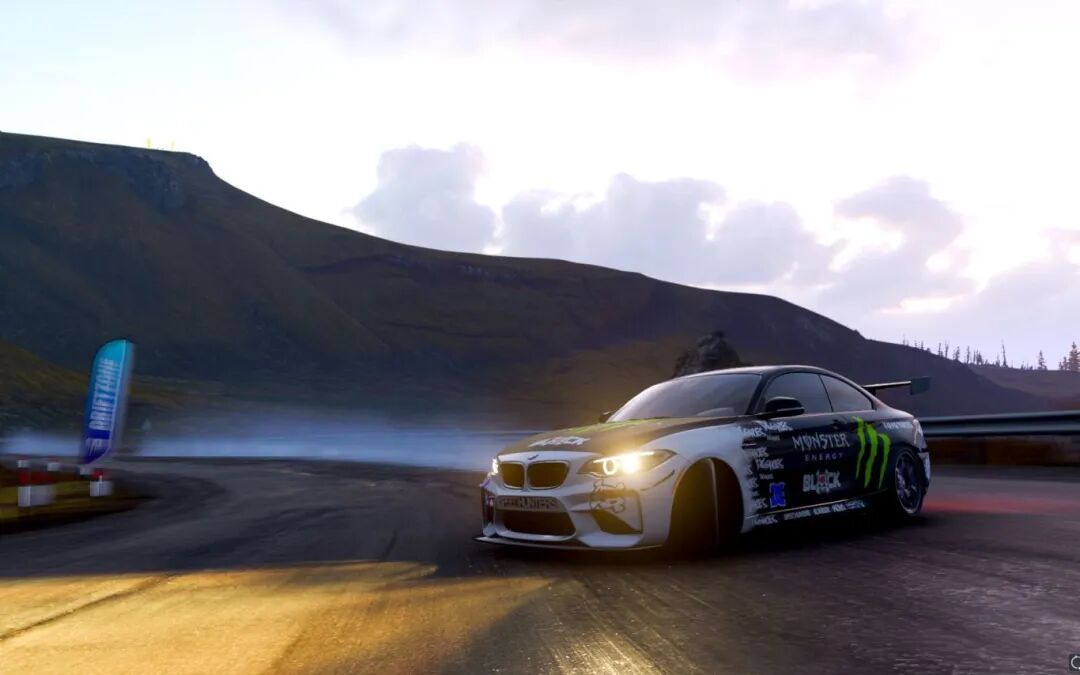
From current market trends, more and more automakers, particularly Chinese brands, are investing heavily in human, material, and financial resources to bridge this gap and even turn it into a competitive advantage.
For instance, Xiaomi, with both the initial SU7 and the subsequent YU7, has made a strong first impression on the market as a 'driver's car.' This includes the introduction of the SU7 Ultra version, designed to conquer the Nürburgring track and solidify this image.
Despite paying a relatively high price due to various factors and oversights, interim results show that many consumers are indeed willing to pay a premium for this.
With the all-new SU7, Xiaomi is becoming increasingly adept at articulating the concept of a 'driver's car.'
In contrast, when Zeekr launched its flagship six-seater SUV 9X last year, it repeatedly emphasized that it was not just a flagship SUV but also a 'driver's car.'
In their marketing efforts, they invested significant resources to solidify its product attributes, aiming to differentiate it from many competitors.
Similar tactics have been skillfully replicated with the 8X.
Positioned as the 'New King of the Road,' the 8X avoids the fierce internal competition among Chinese brands and instead targets joint venture competitors like the BMW X5 and Porsche Cayenne.
While competitors fiercely compete over 'fridges, TVs, and sofas,' making 'family cars' and placing intelligent driving at the forefront of their launch events, Zeekr seems to have found a more suitable path.
What's particularly gratifying is that, based on currently disclosed reservation orders, potential buyers of 'driver's cars' are very receptive.
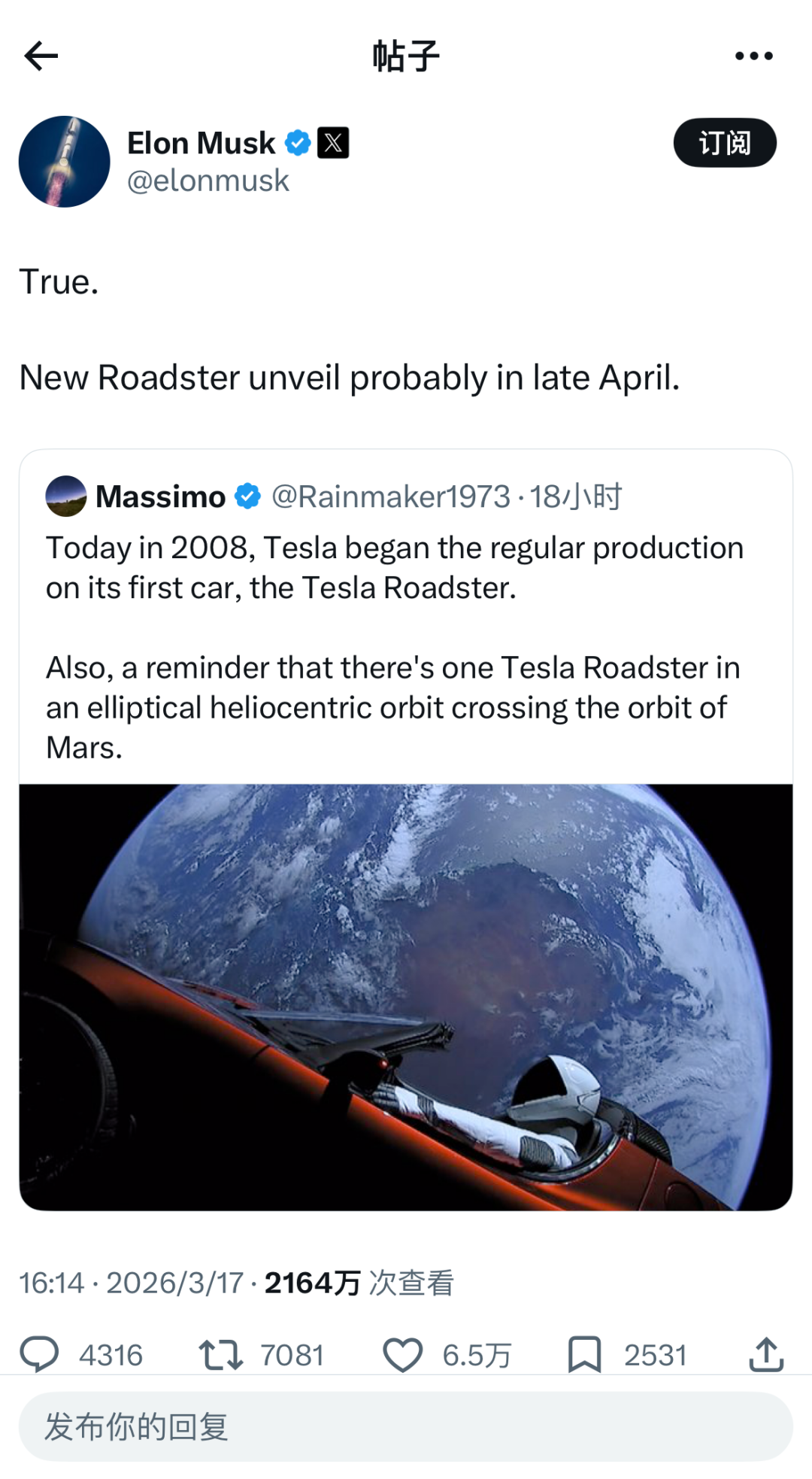
Coincidentally, this week, Elon Musk, a staunch promoter of autonomous driving, posted on his personal social media, 'The new Roadster might be released in late April.'
If we follow the logic of initial skepticism, with FSD being so powerful, Tesla shouldn't bother investing time, effort, and money in an electric supercar. However, despite repeated delays, this American new energy vehicle company remains determined to create this 'driver's car.'
Extending this logic to understand Musk's business strategy, perhaps in his view, the widespread adoption of autonomous driving will more thoroughly revolutionize the mainstream mass market.
In comparison, the ultra-luxury segment, which can provide substantial profits and premiums, will always require the endorsement of performance, handling, and horsepower, which is precisely why the new Roadster is being introduced.
At a press conference last year, when asked about his views on current industry trends, the CEO of Honda also expressed his steadfastness: 'Even with the advent of autonomous driving, vehicles that offer driving pleasure will not disappear.'
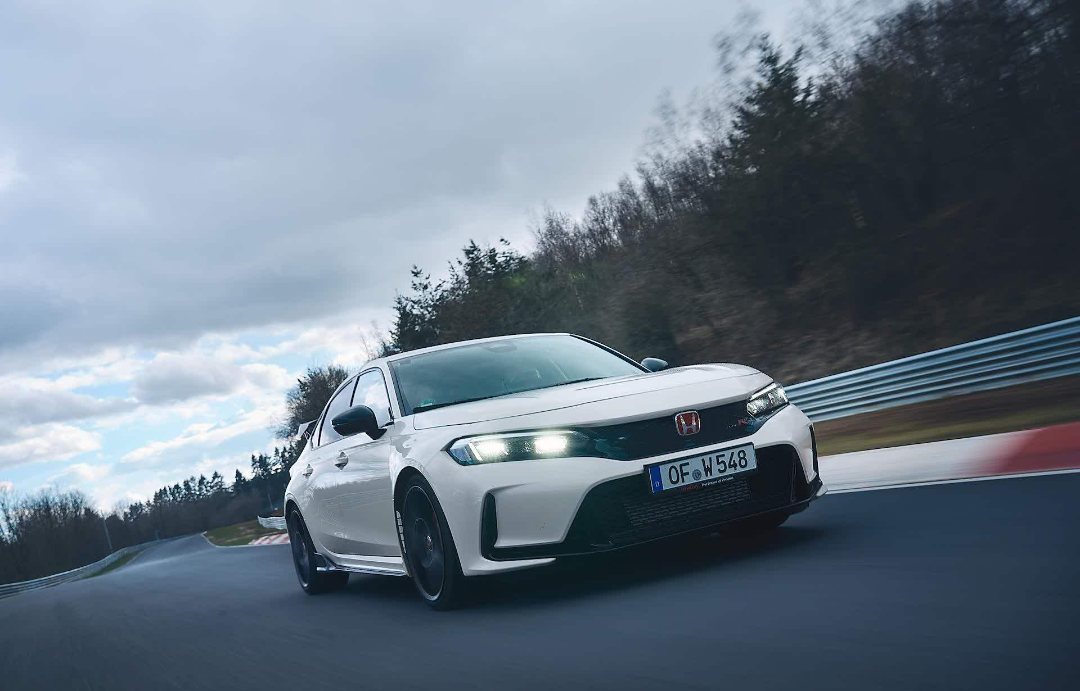
In just thirty words, he once again echoed the core message of this section. No matter when or how, there will always be consumers willing to pay for 'driver's cars.'
Just as takeout is convenient, some people still love cooking for themselves; no matter how fast high-speed trains are, some people still love riding motorcycles. Autonomous driving is about saving time as a mode of transportation; driver's cars are about toys, hobbies, and emotional value, which are about spending time.
This also explains why Li Auto, the pioneer of 'family cars,' officially announced the inclusion of active suspension, steer-by-wire, and rear-wheel steering on the new L9 Livis version.
This new automotive player clearly understands that in the fiercely competitive Chinese auto market, if it is determined to regain its 'leading position in extended-range products,' besides offering full comfort configurations, it must also establish its true 'moat' in the dynamic dimension.
In the past, being just good enough might have sufficed; now, striving for excellence is necessary.
02 Good Driving Control and Good Intelligent Driving Are Not Mutually Exclusive
Objectively speaking, I really don't understand the mindset of those who propose the radical idea of 'cars for sitting, not driving.' Perhaps, it's simply for the sake of gaining attention, creating opposition, or blindly taking sides.
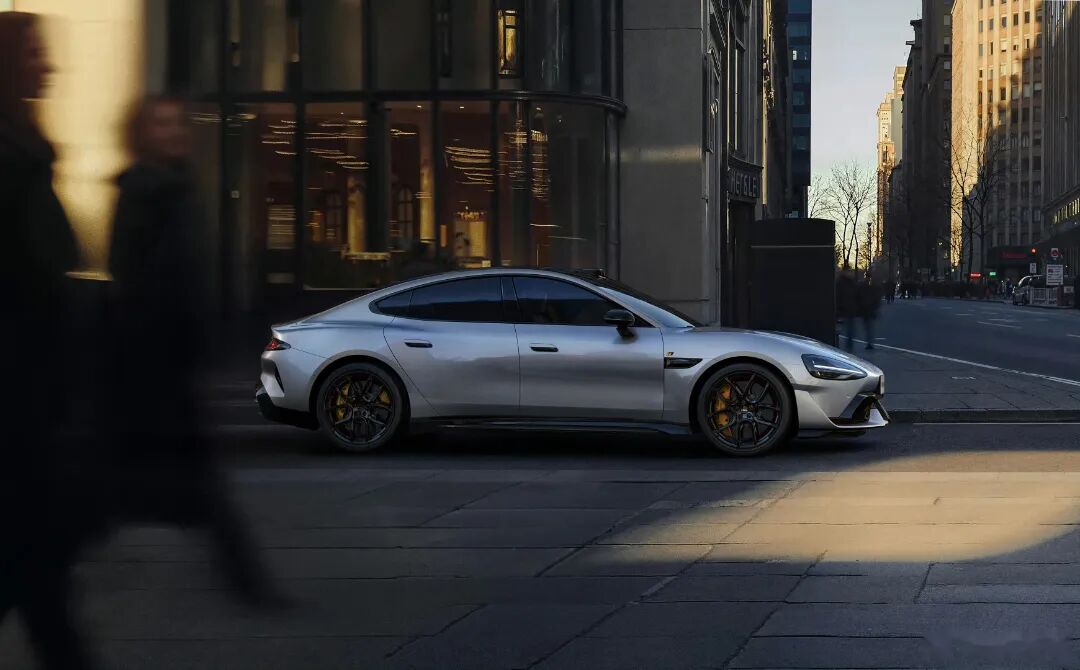
Because, essentially, good driving control and good intelligent driving are not mutually exclusive. In other words, even if the era of autonomous driving truly arrives, there will still be a place for driver's cars.
Continuing with Tesla as an example, if you've driven the Model 3 for an extended period, especially the top-performance version, you would undoubtedly praise its chassis and suspension performance, which can be considered a true 'driver's car' in the new energy era.
But when you temporarily don't want to control the steering wheel yourself and want to enjoy the thrill of adrenaline, you can activate FSD with one click, and under supervision, the car can take you to your destination on its own.
The same principle applies: 'Stepping into the era of intelligent electric vehicles, good driving control and good intelligent driving are not mutually exclusive; you can have both, not just one or the other.'
Last year, I participated in the test drive of the NIO ET9. As the first Chinese automaker to introduce active suspension and steer-by-wire, this D-segment executive sedan can also be considered a solid 'driver's car.'
During a conversation with its product manager, a share left a deep impression: 'Intelligent electric vehicles must offer a better driving and riding experience than traditional fuel vehicles. Because they must not only meet various needs during manual driving but also ensure that everyone on board feels comfortable and unobtrusive when intelligent driving is activated.'
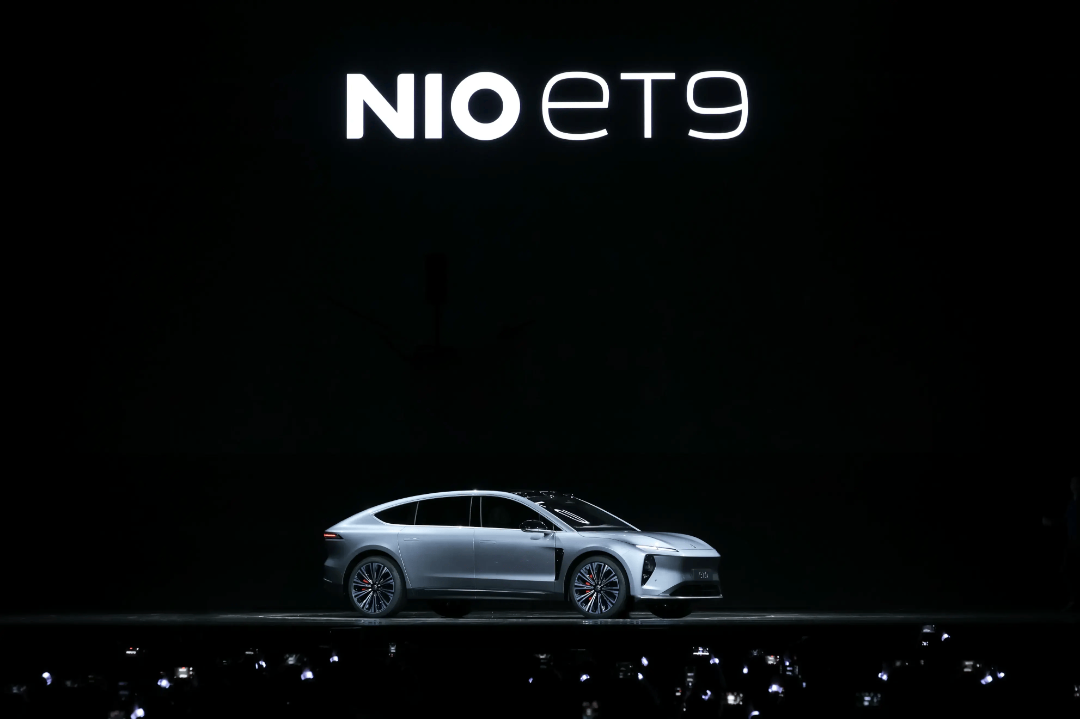
In other words, the driving conditions faced are becoming increasingly complex. For truly ambitious new energy brands, building a 'driver's car' is not a choice but a necessity.
Of course, they must also not neglect the dimension of intelligence.
Bringing the focus back to the Zeekr 8X launch event, besides emphasizing the capabilities of the 'New King of the Road,' this plug-in hybrid large five-seater SUV will also be the first to feature the world's first super intelligent agent 'Eva+G-ASD 4.0,' which integrates the intelligent cockpit, intelligent assisted driving, and digital ecosystem.
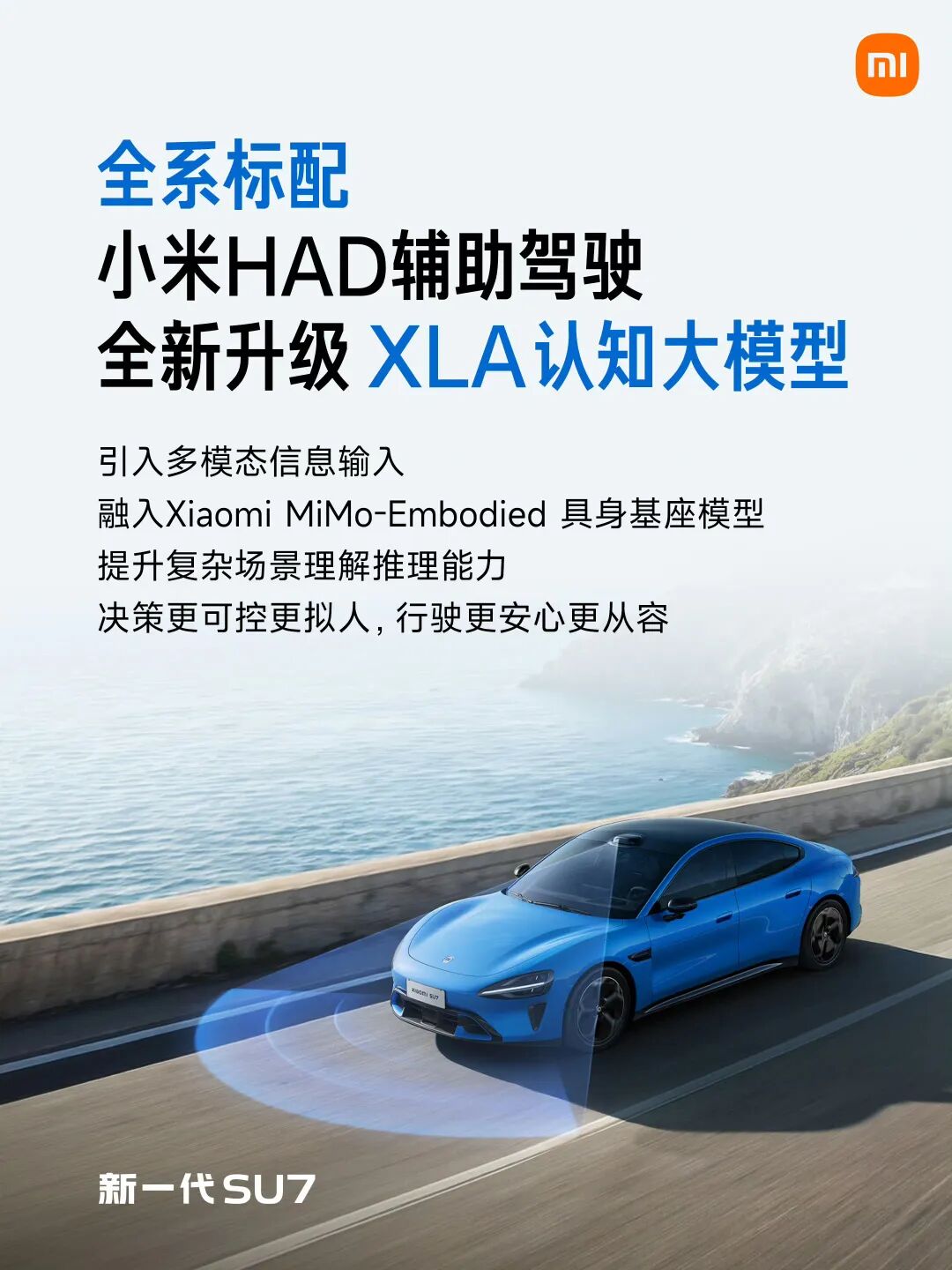
At the Xiaomi SU7 launch event, Lei Jun also announced that Xiaomi's HAD assisted driving system has been upgraded with the XLA cognitive large model, and this electric coupe will be equipped with it upon delivery.
This also marks the first time that Xiaomi's HAD assisted driving system has bridged the two major tasks of 'assisted driving' and 'embodied robots,' introducing multimodal input and incorporating Xiaomi's self-developed MiMo-Embodied embodied base model to better learn and understand complex scenarios.
The approach of these two new automotive players, focusing on 'driver's cars' while continuously iterating their intelligent driving systems and striving towards the era of autonomous driving, is the best microcosm of the mainstream practices of the current industry's top tier.
Because of this, I am increasingly convinced that 'cars for both sitting and driving' represent the unwavering future.
Every participant in this space, especially the rapidly advancing Chinese brands, must respect the century-old development laws of the automotive industry and thoroughly master the aspects of driving control and performance.
Moreover, Chinese consumers are also constantly improving and becoming increasingly knowledgeable about cars. Their evaluation standards in this area will also rise accordingly. With this progress in cognition, they will not simply and crudely pursue only fast zero-to-hundred acceleration or brute-force performance.
I have always believed that no matter how strong autonomous driving becomes, its essence is still the car taking you places; the significance of a driver's car is that you take the car places. Steering feel, throttle response, chassis feedback—these are the communications between humans and machinery, which cannot be replaced by cold lines of code.
Perhaps, in the more distant future, products equipped with autonomous driving will capture 90% of the market share; but 'driver's cars' will still exist and firmly occupy the remaining 10%.
Just as carriages were ultimately replaced by automobiles, horse racing and equestrianism remain top-tier sports.
I have also always believed that even if the era of autonomous driving is inevitable, humanity's need for a sense of 'control' will never disappear. Moreover, one solves efficiency, and the other generates joy; logically, they do not conflict.
Currently, refining the handling and performance of products is a crucial task for every automaker.
Because, given the current state of competition, with the Chinese auto market being so fiercely competitive, the competition will inevitably return to its most fundamental form. Don't forget, 'driving' is the soul of a vehicle.
Only with a solid foundation can a skyscraper be built.
Editor-in-Chief: Cui Liwen Editor: He Zengrong
THE END
-
![]()
The Unstoppable Rise of 'Optical Progress and Copper Decline': Sunny Optical’s Strategic Vision for the Next Decade
-
![]()
AI + Going Global in the Second Half: No Intermission for Robot Vacuum Cleaners
-
![]()
The Suffering Endured in E-commerce, Walmart Doesn't Want to Repeat in AI
-
![]()
What Does the Doubling of New Energy Vehicle Exports Mean?
-
![]()
Ghosn: 'Only I Can Save Nissan'
-
![]()
Volkswagen Lays Off 100,000 Employees, The Elephant Sits Down
-
![]()
Expanding Production Capacity! Yutong Optics Acquires Approximately 1.5 Hectares of Industrial Land in Chang'an, Dongguan
-
![]()
Why Is Nokia Making a Comeback in the AI Era?