BYD and Geely Compete in Ultra-Fast Charging Tech: NIO Feels the Heat
 03/20 2026
 690
690
Lead | Introduction
Recently, BYD officially unveiled its second-generation Blade Battery and complementary flash charging technology, which are being progressively integrated into several new vehicle models. With electric vehicle (EV) recharge times now dipping below 5 minutes, the traditional advantage internal combustion engine (ICE) vehicles held in refueling time has vanished. The pressing question now is whether new energy vehicles (NEVs) can seize a larger market share from ICE vehicles. Furthermore, as flash charging technology continues to advance, is there still room for the battery swap model to thrive?
This article is produced by | Heyan Yueche Studio
Written by | Zhang Dachuan
Edited by | He Zi
Full text: 2,259 characters
Reading time: 4 minutes
In the first two months of this year, NEV sales in China encountered some headwinds due to adjustments in domestic NEV subsidy policies. However, the introduction of BYD's second-generation Blade Battery and flash charging system has undoubtedly injected a surge of confidence into the entire NEV market. This not only signifies that domestic EV charging times have now dropped below 10 minutes, effectively addressing a long-standing hurdle in EV adoption, but also marks the commencement of a new round of competition led by BYD to capture market share from ICE vehicles in the domestic market.
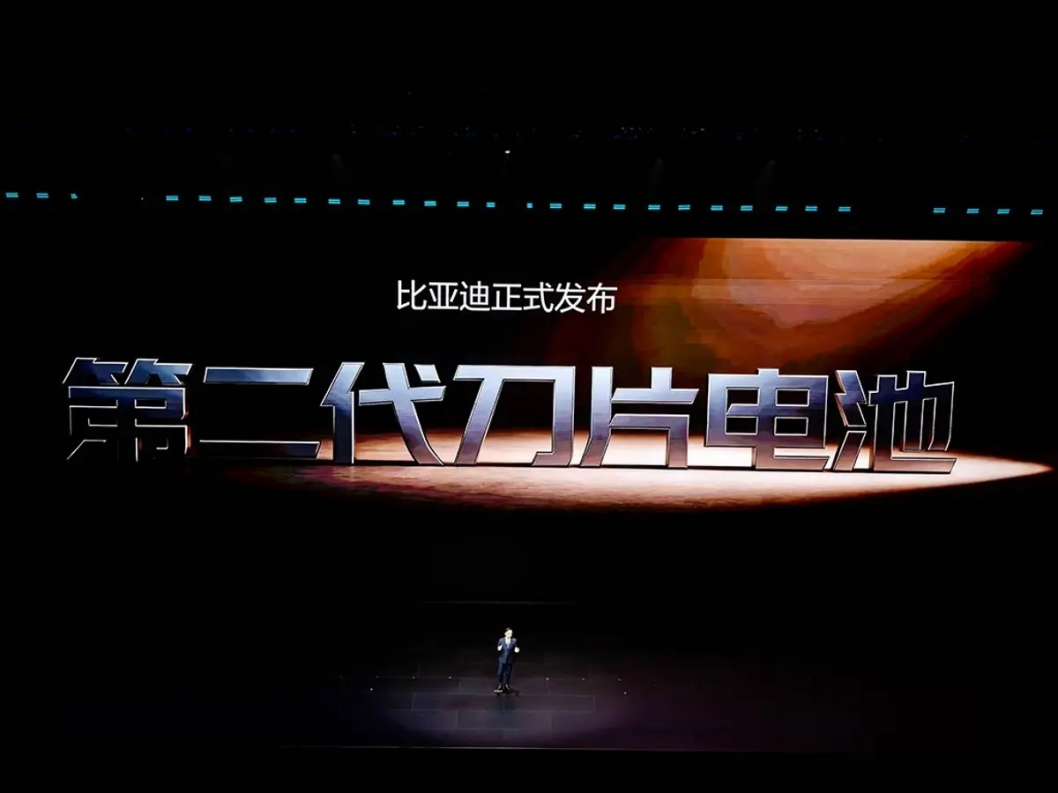
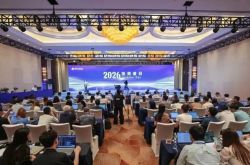
△ Recently, BYD officially launched its second-generation Blade Battery and accompanying flash charging technology.
BYD's Ultra-Fast Charging Technology Tackles Energy Replenishment Challenges
BYD's newly launched second-generation Blade Battery and flash charging system have brought EV energy replenishment on par with refueling ICE vehicles: approximately 5 minutes to charge from 10% to 70% under normal temperature conditions, about 9 minutes to charge from 10% to 97%, and just 12 minutes to charge from 20% to 97% in -30°C low-temperature environments.
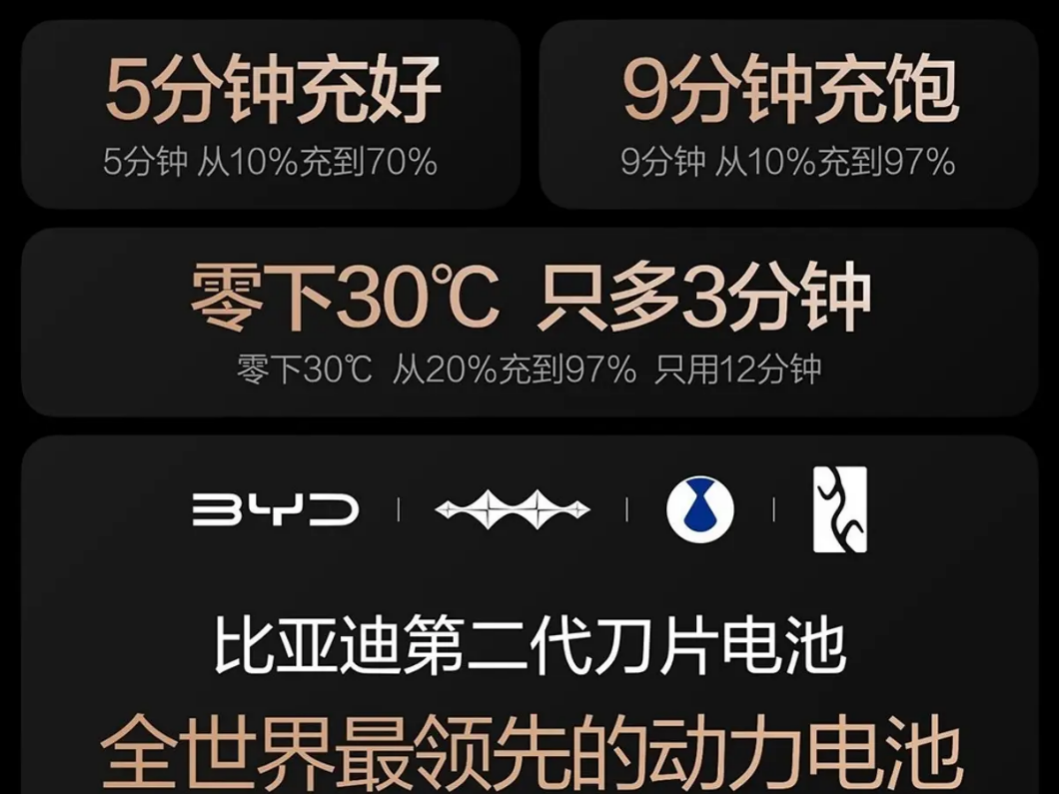
△ BYD achieves a roughly 5-minute charge from 10% to 70% under normal temperature conditions.
After missing out on the sales championship in the first two months of this year, BYD has made this significant move, firing the first shot in the competition for energy replenishment. By aligning EV charging times with those of ICE vehicles, BYD aims to lure ICE vehicle customers to the EV sector, expand its market base, reverse its current passive situation, and propel its overall sales to new heights.
From a technical perspective, the peak power of BYD's Flash Charge 2.0 reaches up to 1,500 kW (1.5 megawatts), setting a new industry benchmark. The charging rate is approximately 10C, enabling about 400 km of range to be replenished in just 5 minutes. BYD's achievement is attributed to its fully self-developed system, encompassing batteries, electric motors, and charging stations. Given BYD's long-standing expertise in lithium iron phosphate (LFP) batteries, such an accomplishment is not unexpected. With mature technology now in place, BYD's next step is to swiftly deploy this megawatt flash charging system across its vehicle lineup and accelerate the expansion of its charging network.
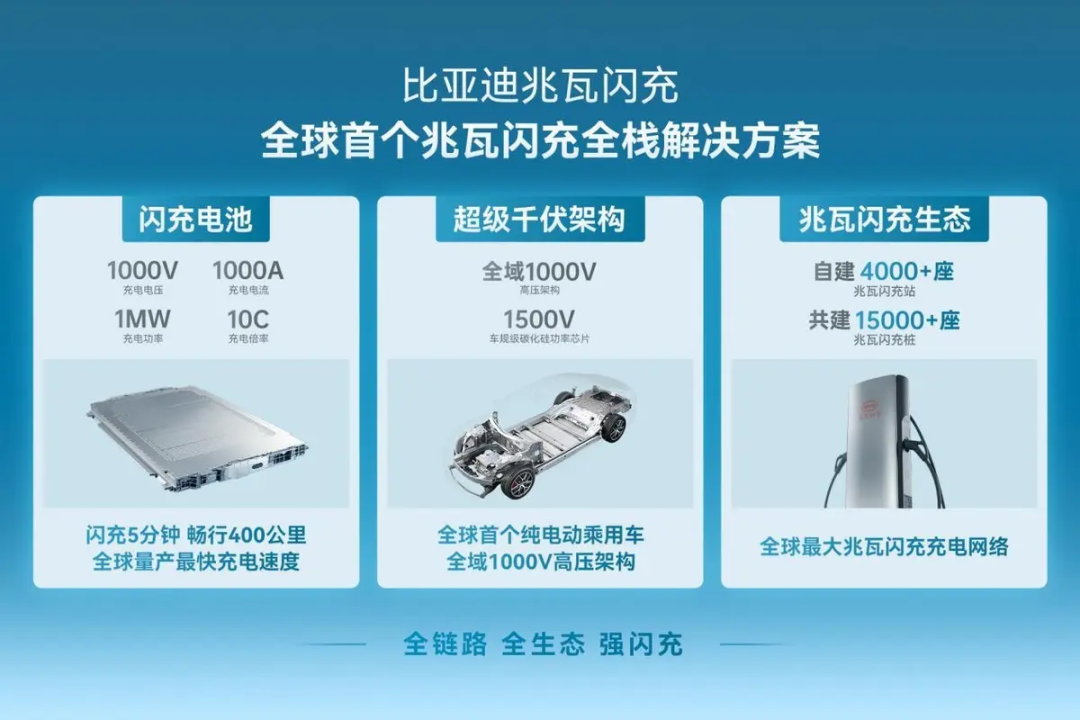
△ BYD's ultra-fast charging achievement is attributed to its fully self-developed system, encompassing batteries, electric motors, and charging stations.
Geely Automobile Refuses to Be Outdone
As BYD's biggest domestic competitor, Geely Automobile is also making significant strides in the energy replenishment sector. It first introduced the Shendun Golden Brick Battery hybrid series at the technical debut of its strategic model, the Galaxy M7, offering a fastest charging time of just 10 minutes from 10% to 80%, with some models supporting a 6C charging rate. Subsequently, Geely proclaimed the Lynk & Co 10EV as having the "strongest LFP battery." For Geely, the focus on new model launches this year is clearly on hybrid vehicles. Therefore, striving to achieve the strongest charging times in the hybrid battery segment is sufficient to boost terminal sales. Previously, Geely had also deployed ultra-fast charging technology with a peak power of approximately 1,321 kW (1.3 megawatts) and a maximum charging rate of 12C on its Zeekr models based on the SEA architecture.
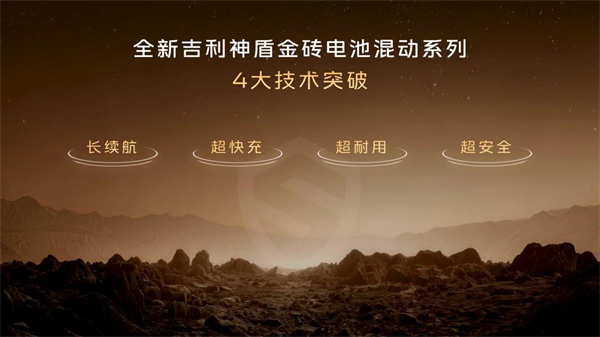
△ Geely Automobile is also making significant progress in the energy replenishment sector.
From a user experience standpoint, whether it's BYD's second-generation Blade Battery and flash charging system or Geely's ultra-fast charging technology, there is essentially no significant difference. After all, a difference of a couple of minutes in charging time will primarily remain a topic for automakers' PR and media materials. For users, as long as they can conveniently find charging stations, a few extra minutes of charging time will hardly matter. Therefore, the next challenge for manufacturers should be to swiftly expand the deployment of ultra-fast charging stations, enabling users to charge whenever they need to. This is the top priority. It is likely that other domestic automakers, such as Chery, Changan, Great Wall Motors, and SAIC, will gradually introduce relevant ultra-fast charging technologies. Even if these automakers do not develop the technologies in-house, they will certainly collaborate with domestic battery companies to achieve breakthroughs in this area. Falling behind competitors technologically would impose significant marketing pressures.
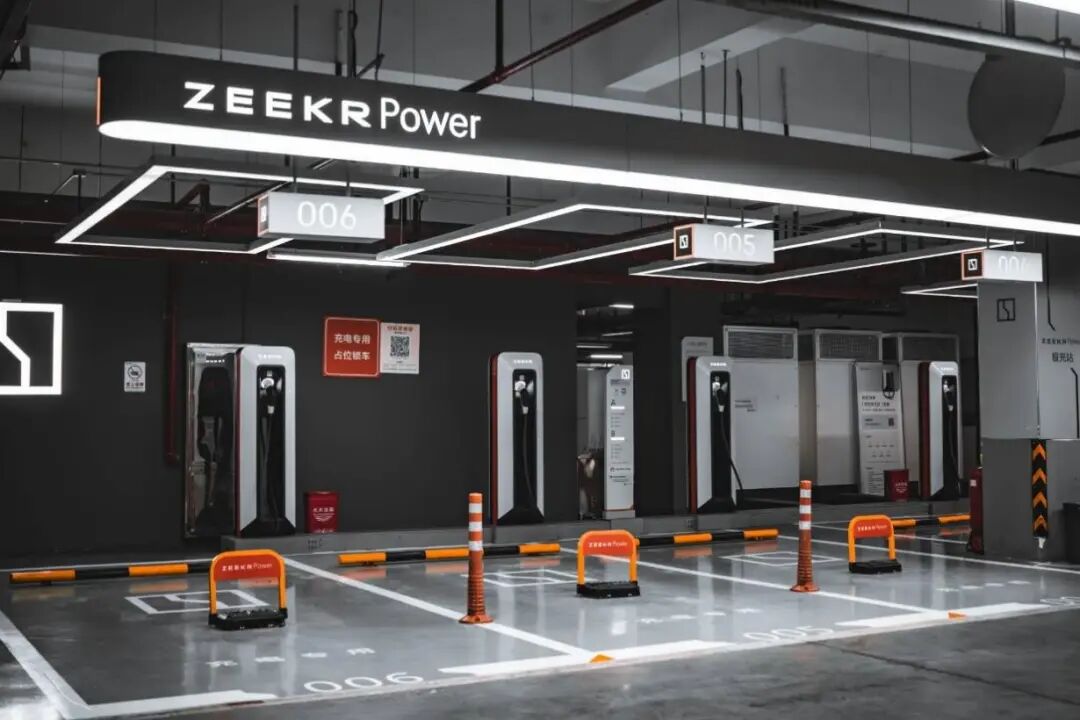
△ The future layout of ultra-fast charging stations will directly determine the user's ultra-fast charging experience.
BYD vs. Geely: The Potential Loser Could Be NIO
As flash charging technology accelerates, NIO, a domestic automaker that has consistently adhered to the battery swap technology route, will face significant challenges, and the future development space for battery swapping may be squeezed. Battery swapping has established itself in China primarily based on two points: faster energy replenishment times and the separation of the vehicle and battery under the Battery as a Service (BaaS) model, thereby alleviating user concerns about battery life and performance degradation. However, the technological advantage of faster energy replenishment times is now being diluted by the rapid advancement of ultra-fast charging technology.
In fact, besides NIO, domestic battery giant CATL has also ventured into the battery swap business and is gradually advancing in collaboration with some domestic automakers. CATL has even taken a stake in NIO Power to strengthen cooperation in the battery swap sector.
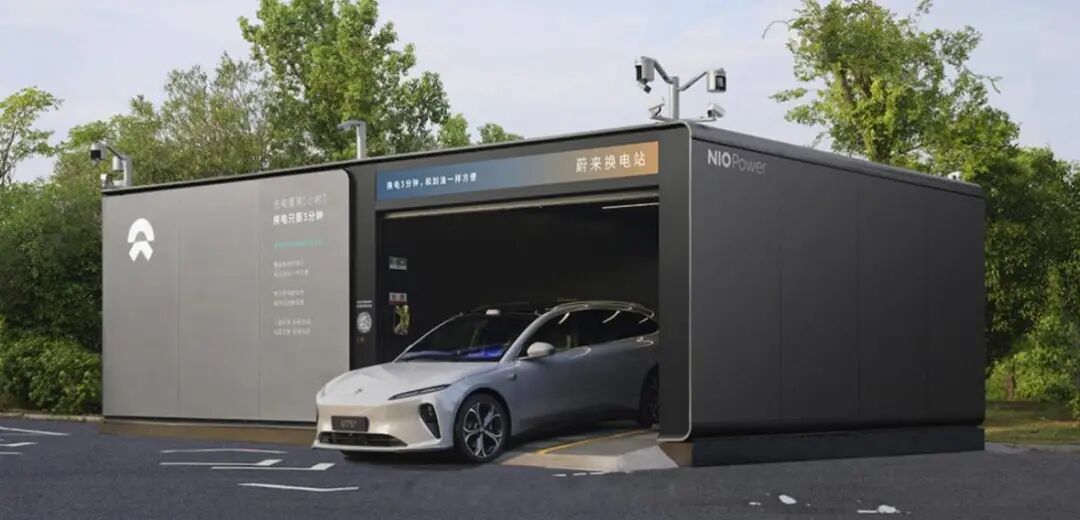
△ With BYD's charging time dropping to 5 minutes, NIO's battery swap strategy will face significant challenges.
In the context of rapid advancements in ultra-fast charging technology, NIO, compared to the financially robust CATL, is under the greatest pressure. CATL has ample opportunities for trial and error. In contrast, NIO's confidence is notably weaker. NIO only achieved quarterly profitability in the fourth quarter of last year with its all-new ES8 model, and whether it can maintain profitability this year remains to be seen. Given the fierce market competition and rising prices of various raw materials, NIO, like most other domestic automakers focused on the domestic market, is destined to face a challenging year.
According to data disclosed by NIO, its total investment in charging and battery swap infrastructure has exceeded RMB 18 billion. This investment covers the construction costs of battery swap stations, charging stations, and related systems. William Li previously mentioned that ultra-fast charging might impact battery life. However, as long as BYD, Geely, and other domestic automakers can overcome the effects of multiple ultra-fast charging cycles on battery life and ensure that batteries maintain high performance throughout their lifecycle, the survival space for other battery swap businesses will be compressed, and NIO's investments will face increased risks.
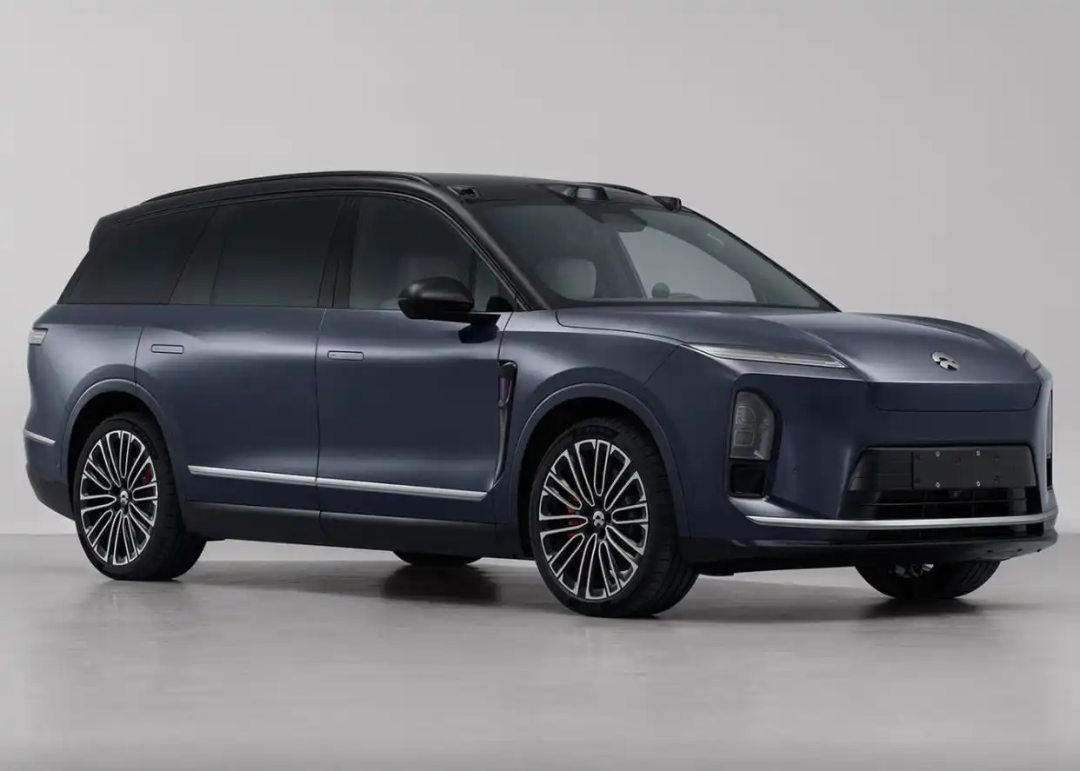
△ NIO only achieved quarterly profitability in the fourth quarter of last year, thanks to the all-new ES8 model.
Commentary
The intense competition among domestic automakers in the NEV sector has resulted in the Chinese NEV industry gaining strong global competitiveness. Both BYD and Geely are actively expanding into overseas markets. If they can introduce technologies like flash charging to overseas markets, it could deal a crushing blow to multinational automakers. Relevant companies can proactively study overseas markets, understand the processes and regulations for setting up charging stations locally, and clear the way for future ultra-fast charging station construction.
(This article is original to Heyan Yueche and may not be reproduced without authorization.)
-
![]()
The Unstoppable Rise of 'Optical Progress and Copper Decline': Sunny Optical’s Strategic Vision for the Next Decade
-
![]()
AI + Going Global in the Second Half: No Intermission for Robot Vacuum Cleaners
-
![]()
The Suffering Endured in E-commerce, Walmart Doesn't Want to Repeat in AI
-
![]()
What Does the Doubling of New Energy Vehicle Exports Mean?
-
![]()
Ghosn: 'Only I Can Save Nissan'
-
![]()
Volkswagen Lays Off 100,000 Employees, The Elephant Sits Down
-
![]()
Expanding Production Capacity! Yutong Optics Acquires Approximately 1.5 Hectares of Industrial Land in Chang'an, Dongguan
-
![]()
Why Is Nokia Making a Comeback in the AI Era?