Sales Strategy for New and Old Lexus ES Models: Steady Progress Amidst Change
 03/31 2026
 549
549
Lead-in
Introduction
The ES model is the cornerstone of Lexus's success in China. Regardless of the external market environment, safeguarding the ES means protecting Lexus's foundation in the country.
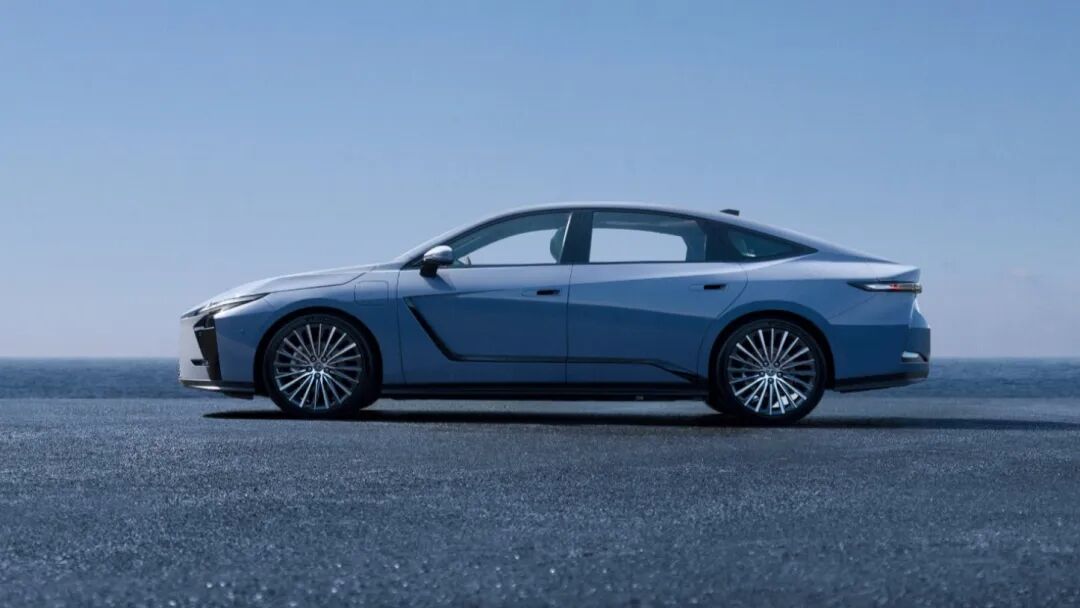
The all-new Lexus ES is poised to enter the market, with its reception still uncertain. However, one thing is clear: as Lexus dealerships across China subtly hint that the current ES200 will remain in production, the ES, a pivotal player in China's luxury car market, is undergoing an unprecedented reconfiguration.
Over the past year, despite Lexus's compelling narrative around the new ES's development, the model has not consistently garnered unanimous acclaim at auto shows. Mixed reviews have repeatedly sparked concerns about the ES's future among outsiders.
In response to these changes, selling both new and old ES models concurrently can be seen as a strategy Lexus has adopted to maintain its 'sales legend' amidst the evolving market landscape and constraints. In 2026, amidst the electrification trend, price wars, and rapidly shifting consumer preferences, Lexus's approach is a reluctant yet prudent decision.
With fluctuating oil prices and diminishing policy support, what does the auto market hold for this year? The industry largely agrees that past glory will not return. Even compared to last year, ongoing shifts in consumption patterns are compelling everyone to fiercely defend their market share.
Selling new and old models together is not uncommon in the industry. However, the primary motive is always to prevent sales declines during product transitions. Fundamentally, it serves as a fallback option because OEMs cannot guarantee the success of these transitions. The recent resumption of Magotan 330 production exemplifies this point.
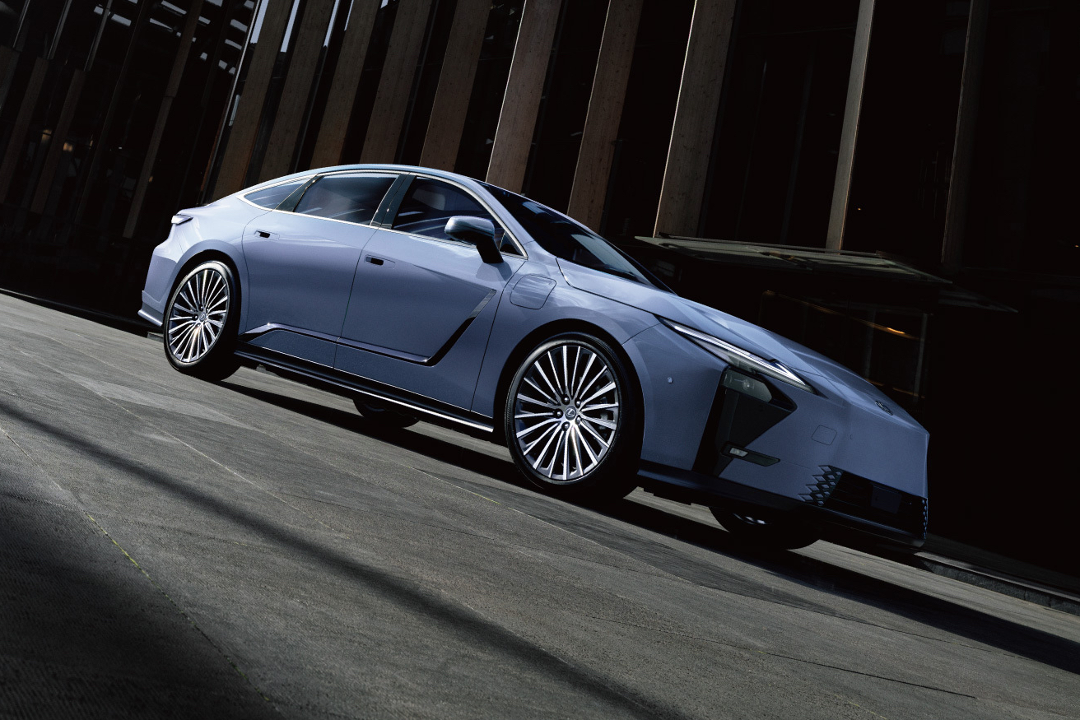
The ES's glory and concerns are evident. If Lexus were to disregard market feedback and unilaterally discontinue the current ES to make way for the new model, the response from Chinese consumers would be uncertain.
01 The ES Must Not Falter
How crucial is the ES to Lexus?
According to Lexus's official data, in 2025, Lexus's sales in China exceeded 180,000 units, achieving sustained positive growth and standing out as a rare success story among imported luxury brands.
Out of these 180,000 units, the ES accounted for over 60%. Since its entry into the Chinese market, cumulative ES sales have surpassed one million units, establishing it as the bedrock of the Lexus brand. To this day, in southern markets like Guangdong or among consumers who appreciate understated luxury, the ES remains the definitive benchmark for Eastern luxury.
Delving deeper, we find that the ES's sales structure heavily relies on the entry-level ES200 model. This 'laid-back' luxury car, featuring a 2.0L naturally aspirated engine, has attracted a vast number of pragmatic and hassle-free consumers over the years, thanks to its imported status, reliable reputation, free maintenance policy, and once-strong resale value.
Despite fierce price wars in 2025, the base price of the ES200 has dropped to just over 200,000 yuan, a stark contrast to its days of premium pricing. This shift is attributed to significant price reductions in competing BBA models and the comprehensive assault by domestic new energy luxury models in terms of performance, intelligence, and features. However, for Lexus, maintaining sales volume is the last bastion of dignity if quality cannot be guaranteed.
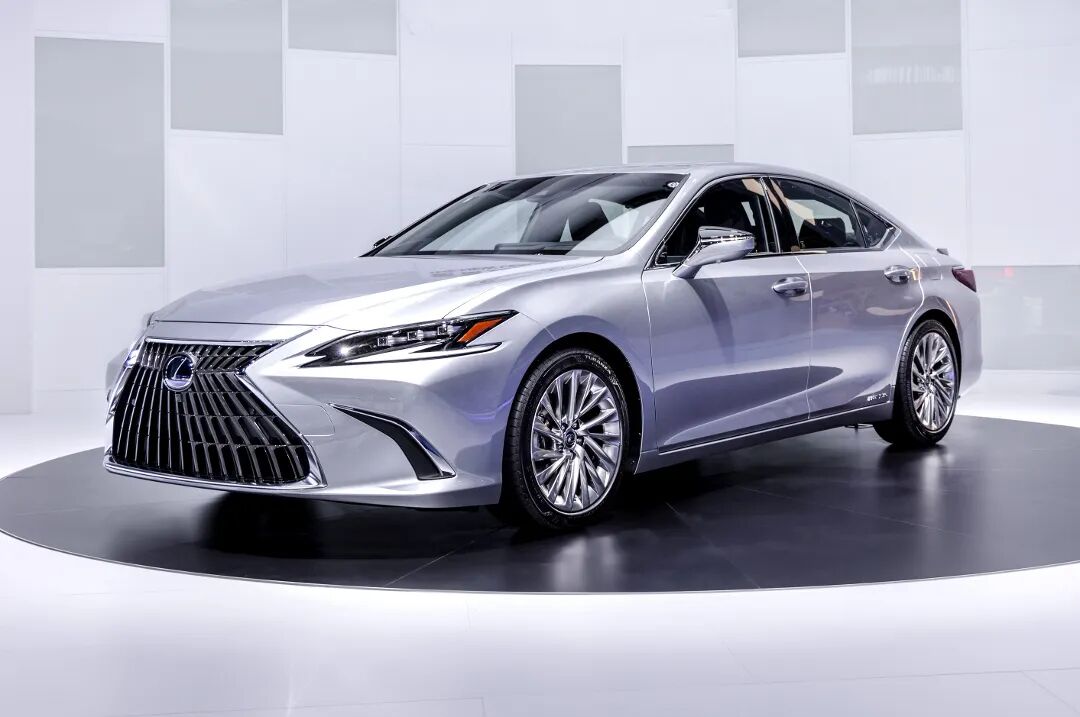
This year, the ES faces a multi-pronged 'attack from above and below.' Upmarket, it competes with the more brand-powerful and heavily discounted BMW 5 Series, Mercedes-Benz E-Class, and Audi A6L. Downmarket, it contends with newcomers like the Xiaomi SU7, NIO ET5, and Zeekr 001, which undermine the value proposition of traditional luxury cars with superior performance, flashier smart cockpits, and more aggressive pricing.
As the ES's traditional strengths of 'comfort, hassle-free ownership, and resale value' are rapidly diluted, it is reasonable to believe that Lexus cannot afford any missteps with the ES at this critical juncture.
Moreover, the eighth-generation ES, introduced under these circumstances, is a complex amalgamation of contradictions.
Externally, it undergoes a 'transformative' innovation. Its dimensions have been comprehensively upgraded, placing it in the same size category as domestically lengthened BBA competitors. Its design language has been completely revamped, moving away from the classic hourglass grille to adopt a sharper, more new-energy-oriented look, shedding its former composed and refined image. The interior has been significantly simplified with physical buttons, featuring a 14+14-inch dual-central-control-screen setup, complemented by the LEXUS Interface system developed exclusively for the Chinese market.
However, in terms of powertrain, the initially launched ES300h hybrid model is equipped with a fifth-generation hybrid system combining a 2.0L naturally aspirated engine and an electric motor. Compared to the current ES300h's 2.5L hybrid system, its power parameters have decreased, becoming even more mild.
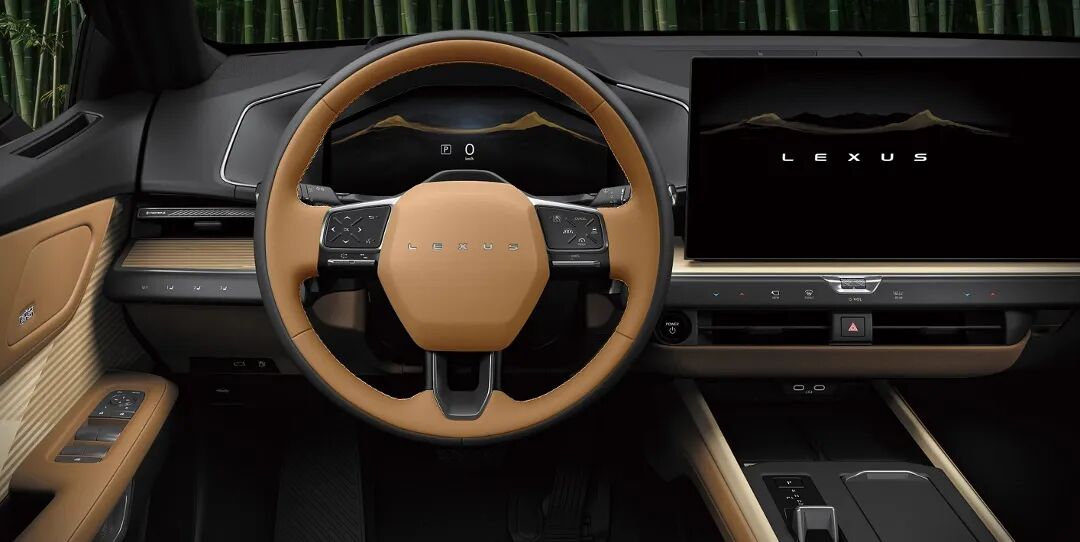
This coexistence of 'radical' and 'conservative' elements underscores Lexus's dilemma: it recognizes the need for change to attract new users but fears that overly radical changes will alienate its core customer base. Thus, we see an ES with larger dimensions, a younger design, and improved intelligence but still adhering to the traditional philosophy of a 'smooth, fuel-efficient, and reliable' driving experience and powertrain.
It is precisely amidst this product definition contradiction that the value of the 'new and old models side by side' strategy may be infinitely amplified.
For the old ES200, its mission is to 'safeguard the baseline.' With a highly competitive terminal price, it firmly retains core users who are price-sensitive, value Lexus's brand reliability, and are indifferent to power and radical design. This user group is vast and stable, serving as the 'ballast stone' for the ES's sales foundation. Discontinuing the ES200 outright would mean ceding this market share to competitors, a risk Lexus cannot afford while the prospects of the new ES remain uncertain.
For the all-new ES, its task is to pave the way for Lexus's transformation. Its target customers are those with larger budgets willing to pay for updated design, more space, and better smart experiences, as well as potential customers attracted to BBA or newcomers but still fond of the Lexus brand.
Is this 'high-low match' strategy cunning? Absolutely.
02 A Temporary Measure, Awaiting Blossoms
Examining Lexus's recent performance in China, its strategic core has always revolved around 'stability.' Amidst fluctuating sales of many luxury brands, Lexus has achieved sustained positive growth not through aggressive electrification or price wars but by adhering to its core values and precisely grasping market rhythms.
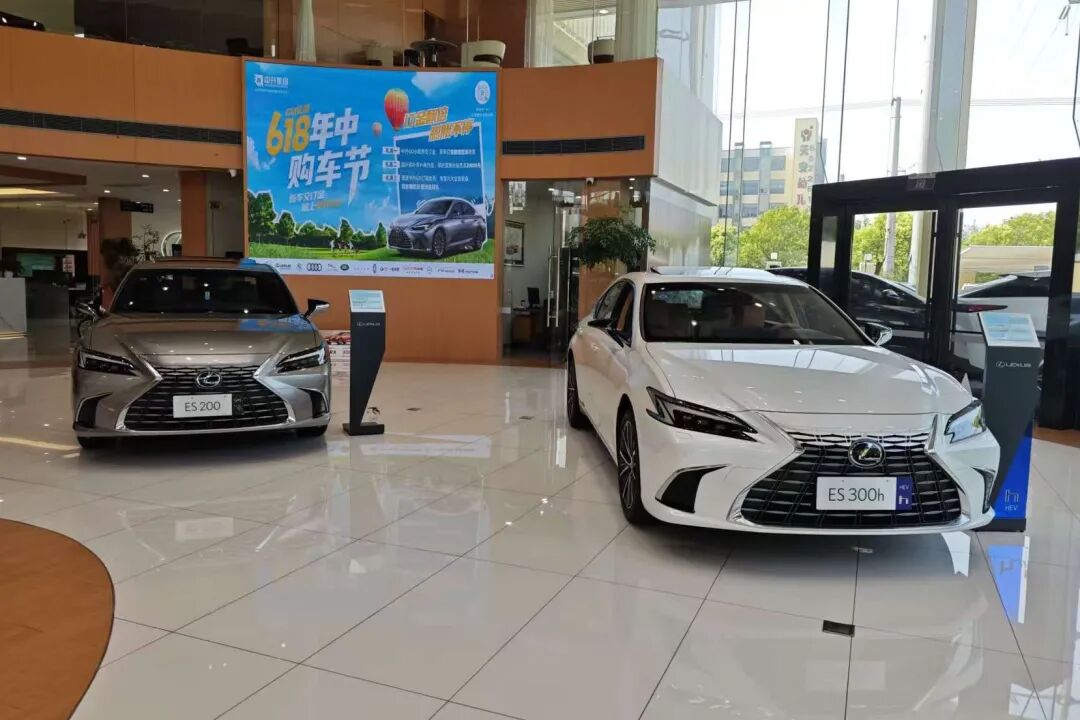
Selling new and old models together is not flawed in commercial logic.
It avoids sales disruptions caused by product transitions while reserving space and room for trial and error for brand upgrading and electrification transformation. Using a mature product to stabilize the foundation and a revolutionary product to explore new markets is the lowest-risk and potentially most efficient strategy in China's complex and ever-changing market. Since a one-size-fits-all product transition cannot cater to all needs, 'dual-model coexistence' can maximize coverage of different demands.
However, the downside of this strategy is whether it will cause internal brand positioning ambiguity and conflict. When the 'old ES' priced at just over 200,000 yuan coexists with the 'new ES' priced above 300,000 yuan, clearly communicating the value differences to consumers and avoiding cannibalization becomes a massive marketing challenge.
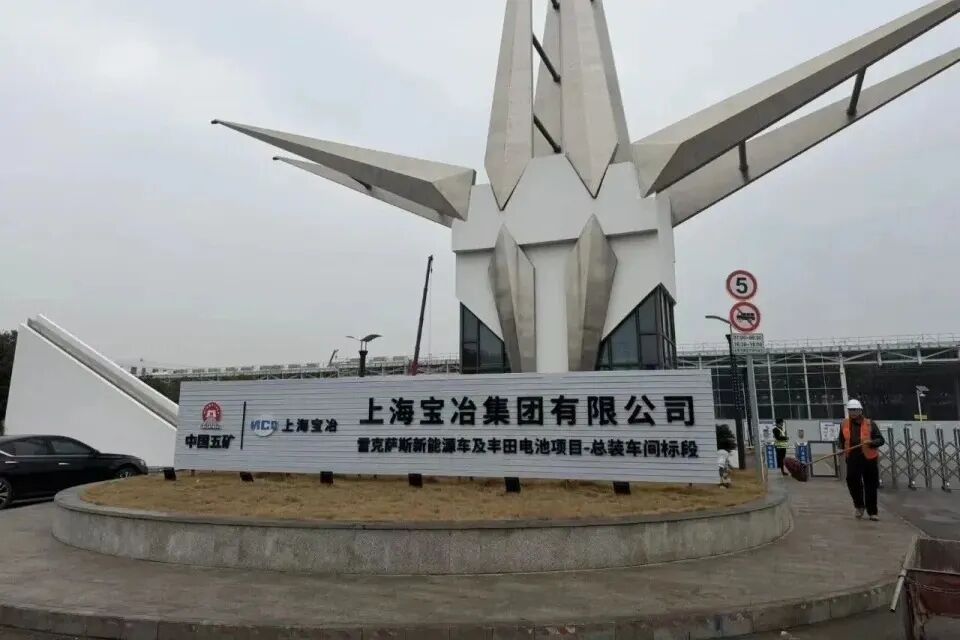
Secondly, overly relying on old models to maintain sales may make it difficult for Lexus to shed its 'moderate' and 'conservative' labels. Especially during the current window when domestic new energy brands are continuously 'reconstructing value' and Lexus's Jinshan plant has not yet been completed, transformation is not just talk.
In other words, the launch of the all-new Lexus ES and the 'new and old models side by side' strategy represent a crucial move by this Japanese luxury brand at a crossroads. It is both a reliance on and continuation of past successful paths and a cautious exploration of an uncertain future.
But essentially, it is still a high-stakes gamble.
Lexus is betting that a sufficiently large, pragmatic, and quality-conscious consumer group still exists in China's luxury car market. It is betting that in the electrification tide, its energy-efficient hybrid technology route can carve out a niche amidst industry fluctuations. It is betting that through precise product line segmentation, it can fully interpret the collective dynamics of China's auto market today and tomorrow.
The outcome of this gamble will hinge on whether the new ES can truly attract a new generation of users and whether the old ES200 can hold its ground amidst fierce price wars. For Lexus, this may be a battle with no retreat. The success or failure of the ES will directly determine this imported luxury brand's market position and survival space in China's next decade. And 'new and old models side by side' is just the first, and most meaningful, tactical move in this prolonged battle.
Within the Toyota ecosystem, we never doubt that Toyota's top executives in Tokyo can discern the changes in China's auto market. Even though Akio Toyoda occasionally expresses doubts about the industry's aggressive electrification, their judgment of industry trends is undoubtedly clear.
To put it bluntly, selling new and old ES models side by side is aimed at helping Lexus navigate through these challenging years. Several years from now, once Lexus's Jinshan plant is completed, leveraging China's mature supply chain, Lexus aspires to once again showcase the spirit of the original LS's debut in the global new energy market.
At that point, looking back at all the stabilization measures taken in the Chinese market today, though reluctant, they will be seen as reasonable product plans.
Editor-in-Chief: Cao Jiadong Editor: He Zengrong
THE END
-
![]()
Five Emerging Golden Entrepreneurial Pathways in the Agent Ecosystem: A Deep Dive into the Report (Part 2)
-
![]()
GEM-TIPS Makes Its Debut at Shenzhen International AI Expo: “Octopus AI Brain” + Intelligent Agent Cluster Pave New Ways for Industrial Intelligence
-
![]()
'China's Pioneer Domestic GPU Stock' Moore Threads Posts Profit in Q1, Yet True Profitability Unverified
-
![]()
Hynix Employees Await 3 Million Won in Bonuses, Samsung Employees Go on Strike: A Dramatic Clash Between Korea's Memory Giants
-
![]()
Twelve Years On, Can Cheng Yixiao Steer Kling to Another Victory?
-
![]()
From Data Scarcity to Open Source Boom: How China's Embodied AI Data Industry Can Break Through
-
Trend丨Indium Phosphide (InP) Prices Soar Amid AI Boom, with Cycles and Disruptions Set to Continue
-
![]()
One Article to Decode 'Computing Power Inflation': Why AI Costs Less for You While Computing Power Firms Rake in Profits