Huawei and XPENG Renew Disputes Over Intelligent Driving Paths: Is L3 Autonomous Driving Still a Debatable Proposition After All These Years?
 04/17 2026
 574
574
The chasm between L3 and L4 autonomous driving levels is not merely a matter of daring.
Huawei and XPENG have once again found themselves at odds in the realm of intelligent driving.
As two of China's leading intelligent driving companies, XPENG Motors and Huawei have chosen divergent paths for their intelligent driving technology development. XPENG Motors CEO He Xiaopeng has repeatedly asserted that L3 is merely a theoretical construct and that XPENG will leapfrog L3 to target L4 directly. At the XPENG GX launch event on April 15, He Xiaopeng reiterated that, from a safety standpoint, transitioning from L2 to L4 is the most prudent approach.
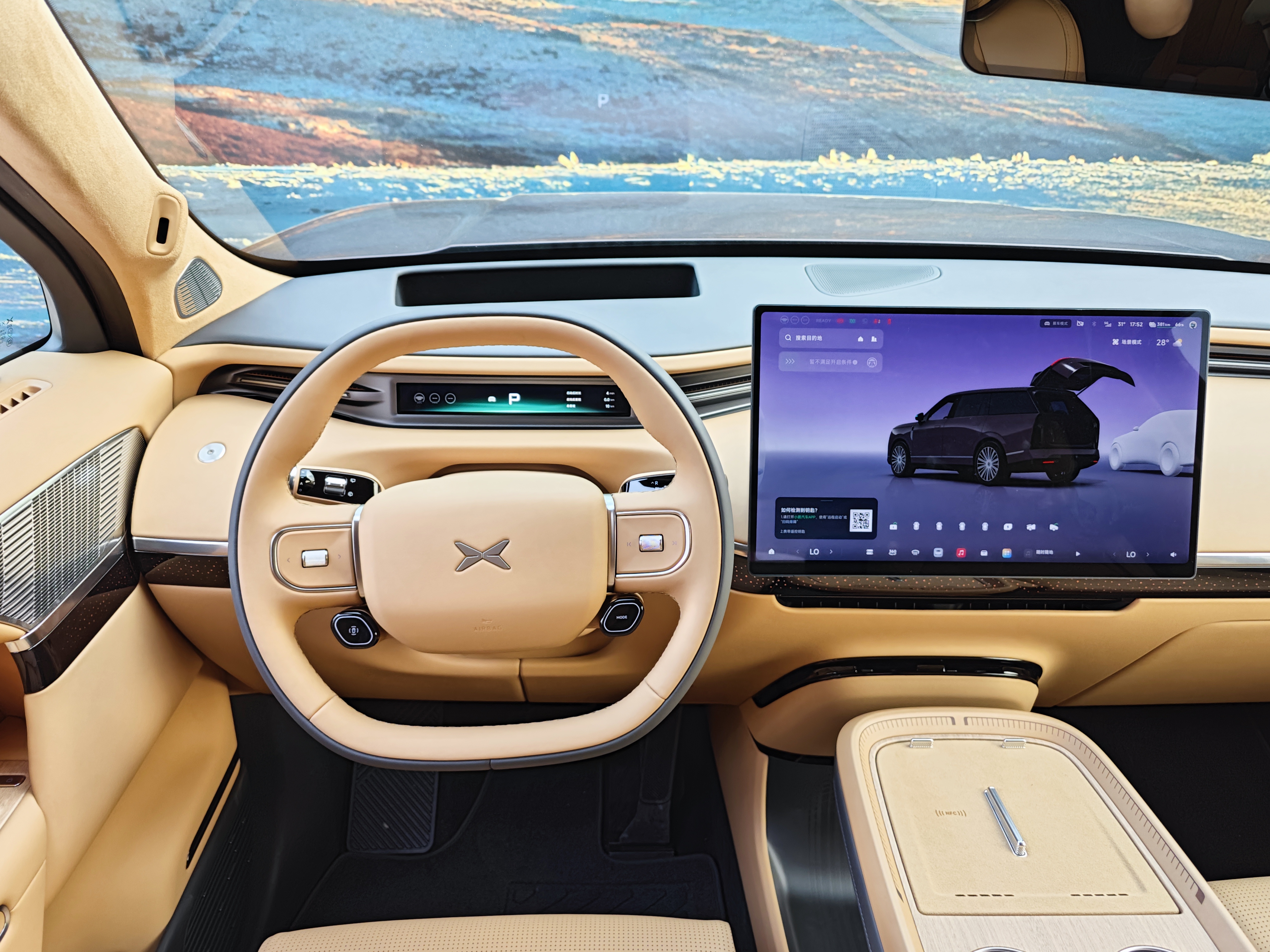
(Image Source: Dianchetong)
At the High-Level Forum on the Development of Intelligent Electric Vehicles (2026) held on April 11, Jin Yuzhi, CEO of Huawei's Intelligent Automotive Solutions BU, stated that L3 is an essential stepping stone to L4 and cannot be bypassed.
Around 2025, domestic automakers began rolling out products equipped with hardware such as computing power and sensors that meet the requirements for L3 and L4 autonomous driving, seemingly bringing L3 implementation within reach. However, as 2026 unfolds, the debate between Huawei and XPENG over whether L3 should be skipped persists, underscoring the complexity of autonomous driving implementation.
Is the distinction between L3 and L4 merely a question of 'daring'?
The debate over whether L3 is a valid proposition and whether it should be skipped has raged in the field since the classification of autonomous driving levels was introduced.
According to a report by Electrek, in 2016, several companies, including Google, Volvo, and Ford, voiced concerns about the safety hazards associated with the transfer of control between human drivers and autonomous driving systems, advocating for skipping L3 and advancing directly to L4. Tesla CEO Elon Musk vehemently opposed this view, stating that L3 is a crucial stage and that early intelligent driving systems may still make errors, necessitating human drivers as a safety backup.
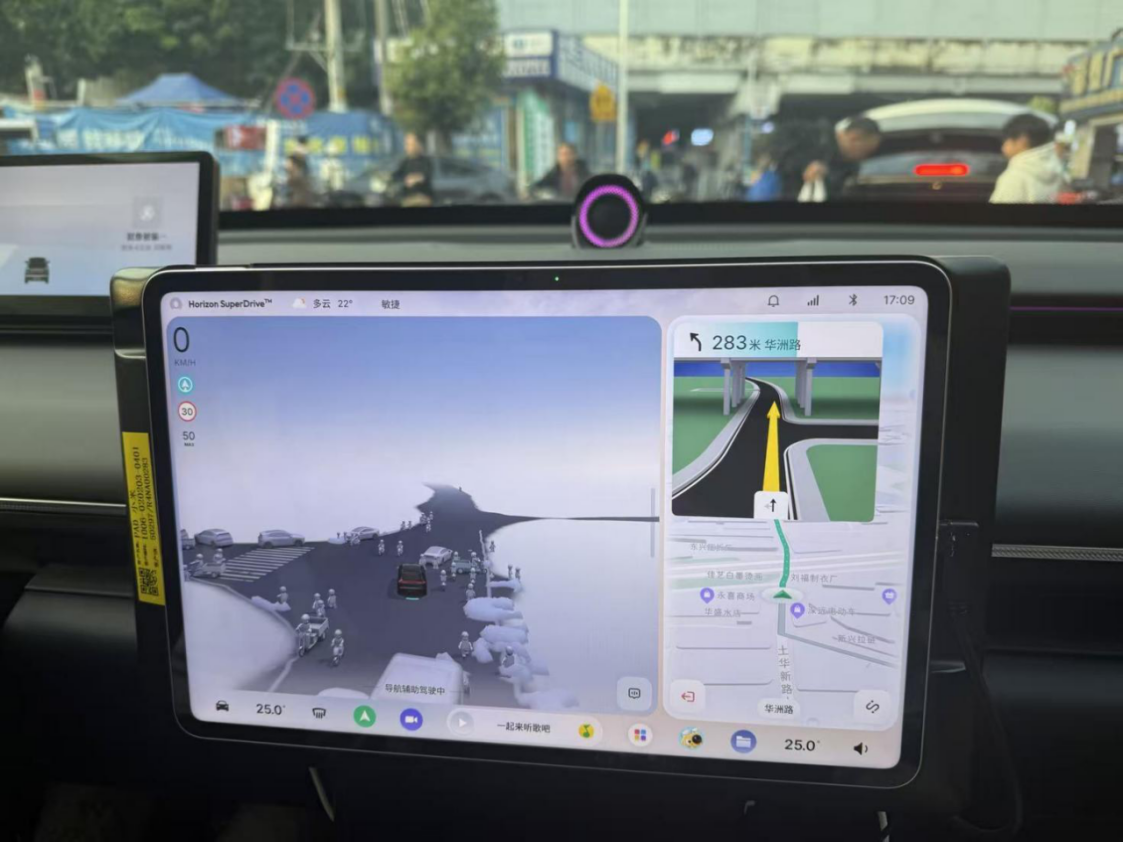
(Image Source: Dianchetong)
Indeed, during the early stages of autonomous driving development, the number of automakers supporting the skip of L3 was comparable to those advocating for its retention.
The reason lies in the uncertain industry outlook at the time and automakers' overconfidence. For instance, Ford stated in 2016 that it aimed to achieve true autonomous driving by 2021. However, by around 2020, automakers gradually recognized the challenges in developing autonomous driving technologies and subsequently revised their strategies. For example, Ford's latest plan in the intelligent driving field is to achieve L3 autonomous driving implementation by 2028.
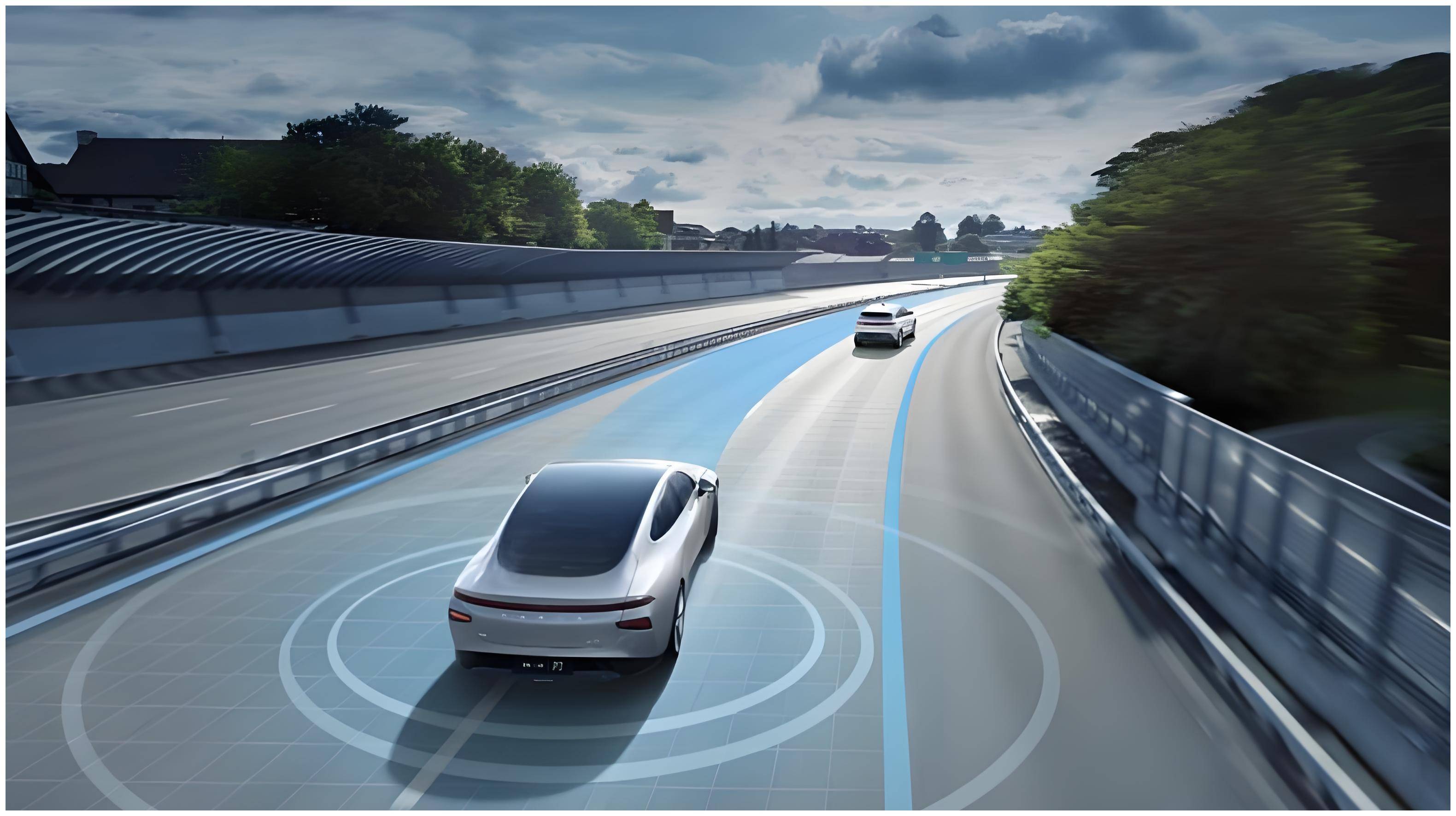
This brings us to the definitions of L3 and L4. The Society of Automotive Engineers (SAE) classifies autonomous driving into six levels, from L0 to L5. L3 represents conditional autonomous driving, where the system controls the vehicle in certain scenarios, but the driver must be prepared to take over at any time. L4 signifies high-level autonomous driving, where the system can handle all driving tasks in limited scenarios, and human drivers do not need to be prepared for takeover.
Several years ago, when Dianchetong discussed autonomous driving in an editorial meeting, a colleague joked: The difference between L3 and L4 is merely the driver's daring. If daring enough, L3 can be considered L4; if too timid, L4 is just L3.
(Image Source: XPENG Motors)
In He Xiaopeng's view, L3 is merely an enhanced version of L2.9 (L2+), both allowing the system to control the vehicle in specific scenarios with the possibility of driver takeover, lacking a fundamental difference.
More critically, during the L2.9 era, there have been numerous instances of vehicle owners sleeping while using intelligent driving and even believing that activating the intelligent driving system after drinking does not constitute drunk driving. After L3 implementation, the number of people sleeping or using their phones in the car will likely increase. For this reason, He Xiaopeng insists that skipping L3 is the optimal solution for the development of intelligent driving.
The issue lies in the fact that L3 has an additional crucial standard: if an accident occurs while the system controls the vehicle, the automaker bears the responsibility, and the intelligent driving system cannot instantly relinquish control but must allow the driver at least ten seconds to react. Once an accident occurs during intelligent driving, the automaker needs to take responsibility.
Huawei's stance is that safety requires public data quantification and cannot evolve to the L4 stage in one step. Although L3 is merely an enhanced version of L2.9, the requirement for at least a 10-second takeover time and the automaker's responsibility represent guarantees provided by the entire industry to consumers.
L3 is by no means a theoretical construct; full driver liberation still requires L4
From a consumer's perspective, Dianchetong (ID: dianchetong233) supports the abolition of L3. As my hometown is 1,300 kilometers away from my workplace, I have to drive long distances every year and deeply feel the exhaustion of long-distance driving.
Intelligent driving functions can alleviate physical fatigue but are less effective in relieving mental fatigue because, although drivers do not need to frequently operate the vehicle, they must still be prepared to take over at any time. This state of constant vigilance may be even more tiring than driving oneself.
At the L3 level, drivers still need to remain fully attentive and prepared to take over the vehicle, making mental fatigue inevitable. Behaviors such as dozing off or using phones may become commonplace. It might be better to relax regulations and allow us to engage in other activities, such as chatting with other passengers in the car or using our phones, which might improve our mental state. On Zhihu, many netizens also believe that L3's existence is unreasonable, sharing a similar viewpoint to He Xiaopeng.
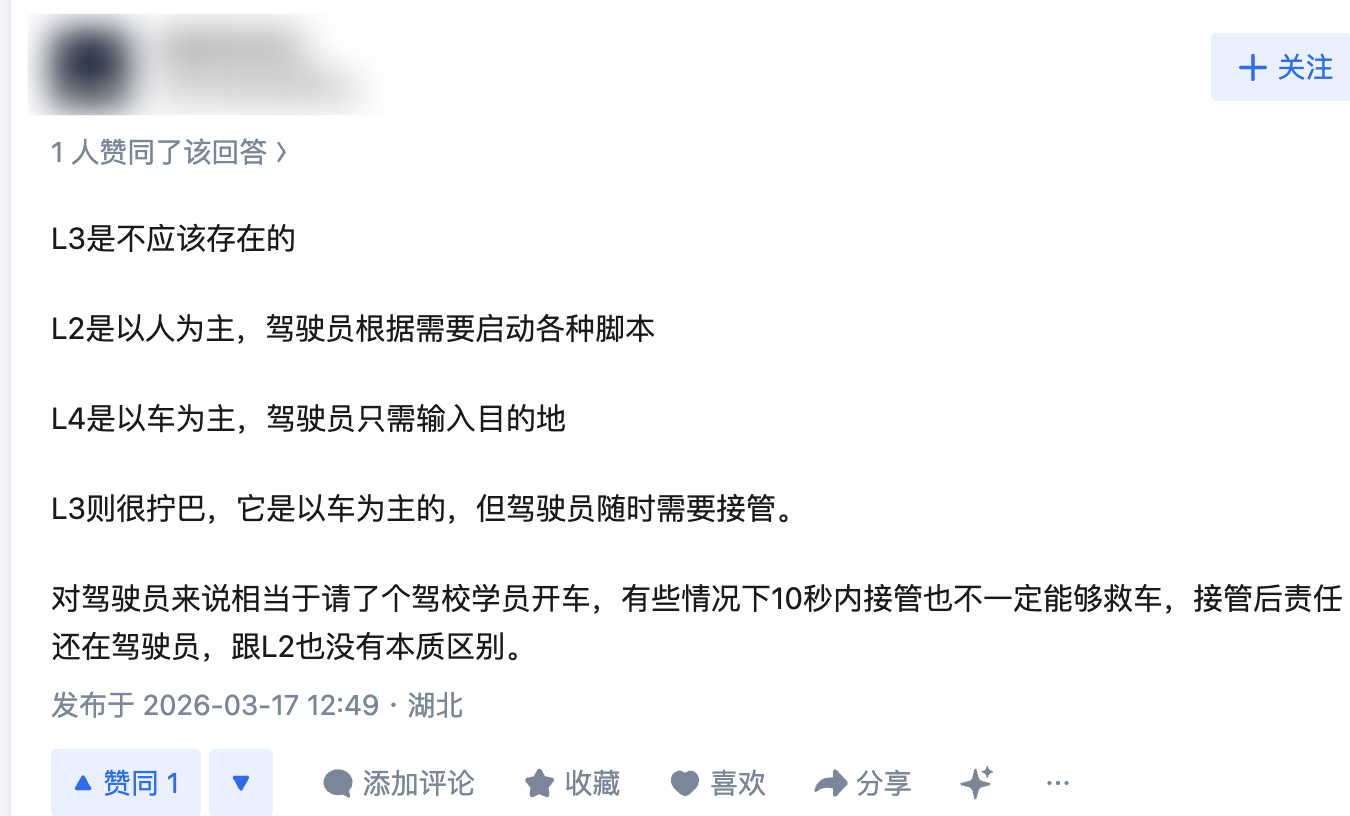
(Screenshot: Zhihu)
From an automaker's perspective, both L3 and L4 can remind drivers to take over when encountering unmanageable road conditions, and L3 requires at least a 10-second advance warning for drivers to take over, preventing "instant relinquishment" before a collision and providing users with sufficient safety and rights protection, allowing automakers to assume accident responsibility.
Simultaneously, automakers can use the L3 stage to dissect the technical challenges of L4 autonomous driving, accumulate real-world road data, and achieve gradual iterative improvements. During this process, automakers can also collaborate with supply chain enterprises to promote cost reductions in hardware such as chips and sensors, benefiting more consumers when the L4 autonomous driving era arrives.
In the early stages of autonomous driving technology development, due to industry uncertainty, many automakers supported skipping the L3 stage. However, after in-depth research and development of intelligent driving technologies, more and more automakers have abandoned the idea of skipping L3.
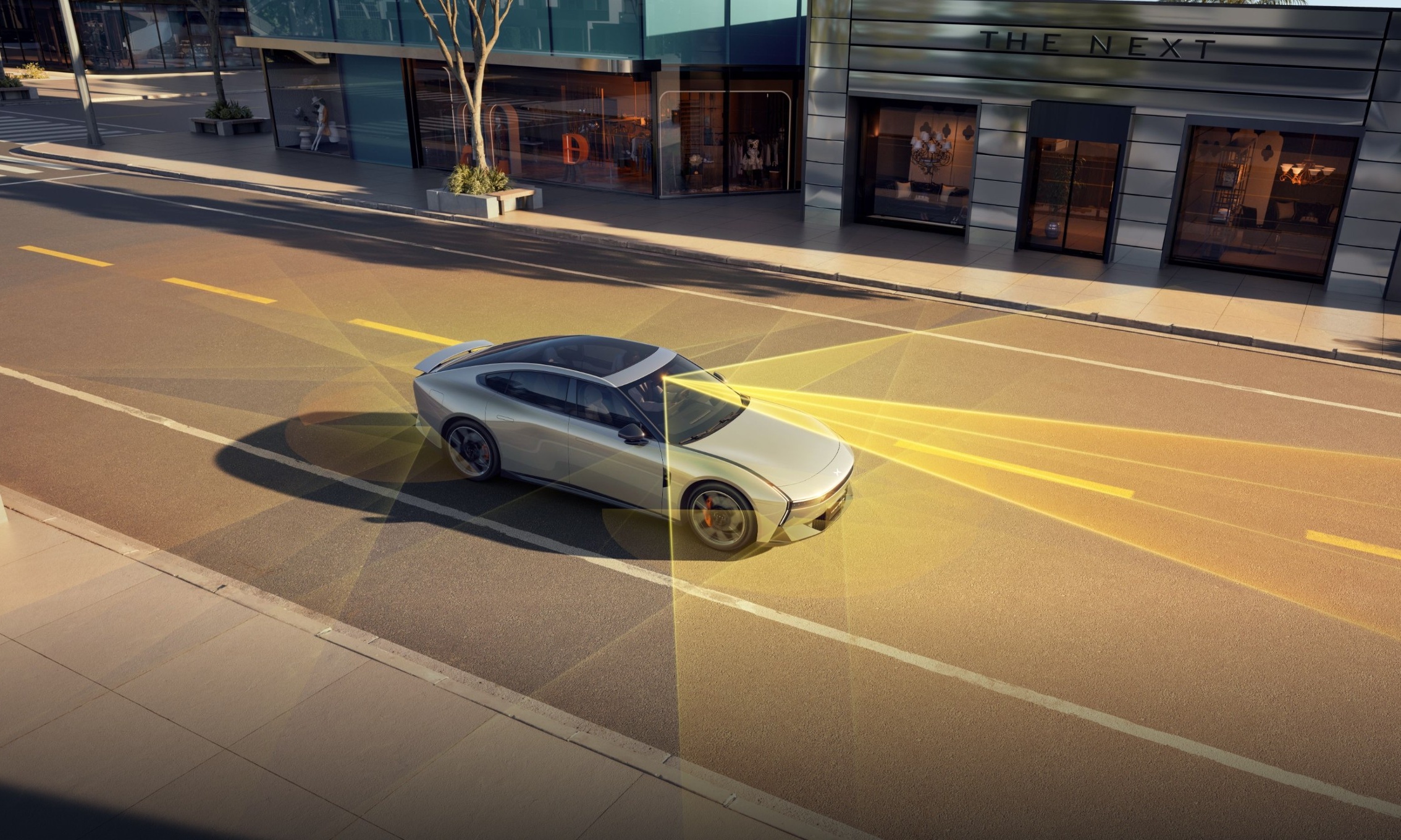
Moreover, the implementation of laws and regulations must also proceed gradually. Legally, L3 is likely to be implemented earlier than L4. Even if automakers insist on skipping L3, they cannot launch L4 autonomous driving before the completion of L4 laws and regulations.
(Image Source: XPENG Motors)
Additionally, automakers were initially overly optimistic about the computing power required for intelligent driving systems, leading to many models announcing shortly after release that they could not be updated to the latest and most powerful intelligent driving systems. The amount of computing power required for L4 autonomous driving technology still needs continuous exploration and verification by automakers.
Regarding the requirement for drivers to be fully prepared to take over at all times during L3 autonomous driving, automakers are already relaxing these requirements. For example, Mercedes-Benz has already stated that in approved regions such as Germany, users can drink water and watch videos while using L3 autonomous driving; Hongqi's Sinan 1000 intelligent driving system allows users to take their hands off the wheel and eyes off the road in specific driving scenarios.
In fact, automakers have considered all the issues that consumers are concerned about. In the past, due to technological limitations, automakers dared not relax the requirements for drivers. However, when L3 autonomous driving truly arrives, automakers will likely minimize control over drivers and allow them to engage in activities with minimal impact while using the activated intelligent driving system.
Dianchetong (ID: dianchetong233) believes that while using L3 autonomous driving, we may not be able to sleep, play games, or work in the car as we would with L4 autonomous driving, but we can certainly engage in activities that do not affect vehicle operation and allow us to take over within ten seconds on highways, expressways, and some urban roads.
No matter how daring you are, L3 is not L4
In the eyes of some users, the difference between L3 and L4 lies solely in the driver's daring. However, in the eyes of some automakers, L3 is an indispensable path to L4, requiring consideration of numerous issues such as scenario adaptation and responsibility allocation.
During the L3 era, automakers will bear financial compensation for traffic accidents caused by intelligent driving systems but may not be able to assume legal responsibility on behalf of drivers, who remain the primary responsible parties.
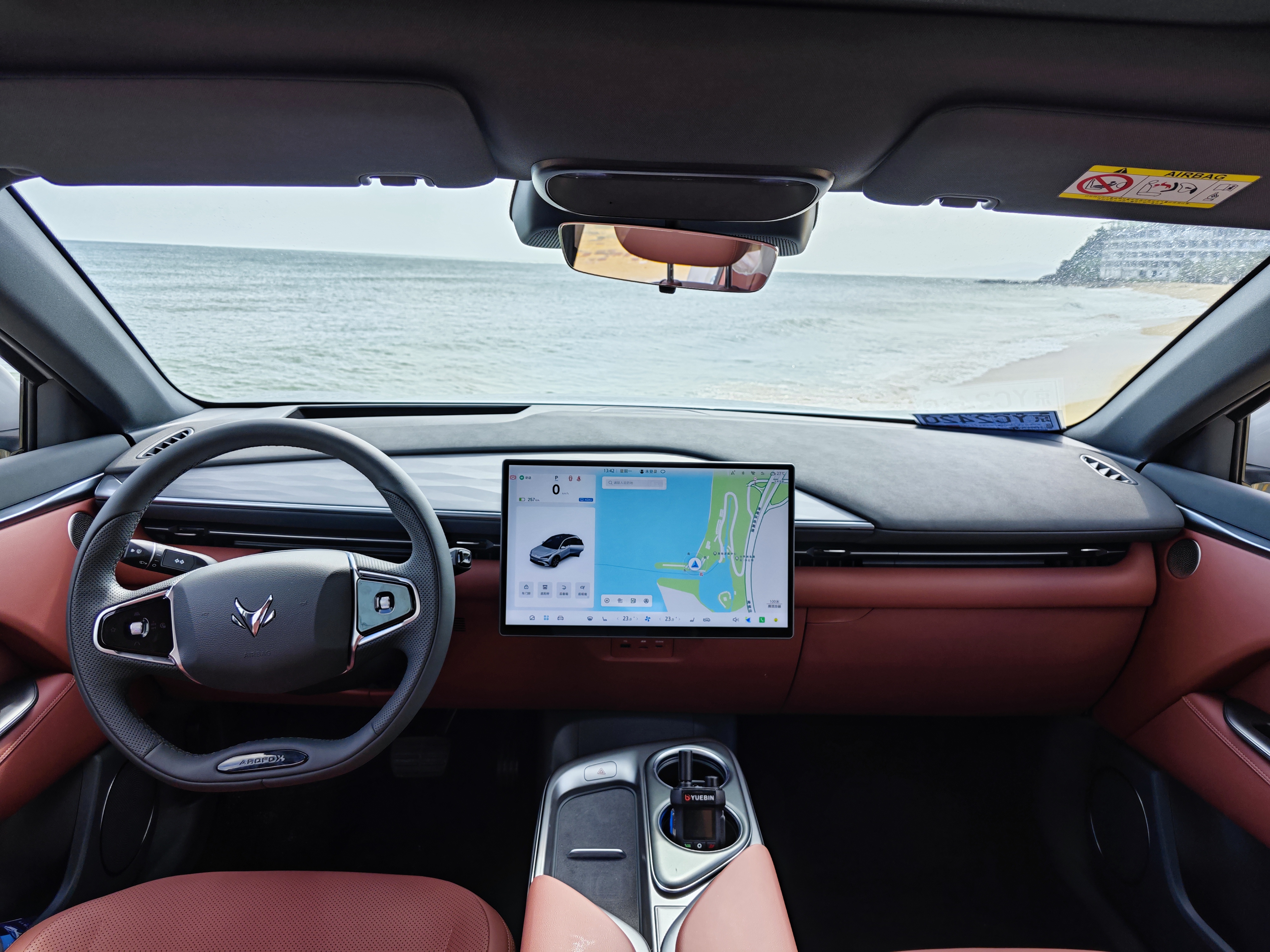
No matter how daring drivers are, they cannot truly treat L3 as L4.
(Image Source: Dianchetong)
Companies that decide to skip the L3 stage share a common characteristic: sufficient confidence in their own intelligent driving technologies. As a leading enterprise in China's intelligent driving industry, XPENG Motors has the qualification to possess such confidence. At previous launch events, He Xiaopeng also stated that the second-generation VLA is five times stronger than the industry's first-tier level.
However, the industry will not change due to the technological accumulation and development routes of a single enterprise. For most automakers, L3 is a necessary path, and some automakers may not even have the capability to embark on this path alone, requiring external assistance from autonomous driving enterprises to achieve transformation.
Correspondingly, laws and regulations will also be formulated based on the overall industry situation, gradually achieving the implementation of L3 and L4. However, the definitions of L3 and L4 are inherently vague, and the L3 intelligent driving provided by automakers is likely to lean towards L4, granting drivers freedom within appropriate limits.
XPENG Motors, which has decided to skip the L3 stage, may be able to go a step further and provide a level of flexibility beyond the industry average at the L3 stage, such as allowing drivers to use their phones and sleep.
In Dianchetong's (ID: dianchetong233) view, the main directions of competition among automakers in the L3 era are twofold: one is safety, which can be measured by data, and the other is the amount of freedom given to drivers. While automakers can conceal the former by not disclosing data, consumers can discern differences in the latter through comparison. Whoever can liberate drivers will seize the initiative in the L3 era.
(Cover Image Source: XPENG Motors)
XPENG, Huawei, Ford, Autonomous Driving, Tesla
Source: Leikeji
All images in this article are from the 123RF royalty-free image library
-
![]()
Jitian Xingzhou: A Pioneer in Optical Payloads Secures Hundreds of Millions in Series B Funding!
-
![]()
Orders Secured Through to the Second Half of the Year! The Rationale Behind the 'Surge' in Demand for This Company’s Optical-Grade Base Films
-
![]()
Beyond Patents: The Retail Rivalry of Insta360 and DJI Unfolds
-
![]()
180 Billion Market Cap Vanished! How Did Seres Fall So Far?
-
![]()
Blockbuster! Domestic storage takes the global double crown for the first time, from an AI company
-
![]()
China Spearheads Formulation! World's Pioneering Global Technical Regulation for Automated Driving Systems Greenlit and Unveiled
-
![]()
Farewell to Pulsed Support Policies: Three Major Auto Policy Directions from Multiple Departments Take Effect on the Same Day
-
![]()
Embercore AI’s Accelerated Funding: The Robot Industry’s Shift Toward ‘Learning Systems’