What Signals Are Being Sent Amidst the Fierce Competition at the Beijing Auto Show?
 04/30 2026
 588
588
Introduction | Lead
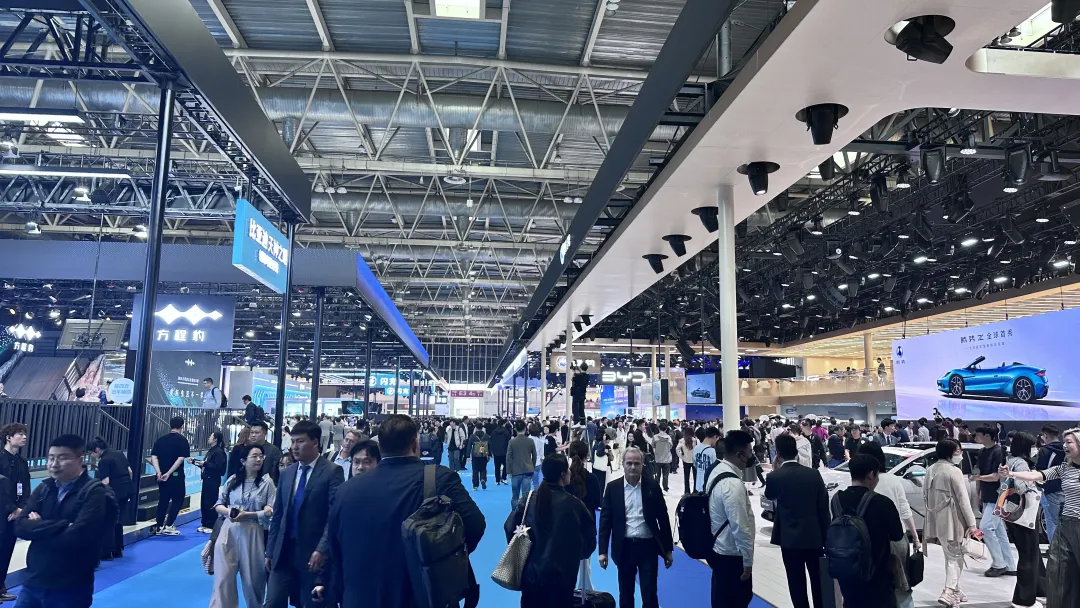
As the world's largest auto show in terms of both scale and influence, this event vividly showcased the intense competition among domestic brands, joint ventures, and suppliers. Highlights included advanced intelligent driving systems, AI-powered smart cockpits, battles among flagship 9-series models, a diverse array of new models, and frequent launches from joint ventures. These elements not only defined the Beijing Auto Show but also set the tone for the Chinese automotive market in 2026.
This article is produced by | Heyan Yueche Studio
Written by | Cai Yan
Edited by | He Zi
Full text: 2,705 characters
Reading time: 4 minutes
At the 2026 Beijing Auto Show, Chinese domestic brands remained highly motivated. Lei Jun, the head of Xiaomi, showcased the YU7 GT and previewed extended-range products on the Kunlun platform. Li Xiang enthusiastically shared design and technical details of the Li Auto L9 Livis. Models like the Eking X9, Seres M9, NIO ES9, and Luxeed V9 boosted confidence in high-end brand positioning.
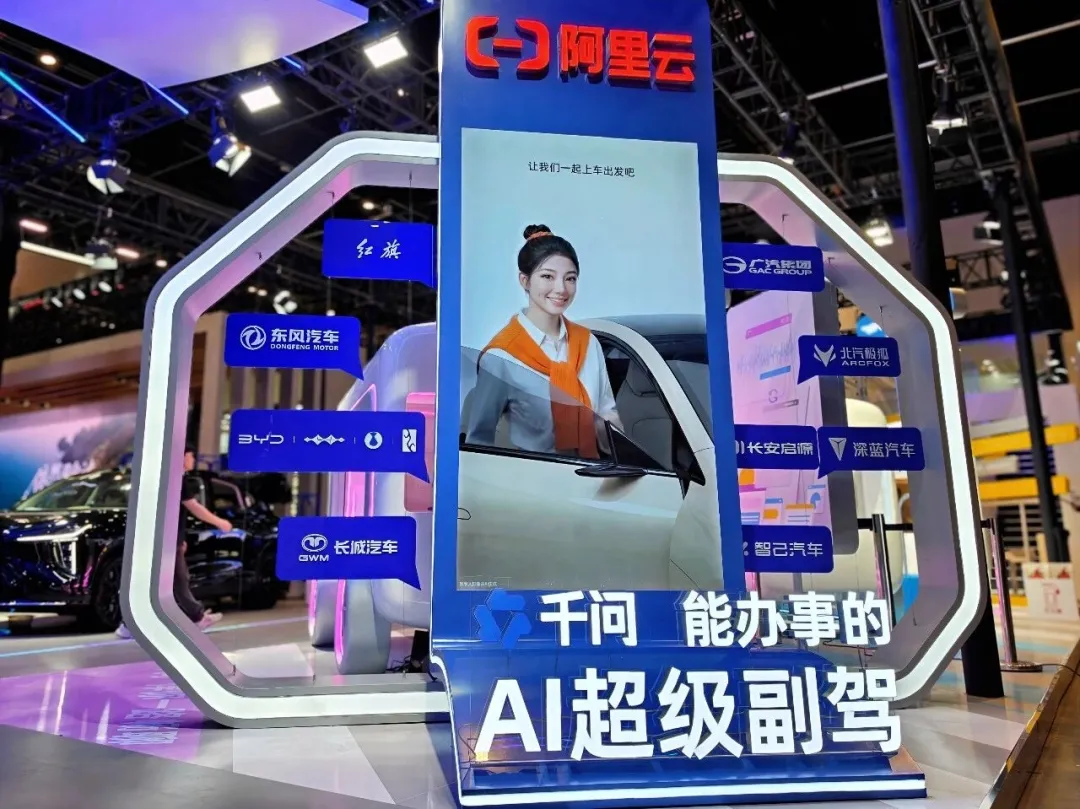
Intelligent solution suppliers focused on promoting accessibility, AI integration, and L3 autonomy. Huawei's ADS 5.0 made its debut, officially commercializing L3 intelligent driving. Horizon Robotics, with its "Starry Sky" concept, aimed for "cockpit-driving integration." Alibaba's QianWen large model, ByteDance's Doubao large model, and iFLYTEK's Spark large model showcased upgrades to vehicle infotainment systems as "AI agents."
While domestic brands surged ahead in the high-end new energy market, joint venture brands did not remain idle. A clear signal emerged at this Beijing Auto Show: joint venture brands are launching a swift counteroffensive.
Joint Venture Brands Adjust Pace to Re-enter the Competitive Arena
Before the 2026 Beijing Auto Show, few joint venture brands actively embraced the path of "Chinese technology with brand endorsement," with only Nissan, Toyota, Buick Ultium, Audi, and Mazda among them. The remaining mainstream joint venture brands either "held cash and waited" or "took small, tentative steps."
After experiencing consecutive sales declines in 2024-2025 and witnessing competitors achieve success in the new energy sector, it became evident by late 2025 to the 2026 Beijing Auto Show that more joint venture brands were announcing so-called "new energy strategies." Optimistically, this was seen as a step-by-step approach, timing entries with the "phasing out of national and tax subsidies" and entering a period of technological fulfillment. Realistically, joint venture brands all needed a "pioneering anchor point."
At this Beijing Auto Show, BMW, Mercedes-Benz, Volkswagen, as well as French and Korean brands, took proactive and aggressive counteroffensive actions.
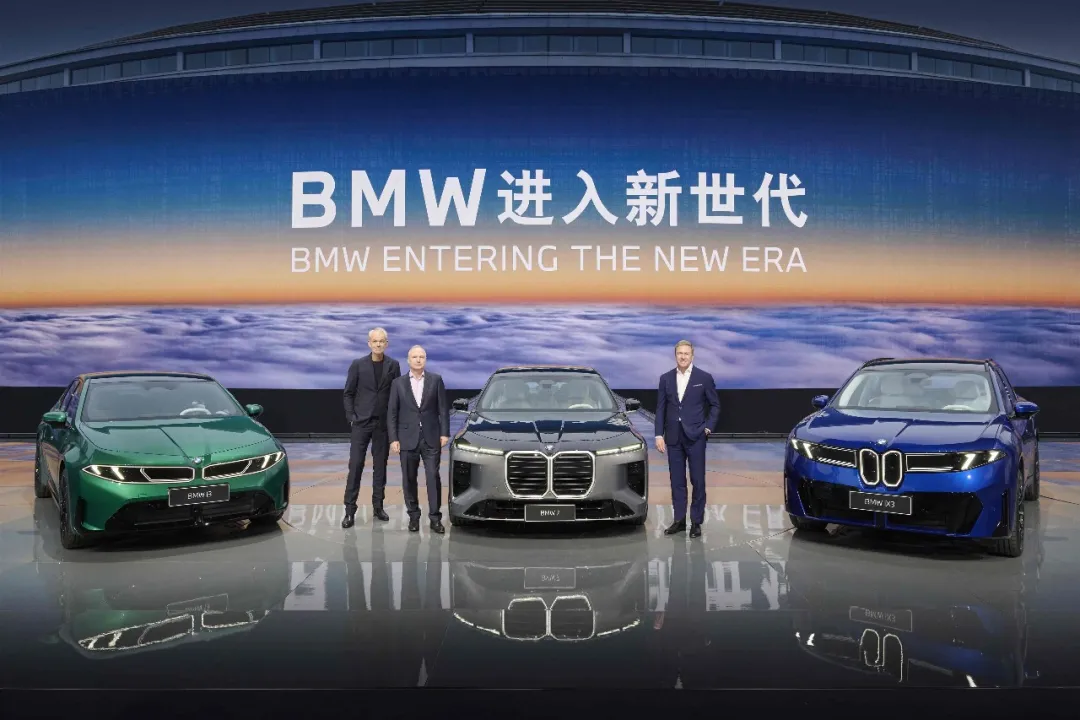
BMW Group brought 16 new models across its BMW, MINI, and BMW Motorrad brands, including 4 global premieres and 8 China premieres, marking BMW's largest-ever debut lineup in the Chinese market.
BMW's purpose in unveiling multiple new models at once at the Beijing Auto Show was to demonstrate that its R&D system in China had been fully upgraded, enabling full-process automotive R&D and full-stack intelligent connected software development capabilities in China. Simply put, it had finally addressed shortcomings in intelligence and hardware-software compatibility.
The New Class iX3 long-wheelbase version exemplifies BMW's transformation. Seventy percent of the new model's operating system code was developed by Chinese teams. In terms of intelligence, the BMW cockpit integrated Alibaba's AI large model and DeepSeek, while supporting Huawei's HarmonyOS ecosystem and HiCar full-scenario connectivity. Intelligent driving was jointly developed with Momenta. The powertrain utilized 800V high-voltage and large cylindrical batteries, achieving 10-80% charging in 21 minutes.
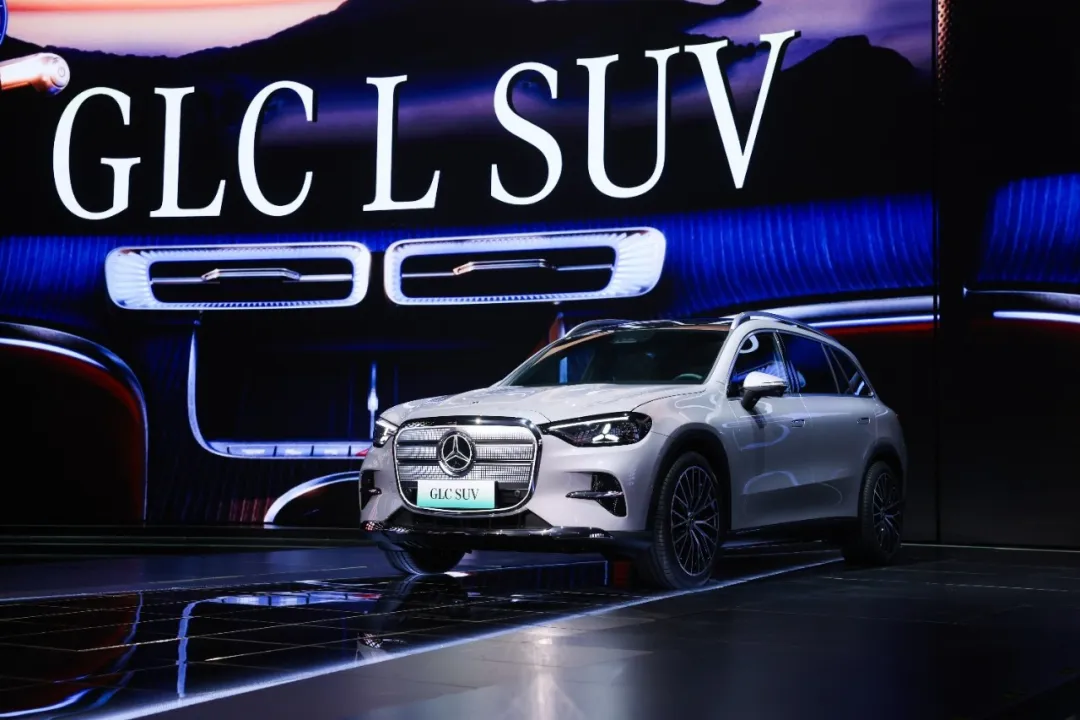
Mercedes-Benz globally premiered the all-electric GLC at the Beijing Auto Show. Built on the new MB.EA platform, this model supports 800V architecture, features Mercedes' self-developed MB.OS architecture, and includes a China-exclusive full-scenario driving assistance system co-developed with Momenta.
The all-electric GLC is not only Mercedes' first pure electric model directly adopting the naming convention of its best-selling models in recent years but is also positioned as the "largest, quietest, and most comfortable GLC ever," with a focus on reclaiming Mercedes' dominance in the luxury pure electric SUV segment. Notably, the new S-Class also incorporates Mercedes' self-developed MB.OS architecture, specifically addressing shortcomings in intelligent driving for the Chinese market.
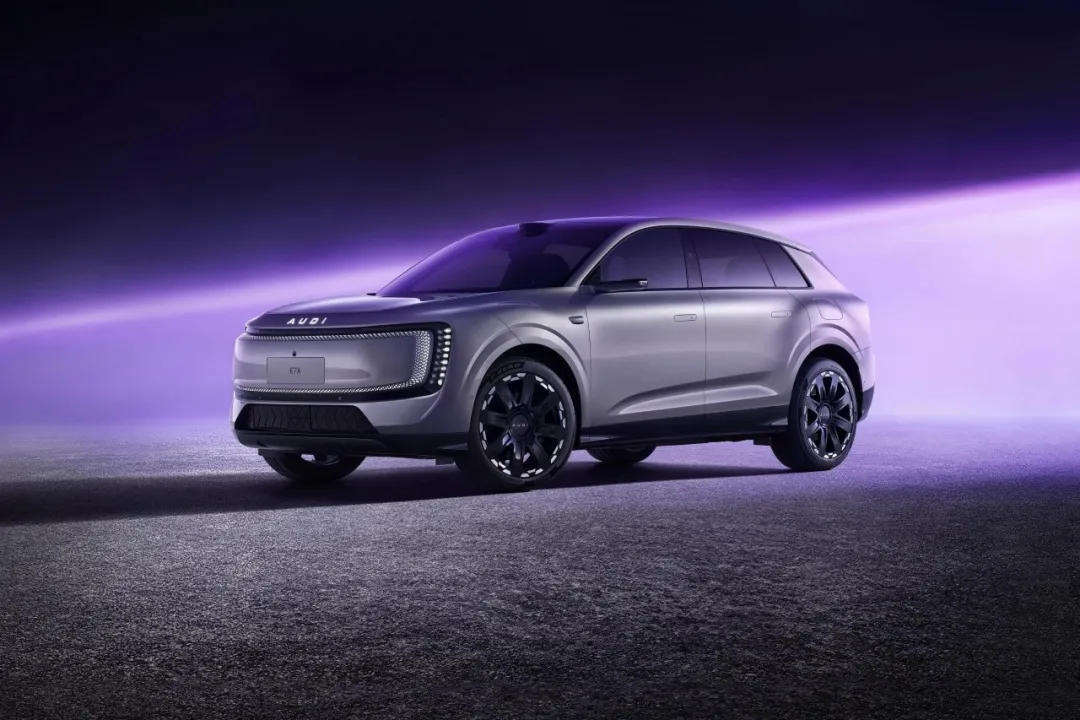
Compared to BMW's new model lineup and Mercedes' pure electric SUV benchmark, Audi, the most proactive in embracing new energy, inevitably accelerated its localization process. In 2025, SAIC Audi underwent brand innovation, launching AUDI's first pure electric sedan. On April 17, 2026, the first intelligent electric vehicle technology center jointly established by SAIC and Audi was inaugurated.
Specifically, the Audi E7X, debuting at the auto show, features an exclusive mainstream wire-controlled chassis developed by the technology center. This marks not only the first mass-produced wire-controlled chassis model among luxury brands but also one of the industry's pioneering models.
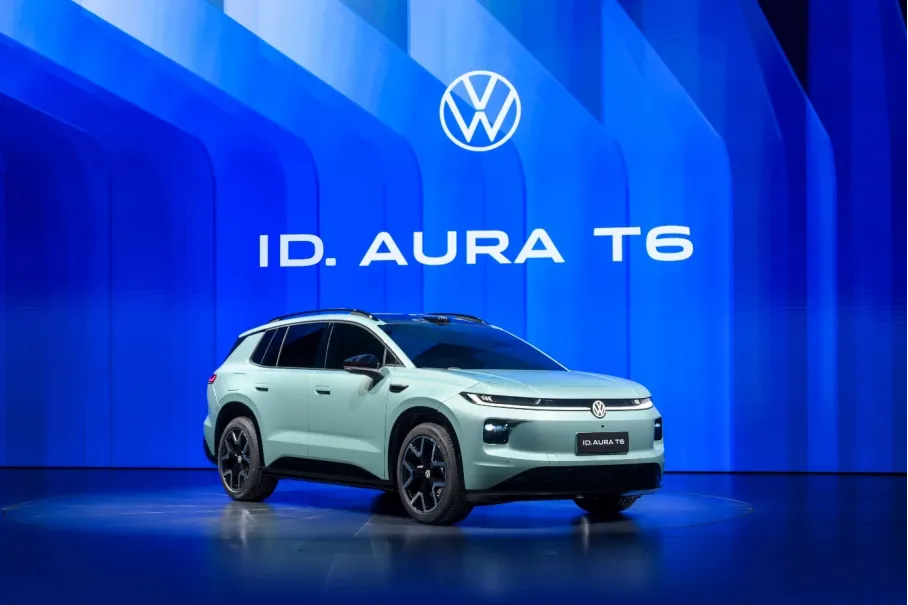
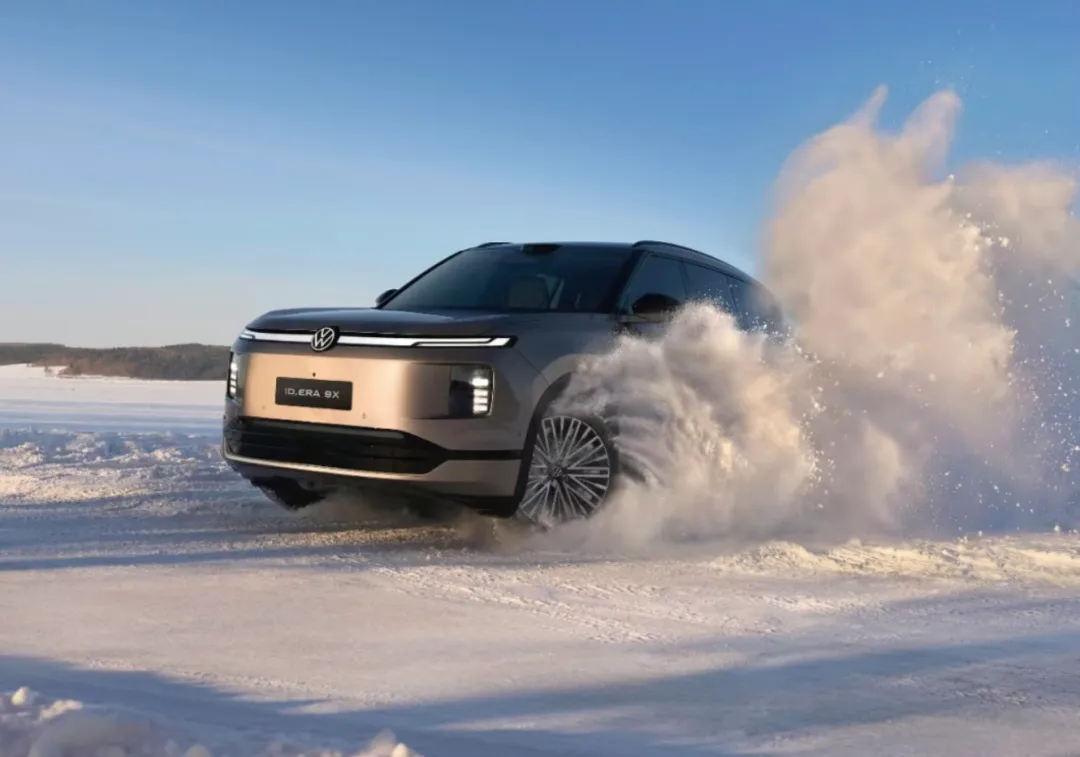
Volkswagen Group's highlights at this Beijing Auto Show included announcing pricing for the ID.ERA 9X and ID. Unique 08, as well as unveiling FAW-Volkswagen's first pure electric model, the ID.AURA T6. Judging by Volkswagen's newly launched products this year, SAIC Volkswagen clearly understands Chinese consumer demands. As for the ID. Unique 08 and FAW-Volkswagen, the former has remained tepid, while the latter requires more information on the new model for evaluation.
Joint venture brands are collectively submitting turnaround answers, either re-entering the competitive arena or gradually forging distinctive new energy paths aligned with their brand identities.
Hyundai has clearly stated its intention to enter the Chinese market with its electrified brand IONIQ. Combined with the earlier release of two concept cars, expectations are rising for Hyundai's "counteroffensive" in the new energy sector.
While General Motors and Mazda have already launched "localized new energy products," General Motors' entry with Cadillac and Mazda's plan to infuse new energy elements into the classic MX-5 roadster reveal more possibilities for joint venture brands in the new energy landscape.
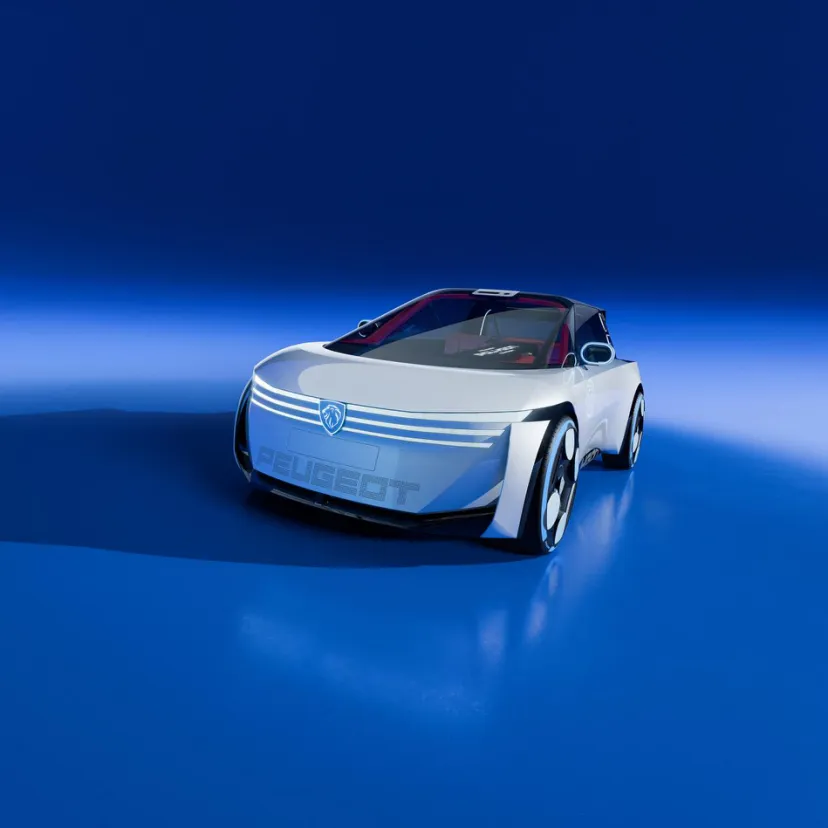
Even marginalized French brands are making significant moves. Dongfeng Peugeot and Dongfeng Citroën, under Dongfeng Motor Corporation, announced a rebranding, showcasing their latest brand images and product lineups at the Beijing Auto Show.
Of course, not all mainstream joint venture brands are "flexing their muscles" at this Beijing Auto Show. Honda and Ford lack "innovation." Among the "Big Three" Japanese brands, Honda faces the most awkward situation. Whether at the Guangzhou Auto Show in November last year or this Beijing Auto Show, Honda has failed to present a truly market-trend-compliant new energy model, severely lagging in strategic rhythm.
In contrast, although Ford did not unveil a new energy model at the auto show, its simultaneous display of gasoline and electric Bronco models at the Guangzhou Auto Show last November signaled its presence in the new energy sector to consumers. Perhaps its new energy vehicle launch schedule simply did not align with the Beijing Auto Show timeline this year.
Judging by the overall performance of joint venture brands at this Beijing Auto Show, whether BBA, Volkswagen, or Nissan, they are all seeking breakthroughs in 800V technology, extended range, and localized intelligent driving directions.
Especially Audi, after experiencing market sales declines and slow progress in new energy adoption, learned from its mistakes and pioneered a new joint venture 2.0 model: "Taking the Chinese market as the primary battleground, enabling mutual empowerment between Chinese and foreign partners, with the Chinese team leading product definition and the foreign side providing brand endorsement."
In the future, this will likely be an unavoidable path for most joint venture brands, luxury brands, and new brands, especially since some have already reaped the initial rewards.
Hesitation Gives Way to Persistence
When joint venture brands break free from past hesitation over "brand positioning," they find that Chinese consumers are also willing to purchase "joint venture new energy products."
This is evident from the real market feedback generated by Audi's transformation into AUDI, Toyota's "bZ" series, Nissan's "N Series," and Volkswagen's "extended-range SUVs." This explains why, after 2026, more and more joint venture brands are swiftly joining the new energy sector.
Because pioneering joint venture brands have already explored what can and cannot change during electrification transformation. Dominance, intelligent electric technology, product definition (configuration, pricing, sincerity), distribution models, and even brand definitions can evolve. The only constants are brand-corresponding quality and endorsement.
The underlying logic is twofold: on one hand, joint venture brands now clearly recognize that their localized new energy products, post-brand transformation, will inevitably converge with domestic brands in terms of intelligent electric technology, making it difficult to capture existing market share from domestic brands. For now, they must leverage their established presence in China to buy time, using products refined in the Chinese market to sustain global market expansion. This is the deepest-seated confidence of joint venture brands.
On the other hand, joint venture brands ultimately entrust product definition to Chinese partners while maintaining control over brand endorsement and quality because they have accumulated a highly loyal user base in China over the years. These potential customers, who trust only joint venture brands, form the backbone of their sales.
This explains why models like those from Audi, Nissan, Toyota, and Volvo, when equipped with competent new energy technology, achieve strong sales in their initial two to three months.
Commentary
When intelligence is no longer a weakness, the decades-accumulated chassis tuning, safety reputation, and manufacturing craftsmanship of joint venture brands regain their competitive edge. Combined with the advantages of integrating China's new energy industrial chain, this group is once again raising its banner. Clearly, joint venture brands have not conceded but are biding their time to launch a counteroffensive at a critical industry juncture.
(This article is original to Heyan Yueche and may not be reproduced without authorization.)
-
![]()
Is Zhipu's Trillion-Yuan Market Cap, Despite No Profit, Truly 'Outrageous'?
-
![]()
XiaoPai Unveils Home AI Brain, Paving the Way for Smart Homes to First Grasp 'Home Understanding'
-
![]()
Is the Future of Extended-Range EVs Pure Electric or Li Auto’s 5C Extended-Range? A Li Auto Executive Shares Insights
-
Ant Group’s New Board of Directors: Signaling a New Era?
-
![]()
Google Initiates TPU Sales, as Industry Leaders Eye AI Chips for 'Cost-Effective Tokens'
-
![]()
Input Methods: The Rising Star in AI! WeChat, Doubao, and Qianwen Lead the Charge into the Voice Input Era
-
![]()
Struggling to Sell? Cut It Out! Toyota, Volkswagen, and Changan Lead the Charge in Streamlining, Eliminating Non-Core Products in the Blockbuster Model Era
-
![]()
Arm China and Volcano Engine Join Forces to Expedite Cloud Computing and AI Infrastructure Rollout